Why April Lime Applications Make A Noticeable Difference In Georgia Lawns
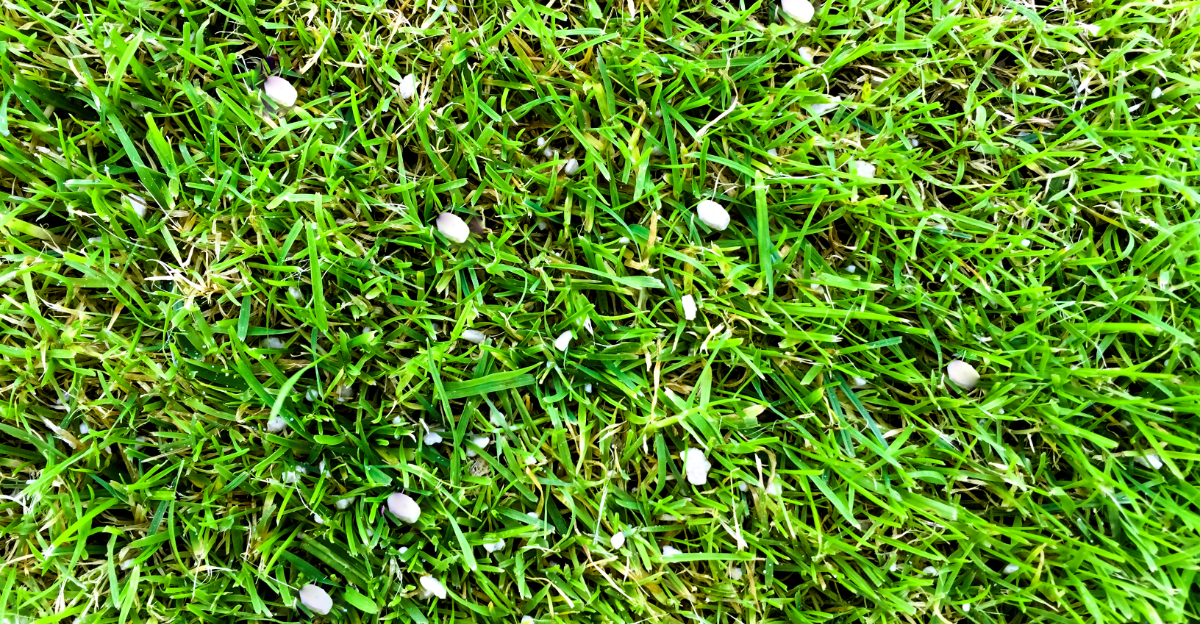
Many Georgia lawns start the season with decent color but never build that dense, even growth people expect as spring moves forward.
Grass can stay thin in spots, respond unevenly to care, or show slow progress even when everything seems in place.
That usually points to a condition below the surface that does not get checked early enough.
This part of the season plays a bigger role than it seems, especially when soil balance begins to affect how nutrients get used. A small shift at the right time can influence how steady and consistent lawn growth looks over the next few months.
Some lawns improve quickly once that factor is addressed, while others continue to struggle without it. What happens now often sets the direction for how well the lawn holds up as conditions become more demanding.
1. Lime Helps Adjust Soil pH For Better Nutrient Availability
Soil chemistry quietly controls what your grass can and cannot use. Even when fertilizer is applied generously, an acidic soil pH can lock nutrients into forms that grass roots simply cannot absorb.
Phosphorus, calcium, and magnesium all become less available when pH drops too low, and Georgia soils tend to run on the acidic side naturally.
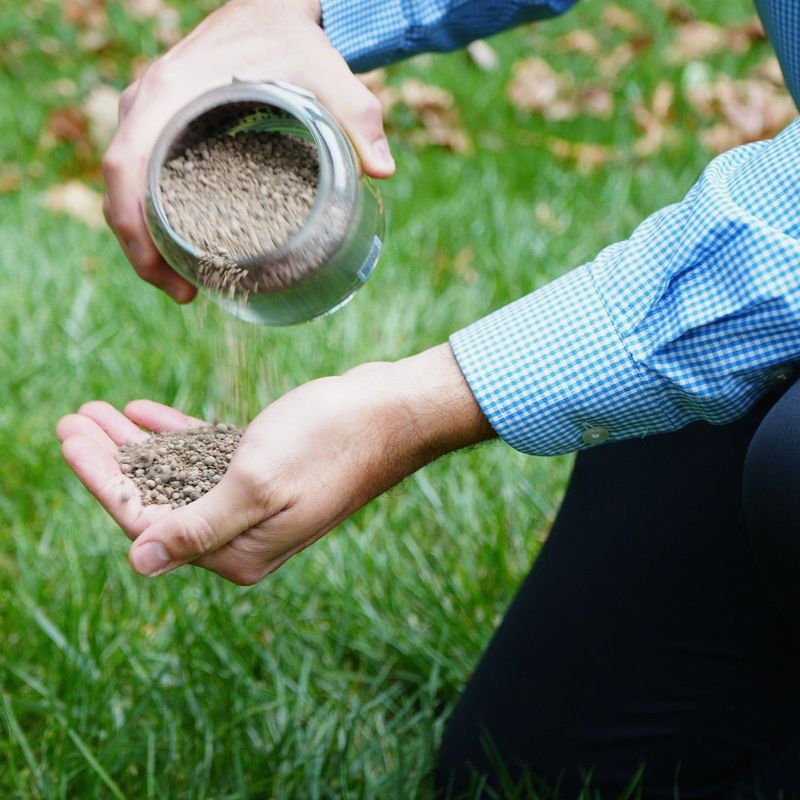
Lime works by introducing calcium carbonate into the soil, which neutralizes excess acidity over time. As pH climbs toward a more balanced range, typically between 6.0 and 6.5 for most warm-season grasses, those locked-up nutrients become accessible again.
Grass does not need more fertilizer in that situation; it needs the right conditions to use what is already there.
Bermuda and Zoysia, both popular across Georgia, respond noticeably when soil pH gets corrected. Leaf color tends to improve, and root development becomes more consistent.
Applying lime in April gives the product time to begin working before summer growth peaks.
Pelletized lime spreads evenly with a broadcast spreader and causes less dust than powdered options. Watering lightly after application helps move lime particles into the soil surface.
Results are gradual, not instant, but the shift in nutrient availability can reflect clearly in how the lawn looks through late spring and summer.
2. Correcting Soil Acidity Supports Stronger Grass Growth
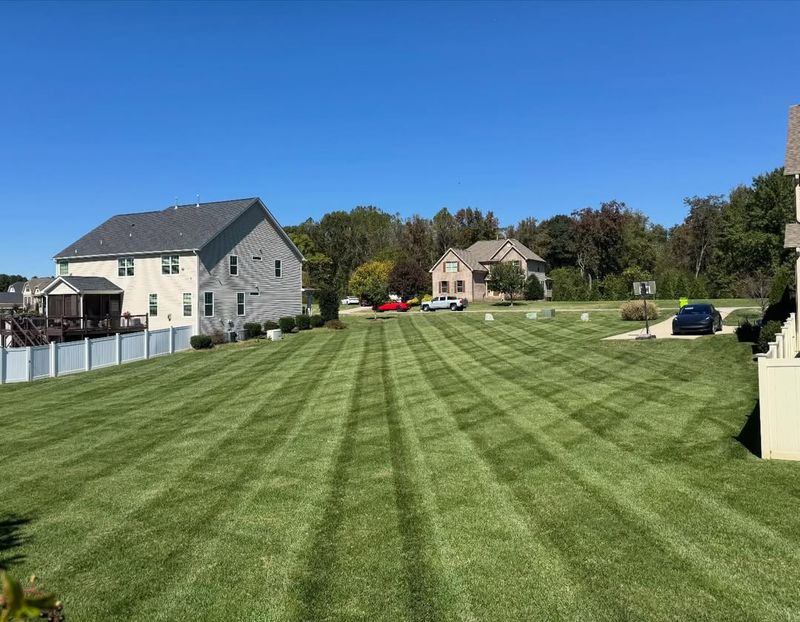
Grass struggling in acidic soil often shows it in subtle ways before the problem becomes obvious. Growth slows down, color turns patchy or pale, and bare spots seem to expand without a clear explanation.
Many Georgia homeowners reach for more fertilizer, but the real issue is often the soil itself working against the grass rather than a shortage of nutrients.
Acidic conditions also create an environment where certain weeds and mosses tend to outcompete desirable turf. Correcting pH does not guarantee weed-free results, but it does shift conditions in favor of the grass you actually want growing.
Bermuda, Zoysia, and centipede all have pH preferences, and keeping soil within those ranges gives each grass type a reasonable advantage.
Lime applications in April align well with Georgia’s seasonal rhythm. Warm-season grasses begin breaking dormancy around this time, and providing better soil conditions before that growth surge can support more consistent establishment.
Roots exploring improved pH zones tend to spread more actively, which contributes to a denser turf surface over the season.
Stronger root systems also improve drought resilience during Georgia’s hot summers. A lawn rooted in well-balanced soil holds up better during dry stretches than one fighting acidity stress.
No lime application promises a perfect lawn, but addressing soil acidity removes one significant barrier that often holds Georgia turf back from performing reasonably well.
3. Spring Is A Good Time To Apply Lime When Soil Needs Adjustment
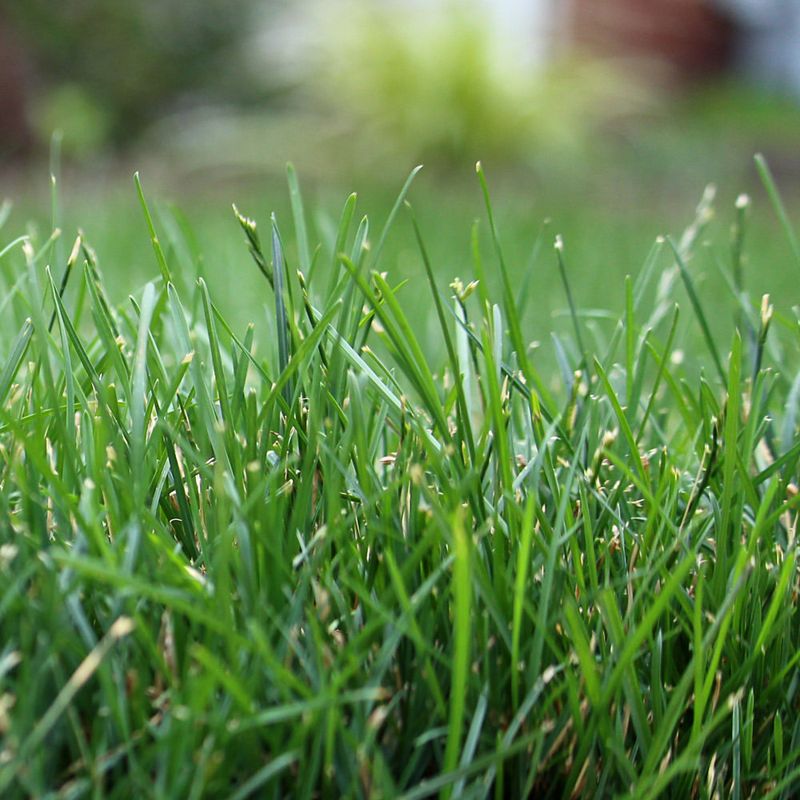
Timing matters more than most people realize when it comes to lime applications.
Fall and early spring are both reasonable windows, but April in Georgia carries a particular advantage: warm-season grasses are just waking up, soil temperatures are rising, and there is typically enough natural moisture to help lime begin working into the surface.
Applying lime in late summer or during drought conditions is less effective because dry, compacted soil resists lime absorption. Frozen ground in winter slows the neutralization process significantly.
April tends to offer a middle ground where soil is workable, moist from spring rains, and biologically active enough to process the lime at a reasonable pace.
One thing worth understanding is that lime does not act quickly regardless of when it is applied. Even under ideal spring conditions in Georgia, meaningful pH changes take weeks to months.
Applying in April means those changes are more likely to be in place by mid to late summer, when heat stress puts the most pressure on turf.
Spring application also fits naturally into a broader lawn care routine. Soil testing, overseeding if needed, fertilizing, and liming can all happen within the same seasonal window without conflicting with each other.
Georgia extension services generally recommend addressing pH before laying down fertilizer, so April lime application fits logically ahead of a spring feeding schedule.
4. Soil Testing Helps Confirm If Lime Is Actually Needed
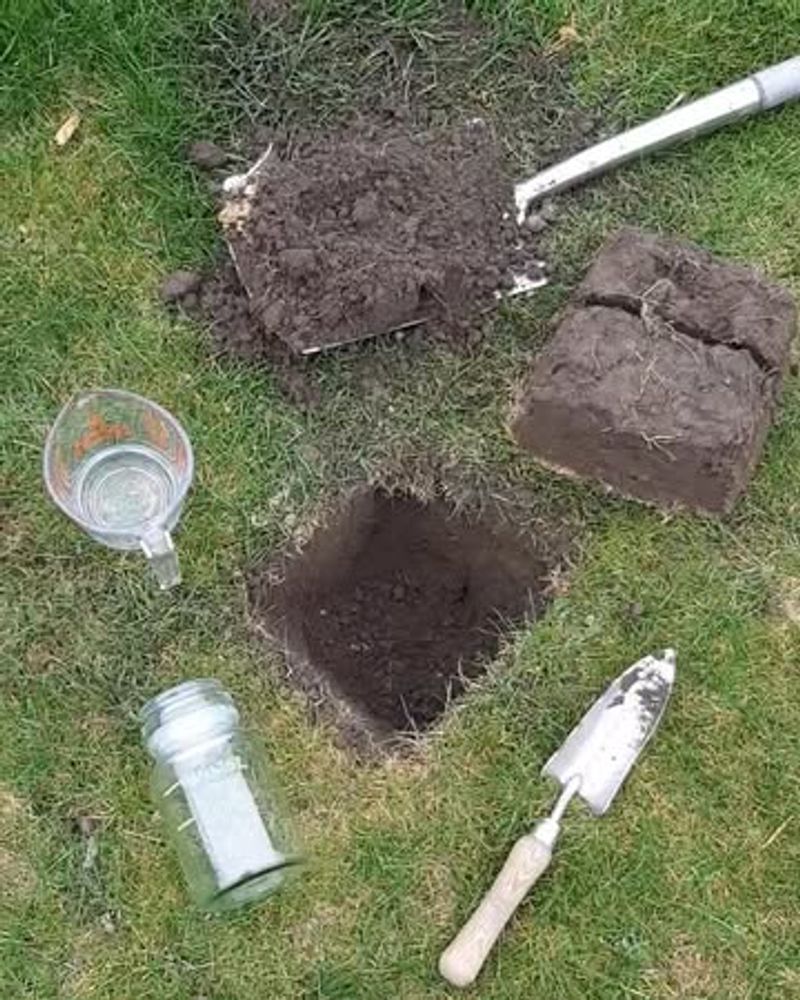
Skipping a soil test before applying lime is one of the more common mistakes Georgia homeowners make. Lime is not something that benefits every lawn automatically.
Some soils in the state are already close to neutral, and adding lime without knowing the starting pH can push things in the wrong direction without any visible warning signs until damage appears.
Georgia’s UGA Extension office offers affordable soil testing services that provide specific lime recommendations based on your actual soil conditions.
The process involves collecting small samples from several spots across the lawn, mixing them together, and sending that combined sample in for analysis.
Results typically include a pH reading and a suggested lime rate in pounds per thousand square feet.
Testing every two to three years makes practical sense for most Georgia lawns. Soil chemistry shifts gradually, and a test from five years ago may no longer reflect current conditions accurately.
Heavy rainfall, regular fertilization, and organic matter breakdown all influence pH over time, so periodic retesting keeps applications targeted and efficient.
Without a soil test, there is a real risk of applying either too little lime to make a difference or enough to create new problems. Overliming is harder to reverse than under-liming, which makes testing the smarter starting point.
A few dollars spent on a soil test can prevent a more expensive correction down the road and ensures that April applications actually accomplish what they are intended to do.
5. Lime Works Gradually And Does Not Change Soil Overnight
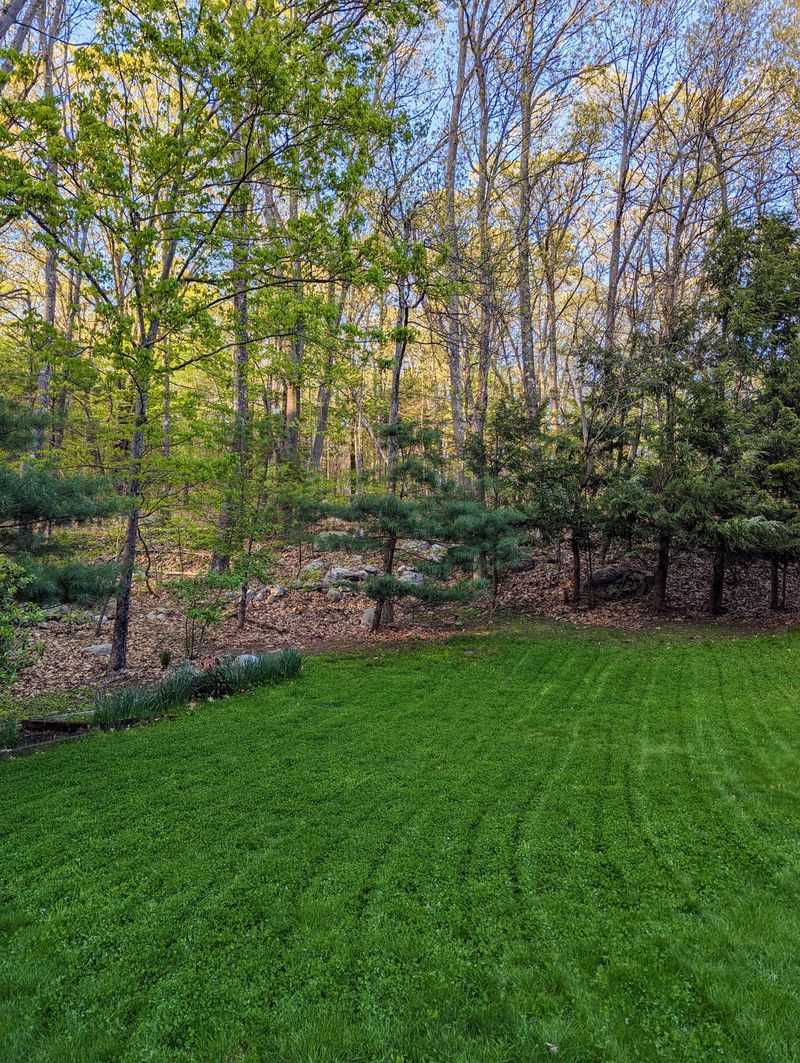
Expecting rapid results from lime is a setup for disappointment. Unlike fertilizer, which can produce visible color changes within days, lime operates on a much slower timeline.
Calcium carbonate needs water, soil contact, and microbial activity to begin neutralizing acidity, and that process unfolds over weeks and months rather than days.
In Georgia’s clay-heavy soils, which are common across much of the Piedmont region, lime movement through the profile is particularly slow. Particles tend to stay near the surface until rainfall and soil activity gradually work them deeper.
This is part of why consistent, properly timed applications over multiple seasons are more effective than a single large dose applied all at once.
Patience is genuinely necessary here. A lawn treated with lime in April may not look dramatically different by May.
Changes in color, density, and growth rate become more apparent as the season progresses and pH shifts gradually toward a more favorable range.
Expecting transformation within a few weeks sets unrealistic expectations and sometimes leads homeowners to apply more lime unnecessarily.
Keeping records of application dates, soil test results, and lime rates helps track progress over time. Comparing test results from year to year gives a clearer picture of whether pH is moving in the right direction.
Gradual improvement is still real improvement, and Georgia lawns treated consistently over two or three seasons often reflect meaningfully better turf health than those that receive no pH management at all.
6. Applying Lime Can Improve How Fertilizer Performs
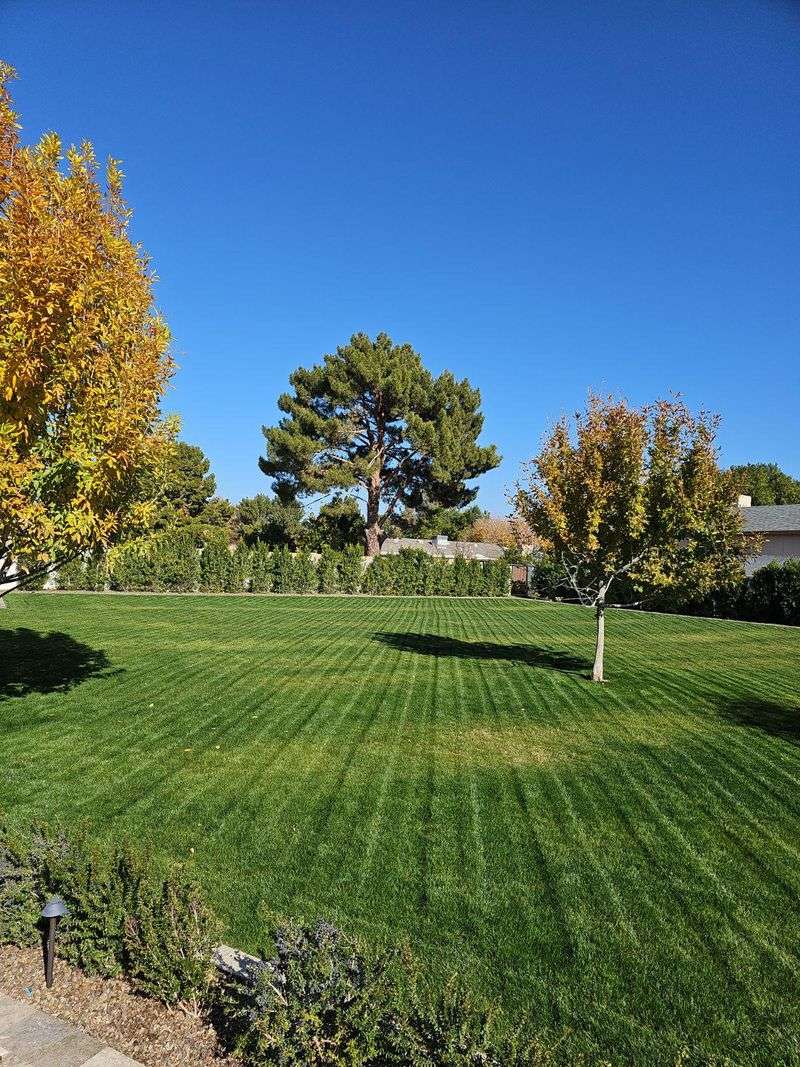
Fertilizer investments go further when soil pH is in a reasonable range. Nitrogen, phosphorus, and potassium all have pH zones where they are most available to grass roots.
When soil is too acidic, a portion of every fertilizer application essentially goes to waste because the chemistry needed to make those nutrients accessible simply is not present.
Georgia soils that sit below a pH of 5.5 can lock up phosphorus significantly. Phosphorus plays a key role in root development and early season establishment, so when it becomes unavailable, grass roots may stay shallow and weak even with regular feeding.
Lime application that brings pH up into the 6.0 to 6.5 range can improve phosphorus availability without requiring additional phosphorus inputs.
Nitrogen efficiency also improves in less acidic conditions. Soil microbes responsible for breaking down organic nitrogen into plant-usable forms are more active in balanced pH environments.
A lawn that has been properly limed may respond more visibly to the same nitrogen rate than one still fighting acidic conditions, simply because the biology supporting nutrient cycling is functioning more effectively.
Applying lime and fertilizer in the same season does not require special sequencing in most cases, but it is worth spacing applications by a few weeks when possible.
Lime does not interfere with fertilizer chemically at the surface, but giving lime time to begin working before adding fertilizer allows the soil environment to shift slightly before the nutrients arrive.
Small adjustments in timing can make both products more effective.
7. Overliming Can Create Imbalances And Should Be Avoided
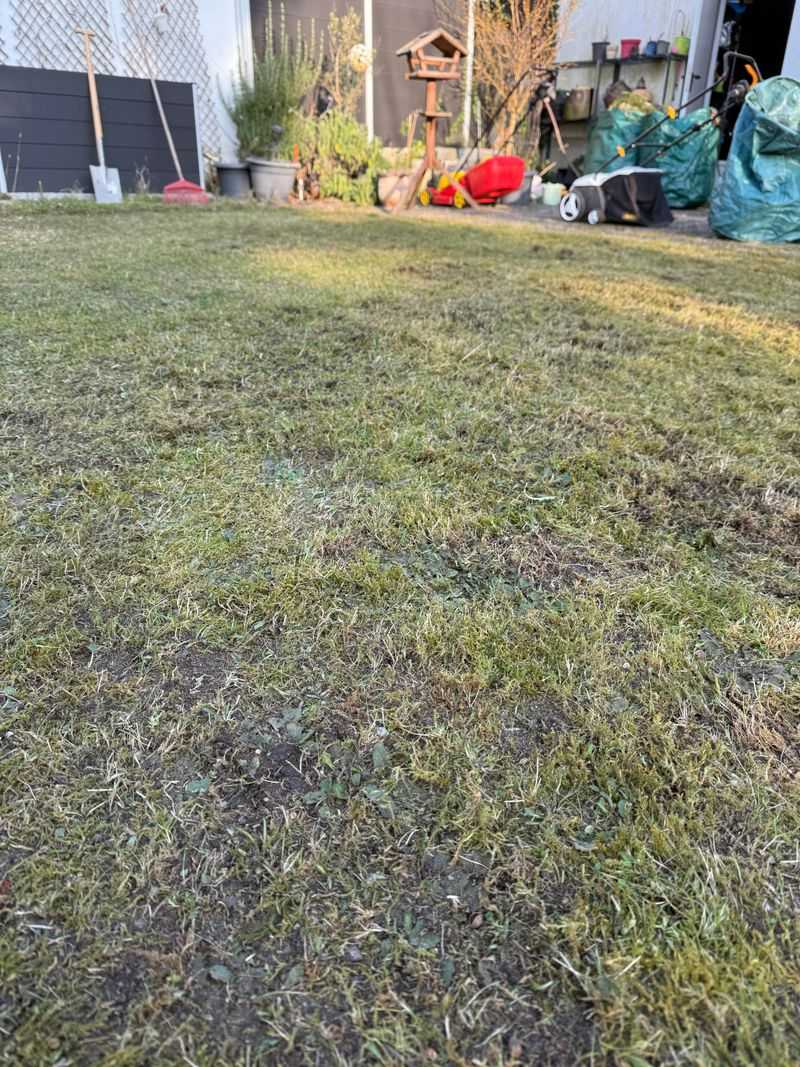
More lime is not always better, and this is one of the clearest cautions for Georgia homeowners eager to improve their lawns. Pushing soil pH above 7.0 creates its own set of problems that can be harder to reverse than the original acidity.
Nutrients like iron, manganese, and zinc become less available in alkaline conditions, leading to yellowing and slow growth that looks similar to nutrient deficiency.
Centipede grass is particularly sensitive to overliming. Georgia’s centipede lawns prefer a lower pH range, often between 5.5 and 6.0, and applying lime without a current soil test can push pH above that range quickly.
Centipede yellowing from iron deficiency caused by overliming is a well-documented issue across the state and can take more than one growing season to correct.
Reversing high pH is possible but slow. Sulfur-based amendments can gradually bring pH back down, but the process requires time and additional soil testing to manage accurately.
Avoiding the problem in the first place by testing before applying is far less frustrating than spending a season or two trying to undo damage from excessive lime rates.
Sticking to soil test recommendations is the most reliable approach. If a test suggests 40 pounds of lime per thousand square feet, applying 80 because it seems like it would work faster is not a sound strategy.
Following the recommended rate and retesting after one season gives a far more controlled outcome and keeps Georgia turf in a stable, manageable pH range.