Why Arizona Deserts Benefit From Low-Water-Use Plants Over Turf Or Rockscapes
Arizona yards can look sharp at first, but some common landscape choices start to feel wrong once the strong sun and dry weather settle in. What seems simple in the beginning does not always stay easy, and that becomes more obvious as the season moves on.
A lot of outdoor spaces in Arizona still follow the same familiar pattern, even though the desert does not always respond well to it.
Some yards end up looking harsh, flat, or harder to manage than expected, while others seem to settle into the setting much more naturally.
That contrast is hard to miss once you start paying attention.
More homeowners are starting to notice that a good desert yard is not just about keeping things neat. It is also about choosing plants and materials that make the whole space feel better, look better, and handle Arizona conditions with less stress.
That is where the conversation starts to get much more interesting.
1. Cuts Down On Irrigation And Keeps Water Use Low
A standard grass lawn in Arizona can drain your water supply faster than almost anything else on your property.
Low-water-use plants are built for dry conditions.
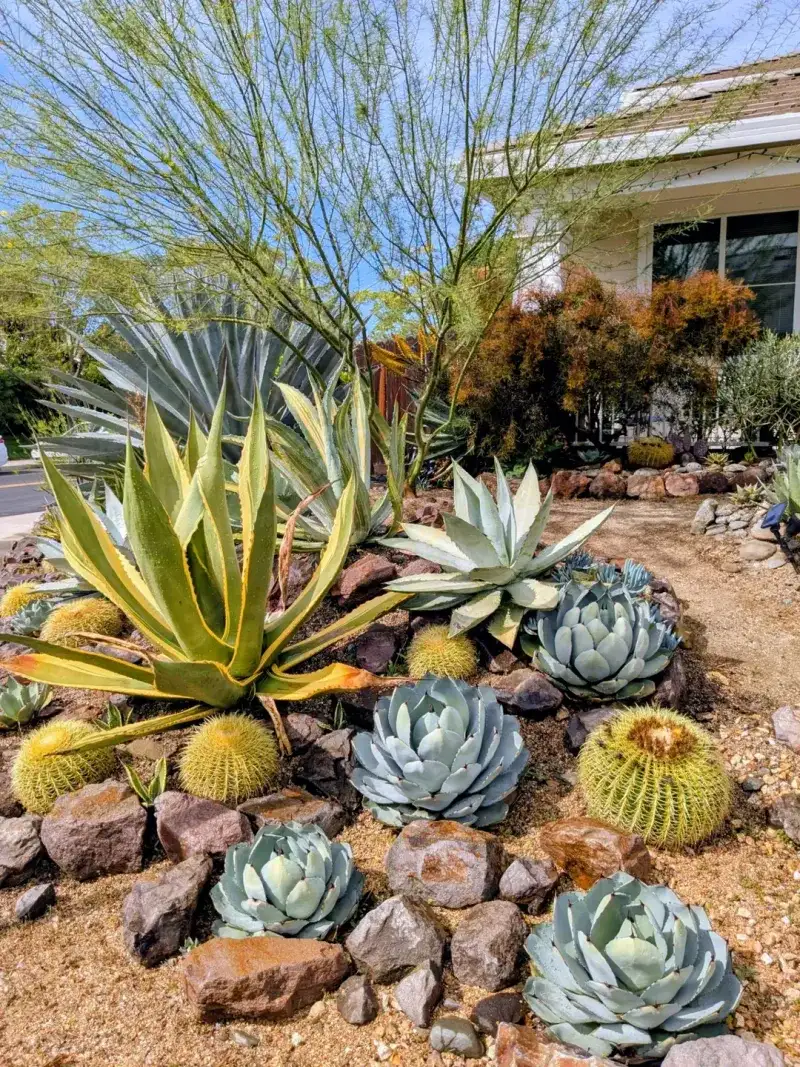
Species like agave, desert willow, and brittlebush have developed over thousands of years to pull moisture from the soil efficiently, meaning they can go days or even weeks between waterings without showing signs of stress.
Switching to these plants in your Arizona yard can cut outdoor water use by as much as 70%. That kind of reduction adds up fast, especially during the brutal summer months when temperatures push past 110 degrees and evaporation rates skyrocket.
Drip irrigation systems pair especially well with low-water-use landscapes. Instead of spraying water into hot air where much of it evaporates before hitting the ground, drip lines deliver moisture straight to the roots where it actually counts.
Gravel and turf don’t offer this kind of efficiency. Grass needs constant irrigation to survive Arizona summers, and plain rockscapes don’t absorb or retain water at all.
Low-water-use plants strike a balance that makes genuine, long-term water conservation possible without sacrificing a good-looking yard.
2. Surfaces Stay Cooler Compared To Gravel Or Bare Ground
Walk barefoot across a gravel yard on a July afternoon in Phoenix and you’ll feel the difference almost immediately.
Gravel and bare ground absorb heat throughout the day and then radiate it back into the air well into the evening, turning your outdoor space into something that feels more like an oven than a backyard.
Low-water-use plants work completely differently. Through a natural process called evapotranspiration, plants release moisture through their leaves, which cools the air around them.
It’s similar to how sweating cools down your body, except plants do it passively without any extra effort.
Research from Arizona State University has found that plant-covered surfaces can be 20 to 45 degrees cooler than exposed gravel or concrete during peak heat hours. That’s not a small difference — it’s the kind of gap that makes outdoor spaces actually usable in the afternoon instead of unbearable.
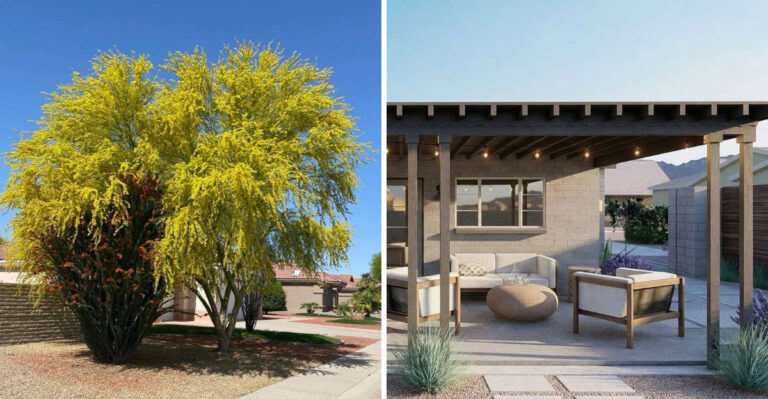
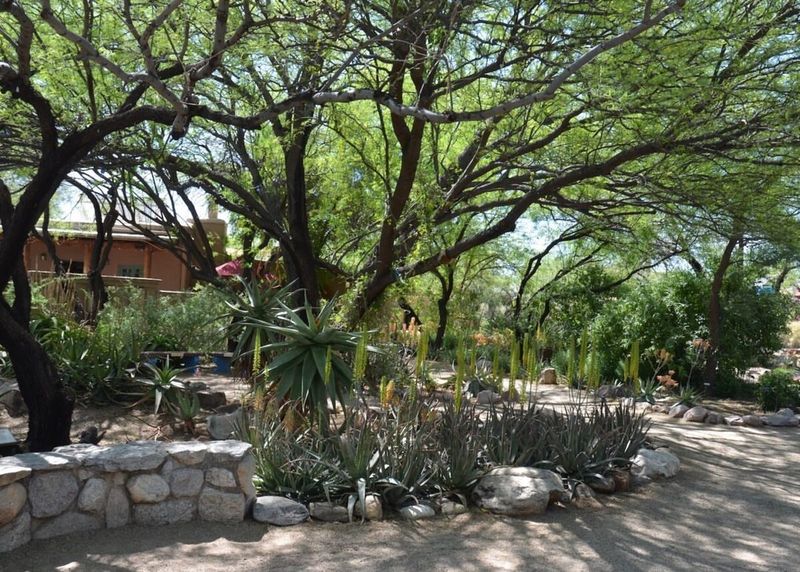
Shade from shrubs and small trees also plays a role. Palo verde trees, for example, cast dappled shade that keeps soil and nearby surfaces from reaching extreme temperatures.
Gravel has no way to replicate that kind of cooling effect no matter how it’s arranged.
Arizona homeowners who replace gravel with native plantings often notice that their outdoor areas feel noticeably more comfortable.
Air conditioning units mounted near plant-covered walls also tend to run more efficiently, which can translate into real savings on monthly energy bills during the hottest parts of the year.
3. Roots Improve Soil Instead Of Letting It Compact And Break Down
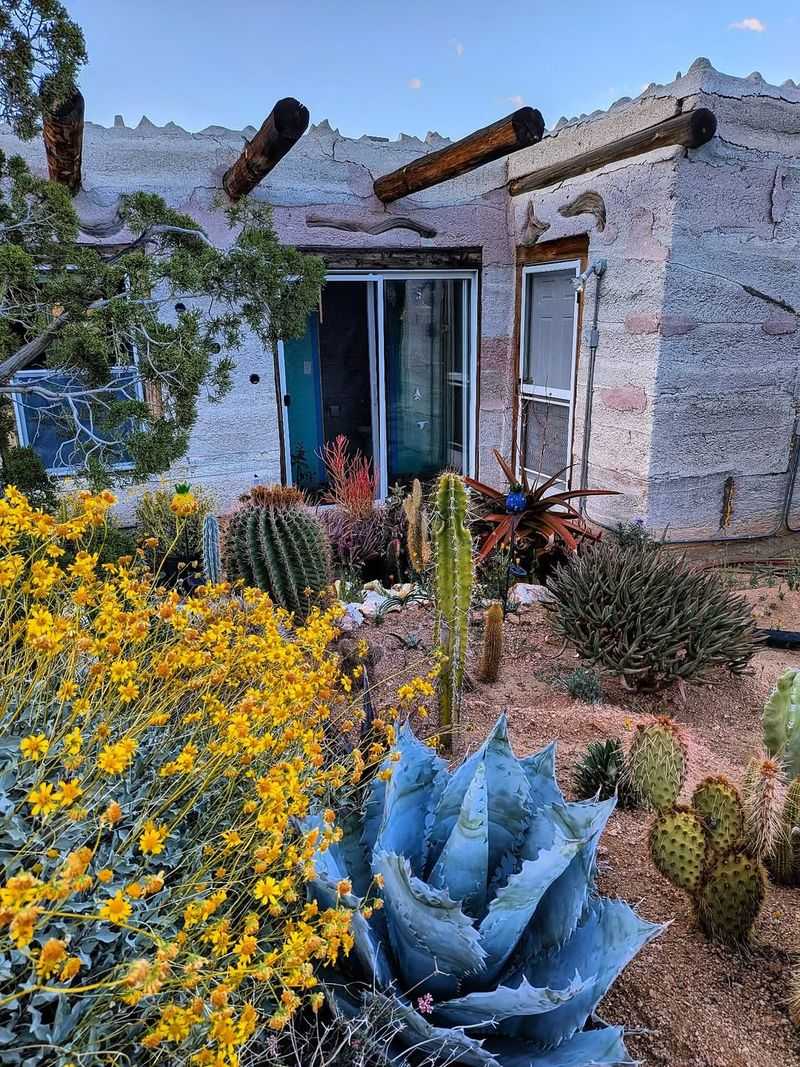
Healthy soil doesn’t just happen on its own in Arizona — it needs plant roots working through it constantly to stay loose, aerated, and capable of absorbing rain when it actually falls.
Without that root activity, desert soil turns into something closer to concrete over time.
Gravel rockscapes are one of the biggest culprits when it comes to soil degradation. Laying down gravel with weed barrier fabric cuts off the natural exchange between the soil surface and the air above it.
Beneficial microorganisms struggle to survive, earthworms disappear, and over years the ground underneath becomes hard-packed and lifeless.
Turf grass creates a different kind of problem. The shallow, dense root system of most lawn grasses doesn’t penetrate deeply enough to break up compaction, and the constant foot traffic on Arizona lawns only makes things worse.
Fertilizers and pesticides used to keep turf alive also disrupt the natural microbial balance in the soil.
Native desert plants grow roots that reach deep into the ground, sometimes several feet down. Mesquite trees, for instance, are known for root systems that can extend 20 feet or more to find groundwater.
Those deep channels improve drainage and help rainwater soak in rather than run off during monsoon storms.
Organic matter from falling leaves and decaying plant material adds nutrients back into Arizona’s naturally lean desert soil.
Over time, a yard planted with low-water-use species actually builds better soil year after year, creating a self-sustaining cycle that gravel and turf simply cannot match.
4. Ground Coverage Helps Keep Dust And Erosion Under Control
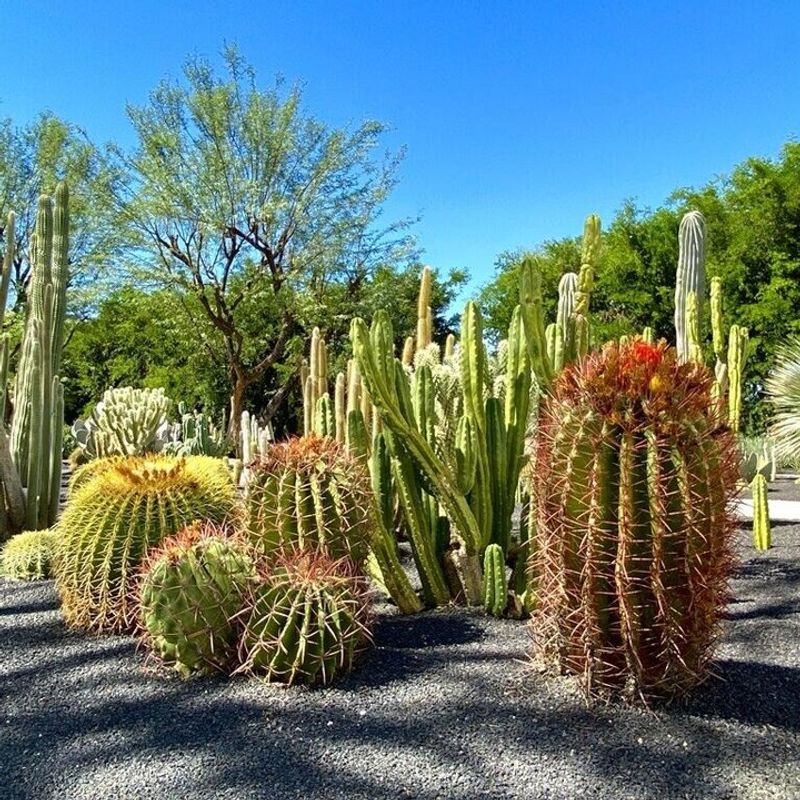
Anyone who has lived in Arizona knows what a dust storm looks like rolling in off the desert. What a lot of people don’t realize is that bare gravel yards and compacted turf-free soil are major contributors to the dust problem in suburban neighborhoods.
When wind moves across exposed ground, it picks up loose particles and carries them into the air. Gravel provides almost no resistance to this because the pieces are too large and too spread out to hold fine soil particles in place beneath them.
Bare dirt is even worse during dry stretches between monsoon rains.
Low-water-use ground covers and shrubs act as a physical barrier. Plant stems slow wind speed close to the ground, and root systems hold soil particles in place even during strong gusts.
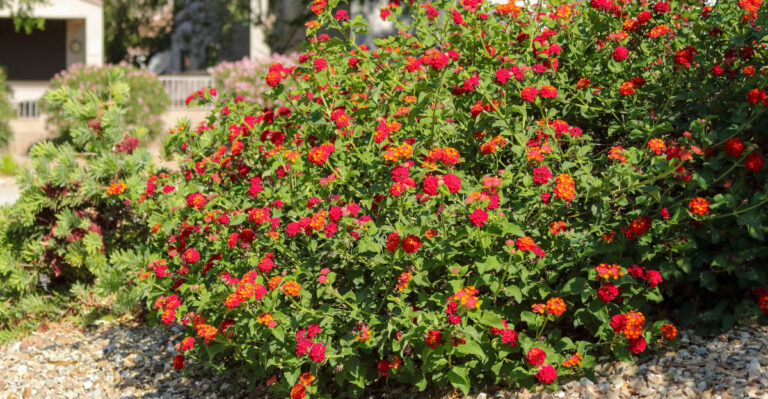
Species like desert marigold, blackfoot daisy, and trailing lantana spread across the ground and create a living mat that gravel can never replicate.
Erosion is a serious issue in Arizona, especially on sloped properties where monsoon rains hit hard and fast. Water moving across a bare gravel surface or compacted lawn carries topsoil away within minutes.
Plant roots anchor the soil and slow water flow, giving it time to absorb rather than rush downhill.
Neighborhoods in the Tucson and Scottsdale areas that have shifted toward native plant landscaping have reported noticeably less dust accumulation on windows and outdoor furniture.
Keeping soil in place benefits not just individual yards but the broader community by reducing airborne particulates that affect air quality across the region.
5. Handles Heat Without Constant Care Or Daily Watering
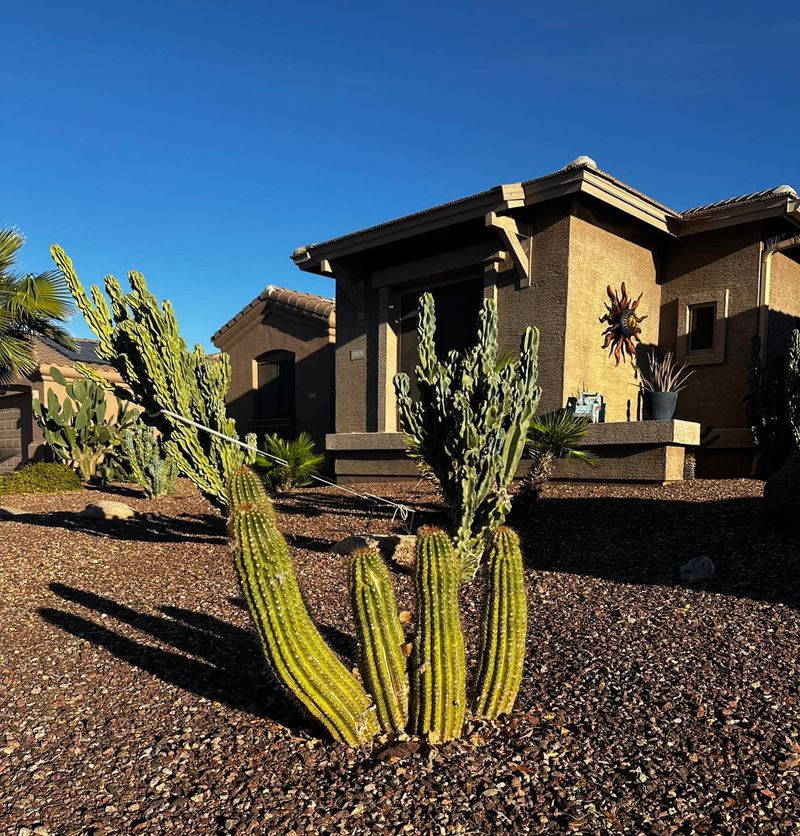
Summertime in Arizona is not forgiving, and plants that haven’t adapted to extreme heat simply don’t hold up without serious intervention.
Grass lawns require daily or near-daily watering during July and August just to stay green, and even then many homeowners watch their turf turn brown anyway when temperatures push past 110 degrees for weeks at a time.
Low-water-use native plants don’t need that kind of babysitting. Saguaro cacti, ocotillo, and desert spoon are built to handle months of intense heat and minimal rainfall without losing their structure or health.
They’ve been doing exactly that across Arizona for centuries without anyone helping them along.
Gravel yards might seem like a low-effort solution, but they come with their own upkeep demands.
Weeds push through gravel and fabric barriers persistently, and the heat that radiates off rock surfaces can damage walls, fences, and nearby structures over time.
Replacing faded or displaced gravel is an ongoing expense that adds up.
Maintenance for low-water-use plantings generally involves some seasonal trimming and occasional deep watering during extreme dry spells. Beyond that, most established native plants in Arizona handle themselves well without weekly attention.
That’s a completely different experience from managing turf, which demands mowing, edging, fertilizing, and pest control on a regular schedule.
Choosing plants that are genuinely suited to Arizona’s climate means spending less time working in your yard during the hottest months of the year — which, in a place like Tucson or Mesa, is a very real quality-of-life benefit worth considering.
6. Gravel Areas Hold Heat And Make Outdoor Areas Feel Hotter
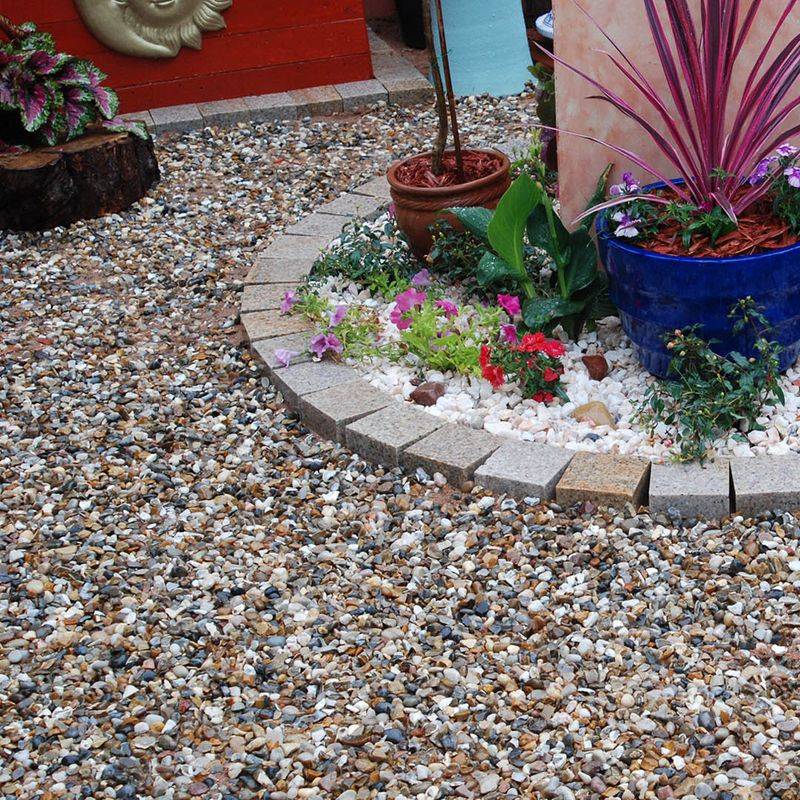
Gravel rockscapes became popular in Arizona partly because they seem like a water-smart alternative to grass. Pull out the turf, lay down rock, and you’re done — or so the thinking goes.
But the heat problem that comes with large gravel surfaces is something many homeowners discover the hard way after a summer or two.
Rock and gravel are highly effective at absorbing solar radiation throughout the day. By late afternoon, a gravel yard in Phoenix can reach surface temperatures well above 150 degrees Fahrenheit.
That stored heat doesn’t just sit on the ground — it radiates outward in all directions, warming the air, nearby walls, and anyone trying to spend time outside.
Patio furniture placed near or within gravel areas becomes unusable for much of the day during summer. Pets that might otherwise enjoy the yard can’t safely walk across superheated rock.
Even after sunset, gravel continues releasing stored heat for hours, keeping outdoor temperatures elevated well into the night when relief would otherwise be possible.
Low-water-use plants interrupt this heat cycle. Their canopies block direct sunlight from hitting the ground, and their biological cooling processes reduce air temperature in their immediate surroundings.
A yard with a mix of native shrubs, small trees, and ground covers stays meaningfully cooler than an equivalent space covered in rock.
Across Arizona’s urban centers, the widespread use of gravel landscaping is a recognized contributor to the urban heat island effect.
Replacing even part of a gravel yard with native plantings can reduce the ambient temperature around a home and improve outdoor comfort during the months when it matters most.
7. Supports Pollinators And Brings More Life Into The Landscape
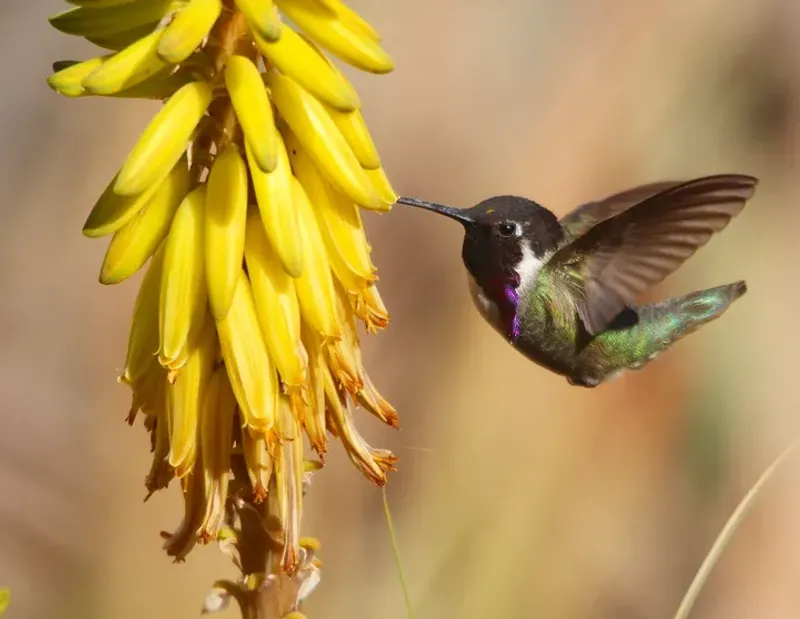
Native bees, hummingbirds, butterflies, and other pollinators are struggling across much of the American Southwest as natural habitat gets replaced with concrete, turf, and gravel.
Arizona is home to more native bee species than almost any other state in the country, and those insects depend on flowering plants to survive.
Gravel yards and grass lawns offer almost nothing to pollinators. A stretch of turf might look green, but it provides no nectar, no pollen, and no shelter for the insects and birds that keep local ecosystems functioning.
Gravel is even more barren — it’s essentially a desert within a desert, but without any of the natural plant life that makes actual desert environments productive.
Planting low-water-use natives in an Arizona yard changes that picture completely. Chuparosa draws hummingbirds reliably from late winter through spring.
Desert sage and penstemon bring in native bees in large numbers. Fairy duster blooms at times of year when other food sources are scarce, giving pollinators a critical resource during lean months.
Beyond insects and birds, native plants create microhabitats for lizards, small mammals, and beneficial insects that help control pest populations naturally.
A yard that supports biodiversity tends to be healthier and more self-regulating over time, reducing the need for chemical sprays or interventions.
Watching a yard come alive with movement and color is one of the most satisfying parts of planting native species in Arizona.
It’s a genuine shift from a static, lifeless landscape to something that feels connected to the surrounding Sonoran Desert ecosystem in a real and meaningful way.