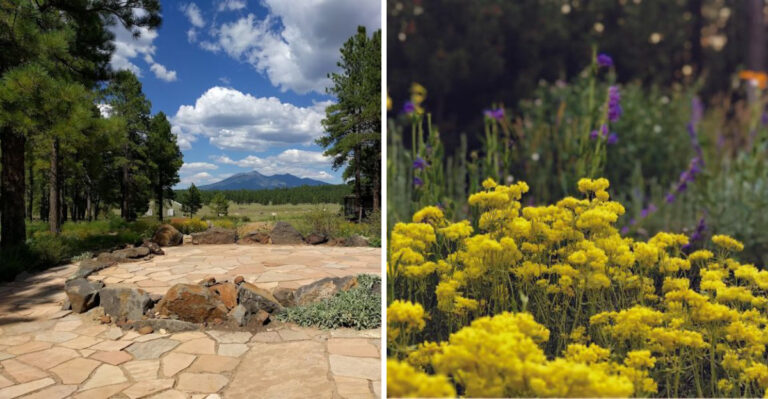
Why Arizona Gardeners Are Turning To Plumeria For Tropical Color
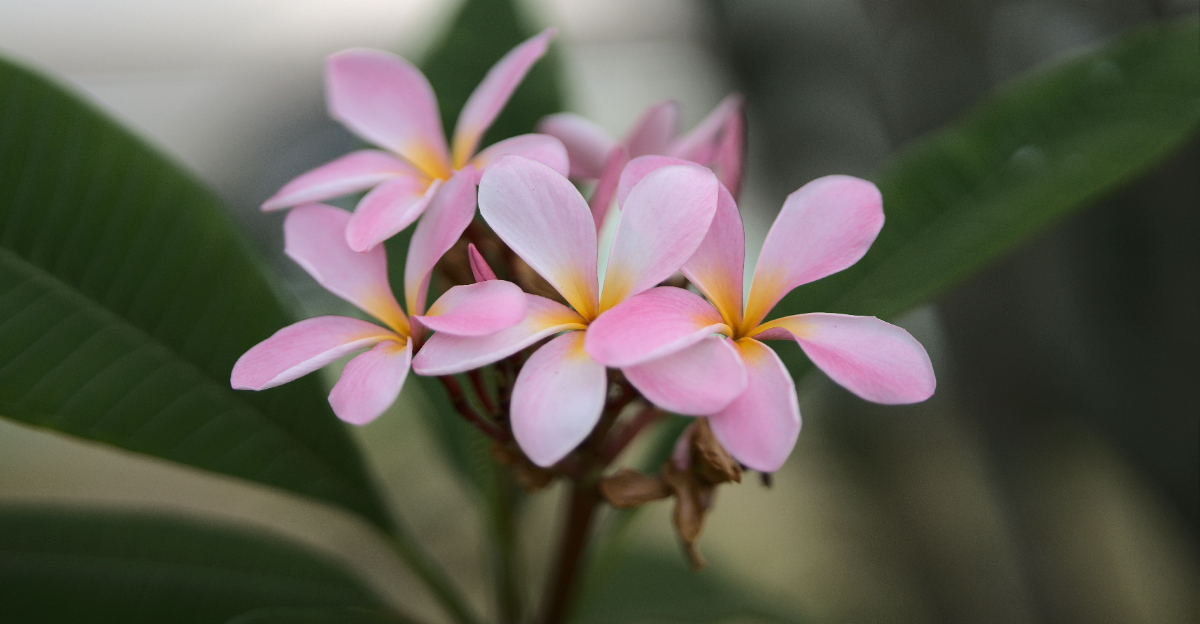
Arizona landscapes are known for cacti, agave, and tough desert shrubs, but a surprising plant has been showing up more and more in local yards.
Plumeria, famous for its tropical look and intensely fragrant flowers, is slowly becoming a favorite among Arizona gardeners who want something a little different from the usual desert palette.
At first glance, it might seem like a plant better suited for humid islands than a hot desert climate.
But many gardeners have discovered that plumeria can actually handle Arizona’s intense sun and heat surprisingly well when it’s grown in the right spot and protected during cooler months.
The reward is hard to ignore. Thick branches, lush green leaves, and clusters of bold, fragrant blooms can turn patios, courtyards, and poolside areas into something that feels almost tropical.
As more gardeners experiment with it, plumeria is quickly gaining attention as a striking way to bring vibrant color and fragrance into Arizona yards.
1. Its Fragrant Blooms Create a Tropical Atmosphere
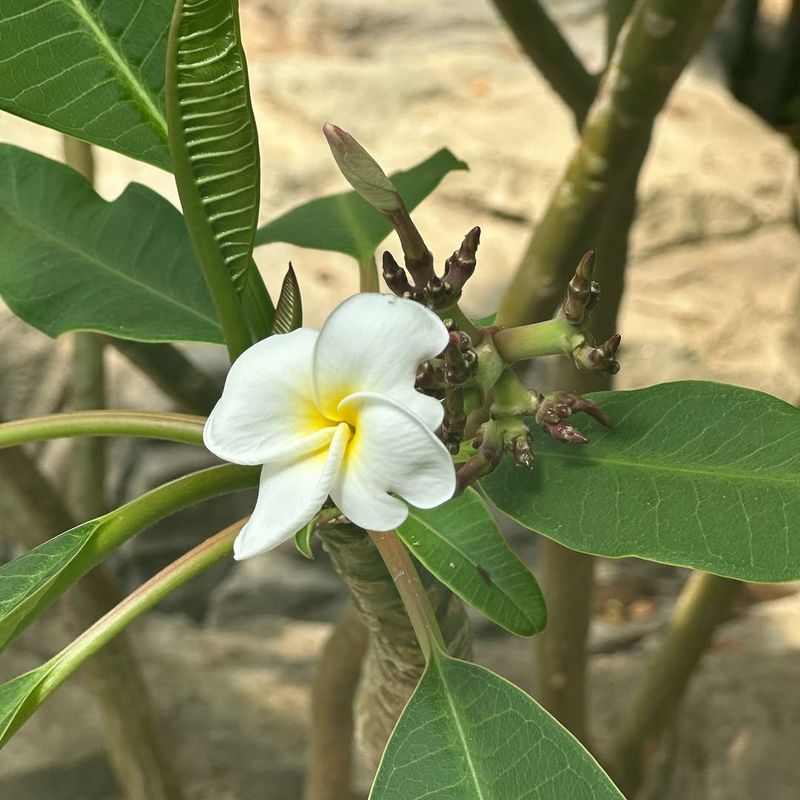
Few plants can change the mood of an outdoor space the way plumeria does. Step within a few feet of a blooming plumeria on a warm Arizona evening, and the scent hits you like something from a Hawaiian resort.
It is sweet but not overwhelming, layered and warm in a way that synthetic fragrances never quite capture.
Plumeria flowers release most of their fragrance in the late afternoon and into the evening, which is perfect timing for Arizona gardeners who spend time outside after the brutal midday heat fades.
Sitting on a patio surrounded by that scent while the sun sets over the Sonoran Desert is genuinely one of the better things about gardening in this state.
Each variety carries its own scent profile. Some lean toward a citrus note, others go full coconut-vanilla, and a few have a soft floral quality closer to jasmine.
Trying different varieties is half the fun, and Arizona nurseries like SummerWinds and Pali Plumies carry enough selection to keep things interesting season after season.
Beyond the smell, the blooms themselves are showstoppers. Clusters of five-petaled flowers sit at the tips of thick, rubbery branches and hold their color for weeks.
In Phoenix or Tucson, where summer landscapes can start looking scorched and tired by July, plumeria keeps pushing out fresh flowers right through September.
No other plant in the Arizona garden delivers that combination of scent and sustained color quite as reliably.
2. Easy to Grow in Containers or the Ground
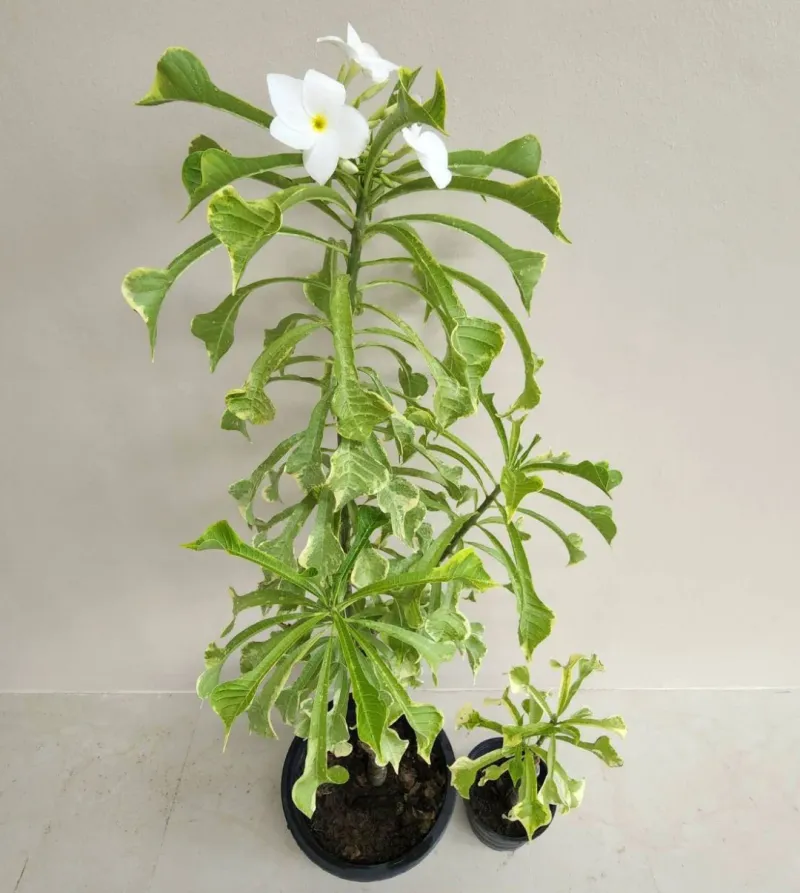
Plumeria does not demand much in terms of setup, which is part of why it fits so well into Arizona gardening culture. You can plant it straight in the ground if your soil drains well, or tuck it into a large container on a patio or balcony.
Both approaches work, and each has its advantages depending on your yard setup.
Container growing is actually popular here for a smart reason: it gives you control. When temperatures drop in January or February, you can move a potted plumeria into a garage or shed without any drama.
Ground-planted specimens need a little more protection during cold snaps, but in the Phoenix metro area, winters are usually mild enough that most plumeria handles it without much fuss.
Soil choice matters more than most people expect. Plumeria roots do not tolerate soggy ground, so if your yard has heavy clay or compacted soil, mixing in perlite or using a citrus and palm potting mix makes a real difference.
Well-draining soil is the single most important factor in keeping roots healthy through the monsoon season when rainfall picks up.
Starting from a cutting is surprisingly easy, even for beginners. Let the cut end dry out for a week before planting, stick it in dry soil, and wait.
Arizona’s warm temperatures speed up rooting compared to most other climates. Within a single growing season, a fresh cutting can turn into a blooming plant, which feels like a small miracle the first time you see it happen.
3. Bright Colors Attract Pollinators
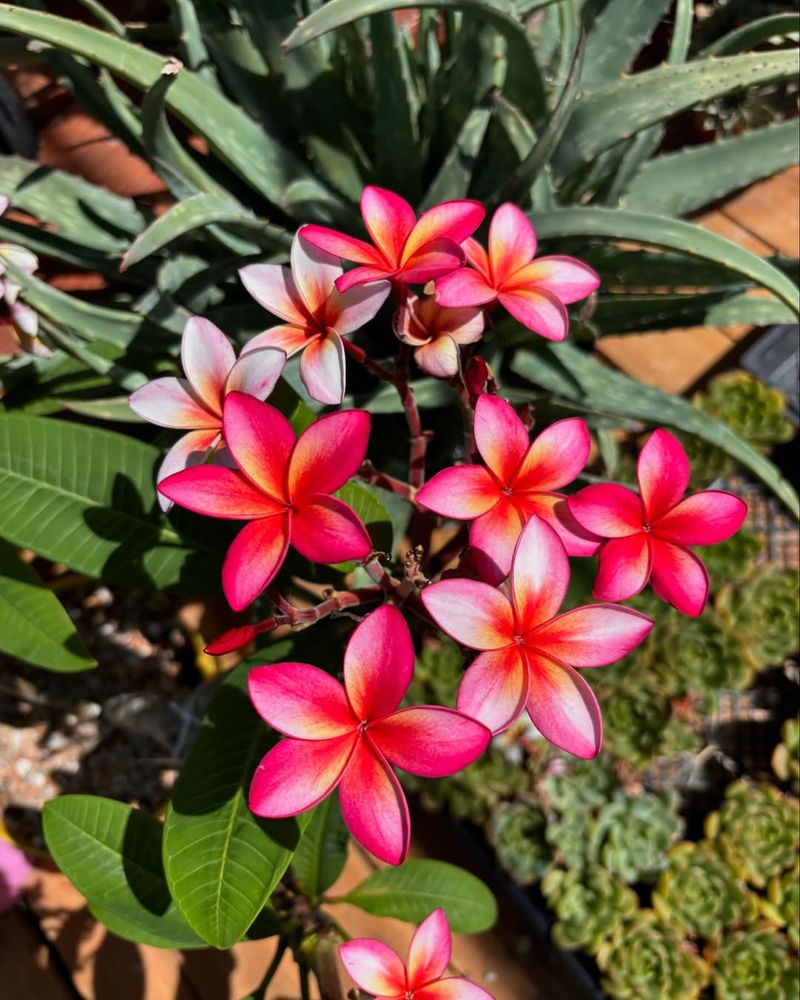
Color is not just decorative when it comes to plumeria. Those vivid petals are doing real ecological work in the garden, pulling in pollinators that benefit everything else growing nearby.
In Arizona, where native pollinators like desert bees, hawk moths, and painted lady butterflies are active through a long warm season, plumeria becomes a reliable pit stop.
Hawk moths are especially drawn to plumeria, often showing up at dusk when the flowers are releasing their strongest fragrance.
Watching one hover over a bloom in the fading light of an Arizona evening is the kind of moment that reminds you why gardening is worth the effort.
These large moths are important pollinators for many desert plants, and giving them a reason to visit your yard creates a small but real ripple effect.
Hummingbirds also make appearances around plumeria, particularly with red and orange varieties. If you are already growing salvia or desert willow nearby, adding a plumeria to the mix extends the season for hummingbird activity in your space.
They tend to work the garden in circuits, so more flowering plants means more return visits.
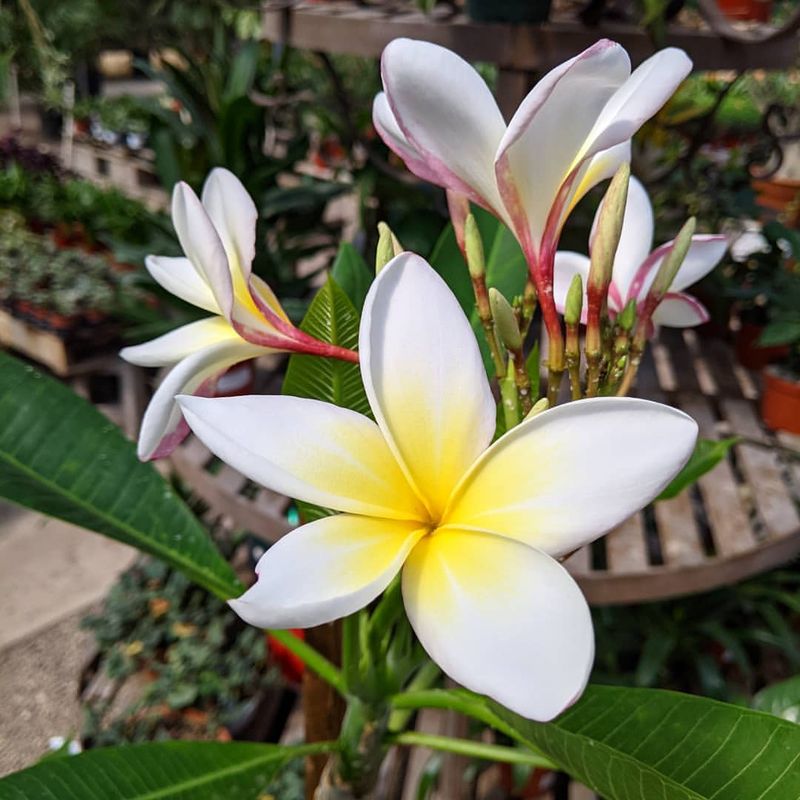
From a garden design angle, the color range plumeria offers is hard to match. Varieties like Kaneohe Sunrise bring orange and pink together in one flower, while Lemon Drop delivers a clean, saturated yellow that photographs beautifully.
Arizona’s bright, unfiltered sunlight makes every color pop even harder than it would in a cloudier climate, turning a single blooming plumeria into a genuine focal point.
4. Low-Maintenance Water Needs Once Established
Watering schedules in Arizona can feel like a part-time job during summer, so any plant that does not need constant attention is worth paying attention to. Plumeria fits that bill well.
It prefers to dry out between waterings, which means you are not racing to the hose every afternoon during a heat wave.
During the peak growing season from late spring through early fall, a deep watering once or twice a week is usually enough for ground-planted plumeria in the Phoenix or Tucson area.
Container plants dry out faster and may need water every few days, but the key in both cases is the same: let the top inch or two of soil dry before watering again.
Overwatering causes far more problems than underwatering with this plant.
One of the better surprises for Arizona gardeners is how plumeria responds to the monsoon season. When the summer rains arrive in July, you can often back off supplemental watering significantly and let nature handle it.
Just make sure drainage is solid, because standing water around the roots after a heavy storm is where trouble starts.
Through winter dormancy, plumeria barely needs water at all. Once leaves drop and the plant goes quiet, monthly watering or even less is plenty.
This dormant period is actually a chance to step back and let the garden rest without worry.
Come March or April, when temperatures climb again and new growth tips start showing, you can gradually increase watering and watch the whole cycle start fresh.
It is a refreshingly uncomplicated rhythm for a desert garden.
5. Blooms from Late Spring Through Fall
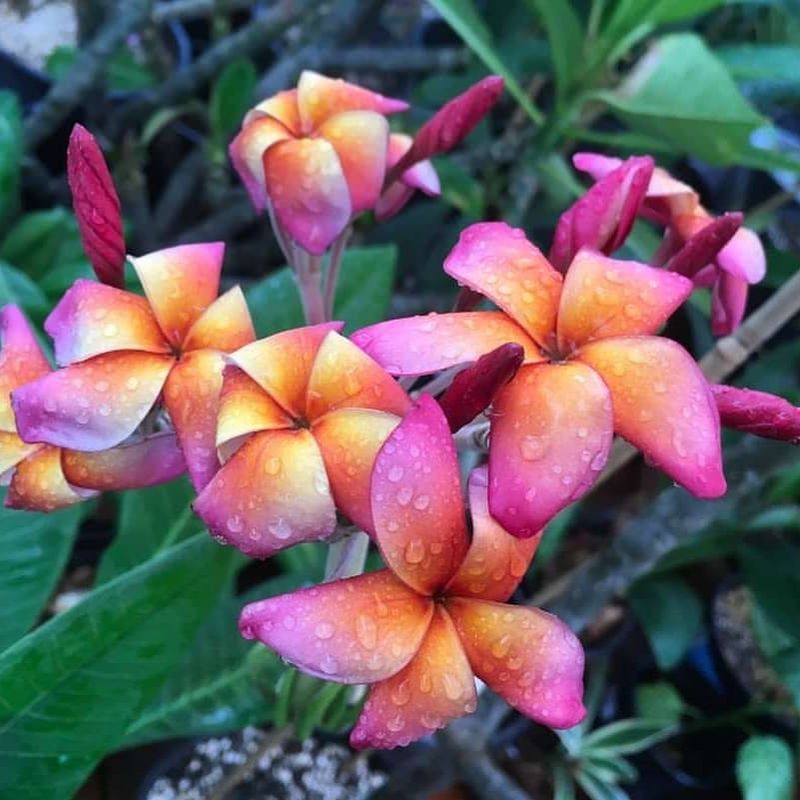
Arizona summers are long, and finding plants that bloom all the way through them is a genuine challenge. Most flowering plants peak in spring and then struggle once temperatures push past 100 degrees.
Plumeria does the opposite. It wakes up when things get hot and keeps producing flowers well into October.
Blooming typically starts around May in the Valley of the Sun and can stretch through late October or even into November during warm years. That is a five to six month window of color, which is exceptional by any standard.
During that stretch, new flower clusters keep emerging at the branch tips, replacing spent blooms with fresh ones in a steady rotation.
One practical tip from experienced Arizona plumeria growers: do not rush to fertilize early in the season. Letting the plant settle into warm weather before pushing nutrients encourages better bloom production later in summer.
A phosphorus-heavy fertilizer applied in late spring tends to give the strongest results through the long bloom season.
Tucson and Phoenix gardeners often find that plumeria outlasts other tropical-looking plants that get promoted for desert use. Bougainvillea goes through cycles, bird of paradise slows down mid-summer, and hibiscus can look ragged by August.
Plumeria, by contrast, often looks its best in August and September when everything else is hanging on by a thread.
Having something that peaks during the hardest stretch of the Arizona summer is genuinely valuable, and that reliability keeps growers coming back to plumeria year after year.
6. Resilient to Heat and Full Sun
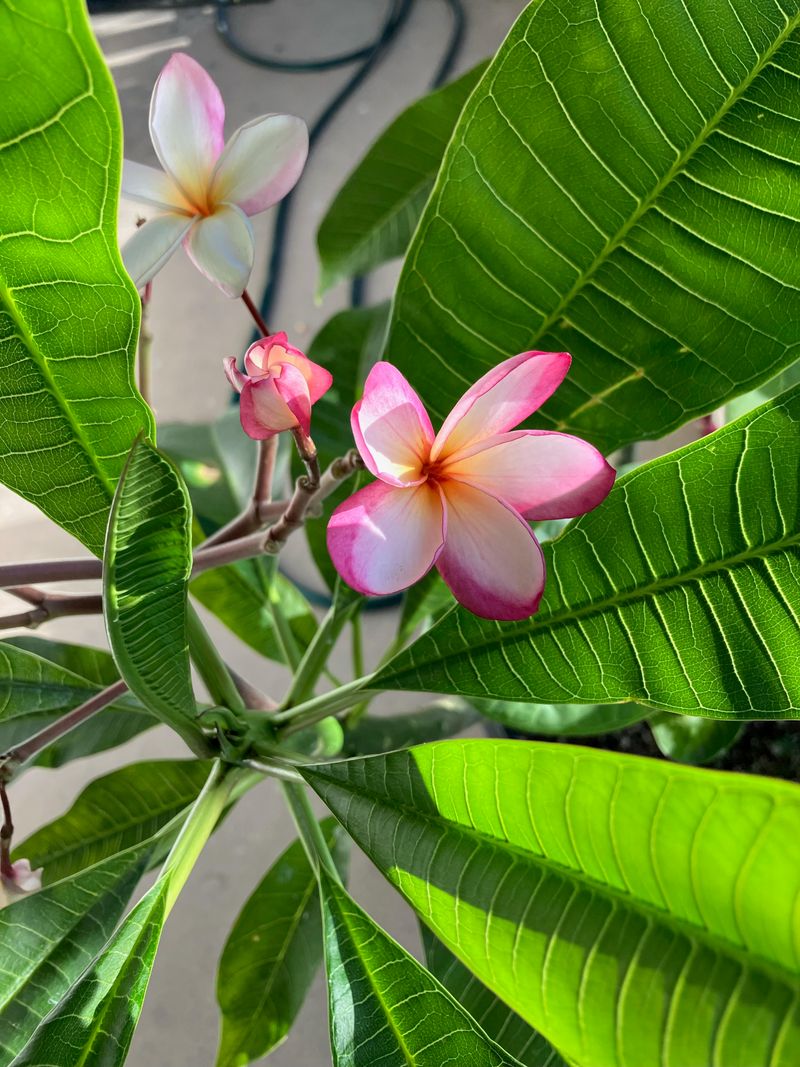
Arizona summers are not gentle. Temperatures regularly hit 110 degrees or higher in the Phoenix area, and the sun here is not the kind that leaves much room for shade-loving plants.
Plumeria was built for exactly this kind of punishment, and it handles intense heat in a way that genuinely impresses even experienced desert gardeners.
Full sun exposure is not just tolerated by plumeria, it is preferred. Plants that get six or more hours of direct sunlight produce more flowers and stronger stems than those tucked into partial shade.
In Arizona, finding a sunny spot is never the problem, so plumeria is working with the climate rather than fighting against it from day one.
Heat stress that would flatten most flowering plants actually seems to push plumeria into higher gear. During heat waves, keep an eye on container plants since pots can superheat in direct sun and cook roots faster than the air temperature alone would suggest.
Dark-colored containers are the worst offenders, so switching to light-colored or insulated pots makes a practical difference in extreme heat.
One thing worth noting is that afternoon shade in the hottest months, roughly July through mid-August, can help flowers last a bit longer on the plant before fading.
Morning sun with some relief after 1 or 2 p.m. is a sweet spot many Arizona growers have landed on, especially in areas like Scottsdale or Mesa where summer afternoons are relentlessly intense.
Even with that small adjustment, plumeria outperforms nearly every other flowering plant available in Arizona nurseries for sheer heat resilience.
7. Adds Vertical Structure and Garden Interest
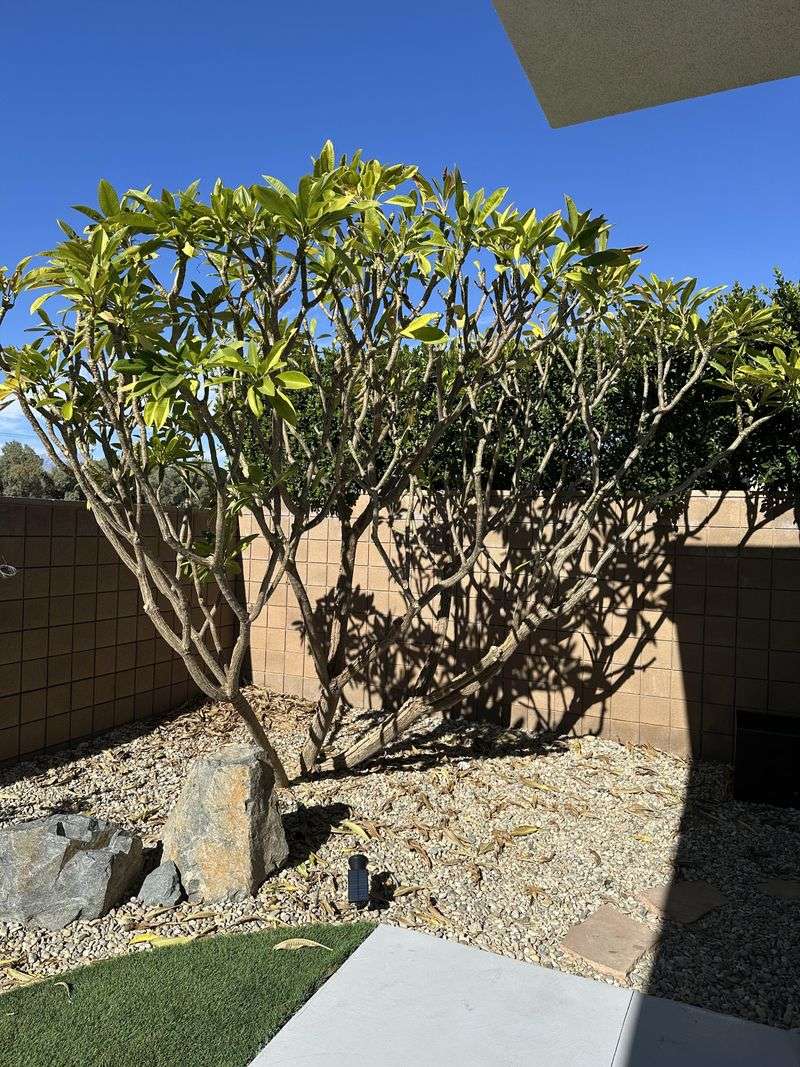
Most flowering plants in Arizona stay low and spread outward, which means vertical interest in the garden is harder to come by than you might expect. Plumeria solves that problem in a visually striking way.
Over several years, it develops a thick, sculptural trunk with branches that spread upward and outward, giving the garden a genuine focal point rather than just another ground-level splash of color.
Even without flowers, a mature plumeria has architectural presence. Those thick, smooth, gray-green branches have a quality that looks almost sculptural, especially in winter when the leaves have dropped and the bare structure stands against an Arizona sky.
Some gardeners specifically appreciate the dormant look because it adds a different kind of drama to the winter garden without needing any maintenance to achieve it.
Pairing plumeria with lower-growing desert plants creates a layered garden design that feels intentional rather than random. Agave, desert marigold, and ornamental grasses all complement plumeria well without competing for the same visual space.
The contrast between plumeria’s tropical softness and the sharp geometry of desert succulents is one of those combinations that looks effortless but actually reflects real design thinking.
In smaller Arizona yards or courtyard gardens, a single plumeria can anchor the entire space. It draws the eye upward, creates shade for smaller plants underneath, and provides a seasonal rhythm that changes the garden’s character through the year.
Gravel mulch around the base keeps moisture from sitting against the trunk and also frames the plant in a way that highlights its form. Few plants earn that kind of year-round presence while also delivering months of fragrant, colorful blooms.