Why Arizona Gardeners Paint Fruit Trees Before Spring, And When You Should Too
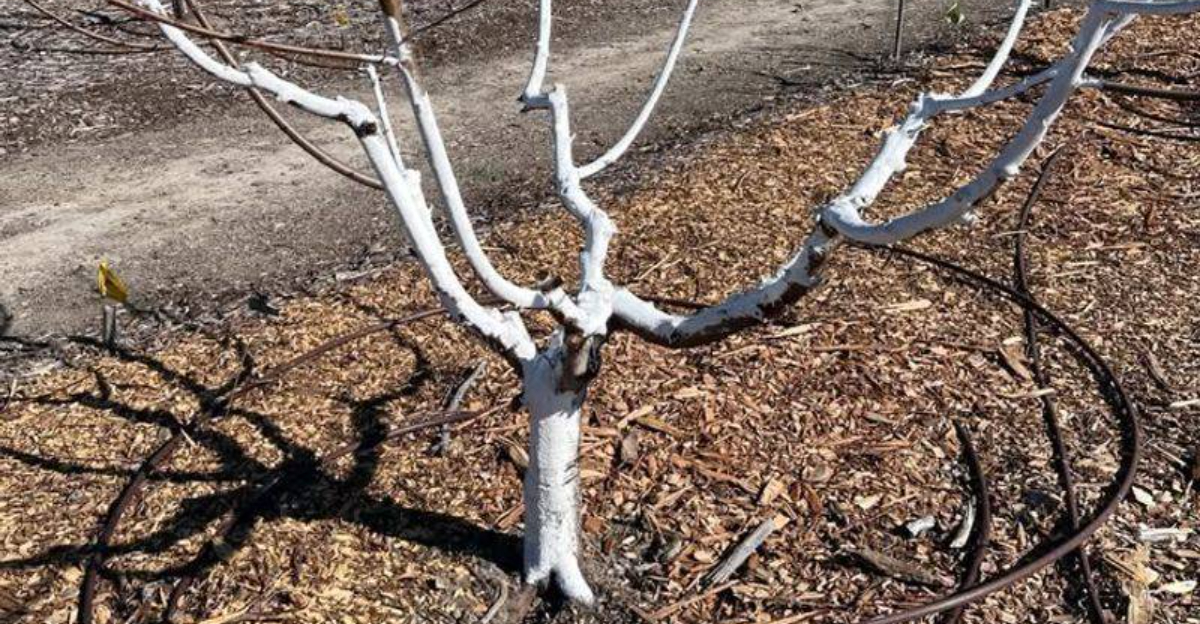
Have you ever noticed white-painted tree trunks in Arizona orchards and wondered what that’s all about?
Painting fruit trees is a time-honored tradition among desert gardeners, and it serves several crucial purposes beyond just looking pretty.
Arizona’s intense sun and dramatic temperature swings can stress fruit trees in ways that gardeners in milder climates never experience.
Understanding why and when to paint your trees can mean the difference between a thriving orchard and struggling plants that never reach their full potential.
Protection From Sunscald And Bark Damage
Arizona’s blazing sunshine can actually harm tree bark in ways that surprise many new gardeners.
When intense UV rays beat down on dark bark during winter months, the bark heats up significantly during the day.
Then, when temperatures plummet at night, this rapid temperature change causes the bark to crack and split.
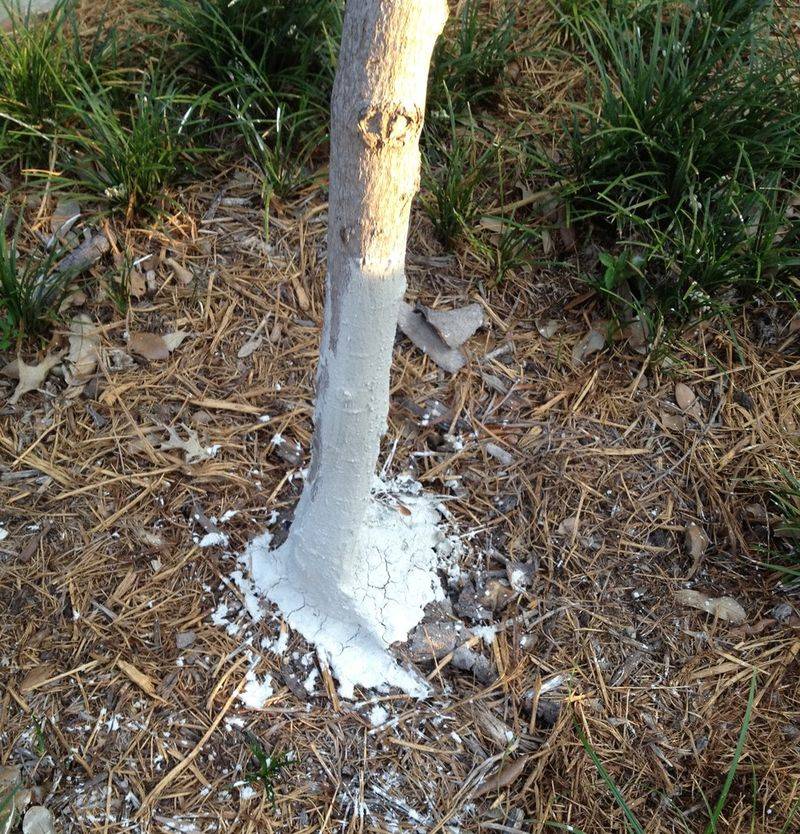
White paint acts like sunscreen for your trees, reflecting those harsh rays away from vulnerable bark surfaces.
This simple coating keeps bark temperatures more stable throughout the day-night cycle.
Young trees with thin bark are especially vulnerable to this type of damage, which can create entry points for pests and disease.
Citrus trees, stone fruits like peaches and apricots, and apple trees all benefit tremendously from this protective layer.
The southwest-facing side of trunks typically suffers the most damage, though painting the entire trunk provides comprehensive protection.
Think of it as creating a shield that helps your tree withstand the desert’s extreme conditions.
Without this protection, bark can develop ugly cracks that weaken the tree’s structure and reduce its productivity for years to come.
Prevention Of Insect Infestations And Borer Attacks
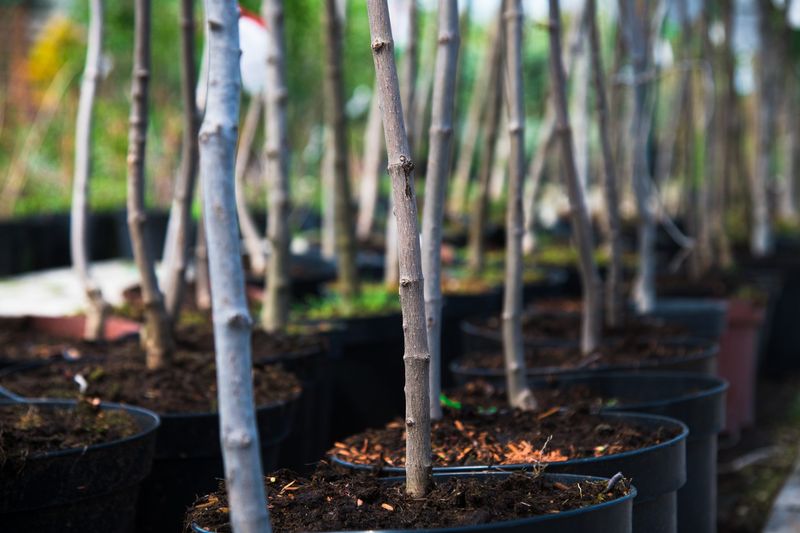
Boring insects pose a serious threat to fruit trees throughout Arizona’s growing regions.
These unwelcome visitors burrow into bark, creating tunnels that disrupt nutrient flow and weaken tree structure.
White paint creates a physical barrier that makes it harder for female borers to lay eggs in bark crevices.
Many boring insects prefer trees with damaged or stressed bark, which unpainted trees develop more frequently under harsh sun exposure.
By keeping bark healthy and intact, paint indirectly discourages these pests from choosing your trees as host sites.
The bright white surface also makes it easier to spot insect activity early, before infestations become severe.
Peach tree borers and flatheaded apple tree borers are particularly common in Arizona orchards.
These pests can severely compromise a tree’s vigor, reducing fruit production and sometimes causing entire branches to fail.
Regular painting as part of your seasonal maintenance routine keeps trees healthier and less attractive to destructive insects.
Combined with other integrated pest management strategies, painted trunks form an important first line of defense against borer damage in desert fruit growing.
Temperature Regulation During Winter Months
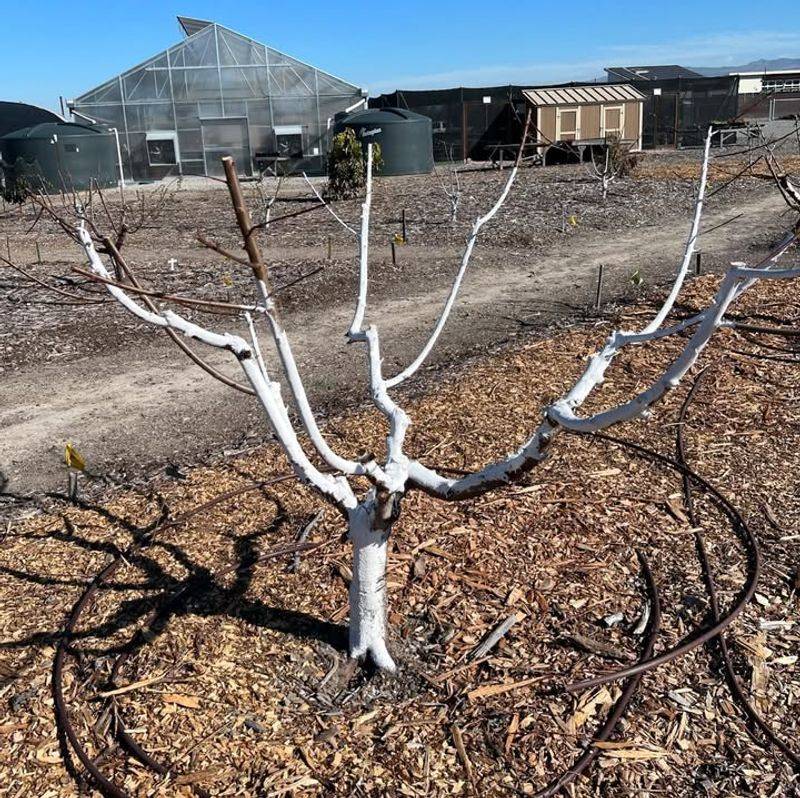
Desert winters bring surprisingly cold nights followed by warm, sunny days that confuse fruit trees.
This wild temperature fluctuation can trick trees into breaking dormancy too early, leaving tender new growth vulnerable to late freezes.
White paint helps moderate bark temperature by reflecting winter sunlight rather than absorbing it.
When bark stays cooler during sunny winter days, trees remain properly dormant until spring truly arrives.
This temperature buffering effect is particularly important for stone fruits like apricots and almonds, which tend to bloom early.
Premature blooming wastes the tree’s energy and results in flower loss when inevitable cold snaps return.
The reflective coating essentially tricks the tree into experiencing more consistent temperatures, preventing false spring signals.
Even a few degrees of temperature difference in the bark can influence whether buds stay dormant or begin swelling prematurely.
Gardeners who paint their trees before winter typically see more consistent bloom timing and better fruit set in spring.
This simple practice aligns with how desert-adapted plants naturally protect themselves from temperature extremes through light-colored surfaces and reflective adaptations.
Reduction Of Fungal And Bacterial Diseases
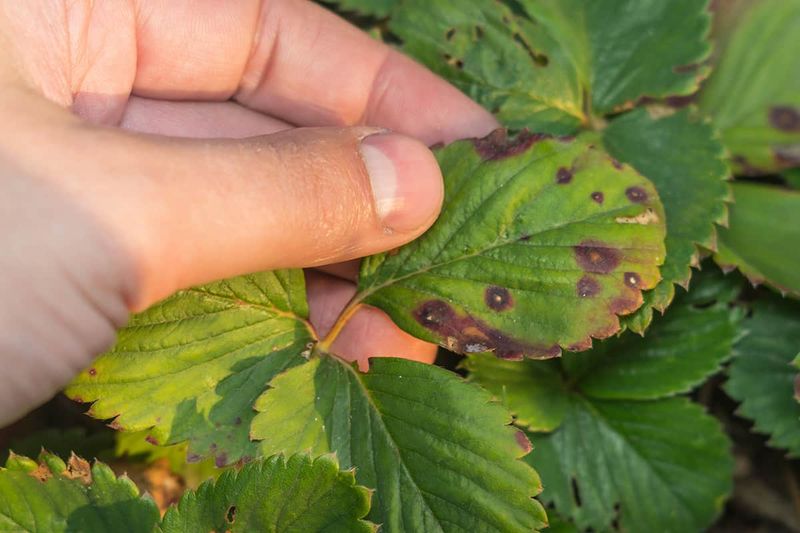
Cracks and wounds in tree bark create perfect entry points for disease-causing organisms.
When bark splits from sun damage or temperature stress, fungi and bacteria can colonize these openings quickly.
Many tree paints contain latex or lime, both of which have mild antiseptic properties that discourage pathogen growth.
By preventing bark damage in the first place, paint eliminates many opportunities for disease establishment.
Healthy, intact bark serves as the tree’s natural armor against infection, much like skin protects humans from germs.
Some specialized tree paints even include fungicides or copper compounds that actively inhibit disease development.
Citrus trees particularly benefit from this protection, as they’re susceptible to various bark-related diseases common in Arizona.
Bacterial canker and gummosis are two conditions that often start at damaged bark sites.
Once established, these diseases can spread throughout the tree, causing branch loss and reduced fruit quality.
Painting creates a sealed environment where moisture and disease organisms have difficulty gaining a foothold, keeping your trees healthier with less need for chemical interventions later.
Enhanced Photosynthesis And Growth In Young Trees
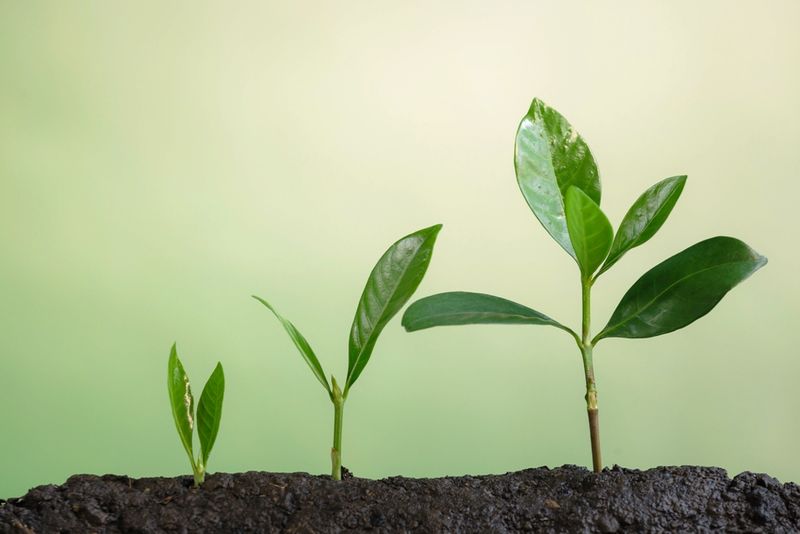
Young trees invest tremendous energy into establishing root systems and developing strong trunk structures.
Any stress from environmental factors diverts resources away from this critical growth phase.
White paint reduces stress by protecting tender bark from sun damage and temperature extremes.
When trees don’t have to constantly repair damaged bark tissue, they can focus energy on productive growth instead.
This translates to faster establishment, stronger trunks, and earlier fruit production in newly planted orchards.
Young citrus and deciduous fruit trees painted at planting time typically show noticeably better growth rates than unpainted counterparts.
The protection is especially valuable during the first three to five years when bark is thinnest and most vulnerable.
Healthy bark also means better nutrient and water transport throughout the tree, supporting vigorous leaf development.
More leaves mean more photosynthesis, which creates the energy trees need to grow and eventually produce abundant fruit.
Consider painting as an investment in your tree’s future productivity, giving young plants the best possible start in Arizona’s challenging climate conditions.
Easier Tree Monitoring And Orchard Management
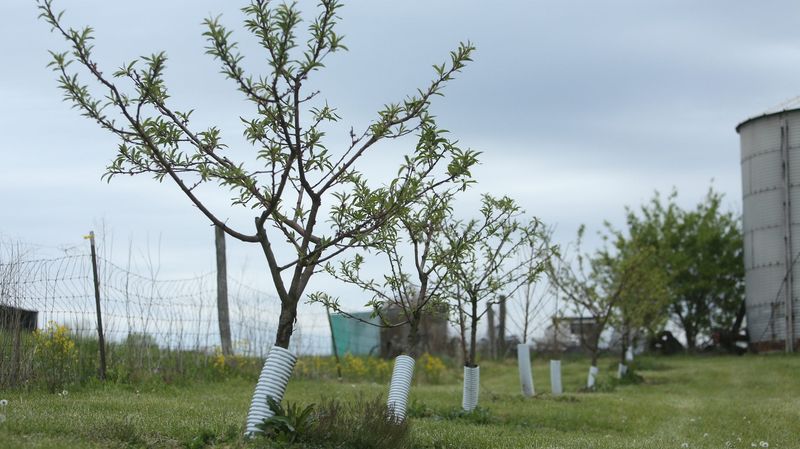
White-painted trunks create visual uniformity that makes orchard inspection and maintenance significantly easier.
Gardeners can quickly spot problems like unusual discoloration, insect frass, or bark damage against the clean white background.
This visibility advantage helps catch issues early when they’re still manageable rather than after they’ve spread.
In larger orchards, painted trunks also make it easier to identify tree rows and keep track of different varieties or planting dates.
Some growers add colored marks or numbers to painted trunks for record-keeping purposes.
The bright white color remains visible even in low light conditions during early morning or evening orchard work.
Painted trees also help identify which trees have received seasonal care versus those still needing attention.
For commercial operations, this organizational benefit can save considerable time during busy seasons.
Home gardeners appreciate how painted trunks give their orchards a neat, well-maintained appearance that reflects pride in their growing space.
The practice signals to neighbors and visitors that these trees receive proper care and attention throughout the year.
Optimal Timing For Application Before Spring Growth
Timing your tree painting makes all the difference in how effective the protection will be.
Late fall through early winter represents the ideal window for applying white paint to fruit trees in Arizona.
This schedule ensures protection is in place before the most severe temperature fluctuations begin.
Painting between November and January allows the coating to cure properly before spring growth starts.
You want the paint fully adhered and weather-resistant before new bark expansion begins with the growing season.
Avoid painting during extremely hot weather, as paint may not adhere properly or could stress already heat-stressed trees.
Similarly, don’t paint when rain is forecast within 24 hours, as moisture interferes with proper bonding.
Many Arizona gardeners make tree painting part of their winter orchard preparation routine, along with pruning and dormant oil applications.
Reapply paint annually or whenever you notice significant wear, as Arizona’s intense sun gradually breaks down even durable coatings.
By maintaining this simple seasonal schedule, you ensure your fruit trees receive continuous protection year after year, maximizing their health, productivity, and longevity in the challenging desert environment.