Why Arizona Homeowners Are Turning To Xeriscaping And How It Helps The Environment
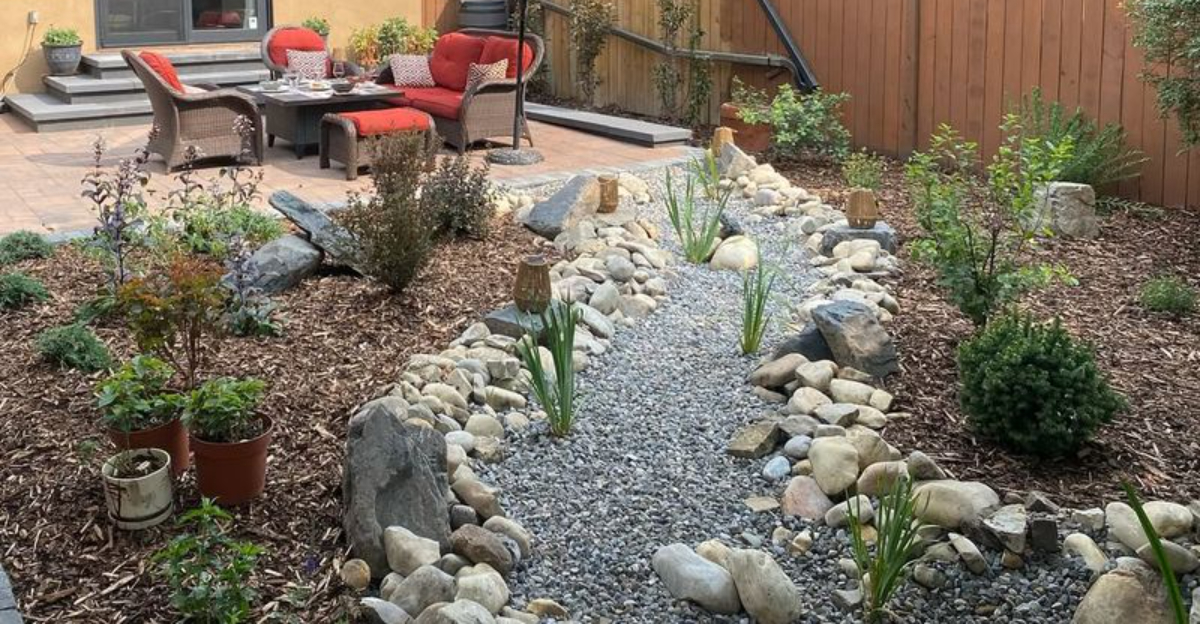
Arizona’s desert landscape is undergoing a noticeable transformation, and homeowners are at the forefront of a smarter, greener way to design outdoor spaces.
Xeriscaping—landscaping intentionally crafted to conserve water and thrive in arid climates—has become the go-to choice for families who are tired of battling high water bills, crispy lawns, and plants that simply can’t withstand the relentless summer heat.
But this movement isn’t just about saving money or reducing maintenance. It’s about embracing a landscape style that works with the desert, not against it.
By choosing drought-tolerant plants, improving soil health, and rethinking traditional lawn care, homeowners are helping protect fragile ecosystems, support native pollinators, and reduce strain on Arizona’s limited water supply.
The result? Stunning, sustainable yards that look vibrant year-round and require far fewer resources to maintain.
Xeriscaping Slashes Outdoor Water Use
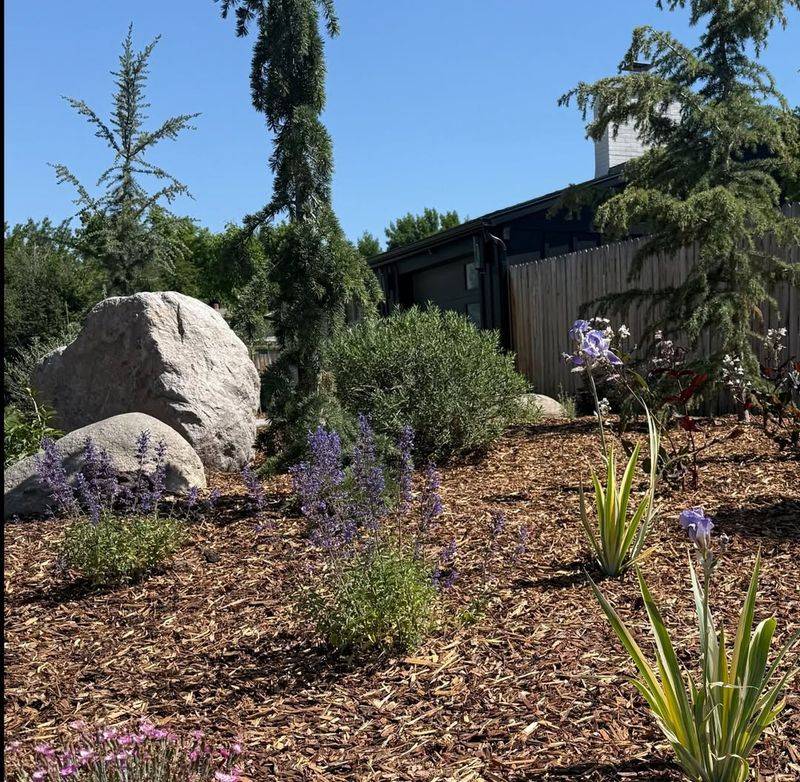
Water scarcity has become a defining challenge for Arizona families, especially as reservoirs like Lake Mead drop to historic lows.
Traditional grass lawns gulp down thousands of gallons every month, putting enormous strain on already stretched water supplies.
Xeriscaping flips that script entirely by replacing thirsty turf with smart design choices that slash irrigation needs by half or more.
Homeowners who adopt xeriscaping often see their outdoor water consumption drop by 50% to 75%, depending on the size of their yard and plant choices.
That’s a massive reduction that adds up quickly across entire neighborhoods and communities.
Instead of running sprinklers multiple times a week, xeriscape gardens might only need occasional deep watering during the hottest months.
Arizona’s primary water source, the Colorado River, serves millions of people across seven states, and it’s under unprecedented pressure from prolonged drought and overuse.
Every gallon saved in a Phoenix or Tucson backyard contributes to the bigger picture of regional water conservation.
By choosing xeriscaping, homeowners directly ease the burden on this critical resource while still enjoying attractive, functional outdoor spaces that feel welcoming and complete.
Native Plants Thrive Where Lawns Fail

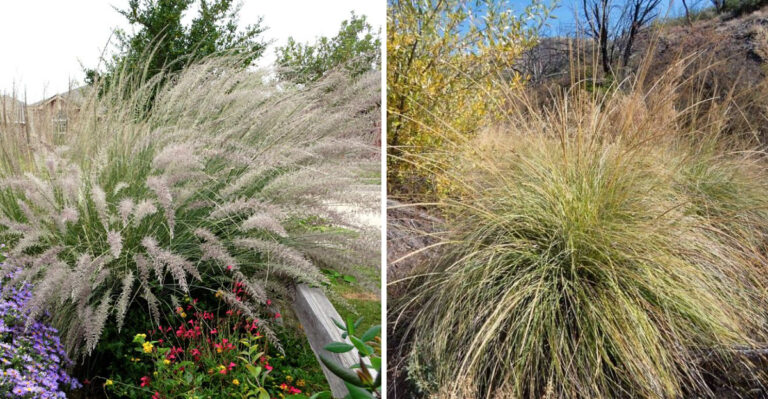
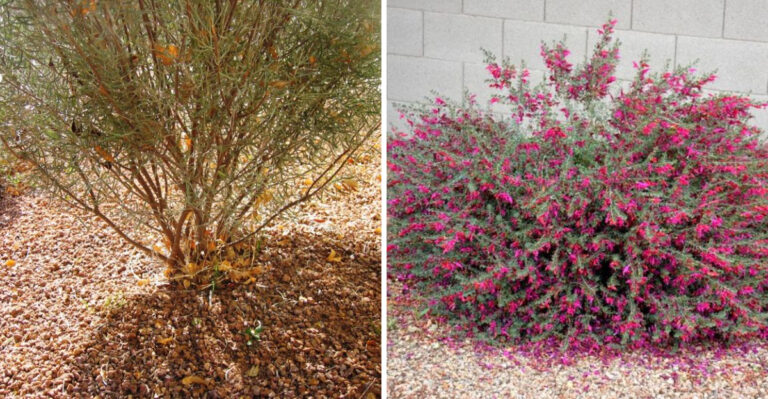
Native and drought-tolerant plants thrive in Arizona’s climate
Grass lawns weren’t designed for the Sonoran Desert, and it shows every summer when temperatures soar past 110 degrees.
Native plants like palo verde trees, agave, desert marigold, and prickly pear cactus have spent thousands of years adapting to Arizona’s intense heat, scarce rainfall, and rocky soil.
These tough, resilient species don’t just survive—they flourish with very little help from homeowners.
When you plant species that evolved locally, you’re working with nature instead of against it.
Native plants develop deep root systems that tap into underground moisture, so they don’t need constant watering to stay healthy and green.
They’re also naturally resistant to local pests and diseases, which means fewer problems and less need for chemical treatments.
Drought-tolerant varieties from similar climates—like lavender, rosemary, and Texas sage—also perform beautifully in Arizona yards.
These plants add texture, color, and fragrance without demanding the intensive care that traditional landscaping requires.
Homeowners love that their gardens look vibrant year-round, even during the driest stretches, and the plants actually become stronger and more established over time rather than struggling to survive the brutal desert conditions.
Lower Water Bills And Long-term Savings
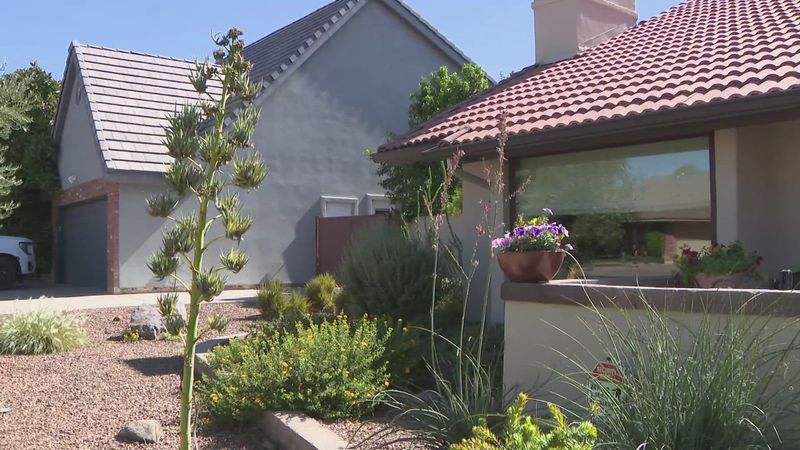
One of the most immediate benefits Arizona homeowners notice after switching to xeriscaping is the drop in their water bills.
Traditional lawns can cost hundreds of dollars per month to irrigate during peak summer, especially in larger suburban yards.
Xeriscaping cuts that expense dramatically, often reducing monthly water costs by $50 to $150 or more depending on yard size and previous usage.
Beyond water savings, xeriscaping also reduces the need for expensive lawn care equipment and services.
No more gas-powered mowers, edgers, or weekly lawn maintenance visits that add up over time.
Fertilizers, herbicides, and soil amendments become largely unnecessary when you’re working with plants that naturally thrive in desert conditions.
The initial investment in xeriscaping—purchasing plants, gravel, mulch, and possibly hiring a landscape designer—typically pays for itself within two to five years through reduced utility and maintenance costs.
After that, the savings continue year after year, making xeriscaping one of the smartest financial decisions a homeowner can make.
Many Arizona residents also qualify for rebates and incentives from local water utilities, which can offset upfront costs and make the transition even more affordable right from the start.
Cut Out Chemical Fertilizers And Pesticides

Conventional lawns are chemical-dependent by design, requiring regular applications of synthetic fertilizers to stay green and pesticides to fend off insects and weeds.
These chemicals don’t just stay on your grass—they seep into the soil, wash into storm drains during monsoon rains, and eventually contaminate local waterways and groundwater supplies.
Xeriscaping offers a cleaner, healthier alternative that benefits both your family and the environment.
Native desert plants evolved to thrive in Arizona’s natural soil without needing artificial boosts.
They’ve adapted to low-nutrient conditions and developed natural defenses against local pests, so there’s little reason to spray or fertilize.
This means fewer toxic chemicals in your yard where kids and pets play, and less pollution flowing into rivers and aquifers.
Reducing chemical use also supports healthier soil ecosystems filled with beneficial microbes, insects, and organisms that help plants grow strong.
Healthy soil retains moisture better, resists erosion, and creates a more balanced environment where plants can support each other naturally.
For families concerned about environmental health and safety, xeriscaping provides peace of mind knowing their outdoor space isn’t contributing to pollution or exposing loved ones to potentially harmful substances regularly used in traditional lawn care routines.
Create Wildlife-friendly, Native Habitats

Arizona’s urbanization has pushed native wildlife to the margins, reducing habitat and food sources for pollinators, birds, and beneficial insects that once thrived across the region.
Xeriscaping reverses this trend by transforming residential yards into mini wildlife sanctuaries that support biodiversity and ecological health.
Native plants provide exactly what local creatures need—nectar, pollen, seeds, shelter, and nesting sites.
Hummingbirds flock to red blooms like penstemon and chuparosa, while butterflies favor desert marigold and milkweed.
Native bees, which are more efficient pollinators than honeybees, thrive when yards include a variety of flowering desert plants.
Even larger animals like quail, rabbits, and lizards benefit from the cover and food sources that xeriscape gardens naturally provide.
Creating wildlife-friendly landscapes helps stabilize local ecosystems that are under pressure from development and climate change.
Pollinators are essential for food production and plant reproduction, so supporting them in your own backyard has ripple effects throughout the community.
Homeowners often find that watching birds, butterflies, and other creatures visit their gardens adds joy and connection to nature that traditional grass lawns simply can’t offer, making xeriscaping rewarding on both environmental and personal levels.
Stop Erosion And Improve Stormwater Drainage
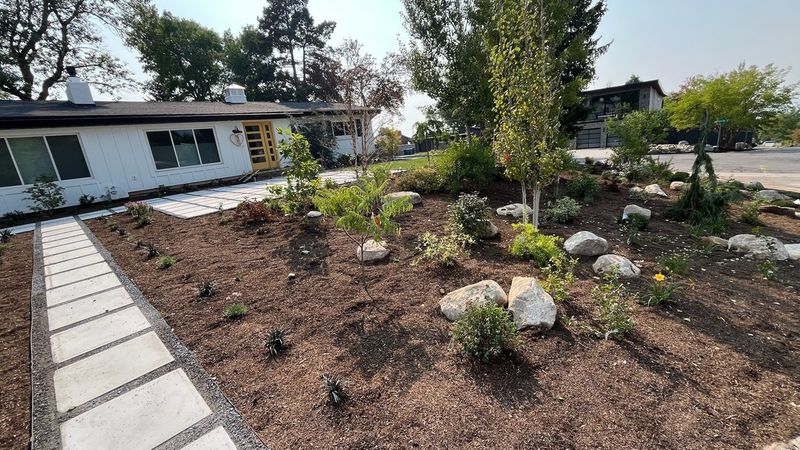
Arizona’s monsoon season brings sudden, intense rainstorms that can turn poorly designed yards into muddy, eroded messes within minutes.
Traditional lawns, especially those weakened by heat and drought, often can’t absorb heavy rainfall fast enough, leading to runoff that carries away valuable topsoil and floods streets.
Xeriscaping tackles this problem head-on with smart design that works with nature’s water cycles.
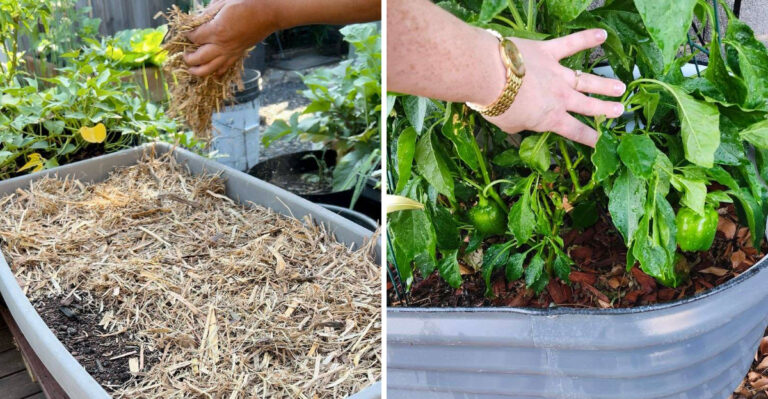
Gravel mulch, decomposed granite, and strategic placement of rocks slow down water flow, giving it time to soak into the ground instead of rushing away.
Deep-rooted native plants anchor soil in place, preventing erosion even during the most powerful summer storms.
This natural infiltration helps recharge underground aquifers, which are critical water sources for Arizona communities.
Better stormwater management also reduces the burden on municipal drainage systems and prevents pollutants from washing into rivers and streams.
When rainwater infiltrates on-site rather than running off, it filters naturally through soil layers, removing contaminants before reaching groundwater.
Homeowners with xeriscaped yards often notice that their properties handle monsoon rains much better than neighboring grass lawns, with less standing water, fewer muddy spots, and healthier soil that stays in place season after season.
Drought Rules Are Making Xeriscaping Essential
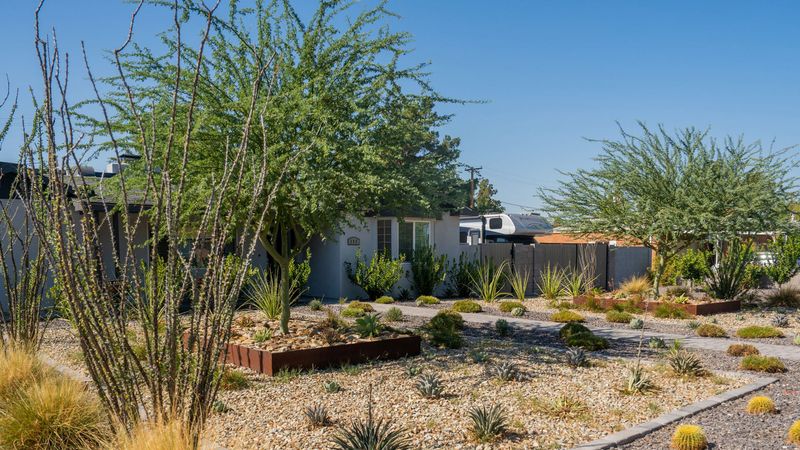
Water scarcity is no longer a distant concern—it’s shaping policy and daily life across Arizona right now.
Cities from Phoenix to Tucson have implemented or are considering mandatory water restrictions that limit outdoor irrigation, especially for ornamental grass lawns.
Some municipalities have already banned new grass installations in front yards, signaling a clear shift toward water-conscious landscaping requirements.
These restrictions reflect the reality of Arizona’s water situation: supplies are shrinking while demand continues to grow.
Homeowners who stick with traditional lawns may face fines, mandatory watering schedules, or pressure to remove turf altogether.
Xeriscaping isn’t just a smart choice—it’s increasingly becoming a necessary one to comply with local regulations and avoid penalties.
Forward-thinking homeowners who xeriscape now are getting ahead of future restrictions while still having creative control over their landscape design.
Waiting until regulations force changes often means rushed decisions and fewer options.
By transitioning voluntarily, families can take their time choosing plants they love, designing spaces that fit their lifestyle, and potentially qualifying for rebates and assistance programs that might not be available once restrictions become mandatory and demand for xeriscape services skyrockets across the state.
Enjoy A Yard That Needs Minimal Maintenance
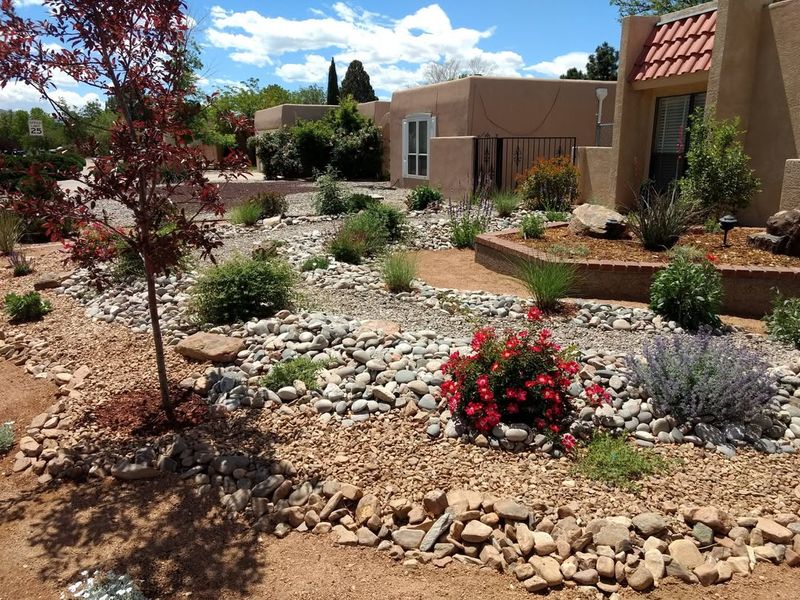
Weekend after weekend spent mowing, edging, fertilizing, and battling weeds is a reality most Arizona homeowners with grass lawns know too well.
Traditional turf demands constant attention, especially during the brutal summer months when it struggles to survive despite intensive care.
Xeriscaping offers a liberating alternative that frees up time and energy while keeping outdoor spaces looking polished and intentional.
Once established, xeriscape gardens need minimal intervention—occasional pruning, seasonal mulch refreshing, and infrequent watering during extreme heat.
There’s no weekly mowing schedule, no expensive lawn service contracts, and no scrambling to fix brown patches before guests arrive.
Native plants grow at a natural pace suited to the desert climate, so they don’t require constant trimming to look tidy.
This low-maintenance approach is especially appealing to busy families, retirees, and anyone who’d rather spend weekends enjoying their yard instead of working in it.
Xeriscaping also reduces the need for gas-powered equipment that’s noisy, polluting, and requires regular maintenance itself.
Homeowners consistently report that switching to xeriscaping dramatically improves their quality of life by eliminating the endless cycle of lawn care while still providing attractive outdoor spaces they’re proud to show off year-round.
HOAs And Cities Now Encourage Xeriscaping
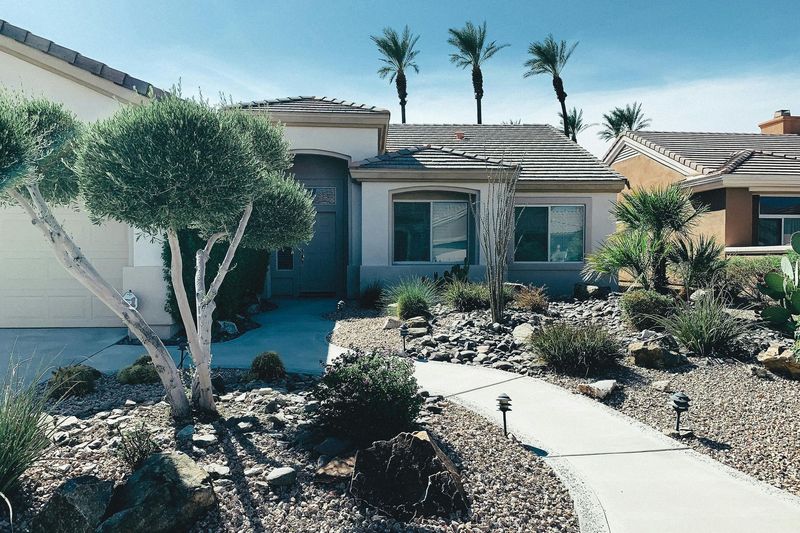
Homeowners associations once strictly enforced green lawn requirements, but times have changed as water realities become impossible to ignore.
Many Arizona HOAs have updated their landscaping rules to encourage or even require water-efficient designs, recognizing that xeriscaping benefits the entire community.
Some neighborhoods now showcase xeriscape demonstration gardens and offer design guidelines to help residents make the transition smoothly.
Financial incentives make xeriscaping even more attractive and accessible.
Cities like Phoenix, Tucson, and Scottsdale offer rebates that cover a portion of conversion costs—sometimes hundreds or even thousands of dollars depending on project size.
Water utilities provide free consultations, plant lists, and educational workshops to support homeowners through the process.
These programs reflect a community-wide commitment to water conservation and environmental stewardship.
When entire neighborhoods embrace xeriscaping together, the cumulative water savings become truly significant, and property values often increase as buyers seek homes with modern, sustainable landscaping.
Homeowners no longer have to worry about HOA complaints or feeling like the odd one out—xeriscaping is becoming the new standard, and communities are actively supporting residents who make the switch with resources, encouragement, and financial help that makes the investment easier than ever before.
Cooler Yards Through Smart Shade And Design
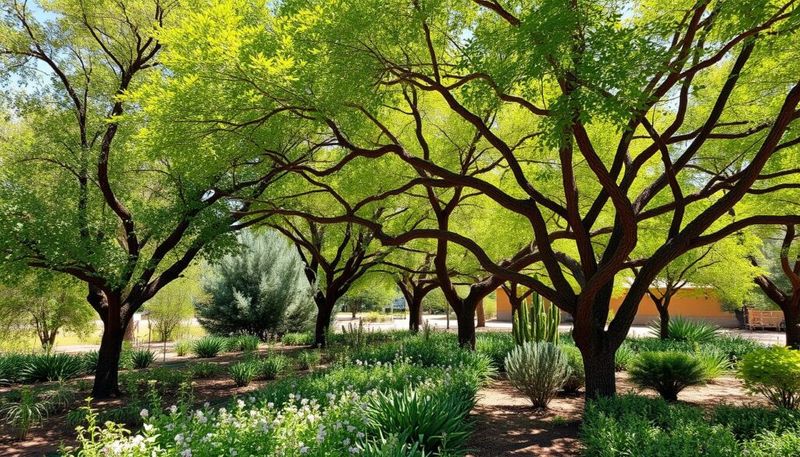
Arizona’s cities are experiencing intensifying heat island effects, where concrete, asphalt, and bare soil absorb and radiate heat, making neighborhoods significantly hotter than surrounding desert areas.
Traditional grass lawns do little to combat this problem, especially when they’re stressed, brown, or replaced with rocks and gravel alone.
Strategic xeriscaping fights urban heat through smart plant selection and placement that creates cooling microclimates.
Trees like mesquite, palo verde, and desert willow provide crucial shade that lowers ground temperatures by 20 degrees or more beneath their canopies.
Shrubs and groundcovers insulate soil, reducing heat reflection and creating cooler surfaces than bare rock or turf.
Thoughtful layering of plants at different heights creates air circulation and shade patterns that cool entire yards and even neighboring properties.
Cooler outdoor spaces mean more comfortable living conditions, lower air conditioning costs, and improved quality of life during Arizona’s long, hot summers.
Neighborhoods with extensive tree cover and thoughtful landscaping stay noticeably cooler than areas dominated by hardscaping or struggling lawns.
By choosing xeriscaping that prioritizes shade trees and plant density, homeowners contribute to cooling their entire community while creating outdoor areas they can actually enjoy during warm months instead of retreating indoors whenever temperatures climb.