Why Arizona Homeowners Shift To The Zero Water Landscape Trend
Arizona homeowners turn to the zero-water landscape trend as a bold answer to the relentless sun and parched earth.
In a state where every drop counts, yards transform from thirsty green lawns into striking, drought-defying sanctuaries that demand little more than a watchful eye.
Like a savvy investor hedging against a dry spell, these landscapes trade water-hungry grass for resilient plants, rocks, and native beauty that thrive on nature’s mercy.
Homeowners reap the rewards of lower bills, less maintenance, and a yard that stands proud while neighbors watch their sprinklers run dry.
In Arizona, the zero-water movement proves ingenuity and style can flourish even under the harshest skies.
Massive Water Savings Throughout The Year
Traditional grass lawns gulp down thousands of gallons every month, especially during Arizona’s brutal summer months.
Converting to a zero water landscape can slash your water usage by up to 75%, which makes a huge difference on your utility bills.
Imagine cutting your water costs dramatically while still having a beautiful outdoor space.
Desert plants like agave, prickly pear, and mesquite trees evolved to survive with minimal moisture.
They store water efficiently and don’t demand constant irrigation like thirsty grass does.
Once established, many native plants need watering only during extreme drought conditions.
Your savings add up quickly over time.
Families report saving hundreds of dollars annually just by eliminating lawn watering.
Plus, you’re helping conserve precious water resources in a state where every drop counts.
Arizona’s limited water supply makes conservation not just smart but necessary for future generations.
Dramatically Lower Maintenance Requirements
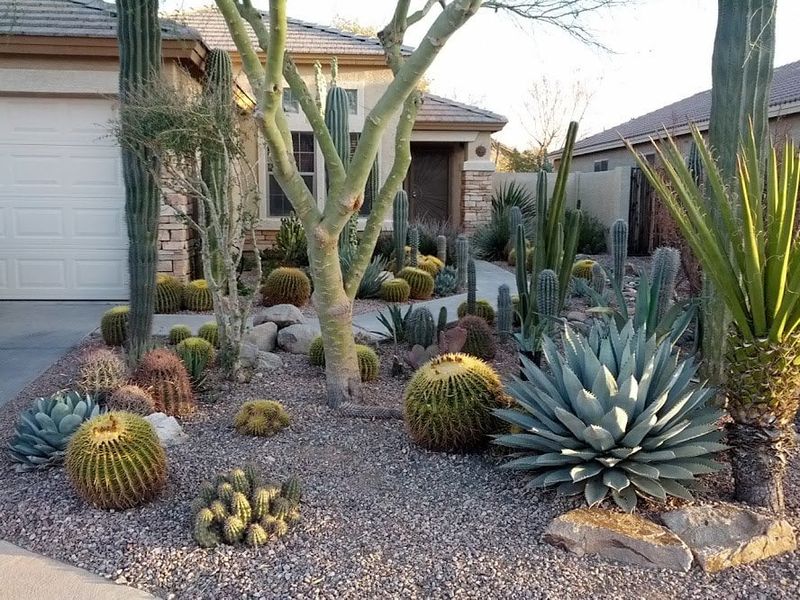
Say goodbye to weekend mowing marathons and constant yard work.
Zero water landscapes free up your time because desert plants grow slowly and rarely need trimming.
You won’t spend hours pushing a loud mower across hot grass or edging flower beds every weekend.
Native vegetation naturally fits the environment, so it doesn’t require fertilizers, pesticides, or special treatments.
Gravel, decomposed granite, and mulch groundcovers stay put and don’t need weekly attention.
Occasional weeding and pruning damaged branches might be your only tasks.
Families discover they have more time for activities they actually enjoy rather than constant yard chores.
Older homeowners particularly appreciate not having to handle heavy equipment or work in extreme heat.
Your weekends become yours again instead of belonging to lawn care.
The reduced physical demand makes property maintenance accessible for people of all ages and abilities.
Year-Round Curb Appeal And Beauty
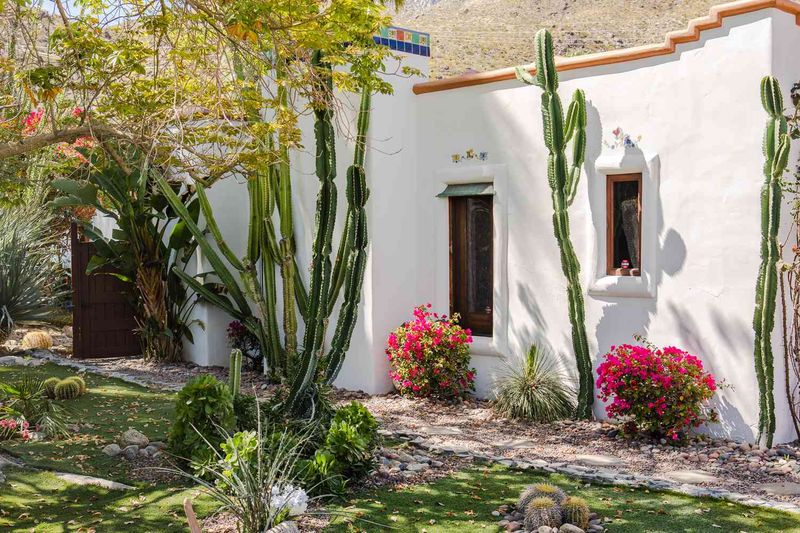
Forget brown, patchy grass that dies every summer despite your best efforts.
Desert landscapes offer stunning visual interest through varied textures, shapes, and colors that look gorgeous all year long.
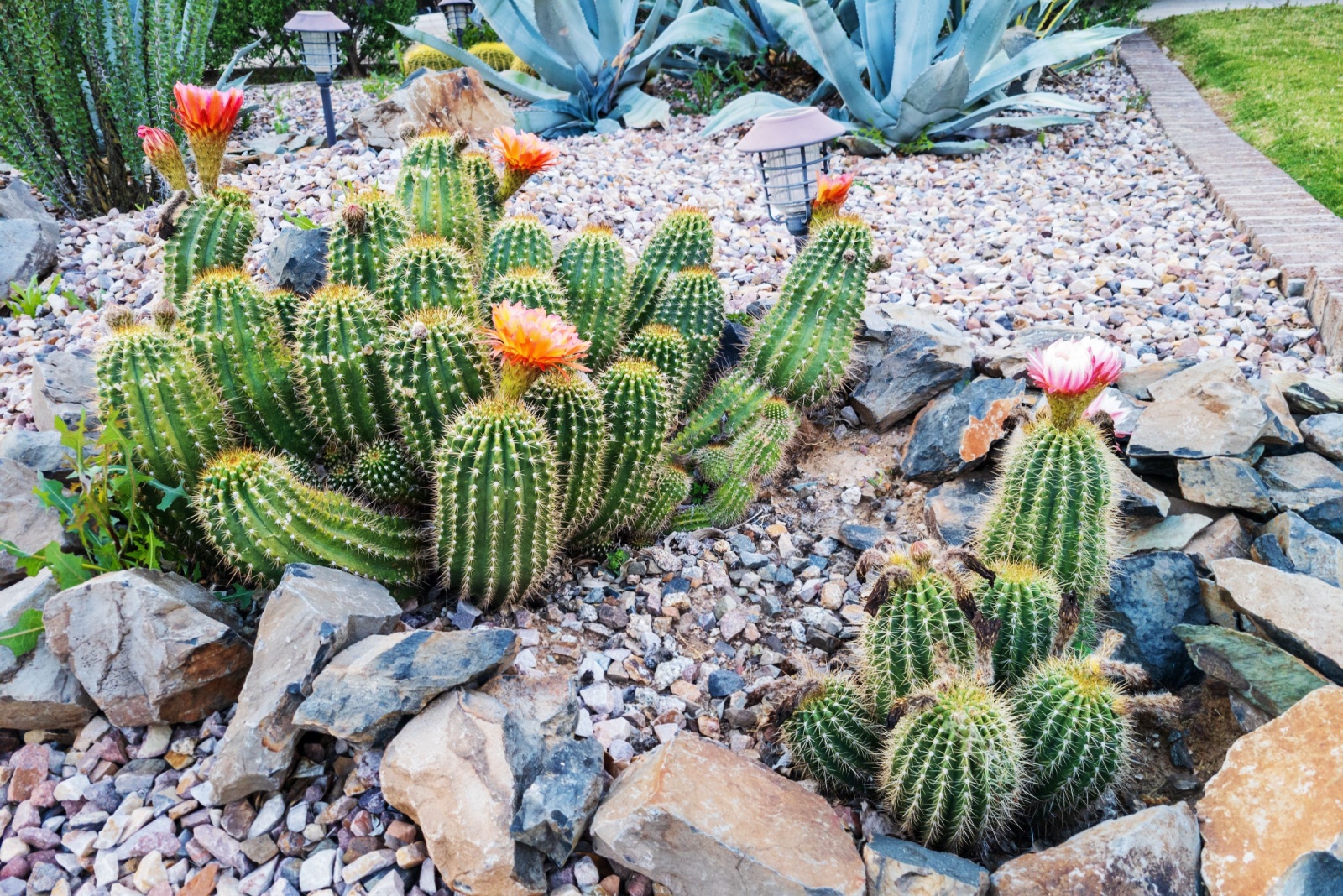
Barrel cacti provide round sculptural forms while ocotillo shoots up dramatic vertical lines.
Flowering desert plants bring seasonal color without constant replanting.
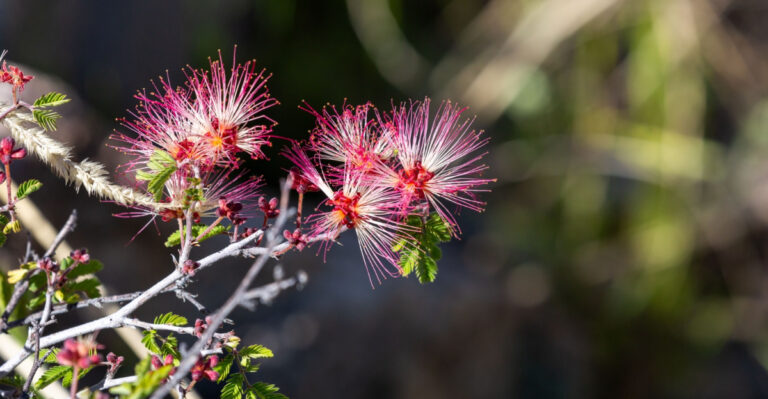
Penstemon blooms bright red in spring, while desert marigolds add cheerful yellow touches.
Agave plants create architectural focal points with their bold geometric patterns.
Purple trailing lantana cascades beautifully over rock walls.
Creative hardscaping with natural stone, decorative gravel, and artistic pathways adds sophisticated design elements.
Your property can become a showcase that neighbors admire rather than a maintenance headache.
Many Arizona communities now prefer xeriscaped yards because they reflect regional character and environmental awareness.
Real estate agents note that well-designed desert landscapes actually increase property values compared to struggling traditional lawns.
Environmental Benefits Beyond Water Conservation
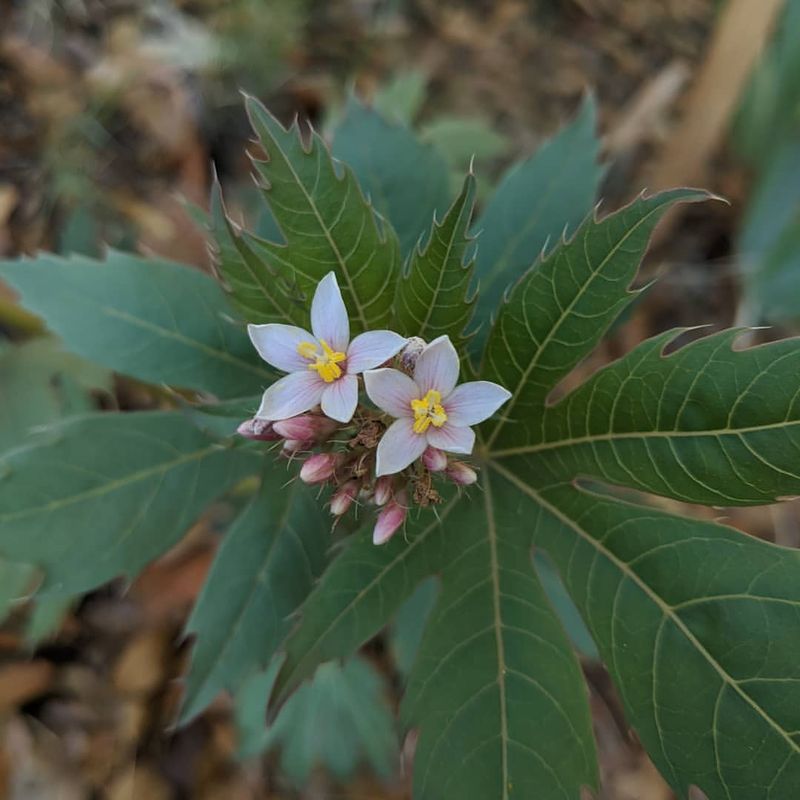
Zero water landscapes create havens for local wildlife that struggle to find natural habitat in developed areas.
Native plants provide food sources and shelter for butterflies, hummingbirds, bees, and beneficial insects.
Desert birds like cactus wrens and curve-billed thrashers depend on native vegetation for nesting sites.
You’ll eliminate pollution from gas-powered mowers and reduce chemical runoff from fertilizers and pesticides.
Traditional lawn care releases harmful emissions and introduces toxins into soil and groundwater.
Choosing native plants means working with nature instead of fighting against it constantly.
Your yard becomes part of a larger ecological network supporting biodiversity.
Kids can watch fascinating desert creatures like lizards, roadrunners, and colorful butterflies right outside their windows.
Creating wildlife-friendly spaces teaches environmental stewardship while making your property a living classroom.
Many homeowners find deep satisfaction in supporting local ecosystems rather than maintaining sterile grass monocultures.
Perfect Match For Arizona’s Harsh Climate
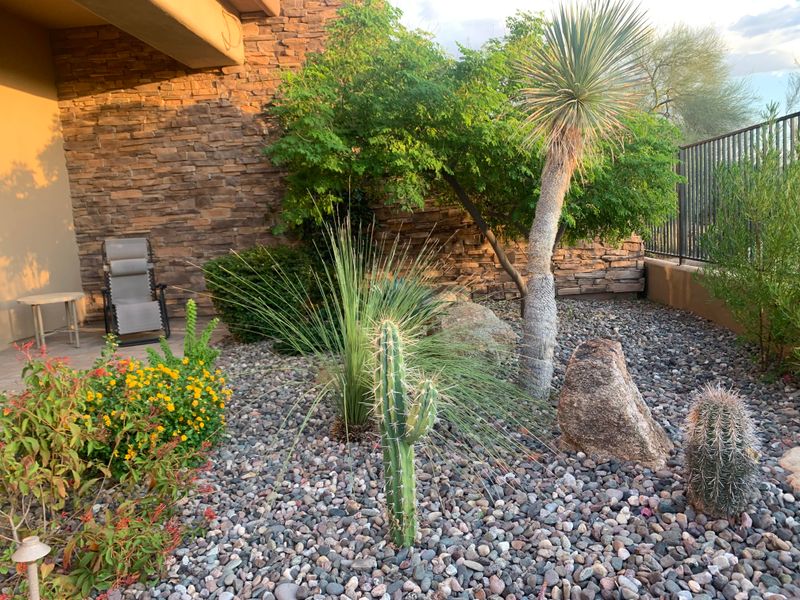
Arizona temperatures regularly soar above 110 degrees, creating conditions where grass struggles to survive no matter how much you water.
Native desert plants actually thrive in intense heat and bright sunshine that would destroy traditional landscaping.
They’ve adapted over thousands of years to handle extreme conditions effortlessly.
Winter freezes occasionally surprise Arizona residents, damaging tender plants not suited to temperature swings.
Desert natives handle these fluctuations because they evolved with the region’s unpredictable weather patterns.
Palo verde trees, for example, withstand both scorching summers and surprising cold snaps.
You won’t fight a losing battle trying to recreate Kentucky bluegrass in the Sonoran Desert.
Working with climate-appropriate plants means less stress, fewer plant replacements, and better results.
Your landscape will look healthy and vibrant instead of constantly struggling.
Embracing regional vegetation makes practical sense and saves frustration from fighting environmental realities.
Significant Long-Term Cost Savings
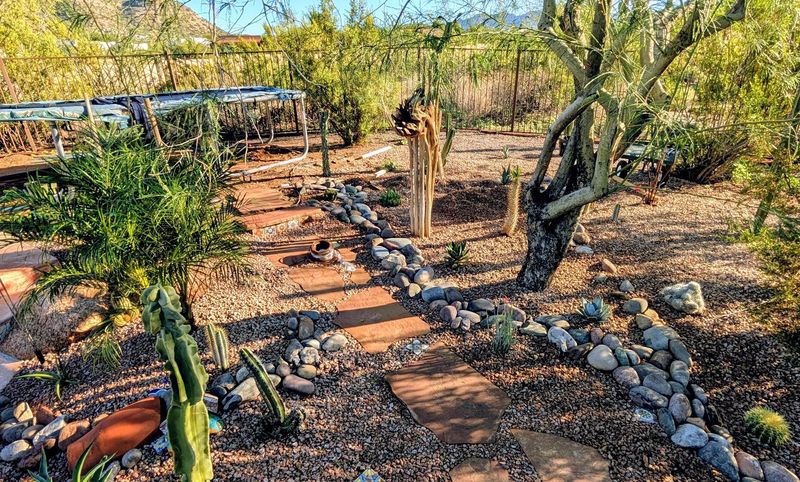
Beyond lower water bills, zero water landscapes eliminate expenses for lawn mowers, edgers, fertilizers, pesticides, and frequent plant replacements.
Gas-powered equipment requires fuel, maintenance, and eventual replacement that adds up over years.
Professional lawn services charge hundreds monthly for maintenance you won’t need anymore.
Initial installation costs often get recovered within just a few years through reduced utility bills and maintenance expenses.
Many Arizona cities offer rebates for removing grass and installing water-wise landscapes, helping offset conversion costs.
Some programs provide hundreds or even thousands of dollars in incentives.
Durable hardscaping materials like decomposed granite and natural stone last decades without replacement.
Native plants become more established and attractive over time rather than requiring constant renewal.
Your investment actually appreciates while traditional lawns demand endless spending.
Financial benefits continue accumulating year after year, making xeriscaping a smart economic choice for budget-conscious families.
Compliance With Water Restrictions and Regulations
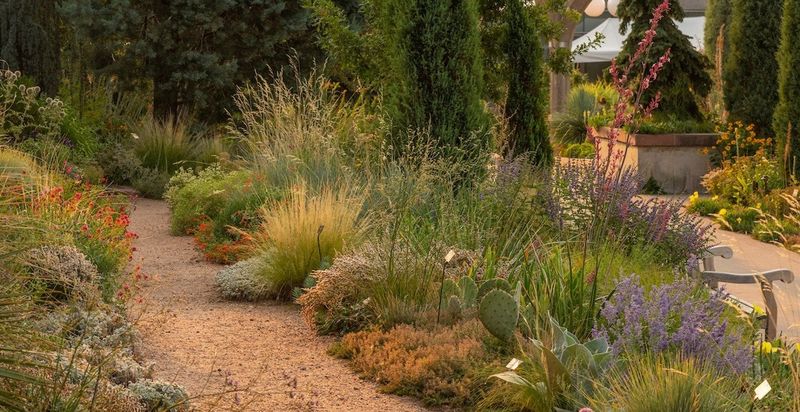
Arizona communities increasingly implement water restrictions during drought periods, limiting when and how much you can irrigate.
Homeowners with traditional lawns face tough choices between brown yards and potential fines for violating watering rules.
Zero water landscapes eliminate this worry entirely since they need minimal irrigation.
Some homeowner associations now encourage or even require water-wise landscaping in new developments.
Getting ahead of these trends protects your property value and avoids costly retrofits later.
Cities like Phoenix and Tucson offer technical assistance and design guidelines for converting to desert-appropriate landscapes.
Water rights and availability will likely become more restricted as populations grow and climate patterns shift.
Proactive homeowners who adopt sustainable practices now won’t face emergency conversions during future water crises.
Your foresight positions your property for long-term viability regardless of changing regulations.
Being an early adopter also demonstrates community leadership and environmental responsibility that neighbors often appreciate.
Unique Personal Expression And Design Freedom
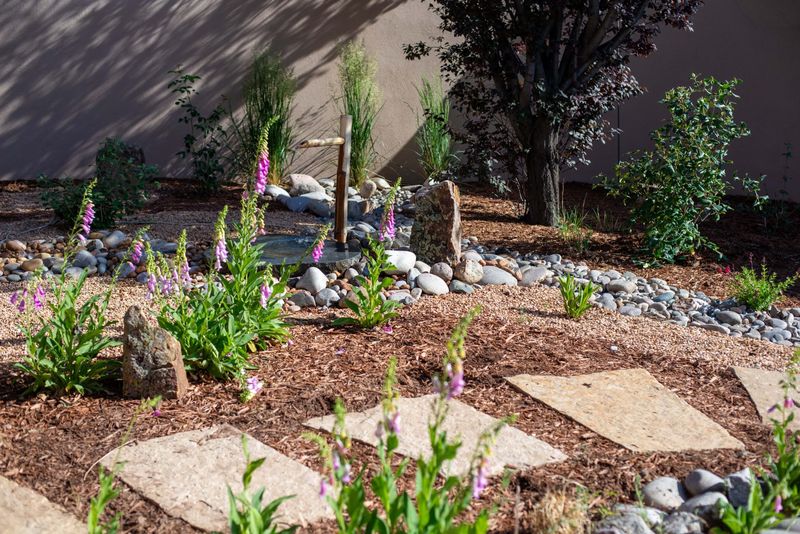
Traditional lawns all look basically the same, offering little opportunity for creative expression or personal style.
Desert landscapes provide endless design possibilities with varied plants, stones, colors, and artistic elements.
You can create Southwestern themes, modern minimalist spaces, or even Japanese-inspired desert gardens.
Incorporate decorative elements like colorful pottery, metal sculptures, or water-wise fountain features.
Arrange rocks in artistic patterns or create meandering pathways that invite exploration.
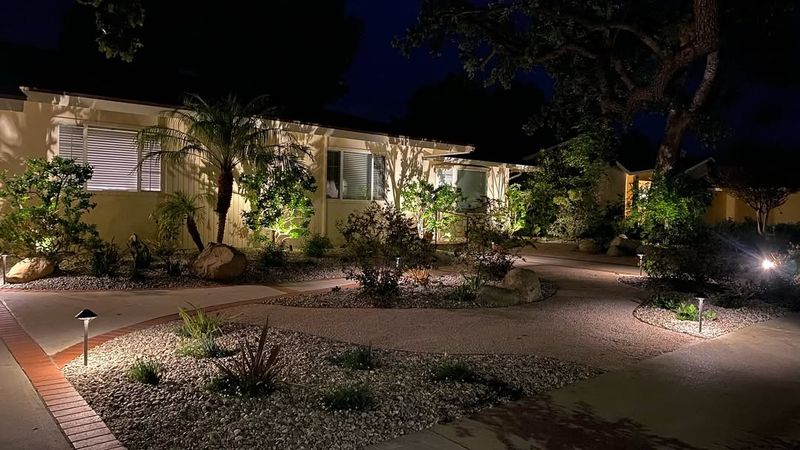
Lighting choices can dramatically transform your space after sunset, highlighting sculptural plants and creating magical evening ambiance.
Your outdoor space becomes a true reflection of your personality rather than cookie-cutter conformity.
Homeowners enjoy selecting plants with special meaning or arranging spaces for specific activities like meditation areas or outdoor entertainment zones.
The creative process itself brings satisfaction and pride of ownership.
Friends and visitors will remember your distinctive landscape long after forgetting another generic grass lawn.