Why Bamboo Can Become A Nightmare In Ohio Gardens
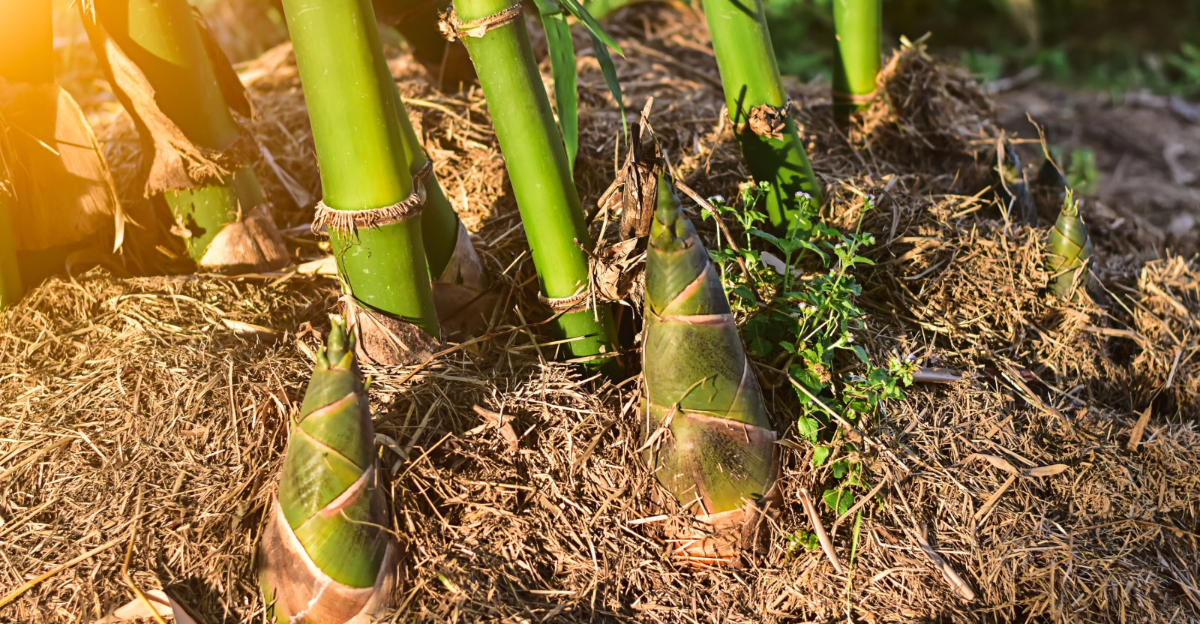
It often begins with excitement. A fast-growing plant, lush green canes, and the promise of a backyard that feels private and exotic.
For many Ohio homeowners, bamboo seems like the perfect solution for a dull fence line or an empty corner of the yard. At first glance, it looks like a dream plant.
But that dream can shift quickly once the garden settles into its rhythm. What starts as a bold landscaping choice sometimes brings surprises that few gardeners expect when they first put it in the ground.
Many people only realize the reality after it has already taken hold. By then, the story of bamboo in an Ohio garden can look very different from the one they imagined.
1. Fast Spreading Roots That Travel Far Beyond Where You Plant It
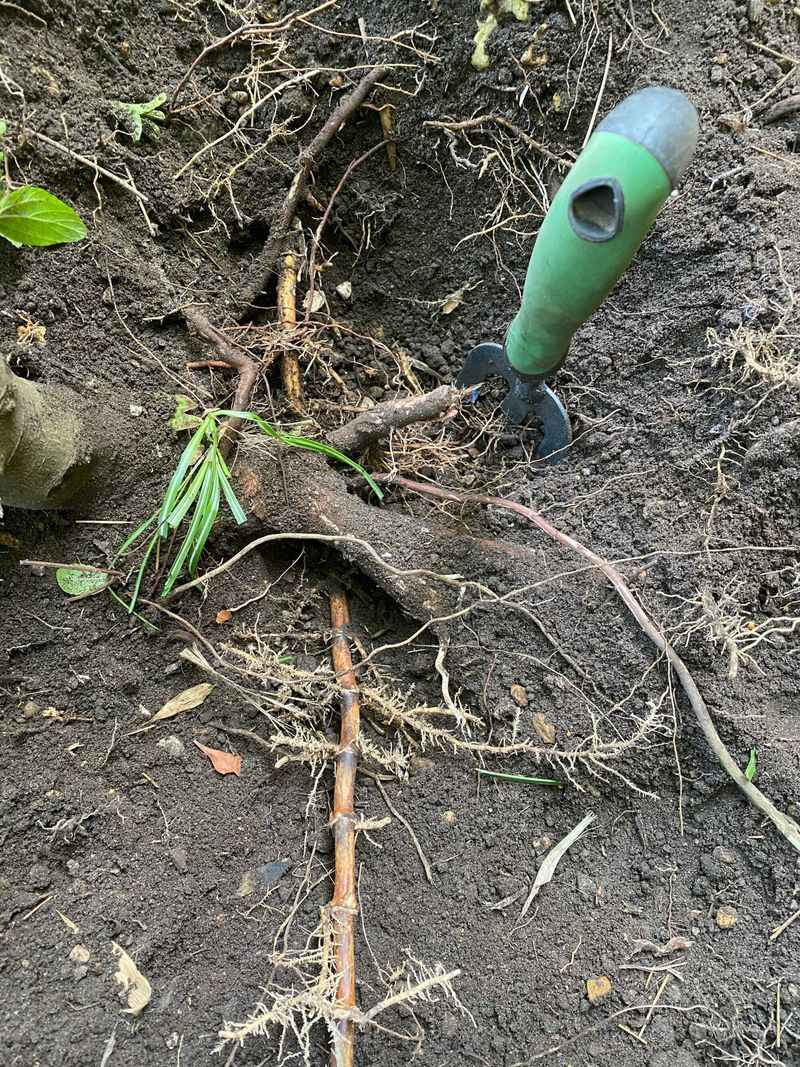
Planting bamboo feels harmless enough at first, but what happens beneath the soil is a whole different story. Running bamboo varieties, which are the most commonly sold types in Ohio garden centers, spread through a network of underground stems called rhizomes.
These rhizomes grow horizontally through the soil and can travel six to fifteen feet or more in a single growing season.
Unlike most garden plants that stay close to where you put them, bamboo rhizomes move outward in every direction without warning. You might plant bamboo along one fence line and find it sprouting near your garage, your flower beds, or even your driveway within just a few years.
Ohio’s mild summers and moist, fertile soil in many regions actually encourage this kind of aggressive underground movement.
Many homeowners do not realize how far bamboo has traveled until new shoots begin popping up in completely unexpected spots. By that point, the rhizome network has already spread widely, making management far more complicated.
The Ohio State University Extension warns that running bamboo species are among the most difficult plants to contain once they become established in residential landscapes.
2. Underground Rhizomes That Are Extremely Hard To Remove
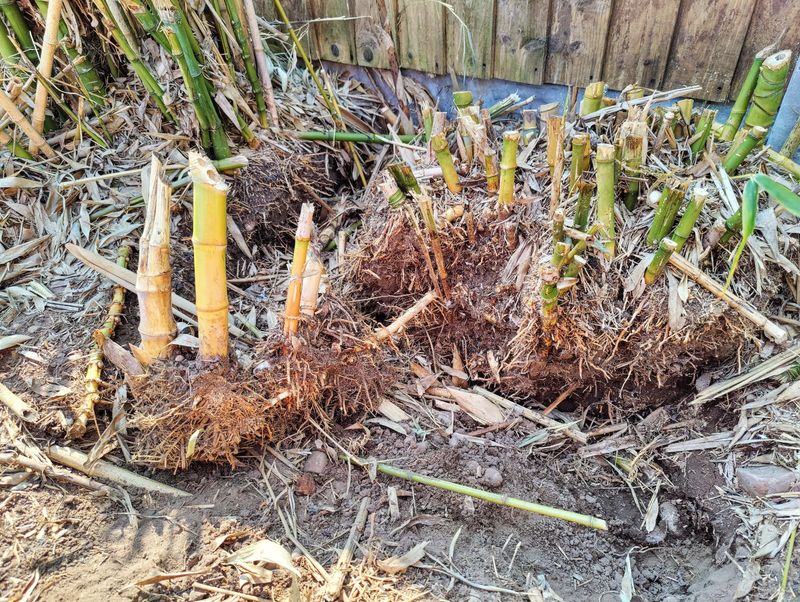
Once bamboo settles into your Ohio yard, removing its underground root system becomes one of the most physically demanding garden projects you can take on. The rhizomes grow in dense, interlocking networks that can reach depths of twelve to eighteen inches below the surface.
They are tough, fibrous, and surprisingly resilient, meaning even small fragments left in the soil can regrow into new plants.
Digging out bamboo by hand requires a pickaxe, a sharp spade, and a lot of patience. Most homeowners quickly discover that after hours of digging, they have barely made a dent in the overall root system.
Every piece of rhizome left behind has the potential to sprout again, which means the job almost never feels truly finished after just one round of digging.
University extension programs across the Midwest consistently advise that complete rhizome removal often takes multiple growing seasons of persistent effort. Cutting the stalks above ground does very little on its own because the energy stored in the rhizome network simply pushes new growth back up.
For Ohio gardeners dealing with an established patch, the removal process can stretch on for two to three years before results feel lasting.
3. New Shoots That Appear All Over The Yard
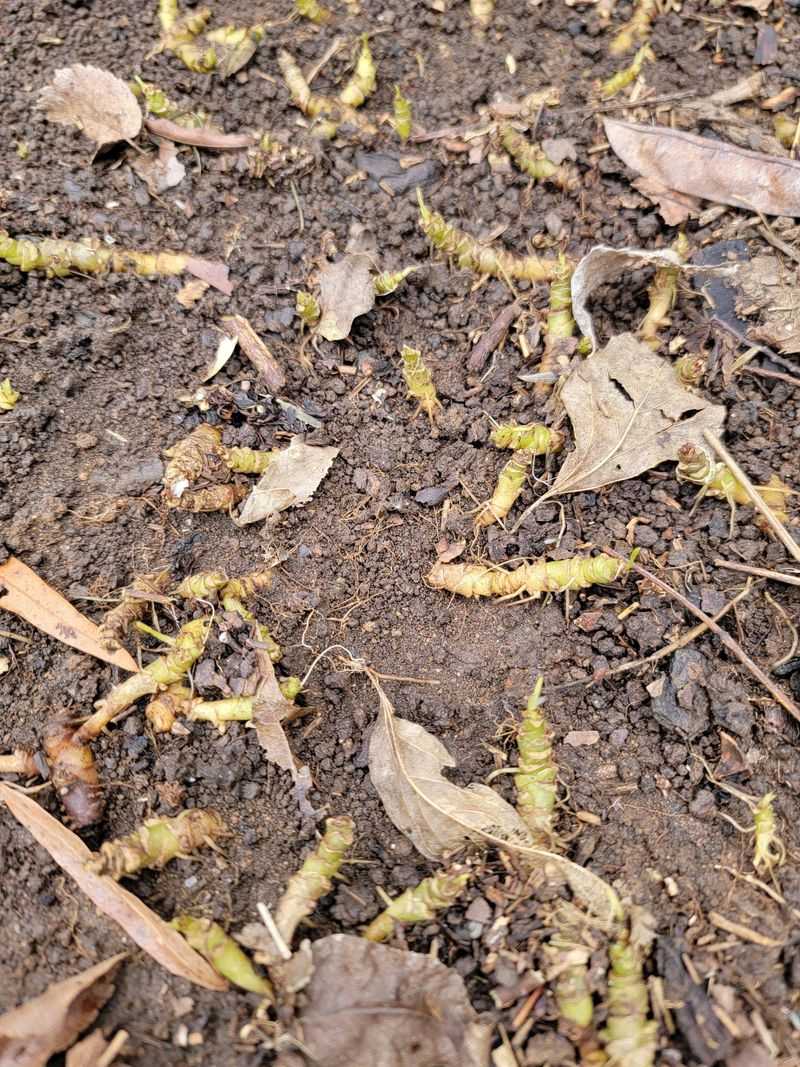
Spring in Ohio brings blooming flowers, warming temperatures, and for bamboo owners, the unsettling surprise of new green shoots popping up all over the yard. These shoots can emerge four, eight, or even fifteen feet away from the main bamboo planting, which catches many homeowners completely off guard.
They grow fast too, sometimes shooting up several inches in a single day under warm conditions.
What makes this especially frustrating is that the shoots look deceptively small and harmless when they first break through the soil. Many people ignore them at first, thinking they are just stray grass or some other minor weed.
But within days, those shoots can grow into thick stalks, and within weeks, they begin forming their own root systems, expanding the bamboo colony even further.
Lawn areas, garden beds, vegetable patches, and spaces near patios and walkways are all fair game for bamboo shoots in Ohio landscapes. Regular mowing can slow shoot development in lawn areas, but shoots that emerge in mulched beds or along fence lines often go unnoticed until they are already well established.
Catching them early and removing them at ground level before they harden is the most effective way to slow the spread.
4. Aggressive Growth That Crowds Out Nearby Plants
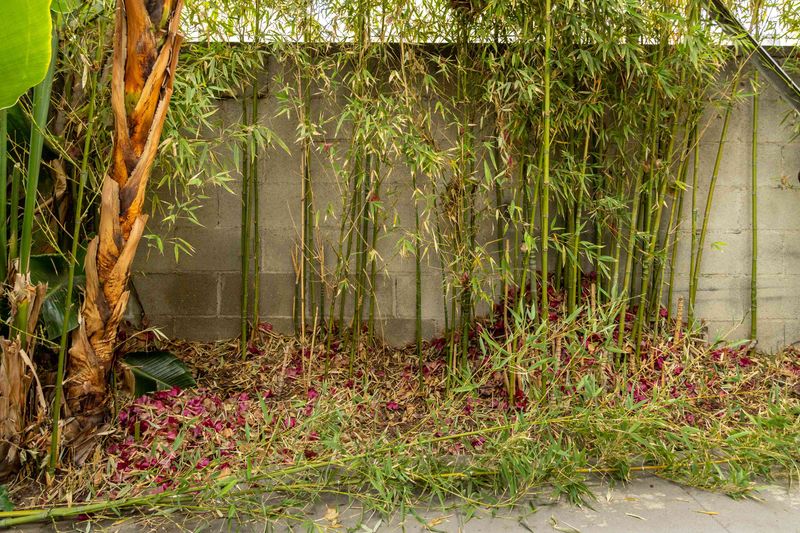
Bamboo does not just spread outward. It also competes fiercely with every plant growing nearby, and it usually wins.
The rhizome network pulls moisture and nutrients from the soil aggressively, leaving neighboring plants struggling to keep up. In Ohio gardens where space is already limited, this competition can wipe out carefully planted flower beds, shrubs, and perennials within just a couple of growing seasons.
Running bamboo grows so densely that it forms thick walls of canes and leaves that block air circulation and limit the space available for other root systems. Plants that were once thriving can begin to look weak, sparse, and stressed once bamboo moves into their territory.
Native plants and garden favorites like coneflowers, hostas, and ornamental grasses tend to suffer most when bamboo moves in next to them.
Ohio gardeners who planted bamboo as a privacy screen sometimes notice that the bamboo has started reclaiming surrounding garden areas they wanted to keep open. The problem builds gradually over time, which makes it easy to underestimate until significant damage has been done to the rest of the landscape.
Removing the competing bamboo is often the only reliable way to give surrounding plants a real chance to recover and thrive again.
5. Tall Dense Stalks That Block Sunlight In The Garden
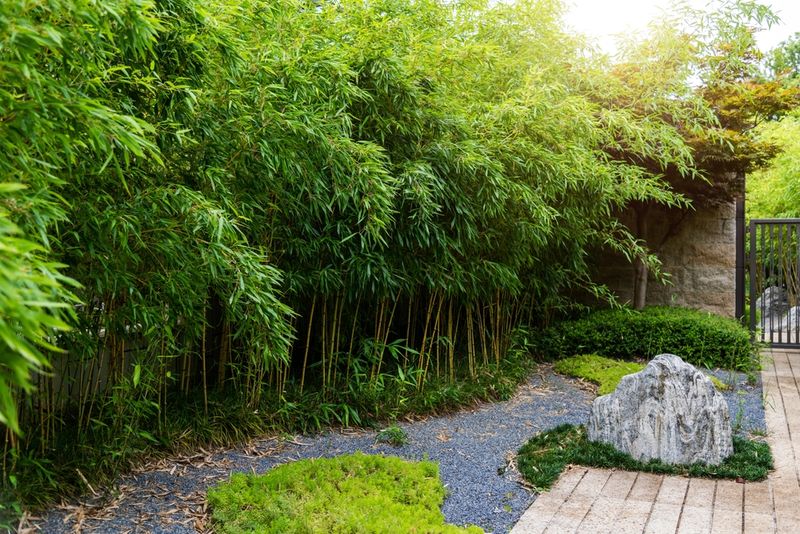
Some bamboo varieties grown in Ohio can reach heights of twenty to forty feet under favorable conditions, and even the shorter varieties can grow tall enough to cast serious shade across a garden. When bamboo forms a dense stand, it creates a wall of foliage that blocks sunlight from reaching the plants, lawn areas, and garden beds growing nearby.
Shade-sensitive plants suffer the most in these situations.
Vegetable gardens are especially vulnerable to bamboo shading because most vegetables need at least six to eight hours of direct sunlight each day to produce well. Even partial shading from bamboo stalks can reduce yields significantly.
Ohio gardeners who planted bamboo along the south or west side of a vegetable garden often notice a sharp drop in productivity as the bamboo grows taller each season.
Ornamental garden beds also struggle when bamboo shading becomes heavy. Flowering perennials that once bloomed reliably may start producing fewer flowers or growing in a stretched, leggy pattern as they reach for available light.
Beyond the garden itself, bamboo can shade portions of lawns, patios, and outdoor living spaces, changing how those areas feel and function. Keeping bamboo trimmed to a manageable height helps, but consistent pruning is required to prevent the shading problem from returning quickly.
6. Constant Maintenance Needed To Keep It Under Control
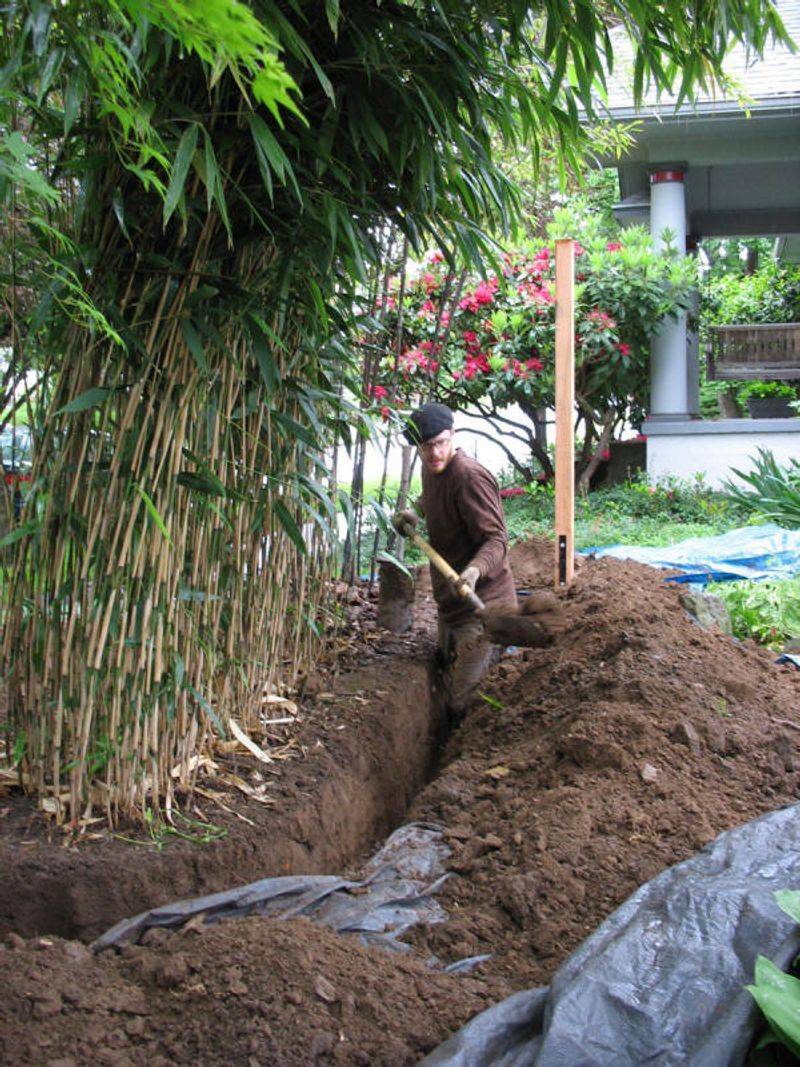
Owning bamboo in an Ohio yard is not a plant-it-and-forget-it situation. Keeping bamboo from taking over requires regular, ongoing effort throughout the growing season, and skipping even a few weeks of maintenance can allow new growth to get ahead of you quickly.
Many homeowners who planted bamboo expecting a low-maintenance privacy screen are surprised by how much time and energy the plant actually demands.
Routine maintenance tasks include cutting back new shoots as they emerge, trimming canes that have grown too tall, removing withered canes from within the stand, and monitoring the edges of the planting to catch any rhizomes that are trying to escape. In Ohio, the spring and early summer growing season requires the most attention because bamboo pushes the majority of its new growth during those months.
Physical root barriers made of thick polyethylene can help slow rhizome spread, but they need to be installed correctly and inspected regularly to remain effective. Even a small gap or a rhizome that grows over the top of a barrier is enough to restart the spreading problem.
Horticulture guidance from university programs consistently notes that bamboo requires a long-term management commitment, not just occasional attention, to stay within acceptable boundaries in a residential landscape.
7. Neighbor Disputes Caused By Bamboo Spreading Across Property Lines
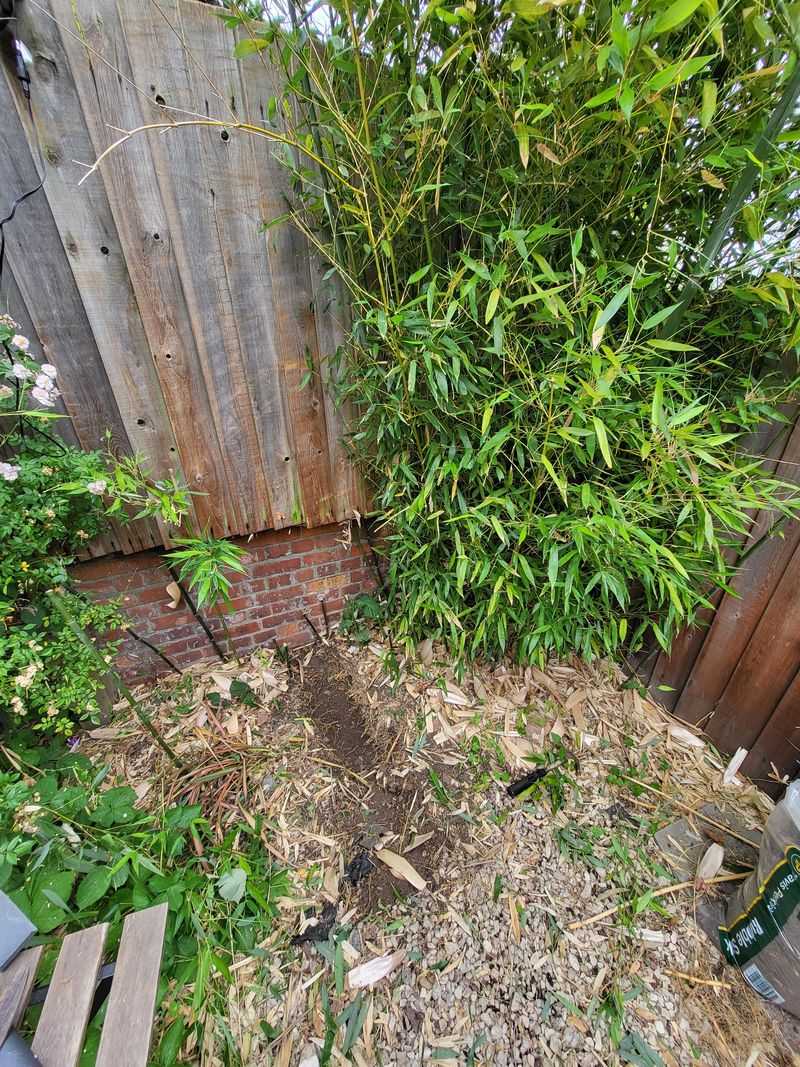
Bamboo does not recognize property lines, and that simple fact has caused real tension between neighbors across Ohio. When rhizomes travel underground and send up new shoots in a neighboring yard, the person living next door suddenly has an unwanted bamboo problem they never agreed to.
These situations can create frustration, strained relationships, and in some cases, formal legal complaints between homeowners.
Ohio property owners have reported bamboo from a neighbor’s yard appearing in their lawns, flower beds, and even through cracks in patios and driveways. Removing someone else’s bamboo from your own property is both difficult and time-consuming, which naturally leads to resentment.
Some municipalities and homeowners associations have started addressing bamboo specifically in local landscaping ordinances because complaints have become increasingly common.
From a legal standpoint, the homeowner responsible for the bamboo may be held liable for damage or removal costs if the plant spreads onto a neighboring property and causes harm. Open communication between neighbors is always the best first step, but prevention is far more effective than trying to resolve the situation after bamboo has already crossed the line.
Installing a proper rhizome barrier before planting, or choosing a non-spreading clumping variety, can prevent these disputes from ever starting in the first place.
8. Costly Removal Once Bamboo Becomes Established
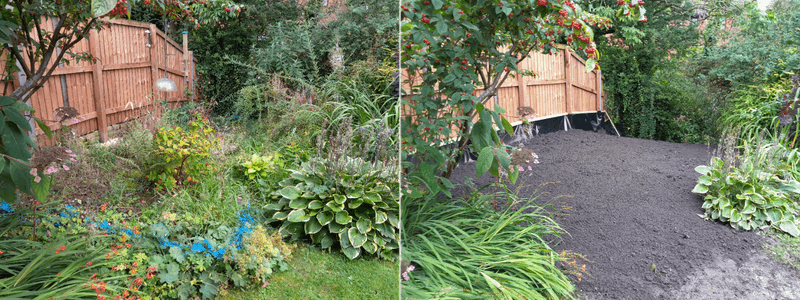
Removing an established bamboo patch from an Ohio yard is rarely a quick or inexpensive project. Depending on how long the bamboo has been growing and how far the rhizomes have spread, professional removal can cost anywhere from several hundred to several thousand dollars.
The combination of labor, equipment, and multiple follow-up visits adds up fast, especially for larger infestations.
Professional landscapers often use heavy equipment such as mini-excavators to dig out rhizome networks from deep in the soil. Even with machinery, complete removal is challenging because small rhizome fragments left behind can regenerate.
Most professionals recommend follow-up treatments over one to two additional growing seasons to address any regrowth that appears after the initial removal work is done.
For homeowners who prefer to handle the job themselves, the cost shifts from dollars to hours of hard physical labor. Renting a tiller or excavator, purchasing disposal bags, and making multiple trips to a yard waste facility all add up over time.
The OSU Extension and other Midwest horticulture resources consistently advise that preventing bamboo from becoming established is far more cost-effective than removing it after the fact. Choosing the right plant from the beginning saves Ohio homeowners significant time, money, and frustration in the long run.