Why Beans And Corn Fail When Planted Too Early In Ohio
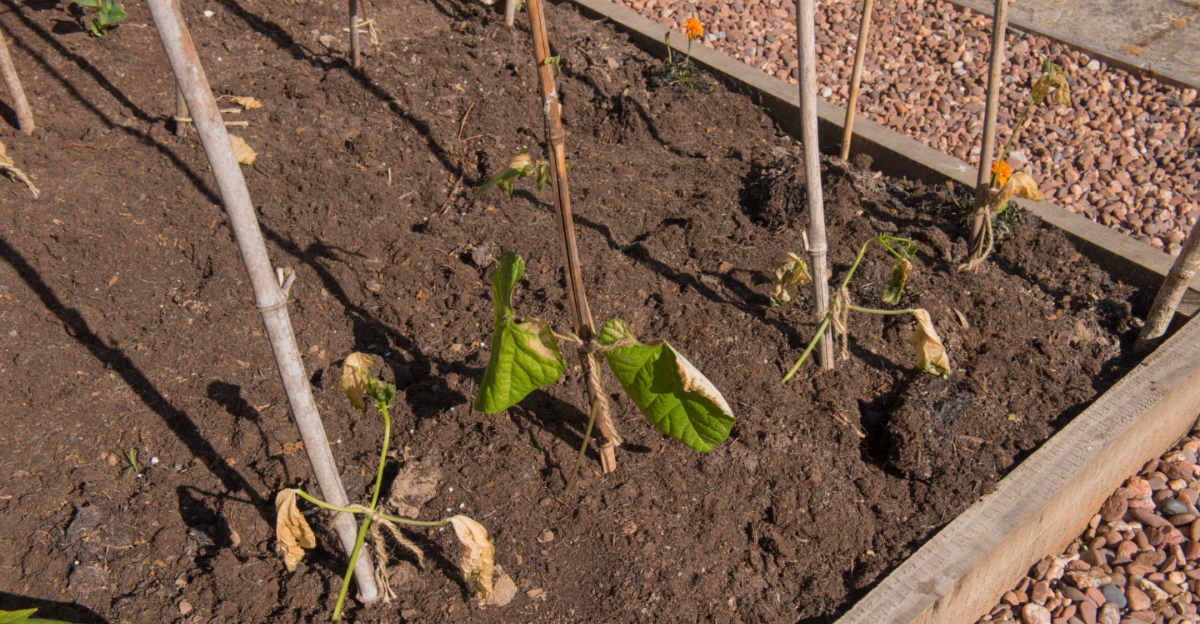
The first warm stretch of spring in Ohio can feel like a green light to start planting, and it is hard to resist getting beans and corn in the ground right away.
After months of cold weather, those rising temperatures make everything seem ready.
But Ohio’s spring has a way of shifting quickly, and what looks like perfect timing can lead to disappointing results. Cold soil, excess moisture, and late frosts often hold crops back before they even get established.
When seeds struggle to sprout or seedlings stall, the real issue usually comes down to timing more than anything else.
1. Cold Soil Temperatures Slow Germination And Reduce Emergence
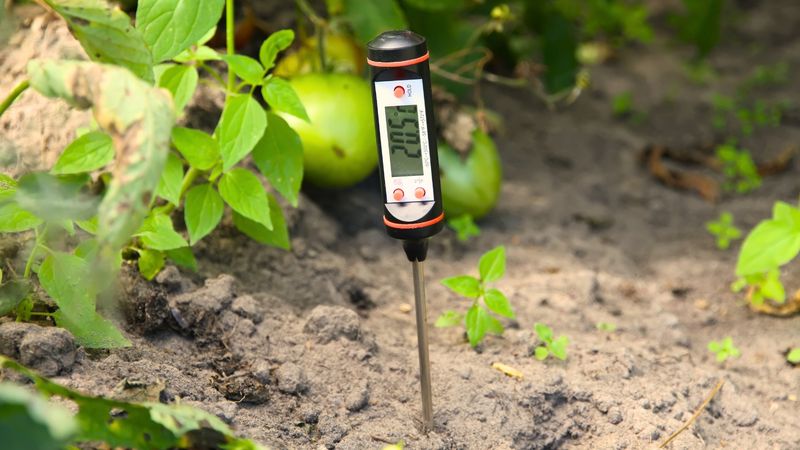
A soil thermometer is one of the most useful tools an Ohio gardener can own, yet many skip checking it altogether before dropping seeds in the ground.
Corn needs soil temperatures consistently above 50 degrees Fahrenheit to germinate reliably, and beans prefer even warmer conditions, ideally between 60 and 85 degrees.
When seeds go into soil that hasn’t reached those thresholds, they simply sit there, waiting.
In Ohio, soil temperatures in early April can linger well below 50 degrees, especially in northern counties where cold winters hang on longer. In these conditions, seeds don’t rot right away; they just stop progressing.
That delay, even of a week or two, creates a window where seeds are exposed to soil pathogens, insects, and moisture fluctuations that wouldn’t be nearly as problematic in warmer conditions.
Slow germination also means uneven emergence across the field or garden bed. Some seeds may finally sprout while others remain dormant, producing a patchy, inconsistent stand that’s harder to manage throughout the season.
Waiting until soil temperatures are consistently warm enough isn’t losing time – it’s building the foundation for a crop that grows with confidence from the very first day it breaks through the surface.
2. Wet Spring Soil Can Lead To Seed Rot And Poor Stands
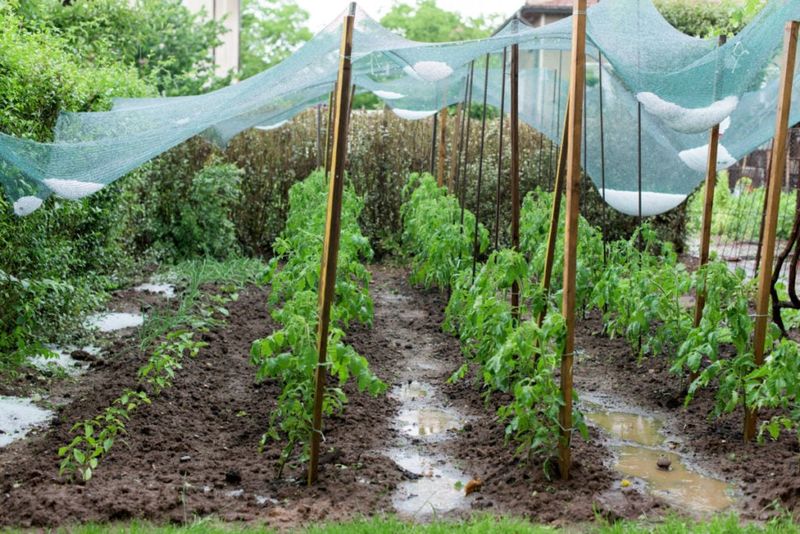
Ohio springs are notorious for stretching wet spells that turn garden beds into muddy messes. When seeds sit in waterlogged soil, the lack of oxygen around them creates ideal conditions for seed rot to take hold quickly.
Bean seeds are especially vulnerable because their outer coating softens rapidly when moisture levels are excessive, giving soil-borne fungi an easy entry point.
Fungi like Pythium and Rhizoctonia thrive in cold, wet soil. These pathogens are naturally present in most Ohio soils and generally cause little trouble when conditions are warm and seeds germinate fast.
The problem arises when seeds sit in saturated ground for days or even weeks, giving those fungi plenty of time to colonize and destroy seeds before they ever sprout.
Poor stands resulting from seed rot are frustrating because the damage isn’t always obvious at first. A gardener might wait patiently for emergence, only to dig down and find soft, discolored seeds that never had a chance.
Replanting becomes necessary, which pushes the crop back even further than if the gardener had simply waited for drier, warmer conditions in the first place.
Checking soil drainage before planting and monitoring moisture levels can help Ohio growers avoid this common but preventable setback that costs time, seeds, and energy every spring season.
3. Frost Risk Damages Early Corn And Bean Seedlings
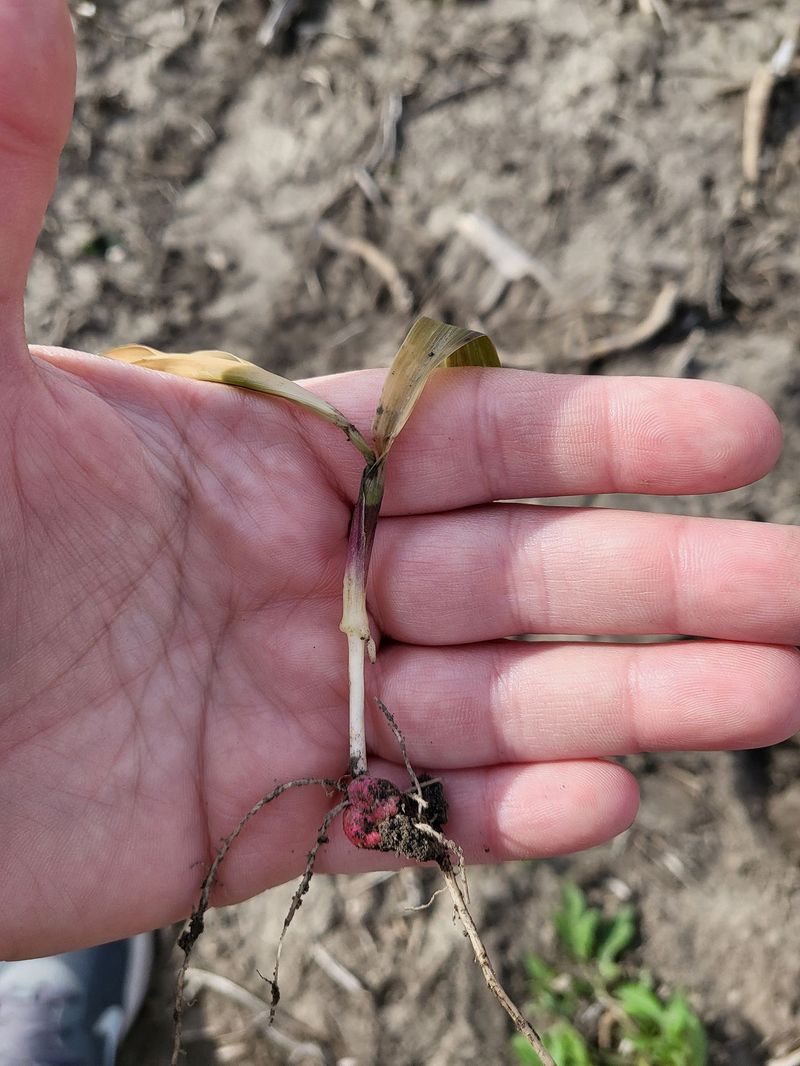
Ohio’s last frost dates vary considerably depending on where you are in the state. In northern Ohio, frosts can occur well into mid-May, while southern Ohio typically sees its last frost a few weeks earlier.
Planting too early means seedlings may be right at their most tender, vulnerable stage when a surprise frost rolls through overnight.
Bean seedlings are particularly at risk because their growing point sits above the soil surface from the moment they emerge. A hard frost can severely damage young bean plants, often requiring complete replanting.
Corn has a slight advantage – its growing point stays below the soil until around the sixth leaf stage – but even corn seedlings can suffer leaf burn and tissue damage from frost exposure that slows recovery and reduces early vigor.
Frost damage doesn’t always look dramatic right away. Leaves may appear wilted or water-soaked the morning after a cold night, then gradually turn brown and deteriorate over the following days.
Gardeners sometimes mistake mild frost injury for disease or nutrient issues, which delays the right response. Keeping an eye on extended forecasts during spring planting season in Ohio is a practical habit worth building.
A few extra days of patience before planting can protect weeks of effort and prevent the disappointment of watching a promising stand get wiped out by a late-season freeze.
4. Poor Root Development In Cool Conditions Limits Early Growth
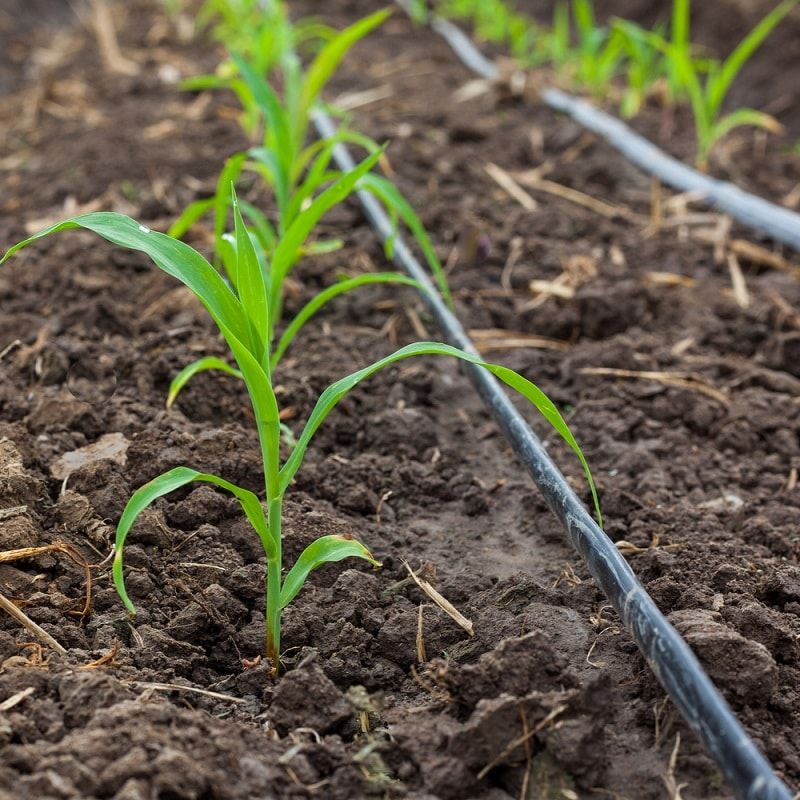
Root development is where a plant’s future is quietly decided, and cool soil temperatures can compromise that foundation before a seedling even looks troubled above ground.
When soil stays cold, the biological activity that supports root growth slows significantly.
Corn and bean roots need warmth to expand outward and downward, seeking water and nutrients effectively.
In Ohio’s early spring, soil temperatures a few inches below the surface can remain in the low 40s even when air temperatures feel pleasant during the day.
Seeds that germinate in these conditions often produce seedlings with short, stubby root systems that struggle to anchor the plant or access nutrients beyond the immediate planting zone.
These plants may look okay at first glance but fall behind quickly as the season progresses.
Shallow root systems also make plants more vulnerable to dry spells later in summer. A plant that developed its roots in cold, compact soil may not have the reach needed to pull moisture from deeper layers when surface soil dries out during July or August heat.
Ohio summers can bring stretches of dry weather that stress crops significantly, and plants with poor early root development tend to suffer more than those that established their roots in optimal warm-soil conditions.
Strong roots built in the right conditions quietly support everything that happens above ground for the rest of the growing season.
5. Uneven Emergence Creates Weak And Inconsistent Plants
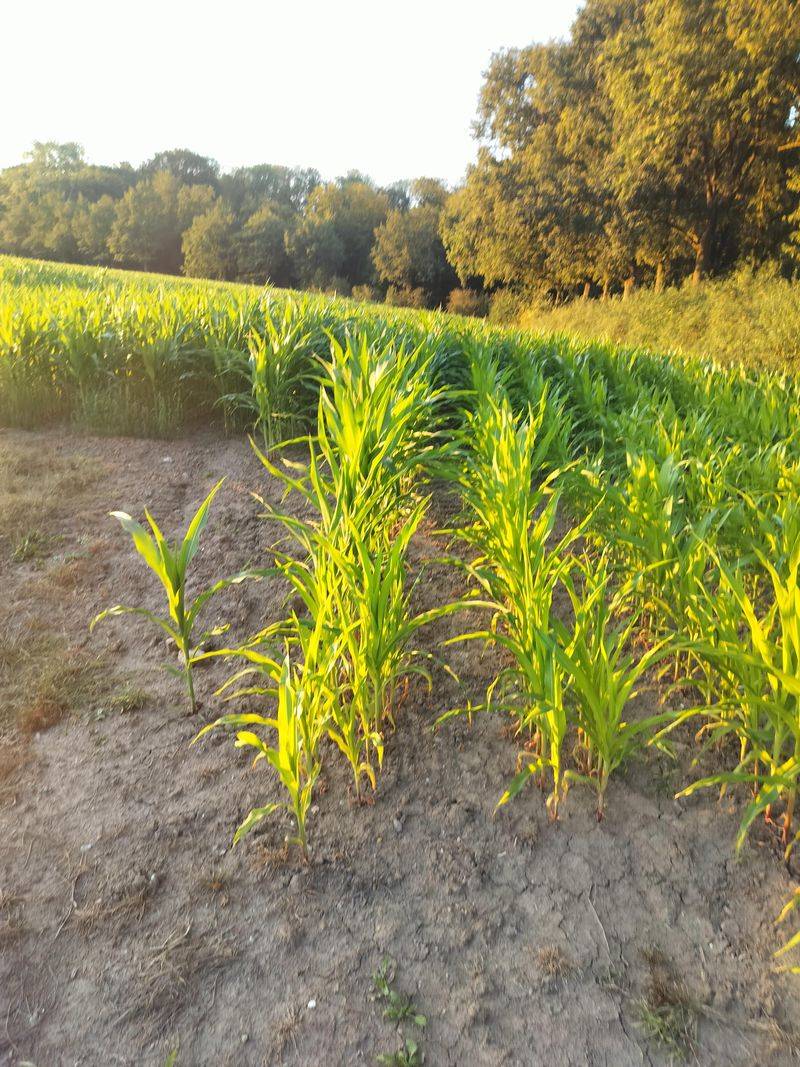
Walking a garden row and finding some seedlings already several inches tall while neighboring spots are still bare is a clear sign something went wrong at planting time.
Uneven emergence happens when soil conditions vary across a bed or field, and cold spring soils in Ohio are a leading cause.
Seeds in slightly warmer or drier pockets may germinate first, while those in cooler, wetter areas lag behind by days or weeks.
That timing gap between plants in the same row creates competition issues that follow the crop all season. Earlier-emerging plants shade out later ones, steal soil moisture and nutrients, and generally outcompete their slower neighbors from the start.
In corn especially, plants that emerge even a week after their row companions often produce significantly lower yields or fail to develop full ears at all.
Uneven stands are also harder to manage when it comes to pest and disease scouting, irrigation scheduling, and harvest timing.
A field or garden bed with plants at multiple growth stages simultaneously creates more opportunities for problems to go unnoticed or unaddressed.
Consistent emergence – where all plants break the surface within a day or two of each other – is a sign of healthy planting conditions.
Ohio gardeners who wait for soil to warm evenly tend to see that consistency pay off in stands that are far more uniform and productive throughout the growing season.
6. Soil Crusting Can Prevent Seedlings From Breaking Through
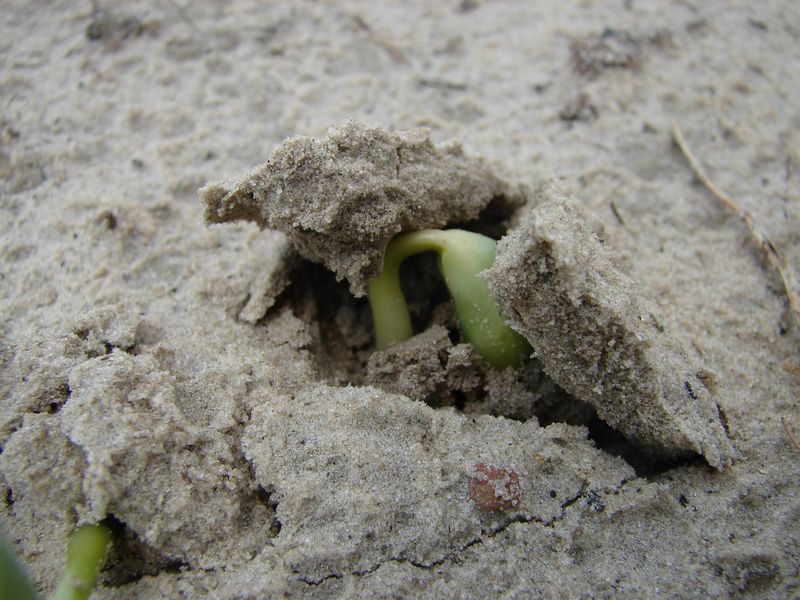
After a heavy spring rain followed by a dry, sunny stretch, Ohio garden soil can form a hard crust on its surface that acts almost like a physical barrier.
This crusting happens when rain breaks down the structure of bare soil and then the surface dries and hardens before seedlings can push through.
It’s a common and underappreciated problem that causes real losses in early-planted gardens.
Bean seedlings are especially challenged by soil crusting because they push up through the soil with their seed leaves still attached, requiring more force than a grass-type seedling like corn.
When a crust is too firm, the fragile seedling stem may buckle or the seed leaves may be torn away, leaving a damaged plant that struggles to photosynthesize and grow normally.
Corn can also be slowed significantly by crusting, particularly if the crust forms before emergence begins.
Planting when soils are overly wet in Ohio increases the risk of crusting because wet soil is more easily compacted and disturbed by rain impact.
Letting soil dry to a workable state before planting, and avoiding walking on or working wet beds, helps preserve soil structure.
Some Ohio gardeners use a light layer of compost or mulch over planted rows to reduce crusting risk. That simple step can make a meaningful difference in getting a clean, uniform emergence without fighting a hardened surface every spring.
7. Early Planting Increases Exposure To Seedling Diseases
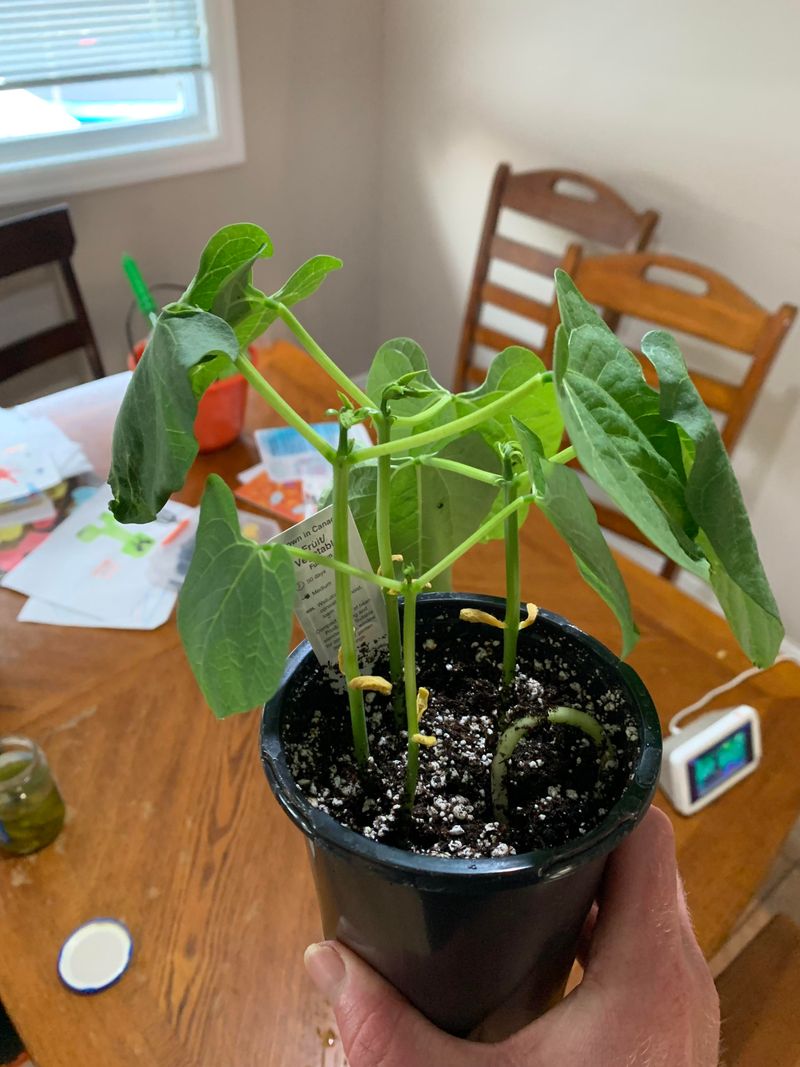
Seedling diseases don’t get as much attention as pests or weather, but they quietly cause significant losses in Ohio vegetable gardens every spring.
Damping-off is one of the most common, caused by several soil-borne fungi including Pythium, Fusarium, and Rhizoctonia.
These organisms are present in virtually all garden soils and become aggressive when conditions favor them – namely, cold and wet environments that slow seed germination.
When seeds germinate slowly due to cold soil, they spend more time in a vulnerable state before becoming established seedlings. That extended exposure gives pathogens more opportunity to colonize the seed or the young root system.
Beans are particularly susceptible to Pythium damping-off in cold, wet Ohio springs, and infected seeds either fail to emerge or collapse at the soil line shortly after sprouting.
Corn is somewhat less susceptible to classic damping-off but can suffer from seed rot and seedling blight caused by Fusarium species, especially when soil temperatures are below 50 degrees during early establishment.
Fungicide seed treatments can offer some protection, but they work best when combined with proper planting timing rather than as a substitute for it.
The most reliable way to reduce seedling disease pressure in Ohio gardens is to plant when soil is warm enough for seeds to germinate quickly and move through their vulnerable early stages before pathogens gain the upper hand.
8. Delayed Nutrient Uptake In Cold Soil Slows Plant Establishment
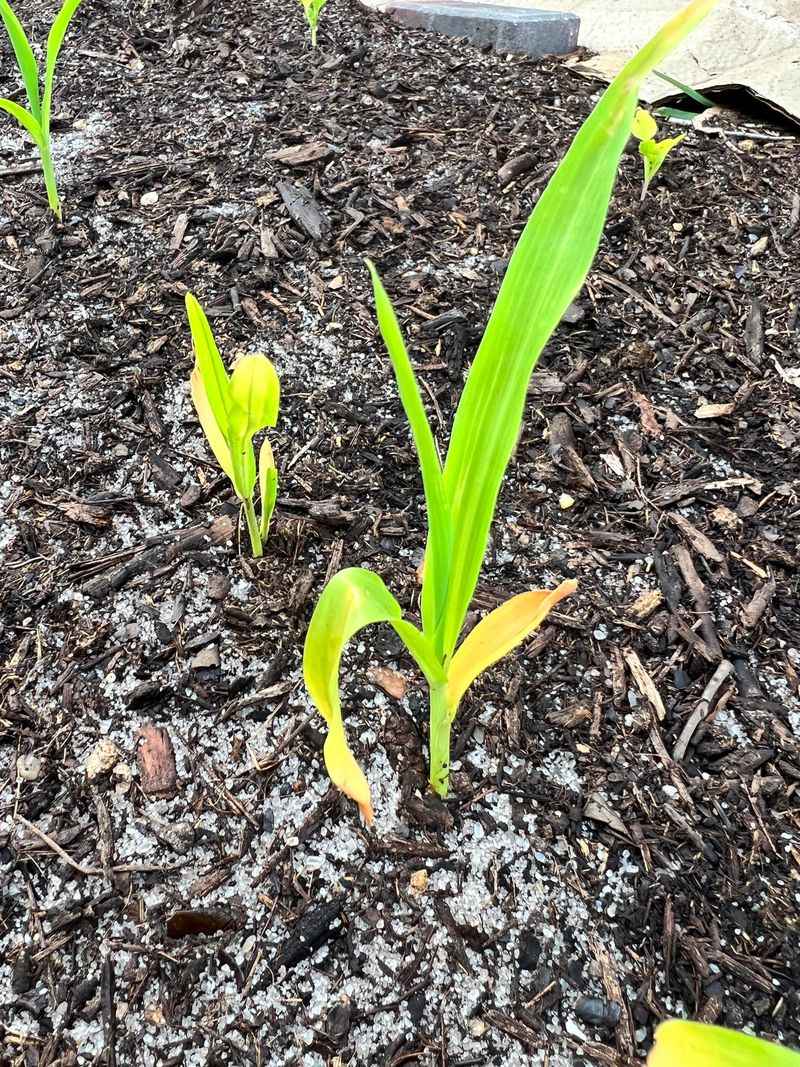
Pale, yellowish corn seedlings in an Ohio garden in late April don’t always mean the soil is lacking nutrients. Often, the problem is that the soil is simply too cold for plants to access what’s already there.
Nutrient uptake is a biological process that depends heavily on soil temperature, and when the ground is cold, that process slows to a crawl even in well-amended, fertile soil.
Phosphorus is one of the first nutrients to become less available in cold conditions, and it plays a critical role in early root development and energy transfer within young plants.
Corn seedlings showing purplish discoloration on their leaves during a cold spring are often experiencing phosphorus stress caused by cold-temperature uptake limitations rather than a true soil deficiency.
The nutrient is present – the plant just can’t access it efficiently yet.
Nitrogen cycling also slows in cold Ohio soils because the soil microbes responsible for converting organic nitrogen into plant-available forms need warmth to function well.
A plant trying to establish itself without adequate nitrogen access will grow slowly and look stressed, even in a garden that received good compost or fertilizer applications earlier in the season.
Waiting for soil temperatures to rise before planting allows the whole soil ecosystem to activate, giving beans and corn the nutritional support they need right from the start of their growth cycle.