Why Birds Start Digging In Michigan Garden Beds In April
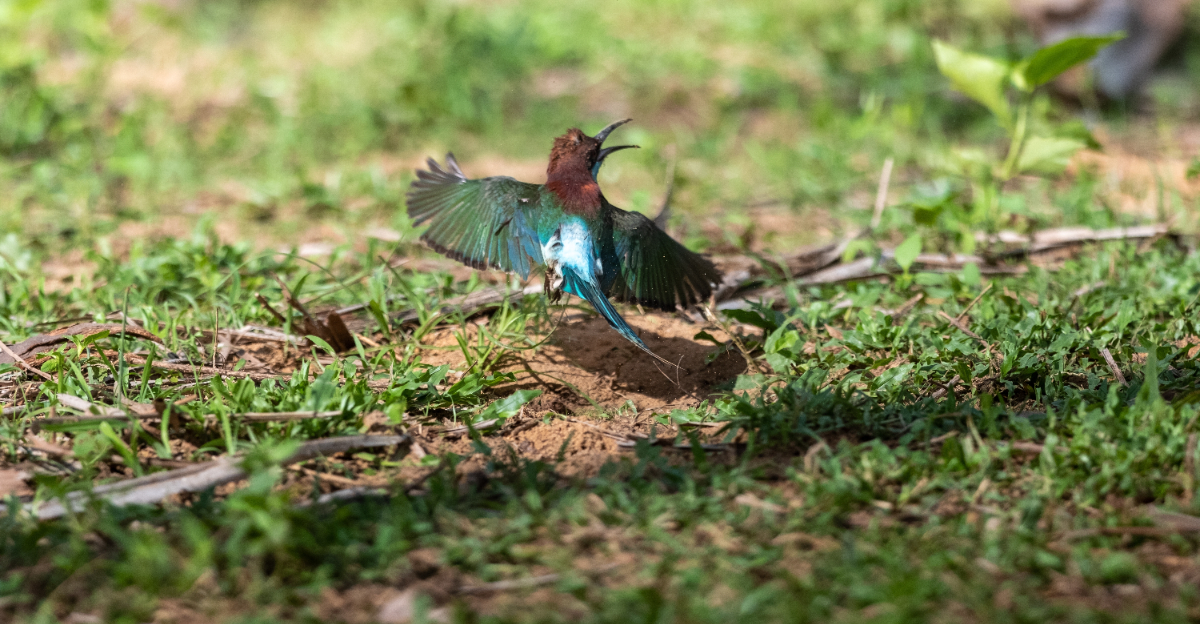
April is when Michigan garden beds start drawing a lot more attention, and birds are often part of the action. If you spot them scratching, pecking, or tossing mulch aside, they are usually not trying to ruin your hard work.
They are searching for food. As the ground warms up, insects, worms, larvae, and other small treats become easier to find near the soil surface.
Freshly turned beds, soft mulch, and damp soil make that search even easier. Birds may also dig through garden beds while looking for nesting material or clearing space as they hunt.
It can seem sudden, especially when the garden is just starting to come back to life. One day everything looks smooth and neat, and the next there are little holes and scattered bits everywhere.
Once you know what is bringing birds in, it becomes much easier to protect your plants without driving away the helpful wildlife.
1. They Are Hunting For Insects And Grubs
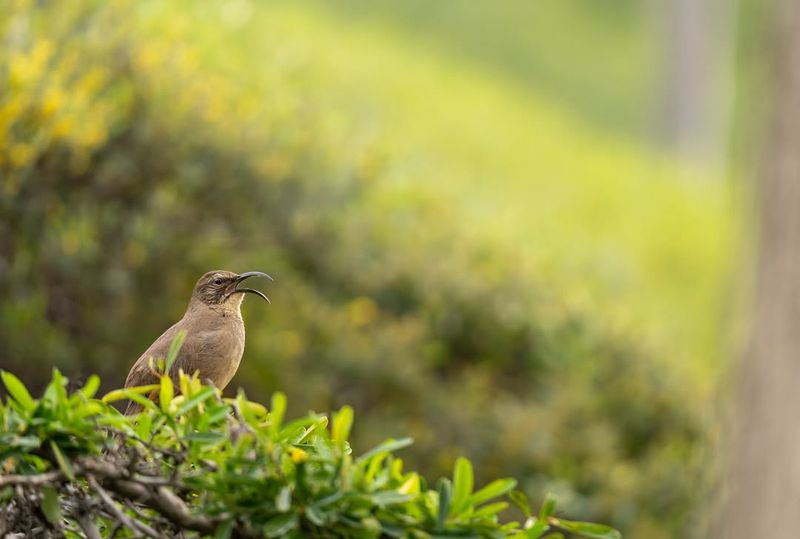
Robins have a reputation for a reason. Watch one closely in your Michigan garden during April and you will see it tilt its head sideways, listen carefully, then plunge its beak straight into the soil to pull out a wriggling worm.
It looks almost magical, but it is pure instinct backed by sharp senses.
In April, the soil warms just enough to bring insects, larvae, and grubs back toward the surface. Earthworms become active again after a long winter underground, and beetle grubs begin moving upward through the loosening soil.
Birds like robins, starlings, and common grackles take full advantage of this seasonal shift, turning garden beds into their personal buffet.
Michigan gardens are especially productive hunting grounds because many gardeners add organic matter that attracts soil life. The more insects living in your soil, the more bird activity you will notice.
Blackbirds are particularly aggressive diggers and can move surprising amounts of mulch while searching for a meal. Watching this happen is honestly kind of impressive once you understand what they are doing.
These birds are not causing random chaos. They are following millions of years of instinct, and your garden just happens to be the best restaurant in the neighborhood every spring.
2. Soil Thaw Makes Food Easier To Reach
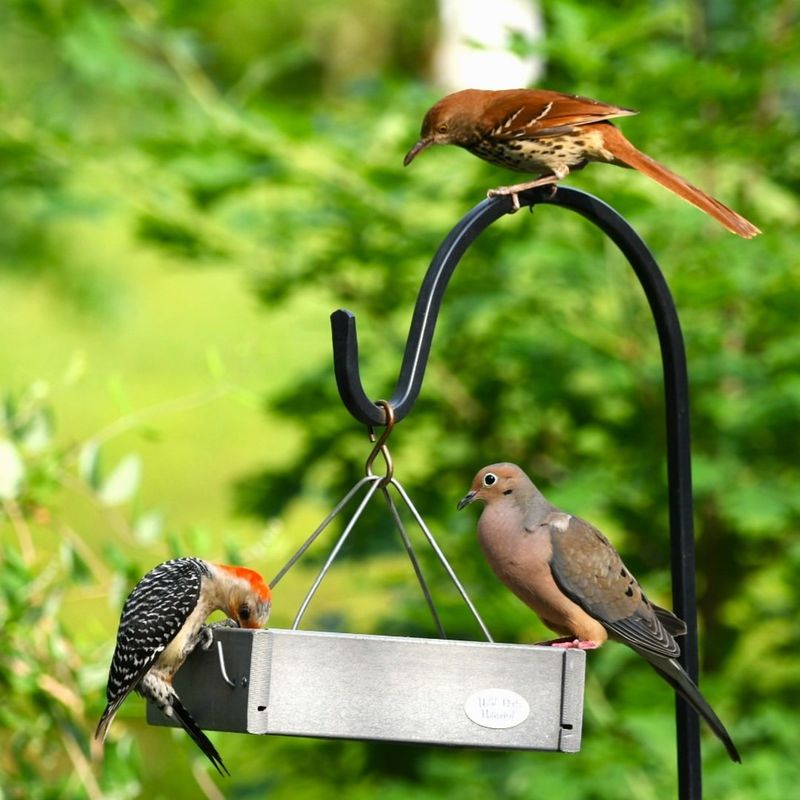
Michigan winters are no joke. The ground freezes solid for months, locking away every insect, worm, and grub deep below the surface where birds simply cannot reach them.
But April changes everything, especially in Zones 5 and 6 where most of Michigan sits. The soil softens layer by layer as temperatures climb, and suddenly the whole underground world becomes accessible again.
When the frost leaves the ground, birds sense the shift almost immediately. Soft soil is much easier to probe with a beak, and worms move closer to the surface as things warm up.
You might notice digging activity picking up right after a warm rain in April, because wet soil makes hunting even more productive. Birds can push their beaks deeper without much effort, pulling up larvae and worms that have been totally out of reach all winter long.
Garden beds tend to thaw faster than lawns or wooded areas because gardeners loosen and amend their soil regularly, making it less compacted. That soft, nutrient-rich earth practically invites birds in.
If you have raised beds in your Michigan garden, expect even more bird traffic since raised beds warm up earlier and stay workable longer in early spring. The thaw is basically nature flipping a switch, and birds respond faster than almost anything else in the yard.
3. Spring Migration Brings More Birds
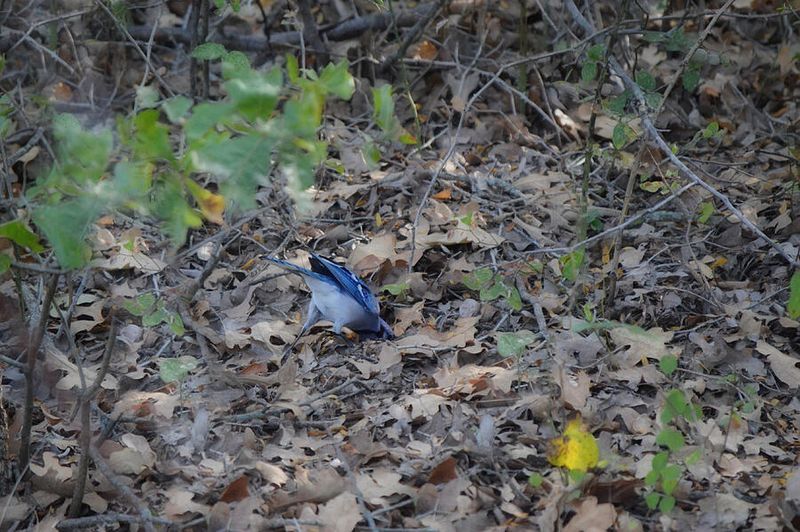
April in Michigan feels like a reunion. Birds that spent the winter in warmer southern states begin streaming back north, and suddenly your backyard goes from quiet to absolutely buzzing with activity.
The American Robin is usually one of the first arrivals, often spotted in large flocks moving across lawns and garden beds before the trees even leaf out.
Red-winged Blackbirds return around the same time, staking out territories near wetlands and open areas. Both species are enthusiastic ground foragers, meaning your garden beds become prime real estate the moment these birds land.
More birds in the area means noticeably more digging, scratching, and general soil disturbance happening throughout the day.
Migration timing lines up almost perfectly with the soil thaw across Michigan, which is no coincidence. Birds have evolved to return when food becomes available, and April is precisely when the ground opens back up after winter.
Seeing ten robins working your garden at once might feel alarming at first, but it is actually a sign of a healthy, food-rich yard. Song Sparrows and Fox Sparrows also pass through Michigan during April migration and are active ground scratchers.
The variety of species moving through during this window makes April one of the most exciting months for birdwatching right from your own Michigan garden. Keep a pair of binoculars nearby because you will want them.
4. Nesting Season Increases Food Demand
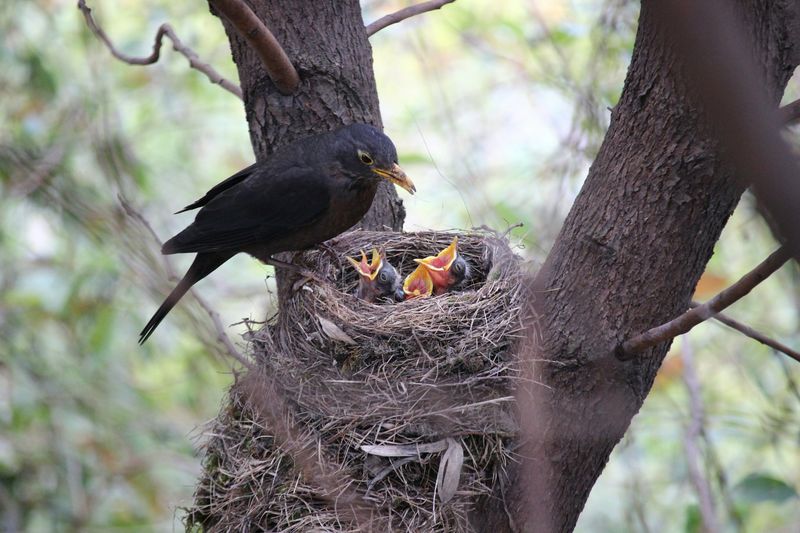
Raising a family is exhausting work, and birds feel that pressure intensely every spring. By April, most Michigan birds have already started scouting nesting spots, and some are actively building nests and preparing to lay eggs.
That process demands a serious increase in high-protein food, which means insects, grubs, and worms become even more critical than usual.
A single nest of baby robins, for example, requires hundreds of worm deliveries every single day. Parent birds have to eat well themselves while also gathering enough food to feed a growing brood.
Garden beds loaded with insects and worms become incredibly valuable resources during this high-demand period, which is why you might notice more frantic and frequent digging activity as April progresses.
The connection between nesting season and garden digging is direct and predictable. Birds are not just eating for themselves anymore.
They are eating for a whole family that has not hatched yet. Protein-rich insects fuel egg development in females and support chick growth after hatching.
Michigan gardens that are rich in organic matter and soil life naturally attract nesting birds because they offer reliable, consistent food close to where birds want to raise their young.
If you have birds nesting in nearby trees or shrubs, expect daily visits to your garden beds throughout April and well into May. Your garden is basically their grocery store during the busiest season of their year.
5. Freshly Turned Soil Attracts Birds
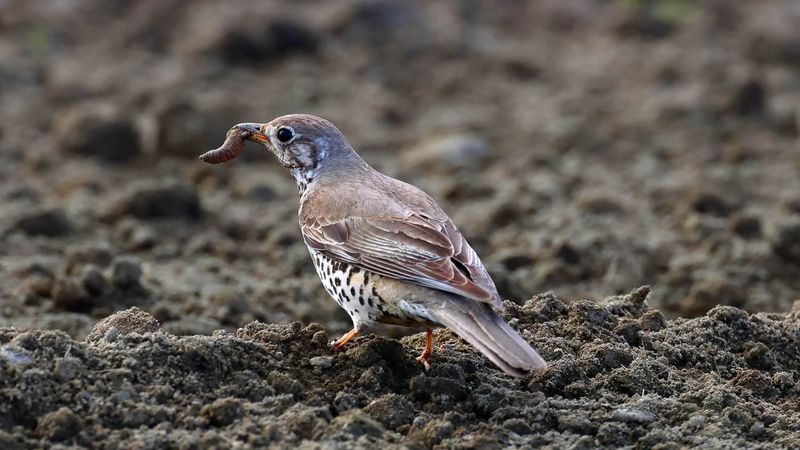
There is something almost comedic about tilling your Michigan garden in April and turning around to find a row of birds already waiting behind you. It happens constantly, and experienced gardeners have come to expect it.
The moment soil gets turned over, it is like ringing a dinner bell for every bird in the neighborhood.
Freshly tilled soil exposes insects, worms, and larvae that were safely hidden just inches below the surface. Birds spot this opportunity instantly.
Robins, starlings, and grackles will follow a tiller or garden fork across a bed, snatching up anything that wiggles. The exposed soil is soft, easy to probe, and packed with food that was completely inaccessible just moments before.
Planting seeds can also trigger bird activity, though for slightly different reasons. Some birds dig in search of freshly placed seeds, so it is worth covering new plantings with row cover or netting if you notice seed loss.
However, most April digging near freshly turned soil is genuinely about insects rather than seeds. Michigan gardeners who do a lot of spring bed preparation naturally attract more bird activity than those with undisturbed soil.
Think of it as an unintentional partnership. You turn the soil to prepare for planting, and birds follow along cleaning up the pests that would otherwise harm your plants later in the season. It actually works out well for both sides.
6. Mulch And Compost Hold Hidden Food
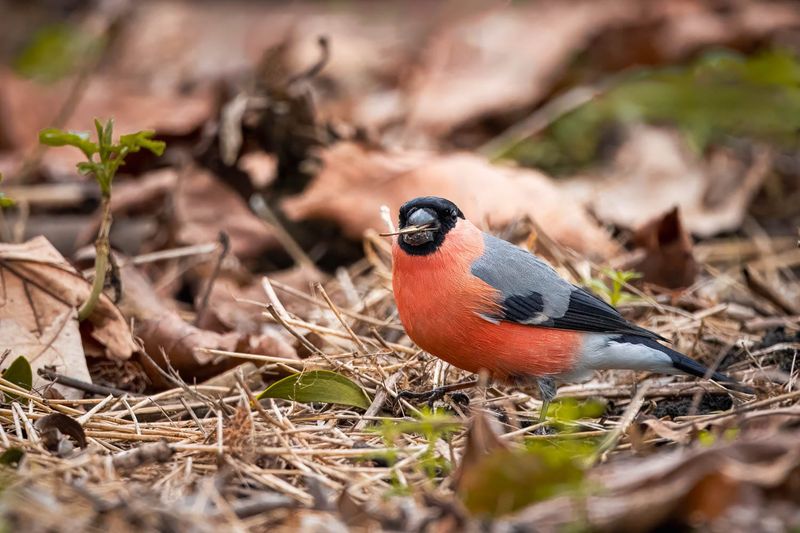
Mulch is one of the best things you can add to a Michigan garden, but it also happens to be a five-star hotel for insects. Beetles, pill bugs, centipedes, and various larvae all love hiding in the dark, moist space between mulch and soil.
Birds figured this out a long time ago, and they are not shy about digging through your carefully spread wood chips to find a meal.
Compost piles and compost-amended beds are even more attractive because decomposing organic matter is absolutely teeming with life.
Worms concentrate in compost-rich areas, and birds can often be seen scratching aggressively through dark, crumbly compost looking for the densest feeding spots.
April is prime time for this because the compost has had all winter to break down and build up its population of soil organisms.
If you notice birds tossing mulch onto your lawn or path, they are almost certainly finding something worth eating underneath. It can look messy, but the trade-off is often worth it.
Birds scratching through mulch layers are consuming insects that would otherwise feed on your plants. In Michigan gardens, where aphids, Japanese beetle grubs, and cutworms can cause real problems, having birds patrol your mulched beds is genuinely helpful pest management.
You might want to rake the mulch back occasionally, but try to appreciate what the birds are doing while they are at it. They earn their keep.
7. They May Be Looking For Nesting Material
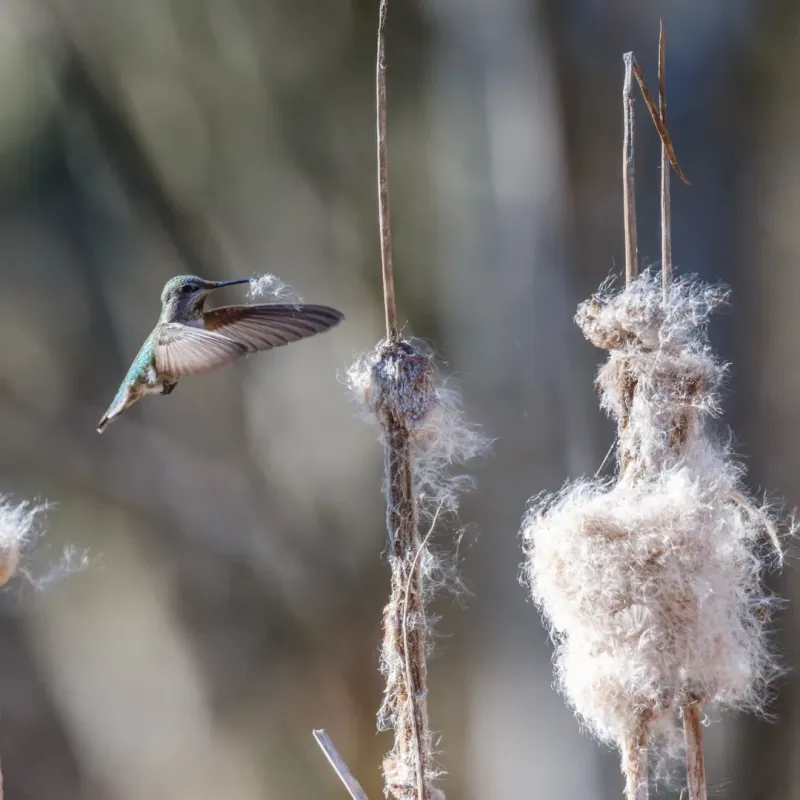
Not every bird digging in your Michigan garden bed is after food. Sometimes they are shopping for building supplies.
Nesting season kicks off in earnest during April, and birds need a surprising variety of materials to construct a sturdy, well-insulated nest. Garden beds turn out to be excellent sources for many of those materials.
Dry plant stems, thin roots, strips of bark, grass fibers, and even small clumps of soil all show up in bird nests. Robins are particularly well known for using mud to cement their nests together, and they will scratch at moist garden soil to gather small clumps of it.
You might see a robin making several trips to the same spot in your bed, each time flying off with something tucked in its beak.
This behavior looks almost identical to foraging, which makes it easy to confuse the two. The key difference is that a bird gathering nesting material usually picks something up and flies away rather than eating on the spot.
Watching carefully for a few minutes will usually reveal what is going on. In Michigan, this nesting material search happens most actively between early April and late May as different species begin their breeding cycles at slightly different times.
If your garden has loose soil, dried plant debris from last season, or fibrous mulch, expect birds to treat it like a home improvement store all spring long.
8. This Activity Often Benefits Your Garden
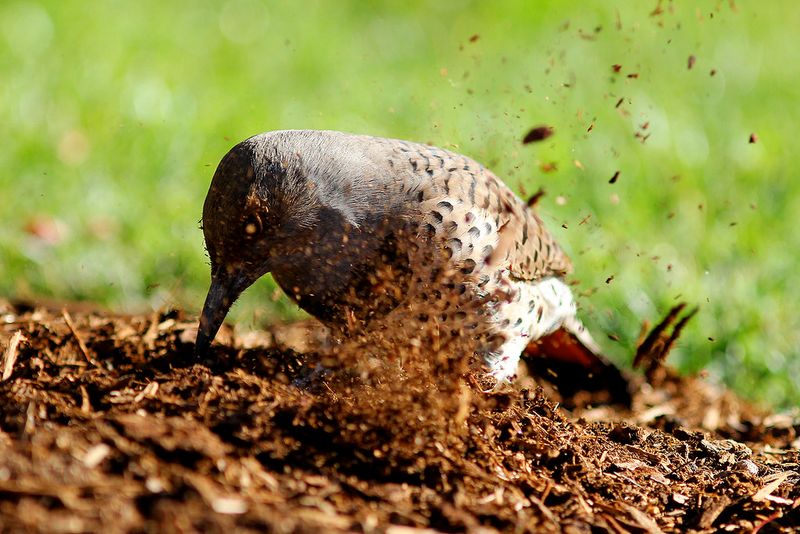
Here is something most Michigan gardeners do not realize at first: all that bird digging is actually doing your garden a favor. Birds consume enormous quantities of insects, grubs, and larvae every single day.
When they work through your garden beds in April, they are removing pests that would otherwise spend the rest of the spring and summer feeding on your plants.
Japanese beetle grubs are a perfect example. These destructive larvae live in the soil through winter and early spring before emerging as adults that devastate gardens from July onward.
Birds like robins and starlings actively seek out these grubs in April, pulling them out before they ever get the chance to become a problem above ground. Each grub a bird eats is one less beetle chewing on your roses or beans later in the season.
Bird activity also loosens and aerates the top layer of soil slightly, which can actually benefit root development in young seedlings. Michigan gardeners who welcome birds into their gardens often report healthier plants and fewer pest issues without reaching for any chemical sprays.
Of course, birds can occasionally toss seeds around or displace a small plant, so some light protection for seedlings is sensible. But overall, birds are working hard on your behalf every time they scratch through your beds.
Viewing them as garden partners rather than pests completely changes the spring gardening experience in a really positive way.