Why Blazing Star Is One Of The Best Native Flowers To Grow In Michigan
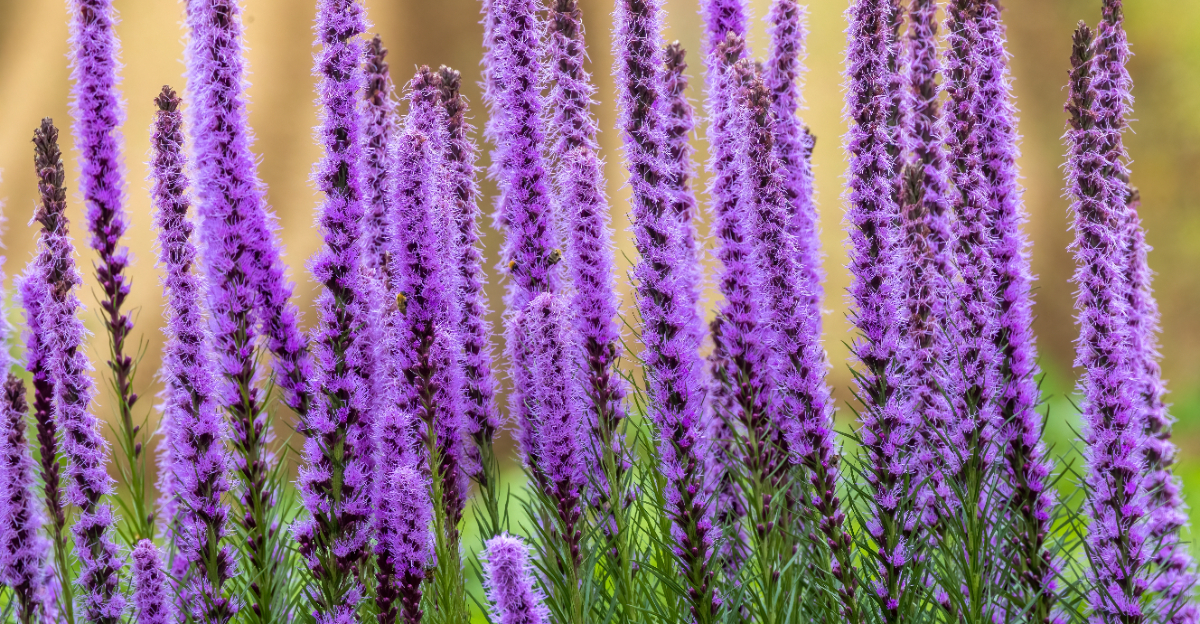
Blazing star stands out in a Michigan garden in a way few native flowers can.
Its tall spikes of bright purple blooms rise above nearby plants and bring strong color right when many summer beds need it most. But this flower offers more than looks.
It also pulls in butterflies, bees, and other pollinators, making the garden feel more alive and active for weeks.
Because it is native, blazing star is well suited to Michigan conditions and often grows with less trouble than fussier flowers from other places.
It can handle heat, fits beautifully into sunny gardens, and adds a natural touch without looking wild or messy. For gardeners who want a plant that is both striking and useful, this one checks every box.
Once it starts blooming, it quickly proves why so many people see it as one of the best native flowers to grow in Michigan.
1. It Is Truly Native To Michigan
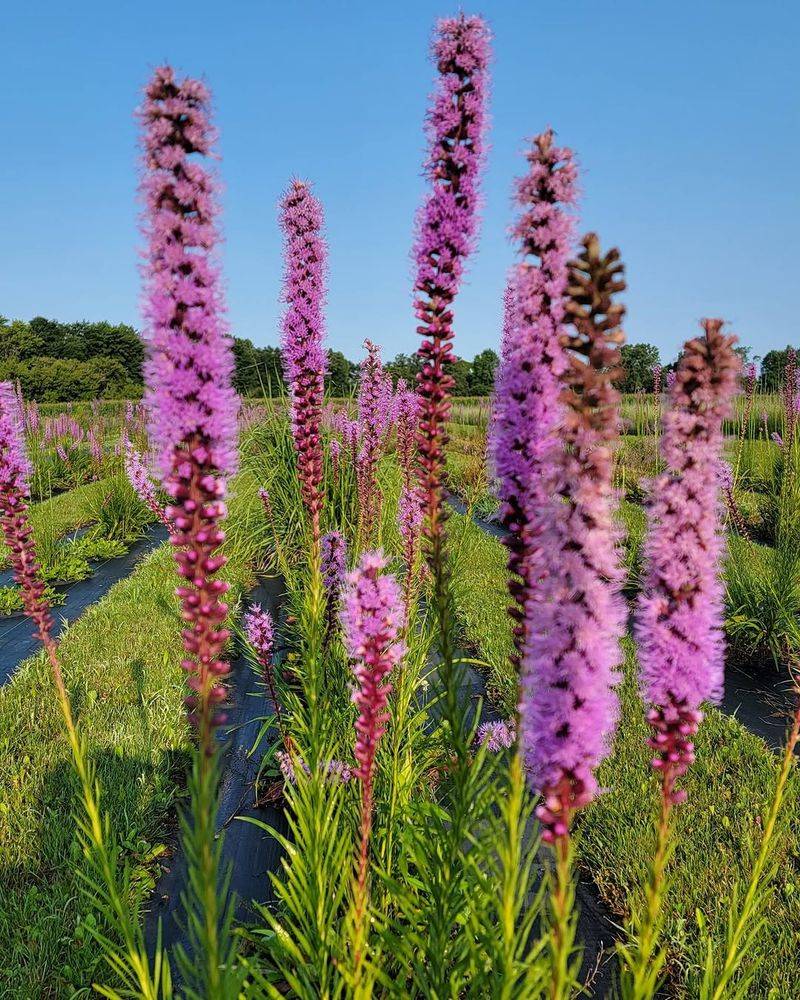
Some plants feel right at home the moment you put them in the ground, and Blazing Star is exactly that kind of plant for Michigan.
Species like Liatris spicata, also called Dense Blazing Star, and Liatris pycnostachya are native to Michigan’s open prairies, meadows, and sunny roadsides.
These plants evolved right here, which means they already know how to handle everything Michigan throws at them.
Because Blazing Star is native, it has developed a natural relationship with local soil types, rainfall patterns, and seasonal temperature swings over thousands of years.
You do not need to baby it or adjust your soil dramatically to get it growing strong. It simply belongs here, and that makes a huge difference compared to exotic ornamentals that constantly struggle to adapt.
Planting native species like Blazing Star also supports the broader Michigan ecosystem in ways that non-native plants just cannot match.
Native plants connect with local insects, birds, and soil organisms in deeply rooted ways. Choosing Blazing Star means you are working with nature rather than against it, and your garden will reward you for that smart, thoughtful choice every single season.
2. Handles Michigan Winters With Ease
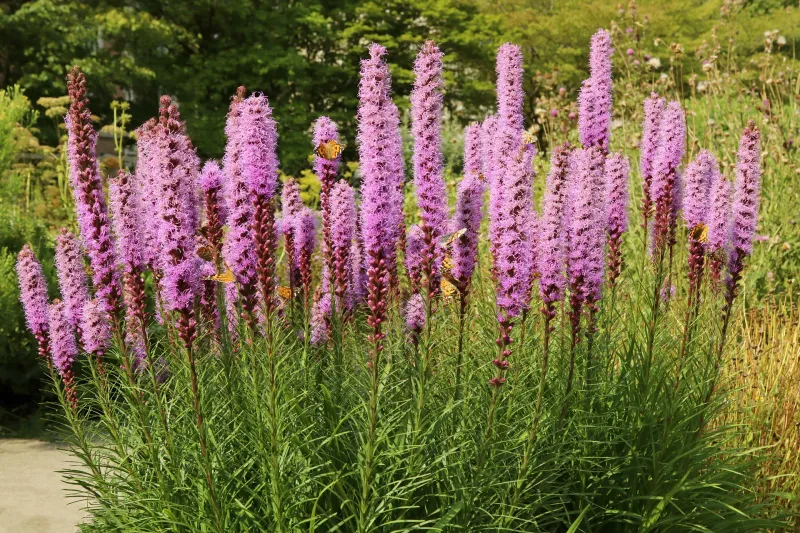
Michigan winters are no joke. Temperatures can plunge well below freezing for weeks at a time, and many garden plants simply cannot survive that kind of cold punishment.
Blazing Star, however, treats Michigan winters like a well-earned rest rather than a threat. It is fully hardy in USDA Zones 3 through 9, which means it handles Michigan’s Zones 4 through 6 with absolutely no trouble.
The secret behind its winter toughness is the corm, a small rounded underground storage organ similar to a bulb.
While the top growth fades away each fall, the corm stays safely tucked beneath the soil, fully protected from the freezing temperatures above.
All the energy the plant needs to come roaring back next spring is stored right there underground, waiting patiently for warmer days.
What makes this especially exciting for Michigan gardeners is the reliability factor. You plant Blazing Star once, and it comes back year after year without any special winter protection, mulching rituals, or digging up and storing like some other perennials require.
Come spring, fresh green shoots push right up through the soil as if the winter never happened.
That kind of dependable return is something every Michigan gardener genuinely appreciates when the warm season finally arrives.
3. Thrives In Hot, Sunny Summers
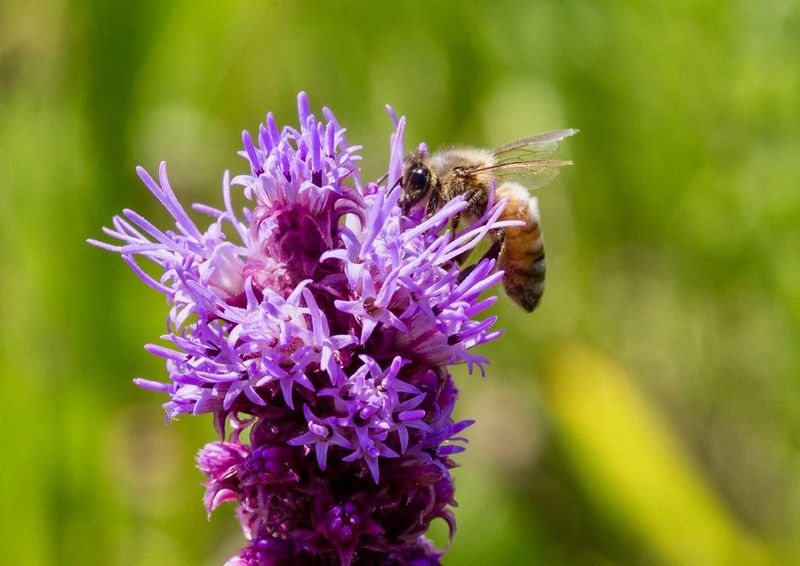
Michigan summers bring long sunny days and stretches of genuine heat, and Blazing Star absolutely loves every bit of it.
This plant is built for full sun conditions, meaning it performs at its very best when it gets at least six to eight hours of direct sunlight each day.
Plant it in a bright, open spot in your Michigan garden and watch it take off like it owns the place.
Even during hot and dry stretches that sometimes hit Michigan in July and August, Blazing Star keeps growing and blooming without skipping a beat.
Its prairie origins prepared it for exactly these conditions, where the sun beats down hard and rain does not always come when you want it to.
Most garden plants start looking stressed and sad during a heat wave, but Blazing Star just keeps producing those gorgeous purple flower spikes.
The blooms typically appear in mid to late summer, which is a perfect time because many other spring flowers have already finished.
Blazing Star steps in and keeps your Michigan garden looking vibrant and colorful right through the hottest part of the year.
Tall, upright, and absolutely loaded with color, it becomes an instant focal point that neighbors will stop to admire every time they walk by your yard.
4. Very Drought Tolerant Once Established
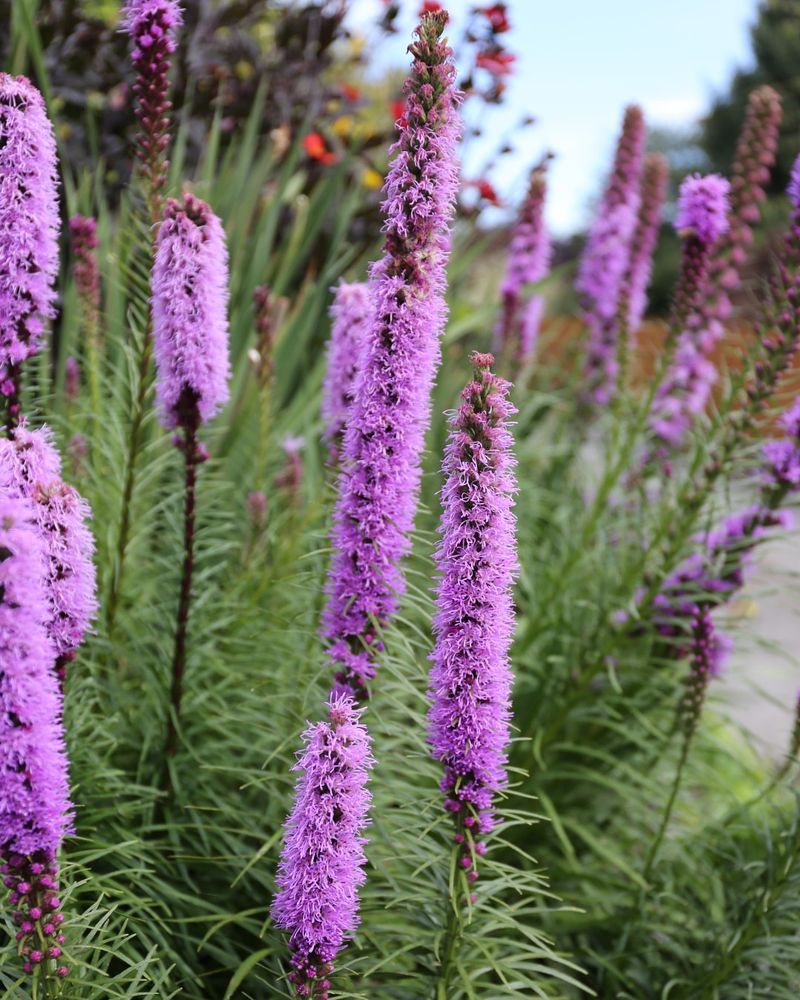
Here is something that surprises a lot of new gardeners: Blazing Star actually prefers to be a little dry rather than constantly wet.
Once this plant gets its roots settled into your Michigan garden soil, it becomes remarkably self-sufficient when it comes to water.
You can skip the sprinkler for days, even weeks, and Blazing Star will still stand tall and look great.
This impressive drought tolerance comes straight from its prairie heritage. Wild Liatris species evolved in open grasslands and prairies where water can be scarce and soils drain quickly.
Sandy and loamy soils, which are common across many parts of Michigan, suit Blazing Star perfectly.
It actually struggles more in soggy, waterlogged conditions than it ever does during a dry spell, so good drainage is more important than frequent watering.
For Michigan gardeners who want a lower-effort yard without sacrificing beauty, this quality is a genuine game changer.
You save water, skip the constant monitoring, and still end up with a stunning plant that blooms reliably.
New transplants do appreciate some regular watering during their first growing season while roots establish, but after that first year, Blazing Star handles Michigan’s unpredictable summer rainfall patterns entirely on its own.
It is one of the most rewarding low-water plants you can grow in the state.
5. Excellent For Pollinators
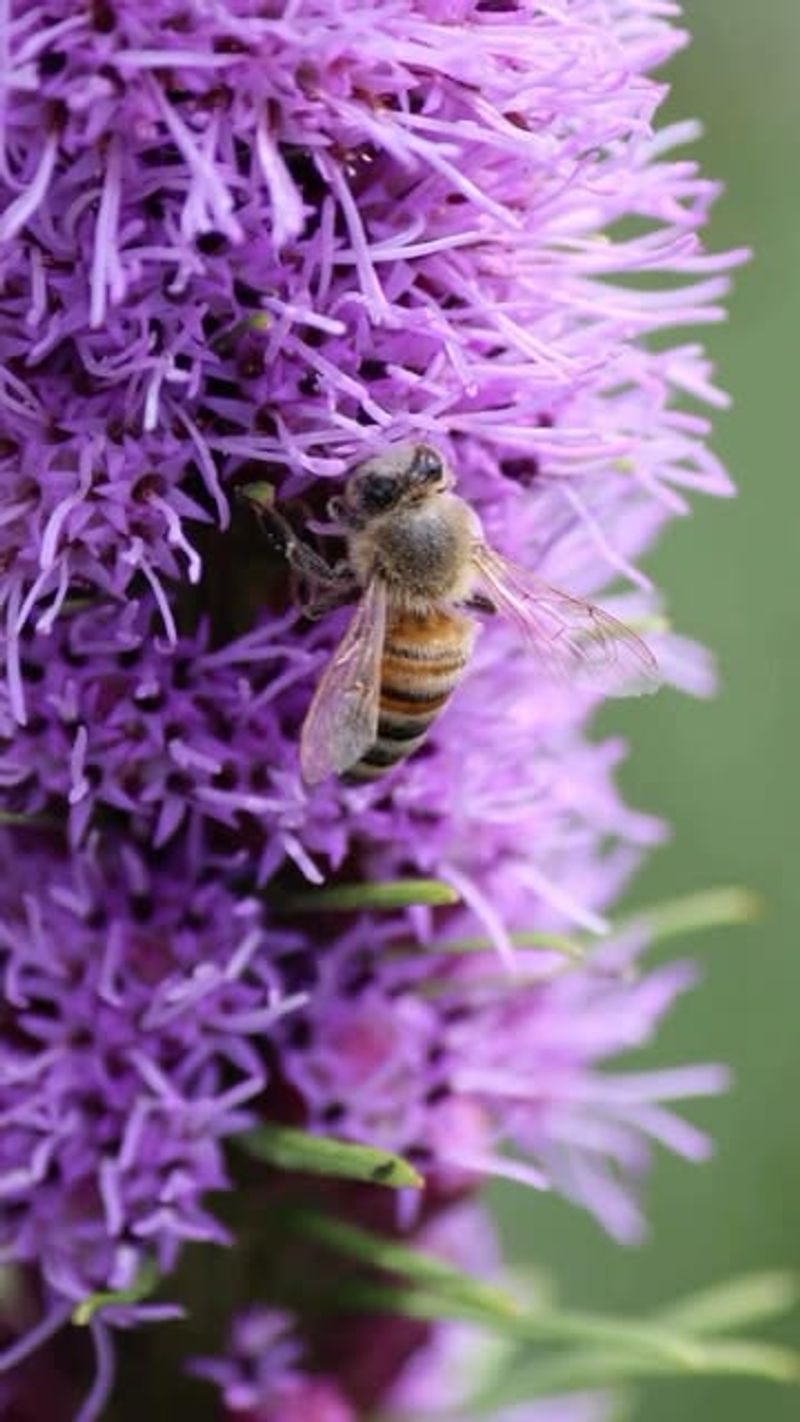
Few plants in the entire Michigan native plant world attract as many pollinators as Blazing Star does.
The tall purple flower spikes are absolutely packed with nectar, and butterflies, bees, and other beneficial insects cannot resist them.
Monarch butterflies in particular are famously drawn to Blazing Star during their late summer migration through Michigan, often stopping to feed heavily before continuing their long journey south.
Native bee species, including bumblebees and sweat bees, also flock to Blazing Star in impressive numbers.
These bees are critical pollinators for Michigan’s food crops and wild plant communities, and giving them a reliable nectar source in your garden makes a real difference.
Planting Blazing Star is one of the most direct and impactful things a Michigan gardener can do to support local pollinator populations.
Beyond butterflies and bees, goldfinches and other seed-eating birds often visit Blazing Star in the fall to feast on its small seeds once the blooms finish.
Leaving the spent flower stalks standing through autumn and into winter turns your garden into a natural wildlife feeding station.
The combination of summer pollinator activity and fall bird visits makes Blazing Star one of the most ecologically generous plants you can possibly grow anywhere in Michigan throughout the entire year.
6. Unique Blooming Pattern Adds Interest
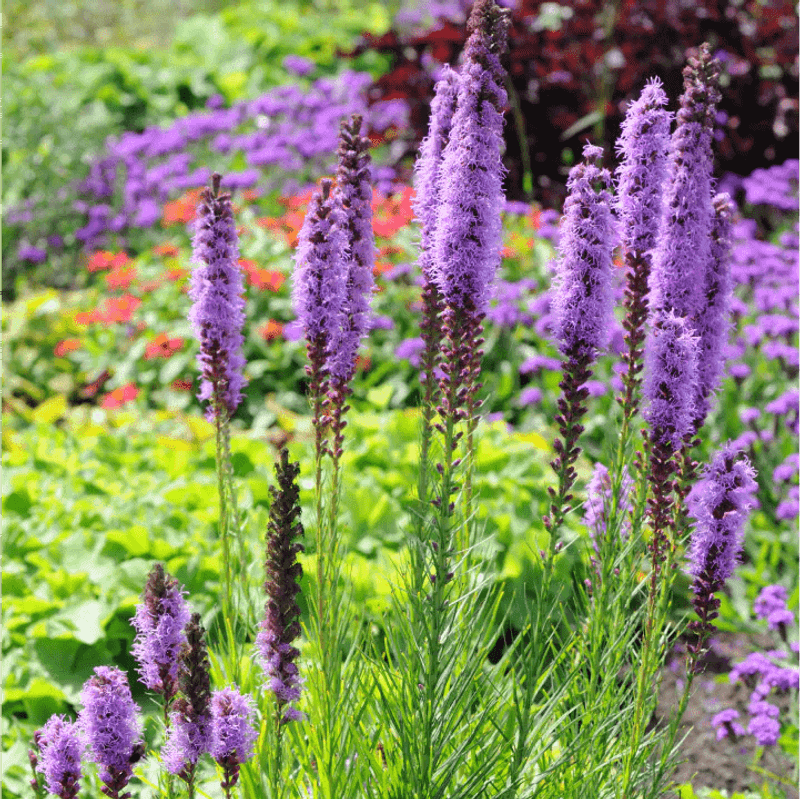
Most flowering plants open their blooms from the bottom of the flower stalk upward, working their way toward the top over time.
Blazing Star does the exact opposite, and that unusual habit makes it one of the most fascinating plants to watch in any Michigan garden.
The flowers open from the very tip of the spike downward, creating a constantly changing display that keeps your garden looking fresh and interesting for weeks on end.
This top-down blooming pattern also extends the overall flowering period in a really clever way. Because different sections of the spike are opening at different times, a single Blazing Star plant stays in active bloom much longer than it would if everything opened all at once.
Michigan gardeners who love a garden with continuous color through the summer will find this trait incredibly valuable and visually satisfying.
The tall, vertical form of the flower spikes adds another layer of visual interest that most garden plants simply cannot provide.
Growing anywhere from two to five feet tall depending on the variety, Blazing Star creates strong upright lines that contrast beautifully with mounding or spreading plants nearby.
In Michigan gardens that lean toward naturalistic or prairie-style designs, those bold vertical purple spikes become the most eye-catching element in the entire planting bed from a distance.
7. Low Maintenance And Easy To Grow
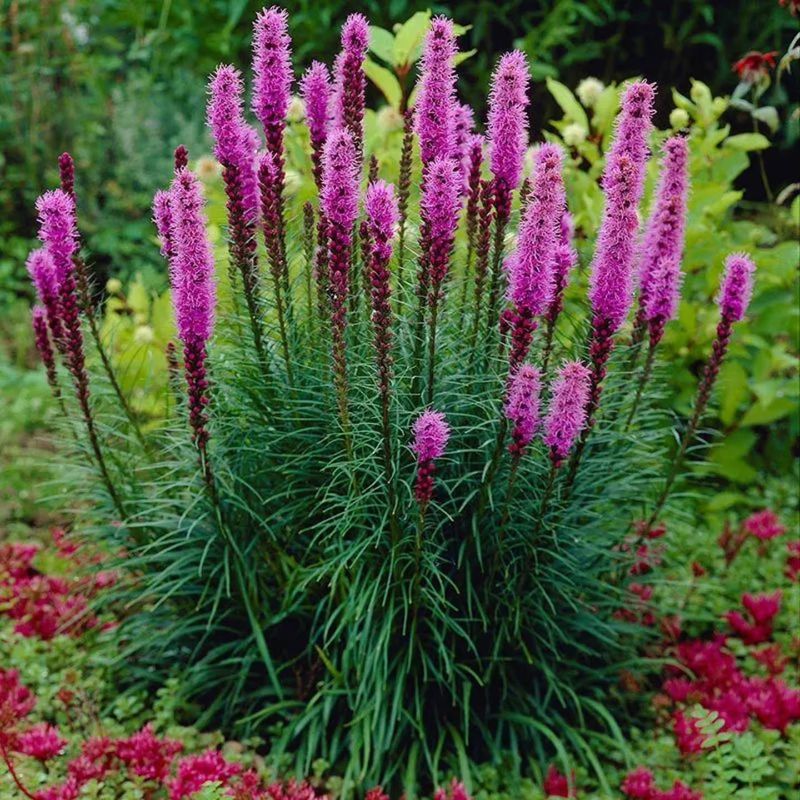
Not every gardener has hours to spend watering, fertilizing, and fussing over their plants each week, and that is completely okay.
Blazing Star fits right into a busy lifestyle because it genuinely needs very little attention once it gets going in your Michigan garden.
No complicated feeding schedules, no demanding soil amendments, and no stressful pest management routines to worry about.
Blazing Star grows best in average, well-drained soil with no need for rich compost or heavy fertilizing.
In fact, overly rich soil can actually cause the plant to grow floppy and fall over, so keeping things simple is truly the right approach here.
A sunny spot, decent drainage, and occasional cleanup of old stalks in late winter or early spring is really all this plant asks for in Michigan.
Deer tend to leave Blazing Star alone as well, which is a huge bonus for Michigan gardeners who struggle with deer browsing pressure in their yards.
The plant is also largely resistant to serious pest and disease problems, making it even more carefree to grow.
Divide the clumps every few years if they get overcrowded, and you will have plenty of new plants to spread around your Michigan garden or share with neighbors who will absolutely love them just as much as you do.
8. Works In Many Garden Styles
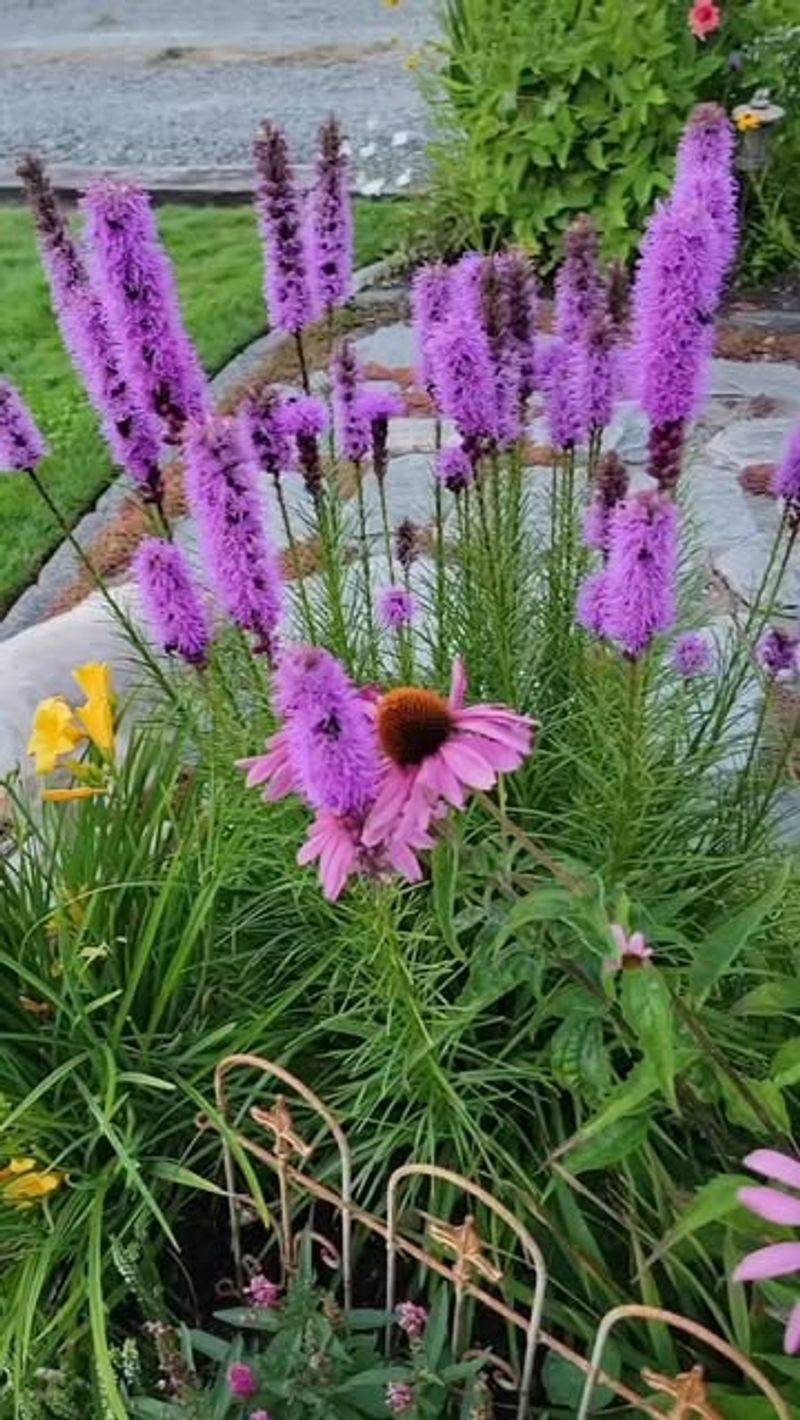
One of the most underrated qualities of Blazing Star is just how flexible it is when it comes to garden design.
Whether your Michigan yard leans toward a formal perennial border, a wild prairie planting, a butterfly garden, or a simple backyard pollinator patch, Blazing Star slides right in and looks like it was always meant to be there.
Very few plants pull that off across so many different styles. Its upright, vertical growth habit makes it a natural choice as a background or mid-border plant in structured garden designs.
Pair it with Black-Eyed Susans, Purple Coneflowers, and native grasses for a classic Michigan prairie-inspired look that practically takes care of itself.
In more formal settings, the clean purple spikes add bold vertical contrast against lower, mounding perennials and create a strong sense of structure and height.
Rain gardens and naturalized areas around Michigan ponds or streams also benefit from Blazing Star, as it tolerates occasional wet conditions far better than many other prairie plants.
Its adaptability across soil types, moisture levels, and design contexts makes it one of the most genuinely versatile native plants available to Michigan gardeners today.
Whatever vision you have for your outdoor space, there is a very good chance Blazing Star fits right into that picture beautifully and effortlessly.