Why Blue Fertilizers Are A Bad Choice For Ohio Gardens Right Now
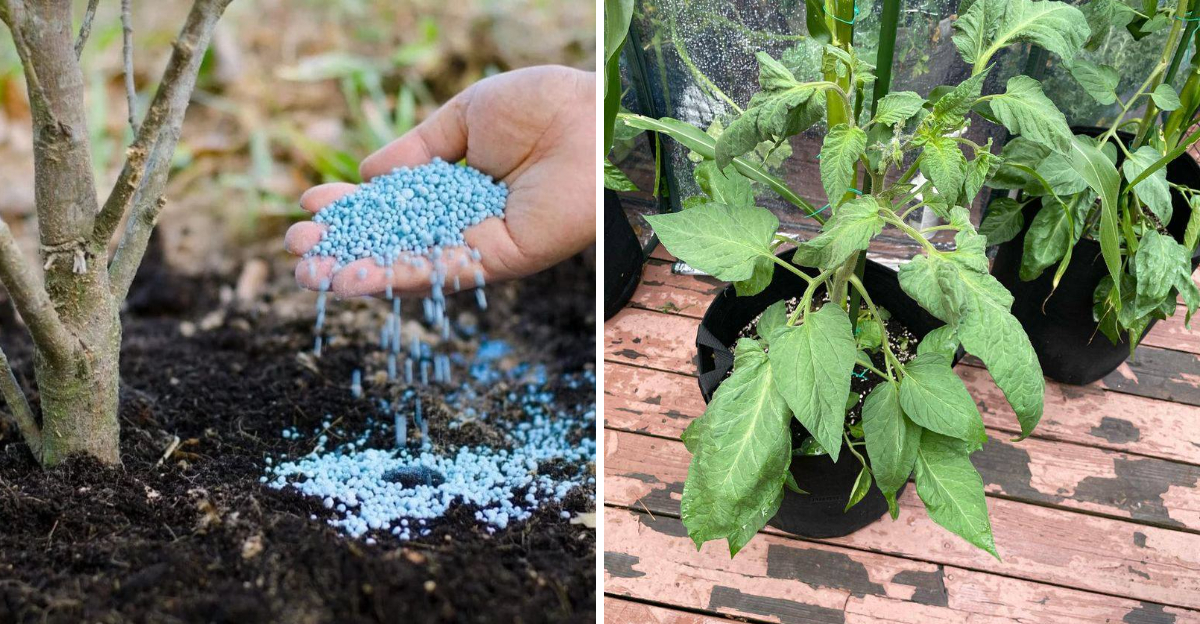
Ohio gardeners, those bright blue fertilizer bags look tempting on the shelf, but they could be hurting your garden more than helping it right now. Many growers are using them out of habit, not realizing how they react with Ohio soil and changing weather conditions.
The result can be fast leafy growth, weak roots, and fewer flowers and fruits later in the season. If you have been wondering why plants look big but do not produce the way they should, this could be the reason.
There is a smarter way to feed your garden that works better for local soil and keeps nutrients where your plants can actually use them. Before you spread another scoop this year, you will want to read this.
Your plants will grow stronger, healthier, and more productive because of it.
1. Test Your Soil First, Don’t Guess Your Nutrients
Your neighbor swears by blue fertilizer, so you figure it must work for your garden too. But here’s the thing about Ohio soils: they’re wildly inconsistent even within the same neighborhood.
One yard might have heavy clay that holds nutrients tightly. Another might have sandy loam that drains fast.
Your soil’s history, drainage patterns, and pH all affect how fertilizer performs.
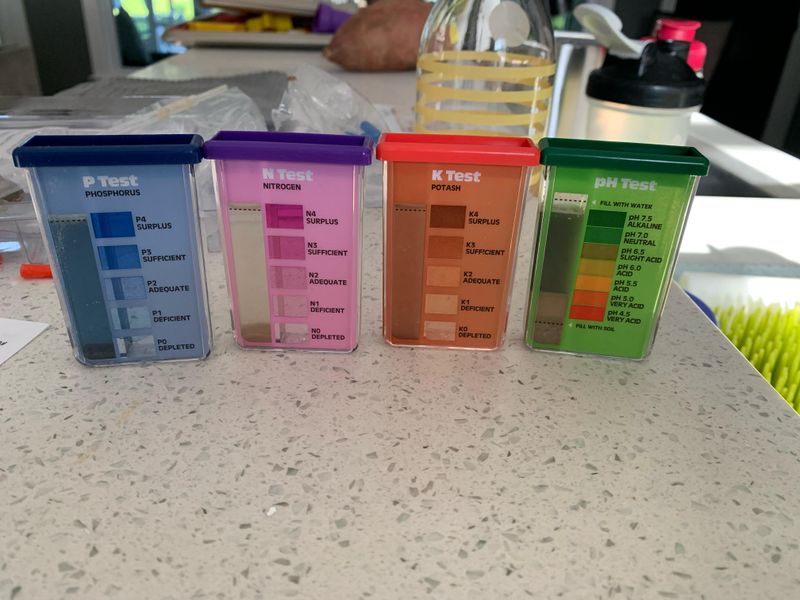
Soil testing takes the guesswork out of fertilization. Ohio State’s soil testing lab charges around twenty dollars and provides detailed results showing your nutrient levels, pH, and specific recommendations for your garden type.
You collect samples from different areas, send them in, and get back a roadmap for exactly what your soil needs. No more dumping blue granules and hoping for the best.
Most Ohio gardeners discover they don’t need nearly as much fertilizer as they thought. Your soil might already contain adequate phosphorus and potassium but need pH adjustment or organic matter instead.
Or you might find surprising deficiencies that explain why certain crops always struggle. Testing reveals these hidden issues that generic fertilizers can’t address.
When you fertilize without testing, you waste money and risk creating imbalances that take years to correct. You might add too much of one nutrient, which can block your plants from absorbing others.
Testing first means every dollar you spend on amendments goes exactly where your garden needs it most.
2. Too Much Nitrogen Can Hurt Ohio Gardens
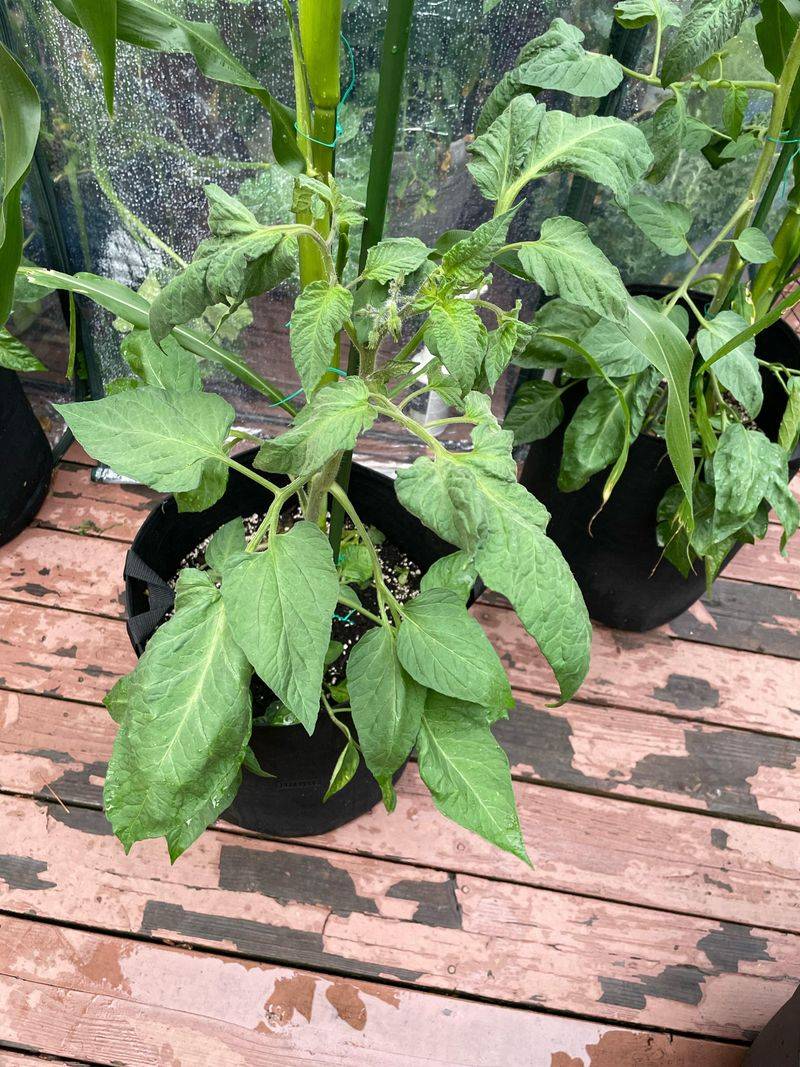
You spread blue fertilizer in May, hoping for strong plant growth, and by June your tomatoes tower over their cages with thick stems and dark green leaves. Sounds perfect, right?
But when July arrives, you notice something frustrating: lots of foliage but hardly any flowers or fruits forming. That’s excess nitrogen at work, pushing vegetative growth at the expense of production.
Ohio’s naturally fertile soils often contain plenty of nitrogen already, especially if you’ve been adding compost or growing cover crops. When you add high-nitrogen fertilizer on top of that, you create an imbalance that confuses your plants.
They focus energy on building leaves instead of flowers, fruits, or roots. Your pepper plants stay green and bushy but produce few peppers.
Your beans grow tall but set sparse pods.
Excess nitrogen also makes plants more susceptible to pest problems and diseases. Soft, lush growth attracts aphids, and thick foliage holds moisture that encourages fungal issues.
In Ohio’s humid summers, you’re already fighting enough disease pressure without adding fertilizer problems to the mix. Your garden needs balanced nutrition that supports steady, healthy growth rather than forcing rapid leaf production.
Recognizing nitrogen overload helps you adjust your approach. When plants show excessive green growth with poor flowering, back off the fertilizer and let them rebalance naturally.
Your garden will reward you with better production once nutrient levels stabilize.
3. Protect Ohio Waterways From Nutrient Runoff
Rain pelts your garden on a May afternoon, and you watch water sheet across the driveway toward the storm drain. If you fertilized recently, especially with fast-release blue granules, those nutrients are flowing right along with the runoff.
This isn’t just a garden problem anymore. It’s an environmental concern that affects every Ohio waterway from small creeks to Lake Erie.
Northern Ohio gardeners near Lake Erie tributaries face particular responsibility here. Excess phosphorus and nitrogen fuel algae blooms that create toxic conditions and harm aquatic life.
The Western Basin algae blooms make national news every summer, and while agriculture carries most of the blame, home landscapes contribute too. Every bag of unnecessary fertilizer adds to the cumulative load reaching our waters.
Central Ohio suburban areas deal with dense housing where many gardeners fertilize simultaneously. Storm sewers carry that collective runoff directly to streams without filtration.
Southern Ohio’s rolling terrain and heavy rainfall patterns create even faster nutrient movement downslope. Your fertilizer choices ripple far beyond your property lines, affecting neighbors downstream and entire watershed health.
You can protect waterways by timing fertilizer applications carefully, using slow-release products when needed, and building healthy soil that holds nutrients instead of letting them wash away. When your soil has good structure and organic matter, it acts like a sponge, keeping nutrients available for plants rather than sending them downstream with every rain.
4. Fertilizer Timing Matters More Than Color
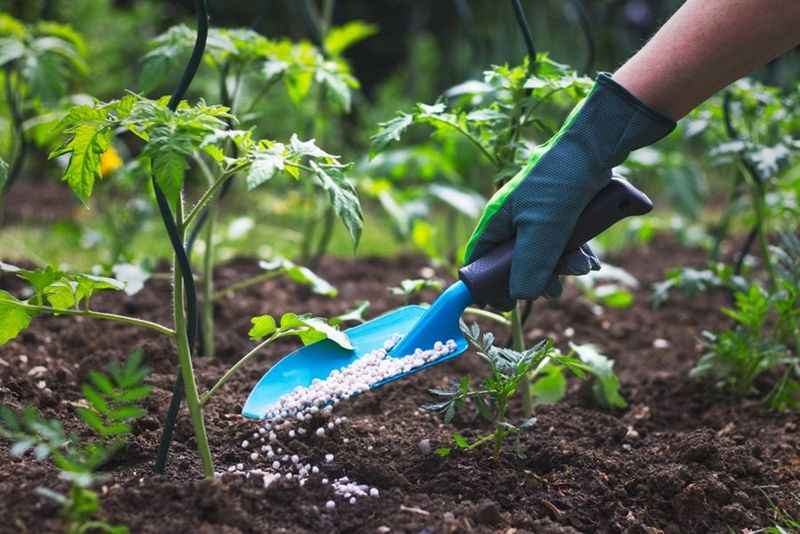
You grab that bag of blue fertilizer in early April when the garden center first opens, eager to get your beds ready for planting. But here’s what most Ohio gardeners miss: timing fertilizer applications to match plant growth stages matters far more than which colorful product you choose.
Early spring application often means nutrients wash away before plants can use them.
Ohio’s unpredictable spring weather creates perfect conditions for nutrient loss. Heavy rains in April and May saturate soil and push soluble fertilizers deep below root zones or off your property entirely.
If you fertilize before plants are actively growing, you’re essentially feeding the storm drains rather than your garden. Your money and effort flow away with the runoff.
Smart timing means waiting until plants are established and actively taking up nutrients. For cool-season crops like lettuce and peas, that might mean light feeding in early May.
For warm-season crops like tomatoes and peppers, wait until after transplanting and establishment in late May or early June. Match your fertilizer timing to actual plant needs rather than calendar dates or spring fever.
You’ll also want to consider Ohio’s summer growth patterns. Many vegetables benefit from light side-dressing applications during peak production rather than heavy spring loads.
This approach delivers nutrients when plants can use them immediately, reducing waste and environmental impact while improving your harvest quality and quantity.
5. Ohio Clay Soils Need Structure, Not Just Nutrients
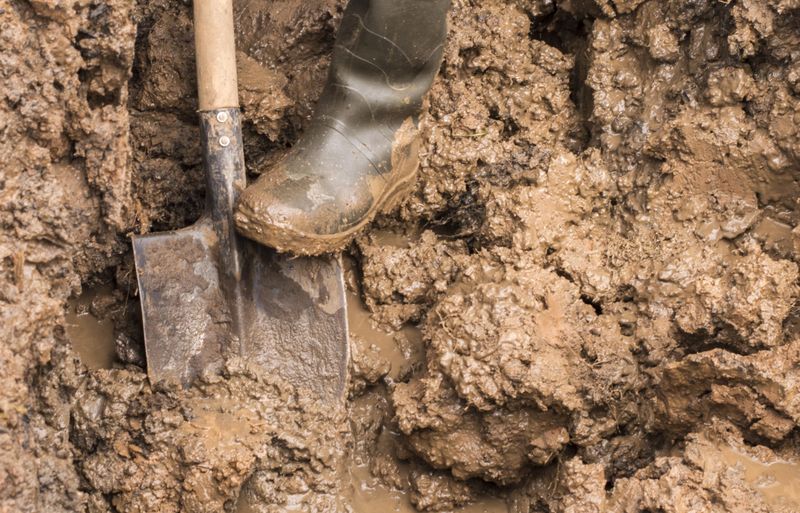
You dig into your garden bed and the shovel barely penetrates. Ohio’s notorious clay soil greets you with rock-hard resistance or, after rain, sticky mud that clings to everything.
Adding blue fertilizer to this situation is like putting premium fuel in a car with a broken engine. The real problem isn’t nutrient deficiency but soil structure that prevents roots from accessing whatever nutrients are present.
Clay particles pack tightly together, leaving little space for air, water movement, or root growth. Plants struggle in compacted clay no matter how much fertilizer you apply because roots can’t expand to reach it.
Drainage problems create waterlogged conditions that suffocate roots and leach nutrients away. Your fertilizer investment goes nowhere because the physical soil environment won’t support healthy plant growth.
Improving clay soil structure requires organic matter: compost, aged manure, shredded leaves, or cover crop residues worked into the top several inches. These materials create spaces between clay particles, improving drainage and aeration while feeding beneficial microbes.
Over several seasons, your soil transforms from concrete-like hardpan to friable, workable earth that roots can penetrate easily.
Ohio State Extension research consistently shows that structure improvement matters more than fertilization in clay soils. Once you’ve built good structure with organic matter, nutrient applications become effective because roots can actually reach them.
Your plants respond dramatically when soil physical properties support their growth. Focus on structure first, nutrients second, and watch your garden transform completely.
6. You’re Probably Already Over-Fertilizing Without Knowing
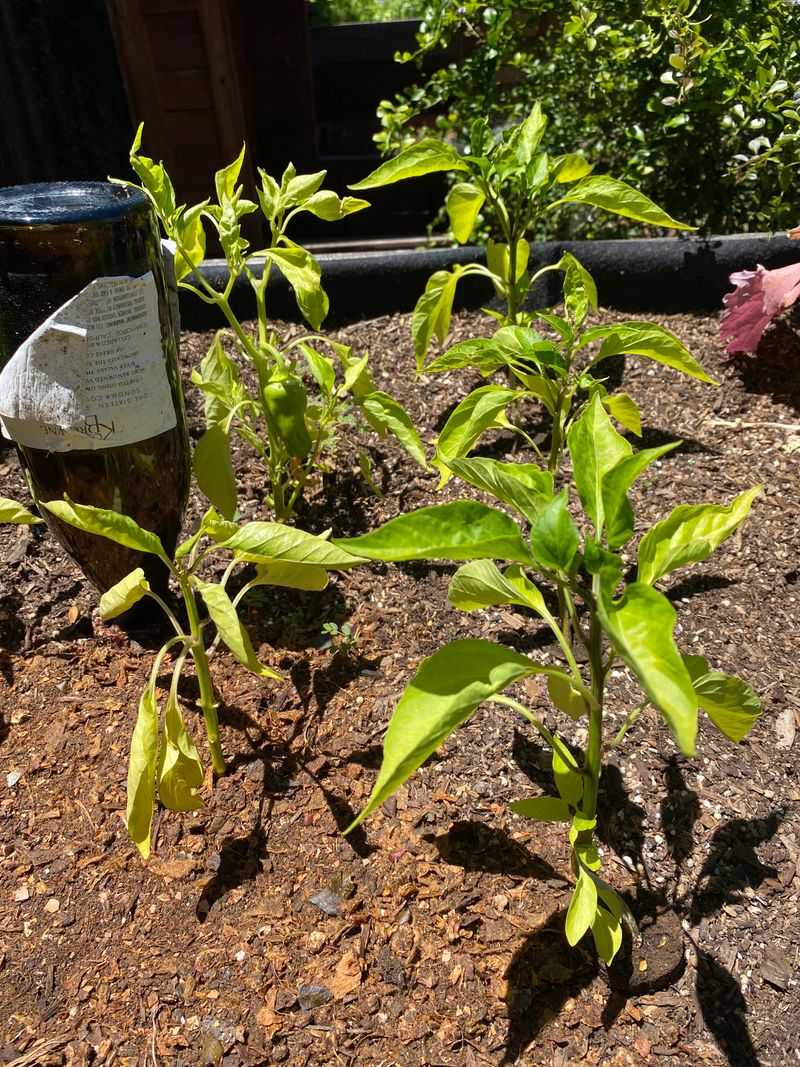
Most Ohio gardeners fertilize more than necessary because we’ve been taught that more nutrients equal better growth. Garden centers display fertilizers prominently, labels promise amazing results, and we worry our plants won’t thrive without regular feeding.
But here’s what soil tests consistently reveal: many gardens already contain adequate or even excessive nutrients from years of fertilization.
Phosphorus accumulation is particularly common in Ohio gardens. This nutrient binds tightly to soil particles and builds up over time with repeated applications.
Your soil might contain enough phosphorus for several years of gardening, yet you keep adding more with every bag of fertilizer. Excess phosphorus can interfere with plant uptake of other nutrients and contributes to water quality problems when it eventually moves off your property.
Over-fertilization symptoms often mimic deficiencies, confusing gardeners into applying even more fertilizer. Leaf tip burn, slow growth, and poor fruit set can all result from nutrient excess rather than shortage.
Plants growing in over-fertilized soil develop shallow root systems because nutrients sit right at the surface. These shallow roots make plants more vulnerable to drought stress and wind damage.
Testing your soil before fertilizing reveals whether you actually need to add anything at all. Many Ohio gardeners discover they can skip fertilizer entirely for a season or two, or that they only need specific nutrients rather than complete formulas.
This approach saves money, protects water quality, and often produces better plant growth than routine over-fertilization ever did.
7. Compost Outperforms Blue Fertilizer Long-Term
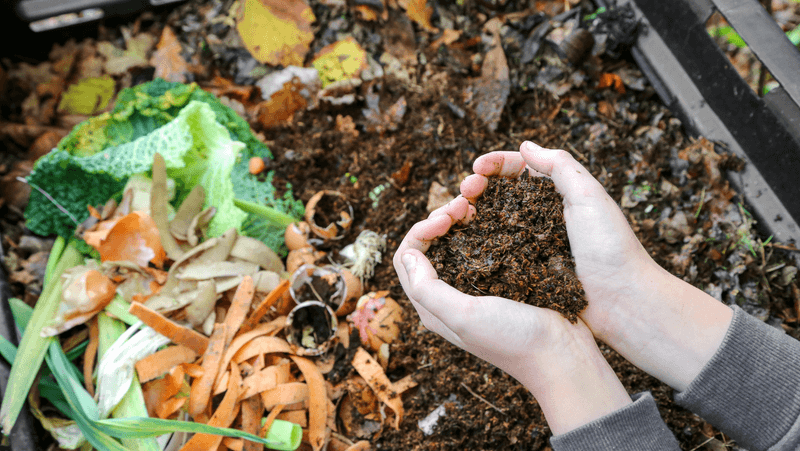
You spread a two-inch layer of finished compost across your garden beds each spring, and something remarkable happens over the years. Your soil darkens and softens.
Earthworms multiply. Plants grow steadier with fewer problems.
Yields increase season after season. This transformation doesn’t come from bags of blue fertilizer but from consistently feeding your soil with organic matter that builds fertility naturally.
Compost delivers complete nutrition in slow-release form while simultaneously improving soil structure, water retention, and biological activity. It contains all the major nutrients plus micronutrients, beneficial microbes, and organic acids that help plants access nutrients.
Unlike synthetic fertilizers that provide only NPK in concentrated doses, compost builds a self-sustaining system that becomes more productive over time.
Ohio gardeners who commit to regular compost applications often eliminate fertilizer needs entirely within a few seasons. Their soil develops such strong fertility and biological activity that plants thrive without additional inputs.
Pest and disease problems decrease because plants growing in healthy, balanced soil have stronger natural defenses. Water requirements drop because improved soil structure holds moisture better.
Making or sourcing compost requires more effort than buying blue fertilizer, but the long-term benefits far outweigh the initial investment. You can compost kitchen scraps and yard waste, buy bulk compost from municipal programs, or purchase bagged products.
However you obtain it, regular compost application transforms your garden more completely than any synthetic fertilizer ever could. Your soil becomes a living, self-renewing resource rather than an inert medium requiring constant chemical inputs.