Why Blue Jays Are Taking Over Illinois Feeders This Winter And What It Means
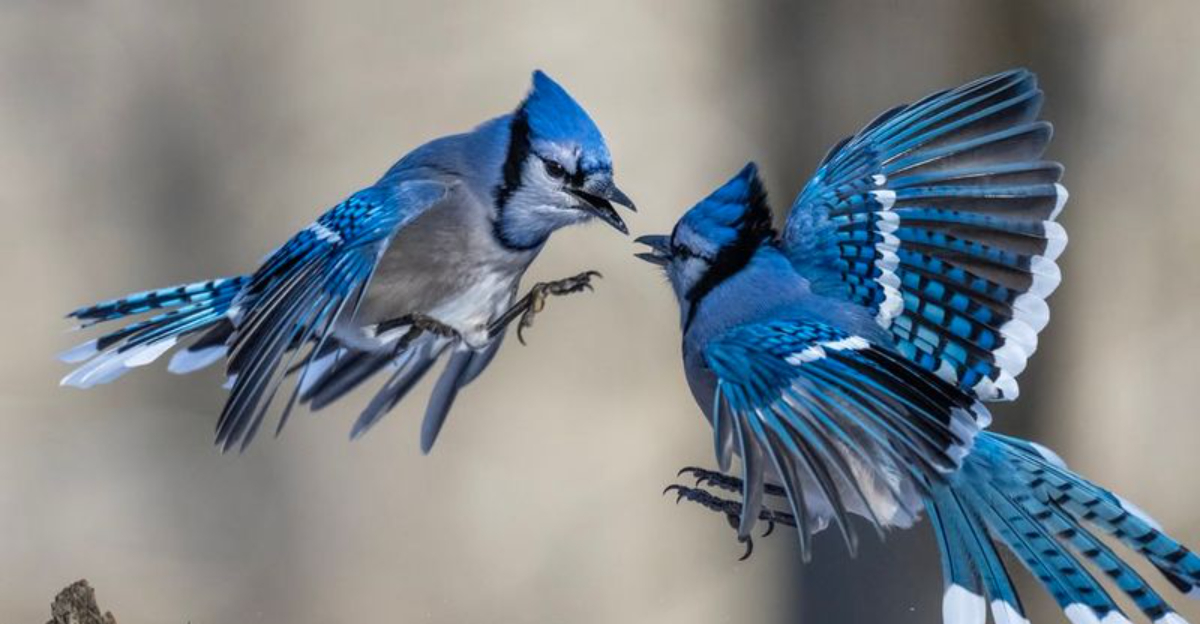
Have you noticed more bright blue birds visiting your backyard feeders this winter season than you remember from years past in Illinois neighborhoods?
Blue jays are showing up in record numbers across the state, and their bold personalities are making them impossible to miss at every feeding station.
Understanding why these striking birds are flocking to Illinois this year can help you appreciate their behavior and prepare your feeders for their visits.
This winter phenomenon tells us important things about nature, migration patterns, and how birds adapt to changing conditions in their natural environment.
Harsh Weather Conditions Up North
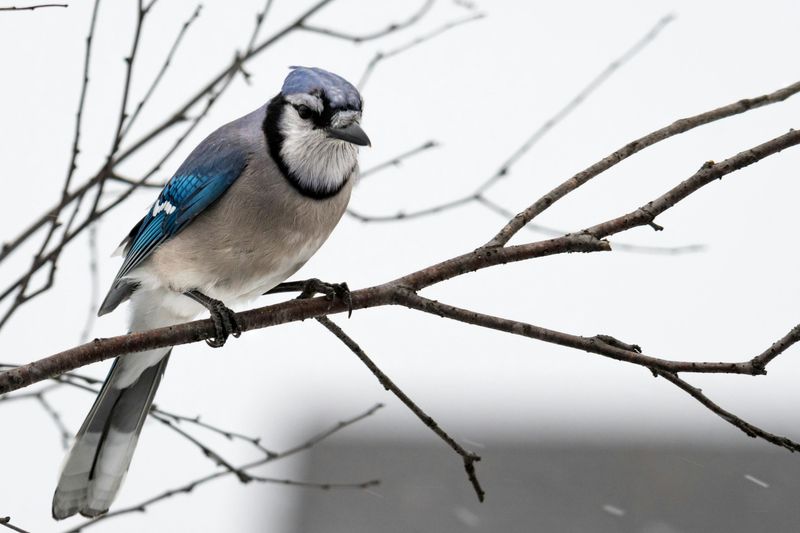
Brutal winter storms across Canada and the northern United States have pushed blue jays southward into Illinois in search of milder conditions and accessible food sources.
When temperatures drop dangerously low and snow piles high in their usual territories, these intelligent birds make the smart choice to relocate temporarily to warmer regions.
Illinois offers a perfect middle ground with cold but manageable weather compared to the extreme conditions they escaped from up north during this season.
Your feeders become lifesaving resources for these traveling birds who need consistent nutrition to survive the challenging months ahead without their usual food supplies.
Climate patterns this year created especially difficult circumstances in northern regions, forcing larger groups to migrate than we typically see in average winter seasons.
Ornithologists across Illinois have documented this southward shift, noting that blue jays are appearing in neighborhoods where residents rarely spotted them in previous decades.
The birds remember reliable food sources and will return year after year once they discover your generous feeding stations and welcoming backyard habitat.
Abundant Oak Trees Producing Fewer Acorns
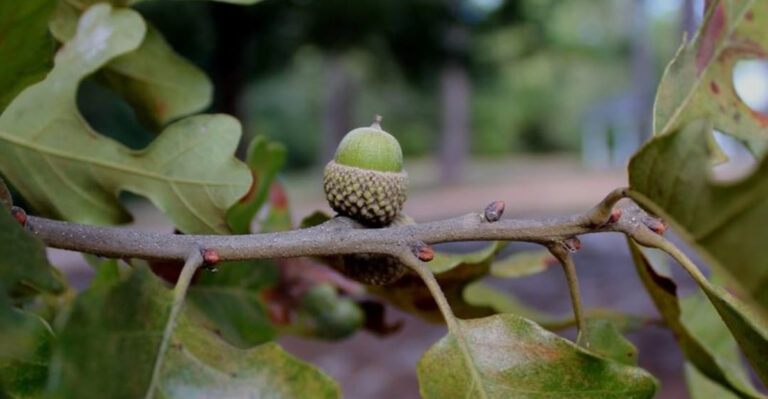
Oak trees across the Midwest experienced a mast failure this year, meaning they produced significantly fewer acorns than normal for blue jays to collect and store.
Acorns represent a primary food source for these birds during cold months, and when supplies run short, they must seek alternative nutrition at backyard feeders.
Scientists call this natural phenomenon a mast year cycle, where trees coordinate their seed production in patterns that sometimes result in very low yields.
Blue jays rely heavily on acorns for fat and protein, so a shortage forces them to change their foraging behavior and explore new territories.
Your sunflower seeds and peanuts suddenly become incredibly attractive to hungry blue jays who would normally spend winter cracking open acorns in forest areas.
Forest management experts predict this shortage will continue affecting bird behavior throughout the season, keeping blue jays dependent on human-provided food sources for survival.
Understanding this connection between tree reproduction and bird movement helps explain why your feeders are suddenly so popular with these beautiful corvids this particular winter.
Increased Competition From Other Bird Species
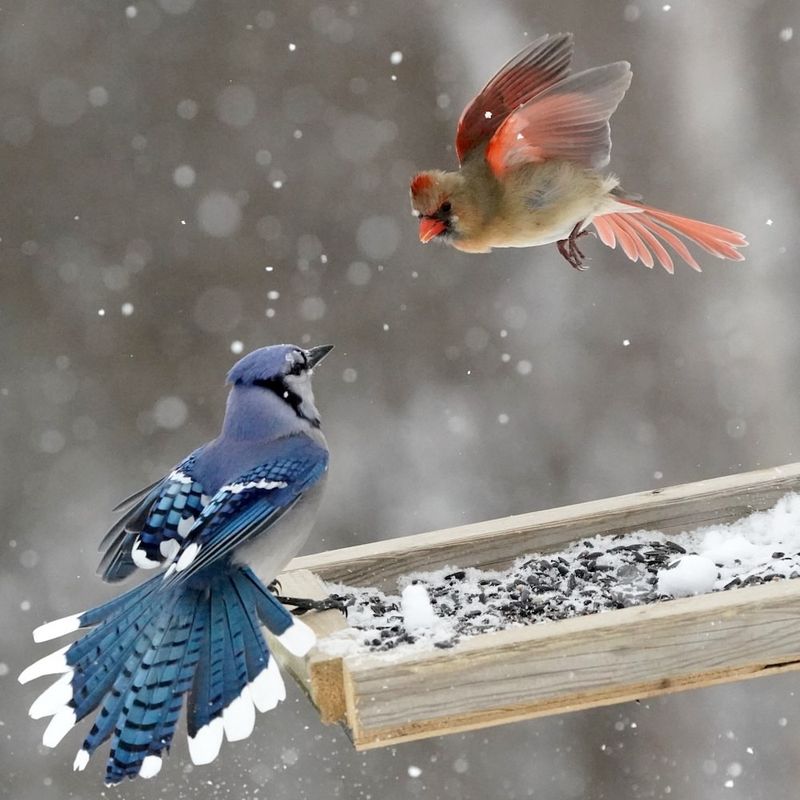
Bird populations fluctuate annually, and this winter brought unusually high numbers of various species competing for the same limited natural food resources throughout Illinois landscapes.
Blue jays are aggressive and territorial birds who refuse to back down when other species challenge them at feeding sites in forests or neighborhoods.
When competition intensifies in wild areas, blue jays expand their search radius to find less crowded locations where they can feed without constant battles.
Your backyard feeders offer exactly that opportunity, especially if you maintain them consistently and provide their favorite foods like peanuts and large seeds.
Research shows blue jays will dominate smaller birds at feeders, using their size and bold behavior to secure meals even in unfamiliar territories far away.
Cardinals, woodpeckers, and even squirrels compete with blue jays, but these clever corvids quickly learn feeding schedules and return when competition decreases during the day.
Watching these social dynamics play out at your feeder provides fascinating insights into bird behavior and survival strategies during resource-scarce winter months across Illinois.
Changes In Forest Habitat And Development
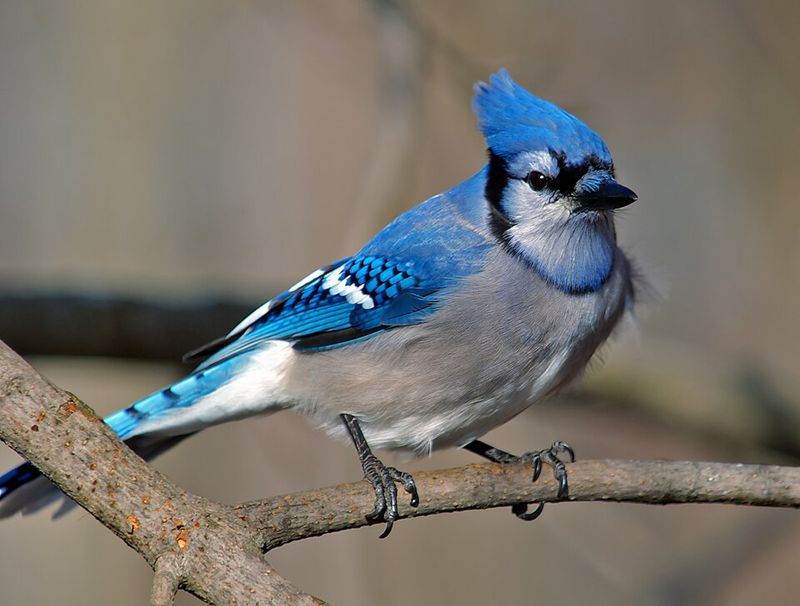
Urban sprawl continues transforming natural woodlands into residential neighborhoods throughout Illinois, forcing blue jays to adapt by incorporating suburban areas into their daily foraging routines and territories.
Construction projects destroy traditional nesting sites and feeding grounds, leaving birds with fewer wild options for finding food during the harsh winter months ahead.
Blue jays demonstrate remarkable adaptability when faced with habitat loss, quickly learning that human neighborhoods offer reliable food sources through intentional feeding and accidental spills.
As forests shrink, the remaining patches become overcrowded with wildlife, pushing some individuals to explore suburban environments they might have avoided in past generations.
Your neighborhood represents new territory for blue jays seeking to establish winter feeding routes that supplement whatever natural food remains in fragmented forest areas.
Studies indicate that birds living near human development often thrive better than those in degraded natural habitats because of consistent food availability from feeders.
This adaptation benefits both birds and people, creating opportunities for wildlife observation and connection with nature right outside your kitchen window throughout the season.
Smarter Food Storage And Memory Skills
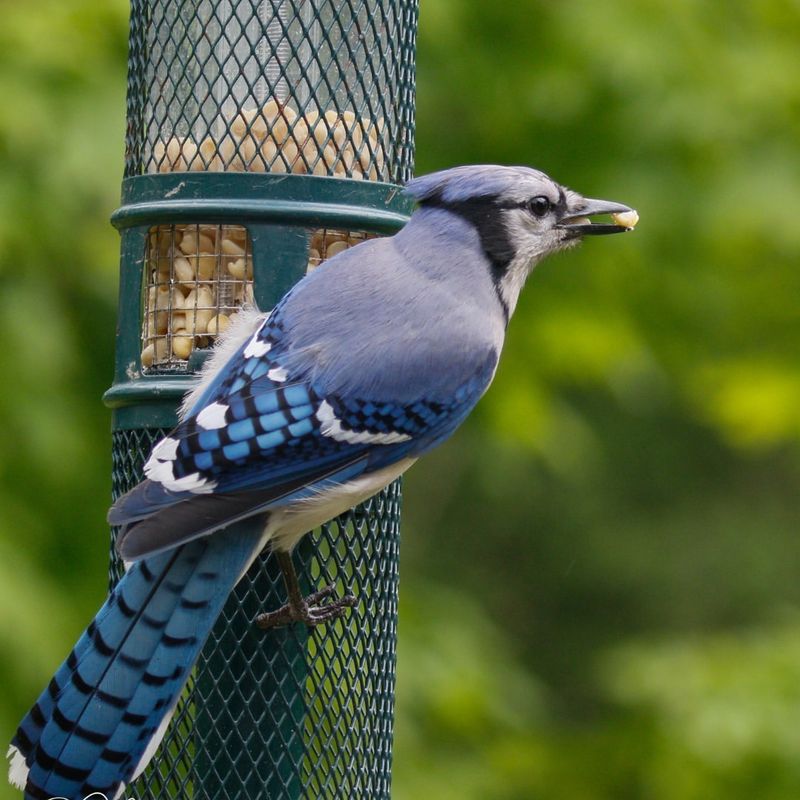
Blue jays possess exceptional memory capabilities that allow them to remember thousands of hiding spots where they stash food for later consumption during lean winter periods.
Scientists discovered these birds can recall cache locations for months, making your consistent feeder an ideal supply point for their storage behavior and survival strategy.
When blue jays find a reliable food source like your well-stocked feeder, they visit repeatedly to gather supplies and hide them throughout your yard.
This intelligent behavior ensures they have backup nutrition even if your feeder runs empty or weather conditions prevent them from traveling far from shelter.
Researchers studying corvid intelligence consistently rank blue jays among the smartest bird species, with problem-solving abilities that rival some mammals in complexity and sophistication.
Their cognitive skills help them exploit new food sources quickly, explaining why they rapidly discover and dominate feeders that other birds might take longer to find.
Observing their caching behavior provides entertainment and education about how birds survive winter through planning and memory rather than just luck or instinct alone.
Social Learning And Communication Networks
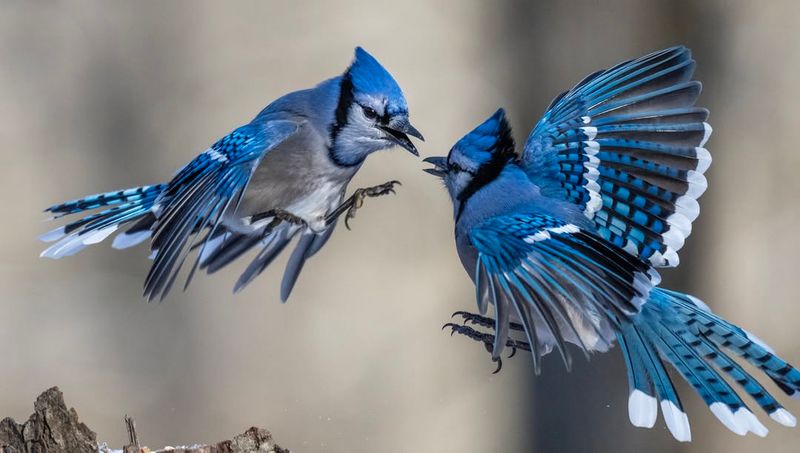
Blue jays communicate through complex vocalizations that alert other jays to food discoveries, creating a network effect that brings multiple birds to successful feeding locations.
When one blue jay finds your generous feeder, it essentially broadcasts the location to family members and neighbors through calls and visual demonstrations of success.
This social behavior explains why you might suddenly see five or six blue jays after having none, as word spreads through the local population quickly.
Bird communication studies reveal that blue jays use different calls for various purposes, including specific sounds that indicate food availability and safety from predators nearby.
Family groups often stay together through winter, traveling as units to feeding sites and defending them cooperatively against intruders or competing bird species in Illinois.
Young blue jays learn feeding locations from their parents, creating generational knowledge about reliable food sources that gets passed down through years of observation.
Your feeder becomes part of this social network, a landmark in the blue jay community that multiple generations will remember and visit regularly.
Preference For High-Energy Foods You Provide
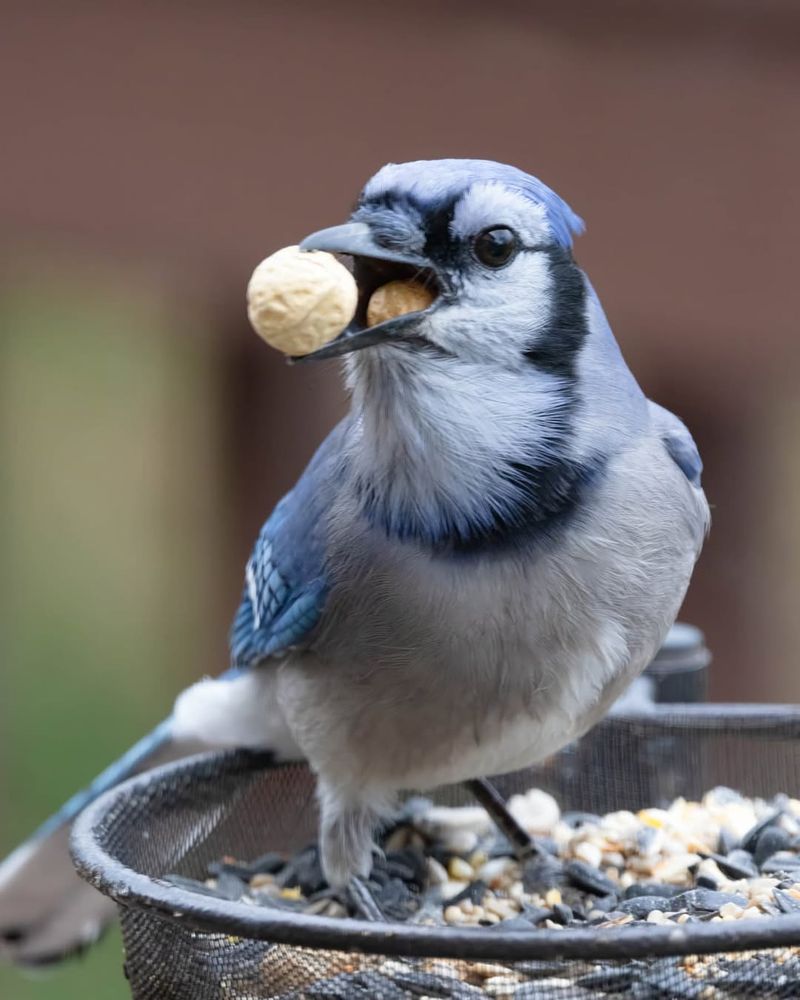
Sunflower seeds, peanuts, and suet provide concentrated calories that blue jays desperately need to maintain body temperature and energy levels during freezing Illinois winter conditions and weather.
Natural food sources during winter typically offer less nutritional value per item compared to the high-quality seeds and nuts that bird enthusiasts stock in feeders.
Blue jays recognize this quality difference and prioritize visiting feeders that offer the best return on their energy investment for foraging and travel efforts.
A single peanut contains more fat and protein than dozens of wild seeds or berries, making your feeder incredibly efficient for hungry birds.
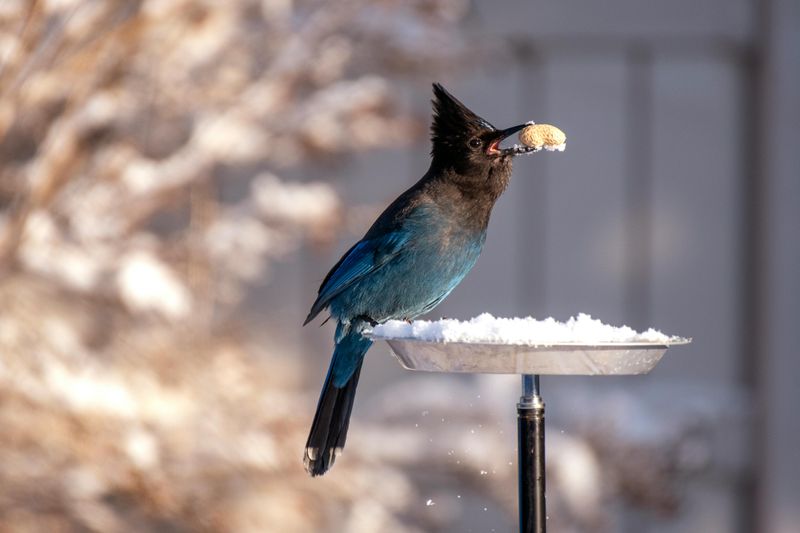
Wildlife nutritionists recommend providing peanuts in the shell for blue jays because cracking them open provides mental stimulation along with excellent nutrition for health.
These birds evolved eating nuts and large seeds, so your offerings perfectly match their natural dietary preferences and physical adaptations like strong beaks.
Stocking your feeder with their favorite foods ensures they keep returning throughout winter, providing you with regular entertainment and them with essential survival resources daily.
Reduced Predator Pressure In Suburban Areas
Hawks, owls, and other predators typically hunt in forest environments, making suburban neighborhoods relatively safer spaces for blue jays to feed without constant vigilance and fear.
While predators do venture into residential areas occasionally, the open spaces and human activity provide blue jays with better visibility and warning time.
Birds feeding in dense forests must constantly watch for ambush predators, which reduces feeding efficiency and increases stress levels throughout the challenging winter season.
Your backyard offers clear sightlines and escape routes that make blue jays feel more secure while they gather food from your generously supplied feeders.
Studies on bird behavior show that perceived safety significantly influences where birds choose to spend time, even when food availability seems equal elsewhere.
Blue jays balance risk and reward carefully, and suburban feeders often present the best combination of abundant food with manageable predator danger for survival.
This safety factor contributes to why blue jays increasingly prefer human-modified landscapes over purely natural environments during vulnerable winter months when energy conservation matters most.
Climate Change Altering Migration Patterns
Warming trends across North America are disrupting traditional bird migration patterns, causing some blue jay populations to alter their winter range and timing significantly each year.
Birds that historically migrated farther south now find adequate conditions in Illinois, making the state a new winter destination rather than just a stopover point.
Climate scientists tracking bird movements note that many species are shifting their ranges northward in response to milder average temperatures and changing seasonal weather patterns.
Blue jays adapt quickly to these environmental changes, taking advantage of new opportunities like reliable backyard feeders in regions they previously avoided during winter months.
Warmer Illinois winters mean less snow cover and more accessible natural food, but feeders still provide superior nutrition and convenience for opportunistic blue jays exploring options.
Long-term data suggests these range shifts may become permanent as climate patterns continue evolving, making blue jays regular winter residents rather than occasional visitors.
Understanding these larger environmental forces helps explain why your feeder traffic looks different this year compared to decades past in your Illinois neighborhood consistently.