Why Boxelder Bugs Reappear Around Michigan Homes In Spring
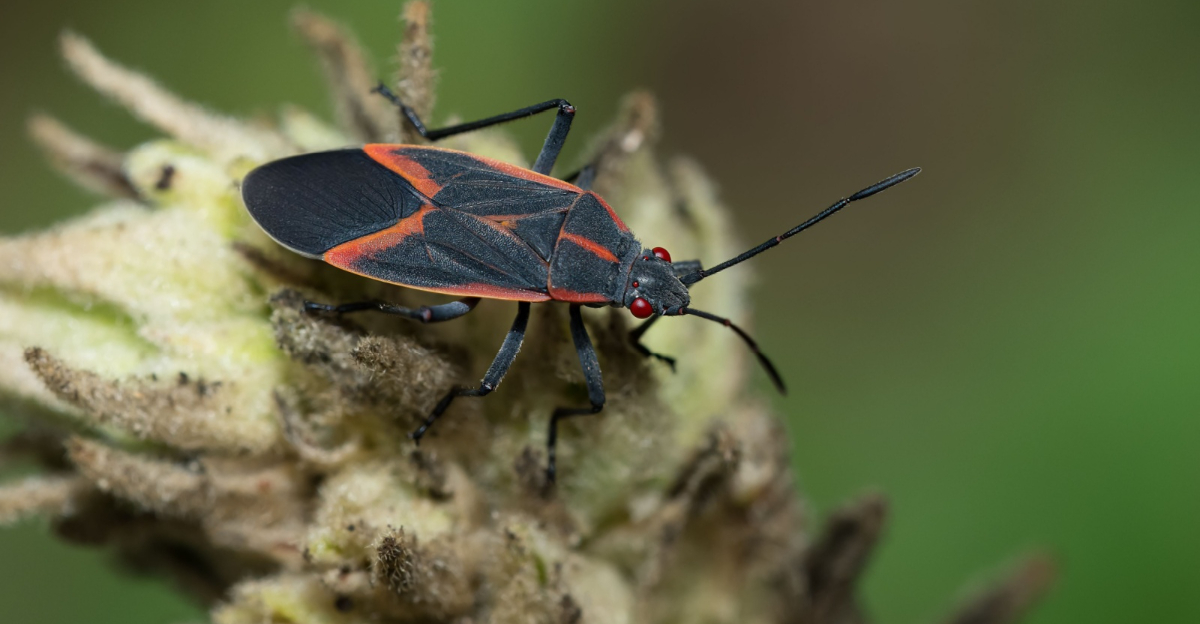
The first warm days of spring in Michigan often come with an unwelcome surprise: clusters of black and red boxelder bugs crawling across sunny siding, crowding around windows, or turning up inside the house.
Their return can feel sudden, but these insects have usually been there all along, tucked into wall voids, attics, and other sheltered spaces through winter.
As temperatures rise, Michigan’s freeze-thaw swings and bright spring sunshine bring them back into view fast.
Homes near boxelder or maple trees often notice even more activity, which is why a few warm days can suddenly make an old seasonal nuisance feel like a fresh new invasion.
1. Boxelder Bugs Wake Up Inside Michigan Homes Each Spring
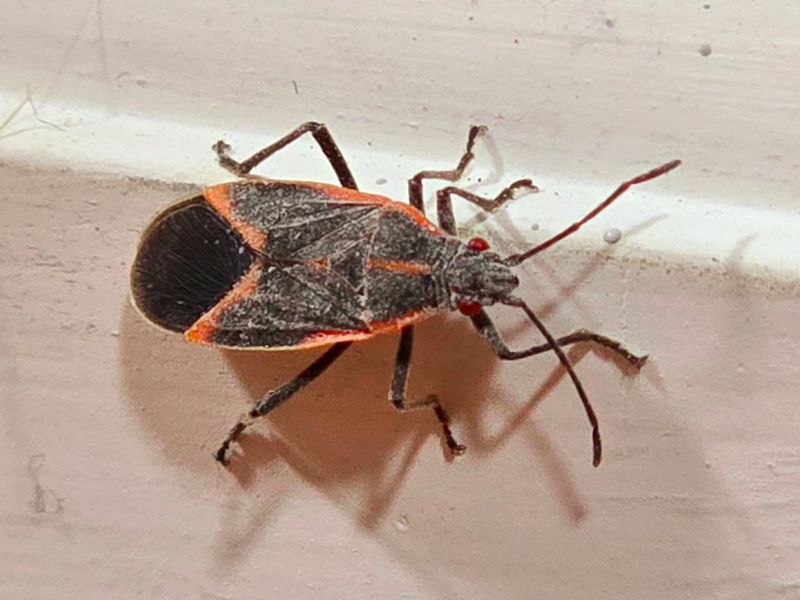
Finding a handful of boxelder bugs walking across your living room wall in March can feel alarming, but those bugs almost certainly were not just visitors.
They spent the winter sheltering inside your home, nestled deep in wall voids, behind insulation, or tucked into the quiet corners of an attic.
When indoor temperatures begin to rise, their internal cues tell them it is time to get moving again.
Boxelder bugs are cold-blooded, meaning their activity levels are directly tied to temperature. During Michigan winters, they enter a state of reduced activity and simply wait.
Once warmth returns, whether from a furnace, a sunny wall, or the gradual rise in outdoor temperatures, they start emerging from those hiding spots and making their way toward light sources and windows.
Many homeowners assume these bugs came in from outside, but early spring sightings in February or March usually point to bugs that overwintered indoors. The best way to handle them is with a vacuum cleaner.
Avoid crushing them, since that releases an unpleasant odor and can stain light-colored surfaces. Vacuuming removes them quickly and cleanly without making the situation messier.
Understanding that these bugs were already inside long before spring arrived helps homeowners respond calmly and take practical steps to reduce future overwintering populations through better sealing in late summer.
2. Warm Sunshine Pulls Them Out Of Winter Hiding
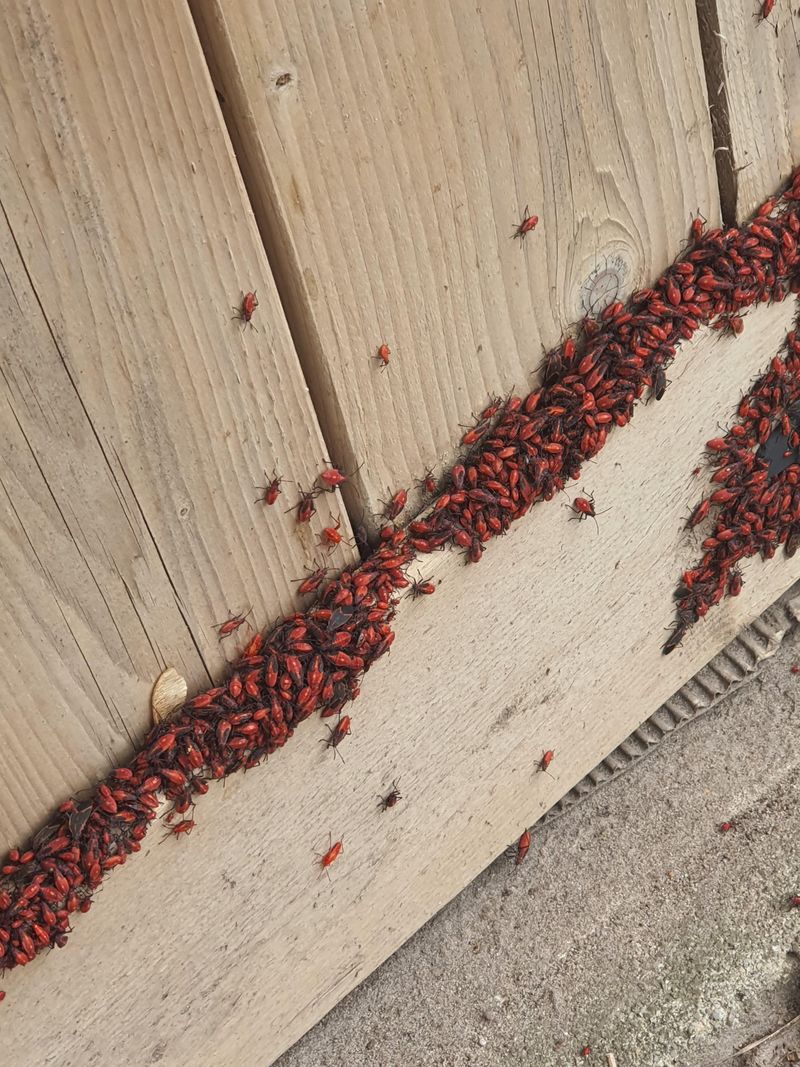
On the first genuinely warm day of a Michigan spring, south-facing and west-facing walls can heat up fast, and boxelder bugs notice immediately.
These insects are strongly attracted to warmth, and a sun-soaked wall after weeks of cold weather acts like a signal flare.
Dozens of them can appear on exterior siding within just a few hours of temperatures climbing past 50 degrees Fahrenheit.
What is happening is not a random gathering. Boxelder bugs that overwintered in wall voids, under siding, or in nearby debris piles are responding to solar heat radiating through surfaces.
They move toward that warmth instinctively, basking in it before eventually working their way back outside as temperatures stabilize.
This behavior peaks during those unpredictable Michigan days in March and April when afternoons feel almost warm but mornings are still cold.
Homeowners with dark-colored siding or brick exteriors often notice heavier activity because those surfaces absorb and hold more heat. This does not mean the home has a worse problem, just that the conditions are more attractive.
Watching bugs congregate on a sunny wall can feel unsettling, but most of them are simply warming up before dispersing toward nearby trees.
Knowing this pattern helps homeowners recognize normal spring behavior rather than assuming something unusual or new is happening around their property.
3. Windows Become Their Way Back Outdoors
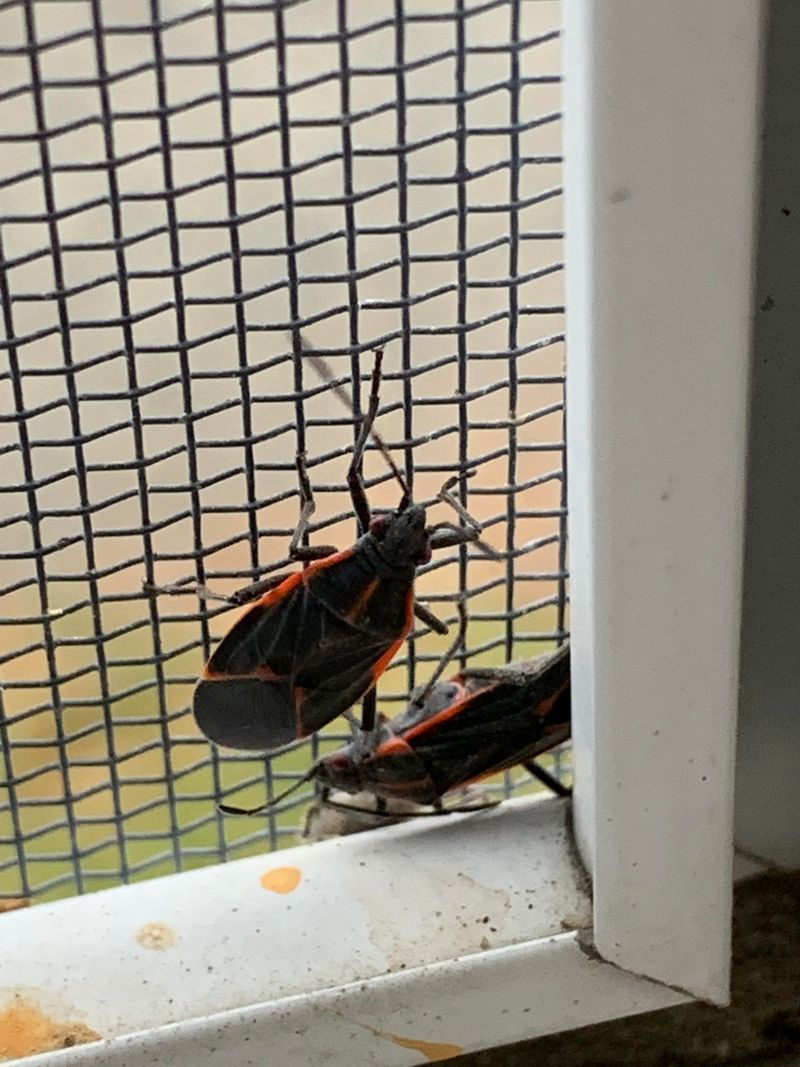
Windows are consistently the most common place Michigan homeowners find boxelder bugs during spring, and there is a straightforward reason for that.
Bugs that overwintered inside walls or attics instinctively move toward light as they become active again, and windows are the brightest spots in most rooms.
They congregate on glass and window frames, sometimes in noticeable numbers, trying to reach the warmth and light they sense on the other side.
This behavior can feel like an invasion, especially when bugs appear on multiple windows at once. But what is actually happening is more of an exit strategy.
The bugs are not trying to spread deeper into the home. They are attempting to get back outside.
Opening a window slightly on a warm day can actually help them leave on their own, though screens and weather conditions often make that tricky in early spring.
For indoor window clusters, a vacuum with a hose attachment works well. Running the vacuum along windowsills, frames, and the surrounding wall quickly removes bugs without releasing odor or causing staining.
Checking window seals and weatherstripping after spring activity dies down is a smart follow-up step.
Gaps around window frames are among the most common entry points boxelder bugs use in fall, so sealing those areas before September reduces how many make it inside to begin with, which directly affects what homeowners see each spring.
4. Nearby Boxelder And Maple Trees Keep Them Coming Back
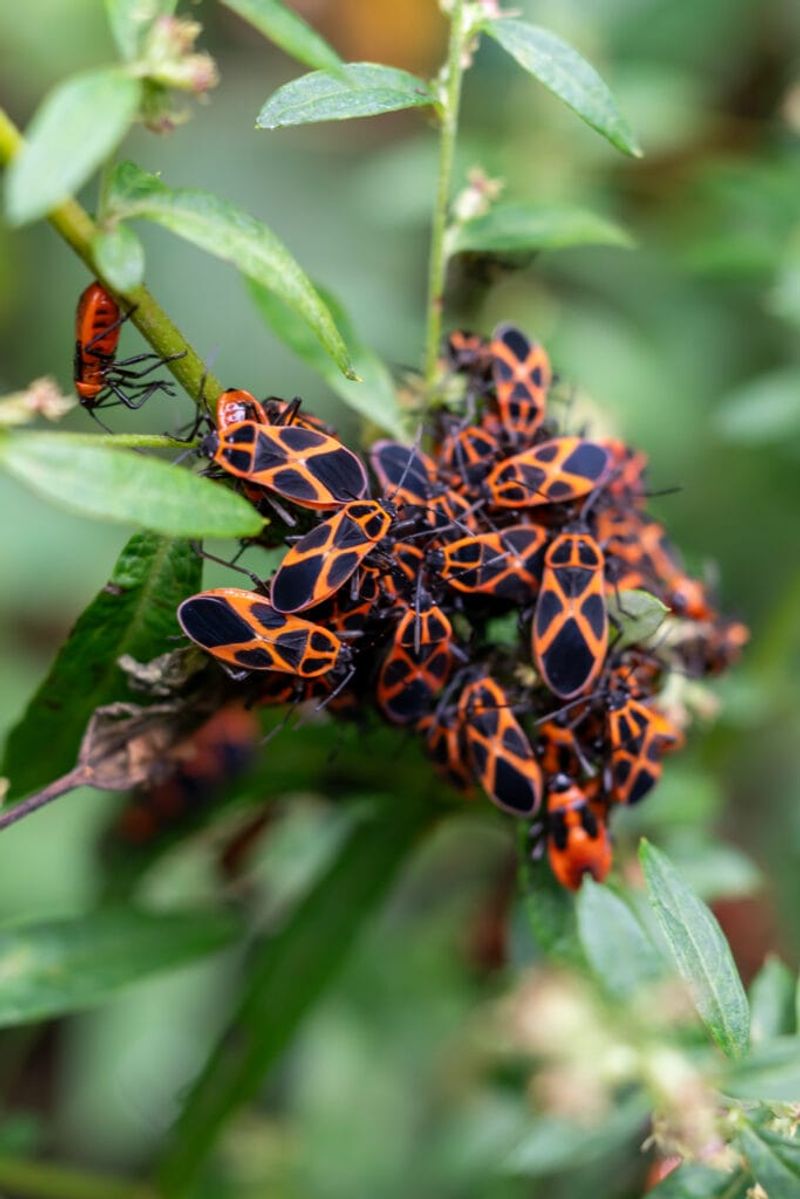
Year after year, the same homes in a neighborhood tend to see more boxelder bug activity than others, and the most common reason is tree placement.
Boxelder bugs feed primarily on the seeds and foliage of boxelder trees, which are a type of maple, and they also use silver maple and other maple species as secondary hosts.
If a yard has one of these trees, especially a female boxelder tree that produces seed pods, it is essentially offering a reliable food source that keeps populations nearby.
Female boxelder trees are the bigger draw because they produce the seed clusters that boxelder bugs prefer to feed on throughout late summer and fall.
The closer that tree is to the house, the shorter the distance bugs need to travel when they start looking for overwintering shelter in September and October.
Homes without nearby host trees tend to see far less activity, while homes with multiple trees close to the foundation often deal with heavier spring sightings year after year.
Removing a mature boxelder tree is a significant decision and not always practical, but it is one of the most effective long-term ways to reduce bug populations around a home.
For homeowners who prefer to keep their trees, focusing on sealing the home tightly before fall is the most realistic alternative.
Knowing which trees on your property are attracting bugs helps put the spring activity in context and points toward practical solutions.
5. Sunny Walls Turn Into Spring Gathering Spots
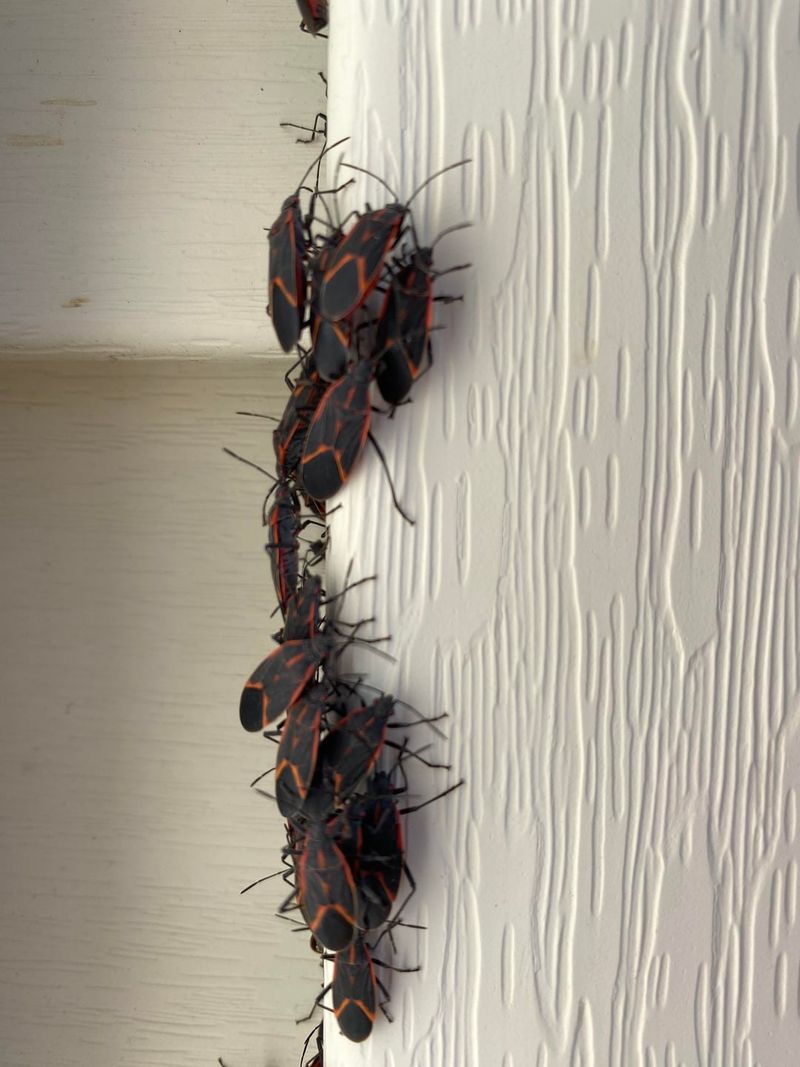
Walk around the south or west side of almost any Michigan home on a sunny April afternoon and there is a decent chance you will spot boxelder bugs gathered on the siding. This is not random.
These insects are ectothermic, meaning they rely on outside heat sources to regulate their body temperature, and a sun-warmed wall is one of the most efficient heat sources available to them in early spring when air temperatures are still inconsistent.
The aggregation behavior looks alarming when you first see it, especially if dozens of bugs are spread across a large section of siding. But this gathering is a normal part of their seasonal cycle.
They are basking, warming their bodies enough to become fully active after months of dormancy. Most of them will disperse on their own once temperatures become more stable and they locate their host trees nearby.
The practical concern is not the gathering itself but what happens when those bugs find gaps in the siding or around utility penetrations.
Warm walls are often where homeowners first spot cracks, gaps around conduit, or spaces near window trim that they had not noticed before.
Using that spring visibility as a prompt to inspect and seal those areas is genuinely useful.
Caulking and foam sealant applied in late spring or summer can help prevent the same bugs from finding their way inside when fall arrives and they start searching for overwintering sites again.
6. Freeze And Thaw Swings Push Them Into View
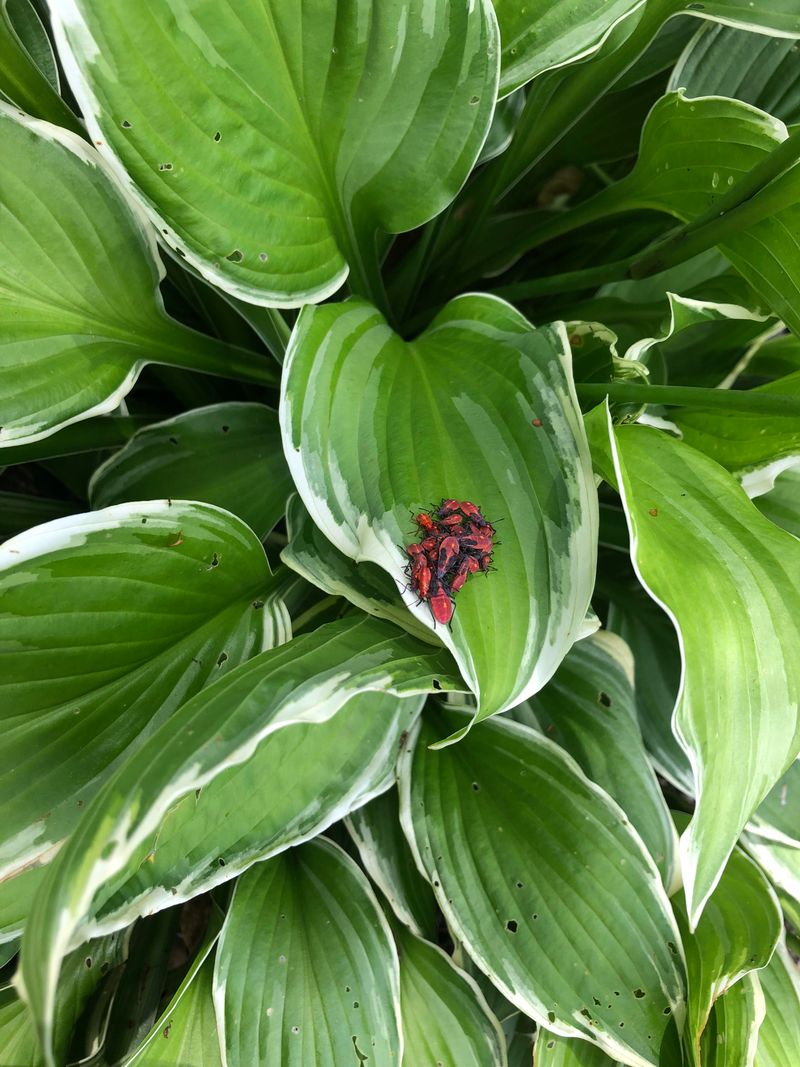
Michigan’s spring weather rarely moves in a straight line from cold to warm, and that back-and-forth pattern is one of the main reasons boxelder bug sightings seem so unpredictable.
A stretch of warm days can bring dozens of bugs out onto walls and windows, and then a cold snap sends them retreating again.
This yo-yo pattern repeats several times before temperatures finally stabilize, and each warm cycle produces a new wave of visible activity.
What is actually happening during these swings is that overwintering bugs respond to the warmth by becoming active and moving toward light and heat sources.
When temperatures drop again, they slow back down and pull away from exposed surfaces.
Homeowners sometimes think they have resolved the problem after a cold stretch reduces visible bugs, only to see them reappear when the next warm spell arrives. This cycle is completely normal for Michigan springs.
The freeze-thaw pattern also affects how bugs behave indoors. Bugs sheltering inside wall voids may move deeper into the structure during a cold snap and then push toward interior living spaces again when warmth returns.
Residents might notice a few bugs inside after a warm day, even if they had not seen any for a week.
Recognizing this rhythm helps homeowners stay calm and respond consistently, vacuuming up visible bugs as they appear rather than assuming the problem is escalating each time a new warm day brings a fresh round of activity.
7. What Looks Like A New Infestation Is Often An Old One
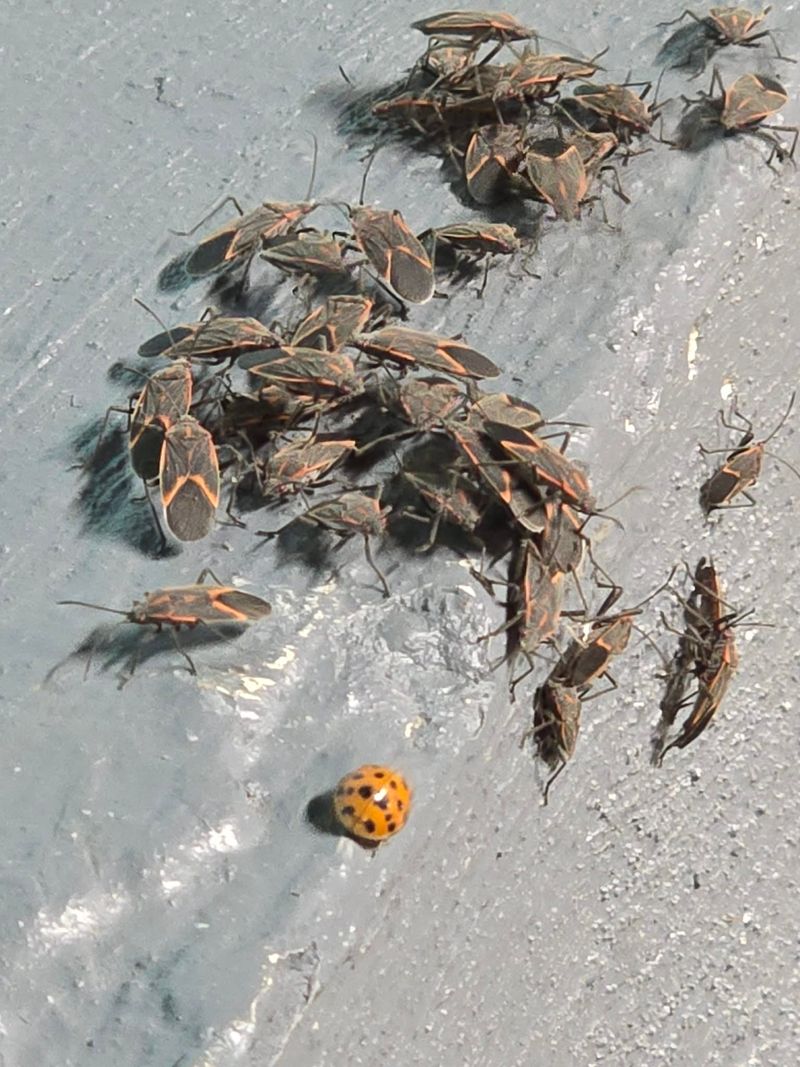
Seeing a sudden surge of boxelder bugs inside the house in April can feel like the problem came out of nowhere, but in most cases the population was already there.
The bugs that appear on interior walls, windowsills, and light fixtures in spring are the same ones that entered the home the previous fall.
They were simply inactive and hidden in wall voids, attic spaces, or behind insulation while temperatures were low.
This distinction matters because it changes how homeowners should respond. Treating spring activity as an active, incoming infestation leads to reactive approaches that often do not address the real issue.
The more useful response is to vacuum up visible bugs, note where they are appearing most frequently, and use that information to guide a fall exclusion project.
Repeated spring appearances in the same rooms or along the same walls often indicate specific entry points that have not been sealed.
Boxelder bugs are nuisance pests, not structural pests. They do not chew wood, damage insulation, or reproduce indoors.
Their main drawbacks are the sheer number that can accumulate and the faint staining their waste can leave on light fabrics or painted surfaces.
If spring activity is heavy year after year, that is a sign that the home has accessible entry points and nearby host trees creating ideal conditions.
Addressing those two factors together, sealing the structure and understanding the tree situation, gives homeowners the most realistic path to reducing what they see each spring.