Why Brown Patches Keep Appearing In South Carolina Lawns
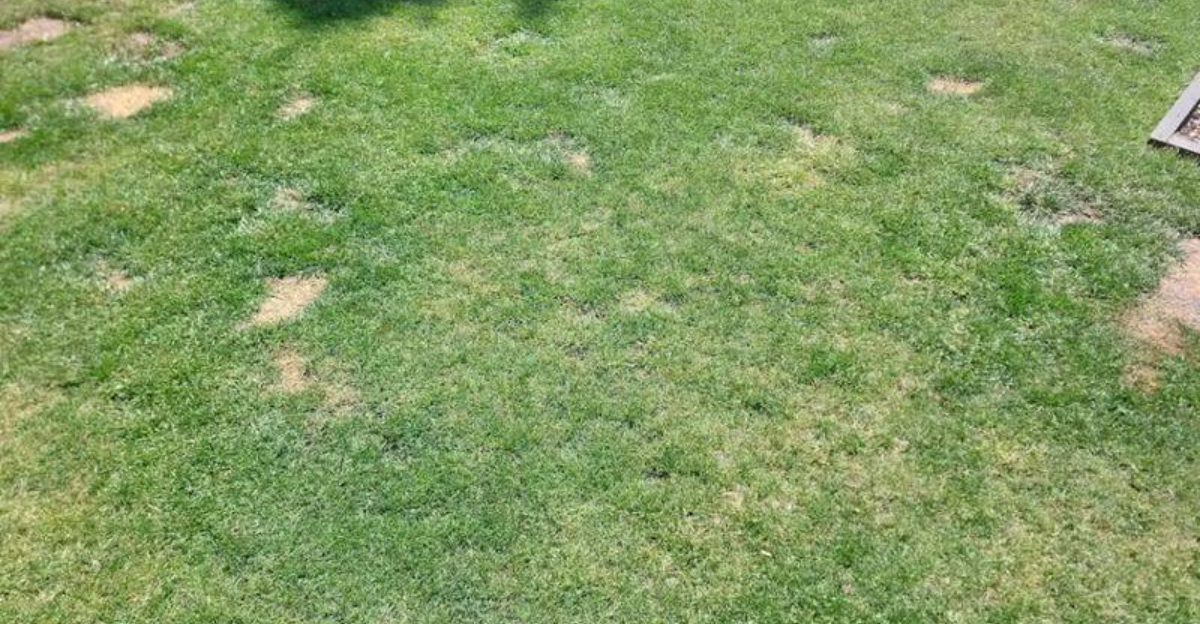
South Carolina lawns go through a lot over the course of a year.
Heat, humidity, sudden rain, and shifting soil conditions all take their turn, and sometimes the grass shows signs of stress.
Brown patches often appear without warning, leaving homeowners scratching their heads and wondering what went wrong.
The truth is, lawn issues are rarely caused by just one thing.
In South Carolina, environmental factors often stack up, creating conditions that challenge even well-maintained yards.
From watering habits to soil health, small details can add up quickly.
Understanding what your lawn is responding to makes fixing the problem far less frustrating.
Instead of guessing or overcorrecting, knowing the common causes helps homeowners take steady, effective steps.
Brown areas don’t signal failure; they’re signals asking for attention.
With the right approach, many lawns can regain their color and strength.
A little patience and insight can turn patchy grass into a healthier, more resilient yard.
High Humidity Creates Ideal Conditions For Lawn Fungal Diseases
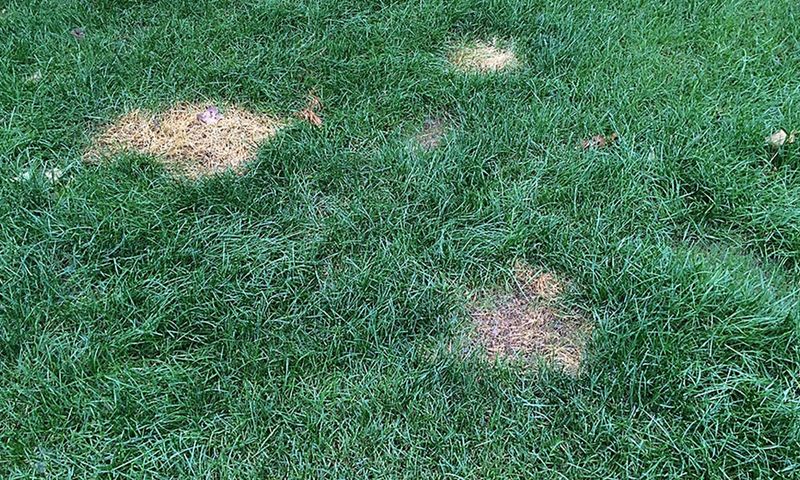
South Carolina’s warm, sticky summers create a paradise for lawn fungi that love moisture and heat.
When temperatures climb above 80 degrees and humidity hangs thick in the air, fungal spores find perfect conditions to multiply rapidly across your turf.
Brown patch fungus thrives when nighttime temperatures stay above 68 degrees with high humidity levels that keep grass blades damp for extended periods.
Large patch disease targets warm-season grasses like zoysia and St. Augustine during spring and fall transitions when moisture levels peak.
Dollar spot appears as small, silver-dollar-sized brown circles that can merge into larger affected areas throughout the growing season.
These fungal diseases spread quickly through your lawn, creating circular or irregular brown patches that expand outward from a central infection point.
The humid coastal regions and Lowcountry areas of South Carolina experience particularly severe outbreaks because moisture never fully evaporates from grass blades.
Improving air circulation by trimming overhanging branches helps reduce humidity at ground level.
Choosing disease-resistant grass varieties suited to your specific region also provides better natural defense against these persistent fungal invaders that plague South Carolina lawns throughout the warmer months.
Nighttime Watering Encourages Fungal Growth
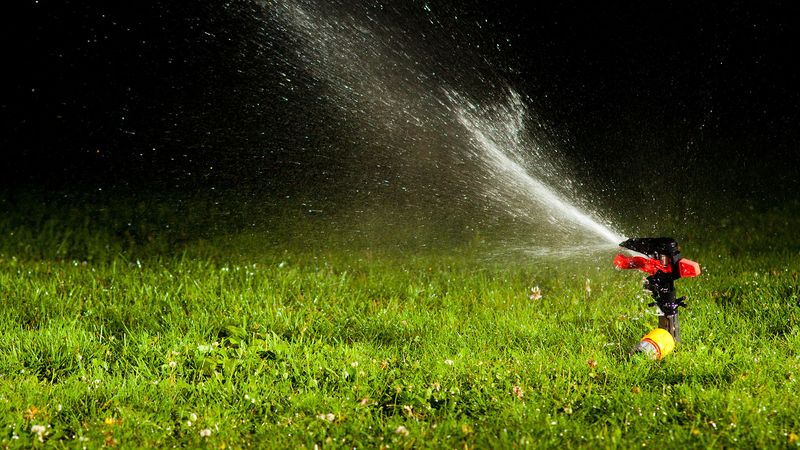
Watering your lawn after the sun goes down might seem convenient, but this timing creates serious problems for turf health.
Grass blades that stay wet for more than eight consecutive hours become vulnerable to fungal infection because spores germinate most successfully on moist leaf surfaces.
Evening irrigation means your lawn remains damp throughout the entire night when temperatures cool down and dew naturally forms on vegetation.
This extended wetness period gives fungi ample opportunity to penetrate grass tissue and establish infections that appear as brown patches within days.
Morning watering allows sunshine and breezes to dry leaf blades quickly, limiting the window of vulnerability to just a few hours instead of all night long.
South Carolina’s naturally high humidity already keeps grass moist longer than in drier climates, so adding nighttime irrigation compounds the problem significantly.
Automatic sprinkler systems programmed to run at night contribute to recurring brown patch outbreaks that homeowners struggle to control season after season.
Adjusting your watering schedule to early morning hours between 4 and 9 a.m. dramatically reduces fungal disease pressure.
Your grass receives necessary moisture while having plenty of time to dry before evening arrives again with its natural dew formation.
Excessive Nitrogen Fertilizer Weakens Grass

More fertilizer doesn’t always mean better results, especially when it comes to nitrogen applications during hot weather.
Grass that receives too much nitrogen grows rapidly with soft, succulent tissue that lacks the structural strength to resist disease and environmental stress.
This fast growth depletes the plant’s energy reserves because roots can’t keep pace with the excessive top growth happening above ground.
Summer fertilization with high-nitrogen products pushes warm-season grasses beyond their natural growth patterns during periods when they should be conserving energy.
The resulting weak, sappy growth becomes a magnet for fungal pathogens that easily penetrate thin cell walls and establish infections throughout your lawn.
Brown patch fungus particularly loves nitrogen-rich grass because the excess nutrients create ideal conditions for rapid disease spread from blade to blade.
Over-fertilized lawns also require more frequent mowing, which stresses plants further and creates additional entry points for disease organisms.
Following soil test recommendations rather than guessing at fertilizer needs prevents nitrogen overload that weakens your turf.
Applying lighter, more frequent feedings during cooler months keeps grass healthy without promoting the excessive growth that leads to brown patch outbreaks during summer heat.
Compacted Clay Soils Restrict Root Health

Underneath South Carolina’s lawns lies heavy clay soil that presents ongoing challenges for healthy turf establishment.
Clay particles pack tightly together, creating dense soil with minimal pore space for air and water movement through the root zone.
Grass roots struggle to penetrate compacted layers, resulting in shallow root systems that can’t access moisture or nutrients from deeper soil levels.
Foot traffic, lawn equipment, and even heavy rainfall gradually compress clay soils further over time, worsening the compaction problem with each passing season.
Restricted oxygen availability in compacted soil stresses grass plants because roots require adequate air exchange to function properly and support healthy top growth.
When roots can’t grow deep and strong, your entire lawn becomes more vulnerable to drought stress, disease pressure, and temperature extremes that manifest as brown patches.
Compacted areas often appear as thin, weak turf that browns out faster than surrounding sections with better soil structure.
Core aeration performed annually in spring or fall creates channels through compacted layers, allowing roots to expand into previously inaccessible soil zones.
Topdressing aerated lawns with compost gradually improves soil structure by adding organic matter that loosens clay particles and enhances water infiltration and root development over multiple growing seasons.
Poor Drainage Leads To Root Rot And Turf Decline
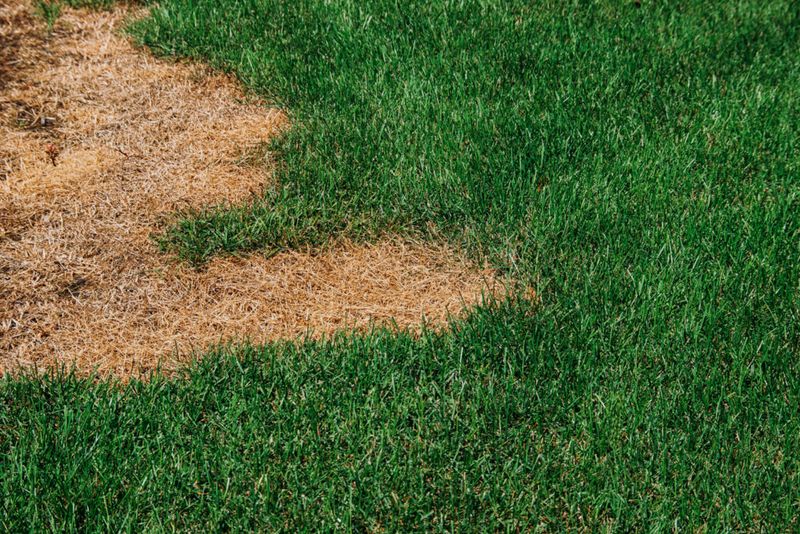
Water pooling on your lawn after storms signals serious drainage issues that suffocate grass roots and promote disease.
South Carolina receives abundant rainfall, especially during summer thunderstorm season when several inches can fall within hours.
Low-lying areas, heavy clay soils, and improper grading cause water to accumulate rather than drain away, creating soggy conditions that persist for days after rain events.
Grass roots require oxygen to survive, and waterlogged soil contains no air space for roots to breathe or function normally.
Extended saturation literally drowns roots, causing them to deteriorate and lose their ability to absorb water and nutrients even after soil finally dries out.
Fungal pathogens thrive in consistently wet soil, attacking weakened roots and causing rot that spreads upward into grass crowns and leaf tissue.
Brown patches appear in poorly drained areas first because stressed plants succumb to disease and environmental pressure faster than healthy turf growing in well-drained locations.
Installing French drains, regrading problem areas, or creating rain gardens helps redirect excess water away from lawn areas.
Aerating compacted soil improves water infiltration rates so rainfall percolates downward instead of running off or pooling on the surface where it causes ongoing turf damage throughout the growing season.
Low Mowing Heights Stress Warm-Season Grasses

Cutting grass too short might create that golf course look, but it seriously compromises your lawn’s health and resilience.
Warm-season grasses like bermuda, zoysia, and centipede have specific height requirements that support strong root development and stress tolerance.
Mowing below recommended heights removes too much leaf surface area, reducing the plant’s ability to photosynthesize and produce energy for growth and recovery.
Scalped grass exposes soil to direct sunlight, increasing surface temperatures and moisture loss while weakening the plant’s natural defense systems against disease and pests.
Short grass develops shallow roots because the limited leaf area can’t support extensive underground growth, making your lawn vulnerable to drought and heat stress.
Brown patches appear more readily on closely mowed lawns because stressed plants lack the vigor to resist fungal infections or recover from environmental challenges.
Each mowing at improper heights further weakens your turf, creating a downward spiral of declining health that becomes increasingly difficult to reverse.
Raising your mower deck to the upper end of your grass type’s recommended range immediately reduces stress and promotes deeper rooting.
Bermuda grass thrives at 1 to 2 inches.
Zoysia prefers 1.5 to 2.5 inches.
Centipede performs best at 1.5 to 2 inches of maintained height.
Thatch Buildup Harbors Fungal Spores And Pests
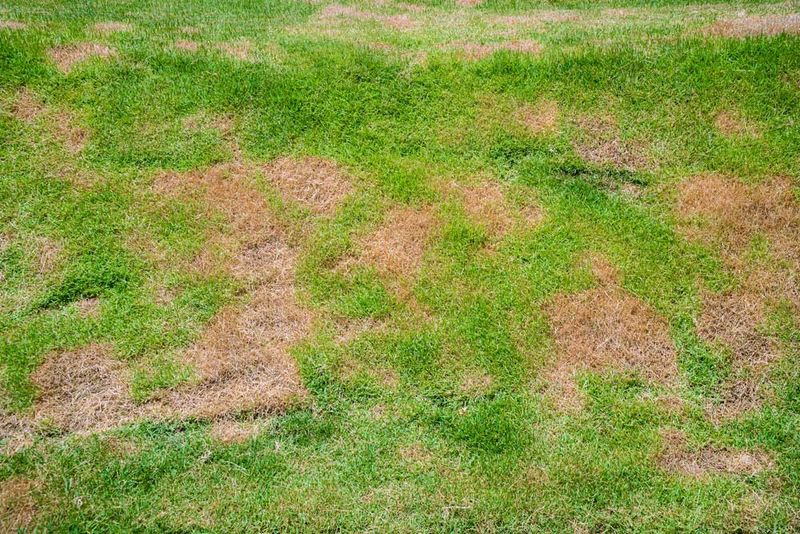
That spongy feeling underfoot when walking across your lawn indicates excessive thatch accumulation that creates hidden problems.
Thatch consists of living and partially decomposed grass stems, roots, and organic debris that accumulates between green grass blades and soil surface.
A thin layer provides beneficial cushioning and insulation, but anything exceeding half an inch becomes problematic for turf health.
Thick thatch acts like a sponge, holding moisture against grass crowns and creating the perfect humid environment for fungal spores to germinate and spread.
Disease organisms overwinter in thatch layers, emerging each spring to reinfect your lawn with brown patch, dollar spot, and other fungal diseases.
Insects like chinch bugs and sod webworms nest within thatch, feeding on grass while protected from predators and pesticide treatments.
Water and fertilizer struggle to penetrate dense thatch, meaning your grass roots don’t receive adequate nutrients despite your best maintenance efforts.
Dethatching with a power rake or vertical mower removes excessive buildup when thatch exceeds half an inch thickness.
Core aeration helps break down thatch naturally by introducing soil microorganisms that decompose organic matter more efficiently.
This gradually reduces accumulation without the aggressive disruption of mechanical dethatching equipment that can stress your lawn temporarily.
Shade Reduces Airflow And Sunlight
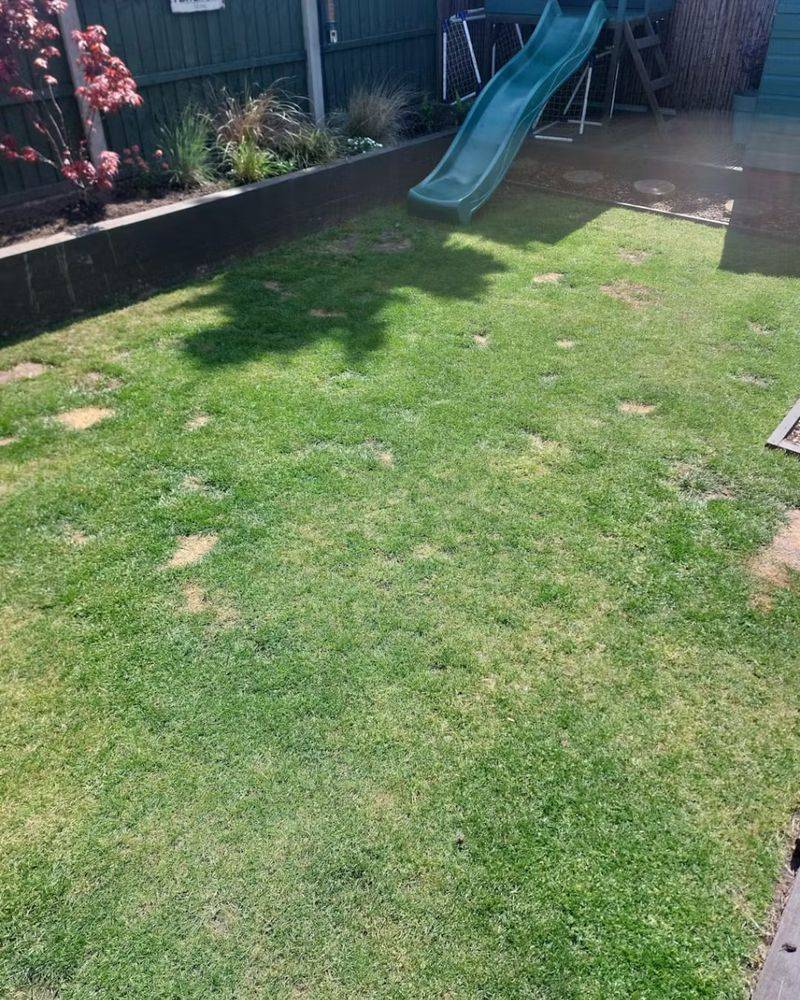
Beautiful mature trees provide wonderful shade for outdoor living spaces but create challenging conditions for grass growing beneath their canopies.
Most warm-season grasses require at least four to six hours of direct sunlight daily to maintain healthy growth and density.
Shaded areas receive insufficient light for photosynthesis, resulting in thin, weak turf that struggles to compete with tree roots for water and nutrients.
Limited air movement under tree canopies keeps grass blades damp longer after rain, dew, or irrigation, extending the moisture period that encourages fungal disease development.
Shade also prevents morning sun from quickly drying grass, compounding the humidity problem that plagues South Carolina lawns throughout the growing season.
Brown patches appear more frequently in shaded sections because stressed grass lacks the vigor to resist disease pressure or recover from fungal infections.
Tree leaves falling throughout the year smother grass and create additional organic debris that holds moisture and harbors disease organisms.
Pruning lower branches and thinning tree canopies increases light penetration and improves air circulation at ground level.
Selecting shade-tolerant grass varieties like St. Augustine or certain zoysia cultivars provides better performance in areas receiving limited sunlight.
Bermuda and other sun-loving grasses cannot thrive successfully in these conditions.
Insect Damage Mimics Fungal Brown Patches
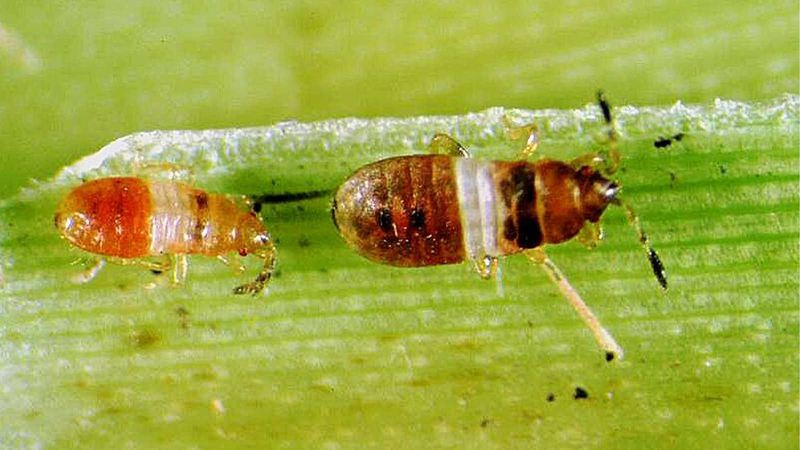
Not all brown patches result from fungal diseases, as several destructive insects create similar symptoms that confuse homeowners.
Chinch bugs pierce grass blades and suck plant juices, injecting toxic saliva that causes yellowing followed by browning in irregular patches.
These patches expand rapidly during hot weather.
These tiny pests prefer sunny, drought-stressed areas.
They can devastate bermuda and St. Augustine lawns throughout South Carolina’s long, warm growing season.
Grubs feed on grass roots below the soil surface.
They sever the connection between roots and green blades above ground.
Affected turf wilts and browns despite adequate moisture because damaged roots can’t absorb water.
Sections often peel back like loose carpet when you tug on browned areas.
Sod webworms chew grass blades at night, creating irregular brown spots.
These spots appear similar to disease damage but include visible chewing marks upon close inspection.
Army worms can strip entire lawns overnight during outbreak years.
They leave behind brown stubble that looks catastrophic but often recovers with proper care.
Examining brown patches closely for insects helps with correct diagnosis.
Inspecting soil for grubs is essential.
Looking for characteristic damage patterns helps distinguish pest problems from fungal diseases.
Proper identification ensures you apply appropriate treatments.
This prevents wasting money on fungicides when insecticides are actually needed.
Seasonal Stress During Heat Waves Weakens Lawns
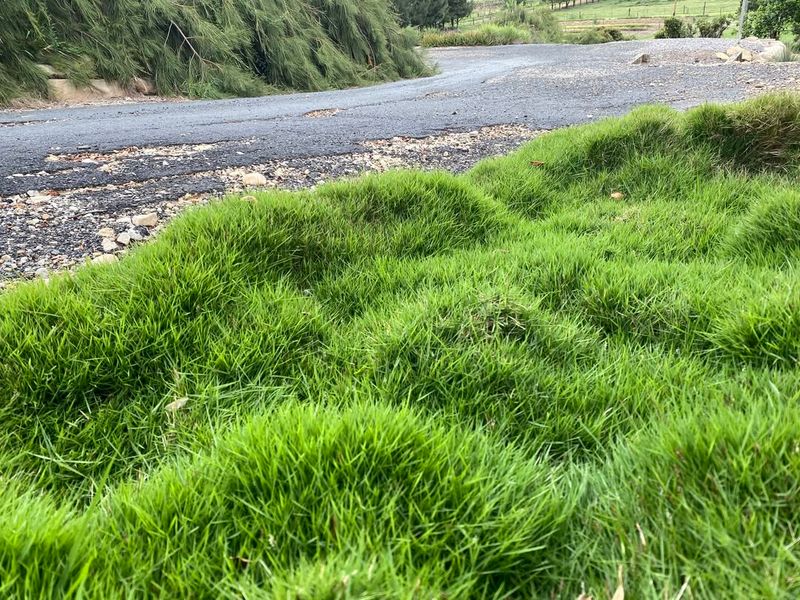
Summer heat waves push warm-season grasses to their physiological limits.
This reveals weaknesses that appear as widespread brown patches.
When temperatures exceed 95 degrees for consecutive days with minimal rainfall, even heat-tolerant bermuda and zoysia grasses enter survival mode.
They reduce active growth to conserve resources.
Grass conserves moisture by allowing older leaf blades to brown and wither.
Crowns and root systems remain protected for eventual recovery.
Recovery occurs when conditions improve.
Prolonged heat stress depletes the plant’s energy reserves.
This weakens natural defense mechanisms against disease, pests, and environmental challenges.
Brown patches appearing during heat waves often result from multiple stressors working together.
They are rarely caused by a single identifiable problem.
Shallow-rooted grass in compacted or poorly prepared soil suffers most severely.
Limited root systems cannot access moisture from deeper soil layers.
Areas near pavement, driveways, and buildings experience additional heat stress.
Reflected and radiated heat intensifies temperature effects on surrounding turf.
Providing supplemental irrigation during extended heat waves helps grass maintain basic functions.
Excessive growth should be avoided during these periods.
Avoiding fertilization and heavy maintenance allows grass to focus on survival.
This improves recovery chances when temperatures moderate.
Normal rainfall patterns typically resume in fall.