Why California Bird Of Paradise Plants Fail To Bloom Indoors
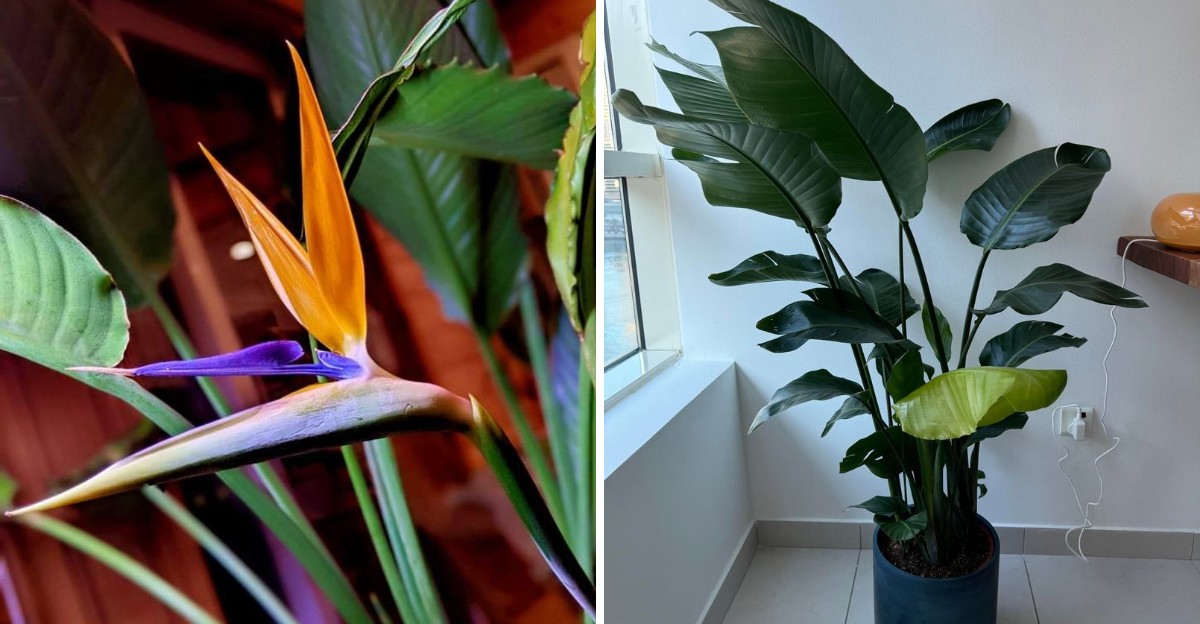
Leaves: plenty. Stalks: tall and proud. Flowers: zero. That scoreboard looks familiar to a lot of indoor plant owners across California.
A bird of paradise can sit happily in a sunny corner for years and grow bigger every spring. It still keeps its famous orange and blue blooms completely to itself.
The owner waters. The owner feeds. The owner waits. And waits. So what is the plant holding out for?
The answer rarely comes down to one big mistake. More often, a few small details quietly team up behind the scenes.
Some involve the room. Some involve the pot. One or two involve a surprising amount of patience.
The good news is that each piece can be adjusted. With the right tweaks, that stubborn scoreboard can finally change.
The reward looks like a tropical bird that landed right in your living room.
Ready to find out what your plant has been waiting for? Grab a notepad and find a sunny spot. It is finally time to even the score.
1. Insufficient Light Is The Most Common Cause
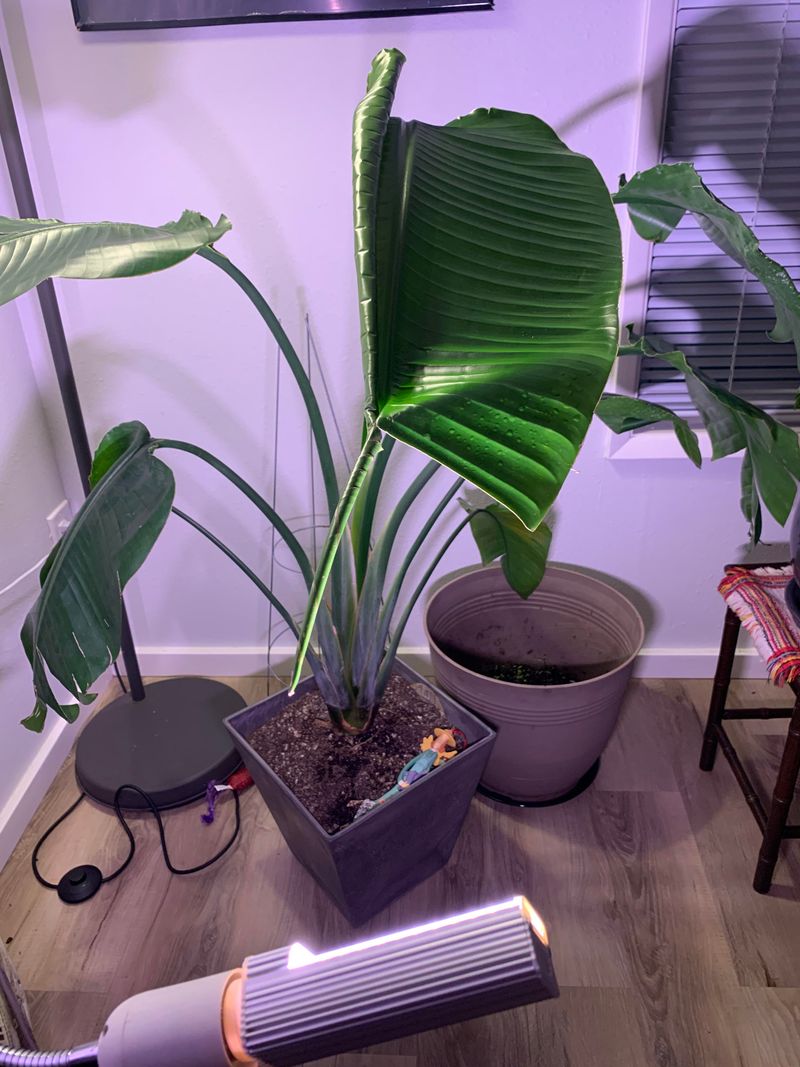
A sunflower stuck in a closet might stay green for a while. It will not put on much of a show, though.
Bird of paradise works much the same way.
In coastal California and its native South Africa, Strelitzia reginae soaks up hours of strong sun every day. That energy feeds the big, beak-shaped flowers people love.
Indoors, the plant often gets just enough light for leaves.
Leaves are cheap for the plant. Flowers are expensive, and the plant spends energy on them only when it has plenty to give.
A lush, leafy bird of paradise with zero flowers often signals a light budget that barely breaks even.
This plant needs full sun to bright light to flower well. Several hours of direct sun each day makes a good target.
A spot a few feet back from a window, even a bright one, usually falls short.
Now try a few quick checks, and they take less than a minute:
Look at the plant’s shadow at midday. A crisp, dark shadow means strong light, while a fuzzy one means weak light.
Notice leaves that lean hard toward the window, since a stretch like that is a cry for more sun. Count how many hours direct rays actually touch the leaves. Dim results usually point to light as the main problem, so fix that first.
Your plant is basically a sun worshipper stuck in an office job. Give it a window seat, and it may finally feel ready to celebrate.
2. Indoor Plants Rarely Get Enough Direct Sun
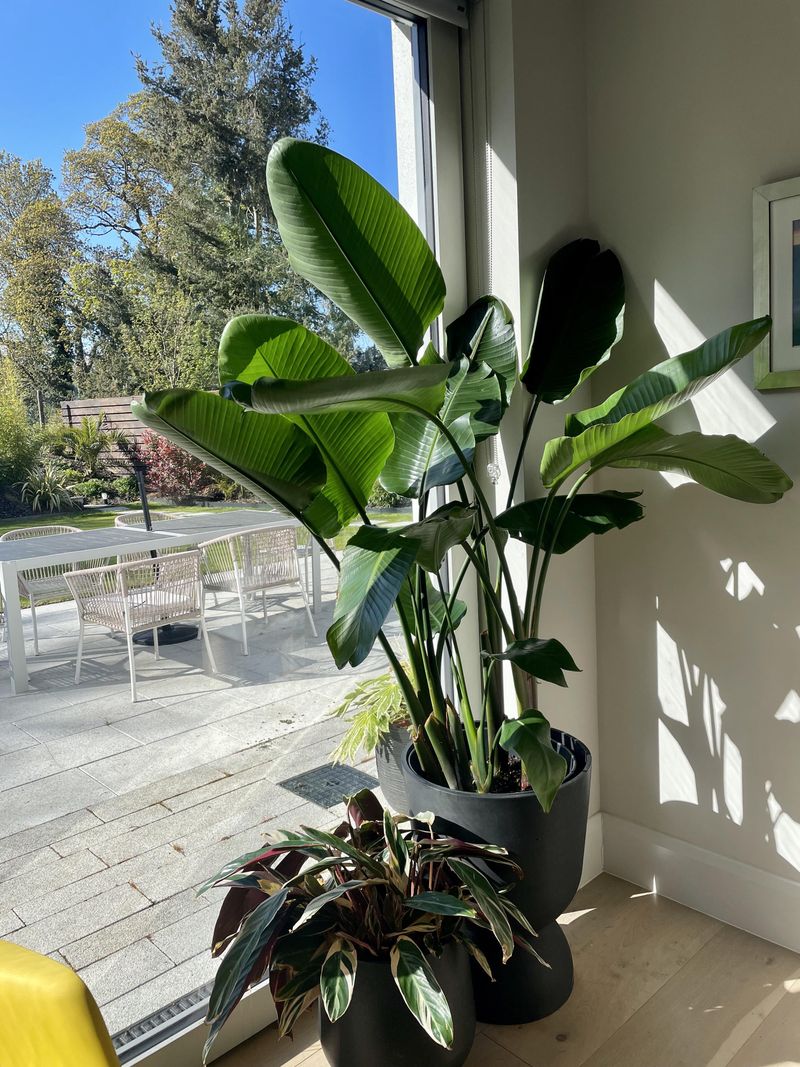
This number surprises most plant owners. Full summer sun outdoors can reach around 10,000 foot-candles.
A spot a few feet inside a bright window may get only a few hundred, or maybe 1,000. Eyes adjust so well that indoor light feels bright, even at a tiny fraction of outdoor sun.
Window glass, screens, overhangs, trees, and nearby buildings all cut light down.
Light strength also drops fast with distance from the window. A plant six feet back gets far less than one right against the glass.
Your California Garden Changes Every Week. Your Plan Should Too.
Gardening in California changes quickly throughout the season. Every Friday you’ll receive a simple weekly plan showing exactly what to plant, prune, fertilize, harvest, and protect so you never miss the right timing.
For bird of paradise, which evolved in open, sunny places, that gap is huge. It is like a marathon runner in training on one snack a day.
South-facing windows usually give the best results in the Northern Hemisphere. West-facing windows make a solid runner-up.
Keep the plant close to the glass, but keep leaves off cold panes in winter.
Now for a summer vacation idea, because this plant loves the great outdoors. Many growers move their plants outside once nights stay above about 50 degrees.
Go slowly, with shade first and more sun over a week or two, or the leaves can scorch.
A strong full-spectrum grow light helps darker homes. Place it close to the leaves and run it 12 to 14 hours a day.
A light meter app can compare spots, though treat readings as rough guesses.
Your bird of paradise does not need a passport, just a sunny patio. That sounds like the best vacation deal around.
3. Young Plants Simply Need More Time
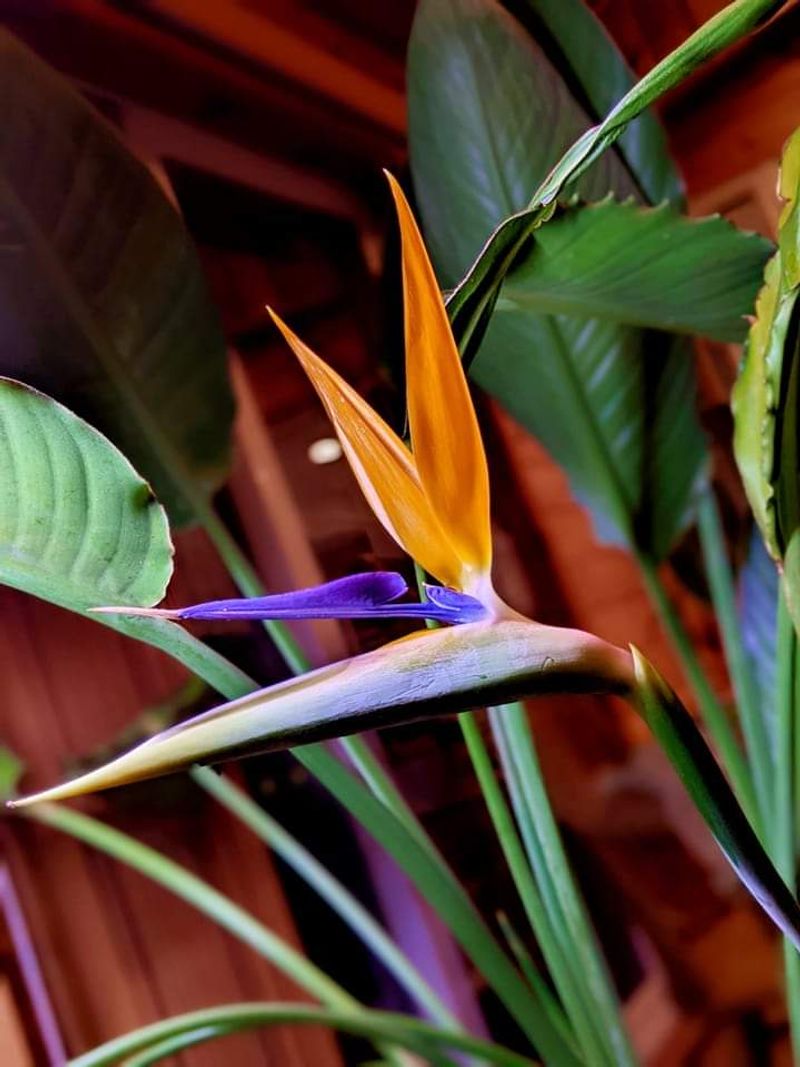
Nobody expects a toddler to drive a car. In plant years, a small bird of paradise from the garden center often sits in the toddler stage.
Strelitzia reginae usually needs several years before it feels ready to flower. Plants grown from seed often take around three to five years.
Indoors, where growth runs slower, the wait can stretch longer. Treat those numbers as a general range, not a promise.
Size matters more than the date on the calendar. A plant ready to bloom usually forms a thick clump with many stalks, often called fans.
A clump with about five or more mature fans tends to have a better chance. That is a rule of thumb, not a strict law.
Now size up your own plant, because a quick count tells you a lot:
Count the separate fans of leaves that rise from the soil.
Check leaf size, since big, sturdy, paddle-shaped leaves suggest an older plant.
A single stem with a handful of leaves probably just needs more time.
One more detail can save plenty of confusion. The giant white bird of paradise, Strelitzia nicolai, often gets sold as a houseplant too.
That cousin rarely blooms indoors, mostly because it grows huge before it flowers. A glance at the plant tag clears things up.
Your plant is still a kid, and kids grow up fast. Before long, it may surprise you with its first colorful graduation outfit.
4. Being Slightly Root Bound Can Help
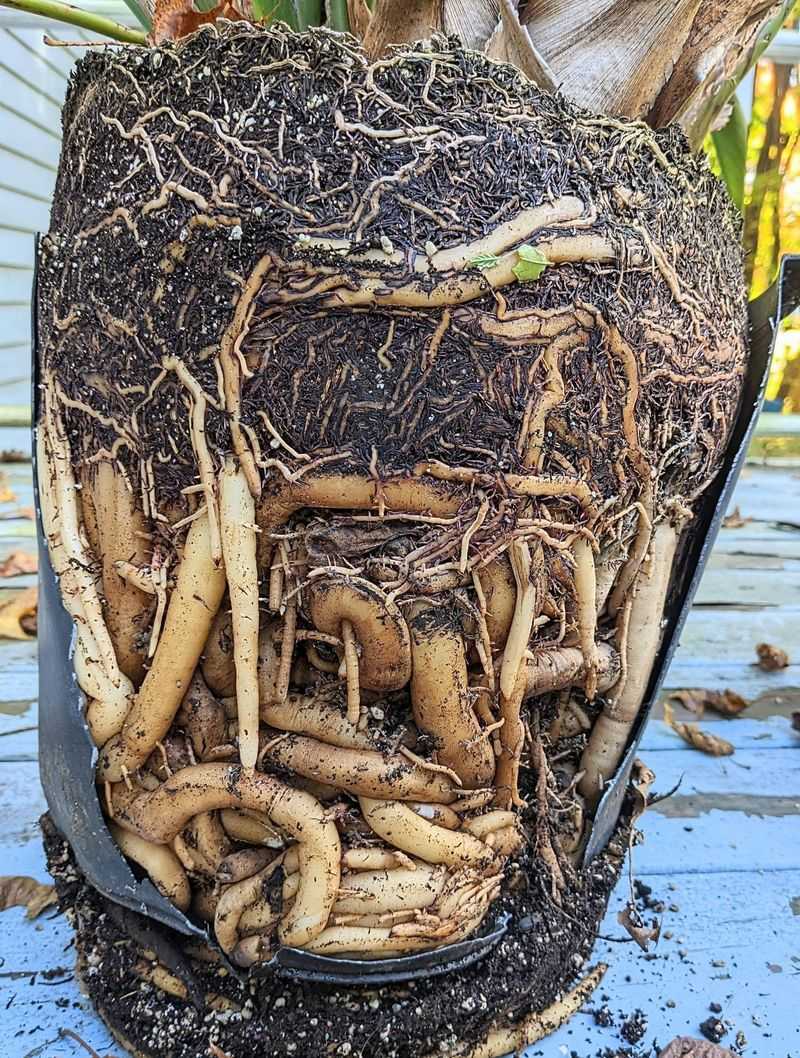
Most houseplant advice says to give roots plenty of room. With bird of paradise, the story flips a bit, and that twist catches plenty of people off guard.
This plant tends to bloom better once its roots feel a bit crowded in the pot.
The exact reason is not fully settled. One common idea is that a snug pot nudges the plant toward flowers instead of endless new roots and leaves.
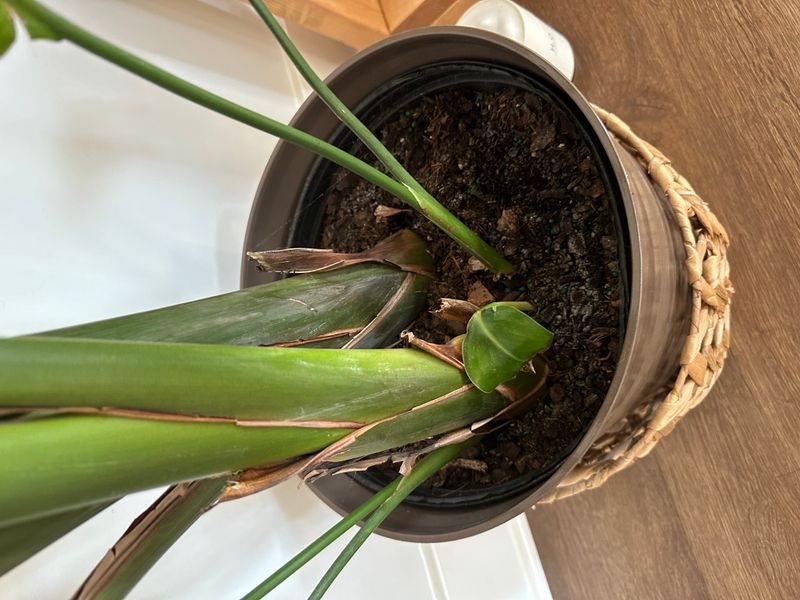
A recent move into a much bigger pot could explain the missing flowers. A giant pot invites the plant to spend a long time on roots first.
It can also hold extra water, which raises the risk of soggy soil and root rot.
Now for a few smart habits, because pot size is a balance game: Repot only once roots circle tightly, poke out the bottom, or crack the pot. Move up just one size, about two inches wider, instead of a big jump.
Pick a heavy pot, since a crowded, top-heavy plant can tip over. Repot in spring, so the plant has a full season to settle in.
Slightly root bound is the goal, not completely jammed. Water that runs straight through without a soak signals a problem.
So does soil that dries out within a day. Either one means it is time for a modest upgrade.
A little squeeze helps, but too much leaves the plant struggling. Your bird of paradise likes its pot like a favorite pair of jeans: snug, but still comfy.
5. Consistent Care Beats Occasional Extra Effort
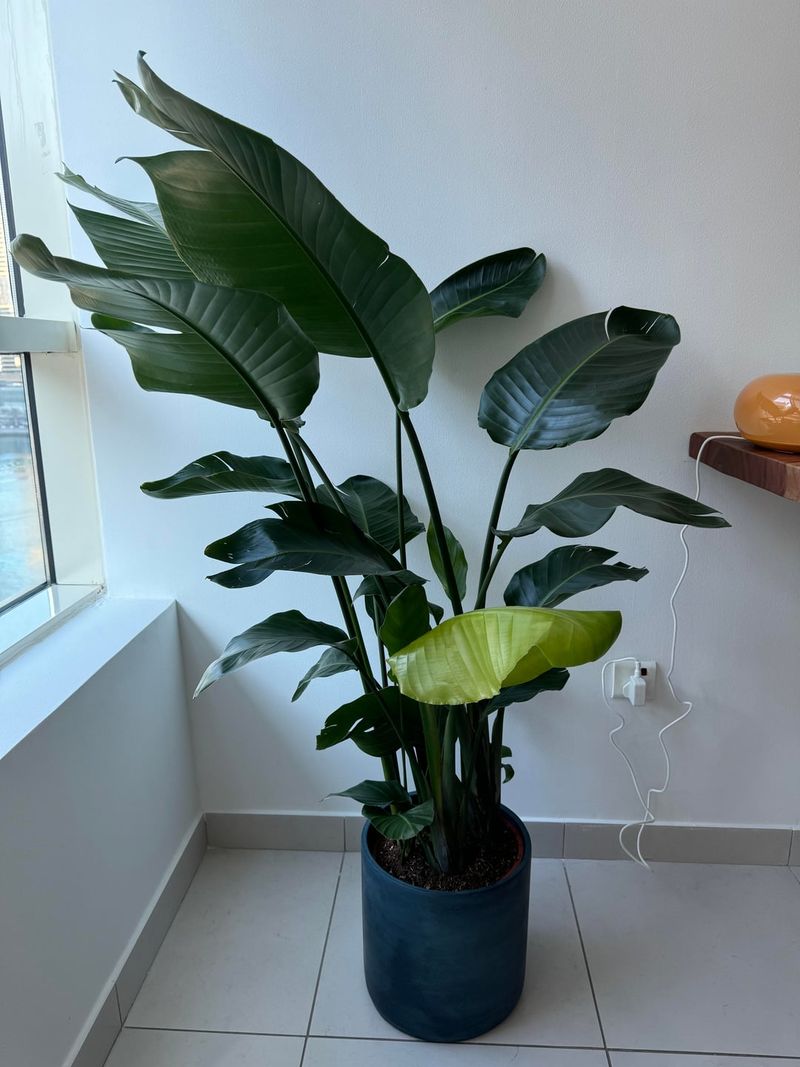
A friend who vanishes for weeks and then shows up with a giant gift is nice. Steady kindness, though, means more.
Bird of paradise builds energy slowly over many months before it flowers.
Big swings in care can stress the plant. Weeks without water followed by a soak, or skipped meals followed by a strong dose, both qualify.
Stressed plants tend to focus on survival, not blooms.
Through spring and summer, water once the top inch or two of soil feels dry. Let extra water drain out, and keep the pot out of standing puddles.
In fall and winter, water less often.
Fertilizer matters as well. A balanced fertilizer every two to four weeks in the warm season is a common approach.
Too much nitrogen can push lots of leaves and few flowers, so go easy.
Now build a simple routine, because boring habits often bring exciting results: Set a weekly reminder to check the soil with your finger. Feed on a regular schedule instead of whenever it crosses your mind. Wipe dusty leaves so they can soak up more light.
Keep the plant in one good spot instead of frequent moves.
Every move forces the plant to adjust all over again. Once you find a bright location that works, let it stay put.
Your plant thrives on routine, just like a cat that expects breakfast at exactly seven. Unlike the cat, though, it will not yell at you when you are late.
6. A Cool Winter Rest Can Trigger Blooms
Many plants use the seasons like an alarm clock. A cooler, calmer stretch in winter can tell bird of paradise to get ready for a new round of growth.
In its native South Africa, winters are mild but noticeably cooler.
Indoor plants may bloom more reliably after a winter rest with cooler nights, often around 50 to 55 degrees, and less water.
Research on exact temperatures for houseplants is limited. Treat this as a helpful practice, not a guaranteed switch.
Most homes stay warm and even all year. That constant comfort may blur the seasonal signals the plant would normally get.
A cool, bright room, like a sunporch or a spare bedroom with a sunny window, can help.
Now set up a simple winter retreat, and it takes very little effort:
From late fall to late winter, let the soil dry a little more between drinks.
Pause the fertilizer until spring growth begins.
Keep nights cool, but keep the plant well away from freezing temperatures, since frost badly damages leaves.
Keep light as bright as possible, because winter sun runs weaker.
Cold drafts from doors and dry blasts from heater vents can both scar the leaves, so choose the spot carefully.
Once spring arrives, bring back regular water and fertilizer. That shift from rest to growth is often when flower buds start to form.
Your plant gets a cozy winter nap, a bit like hibernation minus the bear. Come spring, it may wake up with big plans.
7. Patience Matters More Than Any Quick Fix
Gardeners have an old saying: the best time to plant a tree was 20 years ago. Bird of paradise is not quite that slow, but it rewards the same long view.
No single trick unlocks flowers. Light, age, pot size, steady care, and a seasonal rest all work together.
A fix for one while the others get ignored often leads to more waits and plenty of frustration.
Even after good changes, results take time. Flower stalks form slowly.
A plant that just got better light may need a full warm season, or more, before buds appear. Many growers report blooms from late winter through spring, though indoor schedules vary.
Now start a simple plant journal, because it makes slow progress easy to see:
Note where the plant sits and how many hours of sun it gets.
Record each drink, fertilizer dose, and repot.
Snap a monthly photo to track new fans and leaf size.
A look back over a year reveals patterns fast. Leaves that stretch in winter, for example, point to a light dip.
Bloom boosters that promise overnight success can stay on the store shelf. Extra fertilizer will not make a young or light-hungry plant flower. It can even burn the roots.
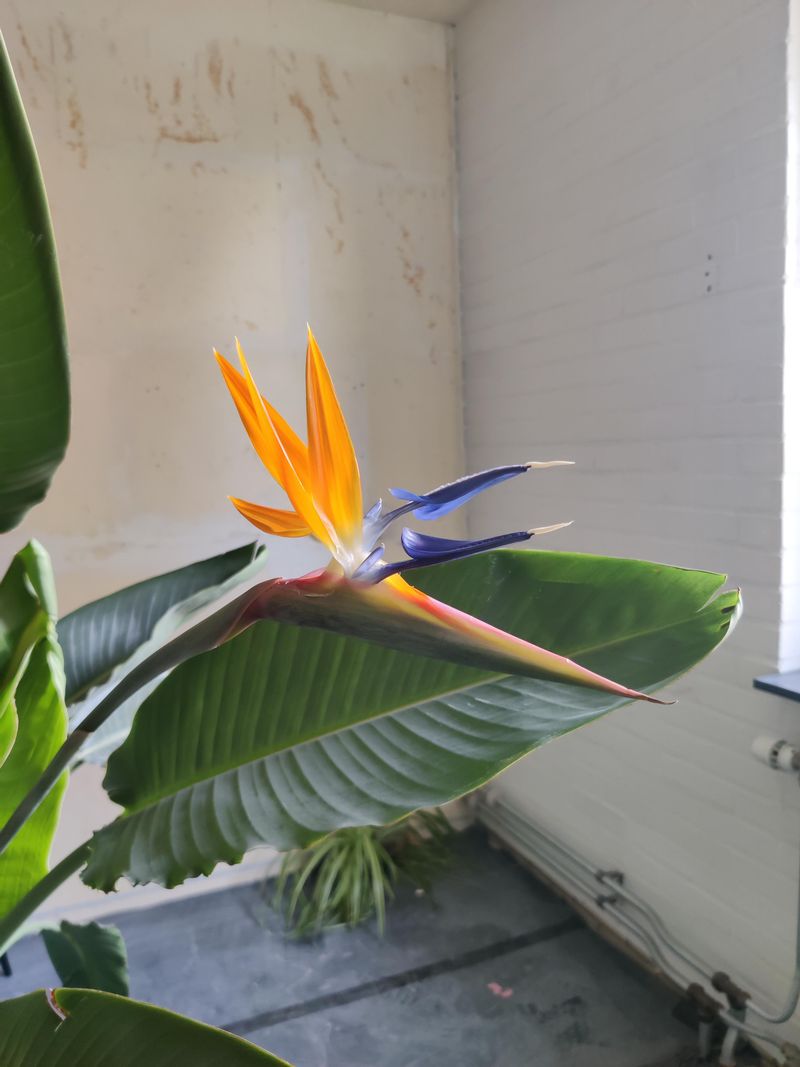
When that first orange and blue bloom finally opens, every patient month will feel worth it.
That flower looks like a tropical bird that landed right in your living room. Honestly, it might be the most rewarding houseguest you ever host.