Why California Gardeners Add Coffee Grounds Around Plants In December

December brings cooler days to California gardens, yet many gardeners stay one step ahead by turning to an everyday kitchen staple.
Coffee grounds often find a second life outdoors, scattered gently around plants as winter settles in.
This simple habit blends common sense with a bit of garden wisdom passed down through the years.
As soil cools and growth slows, gardeners look for easy ways to protect roots, enrich the ground, and make the most of what they already have on hand.
Coffee grounds fit the bill, adding texture to the soil and helping it hold onto moisture when rain becomes scarce.
Many gardeners enjoy how this small step keeps them connected to their garden even in winter.
A morning cup of coffee turns into afternoon care for the yard, creating a steady rhythm that carries plants through December and sets the stage for stronger growth down the road.
1. They Enrich Soil With Nitrogen For Winter Growth
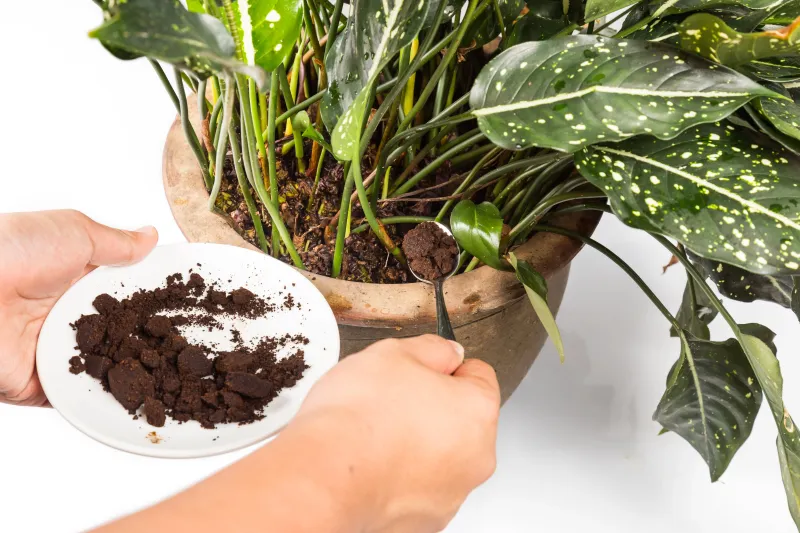
Coffee grounds contain about two percent nitrogen, making them an excellent addition to garden soil when plants need extra nutrients.
December in California means many gardens continue growing while temperatures stay mild, unlike freezing climates where everything goes dormant.
Adding nitrogen-rich materials during this month helps vegetables, flowers, and shrubs maintain healthy green leaves and strong stems.
When you spread coffee grounds around your plants, tiny organisms in the soil break them down over several weeks.
This slow release means your plants get a steady supply of nutrients rather than one big dose that might wash away with winter rains.
California gardeners appreciate this gradual feeding because December often brings unpredictable weather patterns with both dry spells and sudden downpours.
Nitrogen supports the production of chlorophyll, which gives leaves their green color and helps plants convert sunlight into energy.
Without enough nitrogen, plants develop pale yellow leaves and grow slowly, which can be especially problematic for winter vegetables like lettuce, kale, and broccoli that many California gardeners plant in fall.
Used coffee grounds work best when mixed into the top few inches of soil or spread as a thin layer on the surface.
Avoid piling them too thick, as they can form a water-resistant crust that prevents moisture from reaching plant roots.
A quarter-inch layer spread around each plant provides plenty of benefits without causing problems, and you can reapply every few weeks throughout the winter season.
2. Coffee Grounds Improve Soil Structure And Drainage
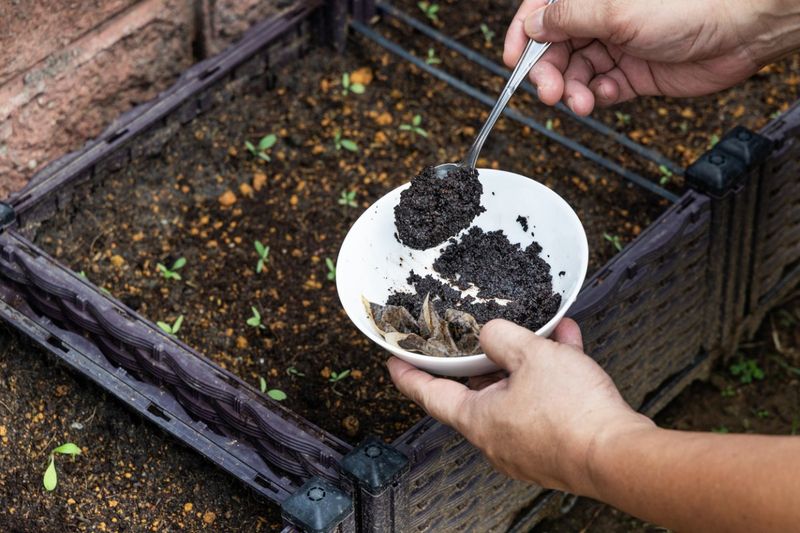
Soil structure matters tremendously for plant health, especially in California where clay-heavy soil dominates many regions.
Organic matter like coffee grounds helps break up dense clay particles, creating spaces for air and water to move through the soil more easily.
December represents an ideal time to improve soil structure because winter rains help incorporate amendments deeply into the ground.
When coffee grounds mix with soil, they encourage beneficial microorganisms that produce sticky substances binding soil particles into small clumps called aggregates.
These aggregates create a crumbly texture that roots can penetrate easily while still holding moisture and nutrients.
Many California gardeners struggle with either heavy clay that stays waterlogged or sandy soil that drains too quickly.
Coffee grounds help both situations by improving clay drainage while helping sandy soil retain more moisture and nutrients.
This balanced approach makes them valuable across different California microclimates, from coastal areas to inland valleys.
Adding organic matter in December also prepares beds for spring planting.
By the time warm weather arrives, the coffee grounds will have broken down significantly, leaving behind improved soil that supports vigorous spring growth.
This forward-thinking approach saves time and effort when the busy spring gardening season begins.
For best results, mix coffee grounds with other organic materials like shredded leaves or compost.
This combination provides a wider range of nutrients and prevents any single material from dominating your soil composition.
California gardeners often have access to year-round yard waste, making it easy to create balanced soil amendments throughout winter months.
3. They Attract Earthworms That Aerate The Ground

Earthworms love coffee grounds and will actively seek them out as a food source.
These incredible creatures provide countless benefits to gardens by tunneling through soil and creating channels that improve air circulation and water infiltration.
December in California offers perfect conditions for earthworm activity since the soil stays moist but not frozen.
As earthworms eat coffee grounds and other organic matter, they produce castings that are essentially nutrient-rich fertilizer.
Worm castings contain five times more nitrogen, seven times more phosphorus, and eleven times more potassium than average soil.
This natural fertilizer becomes available to plants immediately without any processing or waiting period.
California gardens benefit enormously from active earthworm populations during winter months.
While plants grow more slowly in December, their roots continue developing underground.
The tunnels created by earthworms make it easier for roots to spread through soil and access water and nutrients from a larger area.
Attracting earthworms to your garden creates a self-sustaining cycle of soil improvement.
More earthworms mean better soil structure, which supports healthier plant growth, which provides more organic matter for earthworms to eat.
Coffee grounds help jumpstart this beneficial cycle by providing an attractive food source that brings earthworms to your garden beds.
You can observe earthworm activity by checking under mulch or gently digging in areas where you have applied coffee grounds.
Look for small granular piles on the soil surface, which are worm castings.
Their presence indicates healthy soil biology that will support robust plant growth throughout the year in your California garden.
4. Coffee Grounds Help Retain Moisture During Dry Spells
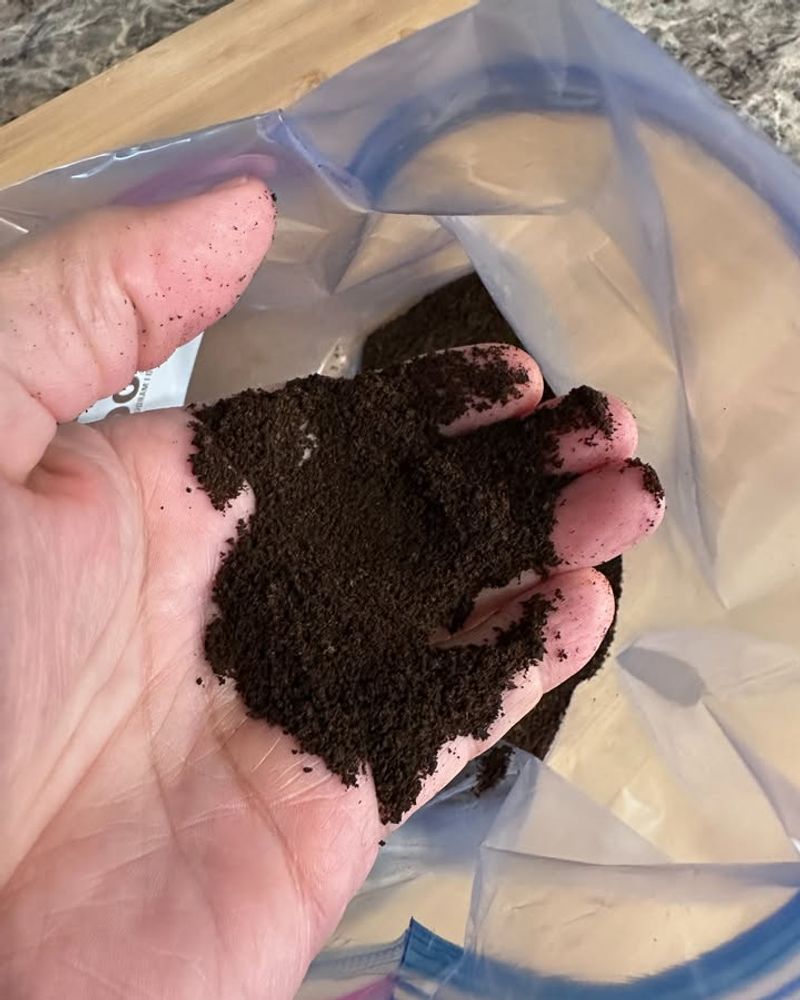
California winters bring unpredictable rainfall patterns, with some years delivering abundant rain while others remain disappointingly dry.
Coffee grounds act as a moisture-retaining mulch when spread around plants, helping soil stay damp longer between watering or rain events.
The organic particles in coffee grounds absorb water like tiny sponges.
When rain or irrigation water soaks into the soil, some moisture gets trapped in the coffee grounds rather than draining away immediately.
This stored water gradually releases back into the soil as the surface dries, extending the time between necessary watering sessions.
December represents a critical month for establishing moisture retention practices in California gardens.
Young plants and recent transplants need consistent moisture to develop strong root systems before hot weather arrives.
Coffee grounds help provide that consistency even when December rainfall proves sparse or irregular.
Moisture retention also benefits established plants by reducing water stress.
When soil stays evenly moist rather than cycling between soaking wet and bone dry, plants can focus energy on growth rather than survival.
This steady moisture supply supports healthier foliage, better flower production, and improved resistance to pests and diseases.
Combining coffee grounds with other mulch materials creates even better moisture retention.
Try layering coffee grounds under wood chips or shredded bark for maximum effectiveness.
The coffee grounds settle close to the soil surface where they can interact with plant roots, while the coarser mulch on top prevents the grounds from forming a crust and slows evaporation from the soil below, a strategy many California gardeners have perfected for water conservation.
5. They Provide A Natural Barrier Against Certain Pests

Slugs and snails plague California gardens year-round, but their activity increases during the damp conditions that December often brings.
Coffee grounds create a rough, abrasive texture that these soft-bodied pests prefer to avoid, making them think twice before crossing to reach your plants.
The caffeine in coffee grounds also acts as a natural deterrent to slugs and snails.
Research shows that caffeine is toxic to these creatures in concentrated amounts, and even the residual caffeine in used grounds can discourage them from feeding.
This provides a gentle way to protect tender seedlings and young plants without harsh chemicals.
December plantings in California often include cool-season vegetables like lettuce, spinach, and cabbage that slugs and snails find irresistible.
Creating a barrier of coffee grounds around these vulnerable plants can significantly reduce damage.
Reapply grounds after heavy rains wash them away to maintain protection throughout the winter months.
Some California gardeners report that coffee grounds also discourage ants, though results vary depending on the ant species and colony location.
The strong scent may interfere with the chemical trails ants use to navigate, causing confusion and encouraging them to seek easier paths.
This added benefit makes coffee grounds even more valuable as a multi-purpose garden amendment.
For maximum pest-deterrent effects, create a continuous barrier about two inches wide around each plant or bed.
Fresh grounds work better than older ones since they retain more caffeine and aromatic oils.
Many California coffee shops gladly provide used grounds for free, giving gardeners access to fresh supplies throughout December and beyond for ongoing pest management efforts.
6. Coffee Grounds Support Acid-Loving Plants Common In California
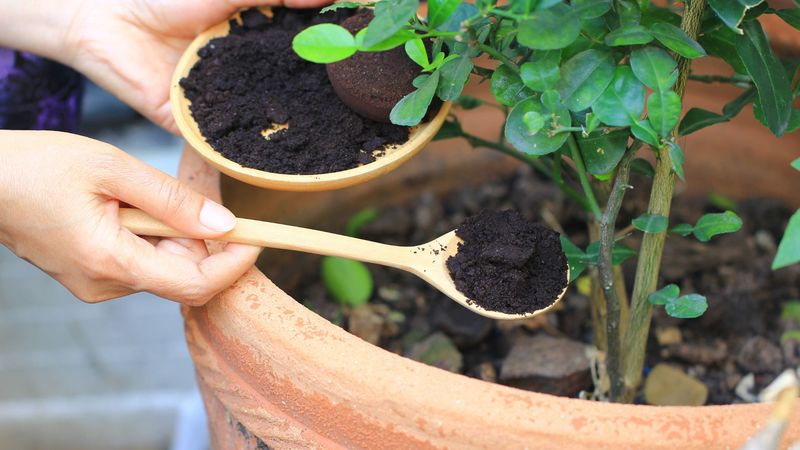
Many popular California landscape plants prefer slightly acidic soil, including azaleas, rhododendrons, camellias, blueberries, and hydrangeas.
Fresh coffee grounds have a pH around 6.5, which is mildly acidic, though used grounds are closer to neutral after brewing removes some acidic compounds.
December offers an excellent opportunity to adjust soil pH for acid-loving plants before their spring growth spurt begins.
Adding coffee grounds around these plants throughout winter allows the material to break down gradually, releasing acids that lower soil pH over time.
This slow adjustment prevents shocking plants with sudden pH changes that can stress their root systems.
California soils vary widely by region, with some areas naturally acidic while others lean alkaline.
Coastal regions often have more acidic soil due to higher rainfall and organic matter decomposition, while inland and desert areas tend toward alkaline conditions.
Coffee grounds help gardeners in alkaline areas grow acid-loving plants more successfully by creating localized pockets of lower pH soil.
The acidifying effect of coffee grounds works best when combined with other acidic materials like pine needles or peat moss.
This combination provides both immediate and long-term pH adjustment as different materials break down at various rates.
California gardeners can create custom soil blends for specific plants by adjusting the ratio of coffee grounds to other amendments.
Monitor soil pH annually using an inexpensive test kit available at garden centers.
Most acid-loving plants thrive in soil with pH between 5.0 and 6.5.
If your soil tests too alkaline, increase coffee ground applications; if it becomes too acidic, reduce the amount or add lime to balance the pH for optimal plant health across your California landscape.
7. They Reduce Waste While Supporting Sustainable Gardening
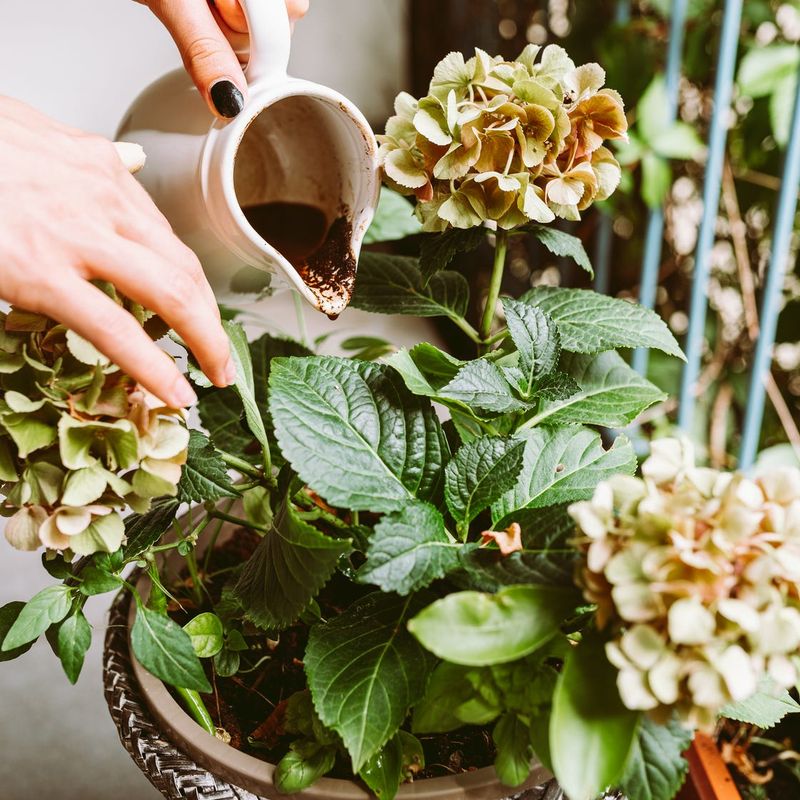
Sustainability matters increasingly to California gardeners who recognize the connection between healthy gardens and environmental stewardship.
Using coffee grounds in the garden diverts waste from landfills where it would produce methane, a potent greenhouse gas, as it decomposes without oxygen.
The average American drinks about three cups of coffee daily, generating substantial amounts of used grounds.
When multiplied across millions of California households, this represents tons of valuable organic matter that can enrich gardens instead of filling trash bins.
December provides a perfect time to establish a coffee ground collection routine that continues throughout the year.
Many California coffee shops participate in grounds giveaway programs, offering free five-gallon buckets of used grounds to gardeners.
This partnership benefits both businesses, which reduce waste disposal costs, and gardeners, who gain free soil amendments.
Building relationships with local cafes ensures a steady supply of grounds for your December garden projects and beyond.
Composting coffee grounds with filters creates even richer soil amendments.
The paper filters break down quickly, adding carbon to balance the nitrogen in grounds.
California gardeners can maintain active compost piles year-round thanks to mild winter temperatures, turning kitchen waste into black gold for spring planting.
Using coffee grounds demonstrates how small individual actions create meaningful environmental impacts.
Each pound of grounds diverted from landfills represents reduced methane emissions, decreased need for synthetic fertilizers, and improved soil health that supports biodiversity.
December gardening activities in California can set the tone for a more sustainable approach throughout the coming year, proving that environmental responsibility and beautiful gardens grow together naturally.