Why California Gardeners Are Obsessed With Salvia Right Now
Take a drive through almost any California neighborhood lately and one plant keeps showing up again and again. It spills over walkways, fills sunny corners, and somehow keeps looking fresh even when everything else starts to fade.
That plant is salvia, and it is quickly becoming a favorite for good reason.
Gardeners are drawn to it for more than just color. It handles heat, keeps blooming for long stretches, and brings in hummingbirds and pollinators without much effort.
In a state where water use and plant performance matter, that combination stands out.
It is the kind of plant that quietly earns its place, season after season. The more you notice where it thrives and how it behaves, the easier it becomes to see why so many yards are making room for it right now.
1. Long Bloom Season That Keeps Going
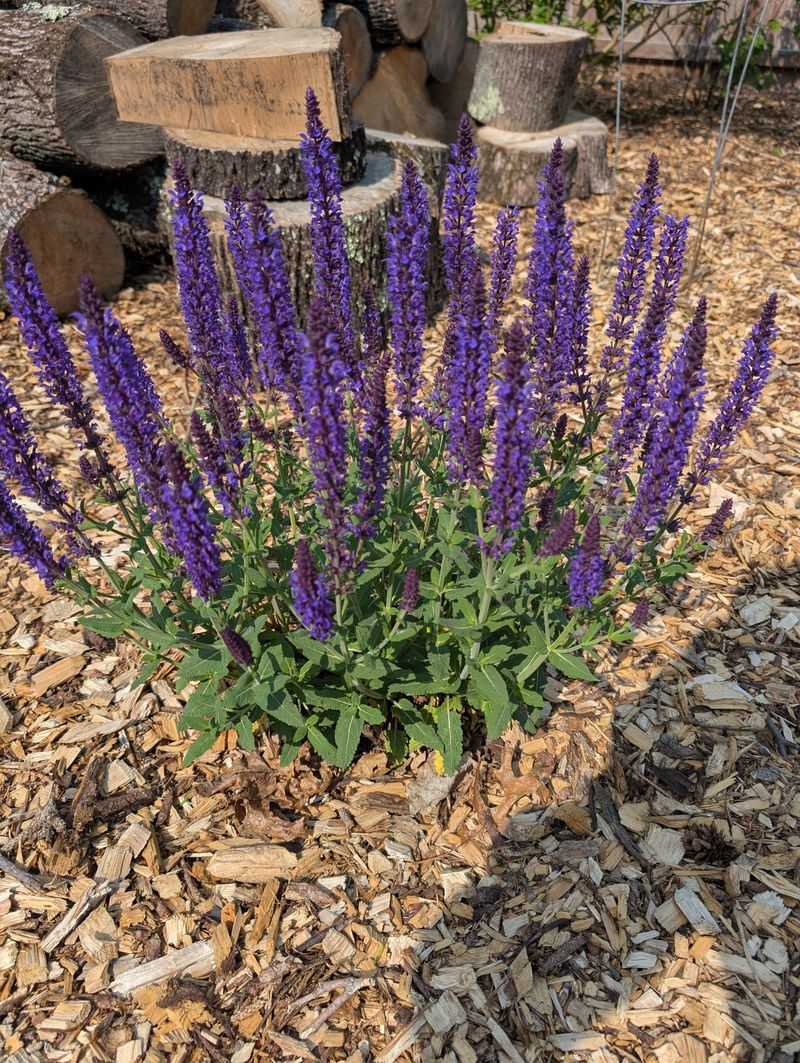
Ask any California gardener what they love most about salvia, and the bloom season almost always comes up first. While many flowering plants put on a show for just a few weeks, salvia keeps producing fresh blooms from spring all the way through fall.
That is months of color without much effort on your part.
Varieties like Salvia greggii and Salvia leucantha are especially known for their long flowering periods. In warmer parts of California, some types can continue blooming into mild winters, though flowering may slow during cooler periods.
Deadheading spent blooms encourages even more flowers to follow, giving you a nearly nonstop display.
For gardeners in California who want a yard that looks alive and colorful through the heat of summer and into the cooler months, salvia delivers in a big way. You do not need to replant every season or stress about gaps in your garden’s color.
Once salvia gets going, it just keeps giving. Pair different varieties together to layer bloom times and create a garden that always has something popping with color.
It is one of the smartest moves any California gardener can make for lasting visual impact all year long.
2. Handles Heat And Summer Dry Spells Beautifully
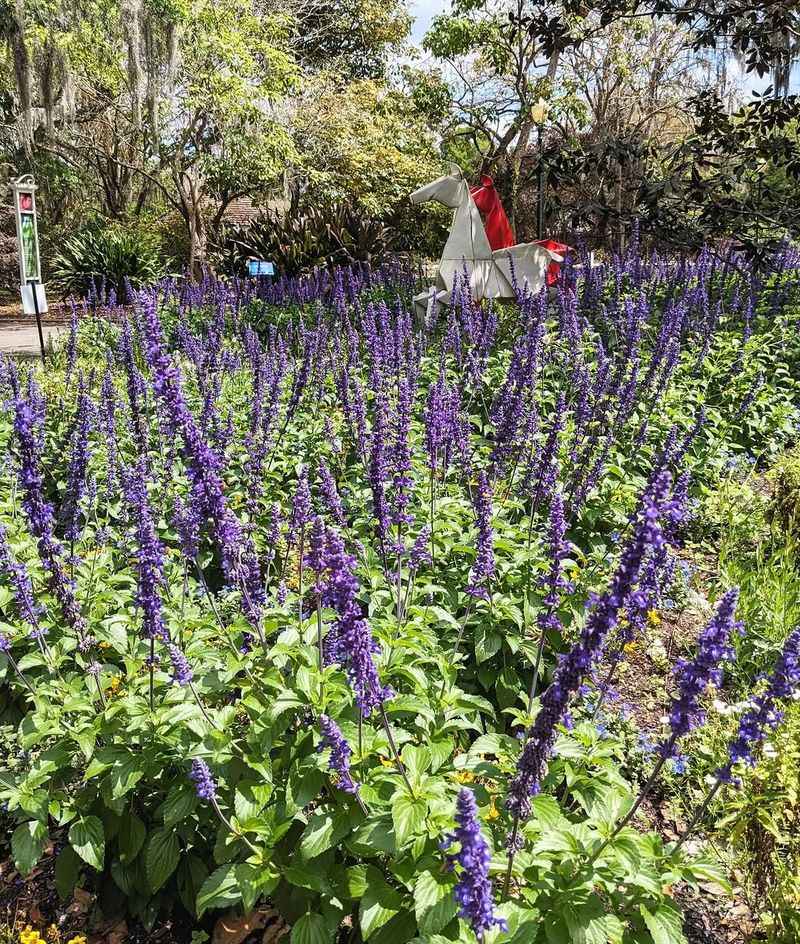
Summer in California can be brutal. Temperatures soar, rain disappears for months, and a lot of plants simply struggle to keep up.
Salvia, on the other hand, looks almost unbothered by the whole thing. Many salvia species originally come from dry, rocky regions around the world, so California’s hot and dry summers feel right at home to them.
Once established, most salvia varieties need very little supplemental watering. Their roots can grow deep, their leaves are often coated in fine hairs that help reduce moisture loss, and their stems are adapted to handle intense sun exposure.
In places like the Inland Empire or the Central Valley, where summer heat is especially intense, salvia keeps blooming when other plants wave the white flag.
Switching to drought-tolerant plants like salvia is also a smart financial move for California homeowners. Water bills during dry months can climb fast, and reducing irrigation needs saves real money over time.
Beyond the savings, using water-wise plants supports California’s ongoing conservation efforts. You get a garden that looks full and lush without draining precious resources.
Salvia proves that a yard can be both beautiful and responsible, making it a go-to choice for anyone gardening in the Golden State’s challenging climate conditions.
3. Pollinators Keep Flocking To It
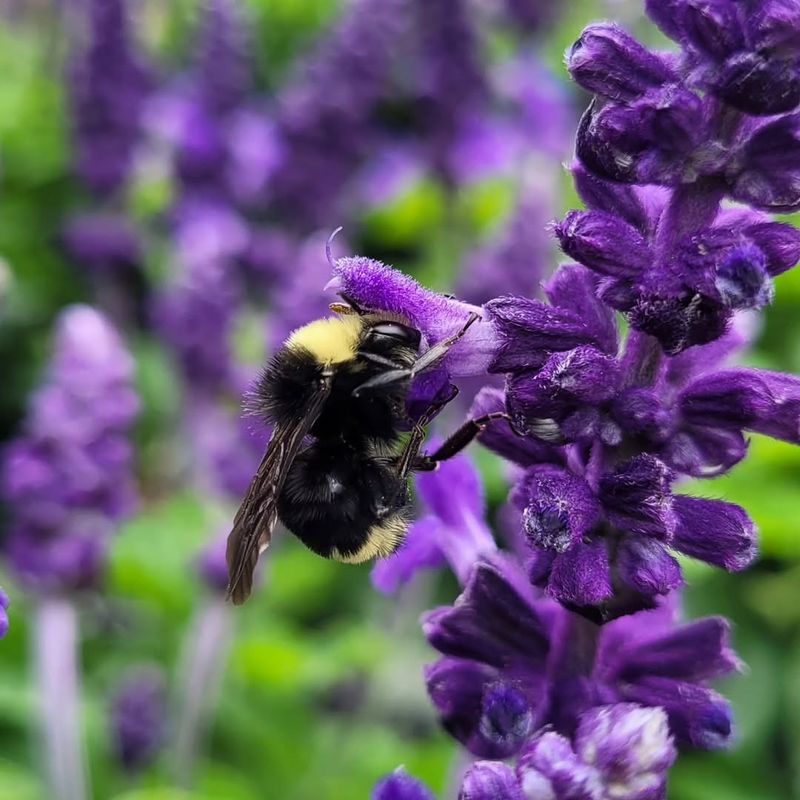
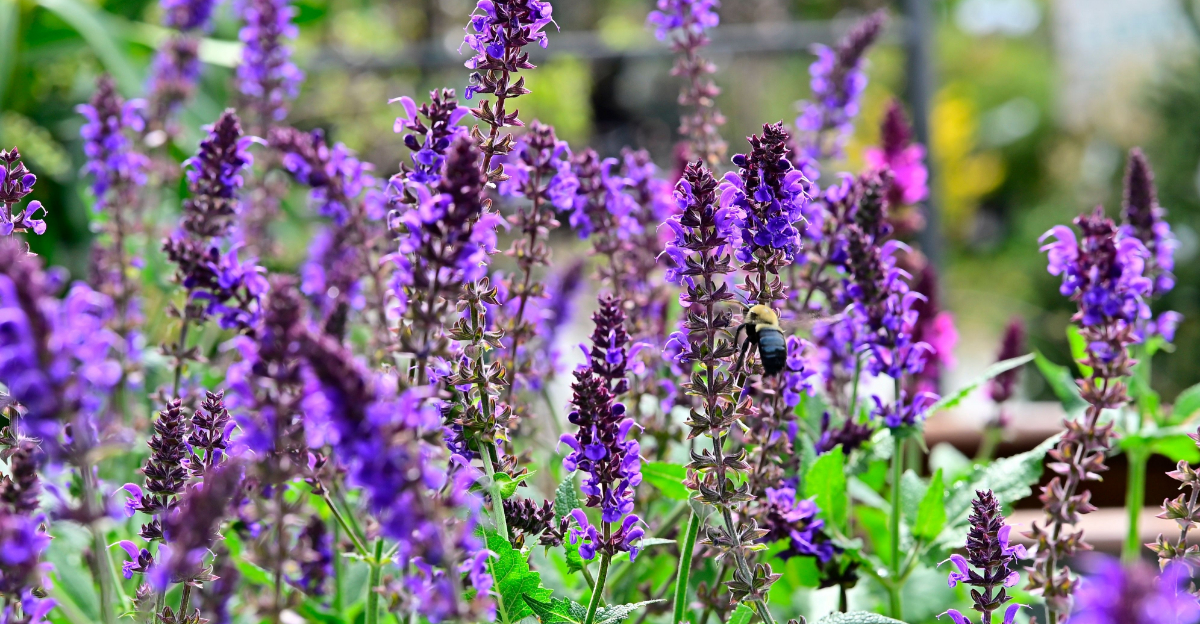
Watch a salvia plant on a warm California afternoon and you will quickly notice it is never lonely. Hummingbirds dart from flower to flower, bees buzz around the blooms, and butterflies drift in and out.
Few plants pull in this many pollinators with such consistency, and that is a big reason California gardeners keep reaching for salvia at the nursery.
The tubular shape of many salvia flowers is well suited to hummingbirds, whose long beaks allow them to reach the nectar. Bees are drawn to the abundance of pollen, while certain butterfly species use salvia as a reliable food source throughout the season.
In a state where native pollinators face growing habitat pressure, planting salvia is a meaningful way to help.
California’s ecosystems depend on healthy pollinator populations to support food crops, wildflowers, and native plants. A yard filled with salvia becomes a small but important refuge for these creatures.
Gardeners who add even a few salvia plants report noticeably more wildlife activity in their outdoor spaces. It is a rewarding experience to sit outside and watch your garden buzz and flutter with life.
Choosing salvia means you are not just growing a pretty plant but actively supporting the living world around your California home.
4. Deer Usually Leave It Alone
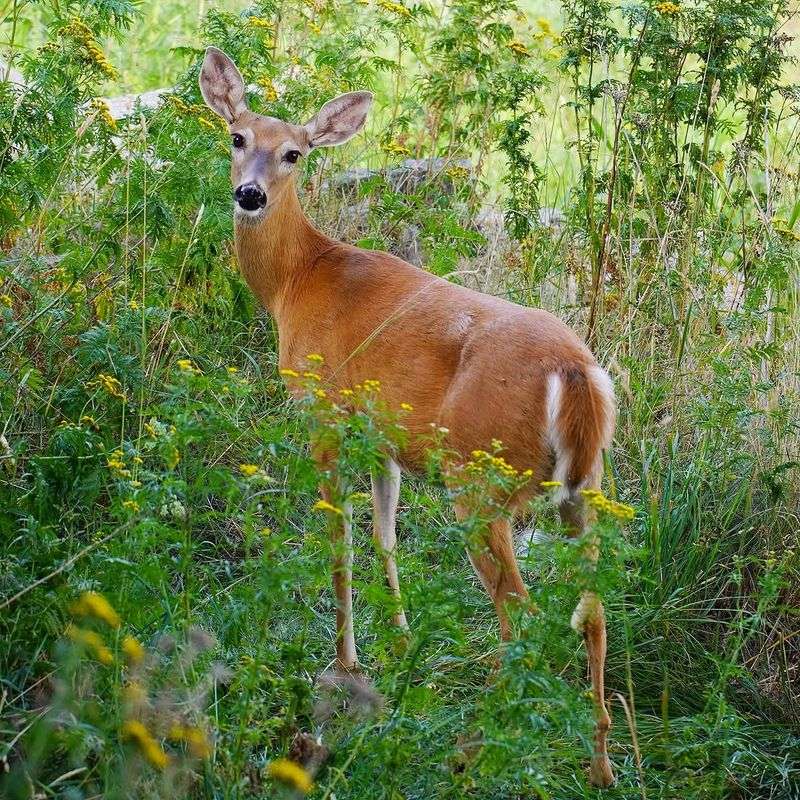
Deer pressure is a real headache for gardeners in many parts of California, especially in foothill communities, rural areas, and neighborhoods that border open space. Watching a beautiful garden get nibbled overnight is beyond frustrating.
Salvia offers a reliable solution because deer tend to avoid it, making it one of the most practical choices for California yards where wildlife browsing is a problem.
The reason deer usually pass on salvia comes down to the plant’s strong fragrance. The aromatic oils in salvia’s leaves are pleasant to humans but off-putting to deer, who prefer plants with milder scents.
While no plant is completely deer-proof, salvia consistently ranks among the most deer-resistant options available to California gardeners.
Planting salvia along garden borders or near more vulnerable plants creates a kind of aromatic barrier that helps protect your whole yard. Combine it with other deer-resistant plants like lavender, rosemary, and yarrow to build a garden that wildlife tends to walk past rather than through.
In communities like those in the Santa Cruz Mountains, Marin County, or the Sierra Nevada foothills, this kind of strategic planting makes a huge difference. You get to enjoy a full and thriving garden without constantly worrying about overnight visitors undoing all your hard work.
5. Fragrant Foliage Adds Extra Appeal
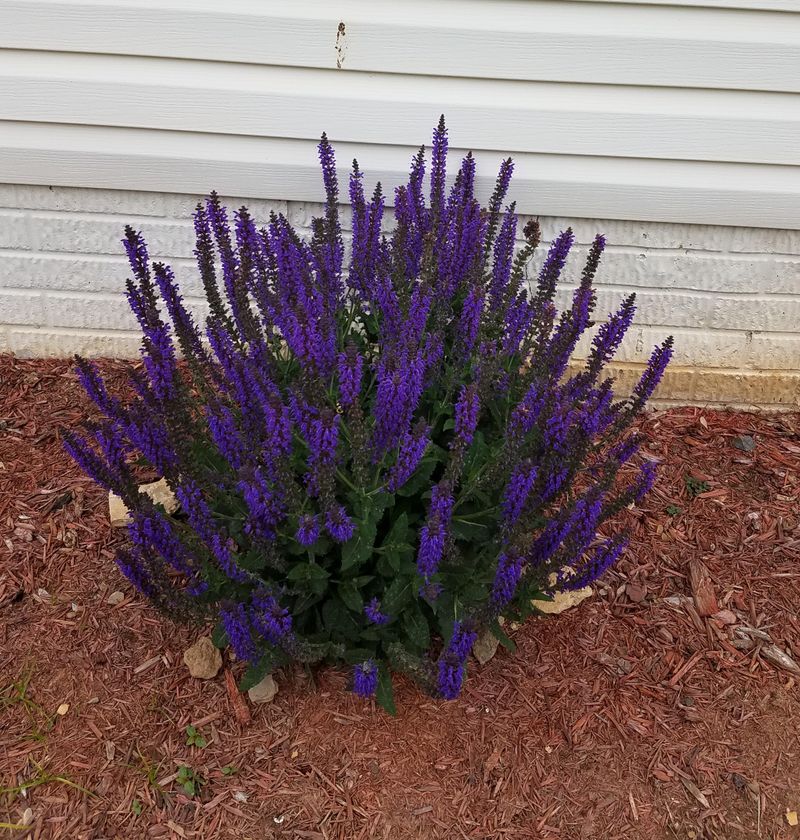
Most people notice salvia’s flowers first, but the foliage deserves just as much credit. Run your fingers across a salvia leaf and the scent that rises up is something special.
Depending on the variety, it might smell herbal, slightly spicy, fruity, or even reminiscent of the classic culinary sage used in cooking. That fragrance is part of what makes salvia so enjoyable to have in a California garden.
Varieties like Salvia clevelandii, native to Southern California, produce leaves with a powerful and pleasant herbal aroma that carries on the breeze. Walking past a well-established Cleveland sage on a warm evening is one of those small garden pleasures that sticks with you.
The scent intensifies when leaves are brushed or when the sun warms the plant, releasing its natural oils into the air.
Beyond the sensory experience, fragrant foliage also serves a practical purpose. The same oils that make salvia smell wonderful are what help repel deer, rabbits, and many common garden pests.
You get beauty, scent, and natural pest resistance all from the same plant. For California gardeners designing outdoor spaces meant to be enjoyed and experienced fully, fragrant salvia varieties add a dimension that purely visual plants simply cannot provide.
It turns a garden into something you truly want to spend time in.
6. So Many Sizes Work In California Yards
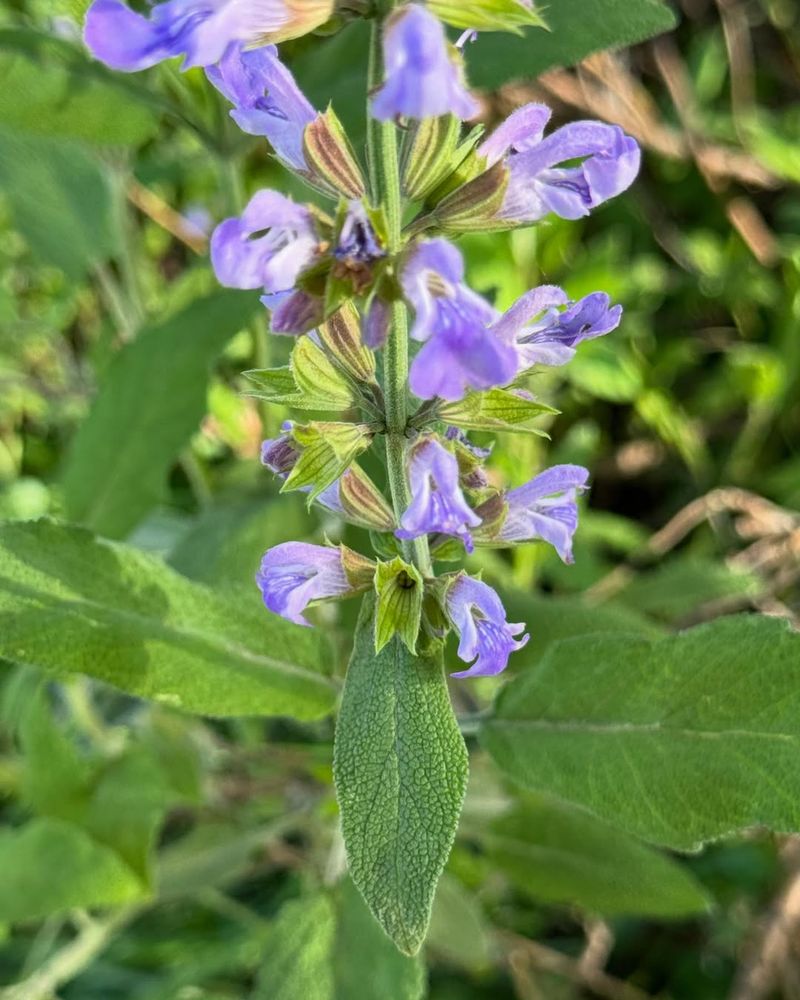
One of the most exciting things about salvia is just how much variety there is to work with. Whether you have a tiny courtyard in San Francisco, a sprawling backyard in Riverside, or a sloped hillside lot in the Oakland Hills, there is a salvia that fits your space perfectly.
The genus includes hundreds of species and cultivars, ranging from low ground covers just a foot tall to large shrubby plants that reach five feet or more.
That range makes it easy to design with. Mixing several salvia types together creates a layered, dynamic look that feels both natural and intentional.
California’s relaxed garden style pairs well with this kind of easy, flowing structure, especially in landscapes that lean toward drought-tolerant planting.
Compact varieties like Salvia microphylla work beautifully in containers on patios or balconies. Larger types like Salvia apiana, the native white sage of Southern California, make bold statement plants in dry landscape designs.
Mid-sized varieties fill borders and transition areas between lawn and natural plantings.
No matter the size or style of your California garden, salvia offers flexible options that perform reliably. It is one of the most adaptable plant groups available to gardeners across the state.
7. It Stays Low-Maintenance Even In Tough Spots
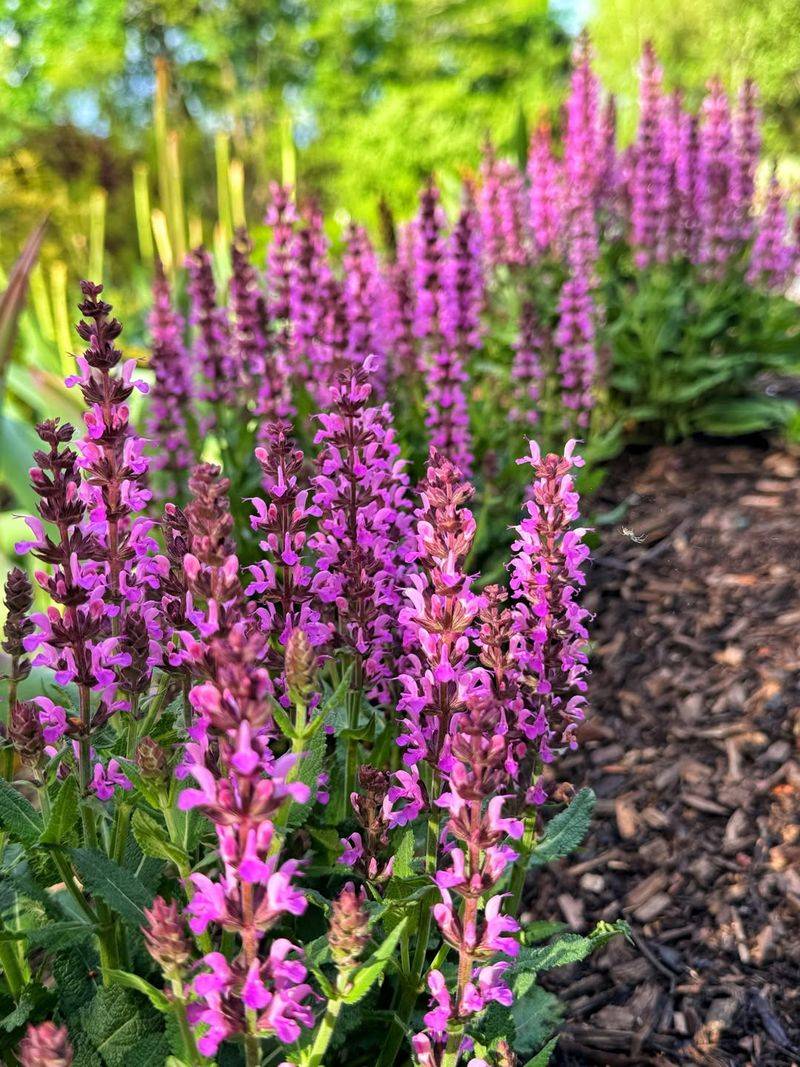
Not every corner of a California yard is easy to garden in. Steep slopes, compacted soil, areas with poor drainage, spots that bake in reflected heat from walls or pavement, these are the kinds of challenges that send many plants into decline.
Many salvia varieties can handle these conditions well, which is a big reason California gardeners have grown so attached to them.
Once established, most salvia varieties ask for very little. Light pruning after bloom cycles keeps them tidy and encourages fresh growth.
They do not demand rich soil or heavy fertilizing. In fact, overly fertile soil can sometimes cause leggy, floppy growth, so leaner conditions often produce sturdier and more attractive plants.
This is especially useful in California, where native soils are often sandy or rocky.
For busy homeowners, new gardeners, or anyone who simply wants a yard that looks great without demanding constant attention, salvia is a genuine game changer. Planting it in those tricky spots that have resisted other plants can transform problem areas into highlights of your landscape.
Across California, from the foggy coast to the hot interior valleys, gardeners are discovering that salvia does not just survive in difficult conditions. It actually seems to thrive in them, growing fuller and more floriferous with each passing season without much help from you at all.