Why California Gardens Need More Night-Pollinator Plants
Most garden activity gets all the attention during the day, with bees and butterflies moving through flowers in the sunlight.
Once evening arrives, it’s easy to assume everything slows down and settles in for the night. The garden may even feel quiet at first glance.
In reality, a different group of pollinators starts to take over. Moths and other nighttime visitors move quietly between blooms, playing a role that often goes unnoticed in California gardens.
Many of them are just as important for certain plants as daytime pollinators.
Many yards aren’t set up to support them, simply because their activity isn’t as visible. Adding the right plants can open the door to a whole second wave of life after dark, bringing a new rhythm to the garden that most people never get to see up cl
1. Moths Take Over After Day Pollinators Stop
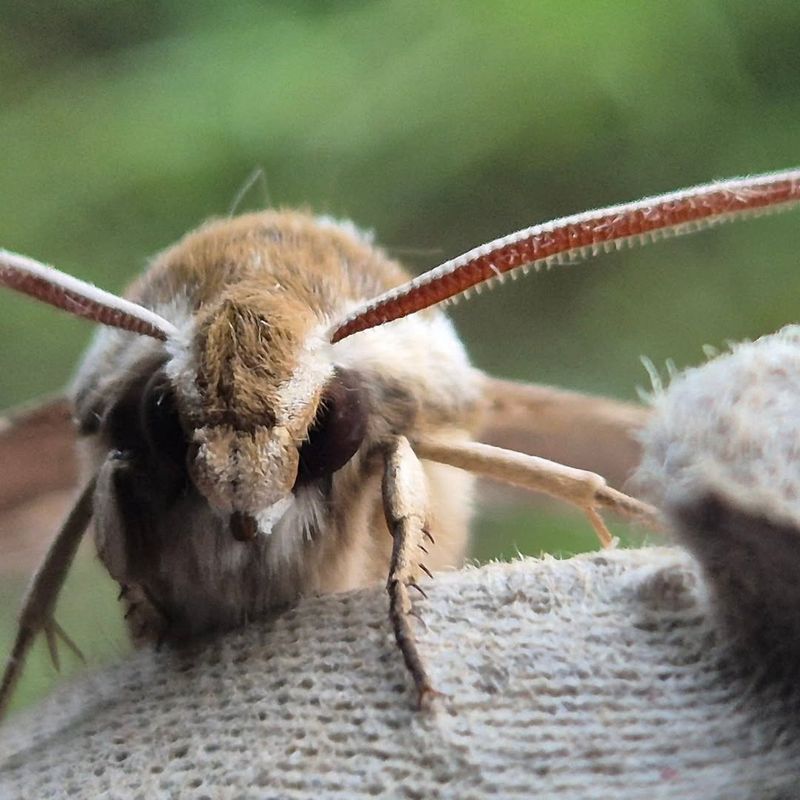
When the sun finally dips below the California horizon and honeybees head back to their hives, something remarkable begins to unfold. Moths emerge from their resting spots and start searching for food, taking over the pollination work that daytime insects leave behind.
Far from being simple nighttime wanderers, moths are skilled and efficient pollinators that visit dozens of flowers in a single evening.
Hawk moths, also called sphinx moths, are some of the most impressive night flyers found across California. They hover in front of flowers like tiny hummingbirds, sipping nectar with their long, curled tongues while transferring pollen from bloom to bloom.
Without these moths, many night-blooming plants would struggle to reproduce successfully.
California gardeners who pay attention to their gardens after dark often report being amazed by the variety of moth species they spot. Adding plants like Sacred Datura or Moonflower gives moths a reliable food source and keeps them returning night after night.
Supporting moths is not just good for the garden; it helps strengthen the entire local food web. Birds, bats, and small mammals all depend on moths as a major food source, so welcoming these nighttime pollinators creates a chain of benefits that reaches far beyond your backyard fence.
2. Moths Pollinate More Than Many Gardeners Realize
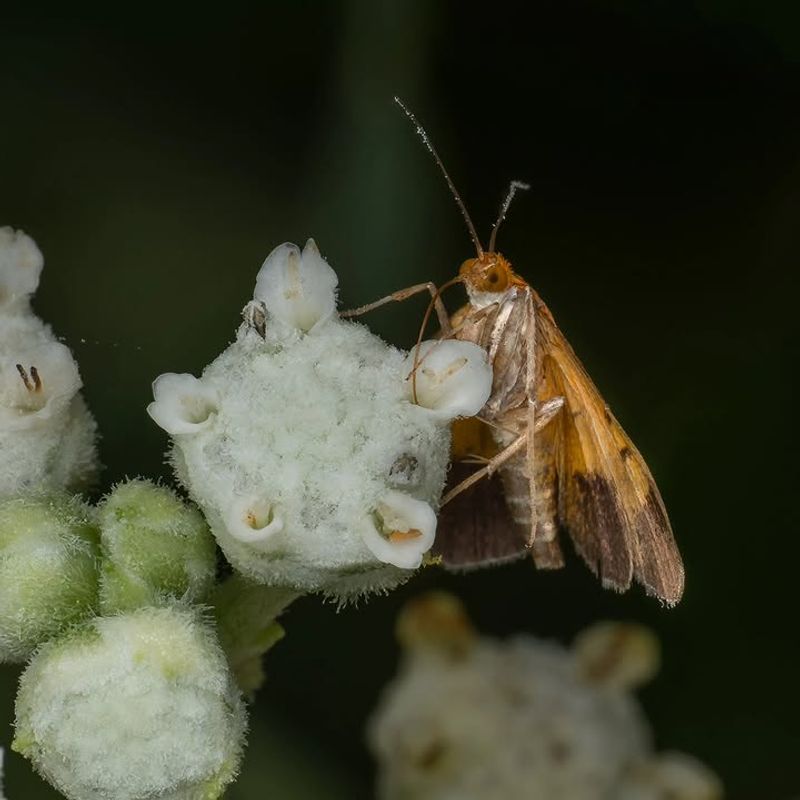
Surprise: moths are responsible for pollinating a much wider range of plants than most people ever imagine. Research has shown that moths visit many of the same plant species that bees do during the day, plus dozens of additional night-blooming species that bees never even encounter.
In California, where plant diversity is incredibly rich, this makes moths an important and often overlooked part of the garden ecosystem.
Evening Primrose is a perfect example of a plant that depends heavily on moth pollination. Its pale yellow flowers open at dusk and stay open through the night, releasing a soft, sweet fragrance that moths can detect from impressive distances.
Without regular moth visits, Evening Primrose sets far fewer seeds, reducing its ability to spread and support other wildlife.
Many California gardeners are surprised to learn that moths also pollinate various wildflowers and some crops during their nightly flights. Adding moth-friendly plants to your garden does not just benefit one or two species; it creates a ripple effect that strengthens plant reproduction across a wider area.
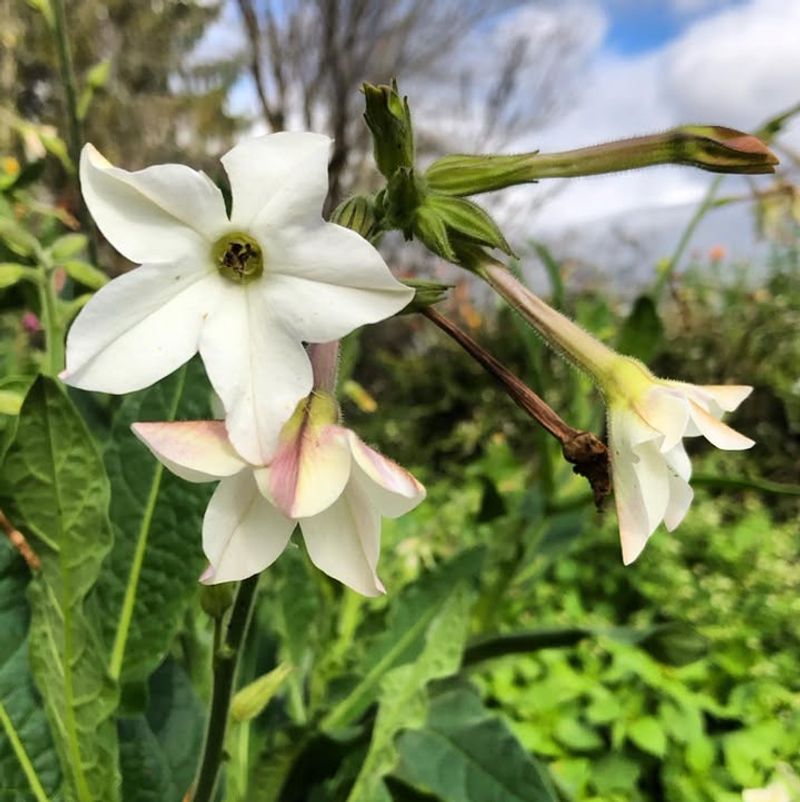
Flowering Tobacco, with its tubular blossoms perfectly shaped for a moth’s long feeding tube, is another excellent addition for California gardens. Recognizing how much moths contribute is the first step toward building a garden that truly supports the full cycle of nature around the clock.
3. Night Pollinators Include Moths, Bats, Beetles, And Bees
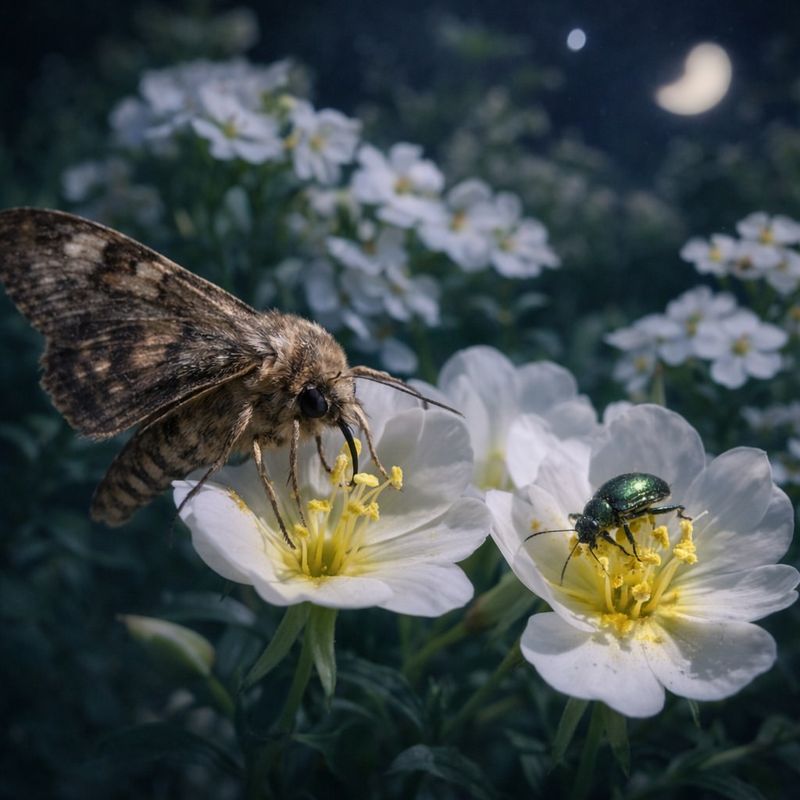
Most people picture bees when they think about pollination, but once the stars come out over California, a completely different crew takes over. Moths, bats, beetles, and even certain species of nocturnal bees all play active roles in moving pollen between flowers after dark.
Each of these creatures has its own preferred plants and feeding style, which means a diverse night garden can support an impressive variety of wildlife.
Bats are particularly valuable pollinators in California’s warmer regions. They are fast, wide-ranging flyers that can cover large areas in a single night, carrying pollen between plants that are spread far apart.
Angel’s Trumpet and Night-Blooming Cereus are among the plants that benefit from bat visits, producing large, fragrant blooms perfectly sized for a bat’s face to brush against.
Beetles tend to favor open, cup-shaped flowers that are easy to crawl into, while nocturnal bees often visit the same species they frequent during the day, simply extending their activity into the early evening hours. Building a California garden that welcomes all of these nighttime visitors means planting a variety of bloom shapes, sizes, and fragrances.
Four O’Clock flowers, which open in the late afternoon and stay open through the night, are a wonderful choice that attracts multiple types of pollinators across several hours, making them one of the hardest-working plants you can grow.
4. Some Flowers Are Built For Night Visitors
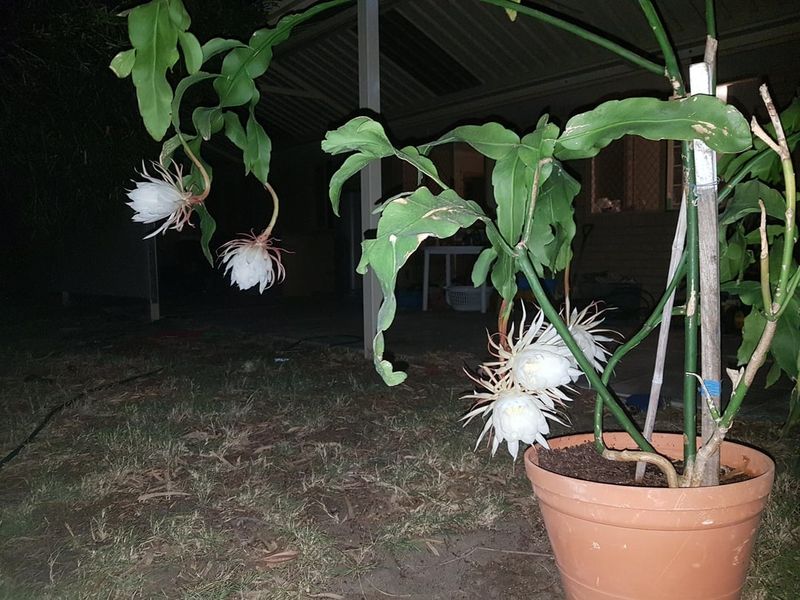
Not every flower is designed the same way, and some have evolved specifically to attract nighttime pollinators rather than daytime ones. These night-specialized blooms tend to have features that make them easy to find and use in the dark, from wide-open shapes to extra-strong fragrances and light-colored petals that reflect the moon’s glow.
California gardens that include these plants become nighttime destinations for wildlife that would otherwise have nowhere to feed.
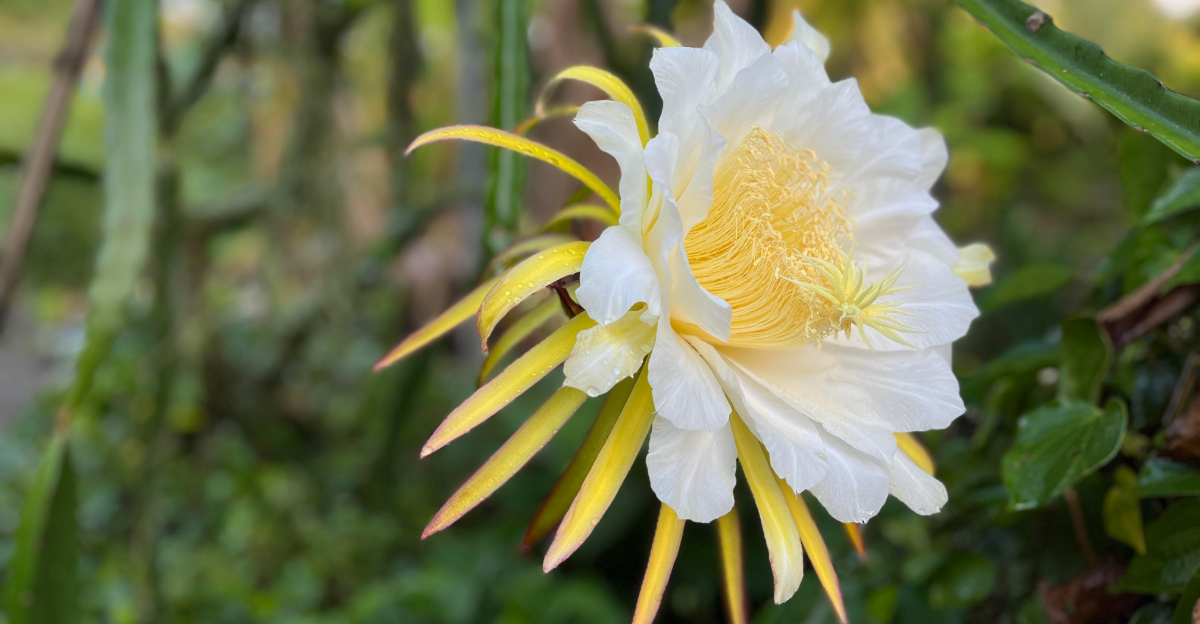
Night-Blooming Cereus is one of the most dramatic examples of a flower built for the night. Its enormous white blossoms open after sunset and release an intense, sweet scent that carries through the warm California air, guiding moths and bats from a distance.
The flowers are large enough for bats to access easily and fragrant enough to attract moths from far away, making this plant a true nighttime showstopper.
Sacred Datura, native to California, is another bloom perfectly shaped for its nighttime visitors. Its enormous white trumpet flowers unfurl as the evening light fades, releasing a heavy fragrance that hawk moths find irresistible.
The long, narrow tube of each flower is precisely sized for a hawk moth’s extended feeding tongue, showing just how closely some plants and pollinators have evolved together. Planting these specialized flowers in a California garden is like setting out a welcome mat for the night shift of the pollinator world.
5. Pale, Fragrant Blooms Are Easier To Find At Night
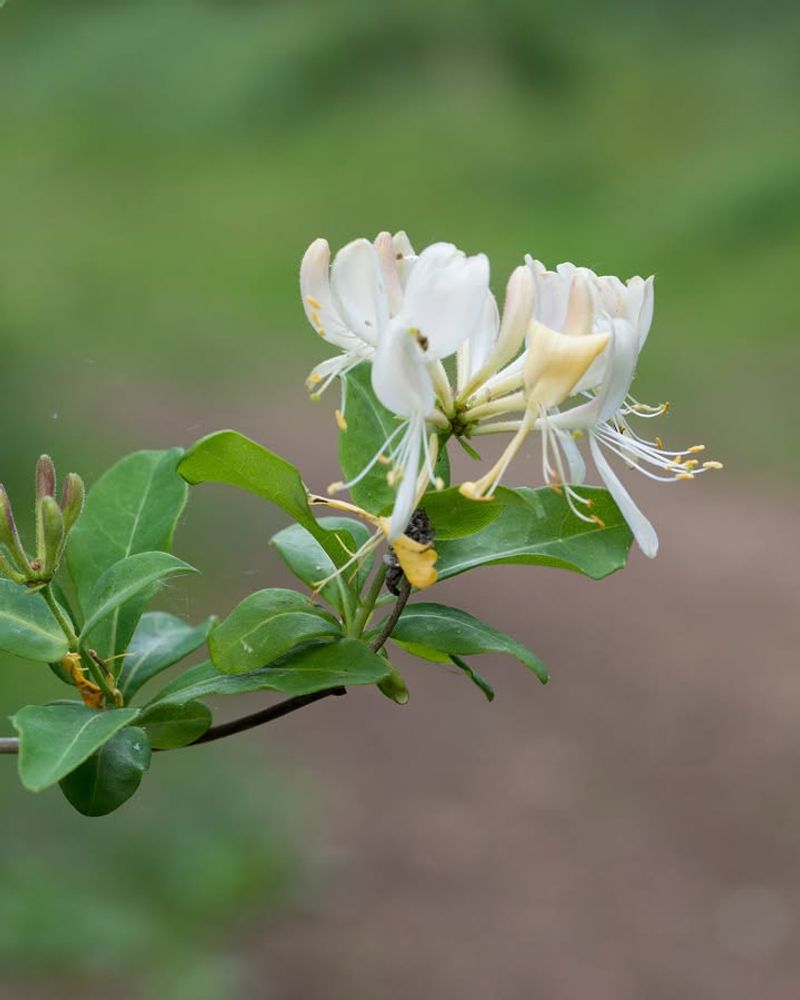
Color works very differently after dark, and plants that have evolved to attract nighttime pollinators have figured this out in a fascinating way. Pale flowers, especially white, cream, and soft yellow blooms, reflect moonlight and starlight far more effectively than deep red or purple flowers do.
In the dim conditions of a California night garden, these light-colored blooms practically glow, making them easy for moths and bats to spot from a distance.
Fragrance is the other major tool that night-blooming plants use to attract pollinators. Many night-blooming species release their strongest scent after sunset, filling the evening air with sweetness that guides pollinators straight to the source.
Honeysuckle, especially the yellow native varieties common in California, pumps out its most powerful fragrance at night, making it a magnet for passing moths looking for a meal.
Moonflower is a classic example of a plant that uses both pale color and rich fragrance to maximum effect. Its large, white, trumpet-shaped blooms open as evening falls and glow softly in the moonlight while releasing a sweet, heady scent that fills the surrounding air.
Fast-growing and easy to train along fences or trellises, Moonflower is a practical and beautiful addition to any California garden. Planting a mix of pale, fragrant bloomers ensures that nighttime pollinators can always find your garden, no matter how dark the evening gets.
6. Night Pollinators Help Boost Plant Diversity
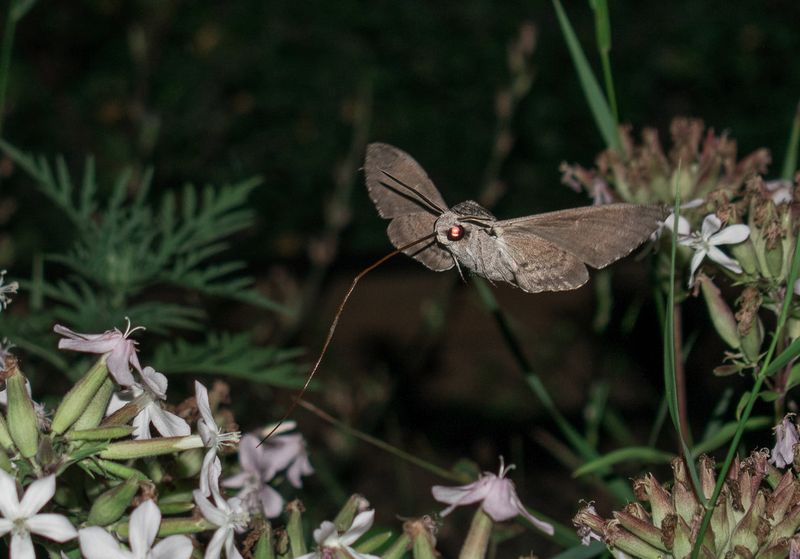
Healthy plant diversity is one of the most important signs of a thriving garden, and night pollinators play a surprisingly big role in making that happen. When moths, bats, and nocturnal beetles move pollen between plants after dark, they allow species to reproduce that would otherwise be left out of the pollination cycle entirely.
Over time, this after-hours pollination work helps more plant species successfully set seeds and spread throughout California gardens and wild spaces.
Four O’Clock flowers are a great example of a plant that benefits from both daytime and nighttime pollinators. Hummingbirds visit the blooms as they open in the late afternoon, while moths take over once full darkness arrives.
Having pollinators active at multiple times of day means the plant has more chances to be pollinated, which leads to stronger seed production and better long-term survival.
In California, where native plant diversity is truly extraordinary, supporting nighttime pollination is especially meaningful. Many of the state’s rarest wildflowers depend on specific nocturnal pollinators that are already under pressure from habitat loss and urban development.
By planting night-blooming species in home gardens, California residents can help fill the gap left by disappearing wild habitats. Even a small backyard planting of Evening Primrose, Sacred Datura, or Flowering Tobacco can make a real difference in keeping local plant populations healthy and genetically diverse for future generations.
7. Pollinators Stay Active In Gardens After Dark
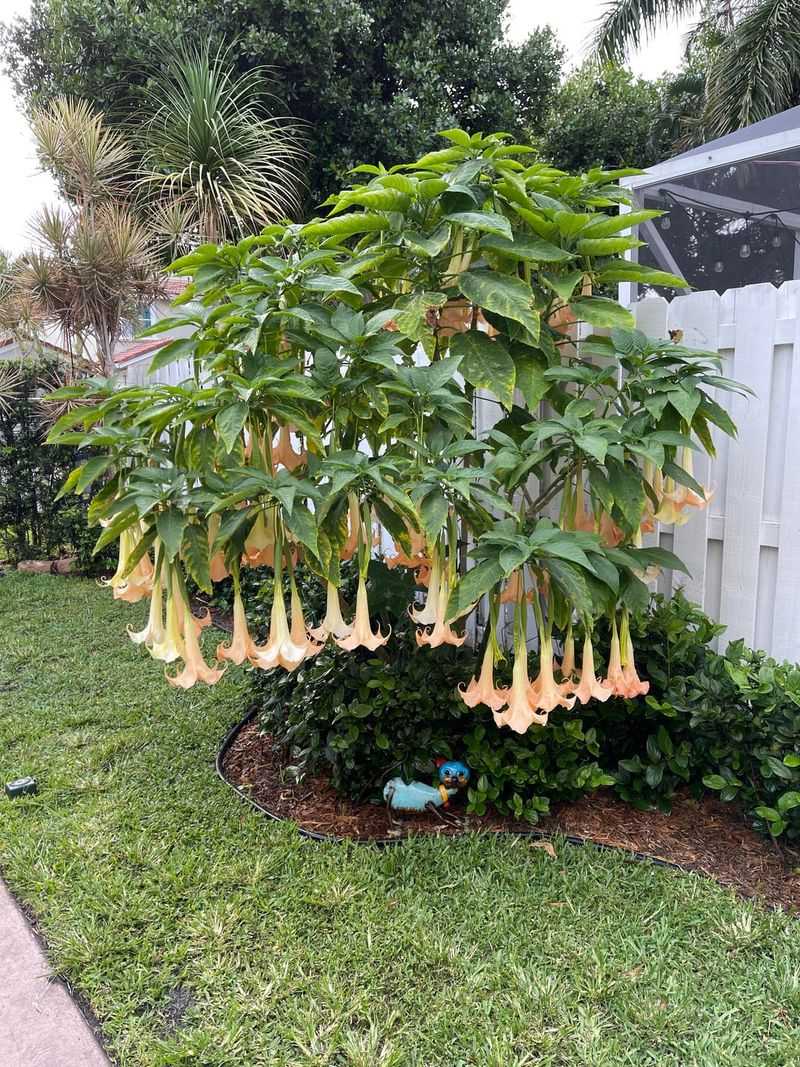
One of the most eye-opening things a California gardener can do is step outside after dark and actually watch what is happening in the garden. The nighttime garden is far from quiet or still.
Moths flutter from flower to flower, beetles crawl through open blooms, and on warm evenings, bats swoop low overhead, snatching insects and occasionally brushing against large flowers in search of nectar. The activity level can be genuinely surprising to those who have never paid attention to it before.
Angel’s Trumpet is one of the most reliable plants for attracting after-dark activity in California gardens. Its large, pendulous flowers hang like lanterns from the branches, releasing a powerful fragrance that intensifies as the night air cools.
Moths and bats are drawn to these blooms consistently, making Angel’s Trumpet one of the best choices for gardeners who want to observe nighttime pollinator activity up close.
Setting up a simple outdoor light near night-blooming plants can make it much easier to watch pollinators at work without disturbing them. Soft, warm-toned lights are less disruptive to wildlife than bright white or blue-toned bulbs.
Many California gardeners who start paying attention to their after-dark gardens quickly become passionate advocates for planting more night-blooming species. Watching a hawk moth hover in front of a Sacred Datura bloom on a warm California evening is an experience that is genuinely hard to forget.
8. Night-Blooming Plants Add Missing Habitat
Habitat loss is one of the biggest challenges facing pollinators across California today. As cities and suburbs expand, the wild areas where night-blooming plants once grew in abundance have been replaced by pavement, lawns, and buildings.
Nocturnal pollinators that once had access to vast stretches of native habitat now often struggle to find enough food and shelter to survive through the season.
Home gardens have a real opportunity to help fill this gap. Planting even a small selection of night-blooming species like Moonflower, Flowering Tobacco, or Honeysuckle adds genuine habitat value to a neighborhood.
These plants provide nectar, shelter, and a safe feeding environment for moths, bats, and beetles that might otherwise have nowhere to go in a heavily developed area of California.
Community gardens and school gardens in California can also make a meaningful contribution by including a dedicated night-blooming section. When multiple gardens in the same neighborhood all include night-pollinator plants, they create a connected network of habitat that allows pollinators to move safely across larger distances.
Flowering Tobacco is an especially easy starting point because it grows quickly, blooms abundantly, and requires very little maintenance once established. Starting with just two or three night-blooming species is enough to make a genuine difference.
Over time, expanding the selection adds more habitat value and makes a California garden a true sanctuary for the pollinators that work the night shift.