Why California Grows So Much Of America’s Vegetables And What Gardeners Can Learn
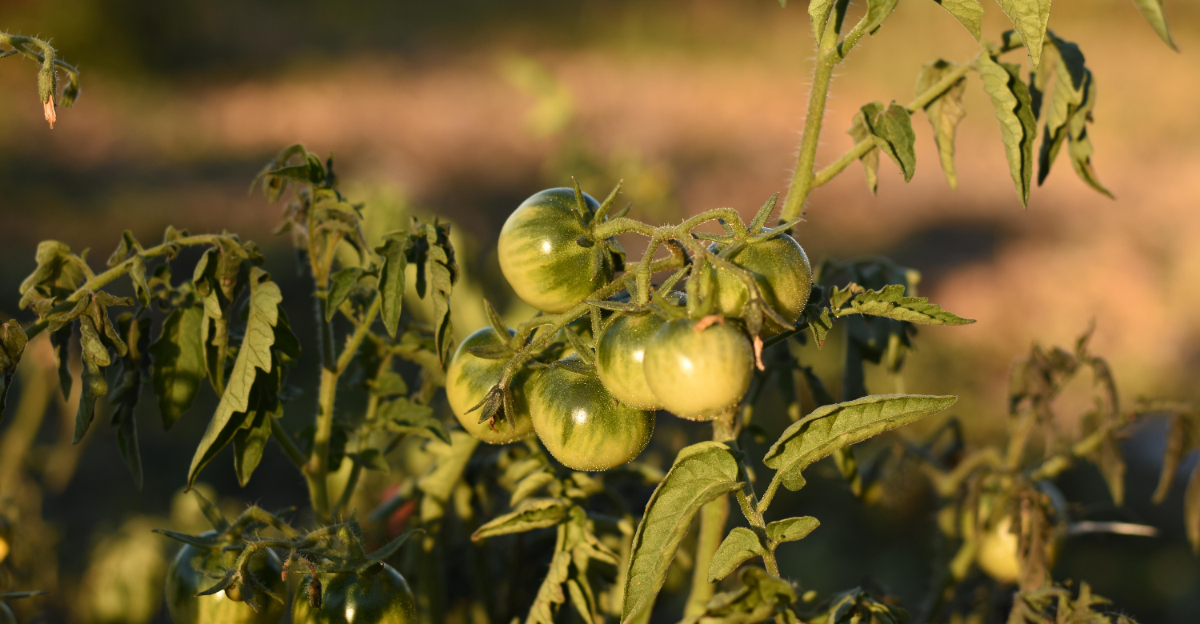
California is basically America’s vegetable basket, and there is a fascinating reason behind it. Long sunny seasons, mild winters, rich soils, and smart water management create near perfect growing conditions for an incredible range of crops.
Fields stay productive almost year round, and farmers have mastered how to work with the climate instead of fighting it. But this is not just a story about large farms.
Home gardeners can borrow some of the same secrets to grow stronger, healthier, and more productive plants right in their own yards. Think better soil, smarter watering, and choosing crops that truly match the local climate.
A few simple shifts can lead to bigger harvests, fewer problems, and a garden that thrives with less effort.
The lessons behind California’s vegetable success are surprisingly practical, and they can help turn any backyard into a more abundant and rewarding growing space.
The Climate That Grows Food Year-Round
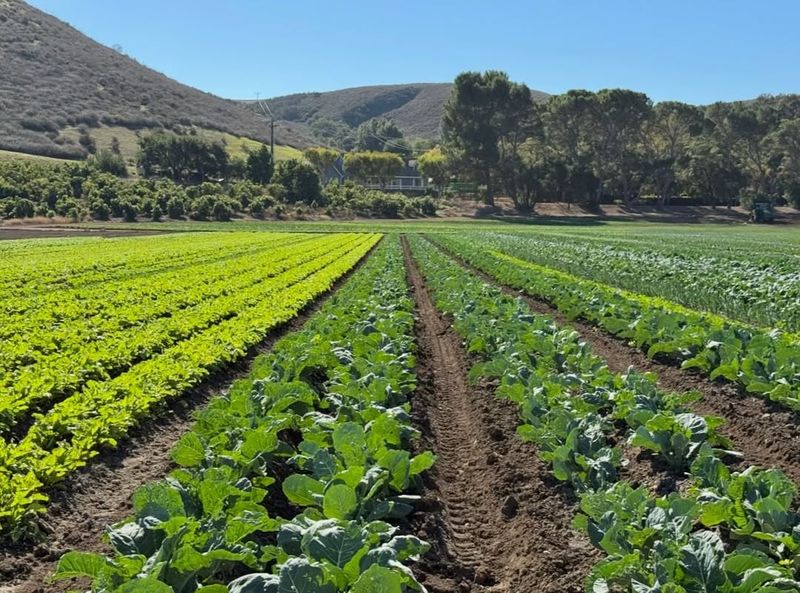
Most of the United States experiences harsh winters that stop vegetable production for months. California’s coastal and southern regions enjoy mild temperatures throughout the entire year.
Farmers can plant and harvest crops during every season without worrying about freezing weather.
This constant growing climate means California farmers get multiple harvests from the same land annually. While a gardener in Ohio might grow one crop of lettuce per year, California farms can produce three or four.
The steady temperatures also reduce crop losses from unexpected cold snaps.
Home gardeners can copy this advantage by using season extenders like cold frames and row covers. These simple tools trap heat and protect plants from frost.
You can start seeds earlier in spring and keep plants producing later into fall.
Even in colder climates, choosing the right microclimates in your yard helps extend your season. Plant heat-loving crops near south-facing walls that absorb and radiate warmth.
Use mulch to moderate soil temperatures and protect roots during temperature swings.
California’s year-round climate teaches us that consistent temperatures matter more than perfect conditions. Creating stability for your plants through protection and planning produces better results than hoping for ideal weather.
Long Growing Seasons, Bigger Harvests
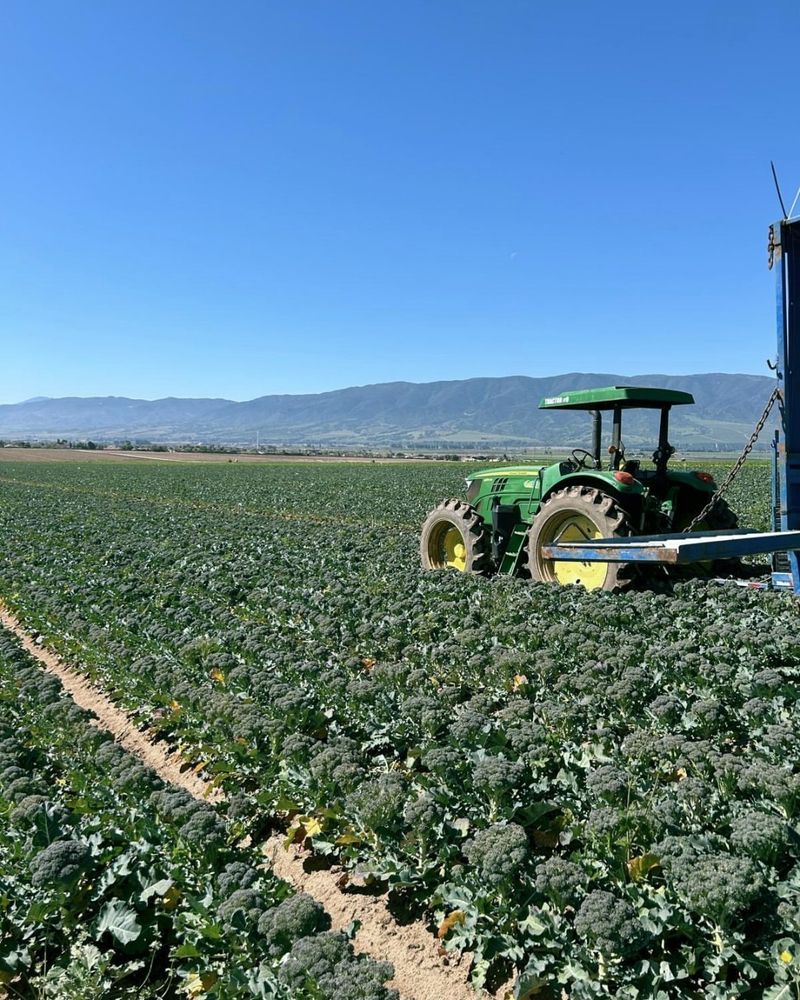
Extended growing seasons give California farmers a massive advantage over other regions. Many areas enjoy 250 to 300 frost-free days each year.
This extra time allows plants to mature fully and produce maximum yields before weather forces harvest.
Longer seasons mean farmers can grow crops that need more time to develop. Tomatoes, peppers, and melons require warm weather for several months to produce their best fruit.
California’s climate gives these plants exactly what they need without rushing them.
The extended season also allows for succession planting, where farmers plant the same crop multiple times throughout the year. As one planting finishes, another is already growing to replace it.
This strategy keeps production constant and maximizes land use.
Home gardeners can stretch their growing season by choosing varieties bred for their specific climate. Short-season varieties mature quickly in cooler regions.
In warmer areas, heat-tolerant varieties keep producing when others would stop.
Starting seeds indoors gives plants a head start before outdoor conditions are perfect. Transplanting seedlings instead of direct seeding adds weeks to your effective growing season.
Planning your planting schedule carefully helps you get the most from your garden space throughout the year.
Rich Soils In Key Farming Regions
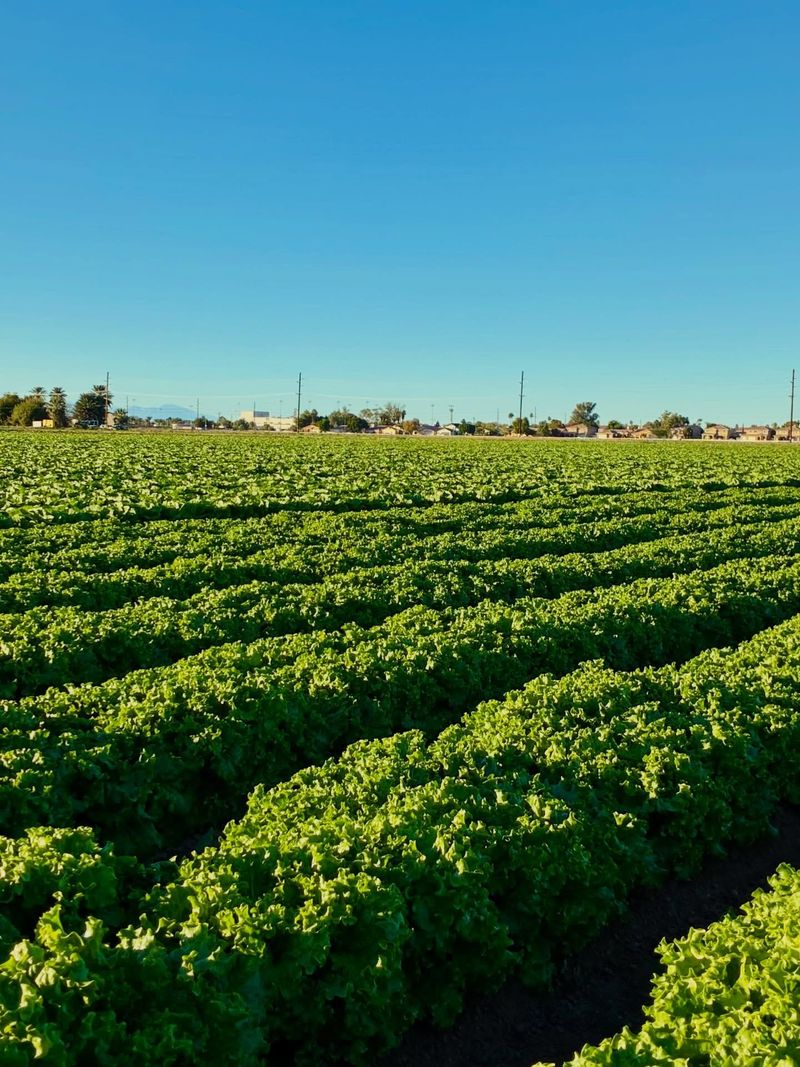
California’s Central Valley contains some of the most productive agricultural soil in the world. Centuries of sediment deposits from mountain runoff created deep, nutrient-rich earth perfect for growing vegetables.
This natural fertility reduces the need for excessive fertilization and supports healthy plant growth.
The soil structure in these farming regions drains well while still holding enough moisture for crops. Good drainage prevents waterlogging that can damage roots and cause disease.
Adequate moisture retention means plants can access water between irrigations.
Different regions within California have soil suited to specific crops. The sandy loam near Salinas grows excellent lettuce and leafy greens.
Heavier soils in other areas support root vegetables like carrots and onions beautifully.
Your home garden soil might not match California’s natural advantages, but you can improve it significantly. Adding compost increases organic matter, which improves both drainage and water retention.
Regular additions of compost also feed beneficial soil microorganisms that help plants absorb nutrients.
Testing your soil reveals what amendments it needs for better vegetable production. Most vegetables prefer slightly acidic to neutral soil.
Adjusting pH and adding missing nutrients creates conditions closer to California’s prime growing areas, even if you’re gardening thousands of miles away.
Smart Water Use In A Dry State
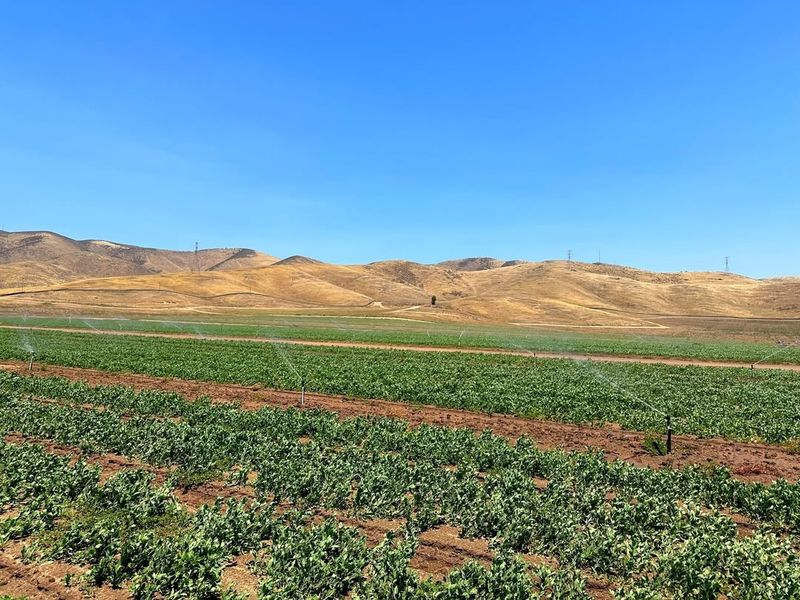
California faces serious water challenges, yet it remains the top vegetable producer in America. Farmers have mastered efficient irrigation techniques that deliver water directly where plants need it.
Drip irrigation and micro-sprinklers reduce waste while keeping crops healthy and productive.
These systems apply water slowly at ground level, minimizing evaporation losses. Water goes straight to root zones instead of spraying into the air or running off across the surface.
Sensors and timers ensure plants receive exactly the right amount at the best times.
California growers also choose crop varieties that produce well with less water. Breeding programs have developed vegetables that maintain quality while using fewer resources.
Mulching and careful soil management help retain moisture in the ground longer.
Home gardeners can adopt these same water-saving strategies easily and affordably. Soaker hoses work like commercial drip systems but cost much less.
Laying them under mulch reduces evaporation even further while keeping your garden beds looking neat.
Watering deeply but less frequently encourages plants to develop stronger root systems. Shallow, frequent watering keeps roots near the surface where they’re vulnerable to heat and drought.
Mulching with straw, leaves, or wood chips keeps soil moist longer and reduces how often you need to water.
Why Mild Winters Matter For Crops
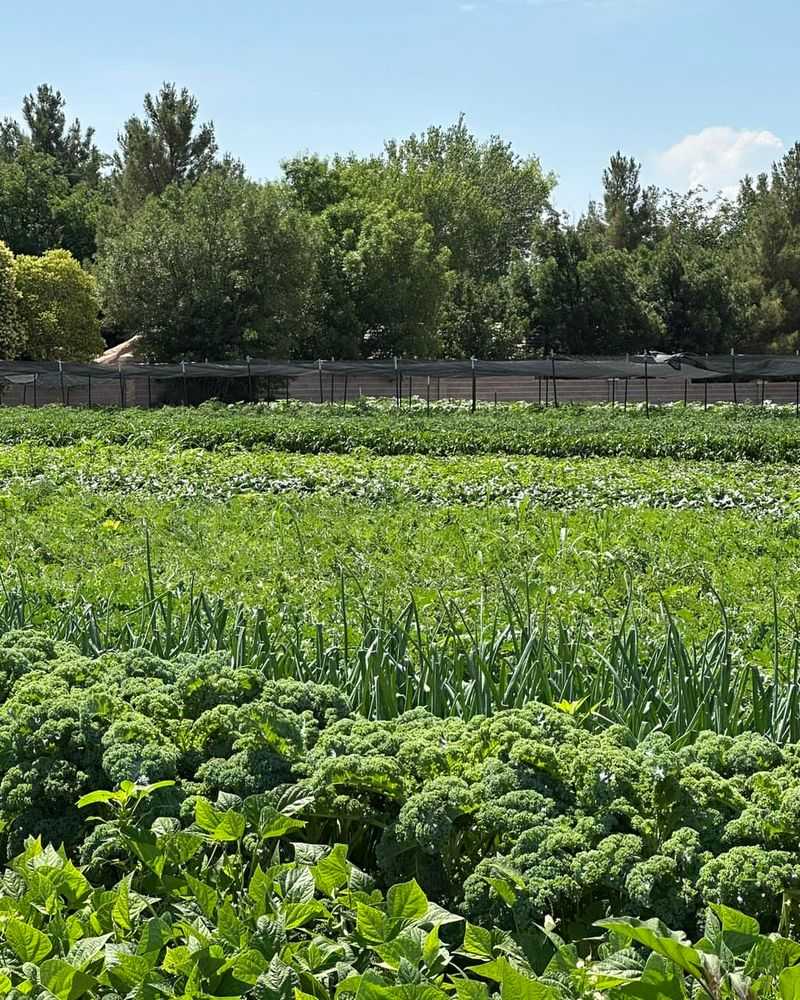
Freezing temperatures stop most vegetable production across much of America during winter months. California’s mild winters allow farmers to keep growing cool-season crops when other regions sit dormant.
Lettuce, broccoli, cauliflower, and many other vegetables thrive in California’s winter conditions.
Winter production fills a crucial gap in the national food supply. When farms in other states shut down for the season, California continues shipping fresh vegetables to stores nationwide.
This winter advantage contributes enormously to California’s position as America’s vegetable basket.
Mild winters also mean less stress on perennial crops and infrastructure. Irrigation systems don’t freeze and burst.
Soil structure doesn’t suffer from repeated freeze-thaw cycles that damage it in colder climates.
Gardeners in cold climates can still grow food during winter by using protection strategies. Simple hoop houses made from PVC pipe and plastic sheeting create warm microclimates for cold-hardy greens.
These structures trap solar heat during the day and release it slowly at night.
Choosing the right crops for winter growing is essential outside California. Spinach, kale, carrots, and many Asian greens tolerate cold remarkably well.
Some varieties actually taste sweeter after light frosts. With proper variety selection and basic protection, you can harvest fresh vegetables through winter even in challenging climates.
The Power Of Microclimates
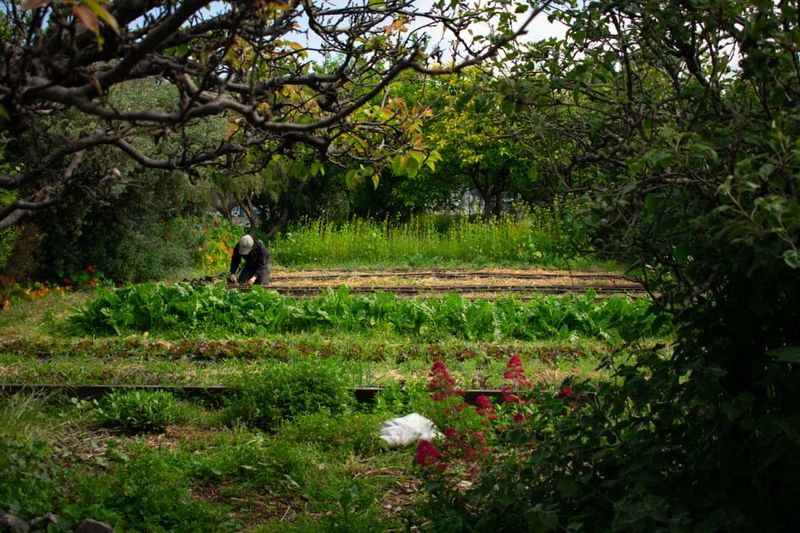
California’s diverse geography creates countless microclimates within short distances. Coastal areas stay cool and foggy while inland valleys get hot and dry.
Mountain slopes offer different conditions at various elevations. Farmers match specific crops to the microclimates where they perform best.
This variety allows California to grow an incredible range of vegetables within state borders. Artichokes thrive in the cool coastal fog near Monterey.
Tomatoes love the hot Central Valley summers. This matching of crop to ideal conditions produces superior quality and yields.
Commercial growers study their land carefully to identify these beneficial microclimates. South-facing slopes warm earlier in spring.
Valley floors collect cold air on frosty nights. Understanding these patterns helps farmers protect sensitive crops and maximize production.
Your home garden contains microclimates too, even if your yard is small. Areas near buildings stay warmer than open spaces.
Low spots collect cold air while raised areas stay warmer. Observe how sun and wind move through your garden throughout the day and seasons.
Use these microclimates strategically when planning your garden layout. Plant heat-loving tomatoes and peppers in the warmest spots.
Position cold-hardy greens where they’ll get afternoon shade during hot weather. Working with your yard’s natural variations instead of fighting them produces much better results.
Lessons From Commercial Growers
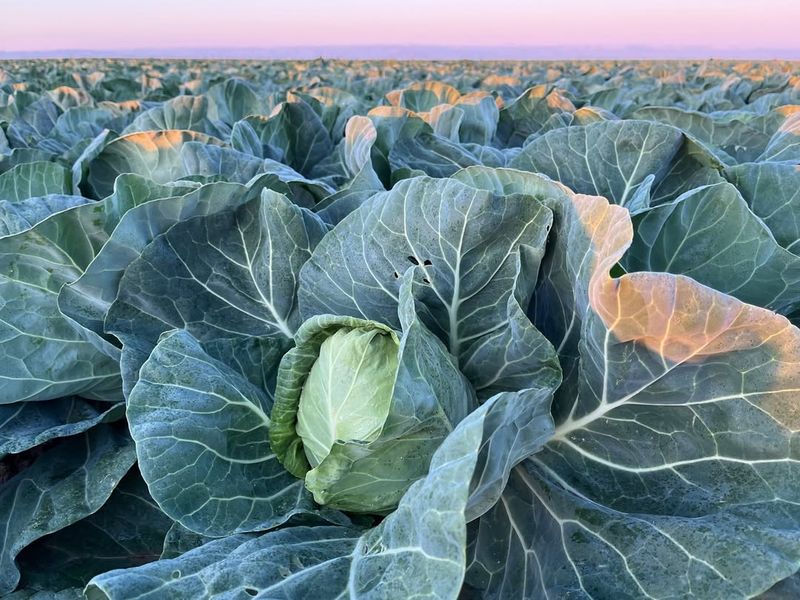
California’s commercial vegetable growers use sophisticated techniques that home gardeners can adapt and scale down. Crop rotation prevents soil depletion and reduces pest problems naturally.
Growers never plant the same crop family in the same spot two years running.
Integrated pest management combines multiple strategies to control problems without relying solely on chemicals. Beneficial insects, physical barriers, and targeted treatments work together.
This approach produces healthier crops while protecting the environment and reducing costs.
Commercial farms also excel at timing and scheduling. They track planting dates, maturity times, and harvest windows carefully.
This planning ensures steady production and prevents gluts or shortages. Record-keeping helps them improve results each season.
Transplanting seedlings instead of direct seeding gives commercial growers better control and higher success rates. Starting plants in controlled conditions protects them during vulnerable early stages.
Transplants also allow for more precise spacing and faster establishment in the field.
Home gardeners benefit from adopting these professional practices at smaller scales. Keep a simple garden journal noting what you plant, when, and how it performs.
Rotate your crops each year even in small spaces. Start seeds indoors when possible for stronger plants and better results.
These commercial lessons translate directly to backyard success.
What Home Gardeners Can Copy
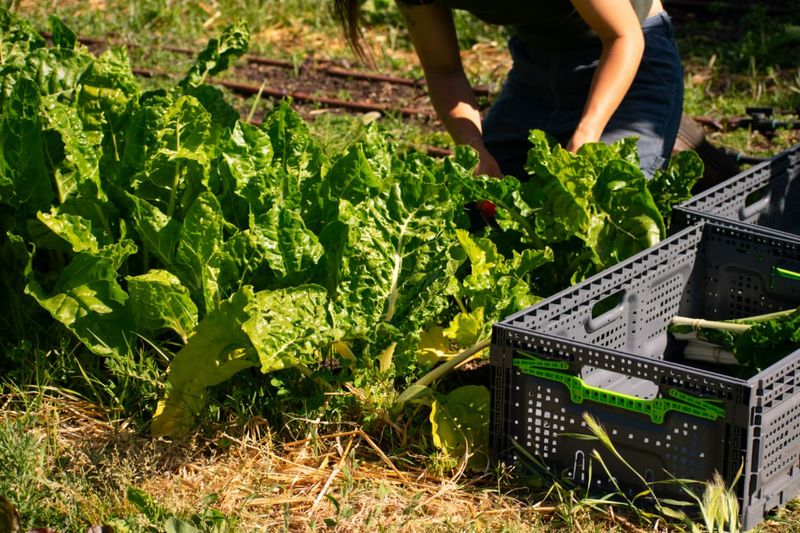
California’s farming success offers practical lessons for gardeners everywhere. Succession planting keeps your harvest coming instead of getting everything at once.
Plant small amounts of quick-maturing crops every two weeks. This strategy works perfectly for lettuce, radishes, and beans.
Vertical growing maximizes space just like California farmers maximize their valuable land. Trellises, stakes, and cages allow vining crops to grow upward instead of sprawling.
Cucumbers, peas, and indeterminate tomatoes produce more in less space when grown vertically.
Season extension techniques used by California growers work in any climate. Row covers protect plants from cold, wind, and pests.
Cloches and cold frames capture solar heat to warm soil and air around plants. These simple tools can add months to your growing season.
Soil improvement mirrors what makes California’s farmland so productive. Regular compost additions build organic matter and improve soil structure.
Healthy soil grows healthier plants that resist pests and diseases better. Feed your soil, and it will feed your plants.
Choosing appropriate varieties for your specific conditions is perhaps the most important lesson. California farmers select varieties proven to perform in their microclimates.
Research which vegetable varieties grow best in your region and try those first before experimenting with unusual types.