Why California Pipevine Belongs Along Your Fence If You Want Swallowtail Butterflies
Female swallowtail butterflies taste leaves with their feet before laying a single bright orange egg on them.
Only one native vine passes that picky test for a certain black and blue swallowtail in Northern California.
Its caterpillars swallow plant toxins and carry them into adulthood, turning the butterflies into a bitter meal for birds. The flowers smell faintly musty and look like tiny curved pipes, which honestly makes me grin every spring.
I have to admit my first vine sulked for a whole year before showing any real ambition at all. You might notice the same slow start, but a plain fence gives it something sturdy to climb.
Once it settles in, the payoff flutters right past your kitchen window on warm afternoons in California gardens. So why does a humble fence line make such a perfect home for these shimmering visitors?
1. Pipevine Swallowtail Caterpillars Eat Only Pipevine Leaves
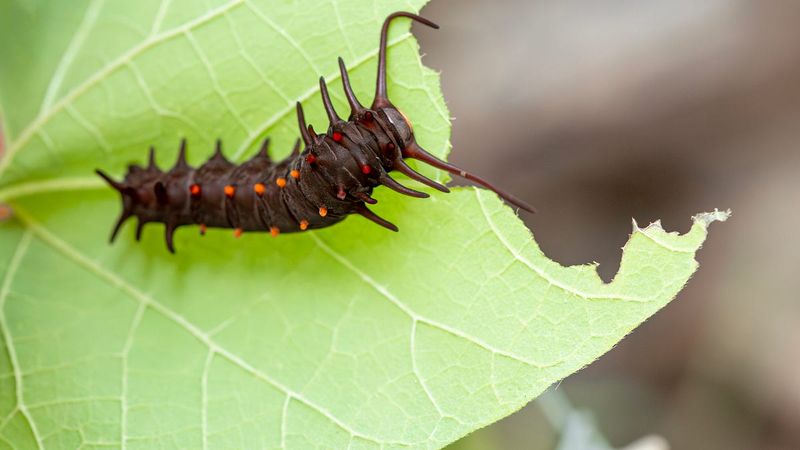
The pipevine swallowtail is a fussy eater, and its caterpillars will starve rather than munch on your roses. In our region, California pipevine is the only plant those hungry little larvae can actually use for food.
That tight bond means no vine, no caterpillars, and no caterpillars means no glittering black and blue adults. Planting one vine along a fence line basically opens a nursery for the next butterfly generation.
Scientists call our local butterfly Battus philenor hirsuta, a slightly hairier form of the widespread pipevine swallowtail. Its host vine, Aristolochia californica, grows wild along shady creeks and woodland edges below roughly 2,300 feet.
I love how simple the math becomes once you understand this relationship between one insect and one plant. You stop guessing which flowers might help and start offering the single thing these butterflies truly need.
Females search for pipevine by scent and taste, so even a lone vine in a suburban yard can get noticed. Many native plant gardeners say visits can begin within a few seasons once the vine grows healthy leaves.
Before buying, check the plant tag carefully for the scientific name, since look-alike exotic pipevines are sold too. Native plant nurseries and local plant society sales are reliable places to find the true species.
Give it a spot along a fence where you walk often, so you can check leaves for tiny guests. Few garden moments match spotting your first caterpillar chewing away on a vine you planted yourself.
2. Bright Orange Butterfly Eggs Appear On Tender Pipevine Shoots
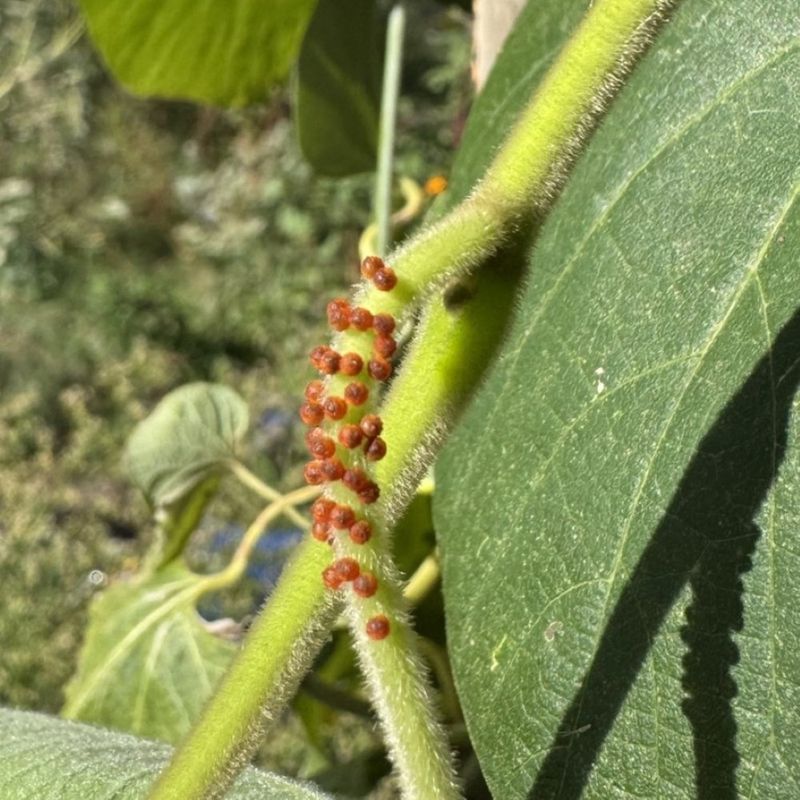
Tiny clusters of orange eggs, bright as pumpkin seeds shrunk down, are the first sign your vine has been chosen. Females usually tuck groups of about eight to ten onto tender new shoots or the undersides of young leaves.
Before laying, a female flutters around the vine, tapping leaves with her feet to taste them through special sensors. Researchers describe these test landings as touchdown circuits, which sounds like a tiny sport played on your fence.
Fresh growth matters most, because hatching caterpillars need soft leaves their small jaws can actually chew through. A vine that produces plenty of new shoots in spring becomes far more attractive than a tired, woody tangle.
Personally, I treat late winter pruning as a gentle nudge that encourages a flush of soft green growth. Light trimming of old stems after the coldest weather passes helps the vine push out tender shoots in spring.
Eggs usually show up from spring into early summer, so that is the season to slow down and look closely. Flip leaves gently near the fence and scan the stem tips, where orange dots stand out against green.
Even the eggs carry some of the vine’s chemical defenses, which gives them a small layer of protection. You do not need to guard them or move them, since nature handles that part quite well on its own.
Skip pesticide sprays anywhere near the vine, even organic ones, because they can harm young caterpillars soon after hatching. A little patience and a magnifying glass make egg hunting a surprisingly fun weekend habit for the whole family.
3. Toxic Pipevine Leaves Turn Caterpillars Into Bitter Bird Snacks
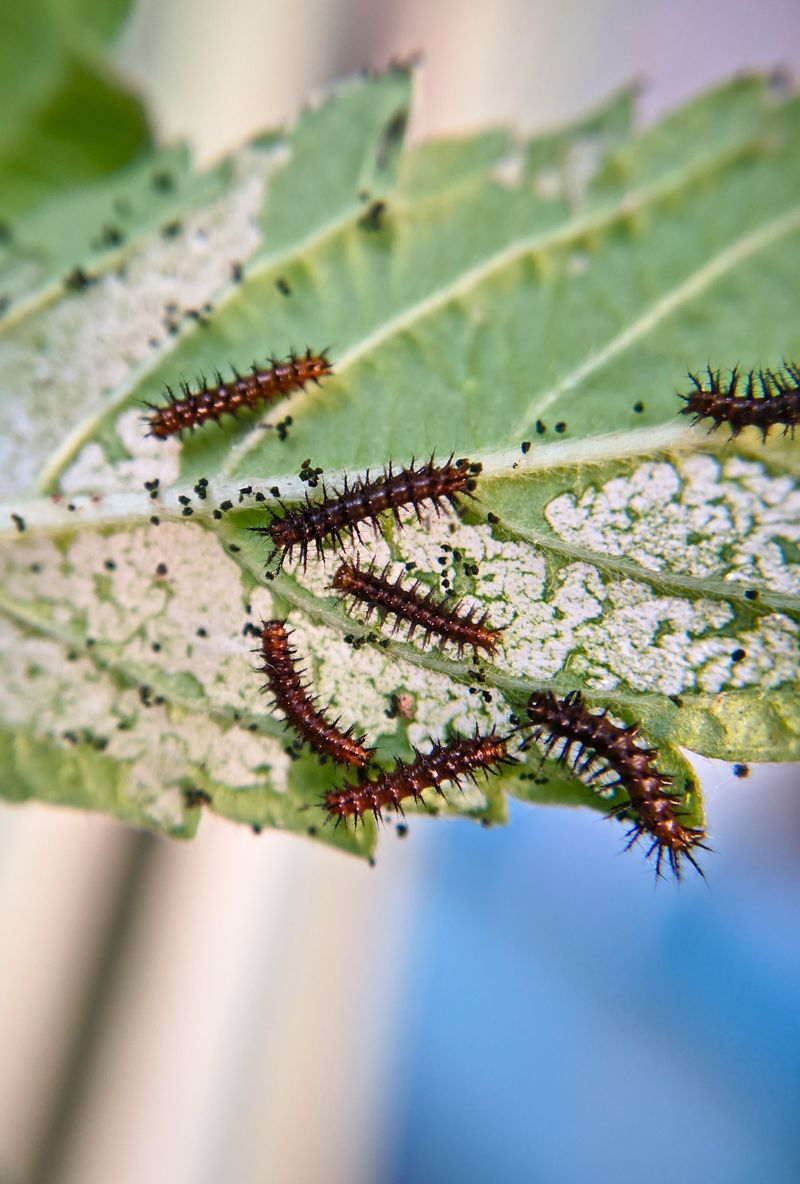
Birds learn quickly that a pipevine swallowtail tastes awful, and the vine growing on your fence is the reason. The leaves contain aristolochic acids, bitter compounds that caterpillars store in their bodies as they feed.
Those stored chemicals stay with the insect through its chrysalis and into adulthood, making the butterfly unpleasant to eat. Bright orange spots on the caterpillars and the wing undersides act like a warning sign for hungry predators.
What surprises me most is how other butterflies borrow this trick by copying the pipevine swallowtail’s dark, shiny look. In some regions, mimics like the spicebush swallowtail and dark female tiger swallowtails gain protection from that resemblance.
Caterpillars start out feeding together in small groups, then wander off on their own as they grow larger. Full-grown larvae reach about two inches long, with dark bodies and fleshy orange projections along their backs.
Expect some leaves to look ragged by midsummer, and please resist the urge to tidy up the chewed foliage. Holes and bare stems mean the vine is doing its job, and established plants usually recover the following spring.
Those same acids make the plant harmful to people and pets, so it should be kept away from curious nibblers. Wear gloves when pruning if you have sensitive skin, and wash your hands before snacking or touching your face.
Historically, some Native American groups used tiny amounts medicinally, but modern health experts strongly advise against any home use. Enjoy this vine with your eyes and let the caterpillars handle the eating, since they are built for it.
4. Strange Pipe-Shaped Pipevine Flowers Bloom In Late Winter
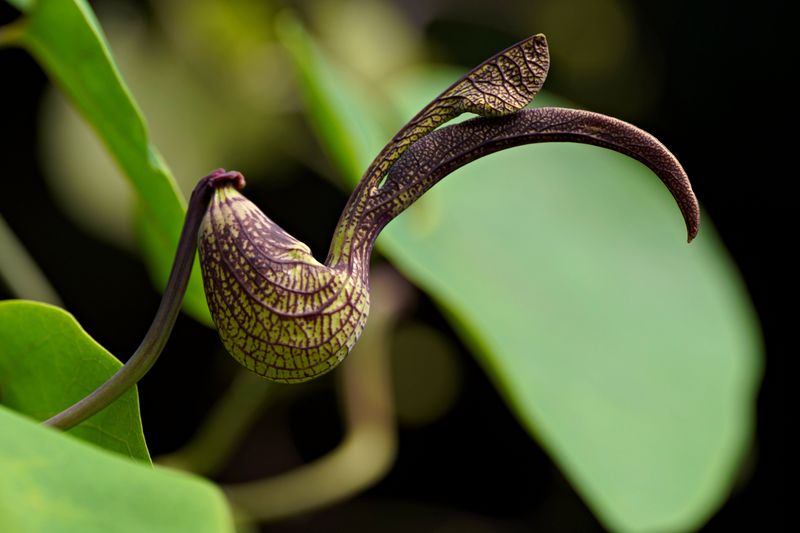
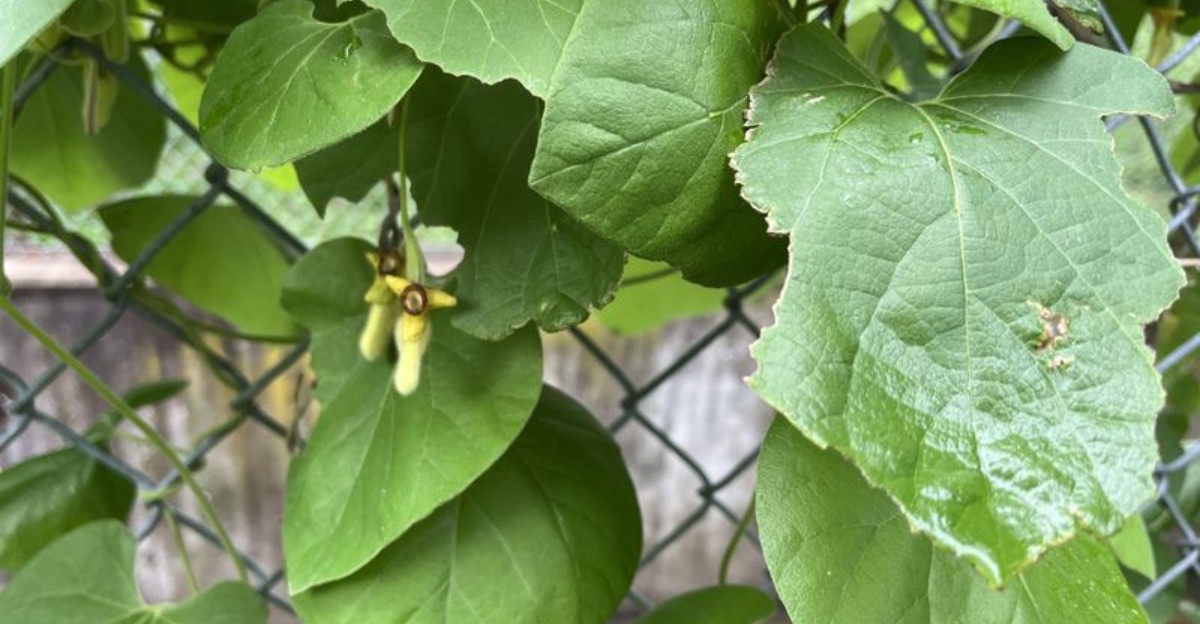
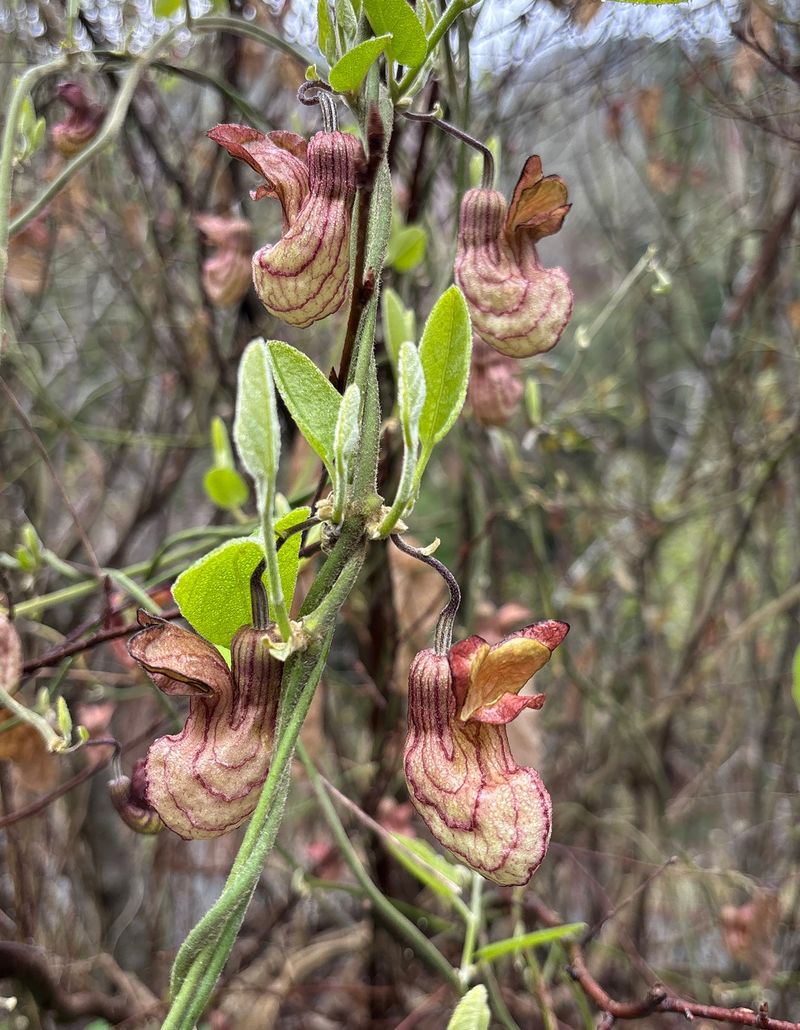
Nobody forgets their first look at pipevine flowers, which dangle like little curved smoking pipes from bare winter stems. They often appear from January or February into spring, sometimes before the heart-shaped leaves even unfold.
Colors vary from greenish yellow to purplish brown, usually with dark purple veins running across the pale outer surface. I like how they look almost carved by hand, as if a woodworker snuck into the garden overnight.
The blooms give off a faint musty odor that draws in tiny insects, especially fungus gnats, as pollinators. Gnats wander deep inside the twisted tube and stay briefly before escaping with a dusting of pollen on board.
You will rarely notice the smell unless you stick your nose right inside, so do not worry about patio odors. Growing the vine on a fence at eye level makes these quirky flowers much easier to admire up close.
After pollination, the plant forms winged green seed capsules that ripen slowly through the warmer months of the year. Leave a few in place if you want to see the full cycle, or save seeds for a friend.
Early flowering also signals that the growing season is starting, and adult swallowtails begin flying around March in many areas. Timing works out nicely because fresh leaves emerge right as females start searching for places to lay eggs.
Snap a few photos each winter, since kids and neighbors often refuse to believe these odd flowers are real. Few native plants offer such a fun conversation starter during the quietest, grayest weeks in the garden.
5. A Sturdy Fence Gives The Twining Pipevine Room To Climb
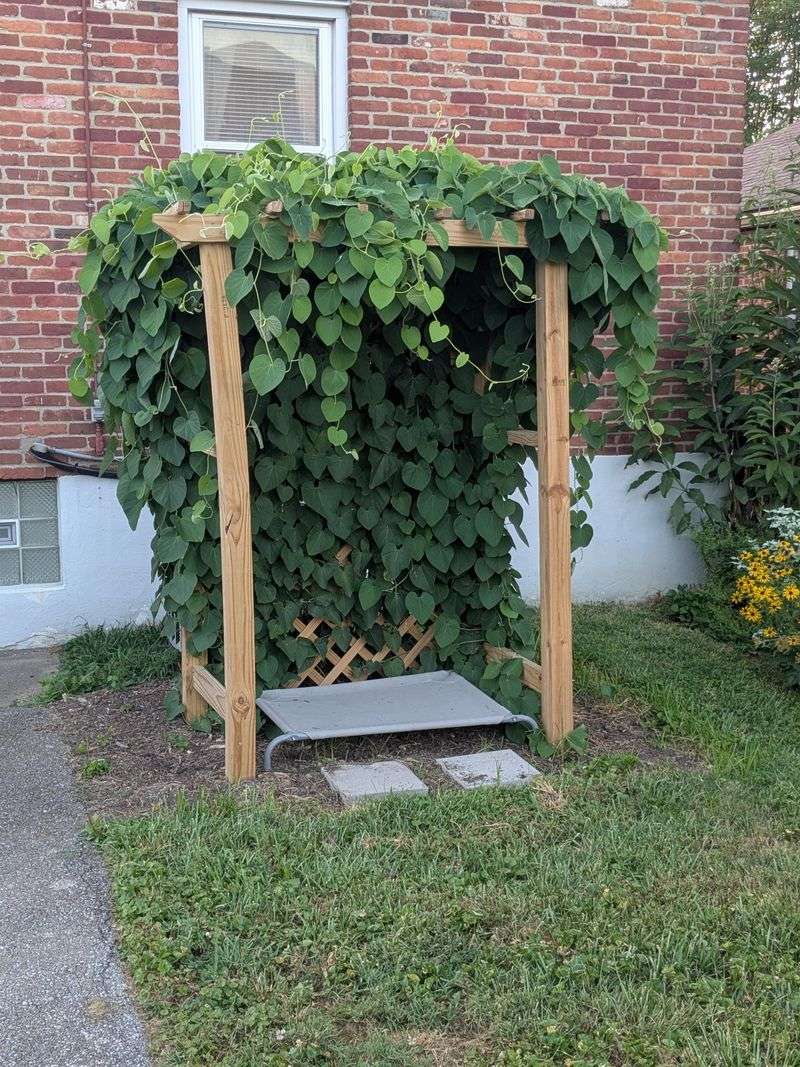
Left alone, pipevine will happily sprawl across the ground like a leafy blanket, but it truly shines with support. The stems twine around nearby objects, so a wire or wooden fence makes an ideal climbing ladder.
Mature vines commonly reach five to more than twenty feet long and may spread six to fifteen feet wide. A long stretch of fence gives that growth somewhere useful to go instead of smothering nearby shrubs.
Solid wooden fences need help, so attach sturdy wire or a simple trellis panel for stems to grab. Space supports a few inches from the boards so air moves freely and the vine wraps around easily.
Personally, I prefer guiding young stems by hand for the first season, loosely tying them with soft garden twine. After that, the vine figures things out and starts twisting upward without much coaching from you.
Over time the main trunk can grow surprisingly thick, so avoid flimsy lattice that may sag under the weight. Metal posts or pressure-treated wood hold up better for a woody plant that may live for many years.
A fence-grown vine also creates a leafy screen that softens bare boards and adds privacy during the warm months. Since it loses leaves in winter, the fence reappears briefly, revealing those odd pipe-shaped blooms on bare stems.
Neighbors sharing the fence might enjoy the show too, so mention your plan before stems wander over the top. A friendly chat now prevents surprise trimming later, which could remove eggs or caterpillars hiding on the other side.
6. Partial Shade Along A Fence Keeps Pipevine Roots Cool
In the wild, pipevine scrambles through shady streamside trees, keeping its roots cool while stems reach toward filtered sunlight. A fence that casts shade at its base copies that natural setup surprisingly well in a typical backyard.
Most growers suggest partial shade to full sun, with afternoon shade being especially helpful in hot inland valleys. Along the coast, more sun is usually fine because cooler air and summer fog soften the heat.
You need to think about the roots first, since they prefer shade even when the leaves enjoy brighter light. Low shrubs or a thick layer of wood chip mulch at the base keep that soil noticeably cooler.
Soil type is rarely a deal breaker, as the vine handles clay and gritty or rich humus soils fairly well. Good drainage matters more than fertility, so avoid low spots where water pools for days after winter storms.
Water regularly during the first growing season, keeping the soil moist without turning it into a soggy mess. Established plants tolerate drought and generally prefer drier summers, though an occasional deep soak in heat waves helps.
Plants hardy in roughly USDA zones 7 through 10 handle most lowland gardens across the northern and central state easily. In colder mountain areas, success becomes less certain, so check with a local native plant nursery first.
Skip heavy fertilizer, because rich feeding can push weak, floppy growth that struggles more than it thrives. A yearly top-up of mulch quietly feeds the soil and keeps moisture steady through the long dry season.
7. Slow Pipevine Growth Rewards Patient Fence Gardeners
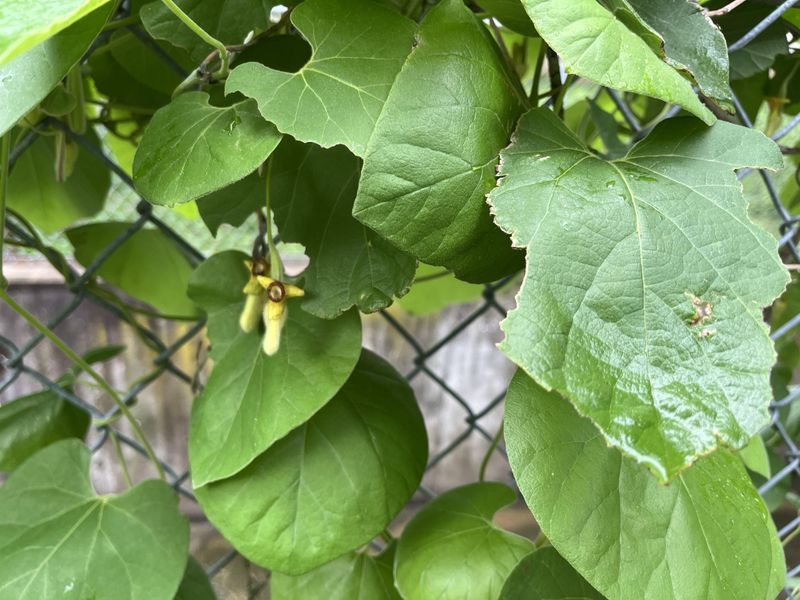
Native plant fans love an old saying about this vine, that the first year it sleeps and the second it creeps. By the third year, it finally leaps, and that slow start tests even the most patient gardener around.
Most of that early energy goes underground, where roots and rhizomes quietly build a strong foundation before serious climbing begins. I have to admit I nearly gave up on mine before it suddenly shot halfway along the fence.
Autumn or early winter is the best planting time, since seasonal rains help young roots settle in naturally. Planting during hot summer weather forces you to water constantly and stresses a plant that is already slow.
Start with a container plant from a native nursery, because seeds can be tricky and take extra time. Dig a hole about twice as wide as the pot, then plant at the same depth it grew before.
Mark the planting spot clearly, since the vine drops its leaves in winter and can look like bare sticks. More than one eager gardener has yanked out a sleeping pipevine thinking it gave up over the cold months.
Butterflies may not appear right away, and that is perfectly normal while your vine is still small and sparse. Larger vines offer more leaves for caterpillars, so a few years of growth often brings more frequent visitors.
Use the waiting time to add nectar plants nearby and learn what eggs and caterpillars look like up close. When that third year arrives, you will be ready for the leap, and so will the butterflies.
8. Hidden Swallowtail Chrysalises Wait Quietly Near The Fence
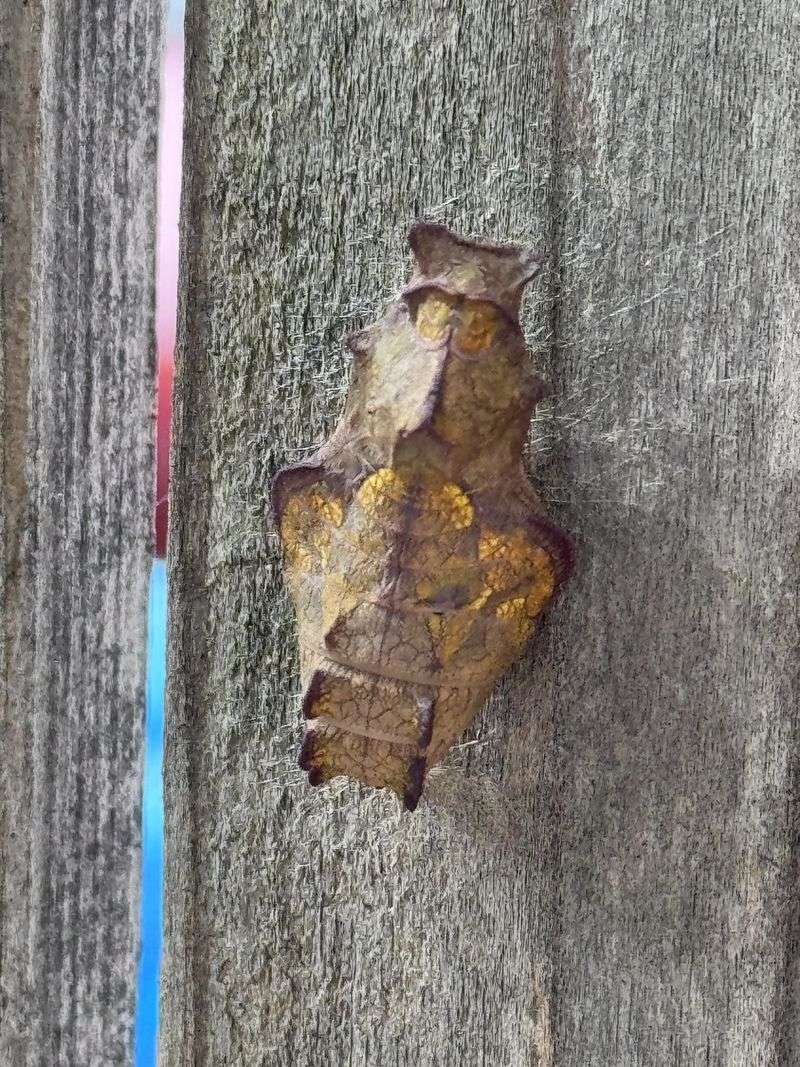
Full-grown caterpillars often wander away from the vine, searching for a safe place to form their chrysalis. Fence boards and sheltered nearby stems become potential hiding spots during this quiet and truly remarkable transformation.
Chrysalises come in green or brown, blending so well with wood and twigs that you might walk right past. I believe half the fun is the hunt, so grab a flashlight and peek along rails and posts.
Many chrysalises spend the winter in this resting stage, and some wait months or even several years before emerging. This long pause may help the species ride out droughts or seasons when the host vine struggles.
That surprising patience means a chrysalis on your fence could stay put far longer than you expect. Avoid pressure washing or painting fence sections near the vine until you know what might be hiding there.
Leaf litter and low plants at the fence base also offer shelter, so resist raking every corner bare in fall. A slightly messy edge gives overwintering insects a better shot at reaching spring safely and in good shape.
Adults usually emerge from late winter into spring, with peak flights often around April and May in many areas. Watching a fresh butterfly pump up its wings on a fence rail feels like catching a magic trick live.
Each adult usually lives about a month, so your vine supports nearly every chapter of their brief life story. Protecting chrysalises simply means leaving things alone a bit more, which honestly is the easiest gardening job around.