Why Californians Are Trading Lawns For Water-Saving Native Plants In 2025
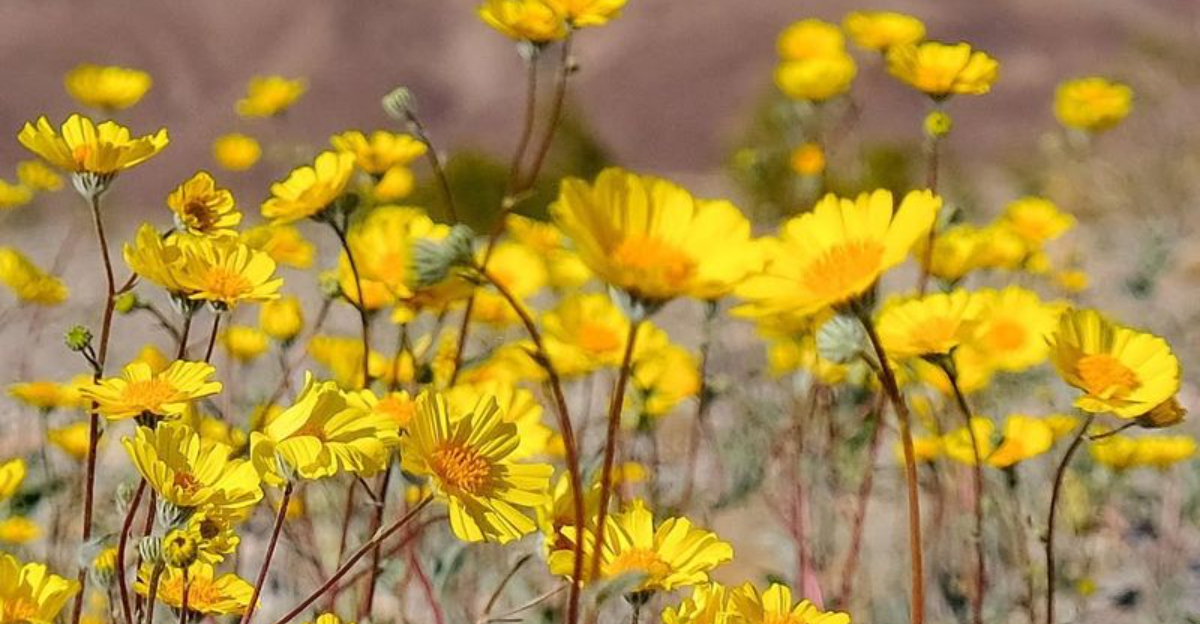
Across California, a quiet revolution is happening in backyards and front yards alike.
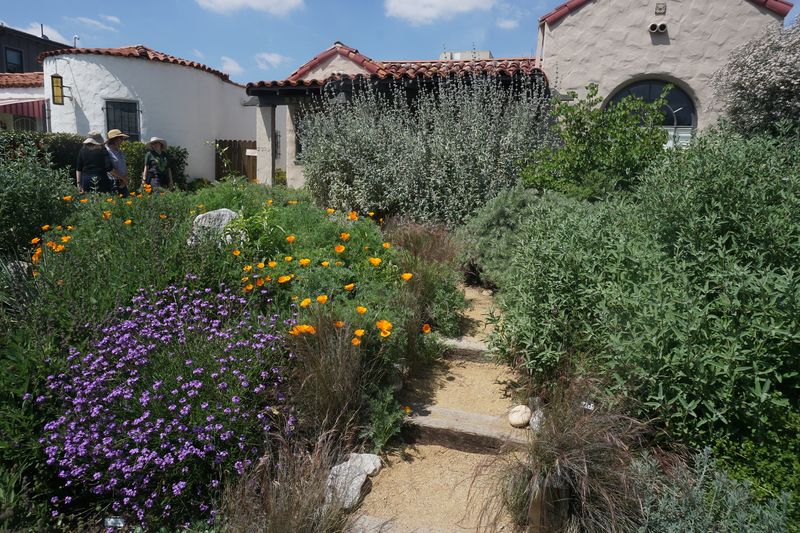
Homeowners are ripping out their thirsty grass lawns and replacing them with beautiful native plants that need far less water.
With droughts becoming more common and water bills climbing higher, this shift makes sense for both the environment and your wallet.
Severe Drought Conditions Push Water Conservation
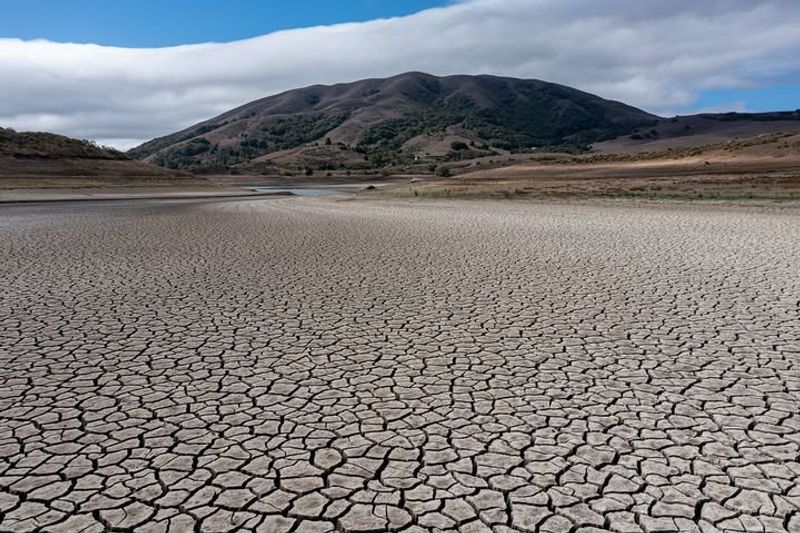
California faces one of its most challenging water situations in decades.
Reservoirs across the state have dropped to alarming levels, forcing communities to rethink how they use every precious drop.
Traditional grass lawns can gulp down thousands of gallons each month, making them a luxury many Californians can no longer afford.
Native plants evolved over thousands of years to survive California’s naturally dry summers.
They have deep root systems that find moisture far below the surface, meaning they thrive with minimal watering once established.
While your neighbor’s lawn turns brown without constant irrigation, native gardens stay green and vibrant.
Water agencies are noticing this trend too.
Many offer rebates and incentives specifically for removing lawns and installing native plant landscapes.
Some homeowners receive hundreds or even thousands of dollars back for making the switch.
Beyond the environmental benefits, reducing outdoor water use protects communities from mandatory restrictions during severe drought years.
Your native garden becomes a model for sustainable living that inspires others on your block.
Skyrocketing Water Bills Make Lawns Expensive
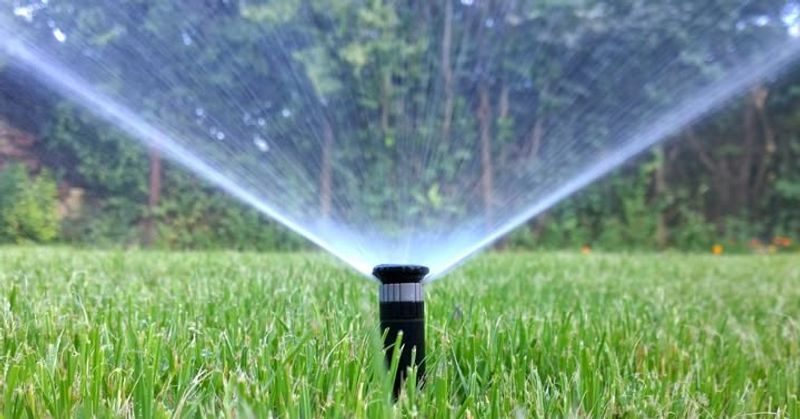
Water rates have climbed dramatically across California in recent years.
What used to cost fifty dollars a month now easily reaches triple digits for many households.
Lawn irrigation accounts for nearly half of residential water use in California, making it the biggest controllable expense on your water bill.
Switching to native plants can slash outdoor water use by seventy-five percent or more.
Imagine cutting your water bill almost in half just by changing your landscaping.
That money stays in your pocket month after month, year after year.
Native plants need deep watering only occasionally during their first year or two.
After that, most survive entirely on rainfall in many California regions.
Compare that to lawns demanding water two or three times weekly throughout summer.
The math becomes obvious quickly.
Families report saving anywhere from thirty to one hundred dollars monthly after converting to native gardens.
Over ten years, that adds up to thousands of dollars in savings.
Plus, you avoid the costs of fertilizers, pesticides, and constant mowing that lawns require.
Native Plants Support Struggling Pollinator Populations
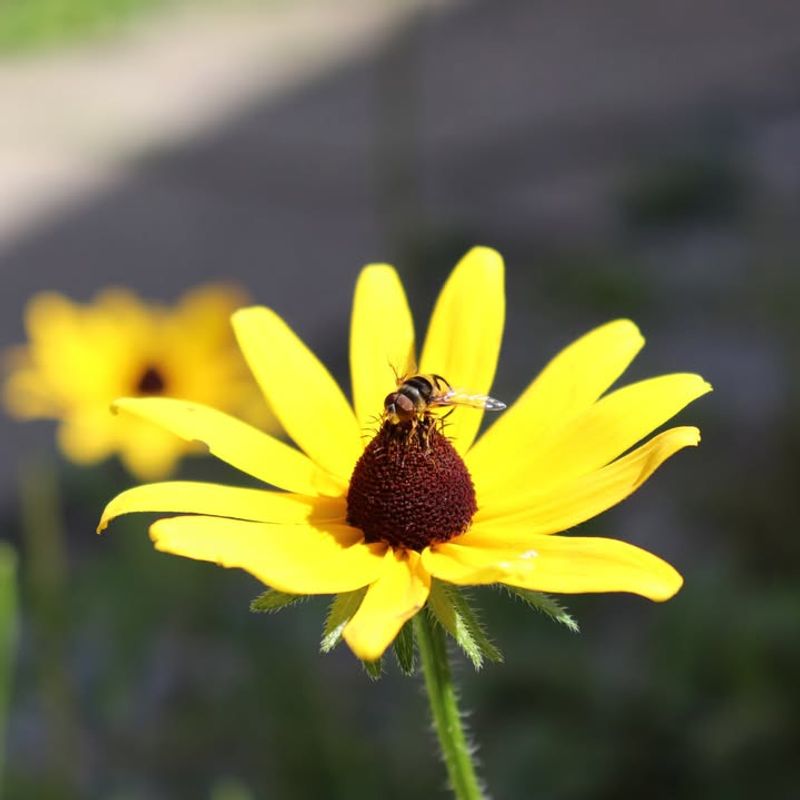
Bee and butterfly populations have crashed across North America.
Scientists blame habitat loss as a major culprit, and suburban lawns offer almost nothing for these crucial creatures.
Grass provides zero nectar, zero pollen, and zero shelter for the insects our food system depends upon.
Native plants evolved alongside native pollinators, creating perfect partnerships.
California buckwheat feeds dozens of butterfly species.
Salvias provide nectar when bees need it most.
Milkweed serves as the only host plant for monarch butterfly caterpillars.
When you plant natives, your yard becomes a wildlife refuge.
Hummingbirds zip between blooms and native bees build tiny homes in bare patches of soil.
Beneficial insects that eat garden pests find shelter in the diverse plant structure.
Children discover the wonder of watching life cycles unfold right outside their window.
Every native garden creates stepping stones that connect larger wild areas, helping pollinators travel and find mates.
Your yard becomes part of a living network supporting biodiversity.
It feels good knowing your landscaping choices help reverse environmental decline.
Climate Change Creates Hotter, Drier Summers
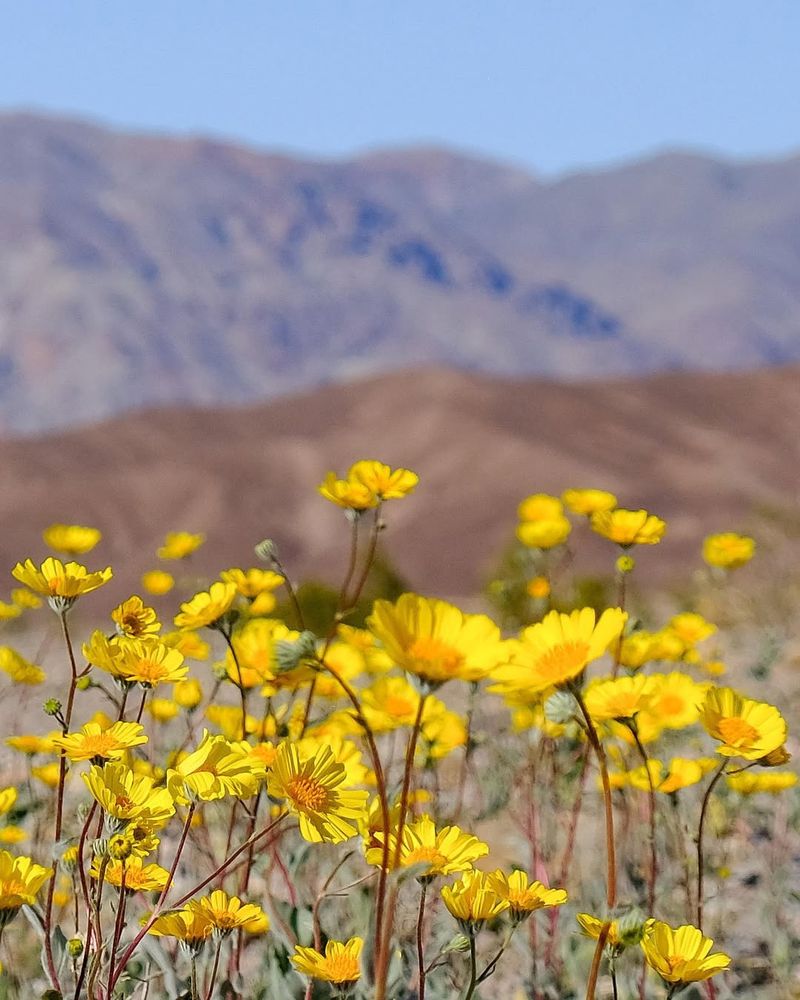
Temperature records keep falling across California.
Summers now bring weeks of triple-digit heat that would have seemed unusual a generation ago.
Rainfall patterns have shifted too, with longer dry periods between storms.
Traditional lawns struggle and often wither during these extreme conditions.
Homeowners face a losing battle, pouring water onto grass that browns anyway under the relentless sun.
Native plants adapted to California’s Mediterranean climate over millennia and they expect hot, dry summers and have clever strategies to handle them.
Some develop small, waxy leaves that reduce water loss and others go partially dormant, conserving energy until cooler weather returns.
Many natives actually prefer full sun and heat, thriving where lawns surrender.
As climate change accelerates, choosing plants suited to future conditions makes perfect sense.
Native gardens remain beautiful and functional even during record-breaking heatwaves.
You avoid the heartbreak of watching expensive landscaping get destroyed despite your best efforts.
Forward-thinking Californians recognize that fighting the climate is exhausting and expensive.
Working with nature instead creates landscapes that succeed regardless of weather extremes.
Lawn Maintenance Costs Add Up Quickly
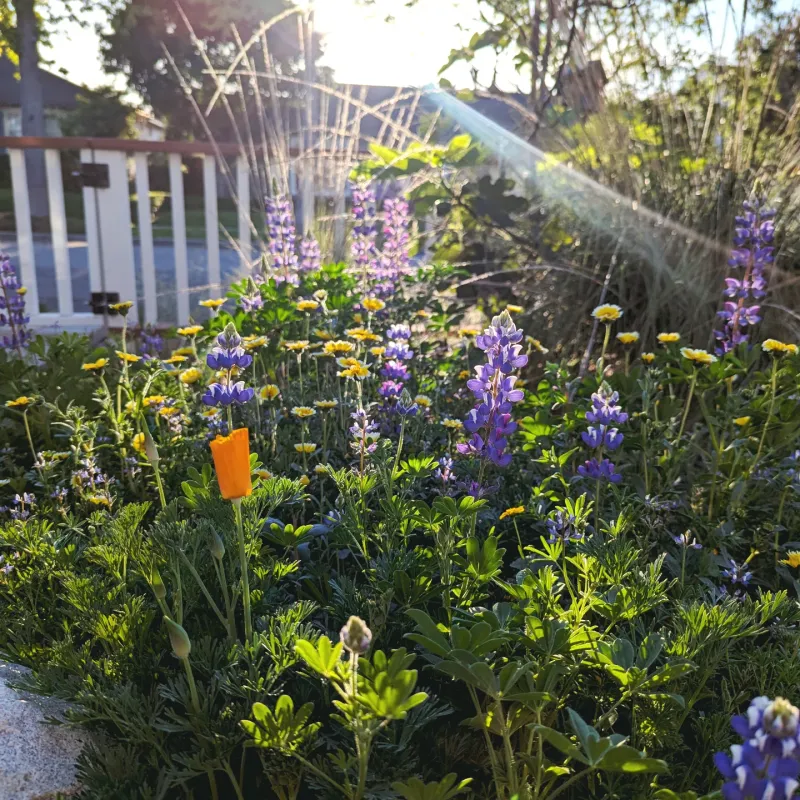
Owning a lawn means signing up for endless chores because mowing consumes every weekend during growing season.
Edging, fertilizing, aerating, and dethatching fill whatever time remains plus gas-powered mowers burn fuel and require maintenance.
Fertilizers cost money and can harm waterways while pesticides pose health risks and destroy beneficial insects.
Many families hire lawn services, spending hundreds monthly to keep grass looking decent.
Native plant gardens need dramatically less maintenance.
No mowing ever and no fertilizers needed since natives evolved in California’s natural soils.
Additionally, minimal pruning once or twice yearly keeps plants shaped nicely and an occasional weeding session handles any invaders.
Most gardeners find they spend one-tenth the time maintaining native landscapes compared to lawns.
That time freedom lets families actually enjoy their yards instead of constantly working on them.
Weekends open up for barbecues, reading in the garden, or watching wildlife.
The physical labor decreases too, which older homeowners especially appreciate so native gardens practically care for themselves once established.
Your yard becomes a source of relaxation rather than obligation.
State And Local Rebate Programs Offset Costs

California takes water conservation seriously enough to pay residents for making changes.
Metropolitan Water District offers up to three dollars per square foot of lawn removed.
Local water agencies add their own incentives on top of state programs.
Some homeowners receive several thousand dollars for converting typical suburban lawns and application processes have become simpler as programs mature.
Most require before photos, proof of lawn removal, and after photos showing native plantings.
Water agencies want to make participation easy because every lawn converted reduces demand on stressed systems.
Rebates often cover fifty to seventy-five percent of conversion costs and some cover even more for low-income households.
That financial boost makes the switch affordable for families who thought native landscaping was out of reach.
Cities like Los Angeles, San Diego, and Sacramento run particularly generous programs.
Smaller communities have joined in too, recognizing the collective benefit.
Rebate funds come from water rates, meaning the money gets reinvested in conservation rather than infrastructure expansion.
Smart homeowners check what programs their specific area offers.
The combination of rebates plus long-term water savings creates a compelling financial case.
Grass Lawns Are Not Native To California
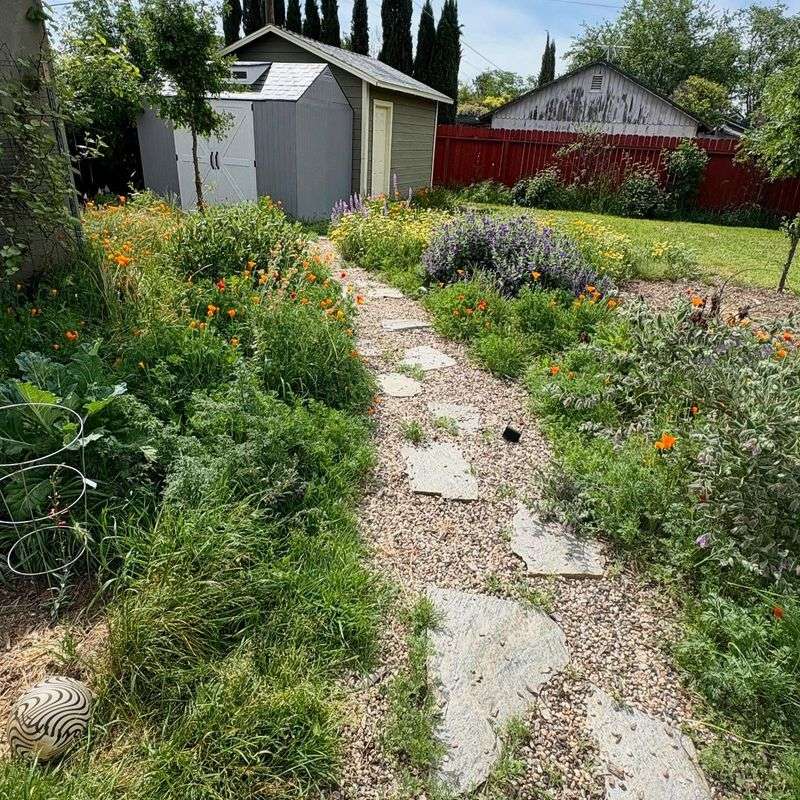
Walk through any California neighborhood and lawns seem normal, even traditional.
But grass lawns are actually a recent import, brought by European settlers who missed the green fields of home.
California’s natural landscape looked completely different while coastal sage scrub covered hillsides with fragrant gray-green plants.
Oak woodlands dotted valleys, wildflowers painted entire mountainsides in spring, and native bunchgrasses grew in clumps, not dense carpets, and went golden brown each summer.
The modern lawn requires constant human intervention to survive here.
It fights against California’s natural climate every single day.
Native plants, however, evolved specifically for this place and they expect the weather patterns, soil types, and seasonal rhythms that define California.
Choosing natives means working with ten thousand years of natural selection instead of against it.
Your garden finally matches the landscape that naturally belongs here.
Many Californians experience an aha moment when they learn this history and lawns suddenly seem strange and out of place.
Native gardens feel like coming home to something authentic and real.
Reduced Carbon Footprint From Less Lawn Equipment
Gas-powered lawn mowers produce shocking amounts of pollution.
Running a mower for one hour creates as much smog-forming pollution as driving a car for hundreds of miles.
Add in edgers, blowers, and trimmers, and the environmental damage multiplies.
California has millions of lawns, meaning millions of mowers running every week and that collective carbon footprint rivals small countries.
Native plant gardens eliminate this pollution source entirely, so no mowing means no mower emissions.
The quiet feels wonderful too when Saturday mornings return to peaceful bird songs instead of roaring engines.
Your neighbors might not say it, but they appreciate the noise reduction.
Electric mowers offer some improvement for remaining lawn areas, but skipping mowing altogether provides the biggest benefit.
Manufacturing and shipping lawn equipment also carries environmental costs since mowers, fertilizer spreaders, and sprinkler systems require resources to produce.
Native gardens need far fewer tools and inputs.
Climate-conscious Californians recognize that personal choices matter.
Converting your lawn represents real climate action you control.
It demonstrates environmental values to your community and creates visible change that inspires others.
California Lilac: Fragrant Evergreen Beauty
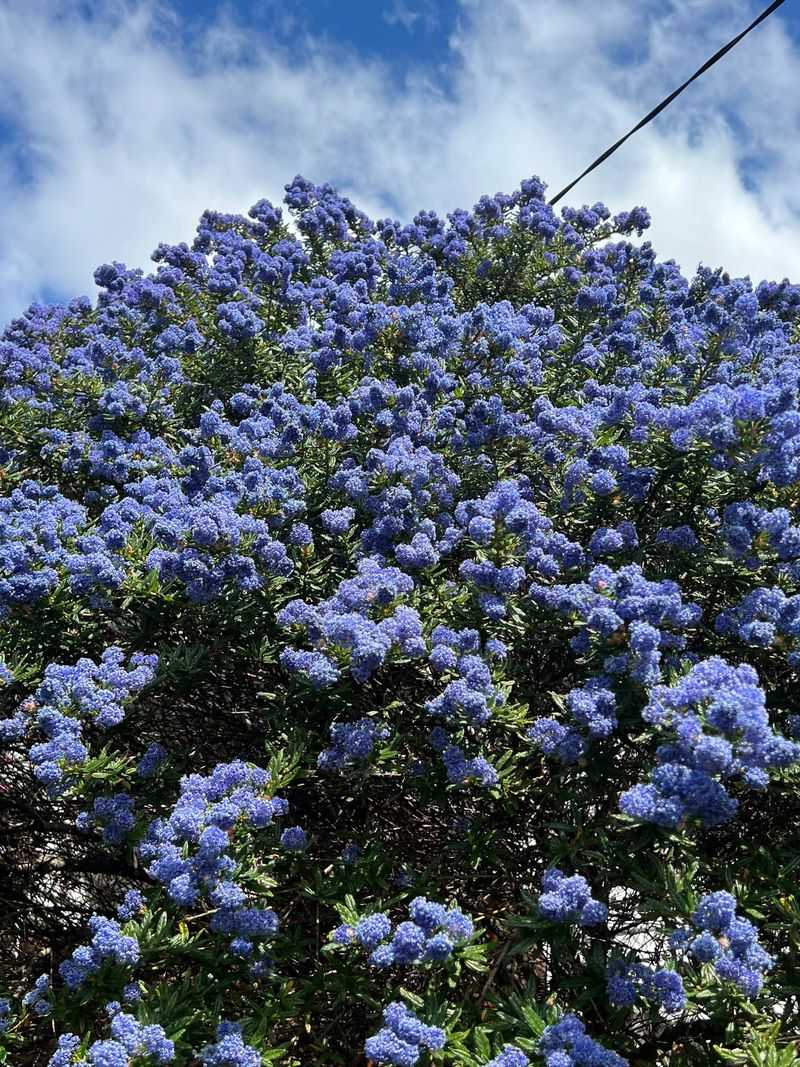
California lilac ranks among the most beloved native plants for good reason.
Dozens of species and cultivars offer choices for every garden size and style.
Flowers range from deep blue to soft pink to pure white, appearing in spring and covering plants so densely you barely see leaves.
The sweet fragrance attracts butterflies and hummingbirds from blocks away.
Some varieties grow low and spreading, perfect for covering slopes or replacing lawn areas.
Others reach six to eight feet tall, creating privacy screens or backyard focal points.
All California lilacs thrive in full sun and need essentially zero summer water once established.
They actually prefer dry conditions and can rot if overwatered.
Evergreen foliage stays attractive year-round, providing structure even when not blooming but pruning after flowering keeps plants shaped nicely and encourages bushier growth.
Deer usually leave California lilac alone, solving a major problem for many gardeners.
Plant breeders have developed improved varieties that bloom longer and stay more compact.
Ray Hartman grows large and vigorous, perfect for big spaces, whereas Yankee Point hugs the ground, ideal for hillsides.
Whatever your needs, a California lilac variety fits perfectly.
California Poppy: Golden State Icon
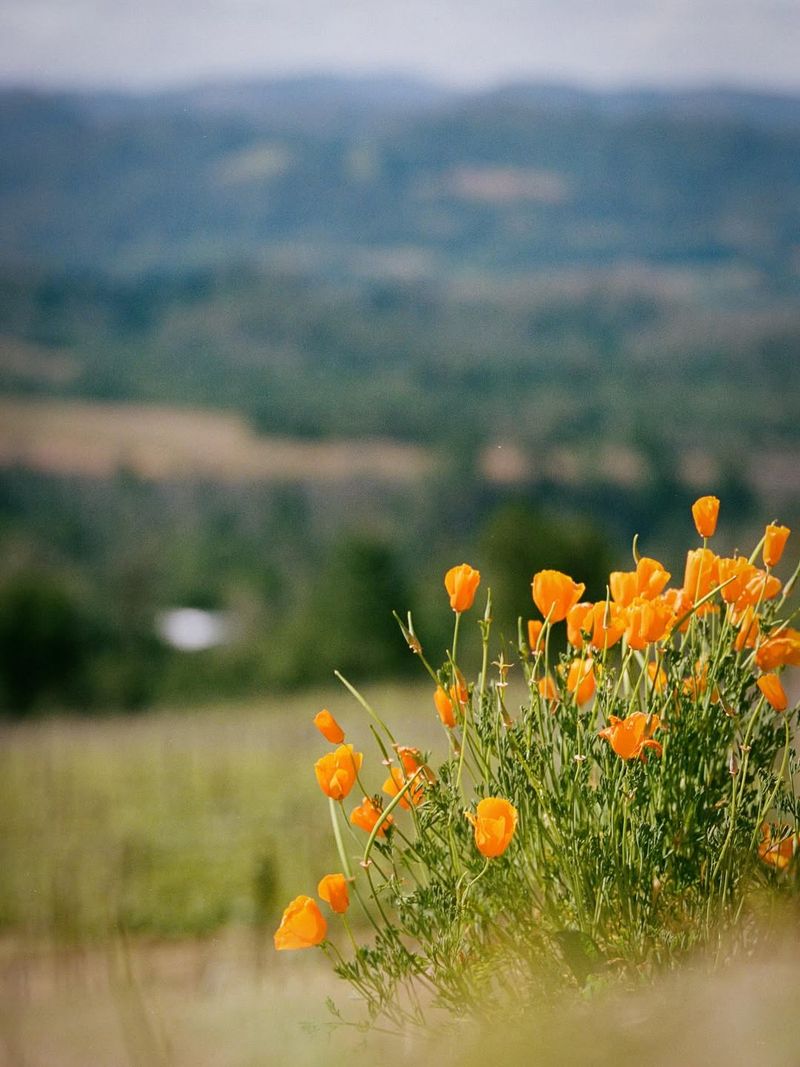
Seeing hillsides covered in orange poppies defines California spring and the state flower earned its status through sheer beauty and toughness.
California poppies grow almost anywhere, from coastal bluffs to desert edges.
They reseed themselves readily, coming back year after year without any help.
Blooms open each morning and close at night or on cloudy days, creating living flowers that respond to light.
Colors include classic orange, but also yellow, cream, pink, and red varieties.
Poppies work beautifully in meadow-style gardens or mixed borders and all you need to do is scatter seeds in fall for spring blooms.
They need absolutely no summer water and actually go dormant during heat, returning when rains begin.
Drought tolerance reaches extreme levels.
Children love poppies because they grow fast and bloom prolifically.
Butterflies and native bees visit constantly and cutting flowers for bouquets works if you sear stem ends immediately.
Some gardeners interplant poppies with other natives for extended color; lupines and poppies together create stunning purple and orange combinations.
Few plants embody California’s spirit better than these cheerful, resilient wildflowers that blanket the state each spring.
Manzanita: Sculptural Year-Round Interest
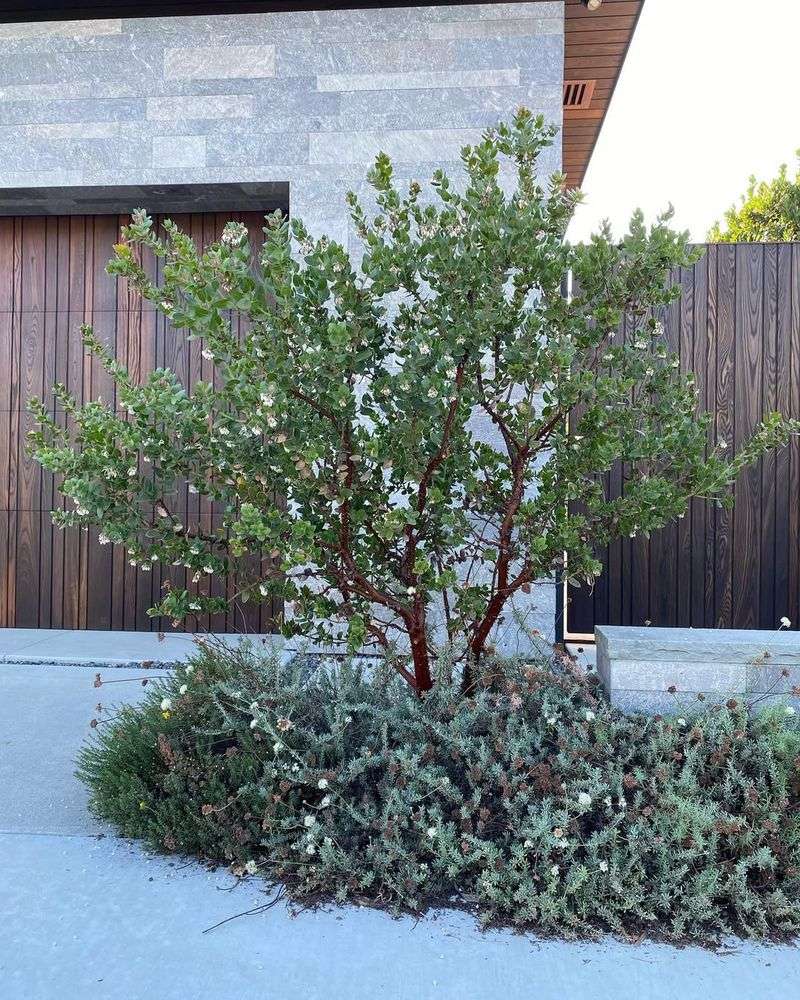
Manzanita brings an artistic quality that few plants match.
Smooth red bark catches light beautifully, especially when backlit by low sun.
Twisted branches create living sculptures that look stunning even in winter.
Small urn-shaped flowers dangle in clusters, ranging from white to deep pink depending on species.
Hummingbirds adore manzanita blooms, which appear when few other food sources exist.
Berries follow flowers, feeding birds through summer.
Size varies dramatically among species; some groundcover manzanitas spread wide but stay under one foot tall and others grow into substantial shrubs or even small trees reaching fifteen feet.
All share exceptional drought tolerance and preference for well-drained soil.
Overwatering destroys manzanitas faster than anything else.
Plant them in sunny spots with excellent drainage and then ignore them because they thrive on neglect.
Evergreen foliage stays attractive year-round, often with new growth emerging in burgundy tones.
Manzanitas work beautifully as specimens, focal points, or grouped for impact.
Their unique appearance adds sophistication to native gardens.
Many landscape designers consider manzanita essential for creating truly special California gardens that stand out from ordinary plantings.
Toyon: Bright Berries For Birds And Beauty
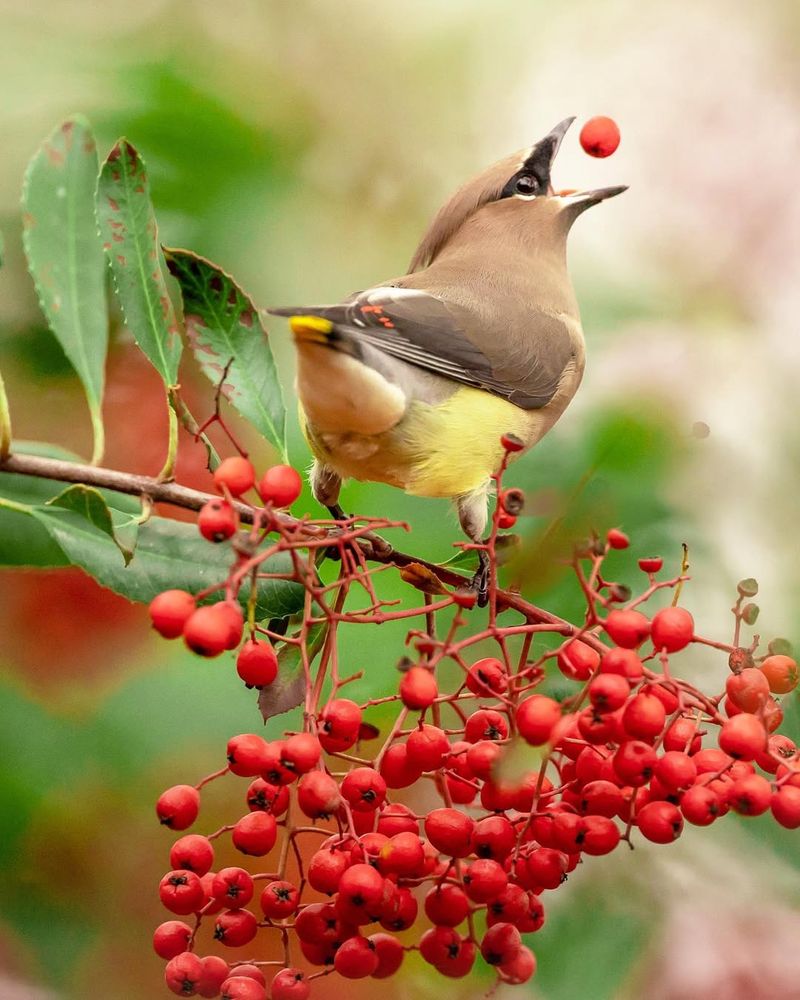
Toyon earned California the nickname Hollywood!
Early settlers thought the red berries resembled holly and named their new community accordingly.
Bright clusters of berries ripen in late fall and persist through winter, providing crucial food when other sources disappear.
Dozens of bird species feast on toyon berries, including robins, cedar waxwings, and mockingbirds.
Watching the feeding frenzy provides hours of entertainment.
White flower clusters bloom in early summer, attracting butterflies and beneficial insects and dark green evergreen leaves stay handsome year-round.
Toyon tolerates various conditions, from full sun to part shade, coastal to inland heat and once established, it needs no supplemental water in most California regions.
Size ranges from six to fifteen feet depending on conditions and pruning.
For instance, Toyon works well as a hedge, screen, or background plant and it accepts pruning readily if you want to control size or shape.
Deer browse toyon occasionally but rarely damage established plants seriously.
Native Americans ate the berries after cooking, though raw berries taste quite bitter.
Modern gardeners prize toyon mainly for wildlife value and year-round good looks that require minimal care.