Why Camellia Gardens Turn Into Winter Attractions Across Georgia
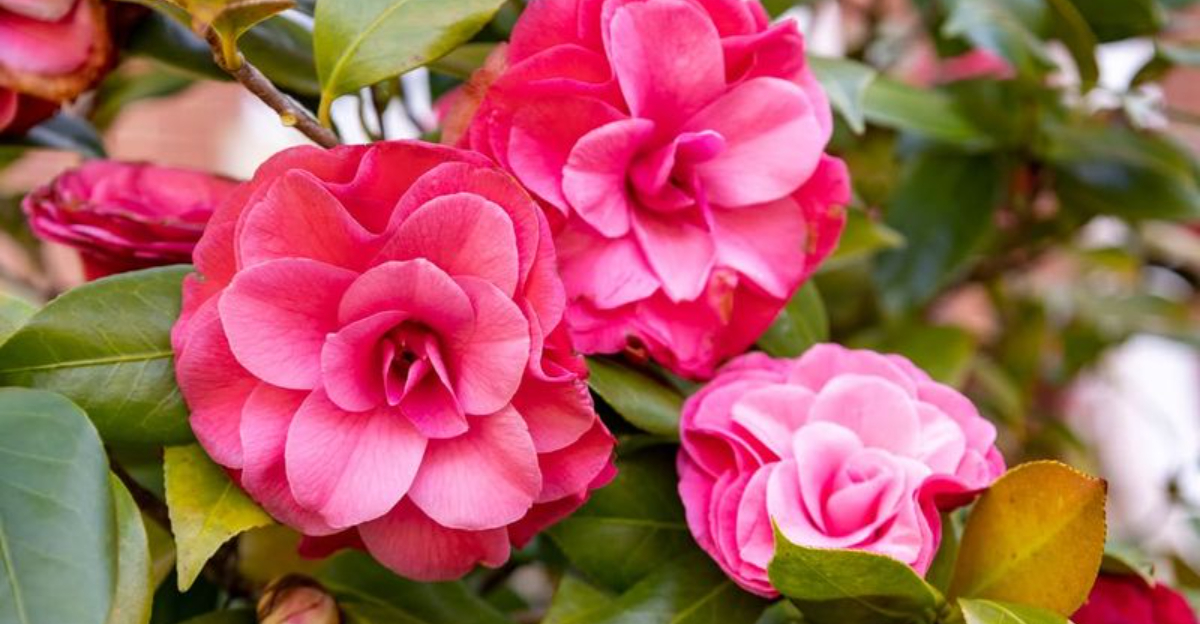
Georgia’s camellia gardens glow in winter, and I love how their soft blooms show up just when the season feels the dullest and most colorless.
Each garden creates this calm, welcoming rhythm that makes winter feel gentler and a little more comforting than you expect.
One perfect camellia always stands out, turning into the kind of quiet moment that stays with you long after the season finally lifts.
1. Camellias Bloom When Other Flowers Sleep
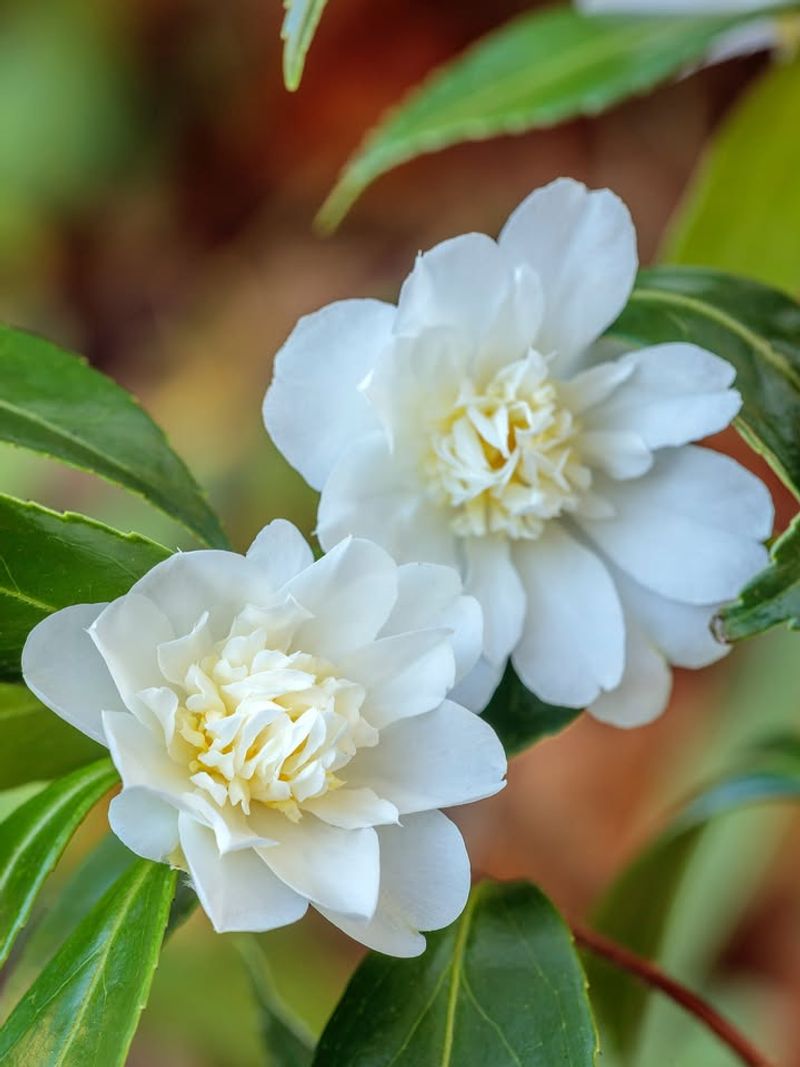
Most flowers hide away during winter, but camellias do the opposite.
Georgia’s climate creates perfect conditions for these hardy plants to show off their brilliant colors from November through March.
While neighbors watch bare branches and brown grass, camellia garden visitors enjoy vibrant pinks, reds, and whites painting the landscape.
The contrast between colorful blooms and winter’s muted tones makes every visit feel special and memorable.
Gardeners across Georgia appreciate how camellias provide natural beauty when everything else seems dormant and lifeless.
Families bundle up in coats and scarves to stroll through paths lined with thousands of flowering bushes.
Photography enthusiasts arrive early to capture dewdrops on petals before crowds gather.
Each variety offers something different, from simple single petals to complex doubled formations that look almost artificial.
Children marvel at how nature produces such perfect shapes and brilliant colors during the coldest months.
This unexpected winter spectacle draws visitors who crave outdoor activities beyond typical holiday shopping.
2. Gardens Host Special Winter Events and Festivals
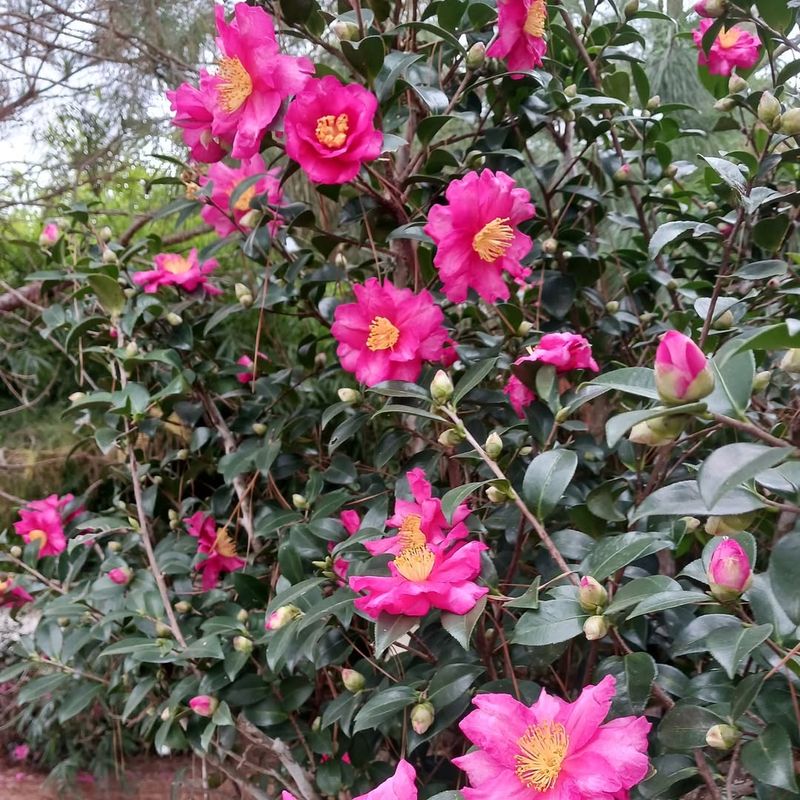
Camellia gardens throughout Georgia organize festivals celebrating these remarkable winter bloomers.
Visitors attend workshops learning about proper planting techniques, pruning schedules, and care requirements for different camellia varieties.
Local experts share knowledge passed down through generations of Georgia gardeners who mastered growing these temperamental beauties.
Food vendors set up booths offering hot chocolate, warm apple cider, and regional treats that complement the outdoor experience perfectly.
Live music fills the air as families wander through paths admiring thousands of blooms in every imaginable shade.
Children participate in scavenger hunts searching for specific flower colors or learning to identify different camellia types.
Artists set up easels capturing the stunning scenery while visitors watch their creative process unfold.
These events transform quiet gardens into lively community gathering spaces where neighbors reconnect and tourists discover Georgia’s horticultural heritage.
Evening tours with twinkling lights add magical ambiance to already spectacular settings.
Annual festivals become beloved traditions that families mark on calendars year after year.
3. Perfect Weather Makes Exploring Gardens Comfortable
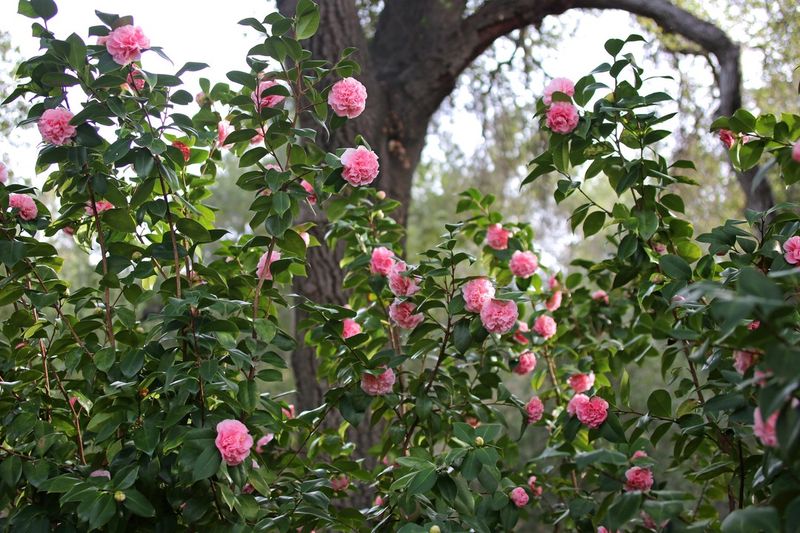
Georgia winters offer mild temperatures that make outdoor exploration enjoyable rather than miserable.
Unlike northern states where bitter cold keeps people indoors, Georgia’s winter days often reach comfortable fifties and sixties.
Visitors appreciate strolling through camellia gardens without sweating through summer humidity or battling swarms of mosquitoes.
The crisp air feels refreshing against faces while sunshine warms shoulders through light jackets.
Families spend hours wandering paths without worrying about heat exhaustion or sunburn that plague summer outings.
Senior citizens find winter garden visits particularly pleasant since cooler temperatures make walking easier and more comfortable.
Photographers benefit from soft winter light that creates ideal conditions for capturing stunning flower portraits.
Morning frost occasionally decorates camellia petals with sparkling crystals that melt by midday, creating temporary magical scenes.
Rain showers pass quickly, leaving gardens fresh and vibrant rather than muddy and unpleasant.
This combination of blooming flowers and comfortable weather creates perfect conditions for outdoor recreation across Georgia.
4. Varieties Create Rainbow Displays Across Gardens
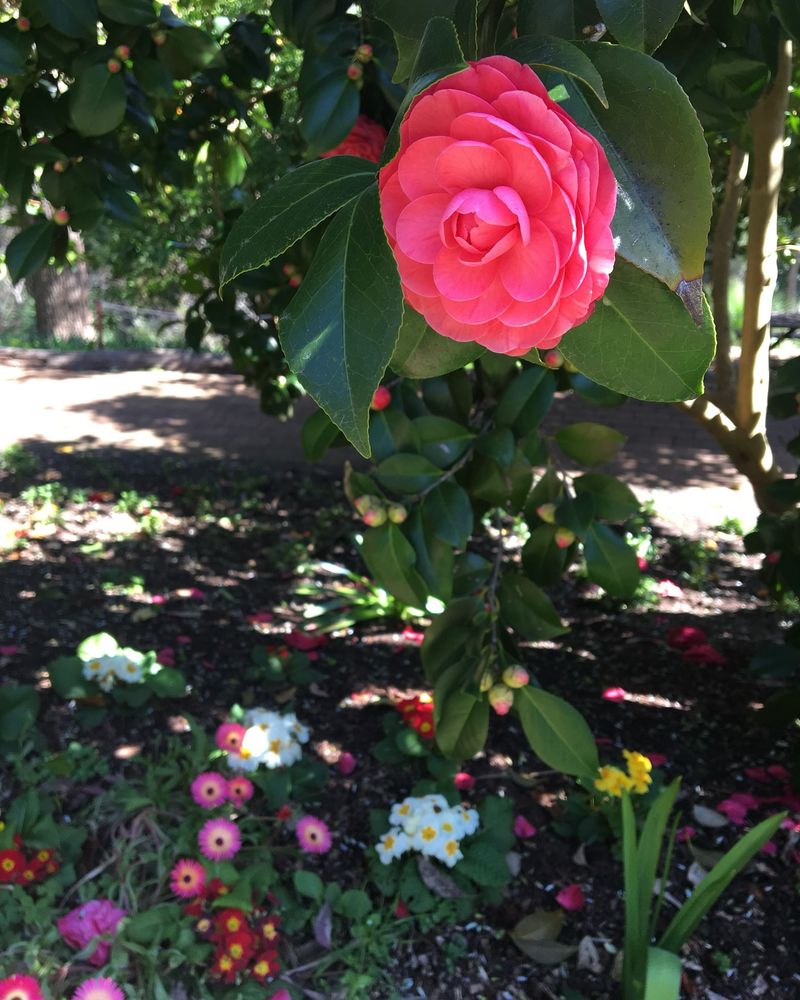
Camellia gardens showcase hundreds of different varieties that bloom in spectacular color combinations.
Some flowers display solid crimson petals while others feature delicate pink stripes across pure white backgrounds.
Georgia gardeners carefully select varieties that bloom at different times, ensuring continuous color throughout winter months.
Early bloomers start showing off in November while late varieties keep gardens colorful well into March.
Visitors discover favorites among the endless options, from compact japonicas to sprawling sasanquas that cover entire hillsides.
Each variety possesses unique characteristics including petal count, bloom size, fragrance intensity, and growth habits.
Garden maps help visitors navigate to specific sections featuring particular colors or flower forms they want to see.
Enthusiasts take notes about varieties they want to plant in their own yards after seeing them flourish.
The incredible diversity means every visit reveals something new to admire and appreciate.
Georgia’s climate supports more camellia varieties than almost anywhere else in the country, creating unmatched displays.
5. Educational Programs Teach Gardening Skills
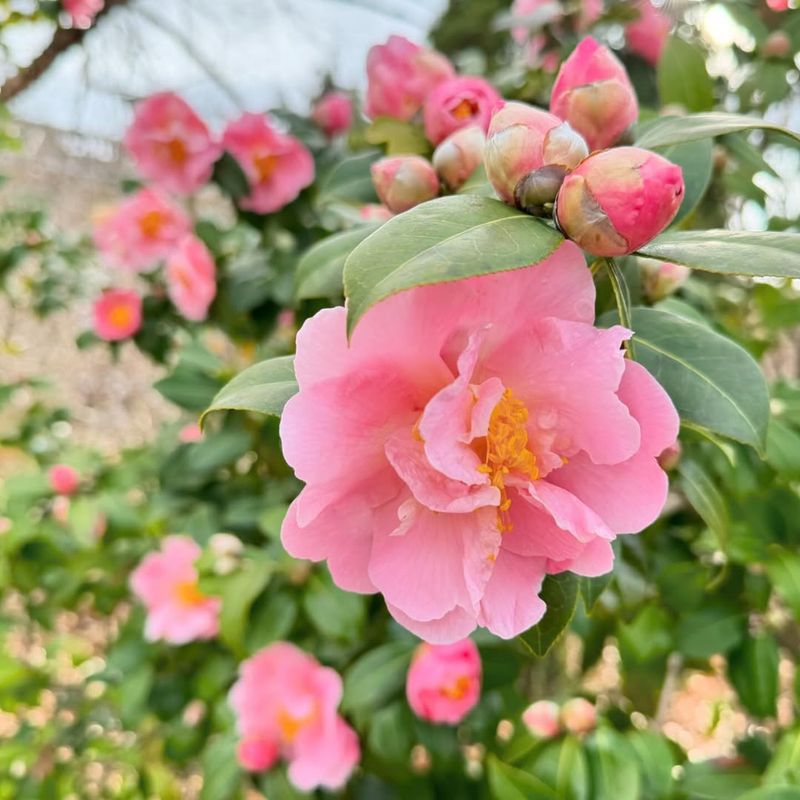
Many Georgia camellia gardens offer classes teaching visitors how to grow these beautiful plants successfully.
Master gardeners demonstrate proper techniques for soil preparation, fertilizing schedules, and pest management strategies.
Beginners learn which varieties work best for different yard conditions including shade tolerance and cold hardiness.
Hands-on workshops let participants practice pruning cuts on actual plants under expert supervision.
Classes cover common problems like bud drop, leaf yellowing, and disease prevention that frustrate home gardeners.
Children attend special programs learning about plant life cycles, pollination, and environmental stewardship through fun activities.
Advanced courses explore propagation methods including grafting, rooting cuttings, and growing from seeds.
Seasonal lectures explain how Georgia’s climate influences blooming times and care requirements throughout the year.
Participants leave with printed guides, plant samples, and confidence to create their own camellia displays.
These educational opportunities transform casual visitors into knowledgeable gardeners who spread their enthusiasm throughout communities.
6. Historic Gardens Preserve Southern Heritage
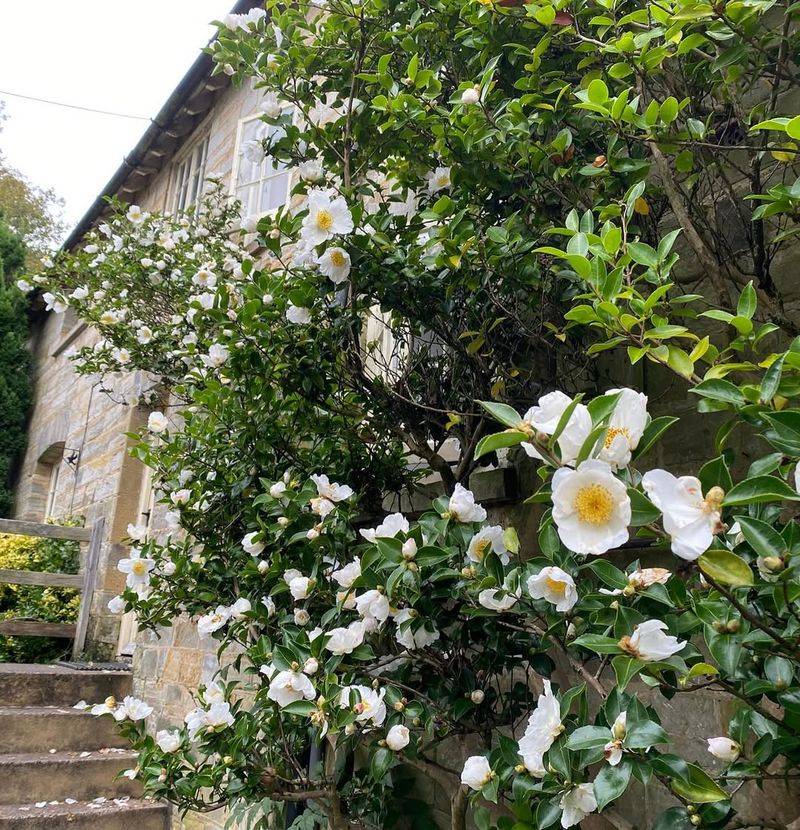
Georgia’s camellia gardens connect visitors to rich horticultural traditions dating back centuries.
Many estates feature plants passed down through generations, with some bushes over one hundred years old.
Walking these historic grounds feels like stepping back to when Southern gardens represented wealth, culture, and refined taste.
Preserved landscapes showcase design principles that influenced American gardening for decades.
Interpretive signs share stories about families who cultivated these collections and the importance camellias held in social circles.
Antebellum homes surrounded by mature camellia specimens create picturesque scenes that photographers and history enthusiasts adore.
Georgia’s mild climate allowed these plants to survive while similar collections in colder regions perished long ago.
Garden historians study these living museums to understand how plant preferences evolved over time.
Restoration projects carefully maintain original layouts while introducing period-appropriate varieties to fill gaps.
Visitors gain appreciation for the dedication required to preserve these beautiful spaces for future generations to enjoy.
7. Wildlife Thrives Among Winter Blooms
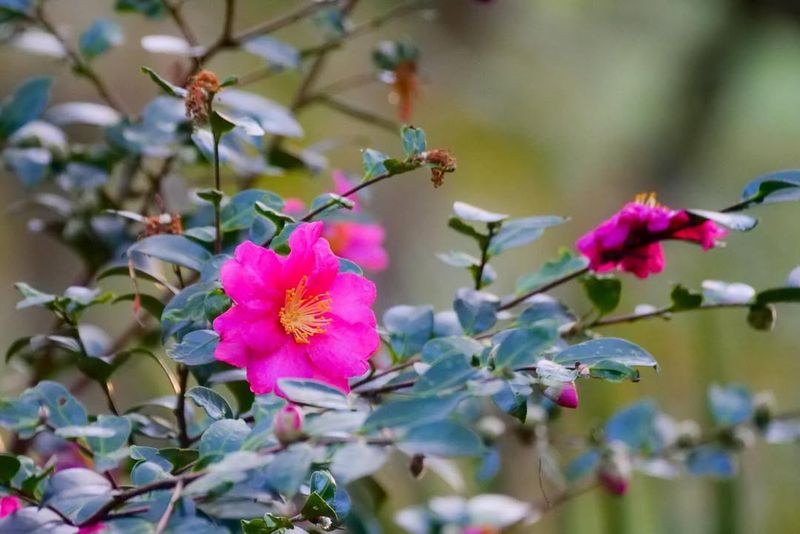
Camellia gardens become havens for birds and beneficial insects during Georgia’s winter months.
Hummingbirds occasionally visit red blooms while searching for nectar sources when other flowers remain dormant.
Bees emerge on warm winter days to gather pollen from open camellia flowers, supporting colony health.
Songbirds perch on branches near blooms, adding cheerful melodies to peaceful garden atmospheres.
Squirrels scamper along paths while visitors photograph flowers, creating entertaining natural moments.
Butterflies sometimes appear during unseasonably warm spells, adding movement and color to already vibrant scenes.
Garden designers intentionally create habitats supporting diverse wildlife populations throughout the year.
Children delight in spotting different creatures while exploring paths and learning about ecosystem connections.
Nature enthusiasts appreciate how camellia gardens support biodiversity even during winter when many habitats offer limited resources.
The combination of beautiful flowers and active wildlife makes every Georgia camellia garden visit unpredictable and exciting.
8. Photography Opportunities Attract Creative Visitors
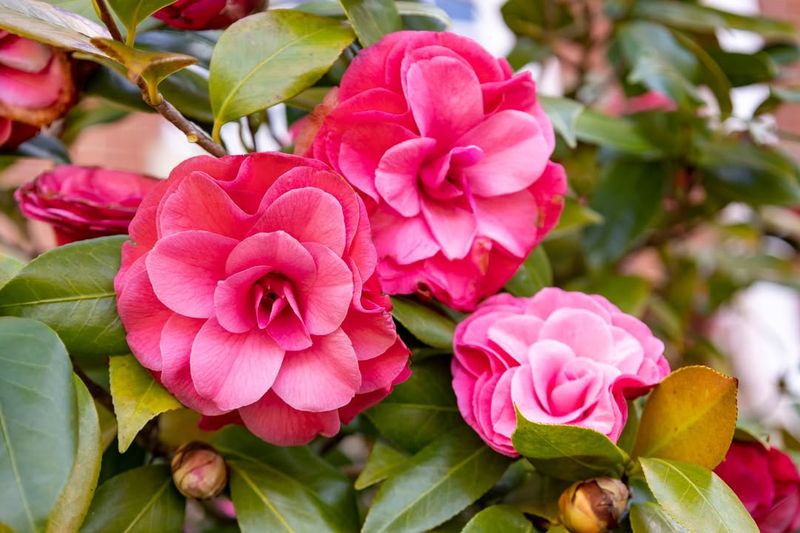
Camellia gardens provide endless subjects for photographers seeking stunning winter compositions.
Morning light filters through petals creating glowing effects that make flowers appear almost luminescent.
Macro enthusiasts capture intricate details of stamens, pollen, and petal textures invisible to casual observers.
Landscape photographers frame colorful blooms against Georgia’s winter skies and architectural elements.
Portrait photographers use flowering bushes as natural backdrops for family sessions and engagement photos.
Social media influencers visit gardens creating content that showcases Georgia’s unexpected winter beauty to worldwide audiences.
Photography clubs organize group outings where members share techniques and critique each other’s work.
Garden paths wind through varied settings offering different perspectives and lighting conditions within short distances.
Reflections in ponds and dewdrops on petals create artistic opportunities that change throughout the day.
Amateur and professional photographers alike find inspiration among the countless blooms decorating Georgia’s camellia gardens each winter season.
9. Accessible Paths Welcome All Visitors
Georgia camellia gardens design pathways ensuring everyone can enjoy winter blooms regardless of mobility limitations.
Paved trails accommodate wheelchairs, strollers, and walkers while winding through the most spectacular display areas.
Benches positioned at regular intervals provide resting spots where visitors can sit and appreciate surrounding beauty.
Accessible parking spaces near garden entrances minimize walking distances for those with limited endurance.
Gentle slopes replace steep stairs, allowing gradual elevation changes without creating barriers for visitors.
Wide paths permit multiple people to walk side-by-side, making gardens perfect for group outings and family adventures.
Signage includes large print and clear directions helping visitors navigate without confusion or frustration.
Garden staff receive training in assisting visitors with various needs, creating welcoming environments for everyone.
Sensory gardens feature plants at different heights allowing visitors to touch, smell, and closely examine blooms.
This commitment to accessibility ensures Georgia’s camellia gardens remain inclusive destinations where entire communities can gather and celebrate winter’s unexpected beauty.