Why Camellia Is A Smart Front Door Plant For Your Georgia Home
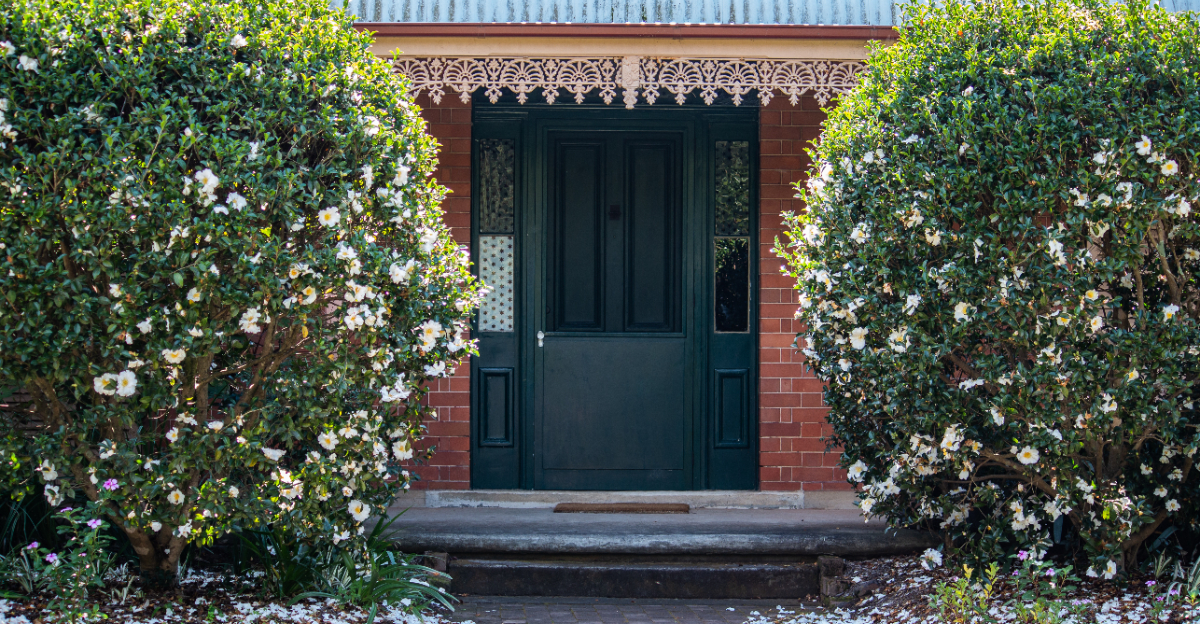
First impressions matter at a front door, especially in a Georgia home where plants frame the entry year-round. Camellia earns attention here for reasons that go beyond good looks.
Ever notice how some entry plants fade or look tired between seasons? Camellia holds steady through cool months, keeps glossy foliage, and brings blooms at a time few shrubs do.
Georgia’s climate suits its growth habits, which helps the plant stay tidy and confident near high-traffic areas.
Shade tolerance, predictable form, and seasonal color all add up to an entry that feels intentional rather than fussy.
A smart front door plant does not ask for constant fixes. Camellia delivers structure, color, and reliability so the entry feels welcoming long after other choices lose appeal.
1. Evergreen Foliage Keeps Entryways Looking Polished Year-Round
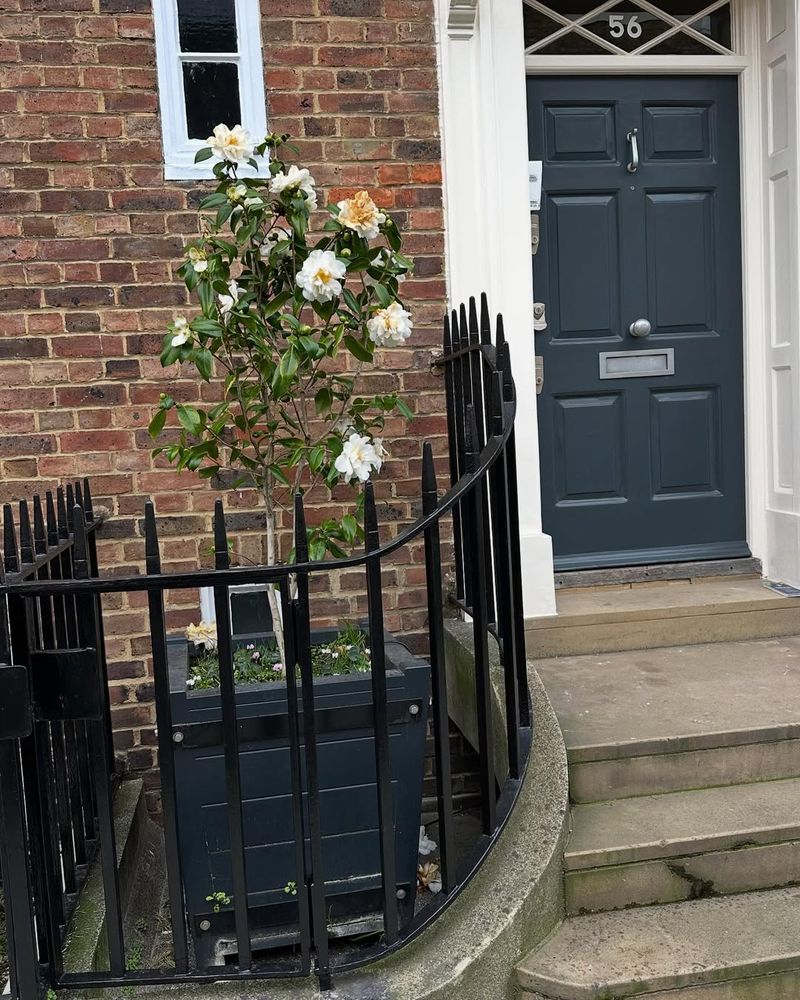
Georgia winters can leave many landscapes looking bare and brown, but camellias maintain their rich green color through every month.
Their leathery leaves stay attached and vibrant even during cold snaps that strip other plants of their foliage.
Homeowners appreciate this consistency because their front entrance never looks neglected or sparse, regardless of the season.
The glossy texture of camellia leaves reflects light beautifully, creating visual interest even on overcast days.
This natural shine gives entryways a well-maintained appearance without requiring any special treatments or leaf polishes. Visitors notice the healthy, robust look of these plants immediately upon approaching your door.
Unlike deciduous shrubs that drop leaves and create cleanup work each fall, camellias keep their foliage intact.
This evergreen quality means less maintenance time and more enjoyment of your landscape throughout the year.
In Georgia’s humid climate, some evergreen plants develop fungal issues or discoloration, but camellias resist these problems naturally. Their thick leaves shed water effectively and don’t trap moisture that leads to disease.
From Macon to Augusta, homeowners rely on this dependable greenery to frame their entryways with lasting beauty that never takes a seasonal break.
2. Winter And Early Spring Blooms Add Timely Color With Camellia
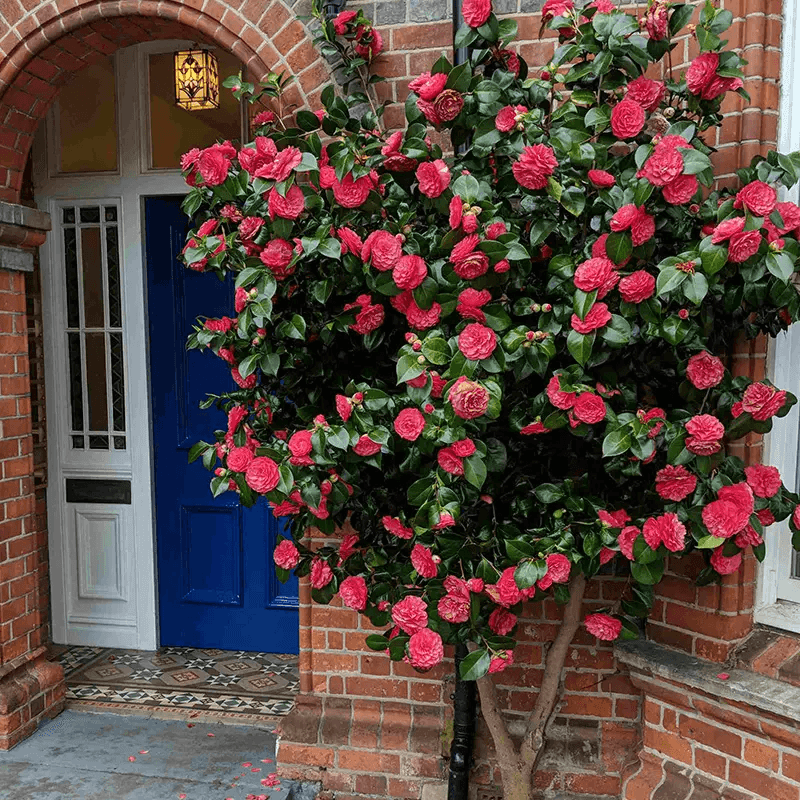
Most flowering plants in Georgia wait until late spring or summer to show their blooms, leaving winter landscapes colorless. Camellias break this pattern by producing stunning flowers from November through March, depending on the variety.
This timing means your front door enjoys bright, cheerful color precisely when the rest of the neighborhood looks dormant and dull.
The flowers range from pure white to deep red, with many shades of pink in between. Some varieties produce blooms as large as saucers, creating dramatic focal points that catch every visitor’s eye.
These blossoms appear in such abundance that branches often bend under their weight, creating a generous display that lasts for weeks.
Winter blooming offers practical advantages beyond aesthetics for Georgia homeowners. Fewer insects are active during cold months, so flowers remain pristine without pest damage.
The cooler temperatures also help blooms last longer than summer flowers, which often wilt quickly in Georgia’s heat and humidity.
Early spring camellias bridge the gap between winter and the main growing season beautifully. They provide color continuity as temperatures gradually warm and other plants begin their growth cycles.
From Columbus to Athens, residents enjoy this extended flowering season that makes front entrances welcoming during months when most gardens offer little visual interest or seasonal excitement.
3. Partial Shade Conditions Suit Camellias Near Front Doors
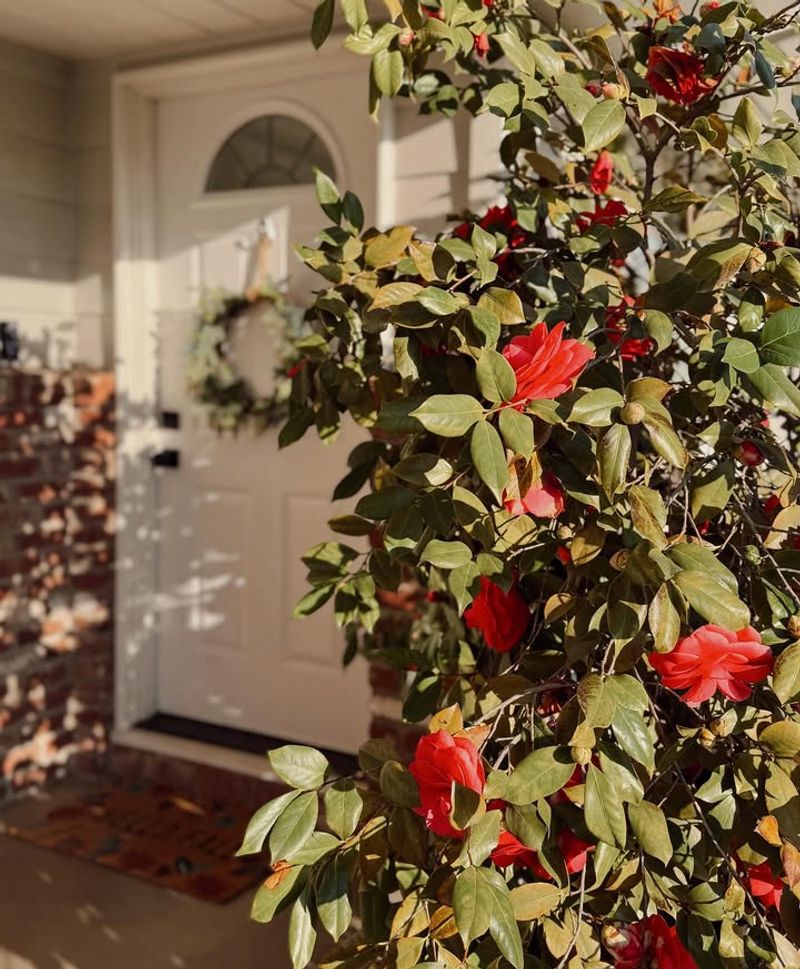
Many front door locations in Georgia receive filtered sunlight rather than full sun exposure throughout the day. Porches, roof overhangs, and nearby trees create shade patterns that challenge sun-loving plants.
Camellias actually prefer these partially shaded conditions, making them ideal candidates for typical entryway environments where lighting isn’t always optimal.
Full afternoon sun can scorch the leaves of many ornamental shrubs in Georgia’s hot summers. Camellias avoid this problem because they naturally evolved in forest understory environments.
Their preference for morning sun and afternoon shade matches perfectly with east-facing or north-facing front entrances common in residential architecture.
This shade tolerance means you won’t need to redesign your landscape or remove trees to accommodate these plants. They work with your existing conditions rather than requiring you to modify the environment.
Homeowners in wooded subdivisions around Atlanta or Marietta find camellias particularly well-suited to their shaded lots.
The partial shade also helps protect those spectacular winter blooms from frost damage. Flowers tucked under eaves or sheltered by overhanging branches survive cold snaps better than those in exposed locations.
This natural protection extends the bloom period and keeps flowers looking fresh longer, giving you more value from each flowering cycle without requiring covers or special winter protection measures for your investment.
4. Slow Growth Maintains A Neat Shape Without Constant Pruning
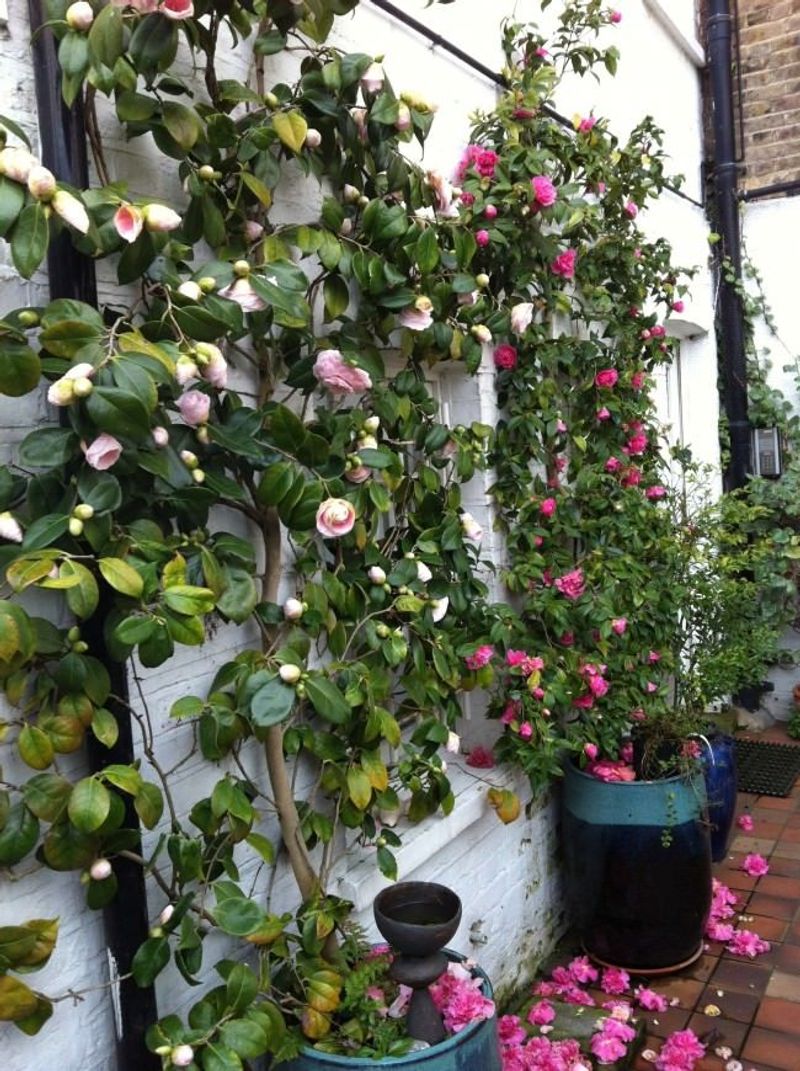
Fast-growing shrubs might seem appealing initially, but they quickly become maintenance burdens that require frequent trimming. Camellias grow slowly and deliberately, adding just a few inches each year under typical Georgia conditions.
This measured pace means your front door plantings maintain their intended size and shape for years without demanding regular pruning sessions.
The natural growth habit of most camellia varieties produces a rounded, symmetrical form without human intervention. Branches emerge in balanced patterns that create attractive silhouettes on their own.
You won’t find yourself constantly correcting lopsided growth or cutting back aggressive shoots that ruin the plant’s appearance.
This slow growth also means you can plant camellias closer to walkways and foundations without worrying about future problems. They won’t suddenly crowd your entrance or block pathways the way fast-growing alternatives often do.
Homeowners in Savannah and other historic Georgia cities particularly appreciate this predictability when working with established landscapes and limited planting spaces.
When pruning does become necessary, camellias respond well to selective trimming without suffering setbacks. You can shape them after flowering ends to maintain size or remove any wayward branches.
The slow growth means these pruning sessions happen infrequently, perhaps every few years rather than multiple times per season, saving you time and effort while keeping your entrance looking professionally maintained.
5. Glossy Leaves Create A Formal, Welcoming Look
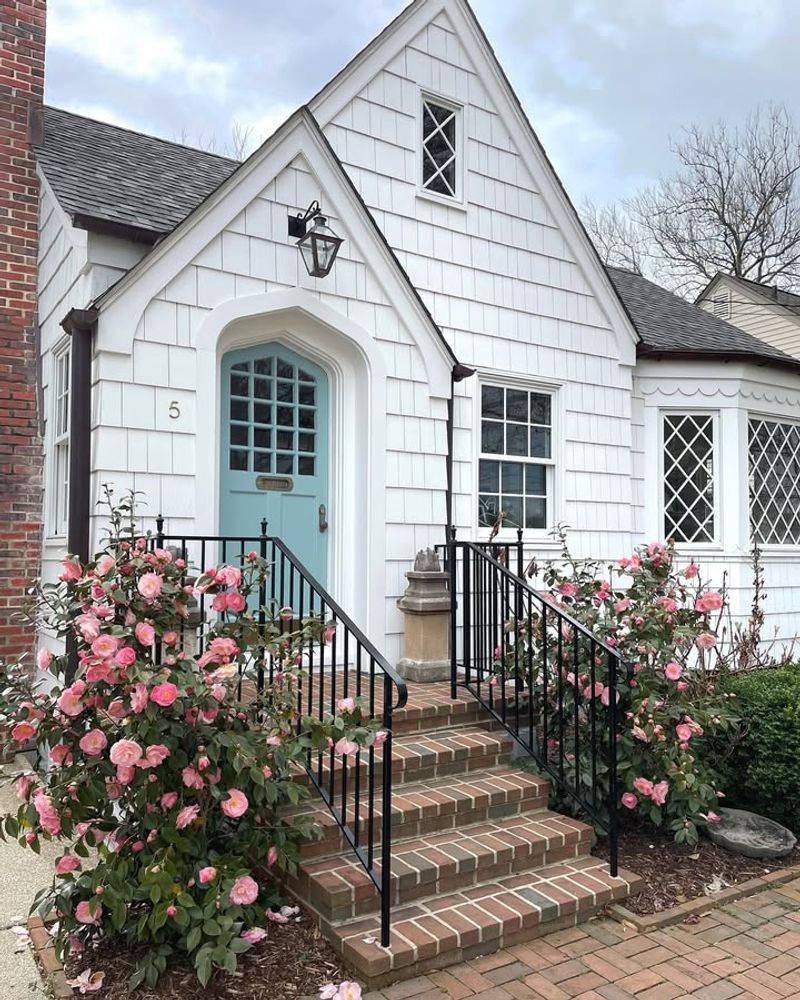
First impressions matter, and the appearance of your front entrance sets the tone for your entire home. Camellia leaves possess a natural polish that elevates the look of any entryway from casual to refined.
This inherent glossiness creates an upscale appearance that complements both traditional Southern homes and contemporary designs throughout Georgia.
The deep green color of camellia foliage provides rich contrast against brick, stone, or painted siding. This visual depth adds dimension to flat exterior walls and helps architectural features stand out.
Real estate agents often note that homes with well-chosen foundation plantings, particularly glossy-leaved varieties, photograph better and create stronger curb appeal.
Unlike matte-finish plants that can look dusty or tired, camellias maintain their fresh appearance naturally. Rain showers rinse the leaves clean, and their waxy coating resists dirt accumulation.
This self-cleaning quality means your front entrance always looks cared for without requiring you to wash foliage or apply leaf shine products.
The formal appearance works particularly well for homeowners who want their property to convey elegance and attention to detail. From upscale neighborhoods in Roswell to historic districts in Milledgeville, camellias provide that polished look associated with well-maintained estates.
Their sophisticated appearance never goes out of style, making them a timeless choice that enhances property value while creating a welcoming atmosphere for family and guests alike.
6. Acid-Loving Roots Match Georgia Soil Conditions Well
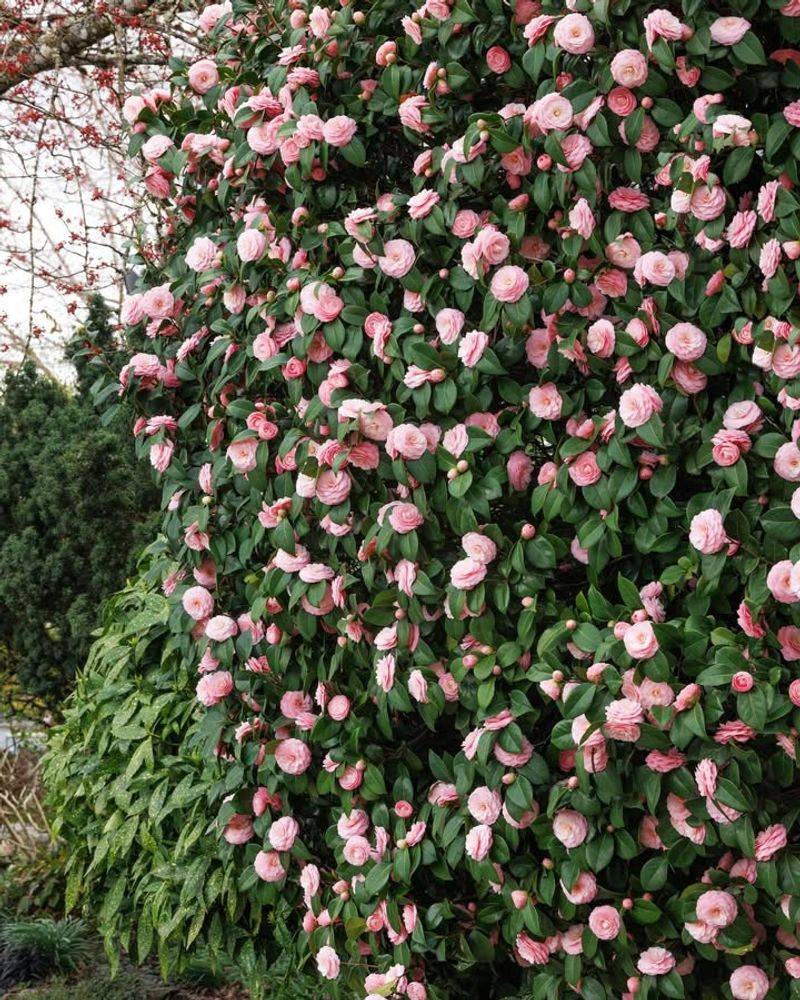
Georgia’s native soils tend toward acidity, particularly in areas with red clay or sandy compositions. Many popular landscape plants struggle in these conditions and require soil amendments to survive.
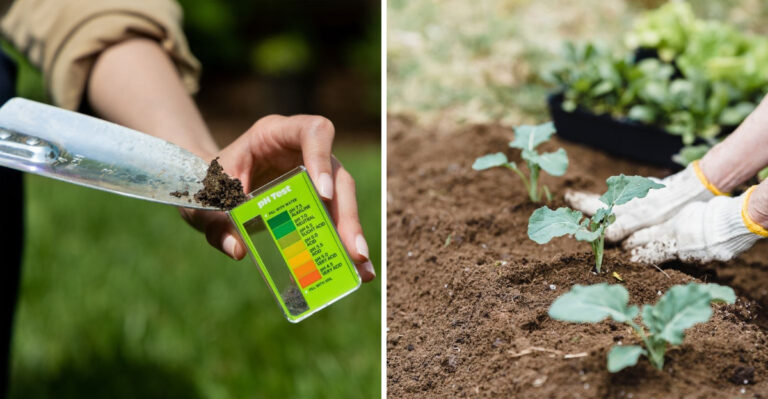
Camellias naturally prefer acidic soil with pH levels between 5.5 and 6.5, making them perfectly matched to what Georgia already offers.
This soil compatibility means less work and expense for homeowners during planting and maintenance. You won’t need to purchase lime or other amendments to adjust pH levels before installing camellias.
The plants settle in quickly and establish strong root systems because they’re growing in conditions that suit their natural preferences.
Acid-loving plants also benefit from the same fertilizers that work well for other popular Georgia landscape choices. Azalea and rhododendron fertilizers, readily available at local garden centers, work perfectly for camellias too.
This compatibility simplifies your maintenance routine and reduces the number of different products you need to keep on hand.
The extensive root system that develops in favorable soil conditions helps camellias withstand Georgia’s occasional droughts. Well-established plants access moisture deep in the soil profile that surface-rooted plants cannot reach.
From the mountains near Dahlonega to the coastal areas around Brunswick, camellias adapt to regional soil variations while maintaining their health and appearance, making them reliable performers across Georgia’s diverse growing conditions and microclimates.
7. Long Lifespan Makes Camellias A Lasting Landscape Choice
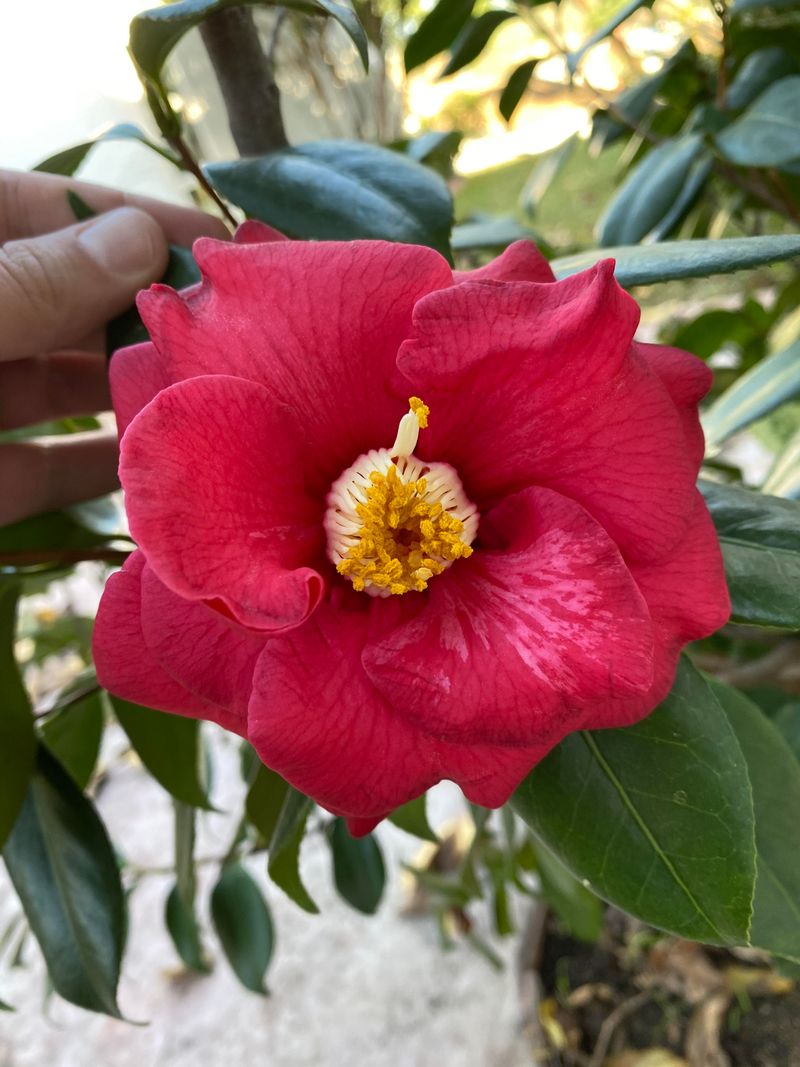
Investing time and money in landscape plants only to replace them every few years creates frustration and unnecessary expense. Camellias routinely live for decades, with many specimens surviving for fifty years or more in Georgia landscapes.
This remarkable longevity means the plant you install today will likely outlast your mortgage, providing continuous beauty and value throughout your homeownership.
Mature camellias develop character and presence that young plants cannot match. Their trunks gain interesting texture, and their canopies fill out to create substantial focal points.
Homeowners who purchase properties with established camellias often consider them valuable assets that influenced their buying decision.
The long lifespan also creates opportunities for sentimental connections and family memories. Children who play near a front door camellia return as adults to find the same plant still thriving and blooming.
These living landmarks become part of your home’s story and identity within the neighborhood.
Unlike trendy plants that fall out of favor or prove unsuitable for Georgia’s climate over time, camellias have proven their worth through generations.
Historic homes throughout Savannah, Atlanta, and smaller Georgia communities feature century-old camellias still producing stunning displays.
This track record provides confidence that your choice will remain beautiful and appropriate for years to come, making camellias a wise investment that continues paying dividends long after the initial planting effort.