Why Cardinals Are Crowding Minnesota Backyard Feeders This Winter
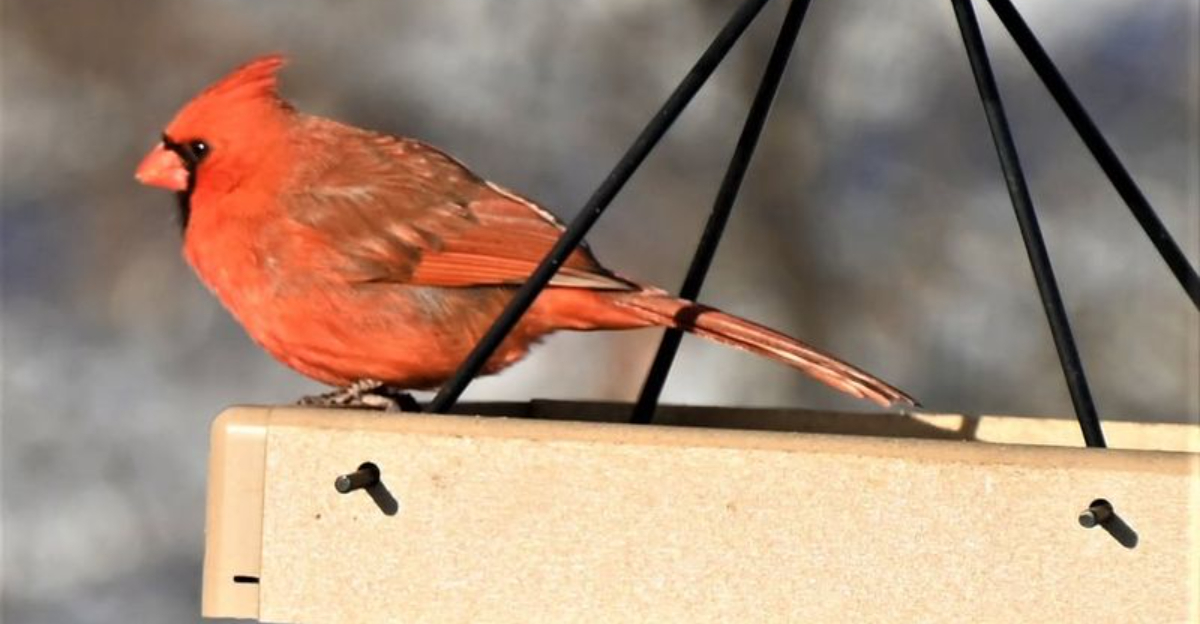
Minnesota backyards are buzzing with flashes of red this winter, and cardinals seem to be everywhere at once.
Feeders that once saw a steady trickle now host nonstop traffic, with birds lining up like it is rush hour.
Cold weather has a way of changing habits, and cardinals are no exception.
When winter tightens its grip, these bold birds stick close to reliable food sources.
Snow cover and frozen ground make natural meals harder to come by.
Seeds, berries, and insects disappear fast, pushing cardinals to depend on backyard feeders for steady fuel.
They travel in small groups, share information, and return to places that feel safe and dependable.
A well-placed feeder becomes a regular stop instead of an occasional visit.
Minnesota winters are long and unforgiving, so conserving energy matters.
By crowding feeders, cardinals burn fewer calories searching for food and more staying warm.
For homeowners, this means front-row seats to a lively winter show.
Understanding what draws cardinals in helps explain their sudden numbers and turns a simple feeder into a winter lifeline that keeps these bright birds close all season long.
1. Harsh Winter Conditions Drive Cardinals To Reliable Food Sources
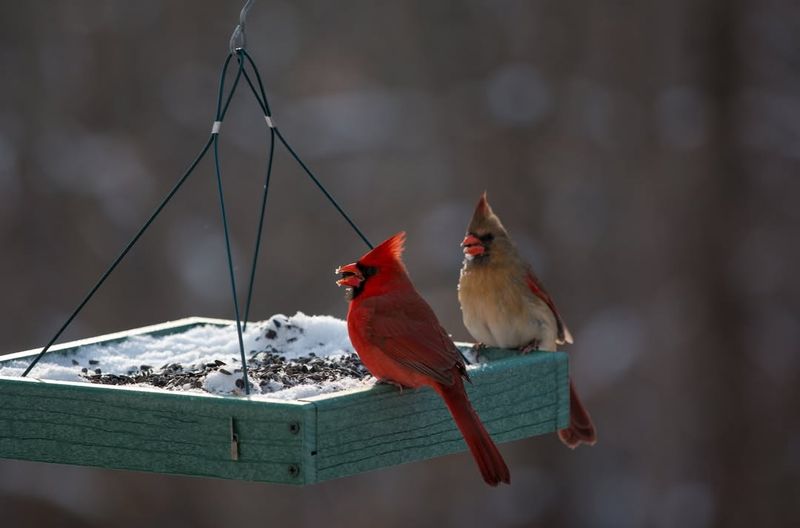
Minnesota winters can be brutal, with temperatures dropping well below zero and snowstorms blanketing the landscape for weeks at a time.
Cardinals are tough birds, but even they need help surviving when natural food sources become buried under heavy snow.
Your backyard feeder becomes a lifeline during these challenging conditions.
When wild seeds, berries, and insects disappear beneath ice and snow, cardinals must find alternative food sources quickly.
They burn through calories rapidly trying to stay warm in subzero temperatures.
A single cardinal can visit a feeder dozens of times each day, grabbing sunflower seeds to maintain its energy levels.
This winter has been particularly difficult across Minnesota, with above-average snowfall in many regions.
The persistent cold means cardinals can’t afford to waste energy searching for food that might not exist.
Feeders offer predictable, high-calorie meals exactly when these birds need them most.
Cardinals also remember where they found food successfully before.
Once they discover your feeder, they’ll return regularly and even bring their mates and offspring.
This creates the impression of crowds as family groups establish feeding territories around reliable food sources.
Providing consistent food throughout winter makes a genuine difference for cardinal survival.
Keep your feeders full and accessible, even after heavy snowfalls.
These brilliant red birds depend on the generosity of Minnesota residents during the harshest months of the year.
2. Sunflower Seeds Offer Perfect High-Energy Winter Fuel
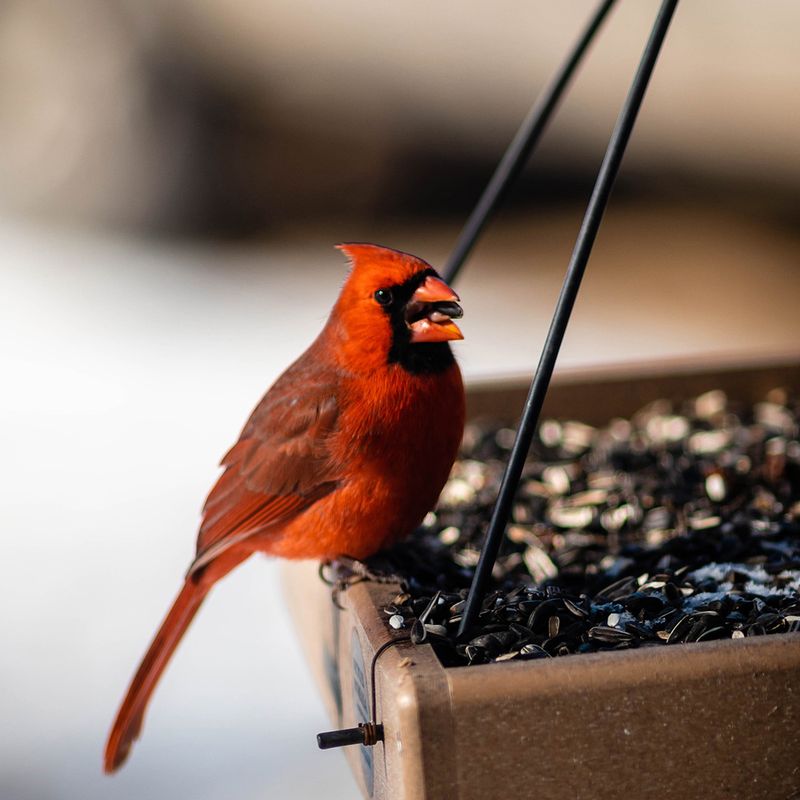
Black oil sunflower seeds have become the gold standard for attracting cardinals, and for good reason.
These small seeds pack an incredible energy punch, containing high levels of fat and protein that help birds survive freezing Minnesota nights.
Cardinals have strong, cone-shaped beaks perfectly designed for cracking open these nutritious seeds.
A single sunflower seed provides concentrated calories that convert directly into body heat.
During winter, cardinals need nearly twice as many calories as they do in summer just to maintain their body temperature.
The fat content in sunflower seeds makes them far superior to other seed types for winter survival.
Cardinals show a clear preference for black oil sunflower seeds over striped varieties.
The thinner shells are easier to crack, and the kernels inside contain more oil.
When Minnesota homeowners stock their feeders with these seeds, word spreads quickly through the cardinal community, and more birds arrive to take advantage.
Safflower seeds also attract cardinals while discouraging squirrels and other birds that might dominate feeders.
Many Minnesota residents have discovered that mixing sunflower and safflower seeds creates an ideal combination.
Cardinals can be picky eaters, but they recognize quality food when they find it.
The availability of premium seeds in residential feeders has changed cardinal behavior across the state.
Birds that might have struggled to survive harsh winters now thrive thanks to this supplemental nutrition.
Your choice of seed directly impacts how many cardinals visit your Minnesota yard this season.
3. Natural Food Supplies Have Declined Across The Region
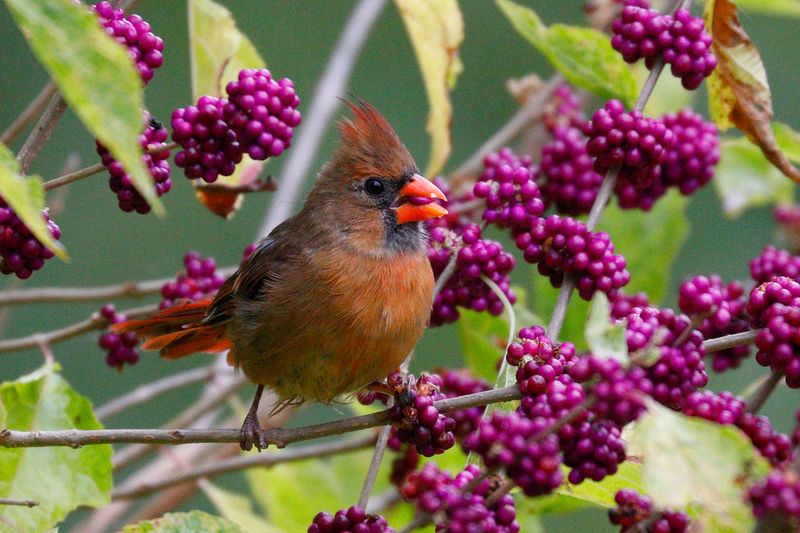
Ecological changes across Minnesota have reduced the natural food sources that cardinals traditionally relied upon during winter months.
Development has replaced wild spaces with housing and commercial areas, eliminating berry-producing shrubs and seed-bearing plants.
Cardinals now face a landscape quite different from what their ancestors knew just a few decades ago.
Native plants like dogwood, sumac, and wild grape once provided abundant winter berries throughout Minnesota.
Many of these have been cleared or replaced with ornamental species that offer little nutritional value to wildlife.
Cardinals adapted to eating specific native foods now must search harder to find them.
Climate fluctuations have also affected berry production and seed availability.
Unseasonable warm spells followed by sudden freezes can damage fruit crops that cardinals depend on.
When natural food sources fail, backyard feeders become essential rather than supplemental.
Insect populations, which cardinals feed on during warmer months, have also declined in many areas.
While cardinals switch to a seed-based diet in winter, the overall reduction in food availability throughout the year impacts their survival rates.
Birds that successfully locate reliable feeders have better chances of making it through until spring.
Minnesota residents can help by planting native berry-producing shrubs alongside maintaining feeders.
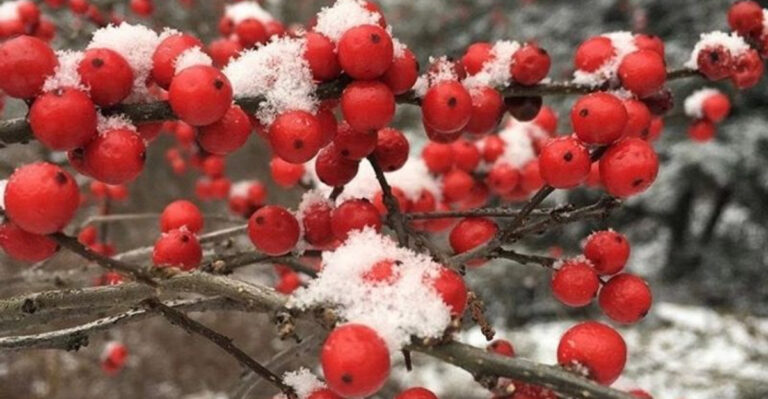
Winterberry holly, serviceberry, and native viburnums all provide natural food that cardinals love.
Combining natural landscaping with feeder support creates the best environment for these beautiful birds to thrive in your yard year-round.
4. Cardinals Don’t Migrate, Making Them Year-Round Minnesota Residents
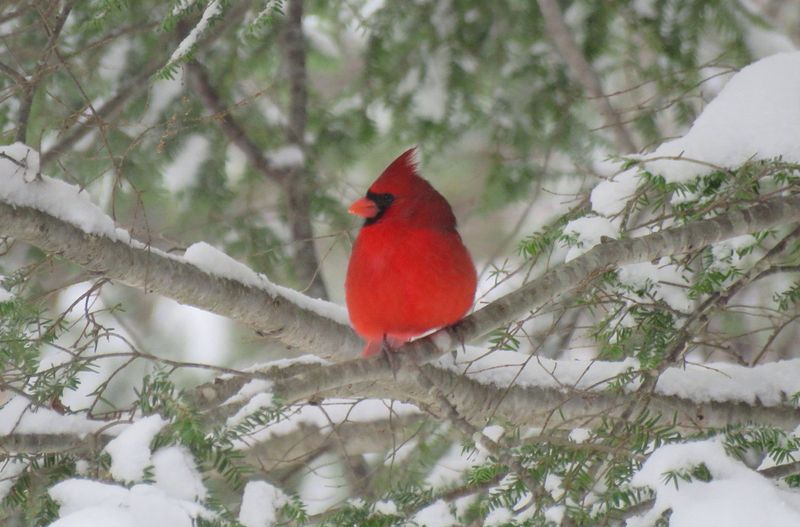
Unlike many bird species that flee south when temperatures drop, cardinals are permanent residents of Minnesota.
They don’t migrate, which means the cardinals you see at your feeder in January are likely the same individuals you watched all summer.
This year-round presence makes them especially dependent on local resources during harsh winter months.
Cardinals evolved to handle cold temperatures through physical adaptations rather than migration.
They fluff their feathers to create insulating air pockets and can lower their body temperature slightly at night to conserve energy.
However, these adaptations only work when they can find enough food to fuel their internal furnaces.
The decision to stay put through Minnesota winters is risky but can pay off.
Cardinals that survive establish breeding territories earlier than migrating species, giving them first choice of nesting sites come spring.
They know the landscape intimately, including which feeders are most reliable.
Young cardinals born in Minnesota during summer often stay near their birthplace throughout their first winter.
Parents may bring their offspring to feeders, teaching them where to find food.
This creates multigenerational feeding groups that return to the same yards year after year.
Because cardinals remain in Minnesota through all seasons, they face every challenge winter throws at them.
Blizzards, ice storms, and prolonged cold snaps test their survival skills.
Your feeder provides critical support that helps these non-migrating birds successfully weather the toughest conditions the state can deliver.
5. Increased Feeder Popularity Among Homeowners Creates More Feeding Stations
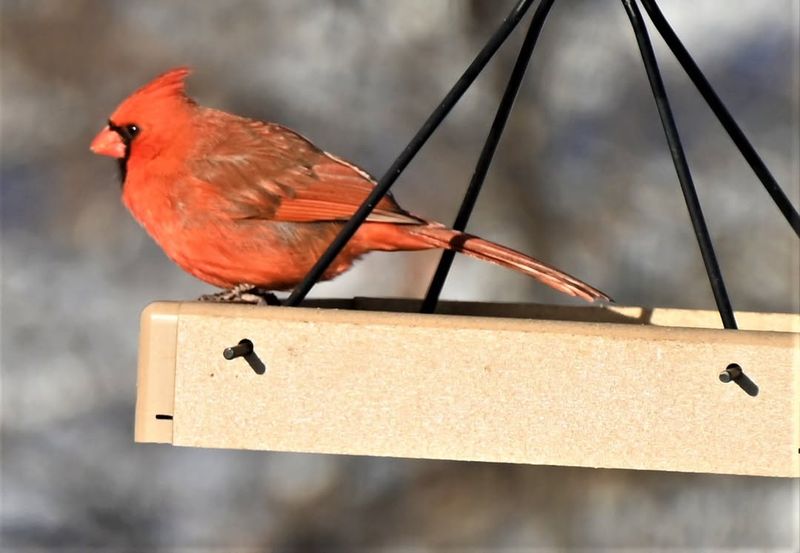
Bird feeding has exploded in popularity across Minnesota over the past few years, creating a network of feeding stations that cardinals have eagerly adopted.
More homeowners than ever are investing in quality feeders, premium seeds, and winter bird care.
This trend has transformed residential neighborhoods into cardinal-friendly habitats.
The pandemic sparked renewed interest in backyard wildlife watching as people spent more time at home.
Minnesotans discovered that feeding birds provided entertainment, relaxation, and a connection to nature right outside their windows.
Cardinals, with their brilliant coloring and bold personalities, quickly became favorite visitors.
Social media has amplified this trend, with neighbors sharing photos of cardinal visitors and tips for attracting more birds.
When one household starts feeding cardinals successfully, others nearby often follow suit.
This creates clusters of feeders within cardinal territories, giving birds multiple reliable food sources in small areas.
Retail stores across Minnesota have responded by expanding their bird feeding supplies.
High-quality feeders designed specifically for cardinals are now widely available.
Heated birdbaths, suet feeders, and specialized seed blends have made it easier than ever for residents to support winter birds.
This increased human investment in bird feeding has real consequences for cardinal populations.
Birds that once struggled to find enough food now have abundant options.
The concentration of feeders in residential areas means cardinals can meet their daily caloric needs without traveling long distances, conserving precious energy during the coldest Minnesota months.
6. Mating Season Begins In Late Winter, Increasing Cardinal Activity
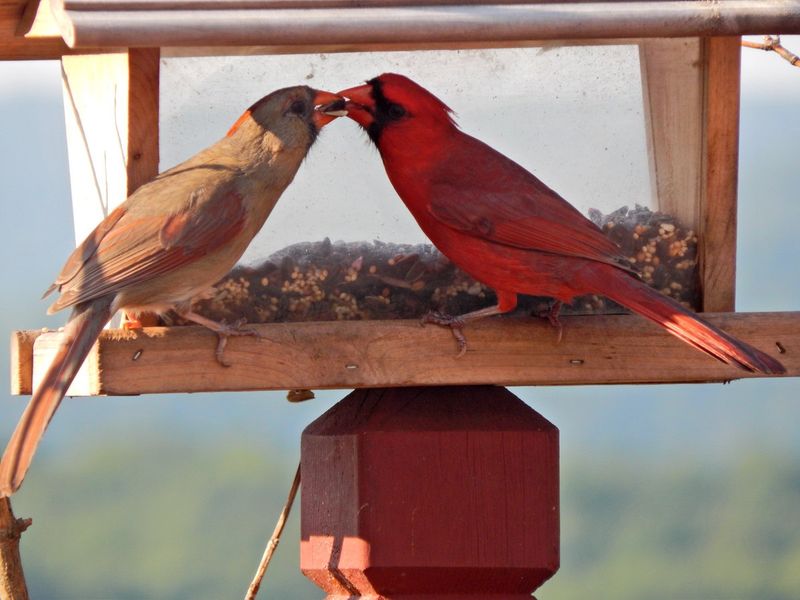
Cardinal courtship begins surprisingly early, often starting in late February when Minnesota is still locked in winter’s grip.
Males become more visible and vocal during this period, singing from prominent perches to establish territories and attract mates.
This increased activity makes it seem like cardinal numbers have suddenly multiplied at feeders.
Male cardinals sport their brightest red plumage during breeding season, making them especially noticeable against snowy backgrounds.
They visit feeders more frequently to build up energy reserves needed for courtship displays.
Singing, chasing rivals, and performing for females all require extra calories that feeders help provide.
Female cardinals also increase their feeder visits as their bodies prepare for egg production.
They need calcium and protein to develop healthy eggs, and high-quality seeds supply these nutrients.
Pairs often feed together during late winter, with males sometimes offering seeds to females in charming courtship rituals.
Territory establishment brings more cardinals into view as males patrol boundaries and challenge intruders.
What might have been quiet feeding behavior in January becomes dramatic displays by March.
Minnesota residents watching their feeders witness these fascinating interactions as breeding season approaches.
The timing of cardinal breeding season means your feeder plays a crucial role in reproductive success.
Well-fed pairs produce healthier offspring and can raise multiple broods throughout spring and summer.
Supporting cardinals through late winter directly contributes to the next generation of these beautiful birds in Minnesota neighborhoods.
7. Platform And Hopper Feeders Accommodate Cardinal Feeding Preferences
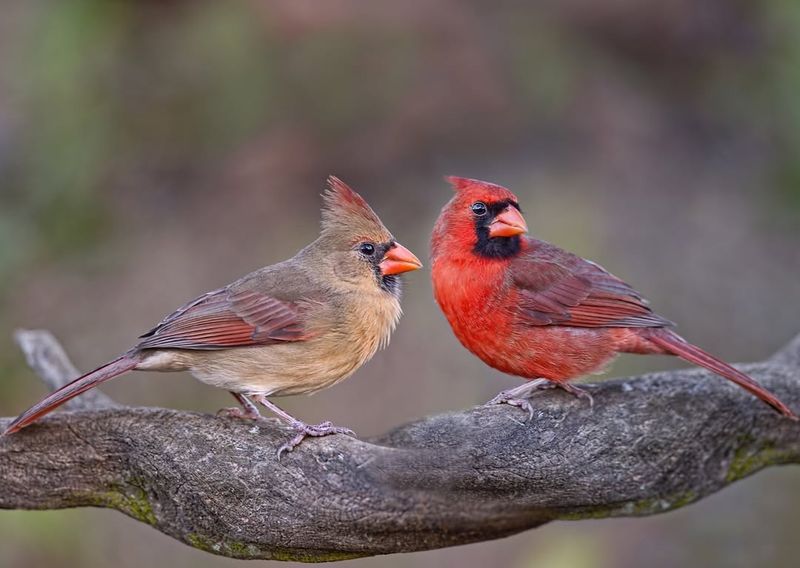
Cardinals have specific feeding preferences that make certain feeder styles far more attractive than others.
Unlike birds that cling comfortably to tube feeders, cardinals prefer stable perching spots where they can crack seeds without wobbling.
Platform and hopper feeders perfectly match their feeding style, which explains why yards with these feeders see more cardinal visitors.
A cardinal’s body structure isn’t designed for clinging to small perches or feeding ports.
They have relatively large bodies and prefer to land on wide, stable surfaces.
Platform feeders offer plenty of room for multiple cardinals to feed simultaneously without competing for space.
Hopper feeders with generous perching trays also work beautifully for cardinals.
These feeders protect seeds from snow and rain while providing the stable feeding platform cardinals need.
Many Minnesota homeowners have discovered that switching to these feeder styles dramatically increases cardinal traffic in their yards.
Ground feeding also appeals to cardinals, as they naturally forage on the ground in wild settings.
Scattering seeds on cleared patches of snow or using ground platform feeders attracts cardinals that might ignore elevated feeders.
However, ground feeding requires vigilance about predators and keeping areas clear of snow.
The explosion of cardinal-friendly feeder designs in Minnesota stores has made it simpler for residents to accommodate these birds.
Manufacturers now produce feeders specifically engineered for cardinal preferences, with extra-large perches and easy seed access.
Investing in the right feeder style makes all the difference in how many cardinals choose your yard as their winter dining spot.
8. Climate Patterns Have Made Minnesota Winters More Unpredictable
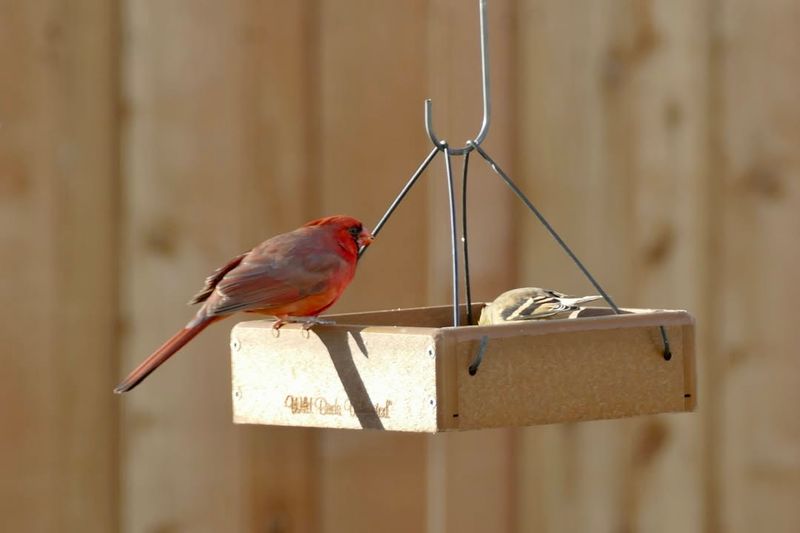
Weather patterns across Minnesota have become increasingly erratic, with sudden temperature swings and unpredictable storms creating challenges for wildlife.
Cardinals face winters that might bring mild stretches followed by dangerous cold snaps, making it harder to predict food availability.
These climate fluctuations drive more birds to seek the reliability of backyard feeders.
Traditional cardinal survival strategies depended on relatively predictable seasonal patterns.
Birds knew when to expect snow, when temperatures would moderate, and how long food supplies needed to last.
Modern winters throw curveballs that can catch wildlife unprepared.
Ice storms have become more frequent in parts of Minnesota, coating natural food sources in impenetrable layers.
Cardinals can’t access frozen berries or seeds encased in ice, forcing them to find alternatives quickly.
Feeders become critical lifelines during these weather events.
Warmer-than-normal periods in January or February can trick plants into early growth, only to have new shoots destroyed by subsequent freezes.
This damages the ecosystem’s ability to support wildlife through late winter.
Cardinals that might have found natural food during typical thaws now discover nothing available.
Minnesota residents providing consistent feeder support help buffer cardinals against these climate uncertainties.
When natural systems become unreliable, human intervention can make the difference between survival and starvation.
Maintaining well-stocked feeders throughout winter, regardless of temperature fluctuations, gives cardinals the stable food source they desperately need in an increasingly unpredictable climate.