Why Cardinals Are Crowding Wisconsin Backyard Feeders This Winter
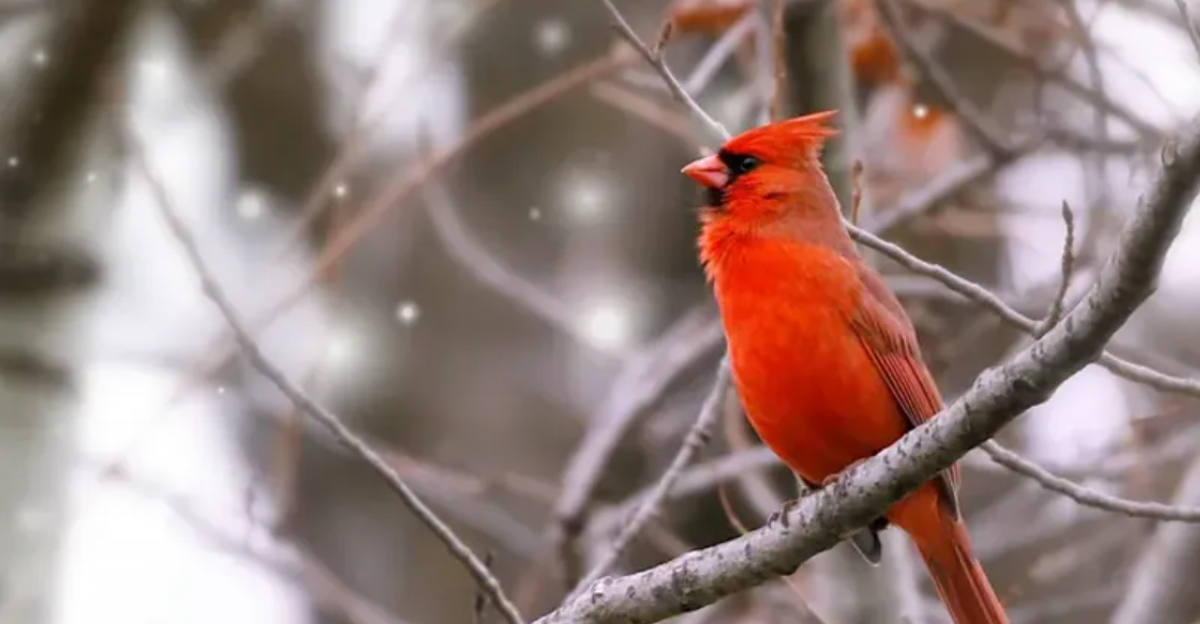
If Wisconsin feeders seem busier than ever, there’s a clear reason.
Cardinals crowd backyard feeders in winter because they do not migrate and rely heavily on dependable food sources when snow covers natural seeds and berries.
As winter sets in, freezing temperatures increase calorie needs, making high-energy feeder seeds essential for survival.
Once cardinals find a feeder that stays stocked, they return daily—often bringing mates or nearby birds.
Bare trees also make these bright red birds easier to spot, giving the impression that numbers have suddenly exploded.
In reality, cardinals are concentrating where food is most reliable.
Understanding this behavior explains why feeders become focal points during Wisconsin winters and highlights the important role homeowners play in supporting wildlife through the coldest months.
Cardinals Do Not Migrate South
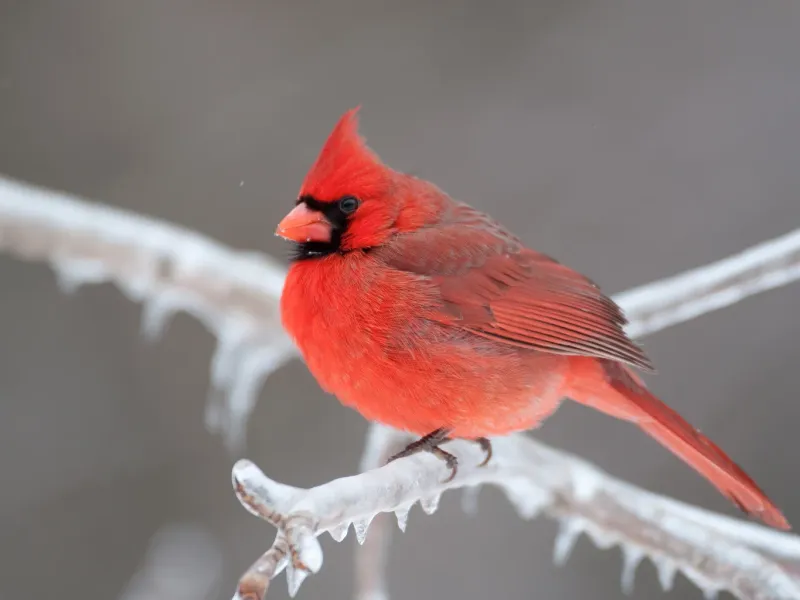
Unlike many bird species that fly south when temperatures drop, northern cardinals are year-round residents of Wisconsin.
These tough birds have adapted to survive harsh Midwestern winters without leaving their home territories.
While robins and warblers head to warmer climates, cardinals stick around through snow, ice, and freezing winds.
This means they must find enough food locally to survive until spring arrives.
Natural food sources become scarce during winter months, making backyard feeders increasingly important for their survival.
Cardinals have developed special adaptations that help them endure cold weather, but they still need consistent access to high-quality nutrition.
Their bodies require constant fuel to maintain their internal temperature when outside conditions become extreme.
Because they cannot simply fly away to easier conditions, Wisconsin cardinals depend heavily on whatever food remains available in their territory.
Backyard feeders often become their primary food source when natural options disappear beneath snow and ice.
Understanding that cardinals are permanent residents helps explain why so many gather at reliable feeding stations throughout winter.
They have nowhere else to go, so they must make the most of local resources.
Snow Covers Natural Seed And Berry Sources
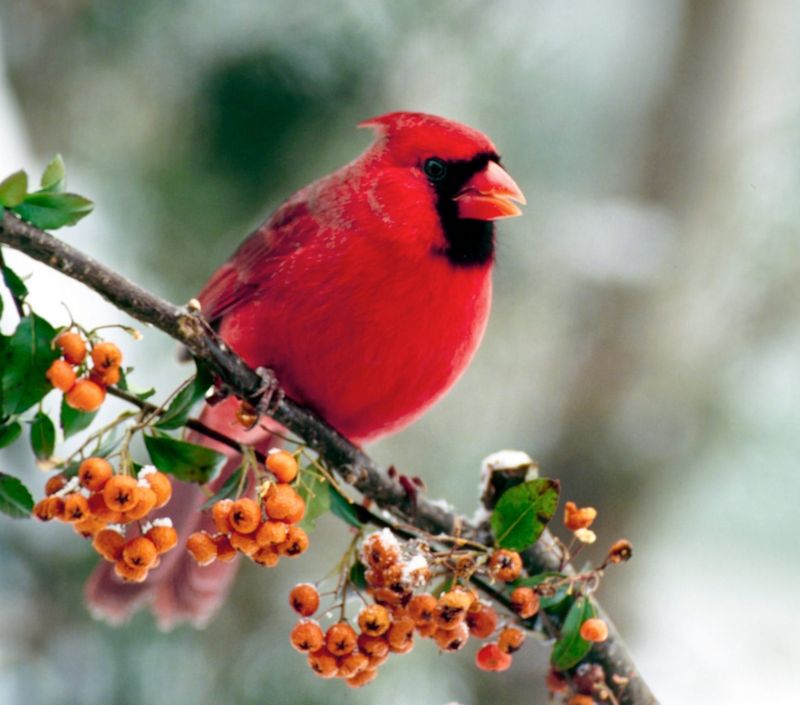
Heavy snowfall transforms the Wisconsin landscape, burying the natural food sources that cardinals normally rely upon.
Grasses that produce nutritious seeds in fall become completely hidden under layers of white powder.
Berry bushes that once offered easy pickings now sit inaccessible beneath snowdrifts.
Even the ground itself becomes impossible to forage when frozen solid and covered with ice.
Cardinals that would typically scratch through leaf litter for fallen seeds find this behavior useless during deep winter.
Each new snowstorm reduces available natural food even further, pushing more birds toward artificial feeding stations.
What little remains exposed gets consumed quickly by hungry wildlife competing for limited resources.
Backyard feeders become essential lifelines because they remain accessible regardless of snow depth.
Homeowners who keep their feeders cleared and stocked provide critical nutrition that would otherwise be unavailable.
The contrast is striking—a feeder filled with sunflower seeds stands out like a beacon when everything else edible has disappeared under winter’s blanket.
Cardinals recognize this difference and adjust their foraging behavior accordingly, concentrating their efforts where food remains reliably accessible throughout the season.
Feeders Provide High-Energy Calories Needed For Warmth
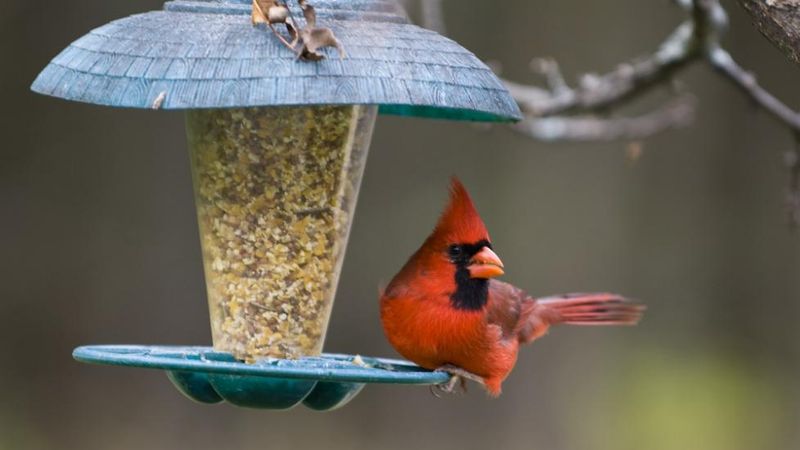
Sunflower and safflower seeds pack tremendous nutritional value into small packages, making them perfect winter fuel for cardinals.
These seeds contain high levels of fat and protein that help birds generate body heat during freezing temperatures.
A single sunflower seed provides concentrated energy that keeps a cardinal’s internal furnace burning through long, cold nights.
Cardinals have strong, thick beaks specifically designed to crack open these tough seeds efficiently.
They can process large quantities quickly, allowing them to consume enough calories before darkness falls.
Wild food sources rarely match the caloric density of quality feeder seeds.
Natural options like weed seeds and dried berries contain less fat and require more foraging time to gather sufficient nutrition.
When temperatures plunge below freezing, every calorie counts for survival.
Birds that can access high-energy food sources have much better chances of making it through brutal winter nights.
Backyard feeders stocked with premium seeds essentially offer cardinals the equivalent of premium fuel for their bodies.
This concentrated nutrition allows them to maintain their brilliant red plumage and stay healthy despite challenging conditions that would otherwise drain their energy reserves rapidly.
Backyard Feeders Become Reliable Daily Food Stations
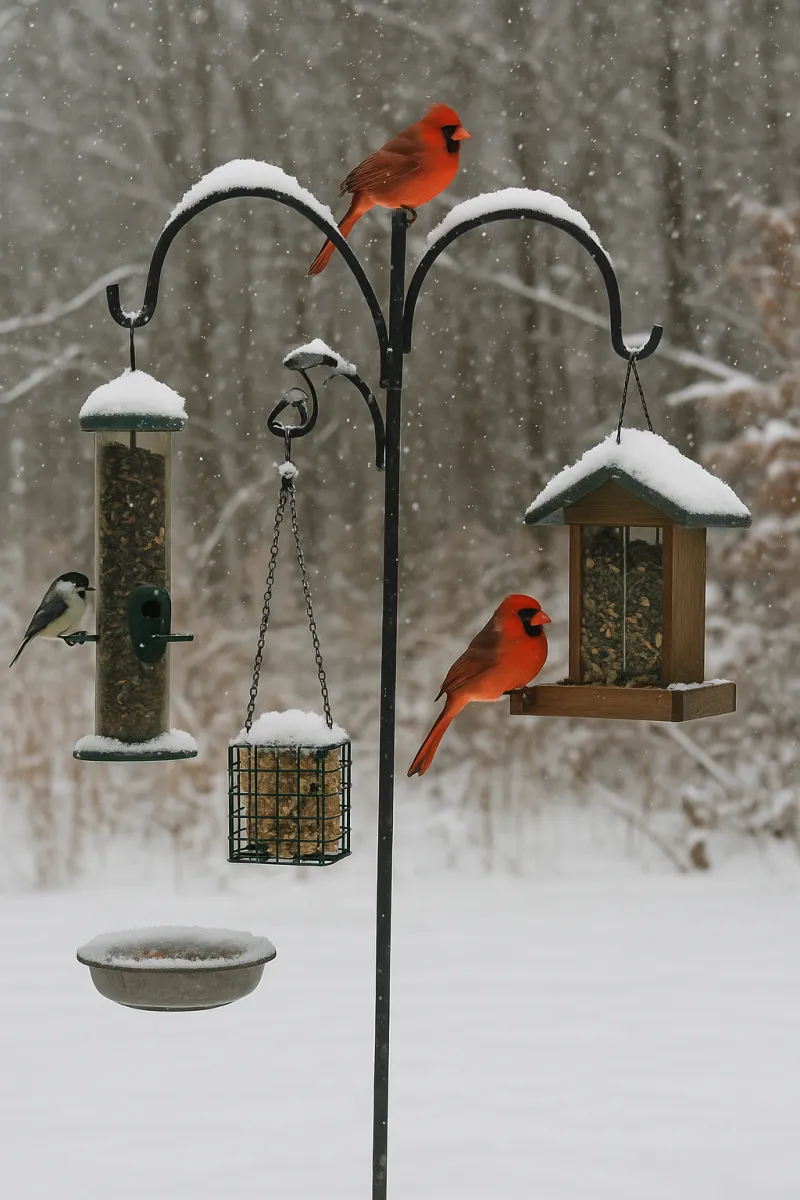
Cardinals are intelligent birds that quickly learn where dependable food sources exist within their territory.
Once they discover a feeder that stays consistently full, they incorporate it into their daily routine.
Many homeowners notice cardinals arriving at the same times each day, often visiting shortly after dawn and again before dusk.
This predictable behavior develops because birds remember which locations offer reliable rewards.
A feeder that provides food today will likely be checked again tomorrow and the day after.
In contrast, natural food sources are unpredictable and require extensive searching with no guarantee of success.
Why waste precious energy hunting for scattered seeds when a known feeding station offers abundant nutrition in one convenient location?
Cardinals also communicate feeding opportunities to other birds through their presence and behavior.
When one cardinal discovers a quality feeder, others in the area soon learn about it too.
Homeowners who maintain their feeders throughout winter essentially create restaurants that birds can count on day after day.
This reliability becomes increasingly valuable as winter progresses and natural options continue declining, making backyard feeding stations essential gathering points for local cardinal populations seeking consistent nourishment.
Cold Temperatures Increase Daily Food Needs

Maintaining body temperature in subzero conditions requires tremendous amounts of energy that must come from food.
Cardinals burn calories constantly just to stay warm when Wisconsin temperatures drop below freezing.
Their small bodies lose heat quickly, forcing their metabolism to work overtime generating warmth.
On the coldest days, a cardinal may need to consume up to 40 percent more food than during milder weather.
This increased demand means they must spend more time foraging and eating to meet their basic survival needs.
Nighttime presents the greatest challenge because birds cannot feed in darkness yet must maintain body heat for 12 to 14 hours.
They prepare by eating as much as possible during daylight hours, building up fat reserves to burn overnight.
Backyard feeders allow cardinals to maximize their calorie intake efficiently during limited daylight hours.
Instead of flying long distances searching for scattered food, they can visit a single location multiple times and eat their fill quickly.
The colder the weather becomes, the more critical these feeding stations grow for cardinal survival.
When temperatures plunge into dangerous ranges, having immediate access to abundant high-energy food can literally mean the difference between surviving until morning or succumbing to the harsh conditions.
Cardinals Often Feed In Pairs Or Small Groups
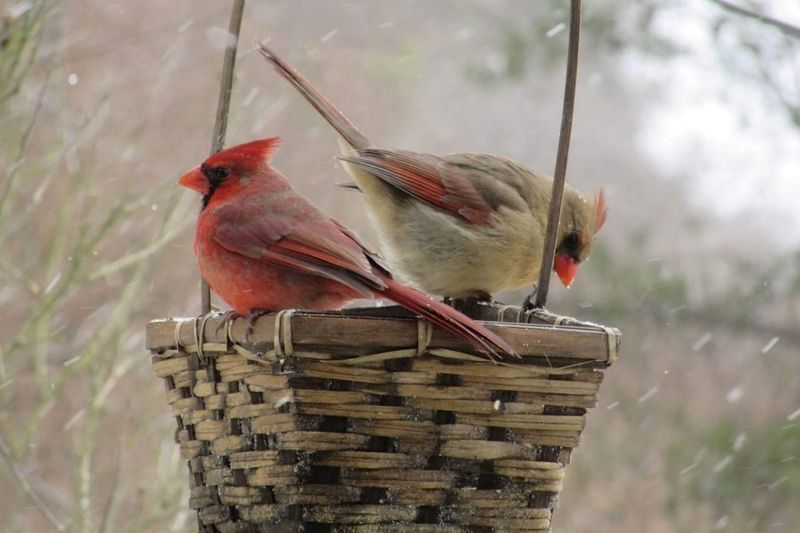
Northern cardinals form strong pair bonds that last throughout the year, not just during breeding season.
Mated pairs often travel and feed together during winter months, with the male and female arriving at feeders as a team.
This partnership provides mutual protection, as two sets of eyes can better watch for predators while eating.
Beyond mated pairs, cardinals sometimes gather in small feeding flocks during winter, especially when food sources are concentrated.
While they may show some territorial behavior during breeding season, winter survival often encourages more social tolerance.
A single well-stocked feeder might attract several cardinal pairs from the surrounding area, creating impressive gatherings of these brilliant red birds.
Females, with their subtle tan and red-tinged plumage, feed alongside the vibrant males in these winter assemblies.
This grouping behavior means that when one cardinal discovers a quality feeding station, others soon follow.
The presence of feeding birds actually attracts more cardinals, creating a snowball effect at popular feeders.
Homeowners who see multiple cardinals at their feeders are witnessing this natural winter social behavior.
These gatherings represent several pairs and individuals concentrating at a trusted resource, demonstrating how backyard feeders serve entire local cardinal communities rather than just individual birds.
Bare Trees Make Cardinals Easier To Spot
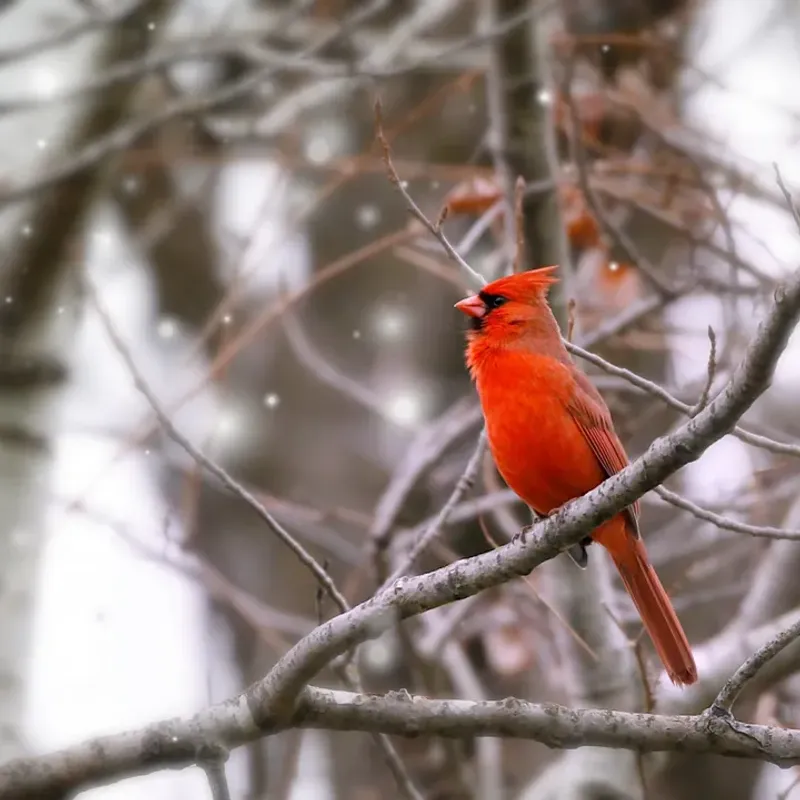
Summer foliage provides excellent camouflage for birds, but winter transforms the landscape into a stark showcase.
When trees lose their leaves, every bird becomes dramatically more visible against bare branches and gray skies.
A male cardinal’s brilliant red plumage stands out like a beacon in this simplified winter scenery.
This increased visibility creates the impression that cardinal numbers have grown, when actually the same population just becomes much easier to observe.
Birds that went unnoticed among summer greenery now catch every observer’s eye.
The contrast effect is particularly striking when cardinals perch in leafless trees near feeders or move through bare shrubs.
Their vibrant colors pop against monochromatic winter backgrounds in ways impossible during growing season.
Additionally, birds spend more time at feeders during winter, concentrating their activity in visible locations rather than dispersing throughout territories.
This behavioral change combines with improved visibility to make cardinal presence seem more dramatic.
Homeowners often believe more cardinals have arrived when they simply are noticing the birds that were always there.
The bare winter landscape essentially removes nature’s curtain, revealing the full cast of feathered characters that share our spaces year-round but hide among summer’s abundant leaves and vegetation.
Neighboring Feeders May Be Empty Or Inconsistent
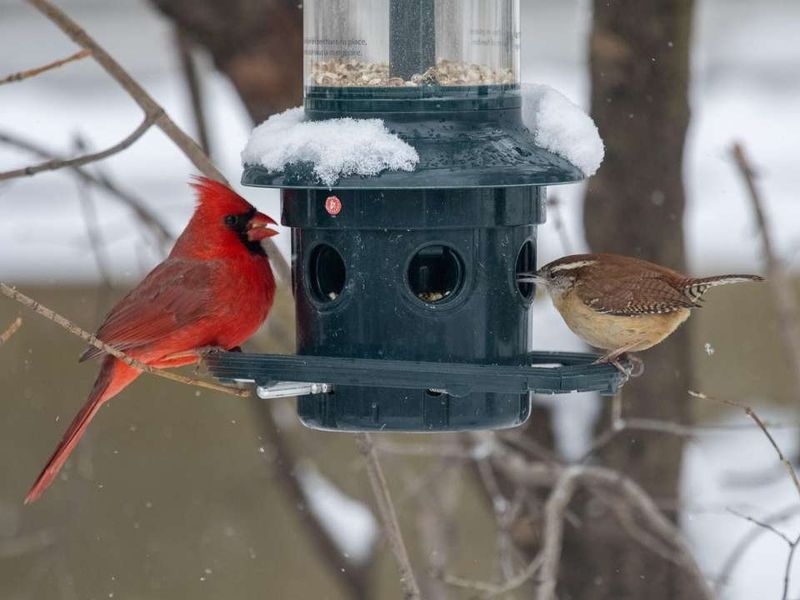
Not every homeowner maintains their bird feeders consistently throughout the entire winter season.
Some people fill feeders sporadically, letting them sit empty for days or weeks at a time.
Others stop refilling completely after the holidays, abandoning their feeding stations just when birds need them most.
Cardinals quickly learn which feeders offer reliable food and which prove disappointing.
They stop wasting energy visiting locations that frequently run dry, concentrating instead on the few dependable sources in their area.
This creates a concentration effect where the conscientious feeders in a neighborhood attract disproportionate numbers of birds.
If you are one of the few homeowners keeping feeders stocked all winter, you will naturally see more cardinals than neighbors who feed inconsistently.
The phenomenon intensifies as winter progresses and more casual feeders give up or forget to refill.
By late winter, a single reliable feeding station might be serving cardinals from a surprisingly large surrounding area.
Your crowded feeder is not necessarily evidence of population growth but rather proof that you have earned a reputation among local birds as a trustworthy food provider.
Cardinals remember and reward consistency, returning again and again to feeders they know will have food when they need it most during Wisconsin’s challenging winter months.