Why Cardinals Are Flocking To Pennsylvania Backyard Feeders This Winter
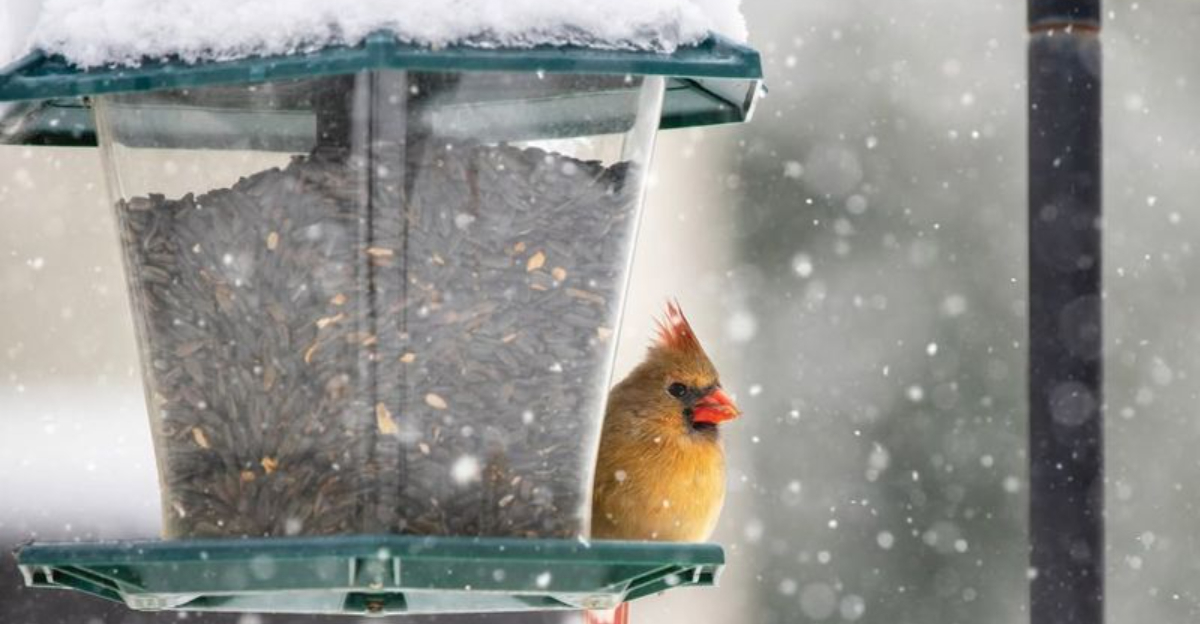
Cardinals stand out more than ever during a Pennsylvania winter, their bright feathers flashing against bare trees and fresh snow.
Many homeowners notice a surge of visits to backyard feeders around this time, and the reasons run deeper than a simple search for an easy meal.
Harsh cold snaps, shifting food supplies, and instinctive winter behaviors all influence how closely cardinals move toward human homes.
As natural resources grow scarce, these striking birds rely on predictable feeding spots and sheltered suburban habitats, creating a memorable seasonal display just outside the window.
Abundant Food Sources Attract Hungry Cardinals
Backyard feeders offer a reliable meal ticket when natural food becomes scarce during cold months.
Cardinals need high-energy foods to maintain their body temperature, and Pennsylvania homeowners have been stocking feeders with sunflower seeds, safflower seeds, and peanuts that these birds absolutely love.
Wild food sources like berries and insects become harder to find under snow and ice.
Feeders eliminate the exhausting search for scattered food across frozen landscapes.
Cardinals remember where they found meals before, so they return repeatedly to dependable feeding stations.
Pennsylvania residents who maintain consistent feeding schedules create a predictable routine that cardinals quickly learn.
The convenience of visiting a feeder packed with nutritious seeds beats spending hours hunting for sparse natural foods.
Cardinals also prefer platform feeders and hopper-style feeders that accommodate their sturdy bodies.
Many Pennsylvania backyards now feature multiple feeder types, giving cardinals plenty of dining options.
This abundance explains why cardinals choose backyards over unpredictable wild foraging areas.
Well-stocked feeders essentially become cardinal cafeterias throughout Pennsylvania neighborhoods.
Harsh Winter Weather Drives Feeder Visits
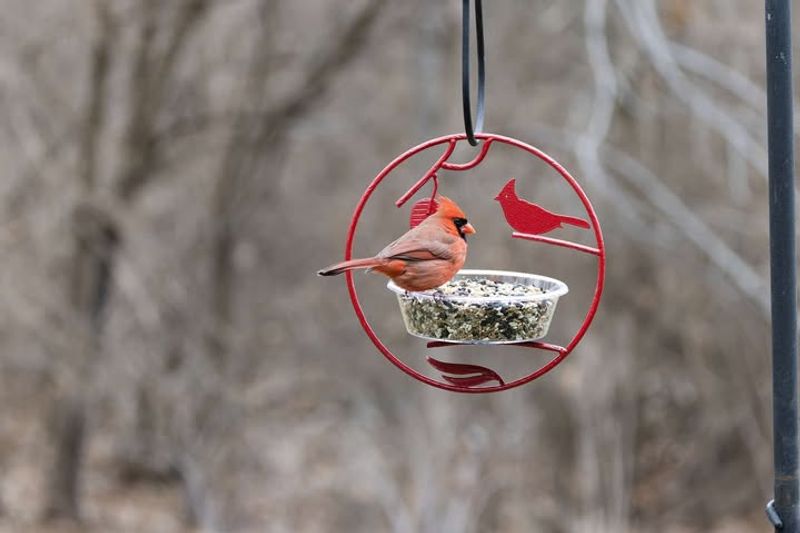
Freezing temperatures and snowstorms push cardinals toward easy food access at backyard stations.
When Pennsylvania experiences particularly brutal winter conditions, natural food sources disappear beneath heavy snow cover.
Cardinals cannot dig through deep snow like some ground-feeding birds can.
Their conical beaks work best for cracking seeds rather than excavating frozen ground.
Extreme cold increases their caloric needs dramatically, requiring more frequent feeding throughout the day.
Backyards with feeders provide shelter from biting winds along with nourishment.
Cardinals often visit feeders early in the morning and late in the afternoon to fuel up before and after cold nights.
Pennsylvania winters can be unpredictable, with sudden temperature drops catching birds off guard.
Feeders serve as emergency food supplies during unexpected weather events.
Many cardinals stay close to reliable feeding areas rather than risk traveling far in dangerous conditions.
Homeowners who keep feeders accessible even during storms become lifesavers for these beautiful birds.
Weather-related stress makes the security of backyard feeders irresistible to Pennsylvania cardinals.
Increased Feeder Popularity Among Pennsylvania Residents
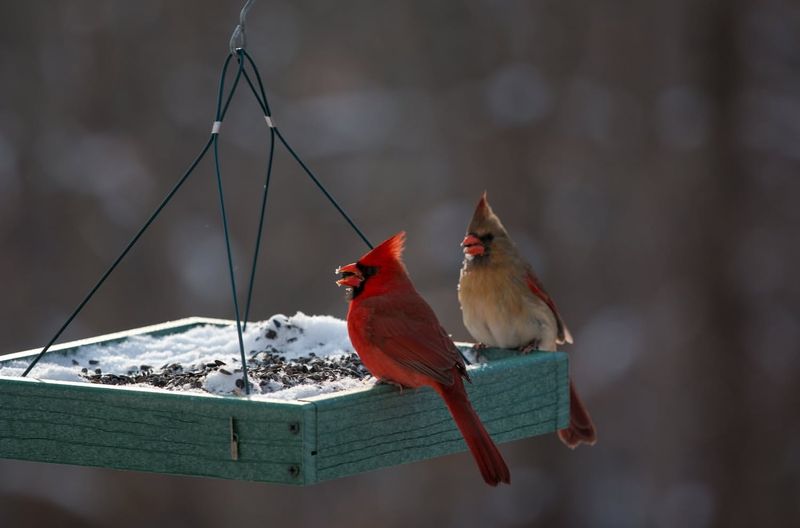
More homeowners than ever before have installed bird feeders across Pennsylvania neighborhoods.
The pandemic sparked renewed interest in backyard birdwatching as people spent more time at home.
This trend continued, creating a network of feeding stations that cardinals can easily locate.
Pennsylvania communities now feature feeders on nearly every block in many areas.
Cardinals benefit from this expanded feeding infrastructure, finding food sources wherever they travel.
Social media groups dedicated to Pennsylvania birdwatching have encouraged more residents to participate in feeding programs.
Local garden centers report increased sales of bird seed and specialized feeders designed for cardinals.
Educational programs about supporting winter birds have raised awareness about proper feeding practices.
Neighborhoods with multiple feeders create cardinal-friendly corridors where birds can move safely between food sources.
The collective effort of Pennsylvania residents has transformed suburban and rural areas into cardinal havens.
Cardinals respond to this welcoming environment by increasing their feeder visits.
Community involvement in bird feeding has made Pennsylvania particularly attractive to these colorful visitors this winter.
Perfect Seed Selection Keeps Cardinals Coming Back
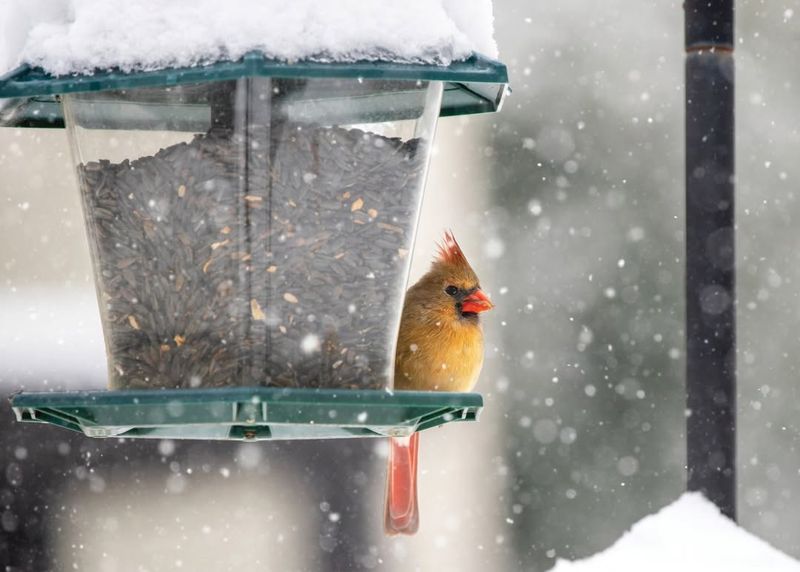
Cardinals have strong preferences for certain seeds, and Pennsylvania bird enthusiasts have figured out the winning formula.
Black oil sunflower seeds rank as the top choice, offering high fat content and easy-to-crack shells.
Safflower seeds provide another favorite option that squirrels typically ignore, keeping more food available for birds.
Cardinals also enjoy striped sunflower seeds, peanuts, and cracked corn scattered on platform feeders.
Pennsylvania residents who offer variety attract more cardinals than those providing single seed types.
Fresh seeds matter tremendously, as cardinals can detect and avoid stale or moldy food.
Many homeowners now purchase premium seed mixes specifically formulated for cardinals.
These specialized blends eliminate filler seeds that cardinals toss aside while searching for their favorites.
Seed quality directly influences how frequently cardinals visit particular feeders.
Pennsylvania suppliers have responded to demand by stocking higher-quality bird food options.
Cardinals communicate feeding locations to other birds, so a well-stocked feeder quickly becomes popular.
The right seed selection transforms an ordinary feeder into a cardinal magnet throughout Pennsylvania backyards.
Natural Habitat Changes Alter Feeding Patterns
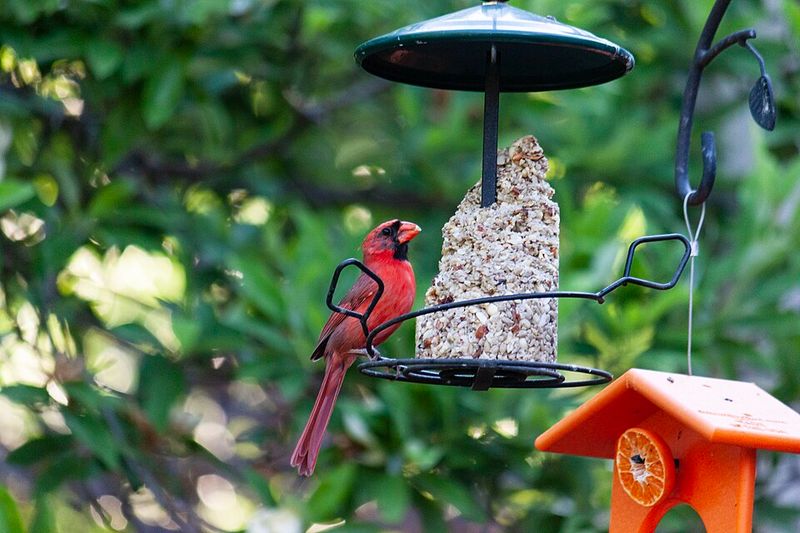
Pennsylvania landscapes have undergone significant changes that affect where cardinals find food.
Development projects reduce natural woodland edges where cardinals traditionally forage for seeds and berries.
Suburban expansion replaces native plants with ornamental species that produce less bird-friendly food.
Cardinals adapt by shifting their attention toward reliable human-provided food sources.
Agricultural practices have also changed, with cleaner harvesting methods leaving fewer waste grains in fields.
Pennsylvania cardinals once supplemented their winter diet with leftover crops, but modern farming reduces these opportunities.
Climate patterns affect when native plants produce berries and seeds that cardinals depend on.
Unpredictable fruiting times leave gaps in natural food availability that feeders help fill.
Invasive plant species sometimes outcompete native vegetation that provides better cardinal nutrition.
Backyard feeders compensate for these habitat-related food shortages.
Cardinals demonstrate remarkable flexibility by taking advantage of human-created feeding opportunities.
Pennsylvania homeowners unintentionally become essential partners in cardinal survival as landscapes continue evolving.
Water Availability Draws Cardinals To Backyards
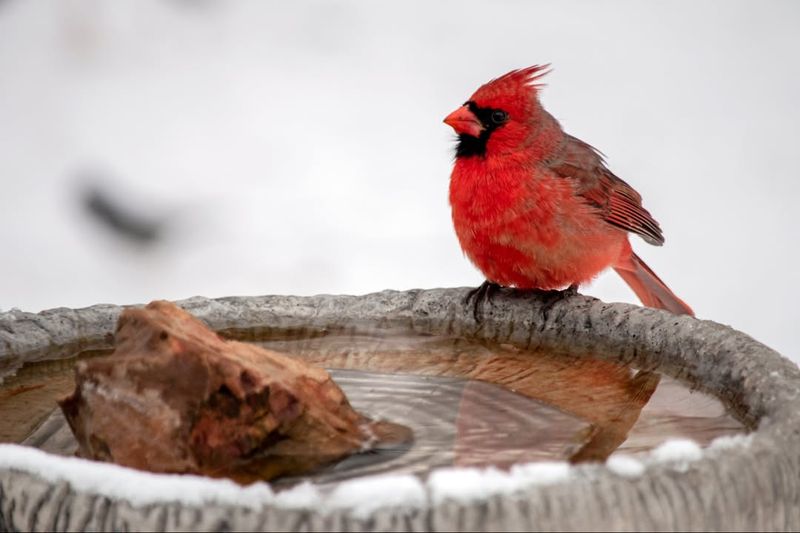
Cardinals need fresh water year-round, and finding unfrozen sources becomes challenging during Pennsylvania winters.
Many thoughtful homeowners now provide heated birdbaths that remain ice-free even during freezing temperatures.
Cardinals visit yards with water sources more frequently than those offering only food.
Drinking and bathing remain essential for maintaining healthy feathers that provide proper insulation.
Pennsylvania cardinals often gather at heated birdbaths throughout the day, especially during extreme cold.
Natural water sources like streams and ponds freeze solid, eliminating traditional drinking spots.
Snow provides some moisture, but eating snow lowers body temperature and wastes precious energy.
Backyards with both feeders and water become complete resource centers that cardinals visit regularly.
Cardinals remember reliable water locations and return consistently throughout winter months.
Some Pennsylvania residents add small fountains or drippers that create movement, attracting cardinals from greater distances.
The combination of food and water makes backyards irresistible compared to areas offering only one resource.
Water availability significantly influences cardinal distribution patterns across Pennsylvania neighborhoods this winter.
Protective Cover Near Feeders Provides Safety
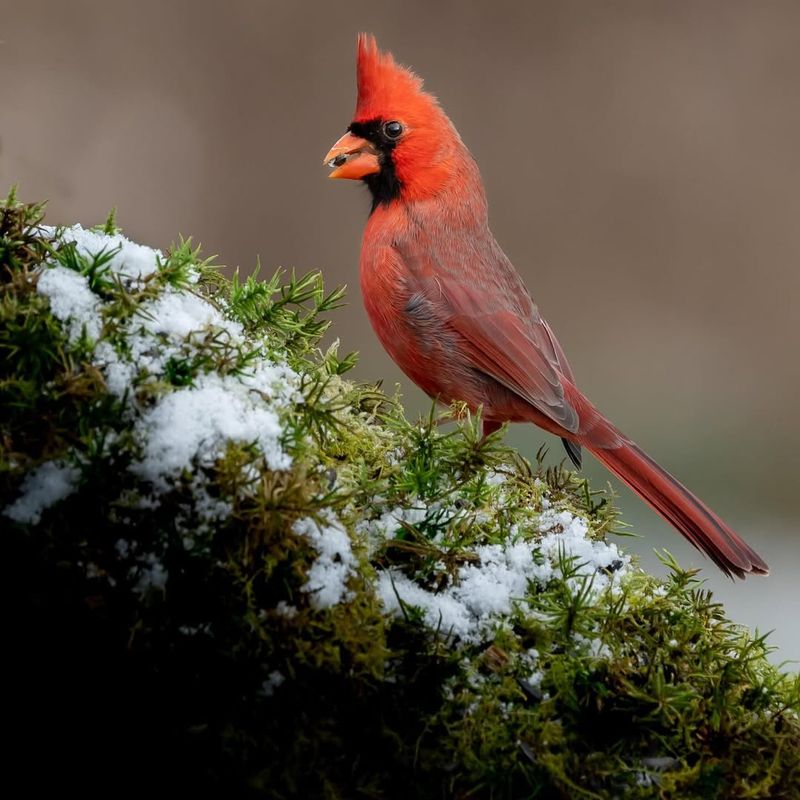
Cardinals prefer feeders located near shrubs, evergreens, or other protective cover where they can quickly escape predators.
Pennsylvania backyards with strategic landscaping create safe corridors between shelter and feeding areas.
Hawks and cats pose constant threats, so cardinals carefully evaluate feeder safety before committing to regular visits.
Evergreen trees and dense bushes positioned within ten to fifteen feet of feeders offer ideal protection.
Cardinals typically perch in cover while surveying the area before approaching feeders.
They dash between shelter and food sources rather than lingering in exposed locations.
Pennsylvania homeowners who maintain natural landscaping alongside feeders attract more cardinals than those with sparse yards.
Brush piles and native shrubs provide additional hiding spots that cardinals appreciate.
Winter storms make protective cover even more valuable as cardinals seek windbreaks near food sources.
Feeders placed in completely open areas receive fewer cardinal visits despite offering excellent food.
The security of nearby cover allows cardinals to feed confidently and return frequently.
Thoughtful yard design combining shelter and feeders explains increased cardinal activity at Pennsylvania homes this winter.
Mating Season Preparations Begin In Winter
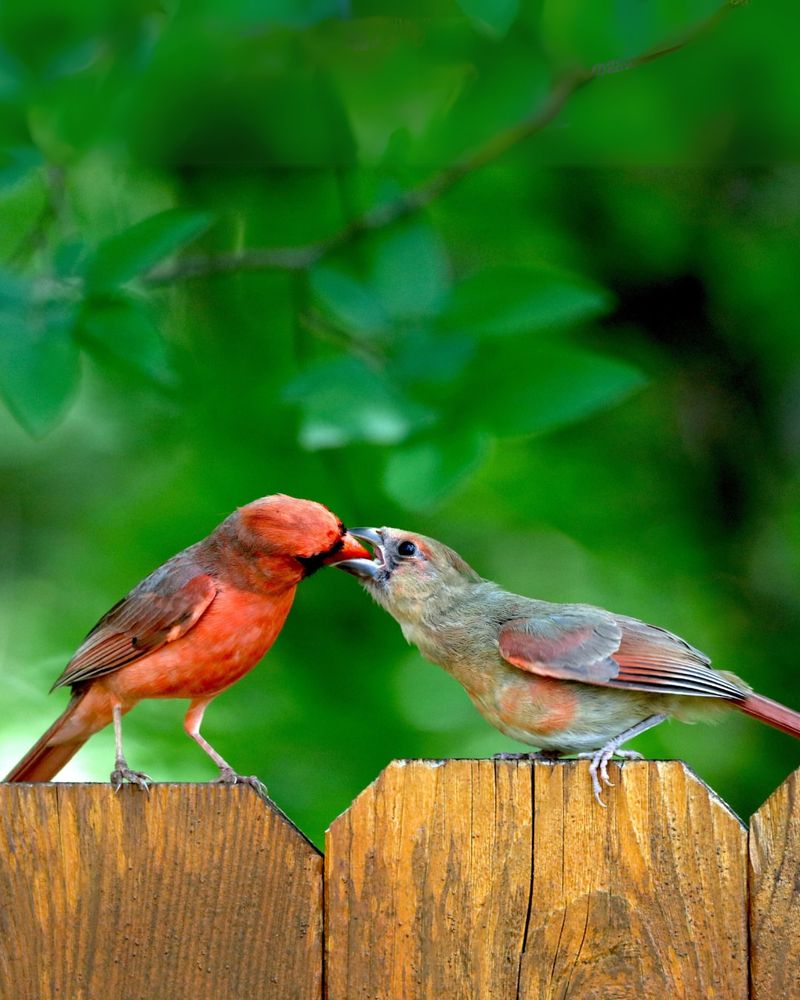
Cardinals start establishing breeding territories and strengthening pair bonds during late winter months.
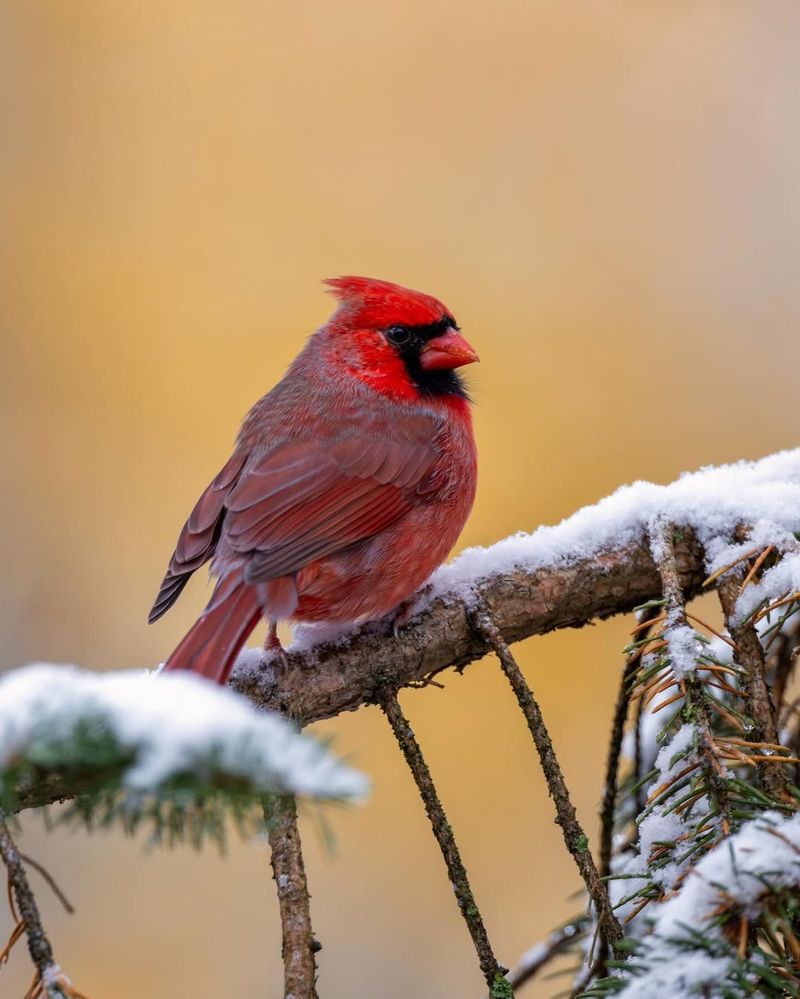
Pennsylvania males display their brilliant red plumage to attract mates and defend prime territory that includes reliable food sources.
Feeders become focal points of cardinal territories, with males aggressively guarding these valuable resources.
Females evaluate potential mates partly based on territory quality, including feeder access.
Cardinals that secure territories with excellent food supplies have better breeding success.
Pennsylvania backyards offering consistent food become highly desirable real estate in the cardinal world.
Males begin singing their distinctive songs earlier when nutrition remains strong throughout winter.
Well-fed cardinals enter breeding season in better physical condition, producing healthier offspring.
The courtship ritual where males feed females often occurs at backyard feeders.
Pennsylvania residents witness these charming behaviors as cardinal pairs prepare for nesting season.
Feeders support the entire cardinal life cycle by providing nutrition during this critical preparation period.
Territorial behavior intensifies around feeders as breeding season approaches, creating entertaining displays for observers.
Social Feeding Behavior Attracts More Cardinals
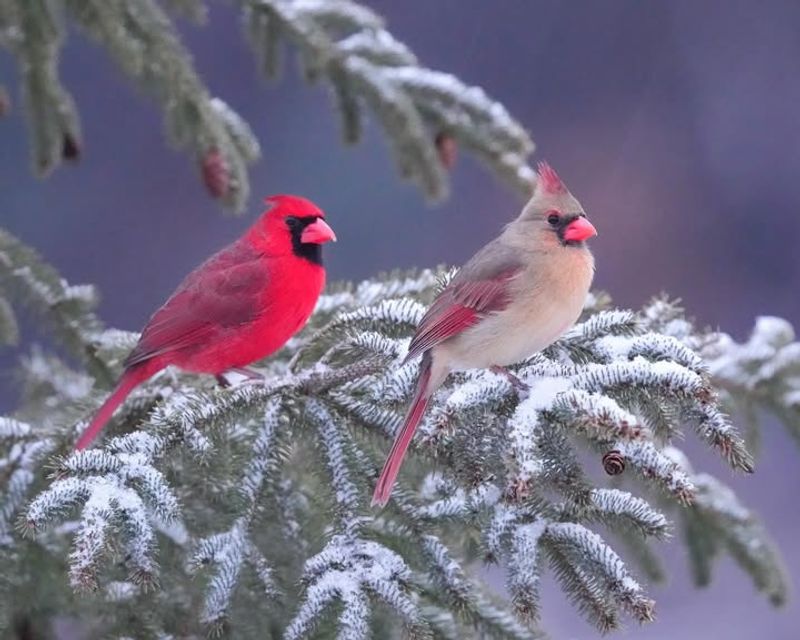
Cardinals often feed in loose flocks during winter, with multiple birds visiting the same feeder area.
Pennsylvania backyards that attract one cardinal pair often soon host several birds simultaneously.
Young cardinals from previous breeding seasons join their parents at familiar feeding locations.
Social feeding provides safety advantages, as multiple birds can watch for predators while others eat.
Cardinals communicate through soft chip notes, alerting others to food sources and potential dangers.
Pennsylvania feeders become social gathering spots where cardinals interact while obtaining nutrition.
Female cardinals, with their subtle tan and reddish coloring, often feed together peacefully.
Males establish a pecking order but generally tolerate each other at abundant food sources.
Feeders with multiple access points accommodate several cardinals feeding simultaneously without conflict.
The social aspect of feeder visits reinforces cardinal presence as birds follow each other to productive locations.
Pennsylvania neighborhoods with established cardinal populations attract even more birds through this social behavior.
Group feeding creates a snowball effect, with feeder popularity growing throughout the winter season.
Reduced Migration Patterns Keep Cardinals Local
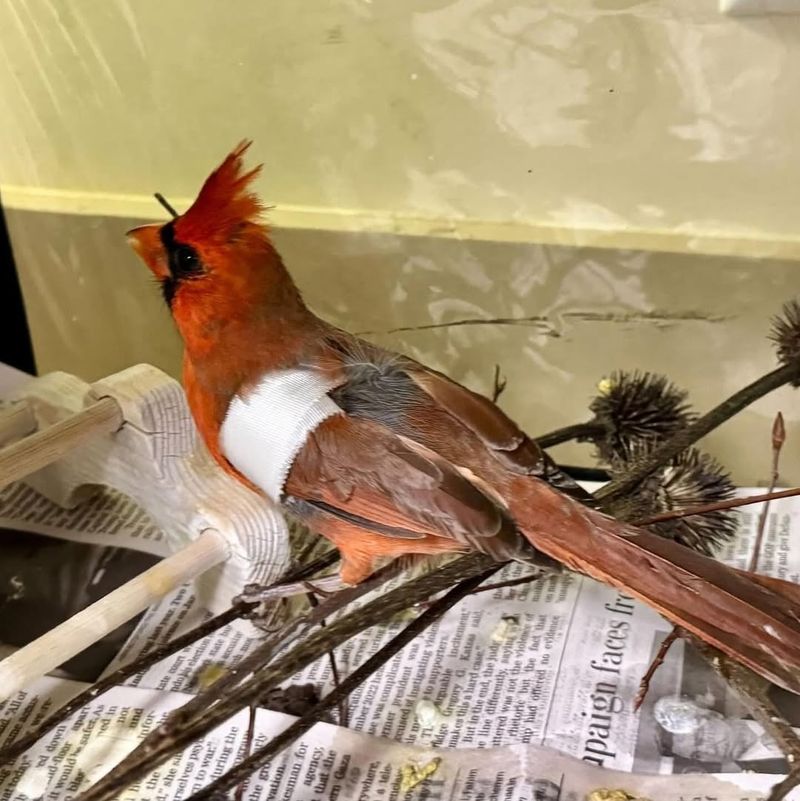
Cardinals are non-migratory birds that remain in Pennsylvania year-round rather than traveling south.
This permanent residency means cardinals must find local food sources throughout winter instead of escaping to warmer climates.
Pennsylvania cardinals have adapted to survive harsh winters by taking advantage of human-provided resources.
Unlike many bird species that disappear in autumn, cardinals become more visible at feeders when leaves fall.
Their bright coloring stands out dramatically against snow and bare branches, making winter sightings particularly memorable.
Cardinals that successfully navigate Pennsylvania winters often return to the same territories year after year.
Feeders provide the consistent nutrition necessary for cardinals to survive without migrating.
Young cardinals learn feeder locations from their parents, creating generational knowledge of reliable food sources.
Pennsylvania’s cardinal population remains stable throughout winter rather than declining like migratory species.
Homeowners enjoy year-round cardinal presence, with winter visits becoming especially frequent.
The combination of non-migratory behavior and available feeders concentrates cardinals in residential areas.
Pennsylvania backyards essentially support the entire local cardinal population during challenging winter months.
Increased Daylight Hours Boost Feeding Activity
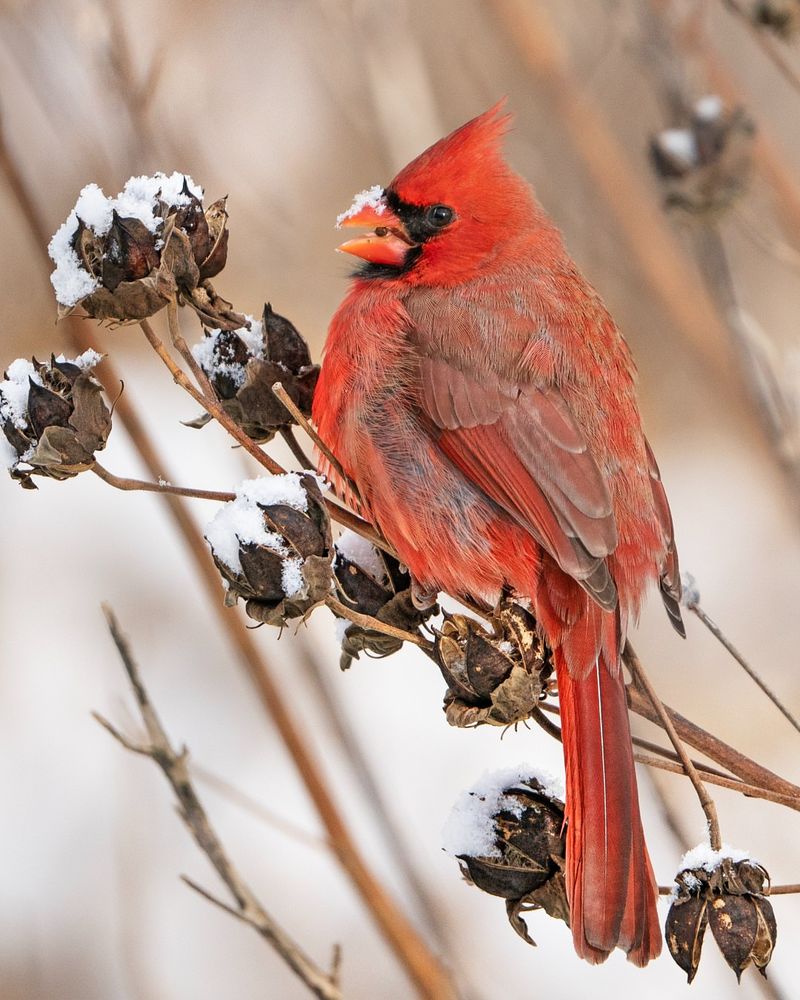
As winter progresses toward spring, gradually lengthening days trigger increased feeding behavior in cardinals.
Pennsylvania cardinals respond to changing light levels by spending more time actively foraging.
Hormonal changes associated with approaching breeding season increase energy requirements and appetite.
Cardinals must consume enough food during daylight hours to survive increasingly active lifestyles.
Late winter combines continued cold temperatures with heightened metabolic demands from breeding preparation.
Pennsylvania feeders become even busier during February and March as cardinals visit more frequently.
Extended daylight provides more hours for feeding, and cardinals maximize this opportunity.
Morning and evening feeding sessions become particularly intense as daylight duration increases.
Cardinals seem more energetic and vocal during late winter, singing while visiting feeders.
Pennsylvania birdwatchers notice this activity surge, with feeders hosting almost constant cardinal traffic.
The biological drive to prepare for breeding combines with favorable feeding conditions at backyard stations.
Longer days and reliable feeders create perfect circumstances for increased cardinal presence across Pennsylvania this winter.
Community Education Improves Feeding Practices
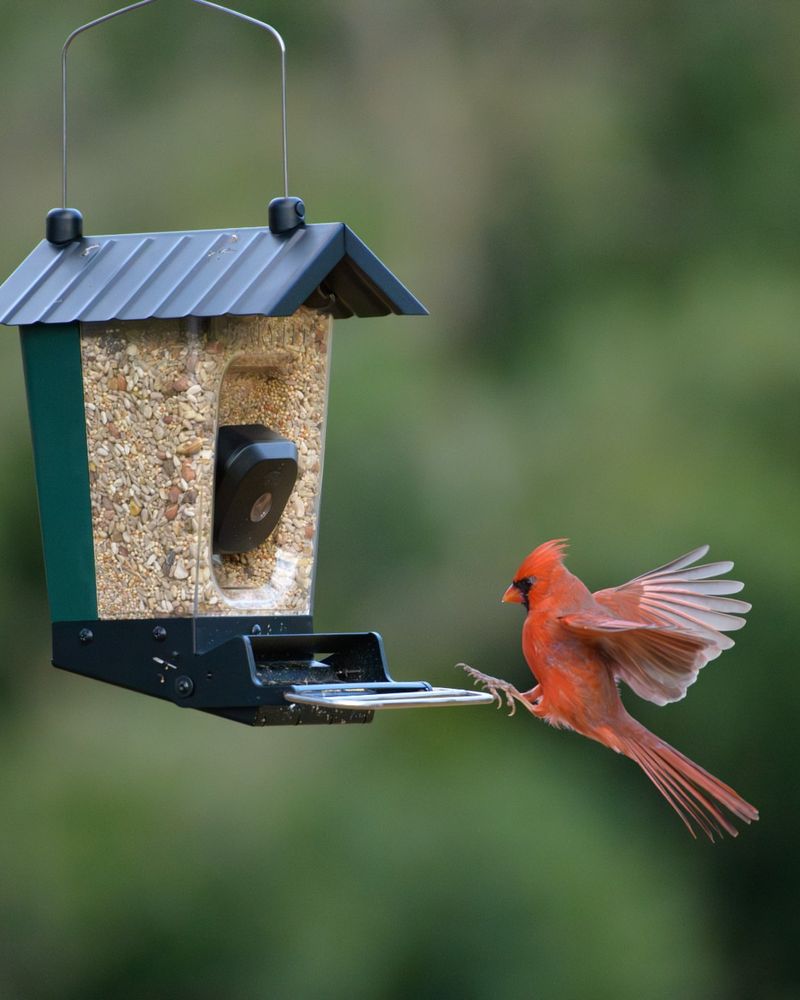
Pennsylvania residents have become more knowledgeable about proper bird feeding through educational programs and online resources.
Local Audubon chapters and nature centers offer workshops teaching best practices for attracting and supporting cardinals.
Improved feeding techniques result in healthier bird populations and more frequent feeder visits.
Pennsylvania homeowners now understand the importance of feeder cleanliness in preventing disease spread.
Regular cleaning schedules keep cardinals safe from harmful bacteria and mold.
Education about proper feeder placement reduces window collisions and predator risks.
Many residents have learned to offer multiple feeder types at various heights to accommodate cardinal preferences.
Knowledge about seed storage prevents spoilage and maintains food quality that cardinals prefer.
Pennsylvania communities share successful feeding strategies through neighborhood groups and social media.
This collective learning creates consistently high-quality feeding environments across entire regions.
Cardinals benefit from this educated approach, finding safe, clean, well-stocked feeders throughout Pennsylvania.
Improved practices transform casual bird feeding into effective wildlife support that attracts more cardinals than ever before.