Why Cardinals Are Showing Up At Indiana Backyard Feeders This Winter
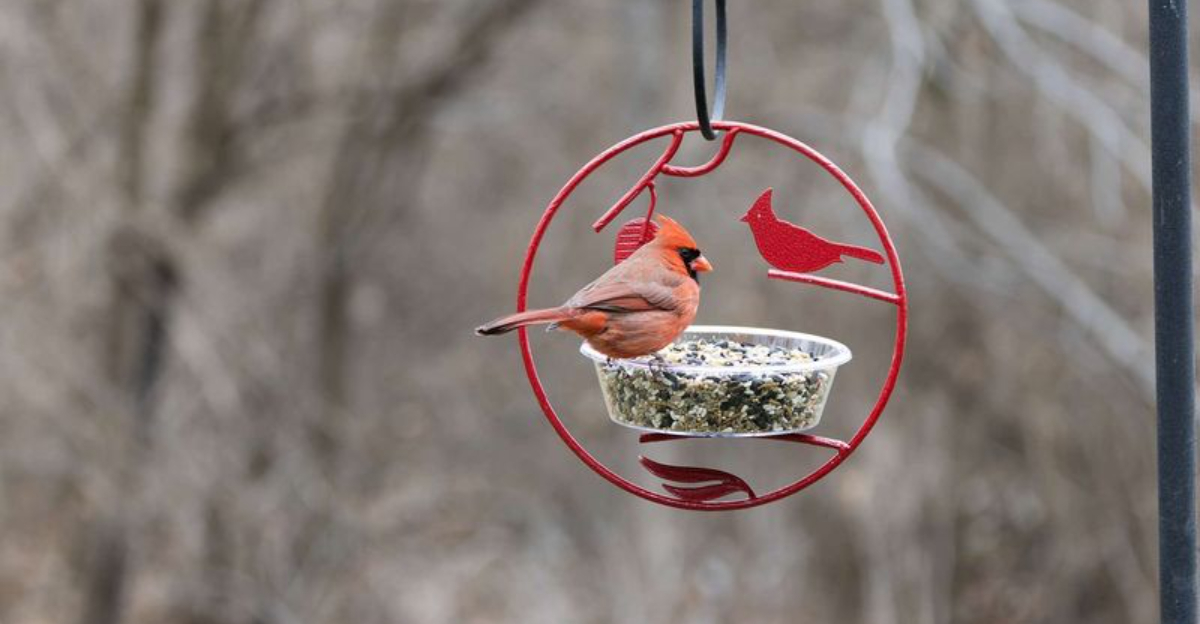
Bright flashes of red against a gray Indiana winter catch the eye and lift the spirit.
Cardinals seem to arrive right on cue when snow blankets the ground and days grow short.
Their bold color and clear whistles feel like a promise that spring still waits just around the bend.
For many homeowners, backyard feeders turn into front-row seats as these striking birds appear more often than usual.
Cold weather shifts the balance of nature.
Natural food sources dry up, insects vanish, and dense cover grows harder to find.
Cardinals adapt with grit and instinct, following reliable meals wherever they appear.
A well-stocked feeder acts like a lighthouse in the cold, drawing them in when survival takes priority over solitude.
As the saying goes, needs must when the devil drives, and winter pushes even shy birds into the open.
Indiana’s mix of farmland, woods, and neighborhoods creates ideal stopovers during harsh months.
Feeders filled with seeds offer energy, safety, and routine, all things cardinals value when temperatures dip.
Their presence signals more than beauty alone; it reflects resilience, smart habits, and the quiet partnership between people and wildlife during the toughest stretch of the year.
Natural Food Sources Become Scarce
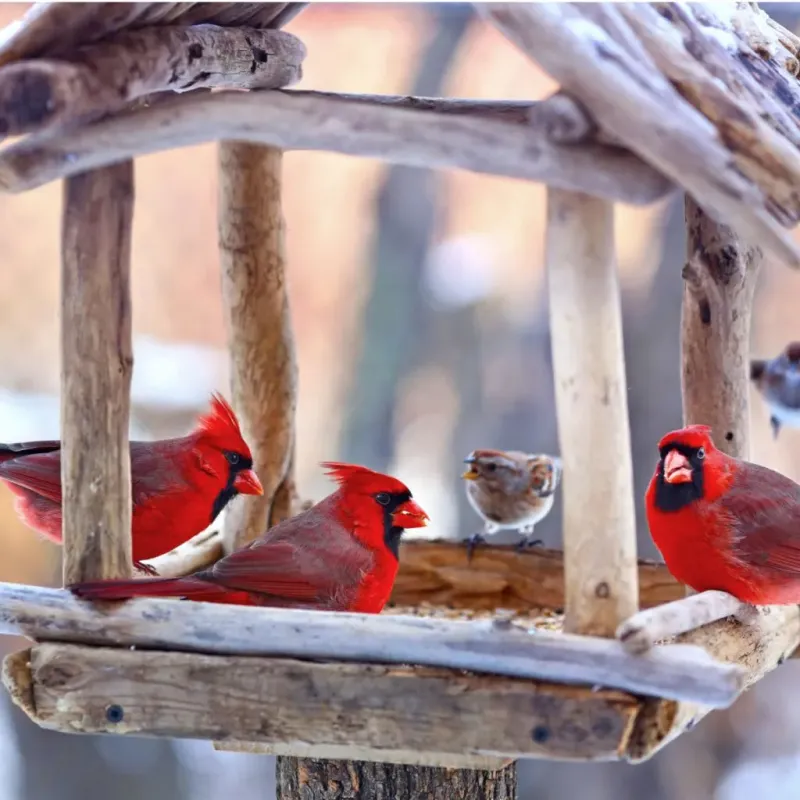
Winter transforms the Indiana landscape into a frozen world where insects disappear and seeds become buried under layers of snow.
Cardinals normally feast on beetles, grasshoppers, and wild berries during warmer months, but these options vanish when cold weather arrives.
Your backyard feeder becomes a reliable restaurant when their usual meals are impossible to find.
Sunflower seeds, safflower seeds, and cracked corn offer the high-energy nutrition cardinals need to survive freezing temperatures.
A single cardinal must eat about one-third of its body weight daily just to maintain energy levels during winter.
Without accessible food sources, these birds face serious challenges staying warm and healthy.
Your feeder provides consistent meals that help cardinals conserve precious energy they would otherwise spend searching through snow and ice.
Keeping feeders stocked throughout winter can make the difference between survival and starvation for local cardinal populations.
Cardinals remember reliable food sources and will return to your yard repeatedly once they discover your well-maintained feeding station.
This creates a wonderful opportunity to observe these magnificent birds up close throughout the coldest season.
Cardinals Stay Year-Round Unlike Migrating Birds
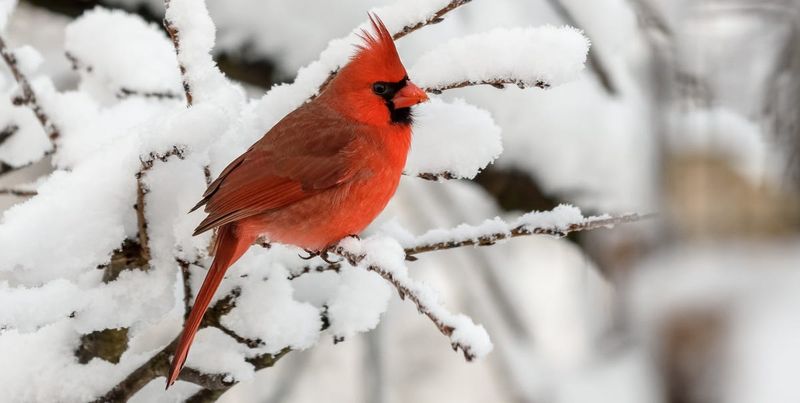
Unlike robins and warblers that fly south when autumn arrives, cardinals are permanent residents of Indiana.
These tough birds have adapted to handle cold weather and choose to stay put rather than undertake long migrations.
Their year-round presence means they rely heavily on local resources, especially during months when food becomes limited.
Cardinals develop thick, fluffy feathers that trap warm air close to their bodies, providing excellent insulation against bitter winds.
They also possess special physiological adaptations that allow them to survive temperature drops that would endanger less hardy species.
Because cardinals remain in Indiana throughout winter, they need dependable food sources to maintain their energy reserves.
Your backyard feeder becomes an essential lifeline for these non-migrating birds.
Cardinals establish territories that they defend year-round, so the birds visiting your feeder in January are likely the same ones you saw in July.
This loyalty to territory makes them regular visitors once they identify your yard as a safe feeding location.
Providing consistent food helps ensure your resident cardinals stay healthy and vibrant through even the harshest Indiana winters.
Shorter Days Mean Less Time To Find Food
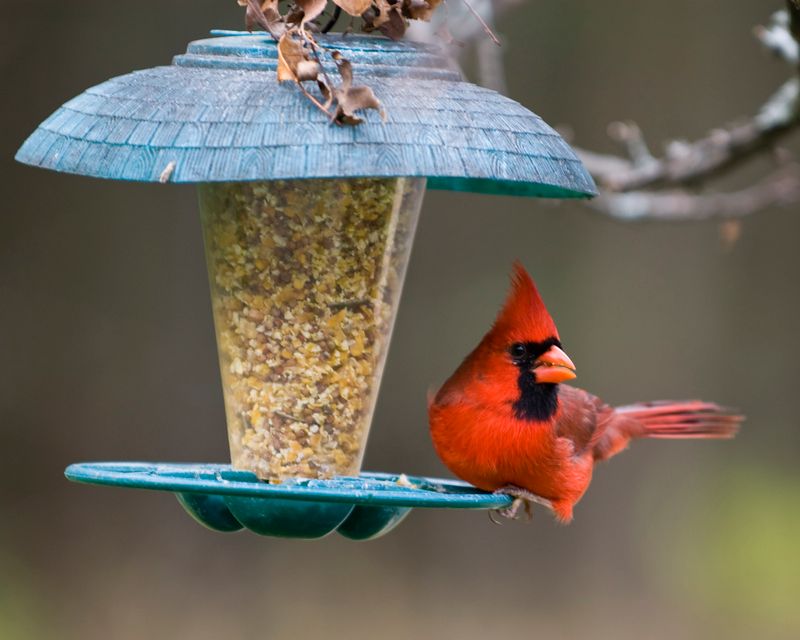
December and January bring the shortest days of the year, with darkness arriving before 5:30 PM in Indiana.
Cardinals can only forage during daylight hours since they lack the night vision that owls possess.
This limited window creates tremendous pressure to find enough calories before sunset.
During summer, cardinals have 15 hours of daylight to search for food, but winter cuts that time nearly in half.
Every hour becomes precious when birds must locate, consume, and digest enough nutrition to survive long, frigid nights.
Backyard feeders offer a quick, efficient solution to this time crunch.
Cardinals can visit your feeder multiple times throughout the day, quickly filling their crops with high-calorie seeds.
This efficiency allows them to meet nutritional needs without spending hours searching through frozen vegetation and snow-covered ground.
Early morning and late afternoon often see the most cardinal activity at feeders as birds rush to fuel up before darkness falls.
Watching cardinals frantically feed during those golden hours before sunset reveals just how important your feeder becomes during short winter days.
Snow Cover Buries Ground-Level Food
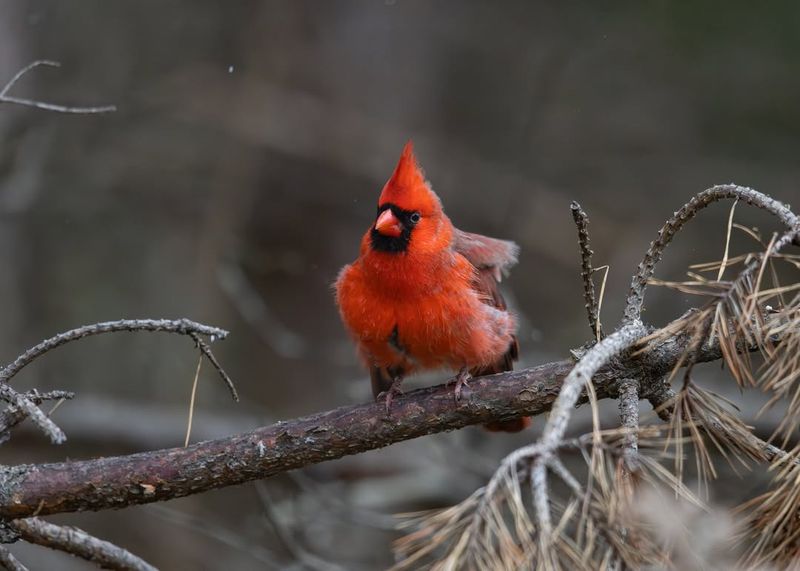
A blanket of snow might look beautiful, but it creates serious problems for birds that normally feed on fallen seeds and dried berries.
Cardinals often forage on the ground, scratching through leaf litter to uncover hidden treats.
Heavy snowfall makes this feeding method nearly impossible.
Even a few inches of snow can completely hide the seeds from weeds, grasses, and wildflowers that cardinals depend on.
Ice crusts that form on top of snow create an additional barrier that birds cannot penetrate with their beaks.
Your elevated feeder solves this problem by keeping food accessible above the snow line.
Platform feeders and hopper feeders allow cardinals to perch comfortably while eating seeds that would otherwise be buried.
Some homeowners also scatter seeds directly on cleared patios or decks, creating ground-level feeding areas that mimic natural foraging conditions.
Cardinals appreciate both options and will use whichever feeding style feels most comfortable.
After major snowstorms, feeder activity often increases dramatically as desperate birds seek out the few remaining accessible food sources in the neighborhood.
Feeders Provide Essential Shelter And Safety
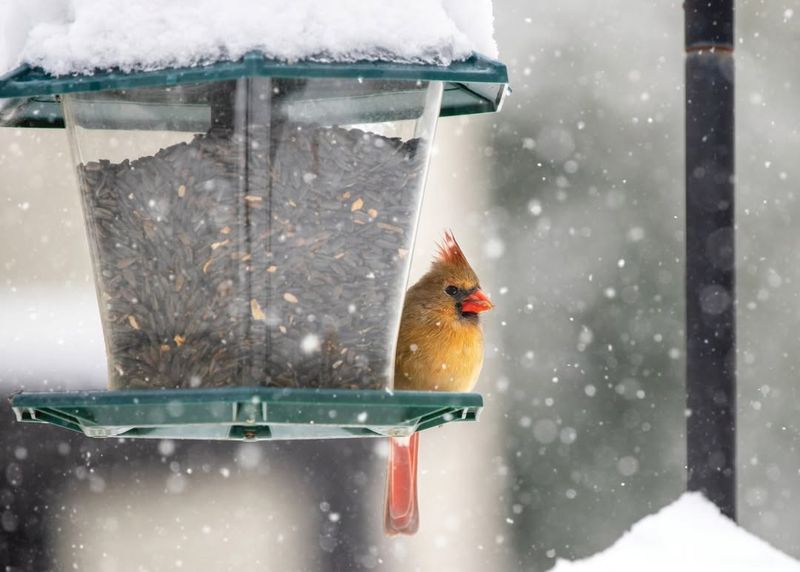
Backyard feeders offer more than just food; they create safe spaces where cardinals can eat without constant fear of predators.
Hawks and cats pose serious threats to feeding birds, but well-placed feeders near shrubs or trees give cardinals quick escape routes.
Many feeders also include roofs or covers that protect birds from falling snow, sleet, and freezing rain while they eat.
Cardinals prefer feeders located within ten feet of protective cover, allowing them to dash to safety if danger appears.
Dense evergreen shrubs like junipers and spruces provide excellent shelter where cardinals can hide and rest between feeding sessions.
Your yard becomes a complete survival station when it combines food sources with protective vegetation.
Cardinals also appreciate feeders that accommodate multiple birds, reducing competition and stress during meal times.
Platform feeders work particularly well because several cardinals can feed simultaneously without fighting over limited perch space.
The combination of nutrition and security makes your backyard an attractive destination that cardinals will visit repeatedly throughout winter.
Creating this safe haven helps local cardinal populations thrive even during the most challenging weather conditions.
High-Calorie Seeds Meet Winter Energy Needs
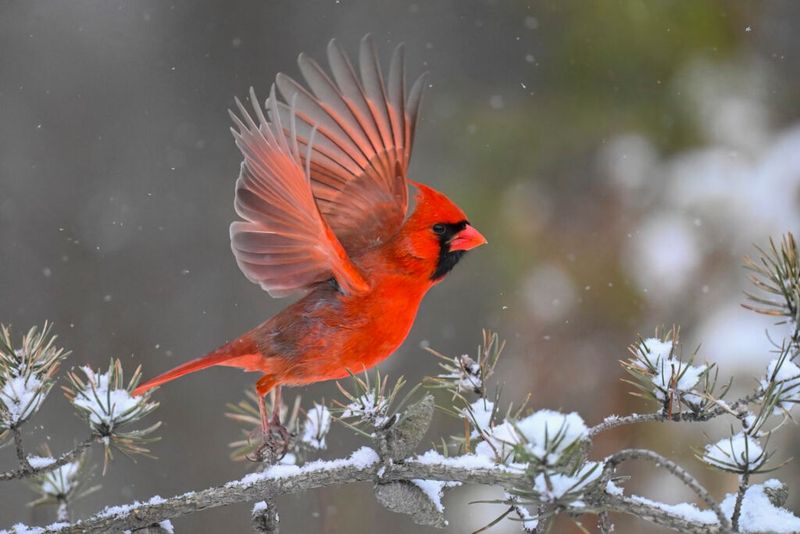
Surviving cold weather requires massive amounts of energy, and cardinals need calorie-dense foods to fuel their internal heating systems.
Black oil sunflower seeds contain about 40 percent fat, making them one of the best winter foods for cardinals.
These seeds pack more calories per bite than most natural foods available during winter months.
Safflower seeds offer another excellent option that cardinals love but squirrels often ignore.
Cracked corn provides carbohydrates that convert quickly into energy, helping birds maintain body temperature during frigid nights.
Cardinals have strong, thick beaks perfectly designed to crack open tough seed shells and extract nutritious kernels inside.
When you stock your feeder with premium seeds, cardinals can efficiently gather the calories they need without wasting energy on low-quality foods.
Some birders also offer peanut pieces or mealworms, which provide protein that helps cardinals maintain muscle mass and feather condition.
The variety and quality of food you provide directly impacts how often cardinals visit your yard.
Investing in high-quality seed blends specifically formulated for winter feeding pays off with increased cardinal activity and healthier birds.
Water Sources Freeze Solid
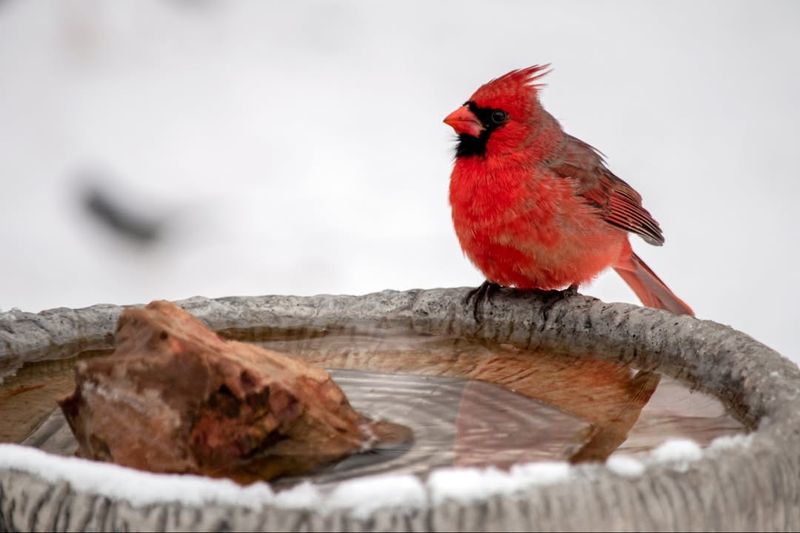
Finding liquid water becomes extremely difficult when temperatures drop below freezing for days or weeks at a time.
Cardinals need water for drinking and bathing, even during the coldest months.
Streams, ponds, and puddles turn to ice, leaving birds with few options for hydration.
Eating snow requires birds to expend precious calories warming ice crystals to body temperature before they can absorb the moisture.
This inefficient process drains energy that cardinals need for staying warm and finding food.
Heated birdbaths or simple water heaters transform your yard into an oasis during winter.
Cardinals will travel considerable distances to access reliable water sources when natural options freeze.
Watching cardinals drink and bathe in winter water features reveals just how important this resource becomes.
Even on bitterly cold days, cardinals need to keep their feathers clean and properly aligned for maximum insulation.
Bathing helps birds maintain feather condition, which directly impacts their ability to stay warm.
Combining a well-stocked feeder with a heated water source creates the ultimate winter habitat that will attract not just cardinals but many other bird species struggling through cold months.
Territory Establishment Increases Feeder Visits
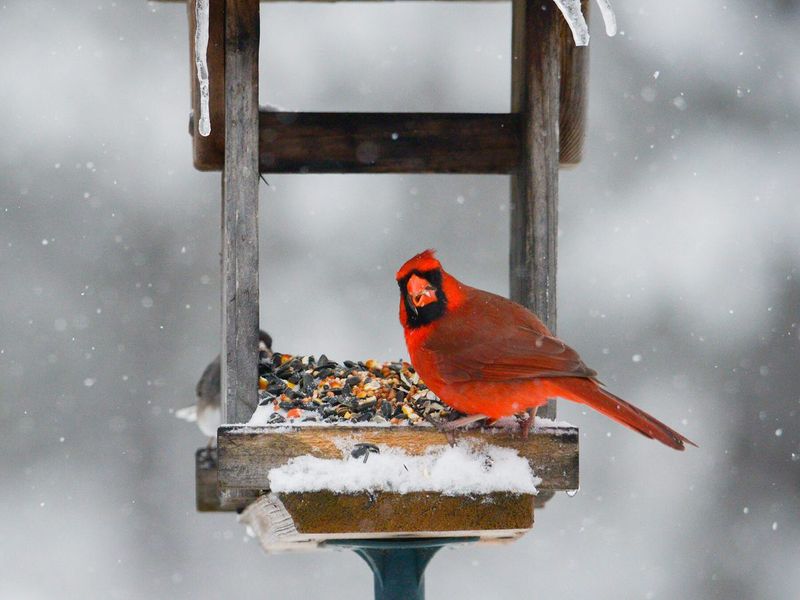
Cardinals begin establishing breeding territories as early as late winter, even while snow still covers the ground.
Male cardinals become more visible and vocal during this period, singing from prominent perches to announce their claims.
Feeders located within established territories see increased activity as males patrol their boundaries and ensure adequate food supplies.
Unlike during breeding season when males aggressively chase away other cardinals, winter feeding often involves more tolerance.
Pairs frequently feed together, and small groups may gather at productive feeders during particularly harsh weather.
However, dominant males still maintain hierarchies and may assert control over prime feeding locations.
Observing these social interactions provides fascinating insights into cardinal behavior and communication.
Territorial males visit feeders more frequently to assess resources and ensure their chosen area can support a future family.
Females also scout feeding locations, evaluating whether territories contain sufficient food for raising chicks later in spring.
Your backyard feeder essentially becomes part of cardinal real estate, increasing its value to birds seeking the best possible territories.
This territorial behavior explains why certain cardinals become regular fixtures at your feeder while others appear only occasionally.
Predator Avoidance Draws Birds To Feeders
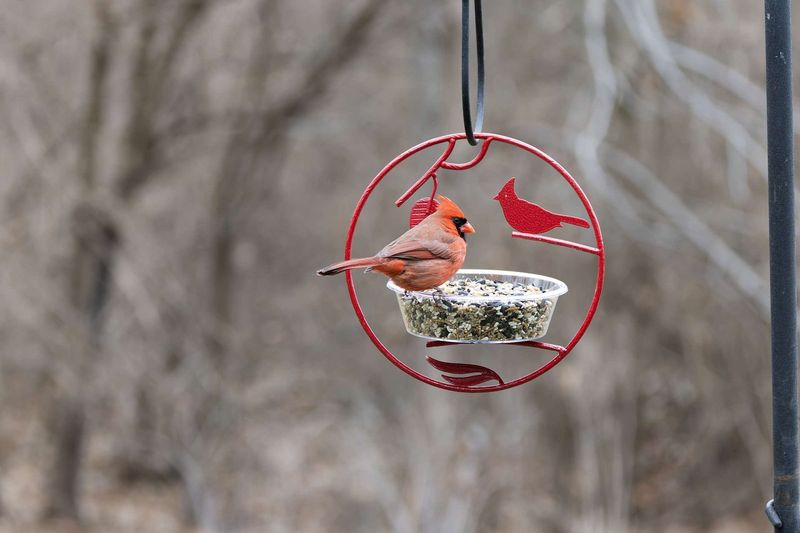
Winter strips leaves from deciduous trees and shrubs, eliminating much of the natural cover that protects cardinals from predators.
Hawks, owls, and outdoor cats find it easier to spot bright red cardinals against bare branches and white snow.
Well-designed feeding stations offer strategic advantages that help cardinals stay safe while eating.
Feeders positioned near evergreen trees or dense shrubs give cardinals immediate escape routes when danger approaches.
Cardinals can quickly dive into protective cover, making it difficult for predators to catch them.
Many experienced birders place feeders within three to ten feet of sheltering vegetation, creating a safe zone where birds can feed with reduced anxiety.
Some homeowners install brush piles near feeders, providing additional hiding spots and emergency refuges.
Cardinals learn to recognize safe feeding locations and will choose your feeder over more exposed natural food sources.
The security your yard provides becomes just as important as the food you offer.
Cardinals that feel safe will spend more time at feeders, giving you better opportunities to observe their beautiful plumage and interesting behaviors throughout winter months.
Social Feeding Behavior Peaks In Winter
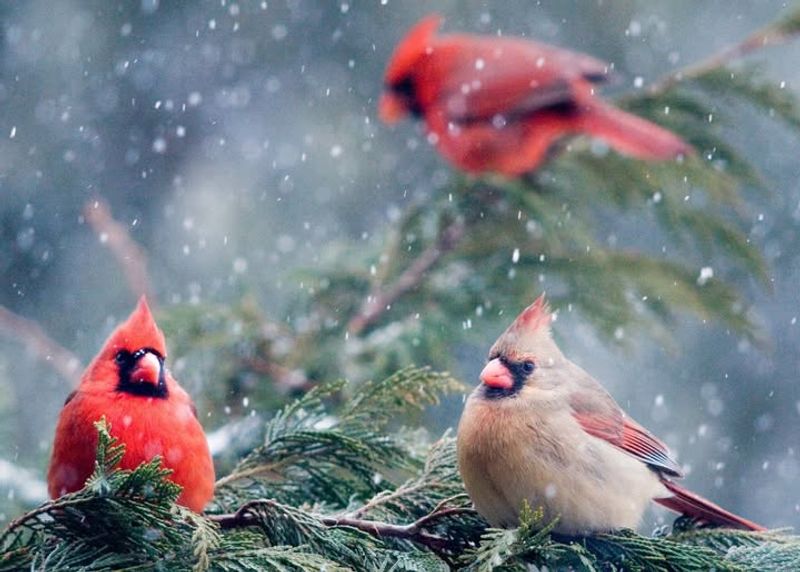
Although cardinals maintain territories during breeding season, winter brings more relaxed social structures.
Small groups of cardinals often feed together at productive feeders, especially during extreme cold or after major snowstorms.
This social feeding behavior helps birds locate food more efficiently and provides extra eyes to watch for predators.
Young cardinals from previous breeding seasons may join their parents at feeders, creating small family groups.
Watching these interactions reveals the complex social lives of birds that many people assume are strictly solitary.
Platform feeders and large hopper feeders accommodate multiple cardinals simultaneously, reducing competition and aggression.
When several cardinals feed peacefully together, it indicates your feeder provides abundant resources that reduce the need for fighting.
Mixed flocks sometimes form, with cardinals feeding alongside chickadees, titmice, and finches.
These diverse groups benefit from shared vigilance, as different species watch for different types of threats.
Your backyard feeder becomes a community gathering spot where cardinals can socialize while meeting their nutritional needs.
This winter sociability makes feeding stations even more attractive to cardinals seeking both food and the safety that comes from numbers.