Why Cardinals Are Suddenly Crowding Backyard Feeders In Maryland
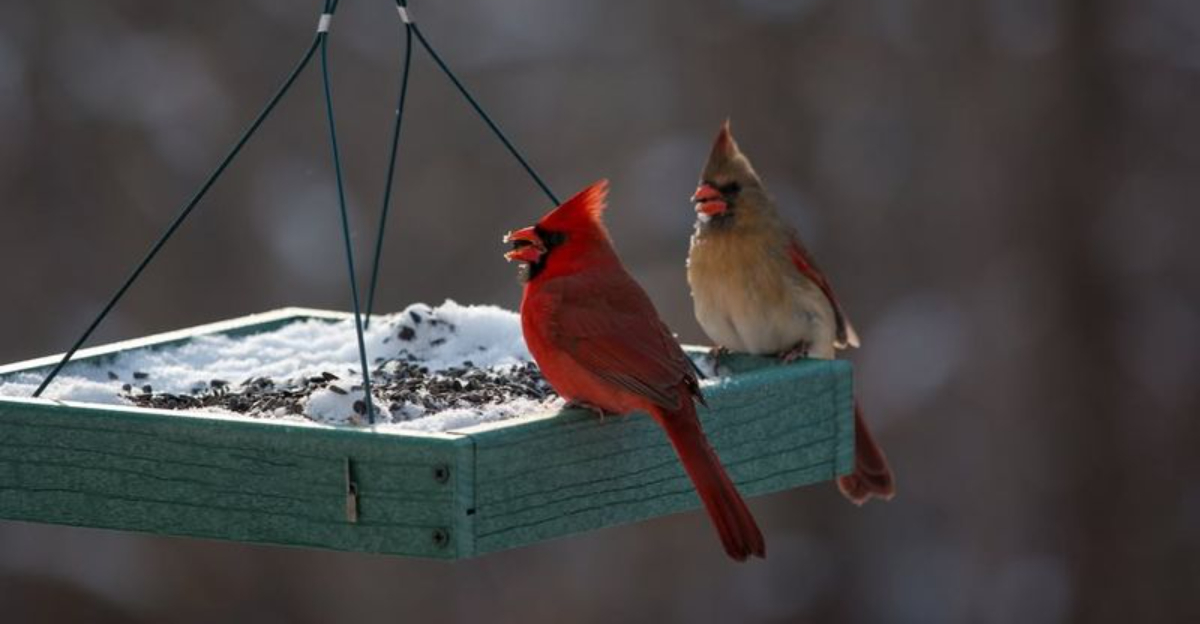
Maryland homeowners are noticing more cardinals than usual gathering at backyard feeders, often all at once and with far more activity than in past winters.
Colder weather patterns, shifting food availability, and seasonal behavior changes are pushing these bright red birds to concentrate where reliable meals appear.
This sudden crowding offers a useful glimpse into local conditions, helping explain what is happening beyond the feeder and why cardinals are adjusting their routines now.
1. Winter Food Scarcity Drives Cardinals to Feeders
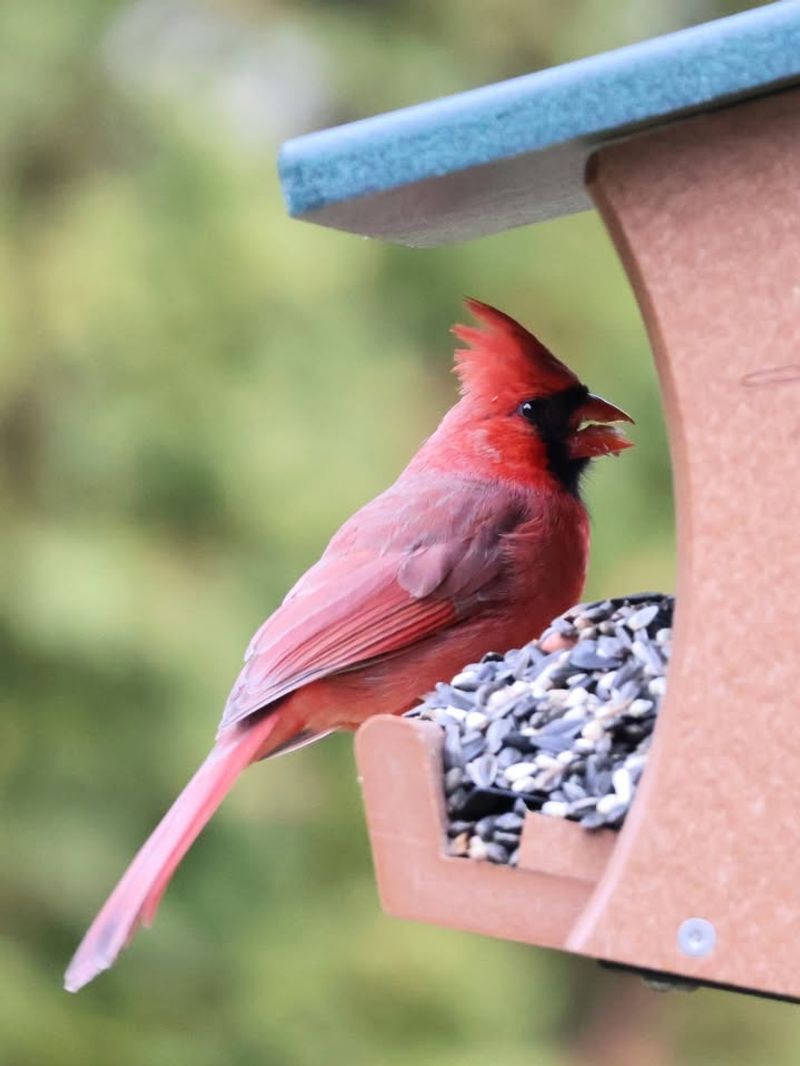
Natural food sources become harder to find when cold weather settles over Maryland, pushing cardinals to seek reliable feeding spots in residential areas nearby.
Wild seeds, berries, and insects grow scarce during winter months, making backyard feeders an essential lifeline for these colorful birds seeking daily nourishment.
Cardinals need consistent energy to maintain their body temperature when temperatures drop, so they visit feeders multiple times throughout each chilly day.
Homeowners who keep feeders stocked notice cardinals arriving earlier in the morning and staying later into the evening hours than usual this season.
Black oil sunflower seeds remain the favorite choice for cardinals, and Maryland residents should keep these available in platform or hopper-style feeding stations.
Food shortages in nearby forests and fields make suburban yards especially attractive to cardinals searching for easy meals during harsh weather conditions across the state.
Providing fresh seeds regularly helps cardinals survive winter successfully while giving you wonderful opportunities to observe their striking red plumage up close every single day.
2. Mating Season Preparations Begin Earlier Than Expected
Cardinals start pairing up and establishing territories sooner than many people realize, often beginning their courtship rituals while snow still covers Maryland ground in patches.
Males become more visible and vocal during this period, visiting feeders frequently to build strength for the demanding tasks of attracting mates and defending territory.
Increased feeder activity reflects the higher energy demands males face as they sing elaborate songs and display their brilliant red feathers to potential partners.
Female cardinals also visit feeders more often during this time, needing extra nutrition to prepare their bodies for the upcoming nesting and egg-laying season.
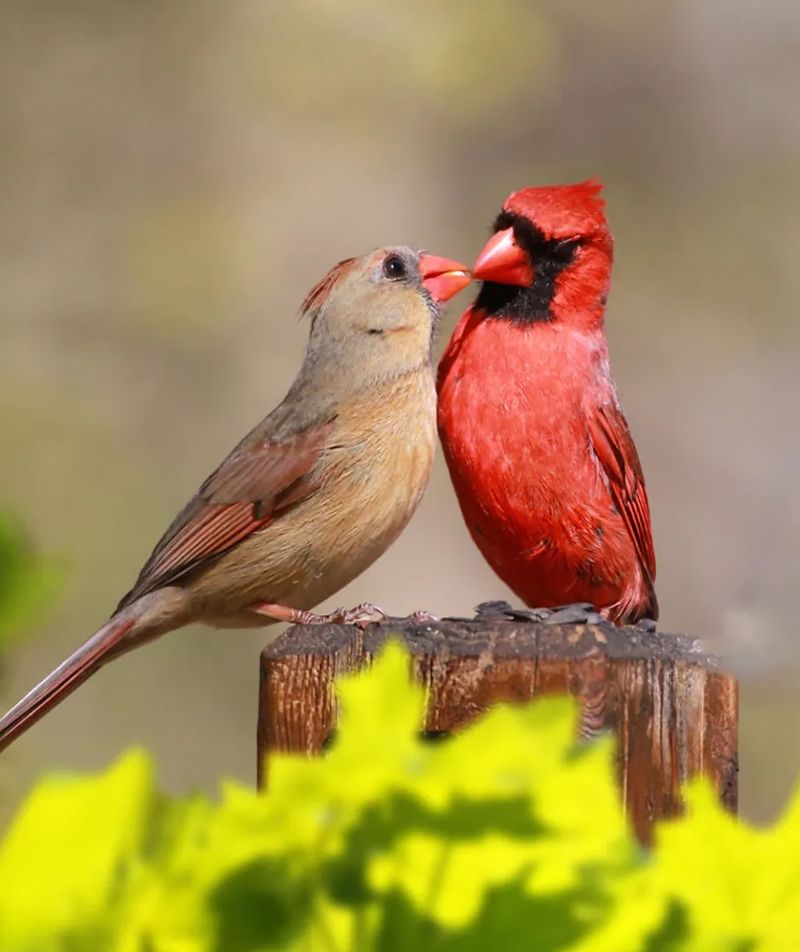
Backyard observers across Maryland report seeing pairs of cardinals feeding together, with males often offering seeds to females in a charming courtship behavior called mate-feeding.
This pre-breeding period creates competition among males, resulting in more cardinals congregating at popular feeding stations where food remains abundant and easily accessible to all.
Understanding this seasonal pattern helps explain why your feeder suddenly attracts more cardinals, as both males and females prioritize nutrition before their busy breeding season.
3. Habitat Loss Forces Cardinals Into Suburban Yards
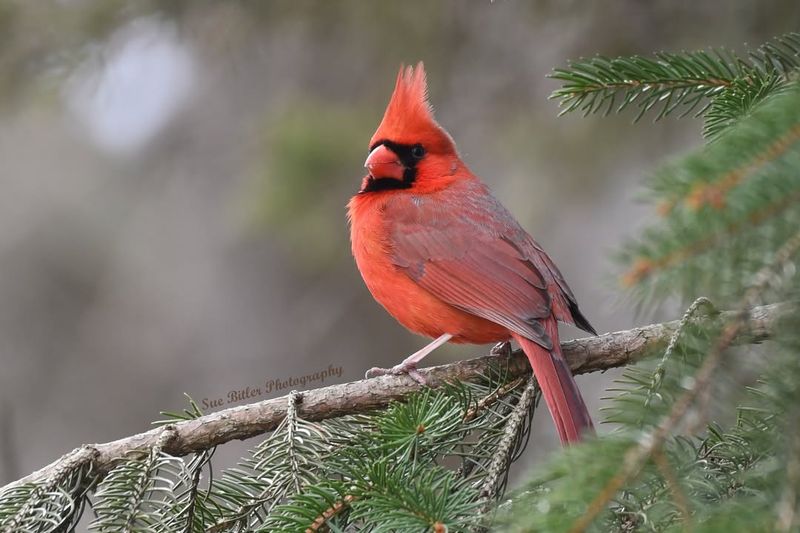
Development projects throughout Maryland continue reducing natural woodland areas, leaving cardinals with fewer wild spaces to call home and forcing them toward human-populated neighborhoods instead.
Construction of new housing developments, shopping centers, and roads eliminates the dense shrubs and thickets where cardinals traditionally nest, forage, and seek shelter from predators.
Cardinals adapt remarkably well to suburban environments, discovering that residential yards often provide food, water, and shelter similar to their disappearing natural habitats across the region.
Many homeowners unknowingly create ideal cardinal habitat by planting ornamental shrubs, maintaining small trees, and leaving some areas of their yards slightly wild and overgrown.
Backyard feeders become even more critical when natural food sources vanish due to land clearing, making your yard a vital refuge for displaced bird populations.
Maryland residents notice more cardinals because these birds actively seek out neighborhoods where people maintain bird-friendly spaces with feeders, native plants, and protective cover from weather.
Supporting cardinals through habitat loss means keeping feeders filled, providing fresh water year-round, and planting native berry-producing shrubs that offer natural food alongside your seed offerings.
4. Extreme Weather Patterns Alter Cardinal Behavior
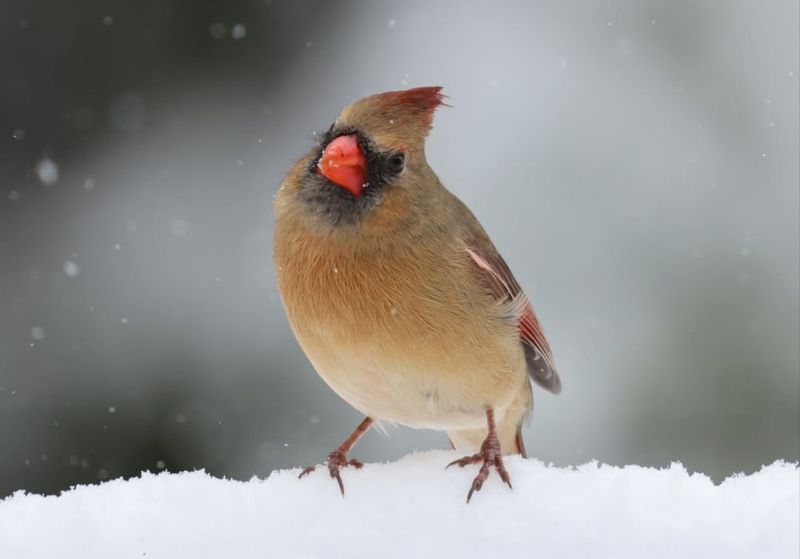
Unpredictable weather swings in Maryland create challenging conditions for cardinals, causing them to rely more heavily on consistent food sources like backyard feeders throughout the year.
Sudden cold snaps followed by unseasonably warm periods confuse natural food production cycles, leaving cardinals uncertain about where to find reliable nutrition in wild areas.
Heavy snowfall covers ground-level seeds and makes foraging difficult, while ice storms coat branches and prevent cardinals from accessing berries that normally sustain them through winter.
Climate shifts also affect insect populations that cardinals depend on during breeding season, making supplemental feeding stations even more valuable for maintaining healthy bird communities statewide.
Maryland homeowners report seeing cardinals at feeders during weather events that previously would have kept these birds hidden in protective cover, demonstrating their growing dependence on human-provided resources.
Extreme temperature fluctuations increase the energy cardinals need just to survive each day, resulting in more frequent feeder visits and longer feeding sessions than observed historically.
Keeping feeders accessible during storms by clearing snow and ice helps cardinals weather these increasingly common extreme events while giving you chances to witness their remarkable resilience.
5. Territorial Behavior Increases Visible Cardinal Numbers
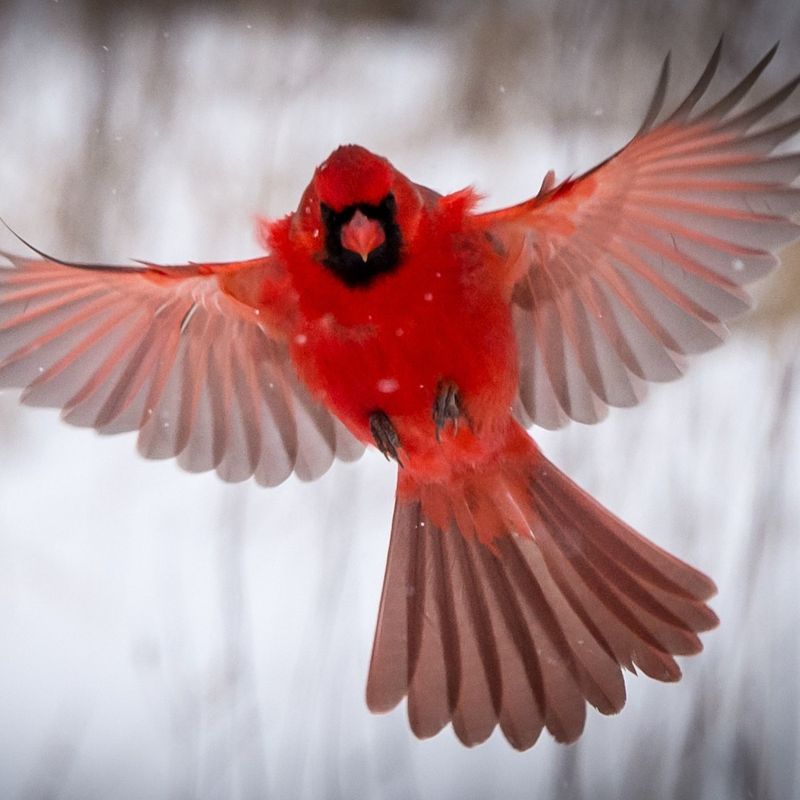
Cardinals fiercely defend their chosen territories, and your feeder might sit at the boundary where multiple territories meet, creating a gathering spot for several competing birds.
Unlike many species that flock together during winter, cardinals maintain year-round territories, meaning each bird you see likely represents a separate breeding pair claiming nearby space.
Males engage in dramatic displays near feeders, chasing rivals away while simultaneously advertising their presence through loud, clear songs that echo throughout Maryland neighborhoods daily.
Territorial disputes make cardinals more visible and active around feeders, as males spend considerable time patrolling boundaries and ensuring other males respect their claimed feeding areas.
Homeowners sometimes mistake this territorial activity for increased cardinal populations, when actually they are simply observing the same birds defending resources more aggressively than usual.
Winter territories tend to be smaller than breeding territories, concentrating more cardinals into suburban areas where feeders provide the abundant food needed to support higher bird densities.
Watching territorial interactions provides fascinating glimpses into cardinal social structure while explaining why you might see brief but intense conflicts erupting at your Maryland feeder throughout the day.
6. Successful Breeding Seasons Create Population Boosts
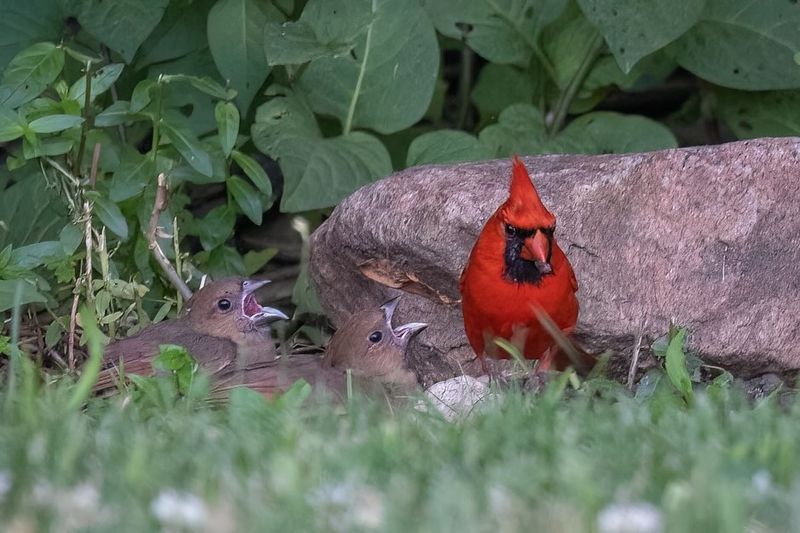
Favorable conditions over recent breeding seasons have allowed Maryland cardinal populations to grow, resulting in noticeably more birds competing for resources at established feeding stations everywhere.
Cardinals typically raise two or three broods each year when conditions permit, and successful nesting seasons quickly increase local populations that become evident at neighborhood feeders.
Young cardinals remain near their birth territories even after independence, contributing to the crowded conditions homeowners observe at popular feeders throughout suburban and rural areas statewide.
Mild winters followed by productive springs give cardinals excellent survival rates, allowing more birds to reach maturity and establish their own territories near existing populations.
Juvenile cardinals lack the bright red plumage of adult males but still visit feeders regularly, adding to the overall numbers without being immediately recognizable as cardinals.
Population increases become especially noticeable during winter when territorial boundaries shrink and birds concentrate around reliable food sources rather than spreading across larger summer ranges in Maryland.
Celebrating these population successes means continuing to provide quality food and habitat that supports healthy cardinal communities while enjoying the increased activity and beauty they bring daily.
7. Improved Feeder Quality Attracts More Cardinals
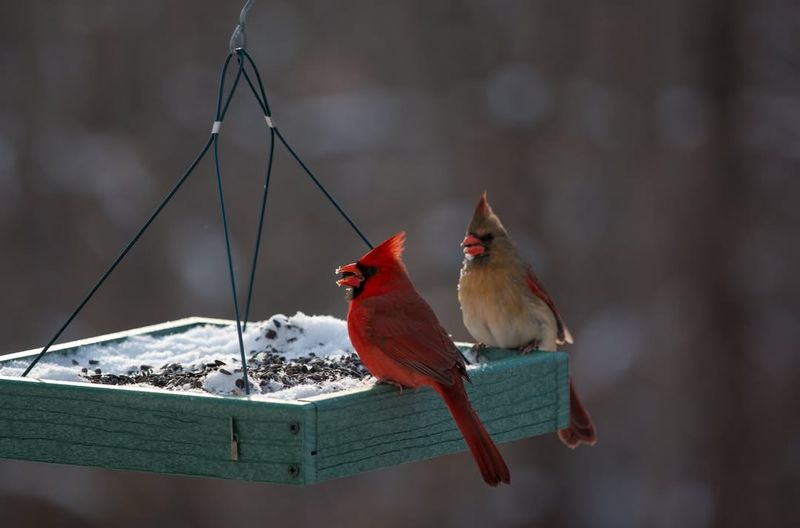
Maryland residents have become increasingly knowledgeable about bird feeding, investing in better feeders and higher-quality seeds that specifically appeal to cardinal preferences and feeding styles.
Platform feeders and large hopper designs accommodate cardinal size and feeding behavior better than smaller tube feeders, making yards with appropriate equipment more attractive to these birds.
Social media and online communities help spread information about successful feeding strategies, leading to more homes offering cardinal-friendly setups that draw birds from surrounding areas consistently.
Cardinals prefer feeding stations with nearby perches or protective cover, and homeowners who thoughtfully position feeders near shrubs or small trees see dramatically increased visitation rates.
Fresh, high-quality seeds remain more appealing than old or cheap seed mixes, and Maryland bird enthusiasts have learned that investing in premium food pays off with better results.
Consistency matters tremendously to cardinals, who remember reliable food sources and return repeatedly, sometimes bringing their mates and offspring to feeders they trust for daily meals.
Your efforts to provide excellent feeding opportunities create a reputation among local cardinal populations, effectively turning your yard into a preferred destination that attracts birds from increasingly wider areas.
8. Water Sources Become Critical During Winter Months
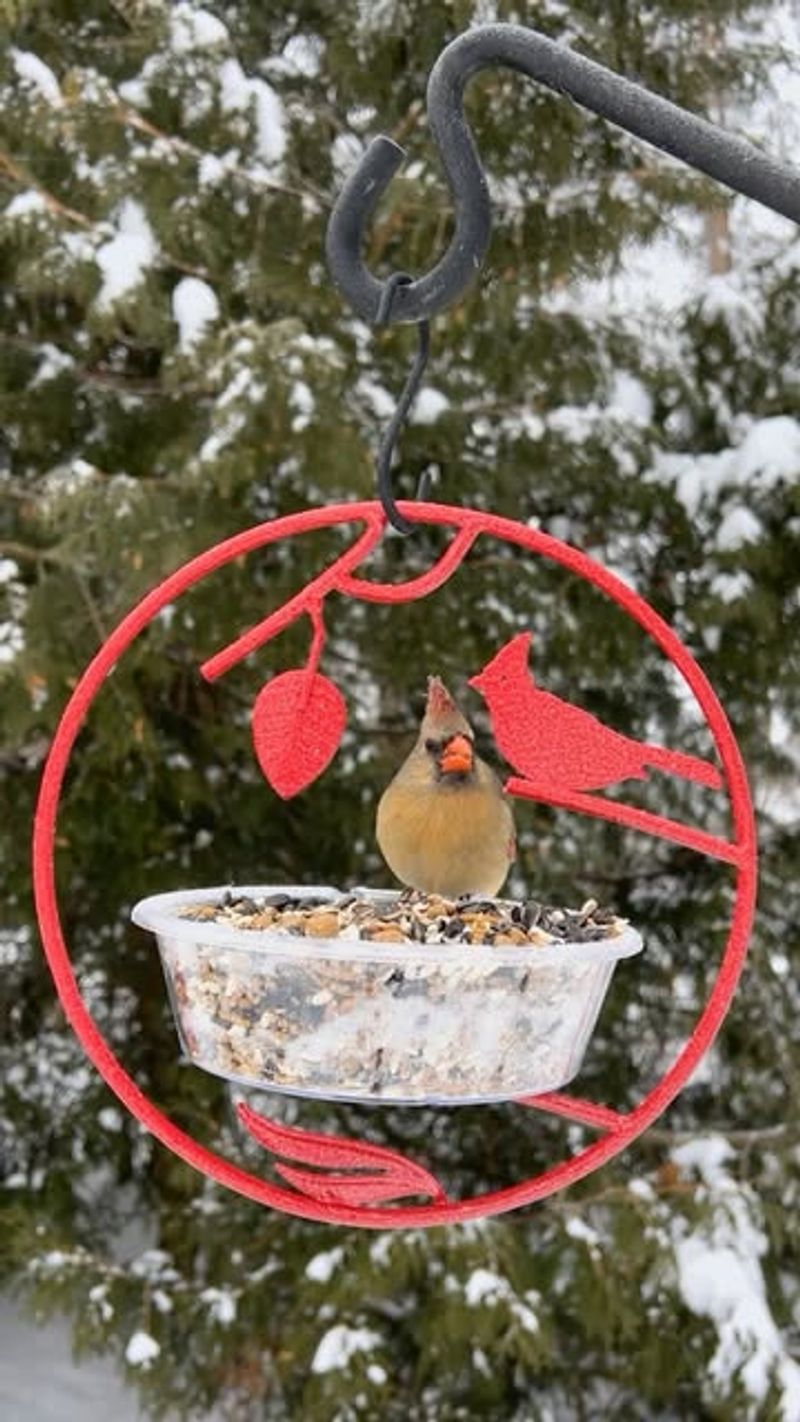
Cardinals need reliable water for drinking and bathing throughout winter, and Maryland yards offering heated birdbaths alongside feeders become magnets for these birds during freezing weather.
Natural water sources freeze solid during cold snaps, creating serious challenges for cardinals who require daily hydration to maintain their health and beautiful plumage year-round regardless of temperature.
Homeowners who add heated birdbaths to their feeding stations notice immediate increases in cardinal activity, as birds visit multiple times daily for both food and essential water.
Bathing remains important even in winter because clean feathers provide better insulation, making your heated birdbath a crucial resource that cardinals actively seek during Maryland cold spells.
Cardinals remember where to find open water during freezing conditions and will travel considerable distances to visit reliable sources, potentially explaining sudden increases at your specific location.
Combining quality feeders with accessible water creates a complete cardinal care station that addresses all their basic needs, making your yard an irresistible destination throughout every season.
Adding a simple heated birdbath transforms your space into a cardinal haven, supporting these magnificent birds while providing you with endless entertainment watching their bathing antics and social interactions.