Why Cardinals Nest In These Native Ohio Trees
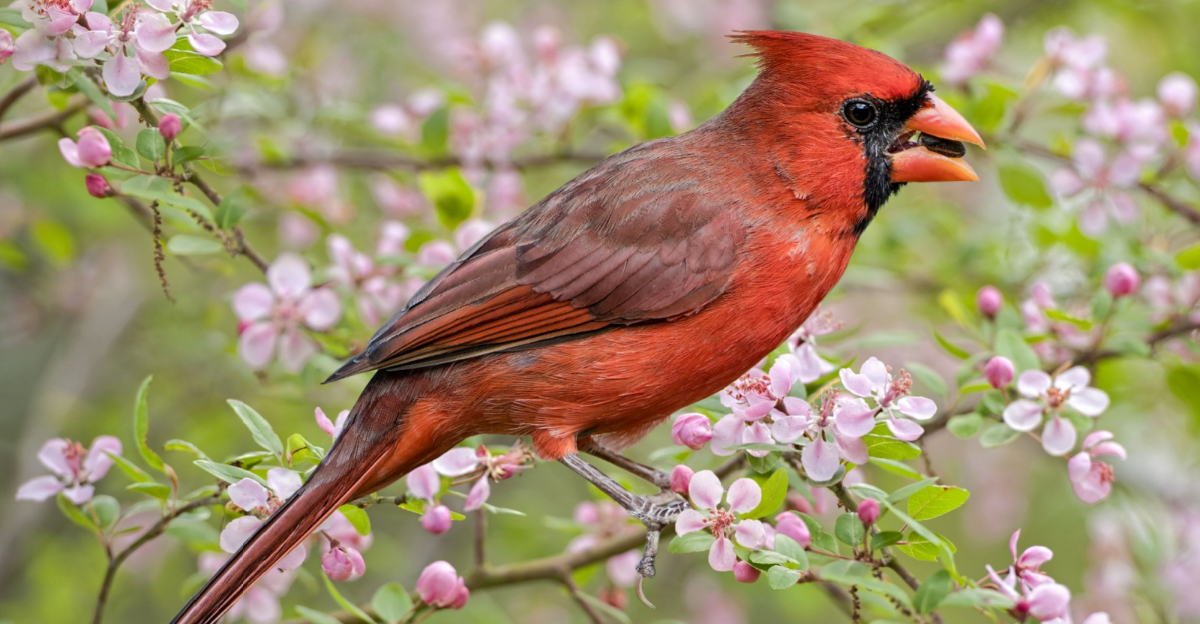
A backyard bird feeder might catch a cardinal’s eye, but it’s rarely the reason they decide to move in and raise a family.
In Ohio, these iconic red neighbors are looking for more than just a free snack – they’re searching for “real estate” that offers total privacy.
When nesting season hits, a cardinal’s top priority isn’t a high-altitude view; it’s finding a dense, tangled fortress where their nest can completely vanish from sight.
While towering shade trees look great, they often leave nests too exposed for a cardinal’s comfort.
Instead, these birds prefer the thick, lower-reaching branches of specific native species that provide the ultimate “security system” against predators.
If you want your Ohio garden to be more than just a pit stop, planting trees with dense branching and sheltered forms is the key to turning visitors into permanent residents.
1. Eastern Redcedar Gives Cardinals A Safer Place To Nest
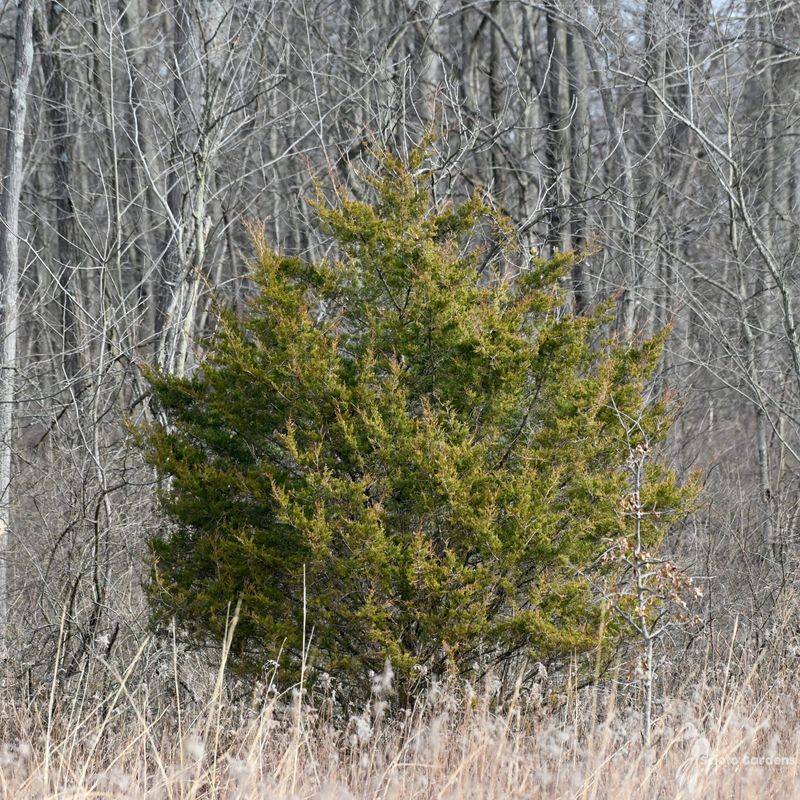
When Ohio winters still have a grip on the landscape and spring nesting season is just beginning to stir, Eastern Redcedar stands out as one of the most reliable sheltering trees a cardinal can find.
This native evergreen holds its dense, scale-like foliage year-round, which means cardinals can begin scouting nest sites even before other trees have leafed out.
That head start matters when pairs are trying to establish territory and get settled in early spring.
Eastern Redcedar grows as a small to medium-sized tree across much of Ohio, often reaching 15 to 30 feet tall with a dense, columnar or pyramidal shape.
Its layered branches grow close together, creating a thick interior that shields nesting birds from wind, rain, and the eyes of passing predators.
Cardinals typically build their cup-shaped nests between 3 and 10 feet off the ground, and the low, branchy structure of younger redcedars fits that preference well.
The tree also produces small, berry-like blue cones that cardinals and other Ohio songbirds eat during late fall and winter.
Planting Eastern Redcedar along a fence line, property edge, or in a naturalized corner of your yard gives cardinals a sheltered corridor they can move through and return to season after season.
Because it is an Ohio native, it supports local wildlife broadly while needing very little care once established.
Few trees offer the same combination of year-round cover, low nesting structure, and food value that Eastern Redcedar provides for nesting cardinals in Ohio landscapes.
2. Hawthorn Surrounds Cardinals With Dense Protective Cover
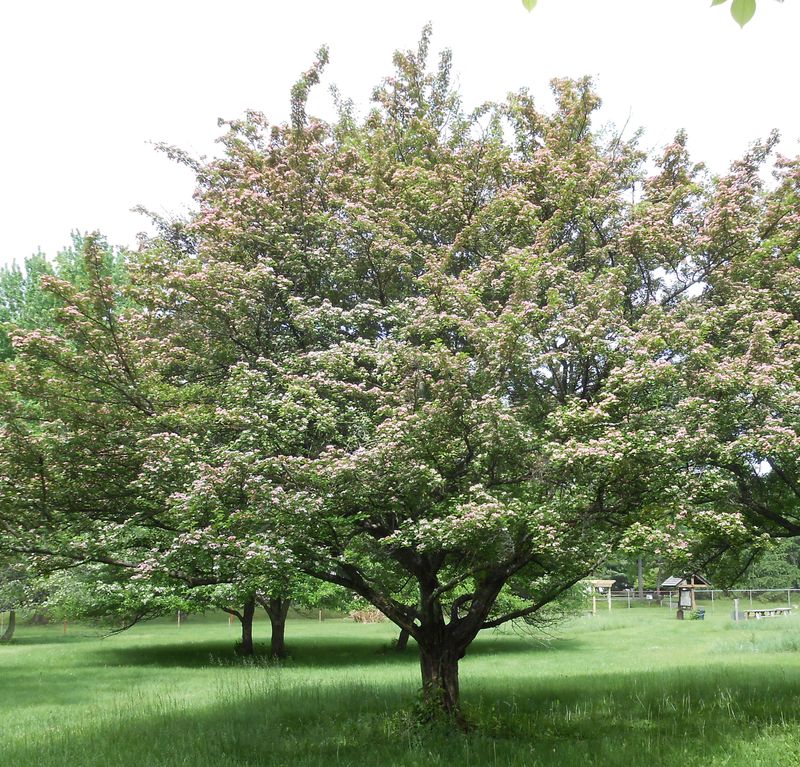
Few native Ohio trees offer the kind of fortress-like nesting cover that a mature hawthorn can provide.
The sharp, closely spaced thorns that line hawthorn branches are not just a feature of the tree’s appearance, they act as a genuine deterrent to nest predators like cats, raccoons, and snakes that might otherwise reach a cardinal’s nest with ease.
Cardinals seem to recognize this advantage and will often return to hawthorn year after year to build their cup-shaped nests.
Several hawthorn species are native to Ohio, and they typically grow as small trees or large, multi-stemmed shrubs ranging from about 15 to 25 feet tall.
Their branching tends to be dense and twiggy, creating a layered interior that cardinals can tuck into at a low height.
The female cardinal builds her nest at roughly 3 to 10 feet off the ground, and hawthorn’s spreading, shrubby form provides plenty of sheltered spots within that range.
Hawthorns also bloom with clusters of white flowers in spring and follow up with bright red or orange berries called haws that persist well into winter. Cardinals and other Ohio songbirds rely on those berries as a late-season food source.
In the home landscape, a hawthorn planted near a brushy border or along a woodland edge gives cardinals both a reliable nesting site and a nearby food source during the months when other options become scarce.
The combination of thorny protection, dense branching, and fruit production makes hawthorn a standout choice for Ohio gardeners hoping to support nesting cardinals.
3. Chokecherry Creates A More Hidden Nesting Space
Cardinals are not birds that want to be seen when they are nesting.
They look for spots where the foliage is thick enough to make a nest nearly invisible from the outside, and chokecherry delivers that kind of concealment in a way that larger, more open trees simply cannot.
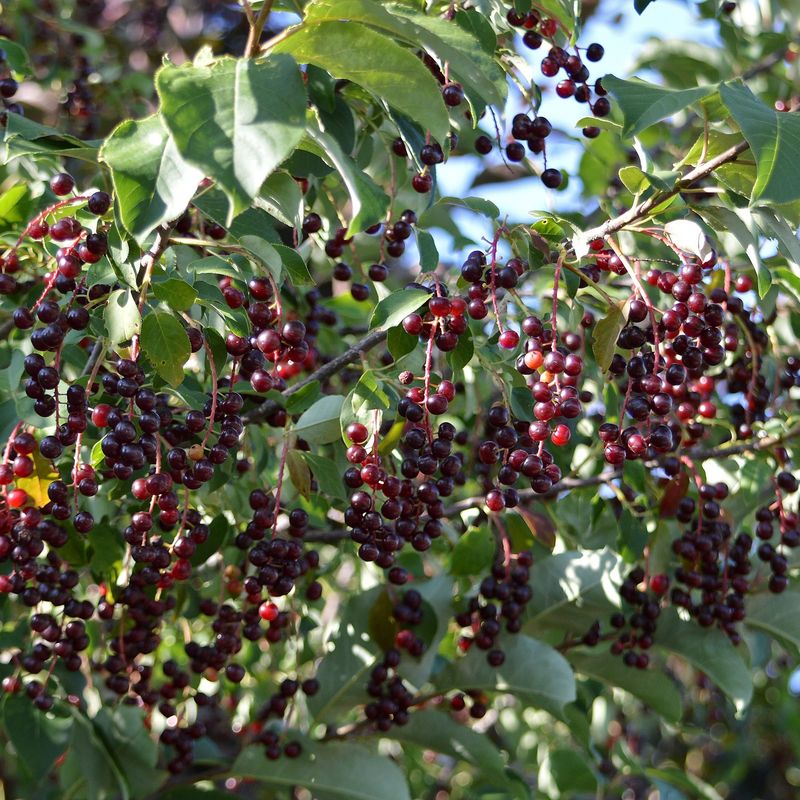
By late spring, chokecherry leafs out fully and creates a dense, leafy canopy at a scale that suits cardinals well, giving nesting pairs a genuinely tucked-away spot to raise their young.
Chokecherry is a native Ohio small tree or large shrub that typically grows between 10 and 20 feet tall and tends to spread through root sprouting, forming small thickets over time.
That thicket-forming habit is actually a bonus for cardinals, because a cluster of chokecherry stems creates multiple layers of branching and cover rather than a single, isolated trunk.
Nesting birds benefit from that kind of multi-stem structure because it provides more options for nest placement and better overall concealment.
The tree blooms in spring with elongated clusters of white flowers that give way to dark red to nearly black cherries by midsummer. Cardinals will feed on the fruit, and the cherries also attract insects that nesting adults use to feed their nestlings.
Chokecherry grows well across Ohio in sunny to partly shaded spots and tolerates a range of soil conditions, making it a practical addition to naturalized areas, yard borders, or habitat gardens.
For Ohio gardeners focused on supporting cardinal nesting, chokecherry offers a combination of concealment, food, and wildlife-friendly structure that is genuinely hard to beat.
4. American Plum Offers The Thick Cover Cardinals Prefer
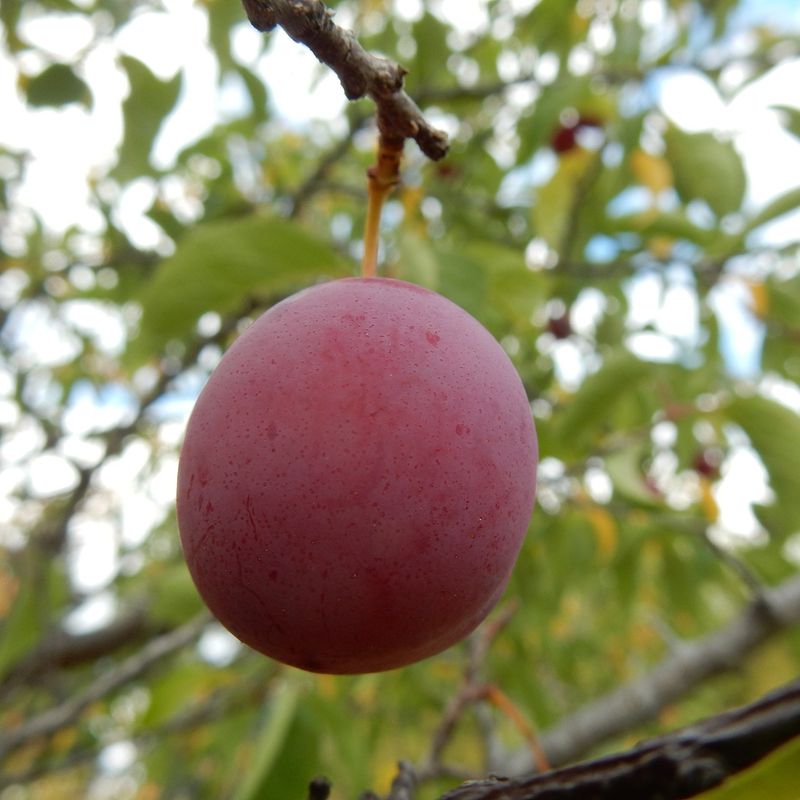
There is something almost secretive about the way cardinals choose a nesting spot, and American plum fits that instinct especially well.
This native Ohio small tree often grows with dense, twiggy branching and can spread by suckering into thickets, which gives nesting birds the kind of enclosed, low cover they tend to favor.
Ohio guidance specifically notes that members of the plum and cherry group provide protective cover and nesting sites to songbirds, with American plum standing out when grown in thickets.
American plum often reaches about 20 feet under good conditions, but its real value for cardinals is not height. It is the way the plant fills in.
A planting can develop into a broad, shrubby mass rather than a single open trunk, creating multiple hidden spots where a cardinal pair can tuck a nest into the lower to middle branches.
That kind of layered structure suits a bird that prefers privacy over exposure.
The spring flowers and summer fruit still add wildlife value, but the strongest reason to include American plum in a cardinal-focused Ohio landscape is cover.
Even Ohio’s tree-and-shrub guidance emphasizes its nesting and shelter role more than its fruit value for songbirds.
Planted along a fence row, property edge, or naturalized strip, it can give cardinals a safer-feeling nesting space that stays useful well beyond one season.
5. Wild Crabapple Helps Cardinals Tuck Nests Out Of Sight
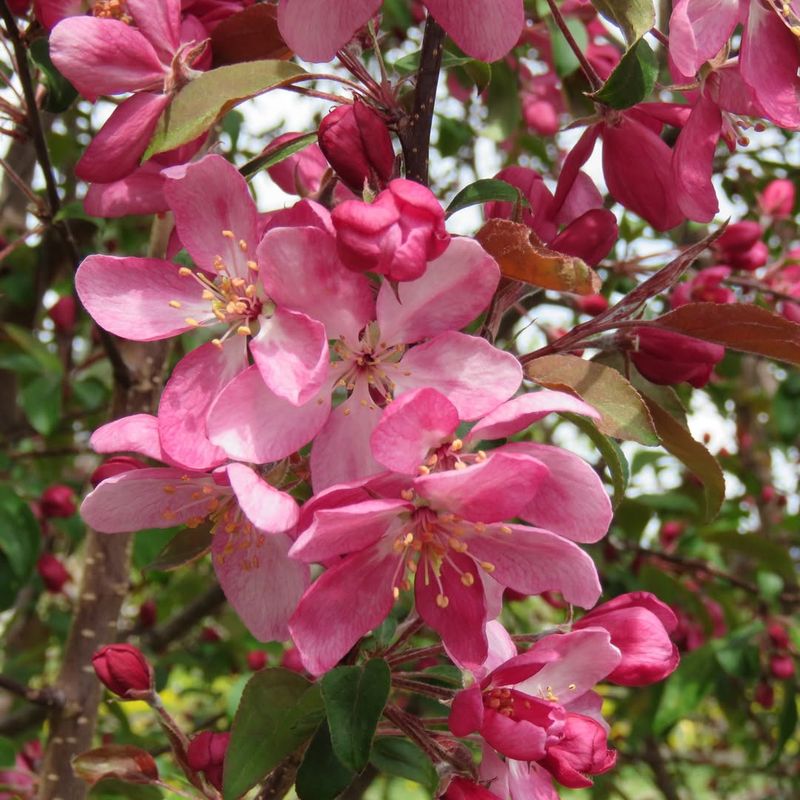
Spring nesting season in Ohio is a busy time for cardinals, and a tree with dense branching can be more useful than one with a broad, open canopy. Native wild crabapple works well on that front.
Ohio guidance describes crabapples as small trees with short trunks and low, widely spreading crowns, and it specifically notes that their dense growth provides nest sites and protective cover for birds.
That cover is the clearest reason wild crabapple belongs in this article.
The tree’s shape makes a difference in a home landscape. Lower branching and a close, twiggy framework can give a cardinal pair more privacy than a taller shade tree with long bare limbs.
By late spring, the leafy canopy adds another layer of screening, which helps hide nests from view. That structure matches the way cardinals usually nest in shrubs, tangles, and low tree branches rather than out on exposed perches.
The fruit story is more limited than many gardeners assume.
Ohio guidance says the fruit of the native wild crabapple is often too large for many songbirds, though some non-native crabapples with smaller fruit are better bird-food plants.
For native wild crabapple, the more dependable cardinal value is shelter and nesting cover, not fruit. That still makes it a worthwhile tree for Ohio gardeners who want to build a more nest-friendly landscape.
6. Thicket Serviceberry Gives Nesting Cardinals More Privacy
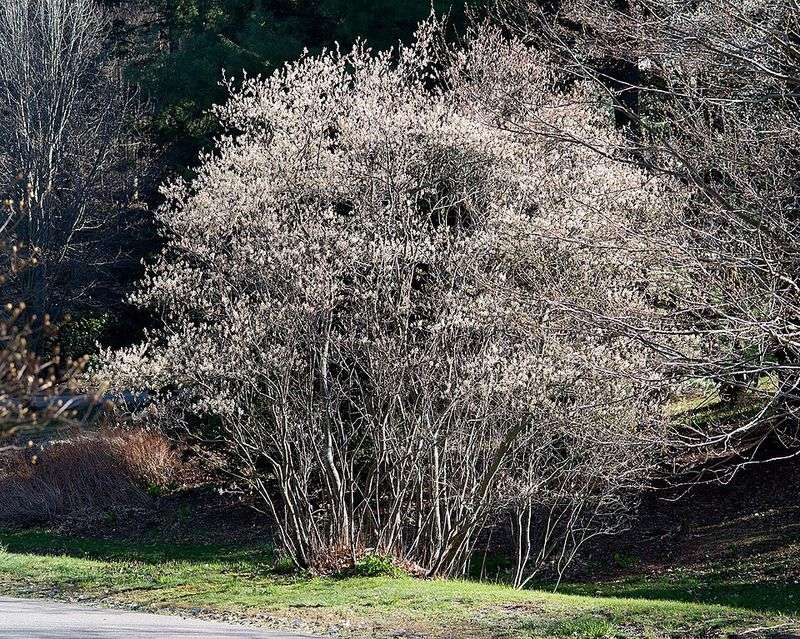
Cardinals show a clear preference for nesting sites that feel enclosed, and thicket serviceberry grows in exactly that kind of layered, multi-stemmed form.
Ohio’s natural-resources guidance says the thick canopy of thicket serviceberry is a frequent nesting site for small birds, which makes it one of the better native choices for gardeners trying to create more private nesting cover.
This plant usually behaves more like a large shrub or small multi-stemmed tree than a single-trunk specimen, and that growth habit is a big part of its appeal.
Branching begins low, stems overlap, and the plant can gradually form a denser colony over time.
For a bird that often nests only a few feet above the ground, that kind of structure offers more hidden options than a tidy ornamental tree with an open center.
The early fruit is still a bonus, and serviceberries are well known as valuable bird plants. But for nesting cardinals, the main benefit is privacy and cover first, with food value coming second.
Cardinals feed nestlings mostly insects, so the best way to think about thicket serviceberry is as a plant that provides a protected nesting framework while also contributing to the broader food web around the yard.