Why Certain California Flowers Have Short Bloom Periods
Ever notice how some California flowers burst into glory, steal the show for a few dazzling weeks, and then seem to vanish almost overnight? One moment your garden is glowing with color, the next those blooms are fading, leaving you wondering what happened.
It is not neglect or bad luck. Many flowers are simply built for a short but spectacular performance.
California’s climate plays a big role. Some plants rush to bloom during brief windows of ideal moisture and temperature, then conserve energy once heat and dry conditions settle in.
Others time their flowering to match pollinator activity, putting everything into a fast, brilliant display instead of a long season.
While short bloom periods can feel disappointing, they are part of a smart survival strategy. Once you understand the rhythm, you can plan ahead, mix plant varieties, and keep waves of color rolling through your garden instead of watching the show end too soon.
1. Adapted To Climate
California’s Mediterranean climate is one of the most unique on Earth. It features warm, dry summers and mild, wet winters.
This pattern shapes nearly everything about how native plants grow, including when and how long they bloom.
Most flowering plants in California time their blooms around the rainy season, which runs roughly from November through April. Once the rains stop, the landscape quickly starts to dry out.
Plants that bloom in spring are racing against the clock before summer heat sets in.
This climate is found in only a few places worldwide, including parts of southern Europe, Chile, and South Africa.
Plants that evolved here learned to make the most of a short, wet window. They push out flowers fast and efficiently, not slowly and leisurely.
For gardeners in California, this means planting natives at the right time of year matters a lot. Fall planting gives roots time to establish before bloom season arrives.
If you want to catch wildflowers in places like Antelope Valley or the Carrizo Plain, late February through April is usually your best window before the Mediterranean dry season takes over.
2. Racing To Beat The Dry Season
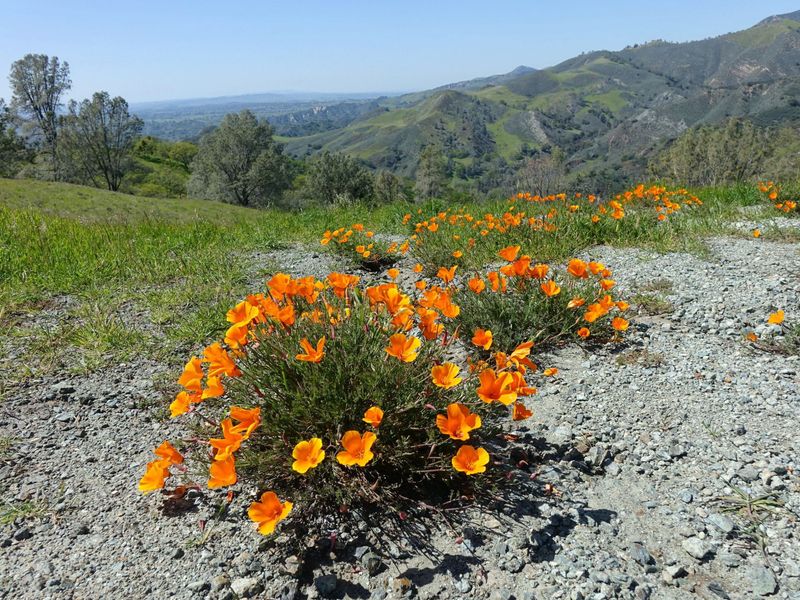
Imagine running a race where the finish line is the first hot, dry day of summer. That is essentially what California’s native flowers are doing every single year. Their entire life cycle is built around finishing before the moisture runs out.
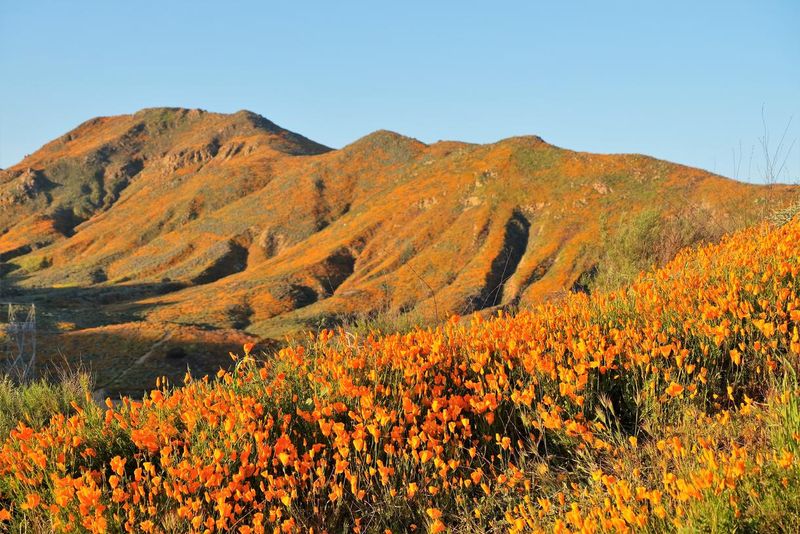
Annual wildflowers like the California poppy sprout after winter rains, grow quickly, and push out blooms in just a matter of weeks. Once the soil starts to dry, the plant shifts all its energy toward making seeds instead of maintaining flowers.
The blooms fade fast because the plant simply has no more water to spare.
This survival strategy is remarkably efficient. Rather than wasting energy on flowers that cannot be pollinated in dry heat, the plant redirects everything toward seed production.
Those seeds then sit dormant in the soil through the long California summer, waiting for the next rain cycle to begin.
If you visit wildflower hotspots like Figueroa Mountain in Santa Barbara County or Table Mountain near Oroville, go early in the season. Waiting too long means the race is already over.
Blooms can peak and vanish within two to three weeks depending on rainfall timing and temperature spikes.
3. Temperature Triggers Bloom Cycles
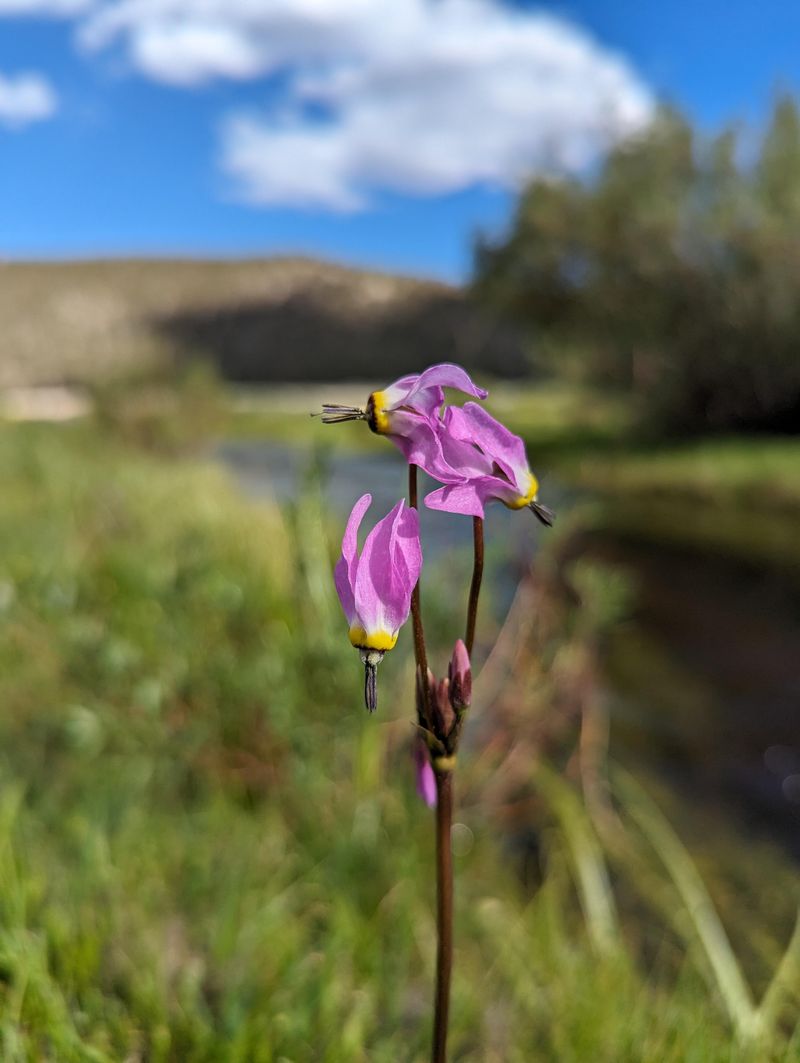
Temperature is one of nature’s most powerful alarm clocks. For many California native flowers, a specific combination of cool nights and warming days sends the signal to start blooming. Without that precise trigger, the flowers simply stay dormant and wait.
This process is called thermoperiodism, which basically means a plant responds to temperature changes over a 24-hour period.
California’s coastal and inland regions experience very different temperature swings, which is why blooms can happen weeks apart even in areas that are not far from each other.
When temperatures rise too quickly in spring, the bloom window gets compressed. The plant rushes through its flowering stage faster than normal.
That is why a warm February can actually shorten the wildflower season rather than extend it.
Gardeners who grow native plants in California can use this knowledge practically. If you want to extend blooms, try planting in areas with morning shade to slow warming.
Spots near the coast, like in Marin County or the Santa Monica Mountains, naturally have cooler temperatures that stretch bloom periods slightly longer.
Paying attention to your local weather patterns can help you predict when to visit native plant areas for the best floral displays.
4. Drought Shapes Flower Lifespan
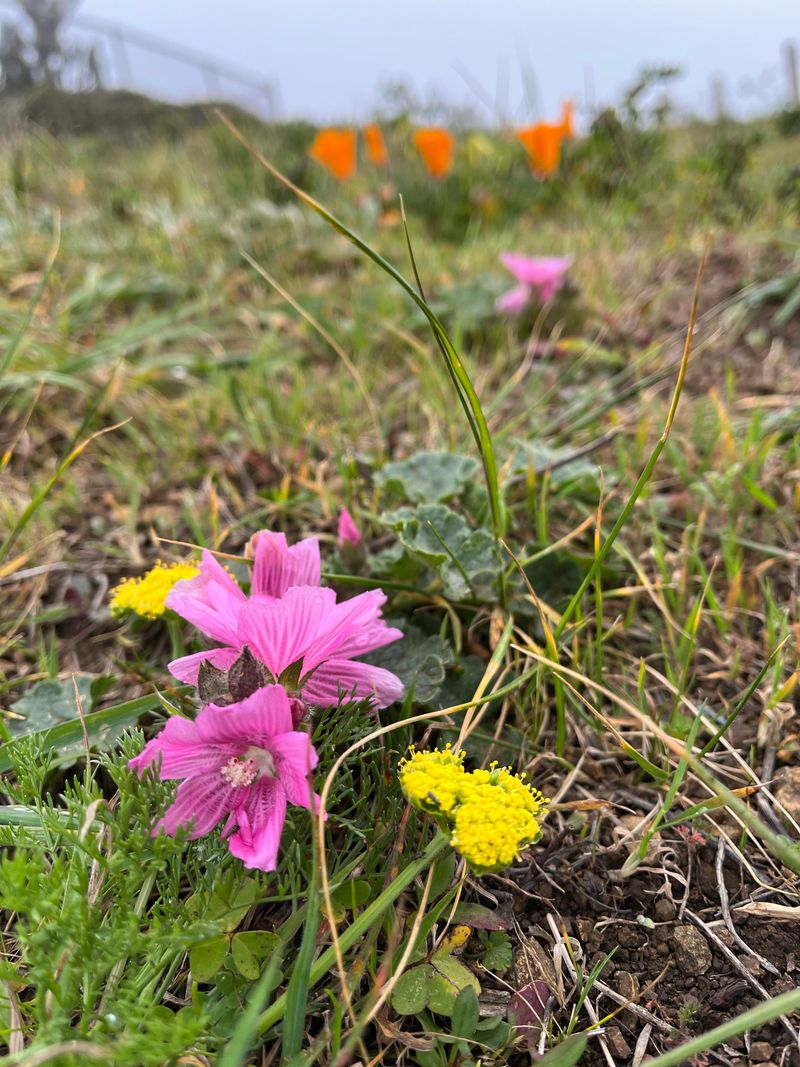
Drought is not just an occasional problem in California. It is a defining feature of the landscape, especially in Southern California and the Central Valley.
Native flowers have spent thousands of years adapting to this reality, and their short bloom periods reflect that deeply ingrained survival programming.
When soil moisture drops below a critical threshold, flowering plants receive a stress signal. Blooms begin to fade, and seed pods start forming in their place.
This shift can happen surprisingly fast, sometimes within just a few days of a dry spell hitting hard. During drought years, wildflower displays can be dramatically reduced.
The famous super blooms that make headlines, like the ones seen in the Anza-Borrego Desert State Park, only happen when winter rainfall is well above average. In dry years, the same hillsides can look nearly bare.
For home gardeners, this means watering schedules matter more than many people realize. Native plants in containers or new garden beds may need supplemental water during dry springs to keep blooms going longer.
However, established natives in the ground are usually best left to follow their natural rhythm. Forcing extra blooms with heavy watering can sometimes stress the plant and shorten its overall health.
5. Native Annuals vs. Perennials
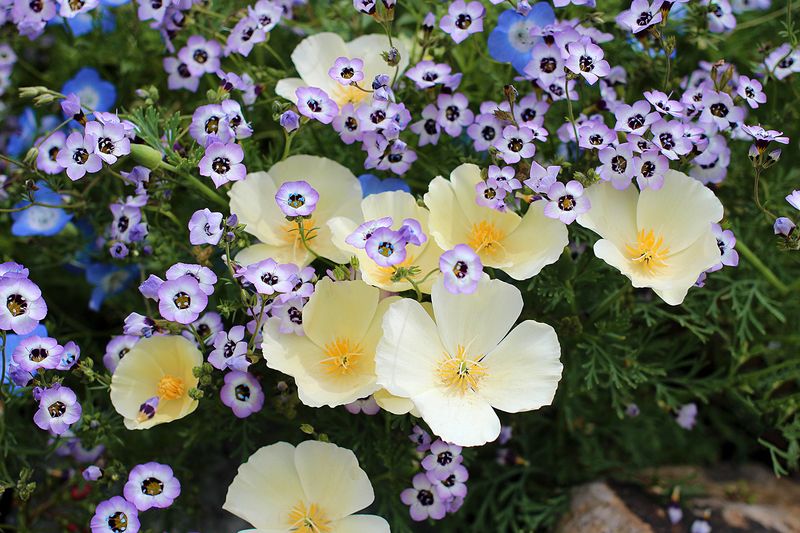
Not all California flowers play by the same rules. The difference between annuals and perennials is one of the biggest reasons some blooms last only weeks while others stretch across months.
Knowing this difference can completely change how you experience California’s floral landscape.
Annual plants complete their entire life cycle in one growing season. They sprout, bloom, produce seeds, and fade all within a single year.
Most of California’s showiest wildflowers, including owl’s clover, goldfields, and tidy tips, are annuals. Their bloom periods are intentionally short and intense. Perennials, on the other hand, come back year after year from the same root system.
Plants like Cleveland sage, hummingbird sage, and black-eyed Susan tend to have longer or staggered bloom periods because they are not rushing to complete a full life cycle in one shot. They have the luxury of pacing themselves.
In garden design, mixing annuals and perennials is a smart way to extend color throughout the season.
Planting California poppies alongside perennial salvias, for example, gives you a burst of early spring color followed by a longer summer bloom.
Botanic gardens in the Bay Area and Los Angeles often use this layering technique to keep displays looking vibrant from February through September.
6. Soil Moisture Dictates Duration
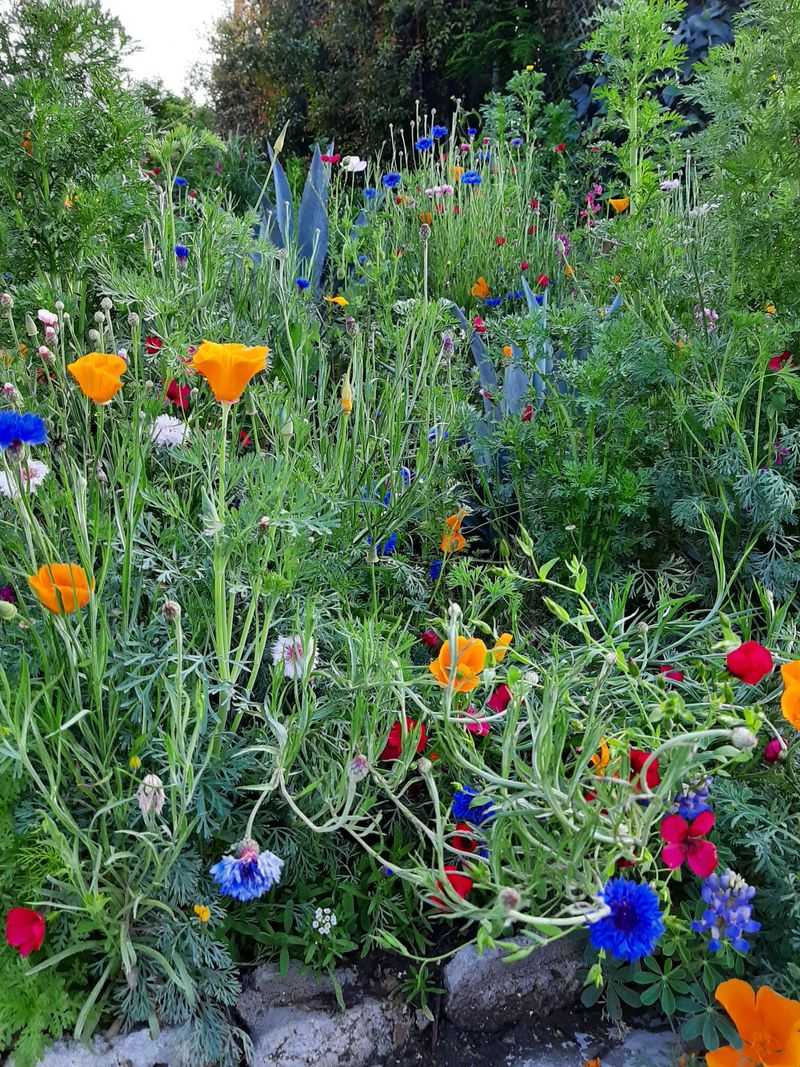
Soil is not just dirt. It is a living system that holds water, nutrients, and the key to how long flowers can keep blooming.
In California, soil moisture levels can swing dramatically from week to week, especially in spring when rainy days alternate with warm, sunny stretches.
Sandy soils, which are common along California’s coast and in desert regions, drain quickly. Flowers growing in these soils tend to have shorter bloom periods because moisture disappears fast.
Clay soils, found more often in the Central Valley and foothills, hold water longer and can support extended blooming in some species.
Interestingly, native plants have evolved to match their local soil types. A flower that thrives in the sandy soils of the Mojave Desert would likely struggle if planted in heavy clay near Sacramento.
Each plant has a finely tuned relationship with its native soil that directly influences how long it can maintain blooms.
Home gardeners can work with this principle by improving soil drainage or retention depending on what they are growing. Adding compost to sandy soils helps retain moisture and can noticeably extend bloom periods.
Testing soil moisture before watering, rather than watering on a fixed schedule, is one of the easiest ways to keep California native flowers blooming at their best for as long as possible.
7. Pollination Windows Are Brief
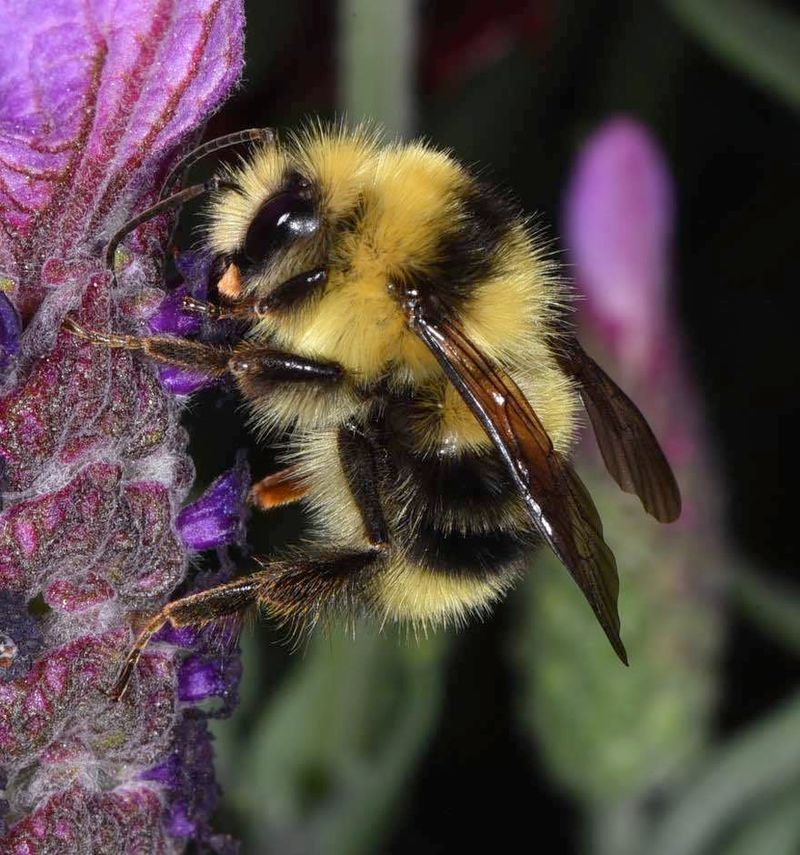
Flowers do not bloom just to look pretty. Their entire purpose is to attract pollinators and get fertilized so seeds can form.
In California, native bees, butterflies, and hummingbirds are most active during specific windows of the year, and flowers have evolved to match those windows almost perfectly.
When a flower’s target pollinator is active, the bloom opens wide and stays vibrant. Once pollination happens successfully, the flower has no biological reason to stay open.
It closes, fades, and the plant moves on to seed production. This is why a patch of flowers can look lush one week and completely faded the next.
California’s native bees, including bumblebees and solitary ground-nesting bees, emerge in sync with early spring wildflowers. If a late cold snap delays bee activity, flowers may linger a little longer waiting for visitors.
But when conditions are warm and pollinators are buzzing, blooms can be fertilized and finished in just a few days.
Supporting native pollinators in your garden actually encourages this natural cycle rather than fighting it.
Planting a variety of native flowers with different bloom times, like phacelia in early spring and monkeyflower in summer, keeps pollinators around longer and gives each plant its best shot at successful pollination throughout the season in your California garden.
8. Survival Over Showiness
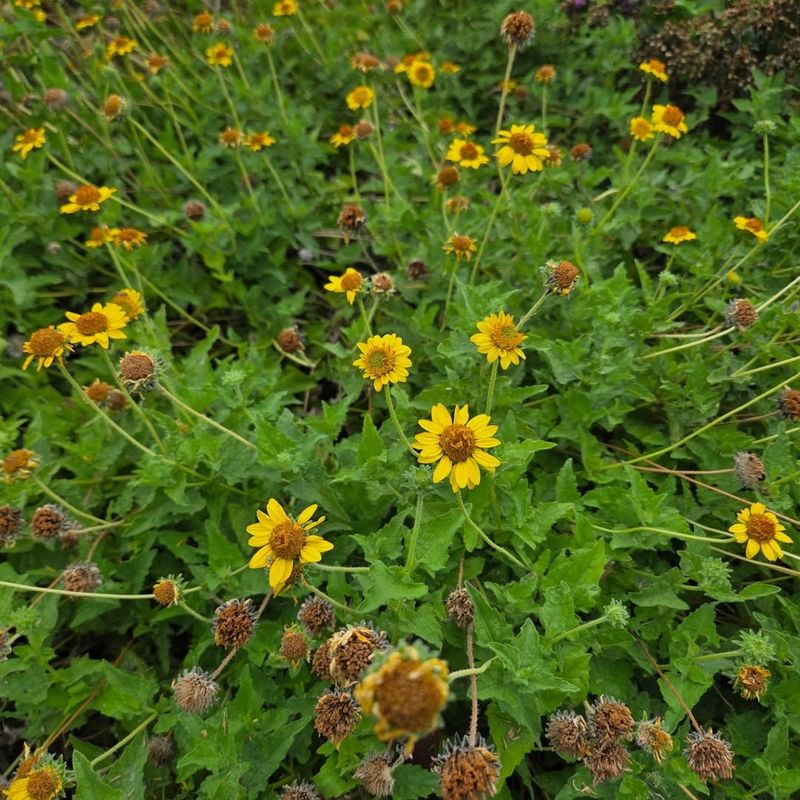
Here is a truth that surprises a lot of people: flowers are not trying to impress you. Every petal, every color, and every drop of nectar exists for one reason only, and that is to ensure the plant passes on its genes.
In California, where resources are tight and seasons are unpredictable, plants cannot afford to waste energy on long, showy displays.
Short bloom periods are a feature, not a flaw. A plant that blooms quickly, gets pollinated fast, and shifts energy to seeds has a much better chance of leaving offspring behind.
That strategy has worked for millions of years across California’s chaparral, oak woodlands, and coastal scrub ecosystems.
What looks like a flower giving up is actually a plant succeeding. Once seeds form and ripen, they scatter by wind, water, animals, or gravity.
Some seeds have special coatings that require fire or physical scarification before they will sprout, adding another layer to California’s fascinating plant survival story.
Appreciating this perspective makes watching a wildflower field fade feel less like a loss and more like a victory lap. If you want to honor this process in your own yard, let native plants go to seed naturally rather than cutting them back too early.
The seeds you leave behind become next year’s bloom, continuing the cycle that has defined California’s landscape for thousands of years.