Why Christmas Cactus Buds Keep Dropping In Michigan Homes — And How To Fix It Fast
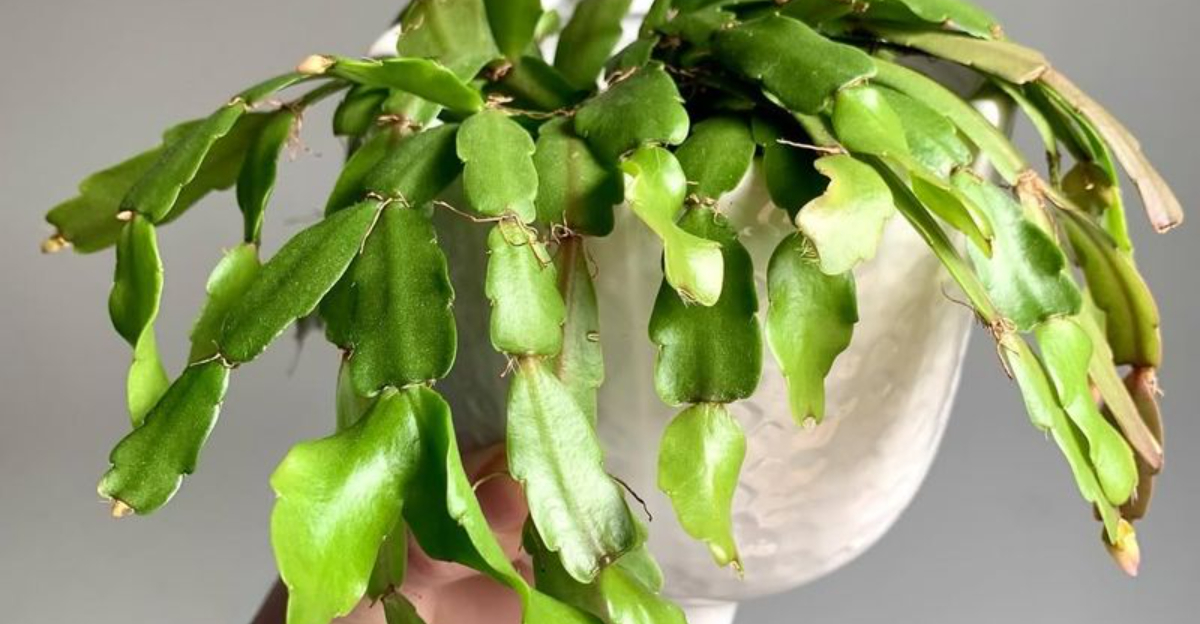
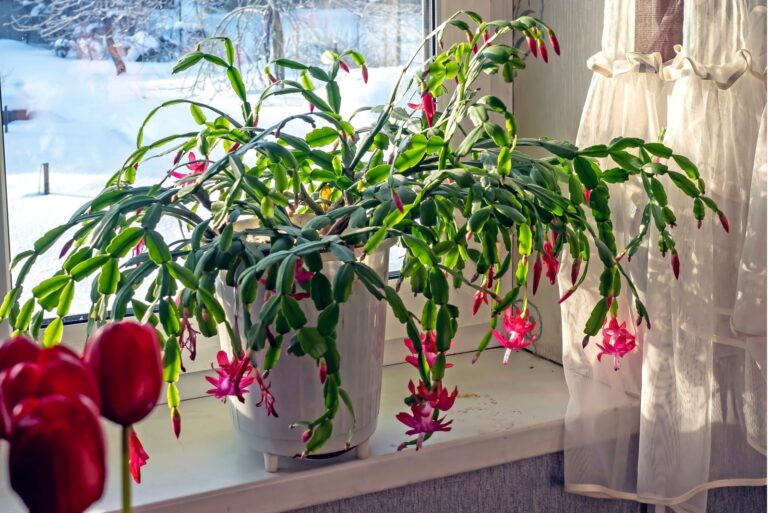
Christmas cactus adds bright color to Michigan homes during the darkest months of the year, which makes bud drop especially frustrating.
One day the plant looks full of promise, and the next, unopened buds litter the soil below.
This sudden loss often feels mysterious, but it usually traces back to a few common household conditions.
Michigan’s winter environment plays a major role.
Short daylight hours, dry indoor air, temperature swings near windows, and heating systems all place stress on this tropical plant.
Even small changes, such as moving the pot or altering a watering routine, can trigger a reaction that causes buds to fall before they bloom.
The good news is that this problem rarely signals permanent damage.
Christmas cactus responds quickly once the cause is corrected.
With the right adjustments, buds can stabilize and flowers can return within weeks.
Identifying what disrupts this plant makes it possible to stop bud drop fast and restore healthy, vibrant blooms.
Temperature Fluctuations From Michigan’s Cold Climate
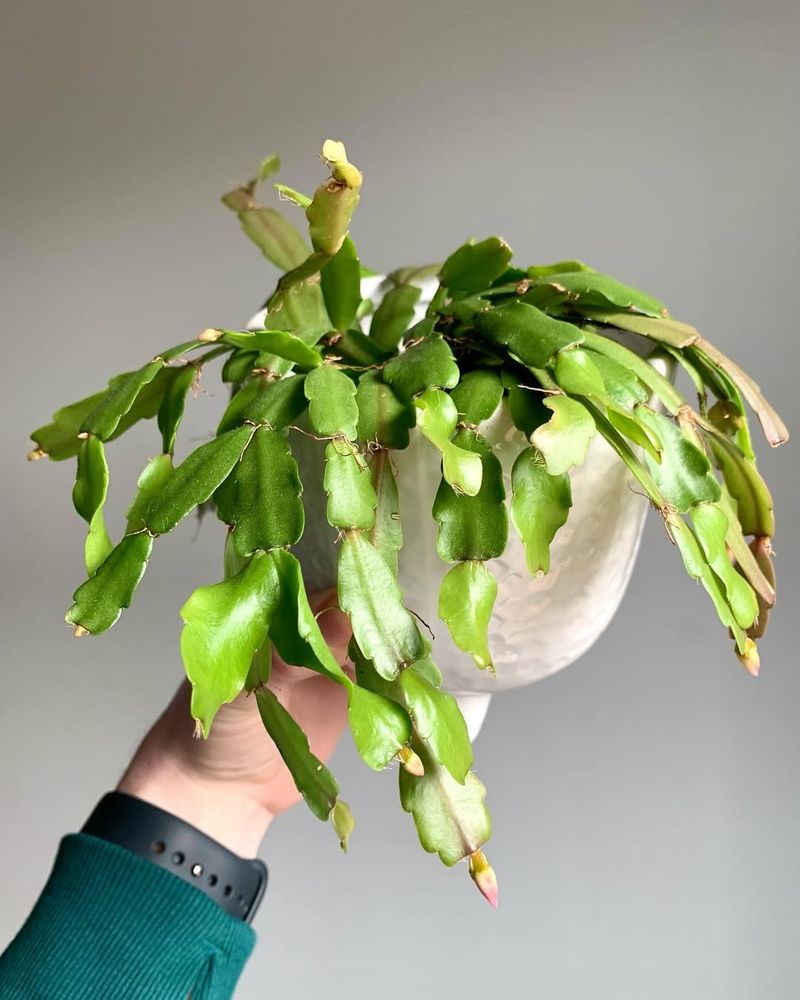
Michigan winters bring extreme cold that affects indoor temperatures more than residents realize, especially near windows and exterior walls where plants often sit.
Christmas cacti prefer steady warmth between sixty and seventy degrees, but drafty homes experience wild swings that stress the plant terribly.
Cold drafts from poorly sealed windows cause buds to sense danger and drop prematurely as a survival mechanism built into their genetics.
Heating vents blasting hot air create another problem by drying out the plant and shocking it with sudden temperature spikes throughout the day.
Moving your Christmas cactus away from windows and exterior doors helps maintain the stable environment these tropical plants desperately need during Michigan winters.
Consider placing the plant in an interior room where temperatures stay more consistent without exposure to outdoor cold seeping through walls and glass.
A simple room thermometer placed near your plant helps monitor conditions and alerts you when temperatures drop below the safe zone for blooms.
Consistent warmth allows buds to develop properly without the stress signals that trigger premature dropping before flowers can open and display their beauty.
Inconsistent Watering Schedules During Winter Months
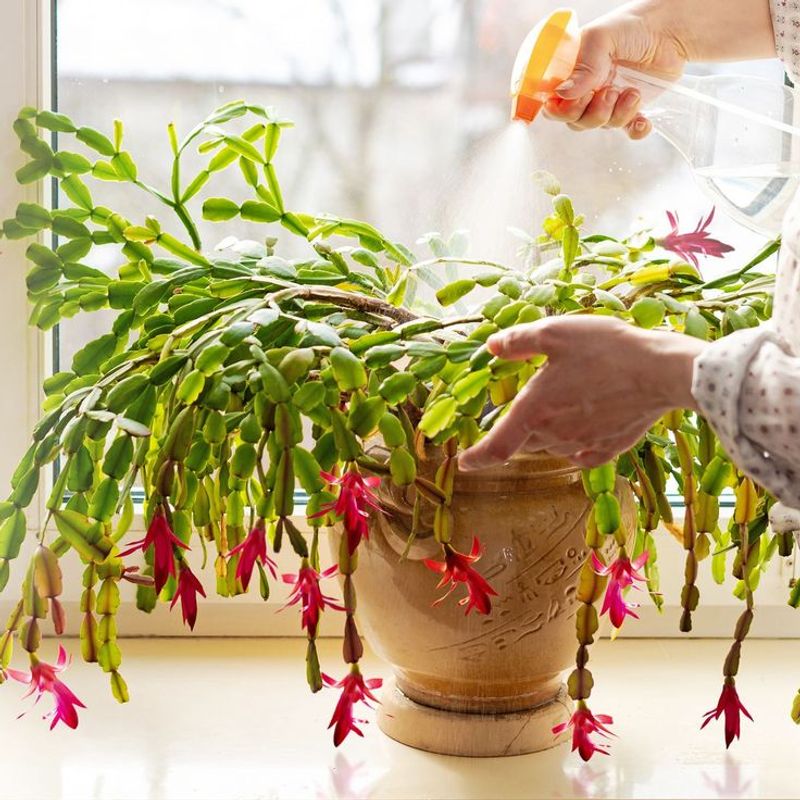
Watering mistakes rank among the top reasons Christmas cacti lose their buds before blooming, yet many Michigan gardeners struggle with finding the right balance.
These plants need consistent moisture during bud formation, but overwatering leads to root rot while underwatering causes buds to shrivel and fall off completely.
Michigan’s dry indoor winter air from furnaces makes soil dry out faster than expected, confusing plant owners about when to water next.
Touching the top inch of soil helps determine watering needs since the surface should feel slightly dry before adding more water to prevent problems.
Establishing a regular schedule based on your home’s specific humidity levels prevents the stress that comes from erratic watering patterns throughout the season.
Room temperature water works best since cold water shocks the roots and can trigger bud drop within just a few days of improper watering.
Bottom watering by placing the pot in a tray of water for twenty minutes allows roots to absorb moisture evenly without waterlogging the plant.
Proper drainage holes in pots prevent water from pooling at the bottom, which suffocates roots and creates conditions that force buds to drop prematurely.
Low Humidity Levels From Indoor Heating Systems
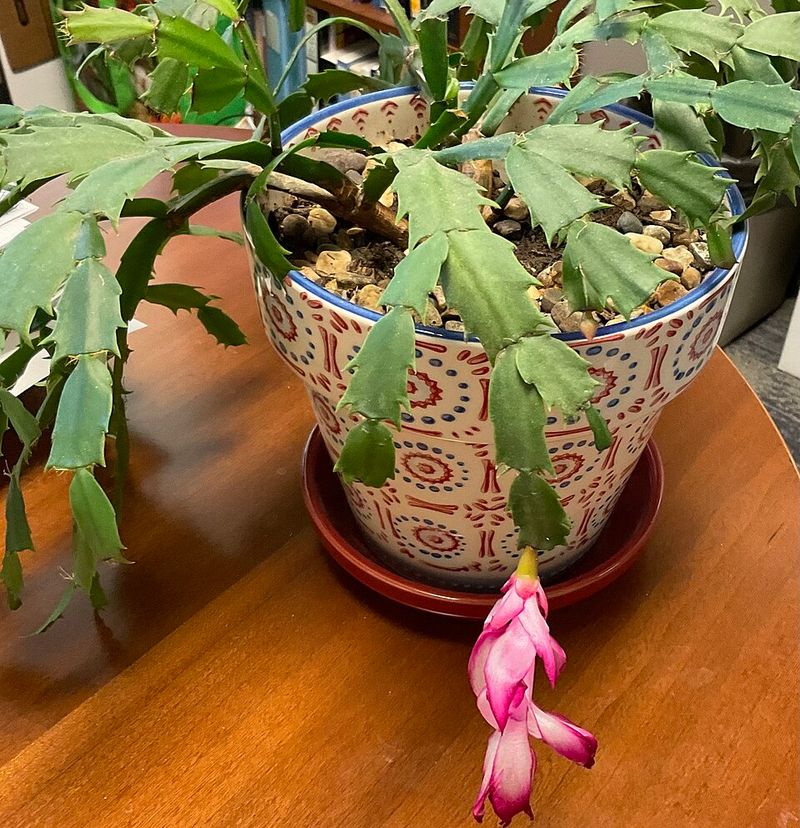
Furnaces running constantly throughout Michigan winters strip moisture from indoor air, creating desert-like conditions that tropical Christmas cacti simply cannot tolerate well.
These plants evolved in Brazilian rainforests where humidity stays high year-round, so dry Michigan homes stress them into dropping buds as protection.
Humidity levels below forty percent cause buds to dry out and fall off before they can open into the colorful flowers homeowners anticipate.
Placing a humidity tray filled with pebbles and water beneath the pot creates localized moisture without making the soil too wet or soggy.
Grouping several houseplants together allows them to create their own microclimate through transpiration, naturally raising humidity levels around all the plants in the cluster.
Small room humidifiers placed near Christmas cacti provide consistent moisture levels that mimic their natural habitat and prevent bud drop from dryness.
Misting leaves daily seems helpful but actually does little for long-term humidity since water evaporates quickly in heated rooms without providing lasting benefits.
Monitoring humidity with an inexpensive hygrometer helps maintain levels between fifty and sixty percent, which keeps buds healthy and attached until blooming time arrives.
Moving Or Rotating The Plant Too Frequently
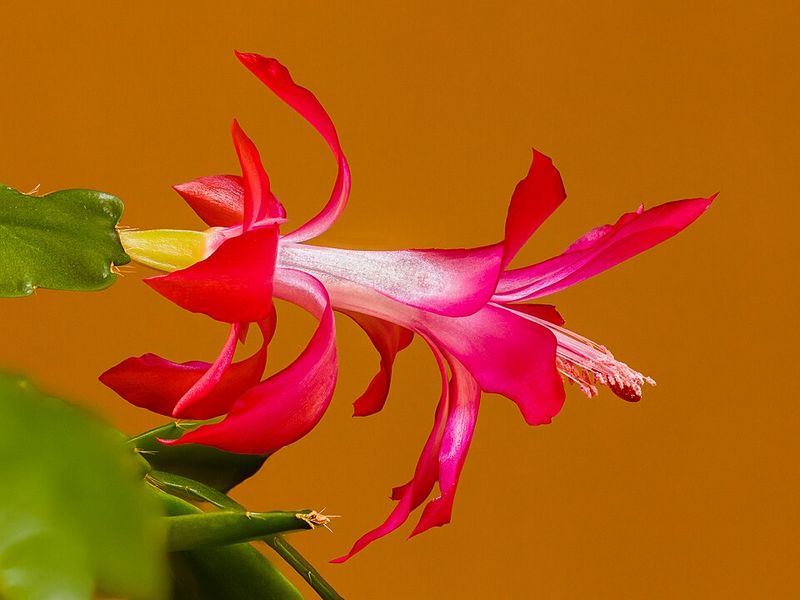
Christmas cacti are surprisingly sensitive to movement once buds begin forming, and even small position changes can trigger widespread bud drop within days.
Many Michigan homeowners move plants around to find better light or showcase them during holiday gatherings, not realizing this causes serious stress.
Once buds form, the plant orients itself toward the light source and any rotation disrupts this careful positioning it has established naturally.
Even turning the pot slightly to promote even growth can confuse the plant and signal danger, causing it to abandon buds as a precaution.
Finding the perfect spot before buds appear and leaving the plant completely undisturbed throughout the entire blooming period prevents unnecessary stress and dropping.
Resisting the urge to move your Christmas cactus to different rooms or rotate it for symmetry allows buds to develop without interruption.
If you must move the plant for cleaning or other reasons, mark the pot’s orientation and return it to exactly the same position immediately.
Stability matters tremendously during the critical bud development phase, so treating your Christmas cactus like a statue until blooming finishes ensures maximum flower production.
Insufficient Or Excessive Light Exposure
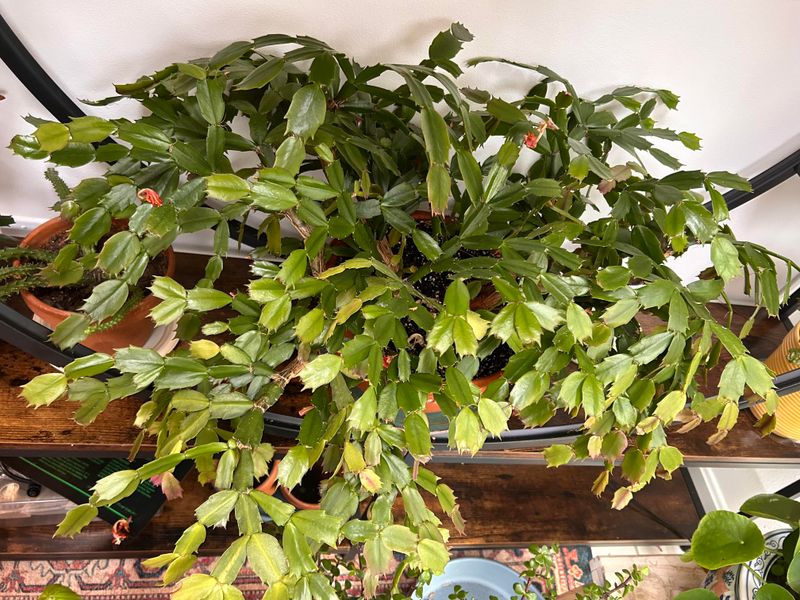
Light plays a crucial role in Christmas cactus health, and Michigan’s short winter days combined with artificial lighting creates confusion for these photoperiodic plants.
Too much direct sunlight burns leaves and stresses the plant into dropping buds, while insufficient light prevents proper bud development from the start.
Christmas cacti need bright indirect light for most of the day but direct sun through windows can be too intense, especially when reflected off snow.
Northern or eastern windows in Michigan homes provide gentler morning light that energizes plants without the harsh afternoon rays that cause damage and stress.
Artificial lighting from lamps and overhead fixtures confuses the plant’s internal clock, potentially interrupting the darkness periods needed for proper bud formation and retention.
Covering plants or moving them to naturally dark rooms at night ensures they receive the uninterrupted darkness required for healthy blooming cycles.
Sheer curtains filter intense light while still providing the brightness Christmas cacti need to photosynthesize and support developing buds throughout the winter months.
Consistent light conditions from day to day help plants maintain their blooming schedule without the stress responses that lead to premature bud drop.
Fertilizer Issues And Nutrient Imbalances
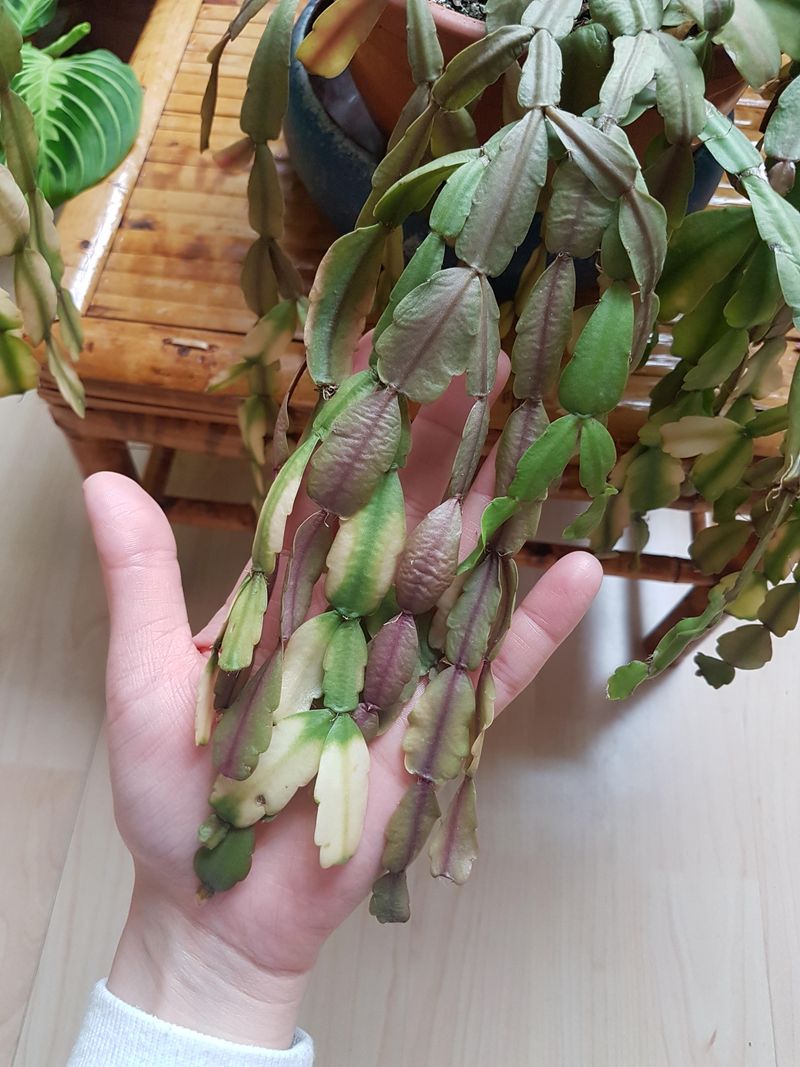
Over-fertilizing Christmas cacti during bud formation causes more harm than good, yet many Michigan gardeners assume more nutrients equal more flowers and better health.
Excessive fertilizer builds up salts in the soil that burn roots and create stress conditions that force the plant to drop buds immediately.
These plants need minimal feeding during blooming periods since their energy focuses on flower production rather than vegetative growth requiring heavy nutrient inputs.
High-nitrogen fertilizers promote leaf growth at the expense of flowers and can actually cause buds to abort before opening into the blooms you want.
Switching to a low-nitrogen, bloom-boosting fertilizer diluted to half strength during bud formation supports flowers without overwhelming the plant with unnecessary nutrients.
Stopping fertilizer completely once buds appear allows the plant to focus all its energy on blooming rather than processing and managing excess nutrients.
Flushing the soil with plain water occasionally removes built-up salts from previous fertilizer applications that might be causing hidden stress and bud drop.
Waiting until after blooming finishes to resume regular feeding gives your Christmas cactus the nutrient-free rest period it needs during its most delicate phase.
Pest Infestations Affecting Plant Health
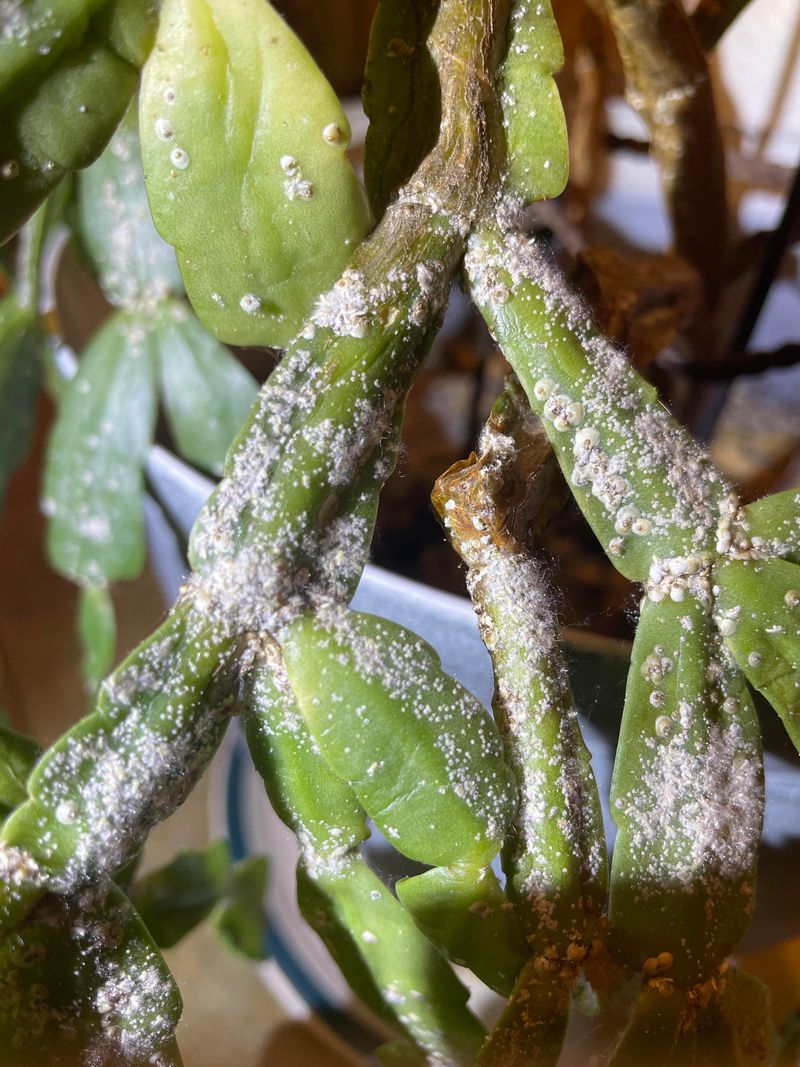
Tiny pests like mealybugs, spider mites, and scale insects often go unnoticed on Christmas cacti until bud drop signals something has gone terribly wrong.
These insects suck sap from leaves and stems, weakening the plant and creating stress that diverts energy away from supporting developing buds properly.
Michigan’s dry indoor winter air creates perfect conditions for spider mites to multiply rapidly and infest plants before homeowners notice the tiny creatures.
Inspecting leaf joints and undersides regularly with good lighting or a magnifying glass helps catch pest problems before they escalate to bud-dropping severity.
White cottony masses indicate mealybugs hiding in crevices, while tiny webs suggest spider mites have established colonies that need immediate attention and treatment.
Isolating infested plants prevents pests from spreading to other houseplants while you treat the problem with appropriate insecticidal soap or neem oil solutions.
Wiping leaves gently with rubbing alcohol on cotton swabs removes individual pests and their eggs without harsh chemicals that might stress the plant further.
Maintaining good air circulation around plants discourages pest establishment and helps keep Christmas cacti healthy enough to support buds through their entire development cycle successfully.
Root Bound Conditions In Small Containers
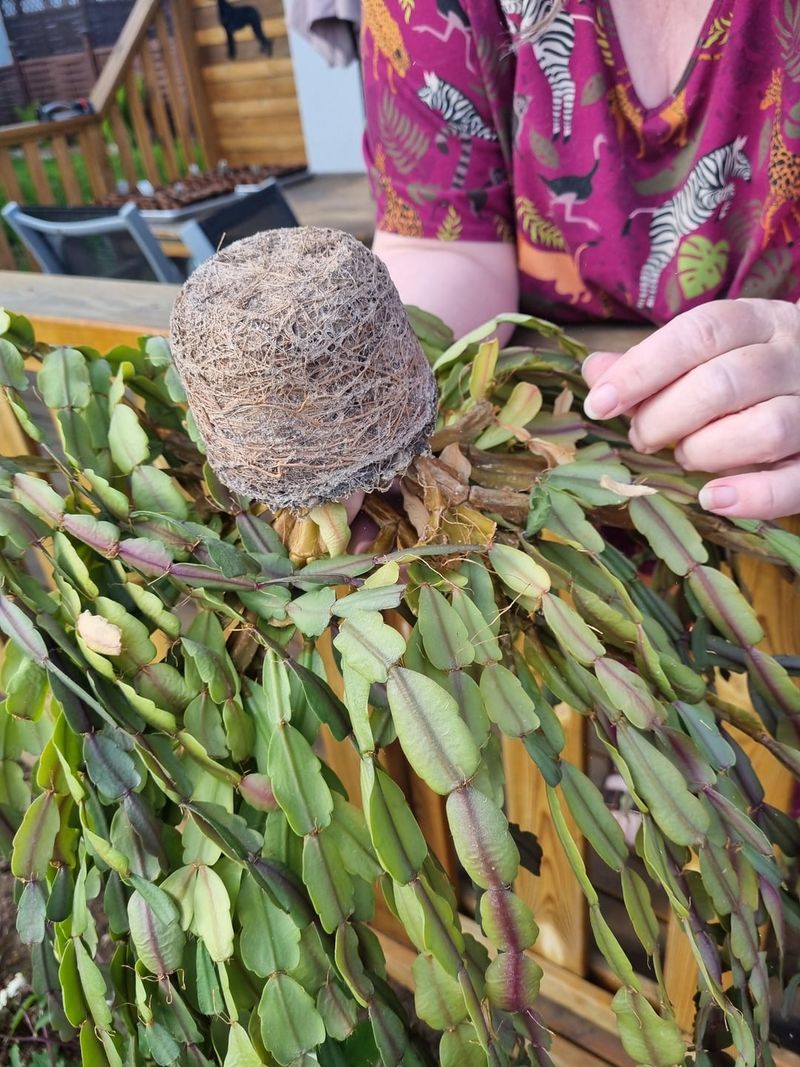
Christmas cacti growing in the same pot for years eventually become root bound, with tangled roots circling the container and unable to absorb nutrients efficiently.
Root bound plants struggle to support bud development because cramped roots cannot take up enough water and nutrients to maintain both foliage and flowers simultaneously.
Michigan gardeners often overlook repotting needs during winter months, assuming plants should remain undisturbed while buds form and flowers attempt to open.
Roots growing through drainage holes or circling visibly at the soil surface indicate the plant desperately needs a larger home to thrive properly.
Repotting should happen after blooming finishes rather than during bud formation, but recognizing the problem helps explain current bud drop and prevents future issues.
Choosing a pot only one or two sizes larger than the current container prevents over-potting, which can lead to waterlogged soil and root rot.
Using well-draining cactus soil mix when repotting ensures roots get the air circulation and moisture balance they need to support healthy plant growth and blooming.
Gently loosening circled roots during repotting encourages them to grow outward into fresh soil where they can access nutrients that support future bud production.