Why Christmas Cactus Growth Is Slowing In Minnesota Homes This Winter (And How To Fix It)
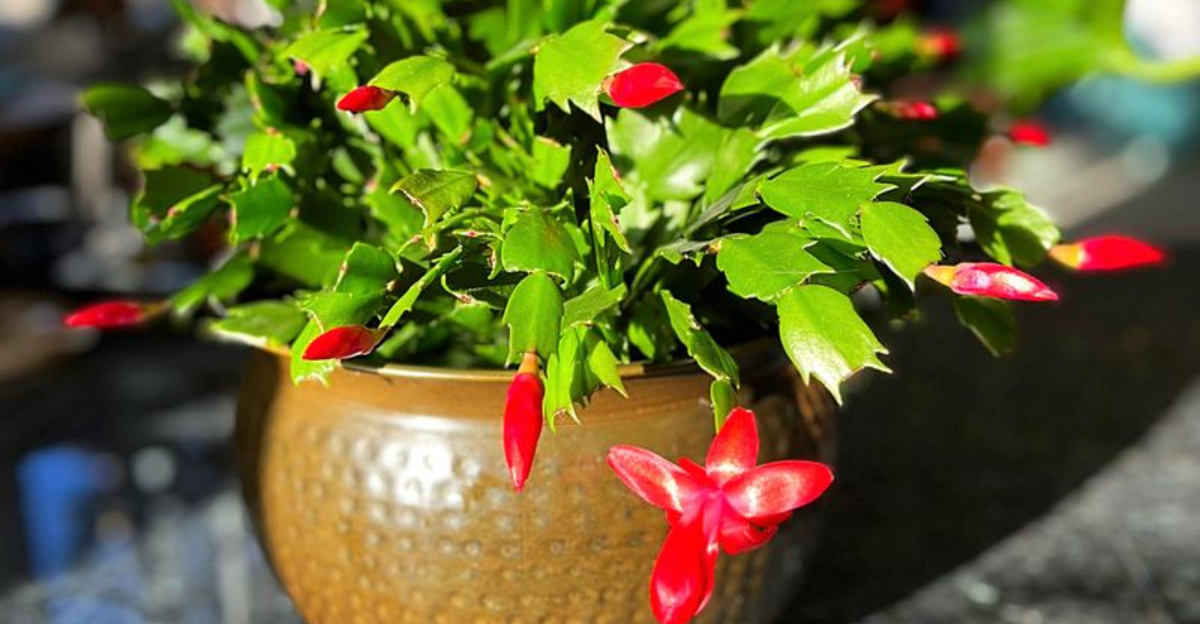
Christmas cactus often slow their growth in Minnesota homes during winter as shorter days, cooler nights, and indoor heating quietly change growing conditions.
Even healthy plants can pause when light levels drop and moisture patterns shift, making growth seem stalled despite regular care.
Understanding what triggers this slowdown makes it easier to adjust placement and routines so the plant can recover and resume steady growth.
1. Insufficient Light During Short Winter Days
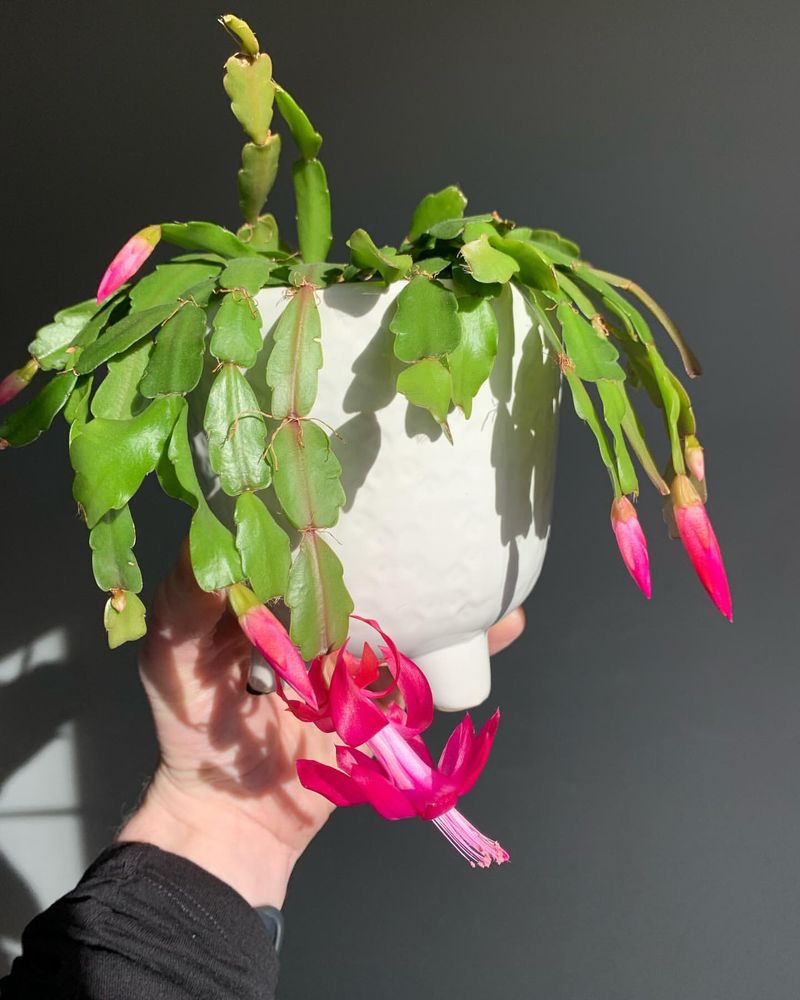
Minnesota winters bring incredibly short days, which means your Christmas cactus receives far less natural sunlight than it needs for healthy growth.
Bright indirect light keeps your plant happy, but gray skies and early sunsets limit the light available indoors during these cold months.
Your cactus might look healthy but refuses to grow new segments because it simply cannot photosynthesize enough energy for development.
Moving your plant closer to south-facing windows helps maximize whatever sunlight Minnesota offers during winter, even on the cloudiest days possible.
Avoid placing it directly against cold glass, as freezing temperatures can damage the leaves and slow growth even more than before.
Consider adding a grow light if your home lacks adequate natural light, especially in rooms with northern exposure or heavy shading.
Just a few hours of supplemental lighting each day can make a noticeable difference in your plant’s energy levels and growth rate.
Keep the light about twelve inches away from the plant to avoid burning the delicate segments while providing enough brightness for photosynthesis.
2. Extremely Dry Indoor Air From Heating Systems
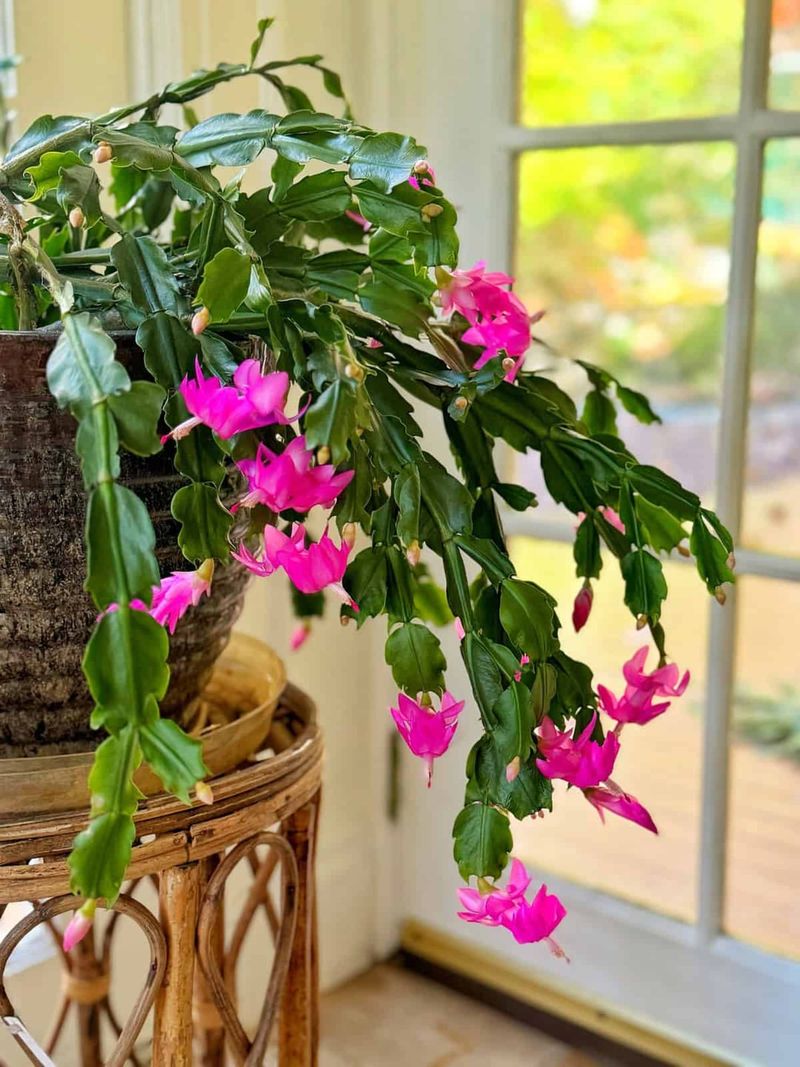
Furnaces running constantly throughout Minnesota winters create desert-like conditions inside homes, stripping moisture from the air your cactus desperately needs for survival.
Christmas cacti originate from humid Brazilian rainforests where moisture levels stay consistently high, making dry indoor air particularly stressful for these tropical plants.
Low humidity causes segments to shrivel, growth to stall, and buds to drop before they ever have a chance to bloom beautifully.
Placing a humidifier near your plant creates a more comfortable environment that mimics its natural habitat without requiring constant misting or attention.
Grouping several houseplants together also increases local humidity as they release moisture through transpiration, benefiting all the plants in your collection.
Another simple trick involves setting your cactus on a tray filled with pebbles and water, ensuring the pot sits above water level.
As water evaporates from the tray, it raises humidity around the plant without waterlogging the roots or causing rot problems later.
Monitor humidity levels with an inexpensive hygrometer, aiming for readings between forty and sixty percent for optimal Christmas cactus health and growth.
3. Cold Drafts From Windows And Doors
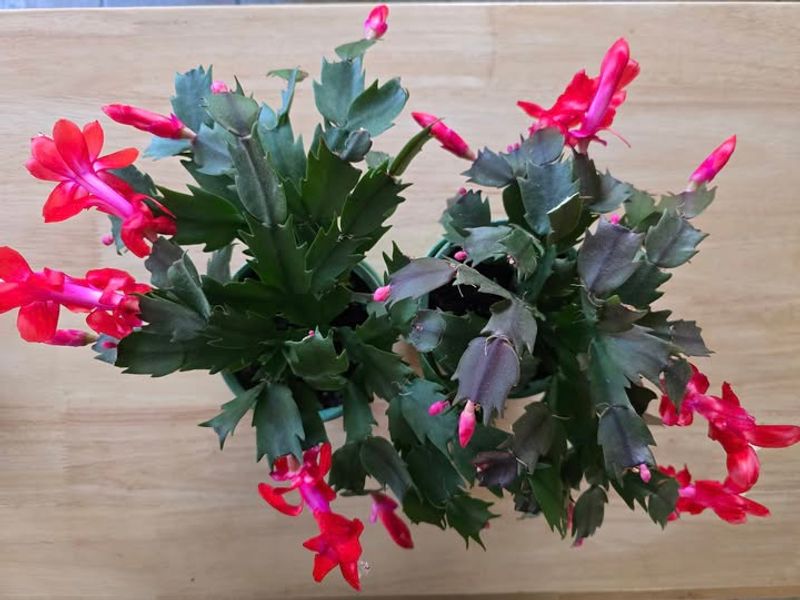
Freezing Minnesota winds sneak through even the smallest cracks around windows and doors, creating cold zones that stress your Christmas cactus significantly.
These tropical plants prefer temperatures between sixty and seventy degrees Fahrenheit, and sudden cold drafts can shock them into dormancy or slow growth.
Leaves near drafty areas often turn reddish or purple, signaling stress from temperature fluctuations that happen repeatedly throughout the day and night.
Check for drafts by holding your hand near windows and door frames, feeling for cold air currents that could be affecting your plant.
Relocate your cactus away from these problem areas, choosing a spot with stable temperatures that stay consistent throughout the entire day.
Weatherstripping and window insulation kits help seal gaps, protecting both your plant and your heating bill from Minnesota’s brutal winter cold outside.
Never place your Christmas cactus directly on a cold windowsill, as the chilled surface can damage roots through the pot and halt growth.
Use a plant stand or insulating mat to create a buffer between the pot and any cold surfaces in your home.
4. Overwatering In Cool Winter Conditions

Many Minnesota gardeners continue their summer watering schedule throughout winter, not realizing their Christmas cactus needs far less water during cooler months.
Cool temperatures slow the plant’s metabolism dramatically, meaning it absorbs water much more slowly than during warm growing seasons in summer.
Soggy soil leads to root rot, which stops growth completely and can cause serious damage to your plant’s entire root system.
Allow the top inch of soil to dry out completely before watering again, checking moisture levels with your finger rather than following schedules.
Reduce watering frequency by about half compared to summer months, adjusting based on how quickly soil dries in your particular home.
Ensure your pot has drainage holes and never let your cactus sit in standing water, which suffocates roots and encourages fungal problems.
Minnesota’s dry indoor air might trick you into thinking your plant needs more water, but the cool soil takes much longer to dry.
Use room-temperature water when you do water, as cold water can shock roots and slow growth even further during winter months.
5. Nutrient Depletion In Potting Soil
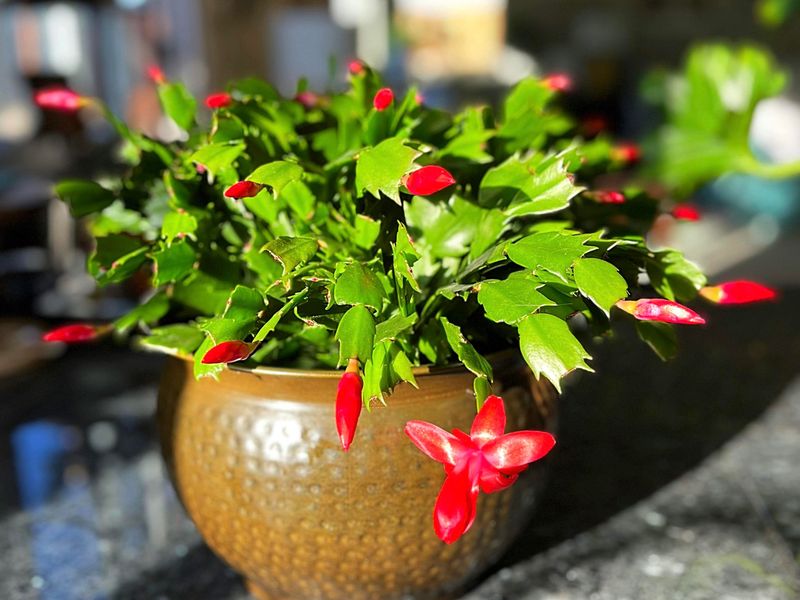
Potting soil loses essential nutrients over time, leaving your Christmas cactus without the building blocks it needs for producing new growth.
Plants growing in the same soil for years gradually deplete available minerals, even if you water perfectly and provide ideal light conditions.
Pale or yellowish segments often indicate nutrient deficiency, particularly nitrogen, which plants need for healthy leaf development and vibrant green coloring.
Fertilizing monthly with a diluted balanced houseplant fertilizer provides the nutrients your cactus needs without overwhelming its delicate root system unnecessarily.
Use half the recommended strength during winter months when growth naturally slows down, even here in Minnesota where indoor conditions vary.
Choose a fertilizer with equal ratios of nitrogen, phosphorus, and potassium, which supports overall plant health rather than just flowering production.
Stop fertilizing completely during the rest period before blooming, usually in October and November, to encourage bud formation and spectacular flowers.
Resume feeding after blooms fade, supporting new growth throughout the remaining winter and early spring months ahead.
Organic options like diluted fish emulsion work wonderfully for Christmas cacti and release nutrients slowly over time for sustained growth.
6. Root-Bound Plants In Small Containers
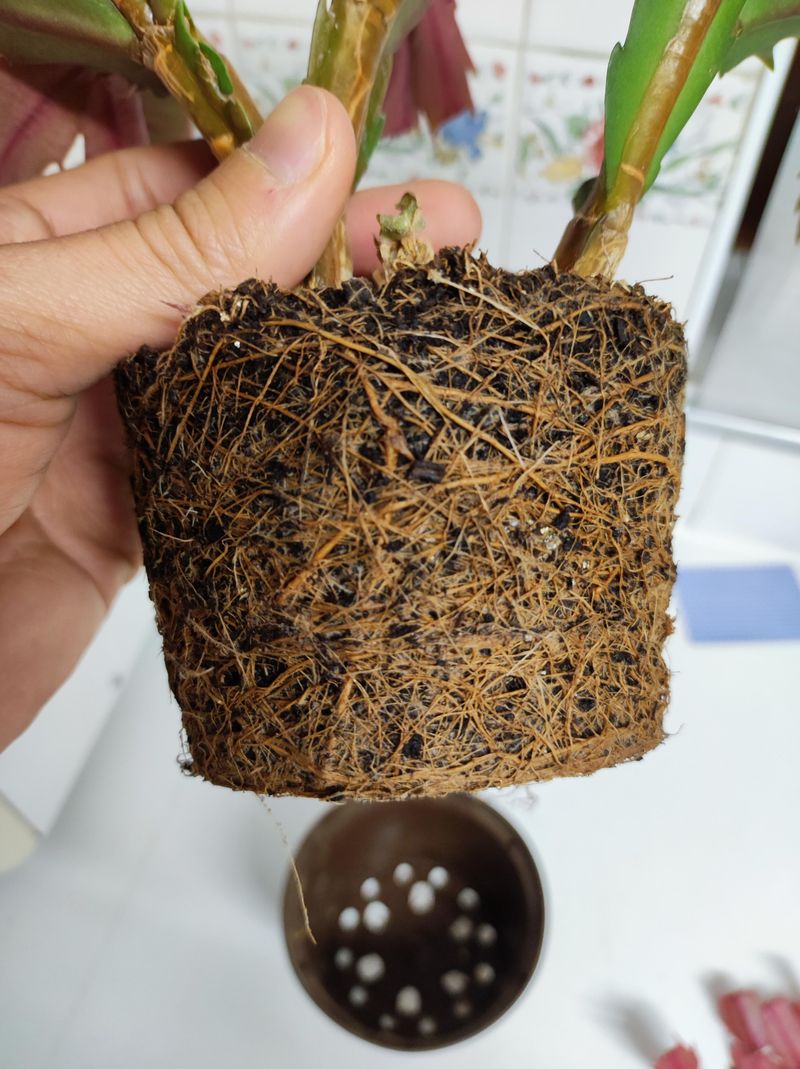
Christmas cacti can quickly outgrow their containers, filling every available space with roots that circle endlessly around the pot’s interior walls.
Root-bound plants struggle to absorb water and nutrients efficiently, causing growth to slow dramatically even when all other conditions seem perfect.
Roots growing through drainage holes or visible on the soil surface clearly indicate your plant needs a larger home soon.
Repotting into a container just one or two inches larger gives roots room to expand without overwhelming the plant with excessive soil.
Spring offers the best timing for repotting, but winter repotting works fine for severely root-bound plants struggling in Minnesota homes right now.
Use well-draining cactus or succulent potting mix that prevents water from sitting around roots and causing rot problems later on.
Gently loosen the root ball when repotting, encouraging roots to grow outward into fresh soil rather than continuing their circular pattern.
Water thoroughly after repotting, then reduce watering slightly for a few weeks while your plant adjusts to its new container.
Healthy root systems support vigorous growth, so addressing root-bound conditions quickly helps your Christmas cactus thrive throughout the remaining winter season.
7. Natural Winter Dormancy Period
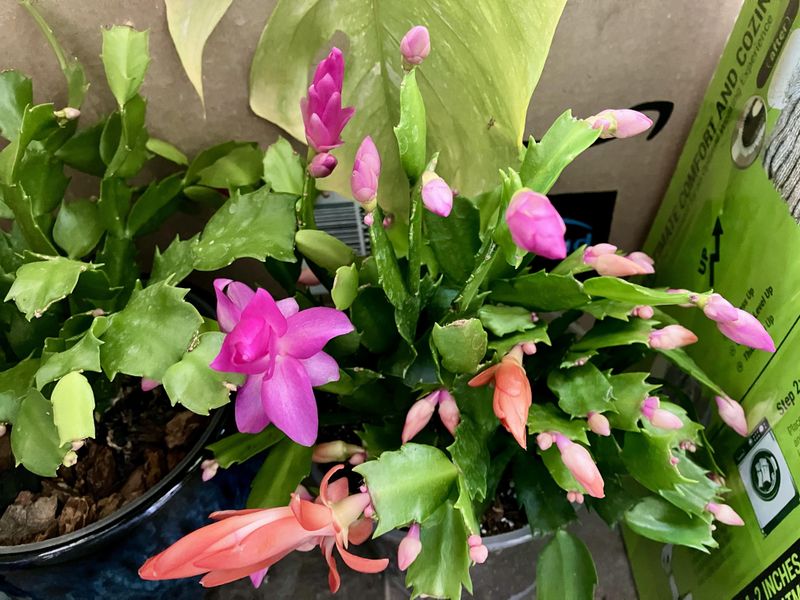
Sometimes your Christmas cactus slows down simply because it’s following its natural biological rhythm, entering a rest period during winter months.
Even perfect care cannot force continuous growth year-round, as plants need occasional breaks to conserve energy for future blooming and development.
Understanding this natural cycle prevents unnecessary worry and helps you provide appropriate care during each season, even here in chilly Minnesota.
Respect your plant’s rest period by reducing watering, stopping fertilization temporarily, and maintaining cooler temperatures around sixty degrees if possible at home.
This dormancy actually benefits your cactus, allowing it to redirect energy toward developing flower buds rather than producing new leaf segments.
Cool nights and shorter days trigger this rest period naturally, preparing your plant for its spectacular blooming display in coming months.
Avoid disturbing or moving your cactus during dormancy, as changes in location can stress the plant and prevent proper bud formation.
Resume normal care gradually once you notice tiny buds forming at the tips of segments, signaling the end of dormancy.
Patient gardeners who honor this natural cycle enjoy healthier plants with more abundant blooms throughout the holiday season and beyond.
8. Poor Soil Drainage And Compaction

Heavy, compacted soil prevents water from draining properly, creating waterlogged conditions that suffocate roots and stop growth in your Christmas cactus.
Regular potting soil often becomes dense over time, especially after years of watering cycles that gradually compress the mixture into a solid mass.
Roots need oxygen just as much as water, and compacted soil blocks air circulation necessary for healthy root function and growth.
Adding perlite, coarse sand, or orchid bark to your potting mix improves drainage dramatically, creating air pockets that keep roots healthy.
Christmas cacti prefer loose, well-aerated soil that allows water to flow through quickly while retaining just enough moisture for the plant.
Test drainage by watering thoroughly and watching how quickly excess water flows from the drainage holes at the pot’s bottom.
Water should drain within seconds, not pool on the surface or take minutes to slowly seep through compacted soil layers.
Repotting with fresh, properly amended soil solves drainage problems immediately and often revives struggling plants within weeks in Minnesota homes.
Choose pots with multiple drainage holes rather than single-hole containers, ensuring excess water can escape easily from all sides and the bottom.