Why Cleaning Dust Off Leaves Helps Plants Use Weak Winter Sunlight In Michigan
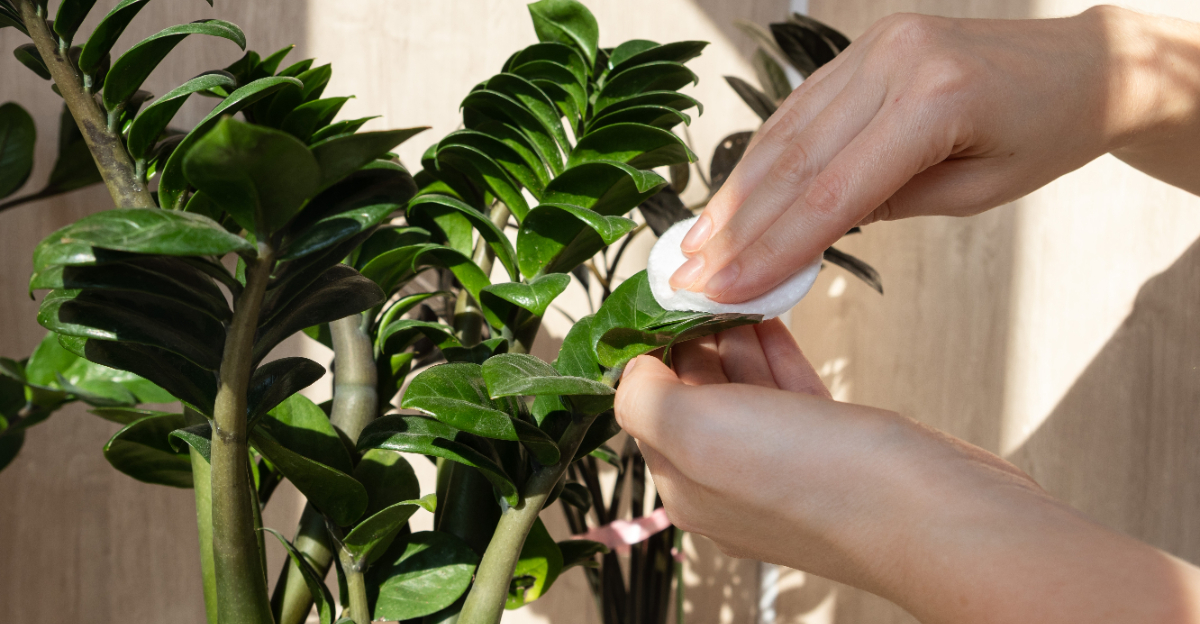
Michigan winters can be challenging for indoor plants. Short days, low-hanging sunlight, and long stretches of gray skies mean every bit of light is precious.
By mid-winter, even healthy houseplants can start looking sluggish, with slow growth, drooping leaves, or a dull, lackluster appearance. One often overlooked reason for this is dust.
Layers of dust on leaves act like a tiny barrier, blocking sunlight and making it harder for plants to photosynthesize effectively. Fortunately, the solution is simple and surprisingly impactful.
Gently wiping your plants’ leaves clean not only improves their ability to absorb light, but it also helps them breathe better and reduces the risk of pests or disease.
This small routine can make a big difference in keeping your houseplants vibrant and healthy through the coldest months. With regular care, even the darkest Michigan winter won’t stop your indoor garden from thriving.
1. Dust Blocks Light From Reaching Leaf Surfaces
Picture your plant trying to soak up sunlight through a dirty window. That is essentially what happens when dust builds up on leaf surfaces.
Dust forms a thin, stubborn layer that sits right on top of the leaf, blocking light before it even has a chance to penetrate the tissue beneath.
In Michigan, winter sunlight is already weak. The sun stays low on the horizon, daylight hours shrink dramatically, and overcast skies are the norm for weeks at a time.
Plants growing indoors near windows are working hard just to catch whatever light filters through the glass.
When dust adds another barrier on top of that, the plant’s ability to run photosynthesis drops noticeably. Photosynthesis is how plants turn light into the energy they need to grow, stay firm, and stay healthy.
Even a thin layer of household dust can reduce the amount of usable light reaching the leaf by a meaningful percentage.
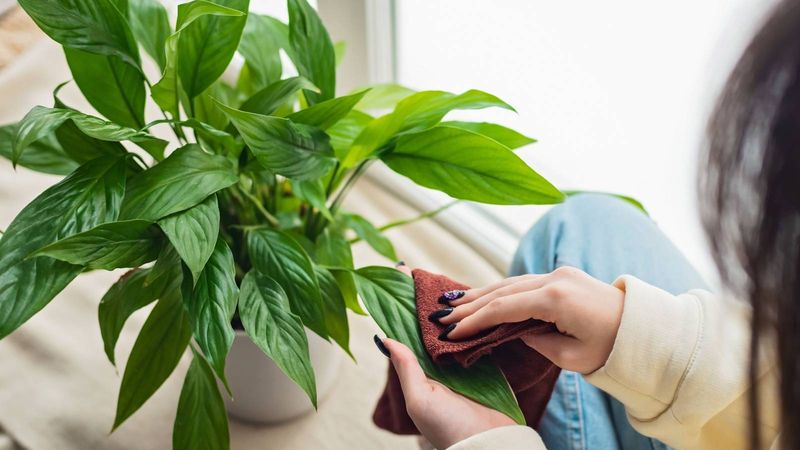
Cleaning leaves regularly removes that barrier entirely. A soft damp cloth wiped gently across each leaf is all it takes.
Plants in dusty rooms near heating vents may need cleaning every two to three weeks through winter. Making this small habit part of your plant care routine can make a surprisingly big difference in how well your plants hold up through the coldest months.
2. Clean Leaves Absorb More Available Light
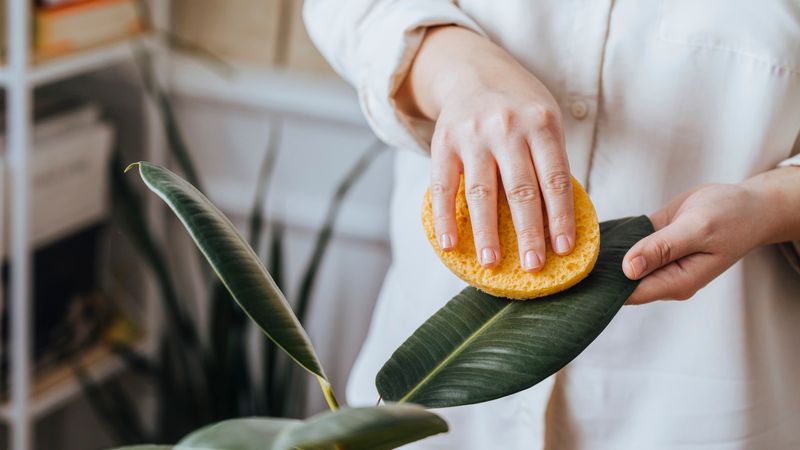
There is something almost satisfying about a freshly wiped plant leaf. It catches the light differently, looks more vibrant, and honestly just seems happier.
That visual change is not just cosmetic. Clean leaves genuinely absorb more of the available light compared to dusty ones.
Even a modest increase in light absorption can make a real difference for indoor plants during Michigan winters. When the sun is only up for nine hours or fewer and clouds block direct rays for days at a time, every photon of light that reaches the leaf matters.
A clean surface means the leaf’s chlorophyll cells can capture more of that light and convert it into usable energy.
Chlorophyll is the green pigment inside leaves that powers photosynthesis. When dust sits on top of the leaf, it scatters and absorbs some of the incoming light before chlorophyll ever gets a chance to use it.
Removing that layer lets chlorophyll work at full capacity, even when the light itself is limited.
For plants like pothos, snake plants, or fiddle-leaf figs that are already adapted to lower light levels, clean leaves can be the difference between slow decline and steady, healthy growth.
Wiping leaves with a damp cloth or a soft microfiber towel once every few weeks through winter keeps absorption at its peak and helps your plants make the most of every short winter day.
3. Dust Reduces Photosynthesis Efficiency
Photosynthesis is the engine that keeps a plant alive and growing. When that engine runs at reduced capacity, everything slows down, from root activity to new leaf development.
Dust buildup is one of the sneakiest reasons photosynthesis efficiency drops in winter, and most plant owners never connect the two.
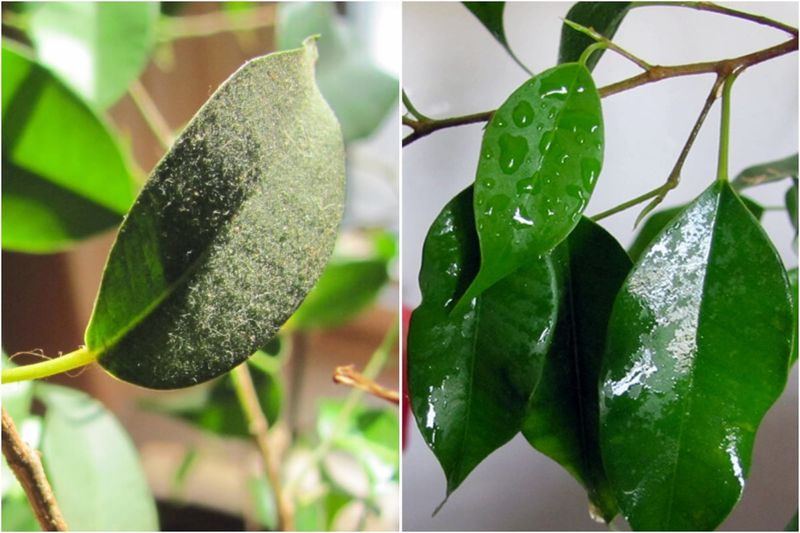
Here is what actually happens. Light hits a dusty leaf, but instead of reaching the chlorophyll-rich cells inside, much of it gets scattered or absorbed by the dust particles themselves.
The plant receives less energy input, which means it produces less glucose, and glucose is what fuels every single process happening inside the plant.
During Michigan winters, photosynthesis is already running below full speed because of reduced daylight and low sun angles. Adding dust on top of that compounds the problem significantly.
Studies on agricultural crops have shown that even moderate dust accumulation can lower photosynthetic output by 20 to 40 percent, depending on dust thickness and plant species.
Indoor ornamental plants are no different. A dusty rubber tree or peace lily in a dim Michigan living room in February is working at a serious disadvantage.
Cleaning those leaves regularly restores efficiency without any special equipment, grow lights, or fertilizers.
It is the most direct and affordable way to support your plant’s energy production when natural light is at its seasonal low. Consistency matters more than perfection here.
4. Clean Leaves Improve Gas Exchange

Most people think about light when they consider plant health, but gas exchange is just as critical to how well a plant functions. Plants breathe through tiny pores called stomata, located mostly on the underside of leaves.
Carbon dioxide enters through these pores, and oxygen exits as a byproduct of photosynthesis. When stomata work well, the whole system hums along smoothly.
Dust does not always stay on top of the leaf. Fine particles can settle near or around stomata openings, partially blocking them and making it harder for the plant to pull in the carbon dioxide it needs.
Less carbon dioxide means slower photosynthesis, even if light levels are otherwise decent. In winter, when light is already limited, any additional restriction on the process makes the situation worse.
Wiping leaves clean removes those particles and allows stomata to open and close freely.
This matters especially for large-leafed tropical plants like monstera or elephant ear, which have prominent stomata and depend heavily on steady gas exchange to maintain their impressive size and structure through cold months.
One practical tip is to wipe both the top and underside of leaves when cleaning. Most dust settles on top, but fine particles do migrate.
Using a damp cloth with plain water is enough. Avoid products with oils or waxes, which can actually clog stomata themselves.
Keeping the breathing system open is just as valuable as keeping the light-absorbing surface clear.
5. Dust Encourages Pests and Mold
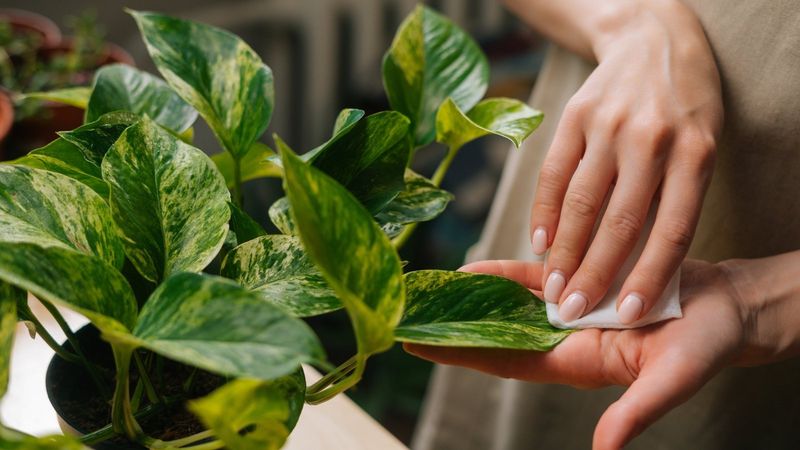
Dusty leaves are not just a light problem. They are also an open invitation for pests and mold, two of the most frustrating issues indoor plant owners deal with during winter.
Spider mites, in particular, love dry and dusty conditions. They thrive in the low-humidity environments that Michigan homes become when the furnace runs constantly through January and February.
Dust provides physical cover for tiny pests, making them harder to spot until the population has already grown. It also traps moisture unevenly across the leaf surface, creating micro-environments where fungal spores can settle and germinate.
Powdery mildew and other fungal issues often start on dusty leaves because the spores have an easier time anchoring to a rough, particle-covered surface than to a smooth, clean one.
Once pests or mold take hold on a weakened winter plant, recovery can be slow and stressful. The plant is already running on limited energy due to reduced sunlight, so fighting off an infestation at the same time stretches its resources thin.
Regular leaf cleaning breaks this cycle before it starts. Wiping leaves removes the dusty habitat that pests prefer and gives you a chance to spot early warning signs, like tiny webbing or discolored patches, before they spread.
Think of leaf cleaning as both a maintenance task and an inspection routine. Healthy, clean leaves are naturally less hospitable to the organisms that cause the most trouble in winter.
6. Clean Leaves Reflect and Distribute Light Better
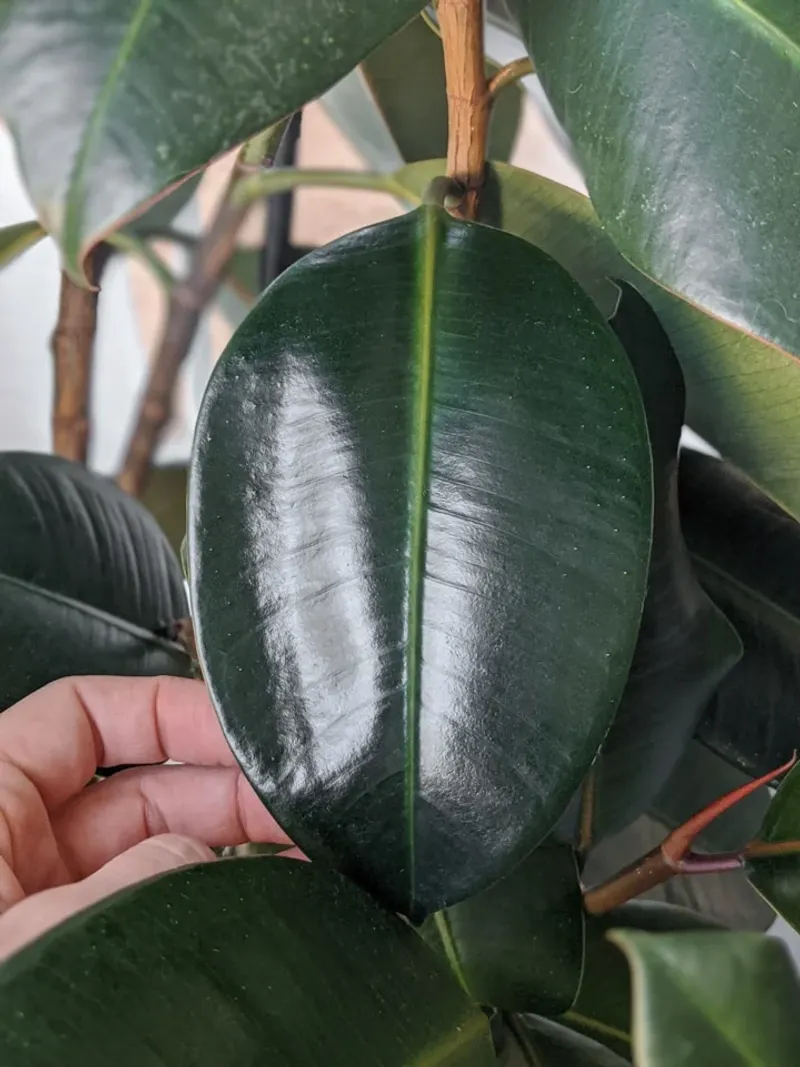
A clean leaf surface does more than just absorb light. It also reflects and redistributes it in ways that benefit the entire plant.
When light hits a smooth, clean leaf, it bounces off at angles that can illuminate lower leaves, stems, and surrounding plants that would otherwise sit in shadow. This natural light distribution is a quiet but powerful advantage during the dim Michigan winter months.
Dust dulls that surface completely. Instead of a reflective, slightly waxy texture, a dusty leaf becomes matte and rough.
The light that hits it scatters randomly and is largely wasted rather than directed toward other photosynthesizing surfaces. Over the course of a short winter day, this adds up to a meaningful loss of usable light across the whole plant.
Plants with large, glossy leaves like anthuriums, monsteras, and peace lilies are especially good at this kind of light redistribution when their leaves are clean. Their natural surface texture is designed for it.
Dust essentially turns off that built-in advantage. Keeping leaves clean allows the plant to work with whatever light enters the room, stretching it further and using it more efficiently.
Positioning cleaned plants near reflective surfaces like white walls or mirrors amplifies this effect even more.
It is a low-effort strategy that pairs perfectly with regular leaf wiping, giving indoor plants a real edge during the months when Michigan sunlight is at its most limited and precious.
7. Dust Slows Plant Metabolism in Low Light
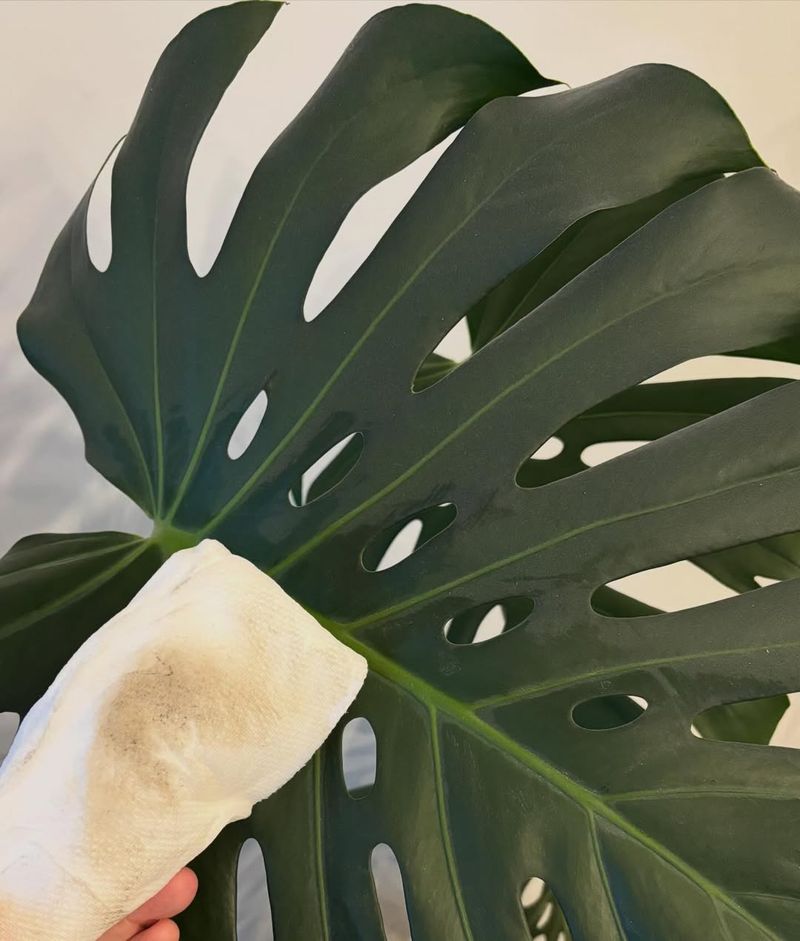
When a plant cannot photosynthesize efficiently, its entire metabolism slows down. Think of it like running a car on half a tank of fuel.
Everything still moves, but nothing moves as well as it should. Nutrient uptake slows, root activity decreases, and the plant becomes more vulnerable to stress from temperature fluctuations, dry air, and overwatering.
Dust contributes to this metabolic slowdown by reducing the light available for photosynthesis in the first place. Michigan winters already push indoor plants toward a slower metabolic state.
Short days and low-angle sunlight mean less energy is being produced naturally. Dust on the leaves makes that situation measurably worse by cutting into whatever limited light the plant would otherwise be using.
A plant running on reduced energy through winter is not just growing slowly. It is also less equipped to bounce back in spring when light levels return to normal.
The transition from winter dormancy to active spring growth goes much smoother for plants that have maintained steady, if modest, metabolic activity throughout the cold months.
Cleaning leaves is one of the simplest ways to keep metabolism from dropping too far. Combined with proper watering adjustments for winter and avoiding over-fertilizing during low-light periods, it helps the plant maintain a functional baseline.
You are not trying to push aggressive growth in winter. You are simply keeping the engine running cleanly so the plant stays resilient until spring arrives in Michigan.
8. Clean Leaves Help Plants Maintain Stronger Winter Growth
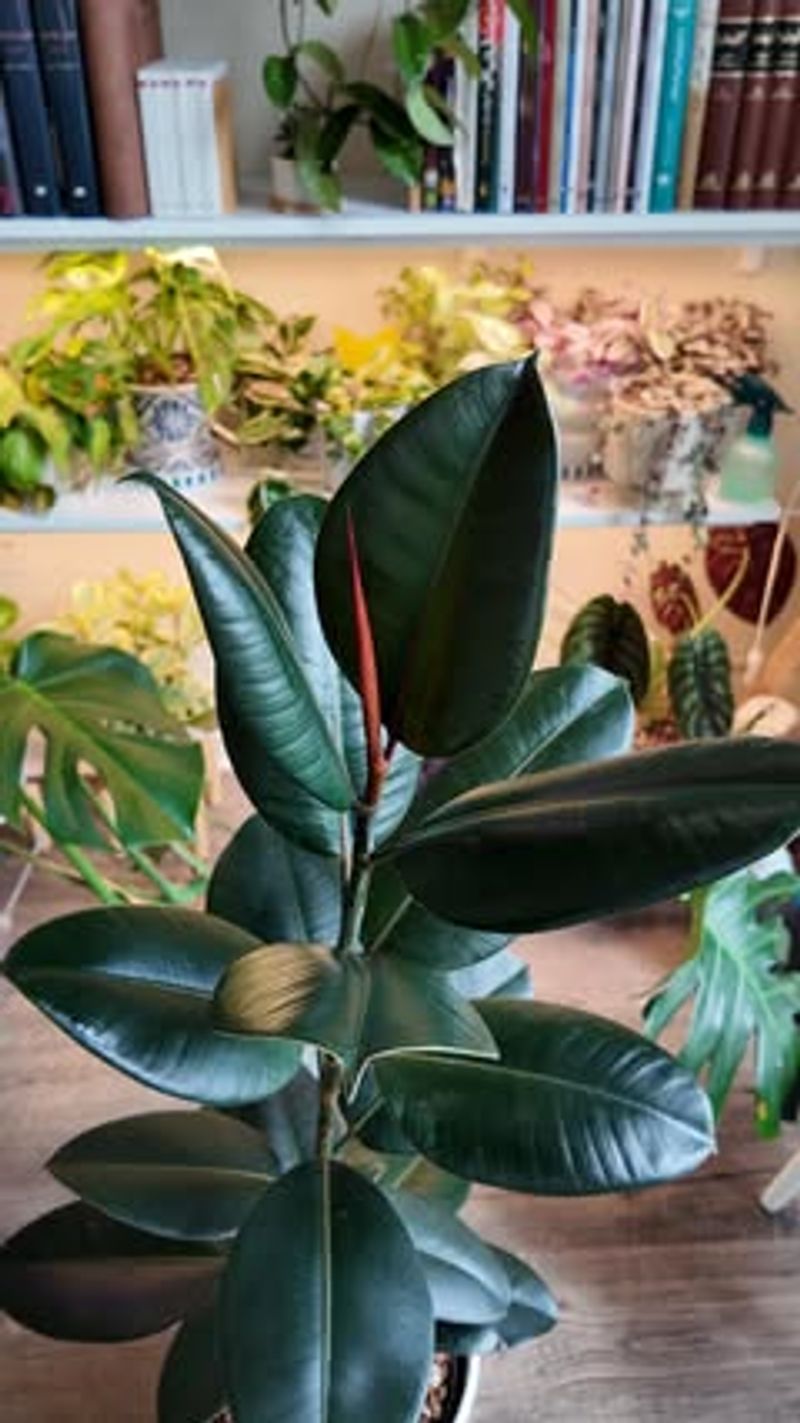
Some plant owners assume winter is just a waiting game, a period to survive rather than thrive. But many indoor plants are capable of maintaining steady, healthy growth through winter if their conditions are well managed.
Clean leaves are one of the most underrated factors in making that happen. When leaves are free of dust, they absorb light more efficiently, support better gas exchange, and keep the plant’s energy production running as smoothly as possible given the season.
That steady energy supply supports continued root growth, cell maintenance, and even occasional new leaf development on vigorous species like pothos or philodendrons.
Plants that maintain better light absorption through winter also experience less stress overall. Stress in plants shows up in subtle ways at first, yellowing lower leaves, soft stems, or a general lack of firmness.
These are signs that the plant is struggling to maintain itself. Keeping leaves clean reduces one of the key contributors to that stress.
There is also a psychological benefit for the plant owner. A plant that looks healthy and is showing signs of growth is far more motivating to care for than one that looks like it is barely hanging on.
Regular leaf cleaning takes about ten minutes for a small collection and creates a noticeable visual improvement almost immediately.
Healthy-looking, dust-free plants are easier to monitor, easier to enjoy, and better equipped to reward your care with strong growth when spring finally arrives in Michigan.
9. Dust Removal Improves Overall Light Efficiency Indoors
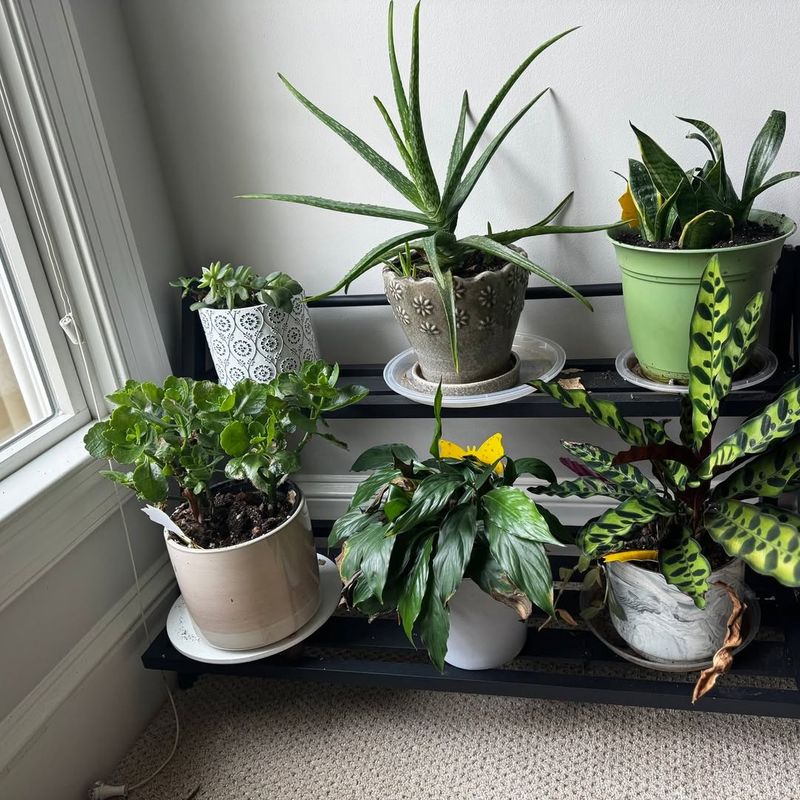
Indoor winter light in Michigan is already working against your plants before dust even enters the picture. By December, Detroit and Grand Rapids are seeing fewer than nine hours of daylight per day.
The sun sits at a low angle in the sky, meaning light enters windows at a shallow trajectory that limits its intensity and reach.
Add in typical overcast skies and the filtering effect of window glass, and indoor plants are receiving a fraction of the light they would get in summer.
Dust removal does not change any of those external conditions, but it does make sure your plants are using every bit of available light as efficiently as possible. When leaves are clean, no light is wasted on a dust barrier.
The plant captures what it can from the already-limited supply and converts it into energy without unnecessary interference.
Think of it as optimizing the system from the inside. You cannot control Michigan weather or make the sun shine longer, but you can make sure your plants are in the best possible condition to handle what nature provides.
Pairing leaf cleaning with smart window placement, rotating pots for even light exposure, and keeping windows clean from the outside creates a complete strategy for maximizing indoor winter light.
Each step removes one more obstacle between your plants and the light they need. Dust removal is the easiest and fastest of these steps, and it delivers immediate results you can see and measure in your plants’ health and appearance.