Why Clusters Of Tiny Red Bugs Are Showing Up In Arizona Yards According To Experts
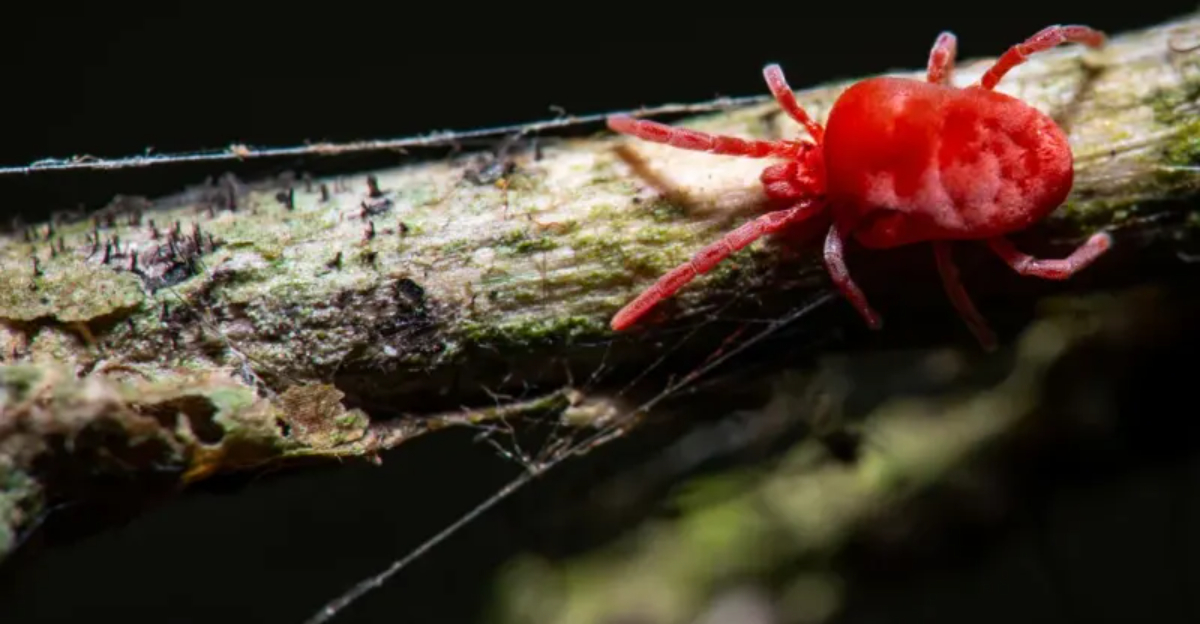
Arizona homeowners have been spotting clusters of tiny red bugs on plants, patios, and outdoor furniture, and many are wondering if they are harmful.
Experts explain that these insects are appearing more frequently due to seasonal changes, heat stress, and shifts in plant health that make certain bugs more noticeable. Those bright red specks are not random, they reflect what is happening in your yard.
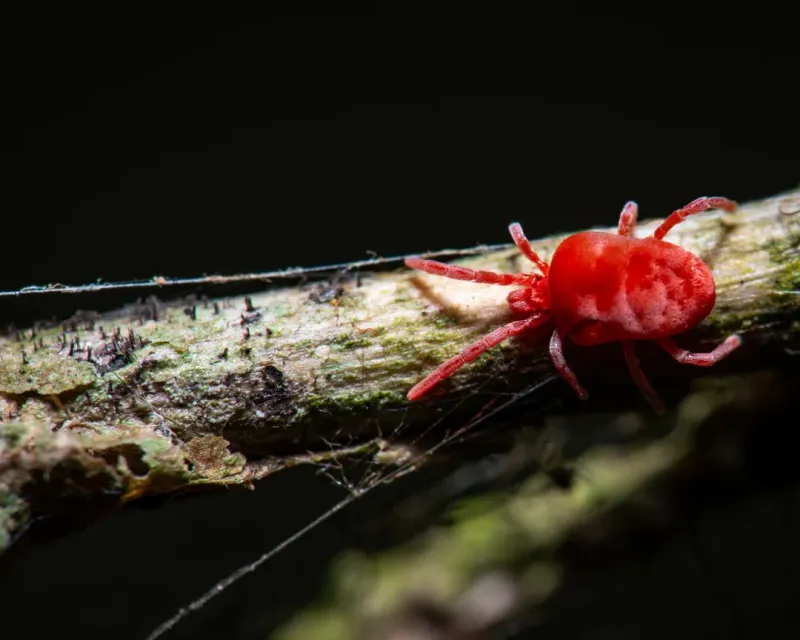
In Arizona’s hot, dry climate, these bugs often seek shaded plant parts and moisture. Some are harmless, feeding on plant juices without causing damage, while others, like spider mites or leafhoppers, may affect stressed plants.
Identifying the species is key to deciding whether action is needed or if the insects are simply part of the natural ecosystem. What looks alarming may actually be a normal part of your garden’s ecology.
Arizona gardeners who understand these patterns can protect plants without overreacting and maintain a healthy yard. Learn why red bugs appear and when to take action.
Spider Mites Thrive In Hot, Dry Conditions
Arizona’s scorching summer temperatures and bone-dry air create a paradise for red spider mites, which absolutely love these extreme conditions.
When the mercury climbs above ninety degrees and humidity drops to nearly nothing, these microscopic pests can reproduce at astonishing rates, with females laying dozens of eggs every single day.
The heat accelerates their entire life cycle, meaning a new generation can emerge in less than a week when conditions are just right. Your garden plants become an all-you-can-eat buffet during these sweltering months.
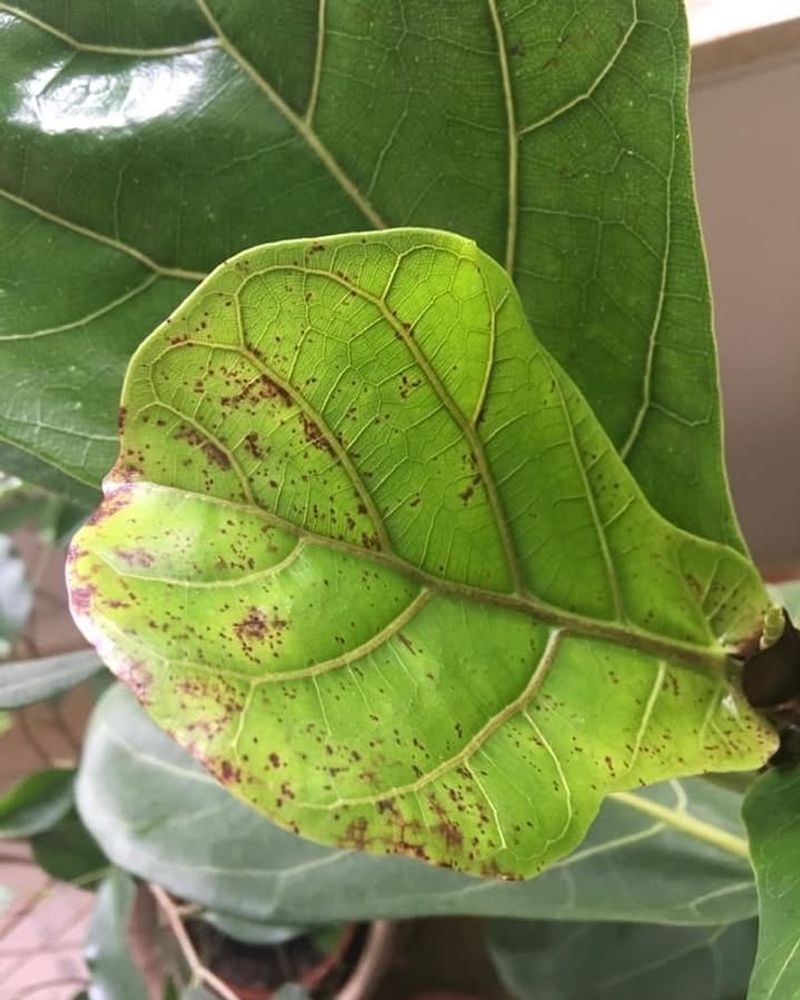
Spider mites use their piercing mouthparts to puncture plant cells and suck out the nutritious juices inside, leaving behind tiny yellow or bronze spots on leaves.
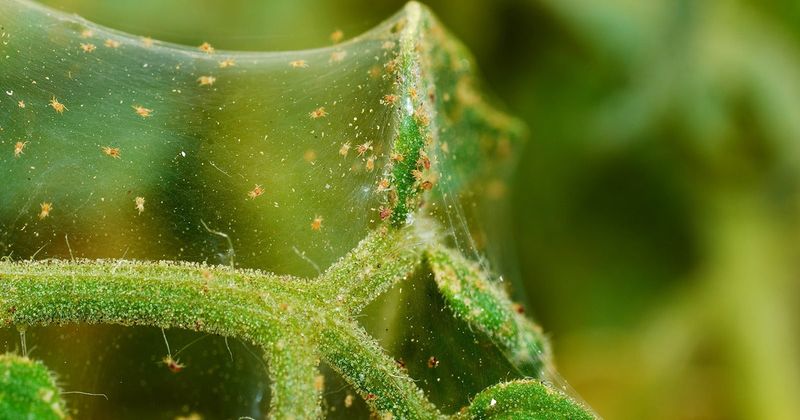
As populations explode, you’ll start seeing those characteristic fine webbing across branches and foliage, along with clusters of reddish bugs moving together.
The lack of summer monsoon rains means there’s nothing to wash these pests away or increase humidity levels that might slow their reproduction. Regular monitoring of your plants during peak heat becomes absolutely essential for catching infestations early.
Hosing down your plants with a strong spray of water every few days can physically remove many mites and temporarily boost humidity around your vegetation, making the environment less hospitable for these heat-loving critters.
Drought-Stressed Plants Are More Vulnerable
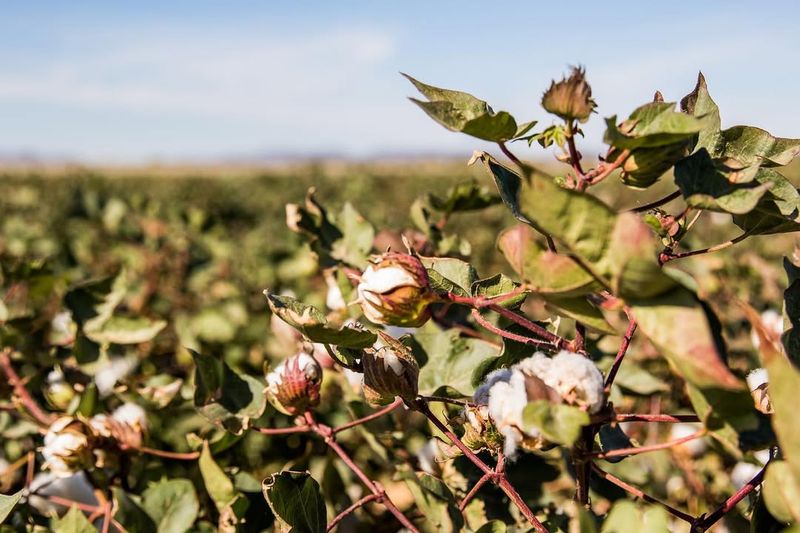
Water-stressed shrubs and trees send out chemical distress signals that tiny red bugs can actually detect from considerable distances.
When plants don’t receive adequate moisture, they become weakened and unable to produce the defensive compounds that normally help them resist pest attacks.
Their cell walls become thinner and more brittle, making it easier for mites and other sap-feeders to break through and access the nutritious fluids inside.
Arizona’s challenging climate means many landscape plants teeter on the edge of drought stress throughout much of the year. Even drought-tolerant native species have optimal water ranges, and falling below those thresholds compromises their natural defenses.
Stressed plants also produce different aromatic compounds that can actually attract certain pest species, essentially sending out an invitation for trouble.
Establishing a consistent watering schedule tailored to each plant’s specific needs creates a foundation for natural pest resistance. Deep, infrequent watering encourages strong root systems that can better access soil moisture during dry periods.
Mulching around plants helps retain soil moisture and moderate root zone temperatures, keeping your vegetation healthier and more capable of defending itself.
Monitoring your plants for early signs of water stress, such as leaf curling or color changes, allows you to intervene before they become vulnerable targets for clustering red bugs.
Lack Of Natural Predators
Your yard’s ecological balance depends heavily on beneficial insects that naturally keep pest populations in check.
Ladybugs, lacewings, predatory mites, and minute pirate bugs all feast on red spider mites and similar pests, but these helpful creatures have become increasingly scarce in many Arizona landscapes.
When you spray broad-spectrum insecticides to control one problem, you often eliminate the very insects that would have solved it naturally.
Chemical pesticides don’t discriminate between harmful pests and beneficial predators, and the good guys often take longer to bounce back after treatments.
This creates a vacuum where pest populations can explode without any natural enemies to keep them under control.
Additionally, many modern landscapes lack the diverse plantings that beneficial insects need for shelter, alternative food sources, and breeding habitat. Creating a haven for beneficial insects transforms your yard into a self-regulating ecosystem.
Planting a variety of flowering herbs like dill, fennel, and yarrow provides nectar and pollen that adult predatory insects need to survive. Avoiding harsh chemical treatments gives beneficial populations time to establish and do their work.
You can even purchase and release ladybugs or lacewings to jump-start predator populations in your garden, though providing the right habitat ensures they’ll stick around long-term to patrol for those troublesome red bugs.
Overfertilization Encourages Pest Populations
Gardeners often mean well when they generously feed their plants, but too much fertilizer can actually backfire in unexpected ways.
High-nitrogen fertilizers promote rapid, lush growth that produces tender new shoots and leaves with extra-high protein content.
These succulent new tissues are like gourmet meals for tiny red bugs, drawing them in from surrounding areas like moths to a flame.
Plants that have been overfed produce softer cell walls and higher concentrations of amino acids in their sap, making them easier to pierce and more nutritious for sap-sucking pests.
The vigorous new growth also stays in a vulnerable juvenile stage longer, extending the window of opportunity for infestations to take hold.
Before you know it, those beautiful new leaves you were so proud of become covered in clusters of feeding insects. Balanced fertilization schedules work much better for long-term plant health and pest resistance.
Following package directions carefully and choosing slow-release formulas helps your plants develop stronger, more resilient tissues that can better withstand pest pressure.
Consider having your soil tested to determine exactly what nutrients your garden actually needs, rather than guessing and potentially overfeeding your landscape plants with unnecessary nitrogen that ultimately feeds the bugs you’re trying to avoid.
Seasonal Population Surges
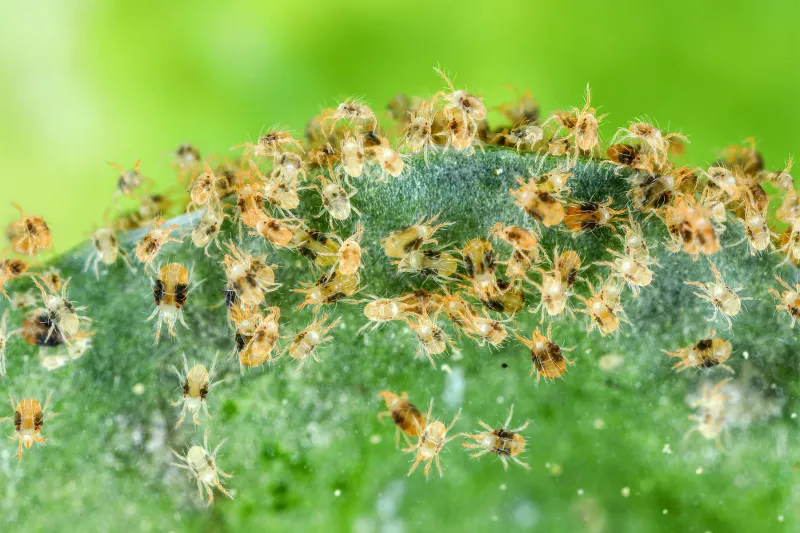
Mother Nature operates on predictable cycles, and tiny red bugs are no exception to these rhythmic patterns.
Early spring warmth triggers the hatching of overwintering eggs, releasing the first generation of the season when temperatures consistently stay above sixty-five degrees.
As these pioneers mature and begin reproducing, their numbers can multiply exponentially within just a few weeks under favorable conditions.
Late spring and early summer often bring the most dramatic population explosions, as multiple overlapping generations feed and breed simultaneously.
Each female can produce hundreds of offspring during her short lifetime, and when thousands of females are all reproducing at once, the math becomes staggering.
These natural boom periods explain why you might suddenly notice massive clusters where just days earlier you saw nothing concerning. Understanding these seasonal patterns helps you time your monitoring and intervention efforts for maximum effectiveness.
Inspecting plants closely in early spring allows you to catch the first generation while numbers are still manageable. Taking action during population surges requires more intensive approaches, such as releasing beneficial predators or using targeted treatments.
Fall populations typically decline as temperatures cool and day length shortens, giving your plants a chance to recover before winter dormancy arrives and the cycle begins again next year.
Wind And Debris Can Spread Infestations
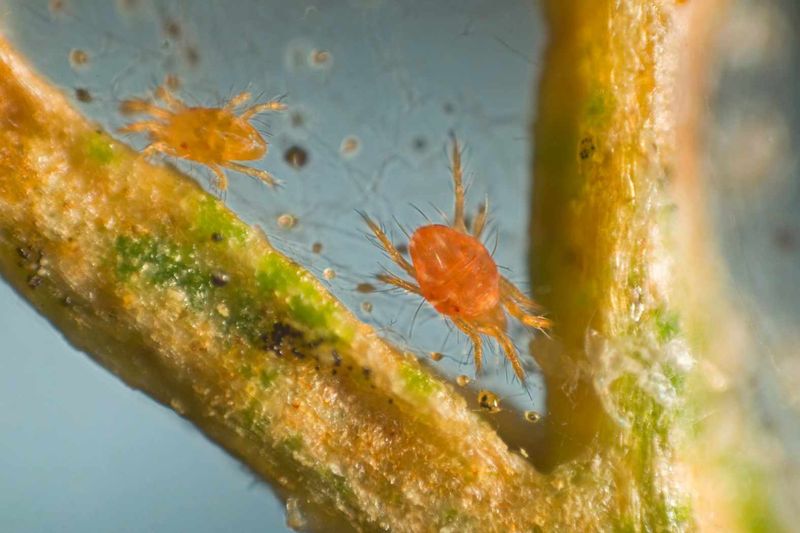
These microscopic hitchhikers are masters of long-distance travel despite their tiny size. Arizona’s frequent winds can pick up mites and other miniature bugs from infested vegetation and carry them hundreds of feet to previously clean gardens.
A single gust can transport dozens or even hundreds of these pests from your neighbor’s yard directly onto your prized plants, establishing new colonies before you even realize what’s happening.
Garden debris like fallen leaves, grass clippings, and pruning waste can harbor pest populations that spread when you move materials around your property.
Sharing plant cuttings with friends, bringing home new nursery plants, or even walking through infested areas can inadvertently introduce these unwanted guests.
Once they land in a suitable location with food and favorable conditions, they waste no time settling in and starting families. Practicing good garden hygiene significantly reduces the chances of wind-borne or debris-carried infestations.
Removing fallen leaves and plant debris promptly eliminates hiding spots and breeding grounds. Inspecting all new plants carefully before introducing them to your landscape catches potential problems before they spread.
Creating windbreaks with strategic plantings can reduce the amount of airborne pest traffic reaching your garden, while regular monitoring helps you spot any newcomers quickly enough to address them before populations explode into those alarming clusters.
Plant Choice Influences Pest Presence
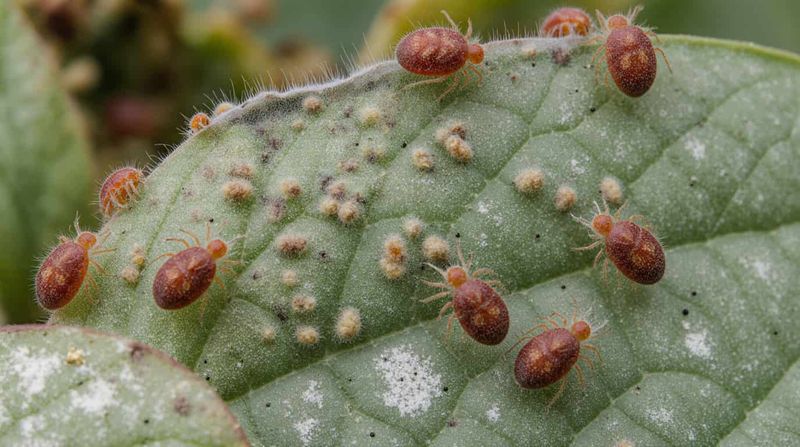
Not all plants appeal equally to tiny red bugs, and some Arizona landscape favorites are practically irresistible to these pests.
Roses, citrus trees, hibiscus, and tomatoes consistently rank among the most heavily targeted plants, their tender tissues and nutritious sap making them preferred hosts.
Spider mites and related pests have evolved alongside these plant families, developing specialized feeding strategies that make them particularly effective at exploiting these species.
The specific chemistry of different plants plays a huge role in their attractiveness to pests. Some species produce aromatic oils or defensive compounds that naturally repel bugs, while others lack these protective chemicals and become easy targets.
Plants stressed by being grown outside their ideal climate zones often become even more susceptible, which matters greatly when you’re pushing the boundaries of what grows well in Arizona’s challenging environment.
Strategic plant selection can dramatically reduce your pest pressure without any additional effort. Choosing varieties bred specifically for pest resistance gives you a head start on prevention.
Incorporating naturally repellent plants like lavender, rosemary, and marigolds throughout your landscape can help deter pests from nearby susceptible plants.
Researching which cultivars perform best in Arizona’s conditions before purchasing ensures your plants will be healthy enough to mount strong natural defenses against those clusters of hungry red bugs looking for their next meal.