Why Clusters Of Tiny Red Bugs Keep Showing Up Around New Mexico Yards
Clusters of tiny red bugs suddenly appearing around New Mexico yards can feel unsettling, especially when they show up in large numbers overnight.
Their bright red color stands out against walls, patios, and walkways, making them hard to ignore.
At first glance, they look like something aggressive or harmful, which immediately raises concern.
The surprise comes from how quickly they gather in warm, sunny spots without any obvious cause.
What makes the situation more confusing is that they appear even when lawns and plants seem perfectly fine. Despite their dramatic appearance, these bugs are not dangerous at all.
What’s showing up are clover mites, a harmless seasonal visitor that feeds on plants and thrives in New Mexico’s conditions.
1. The Tiny Red Clusters Are Clover Mites
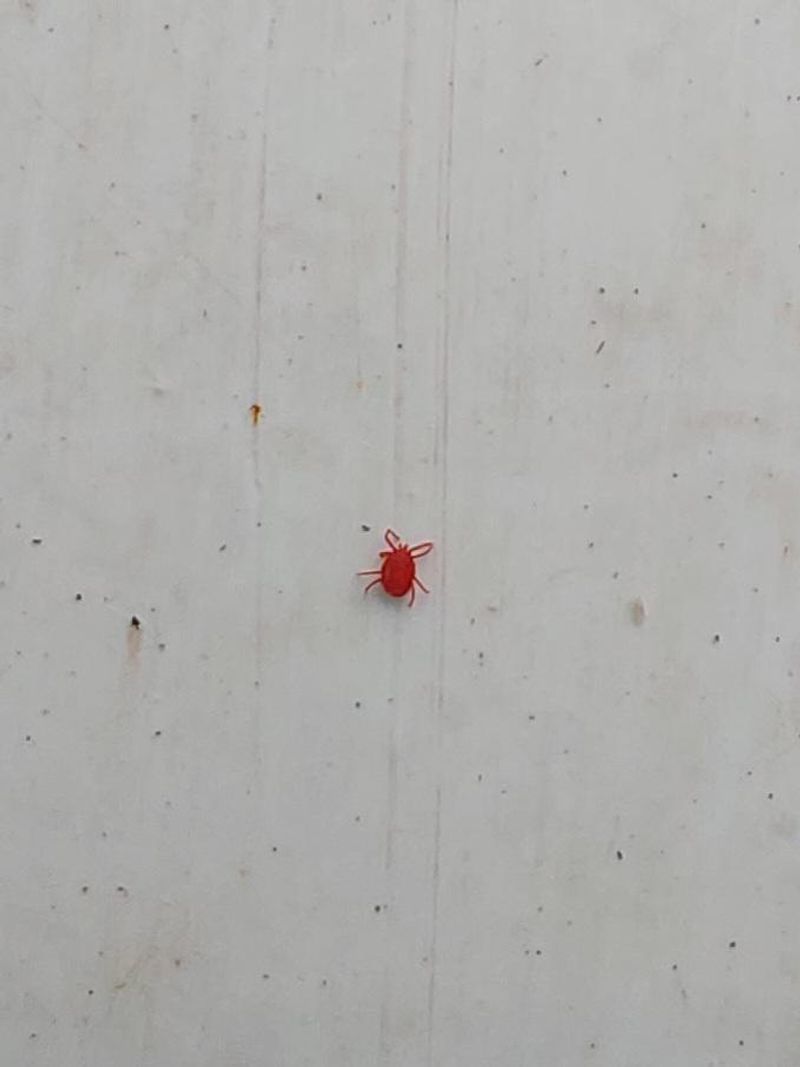
Most people in New Mexico have walked outside and been surprised by swarms of tiny red dots moving across concrete surfaces. Clover mites are incredibly small arachnids, typically no bigger than the head of a pin, and they often travel in groups that can number in the hundreds or even thousands.
Their bright reddish color makes them stand out against light-colored surfaces, which is why homeowners notice them so quickly.
Despite their alarming appearance when clustered together, clover mites are completely harmless to humans and animals. They don’t bite, sting, or carry diseases.
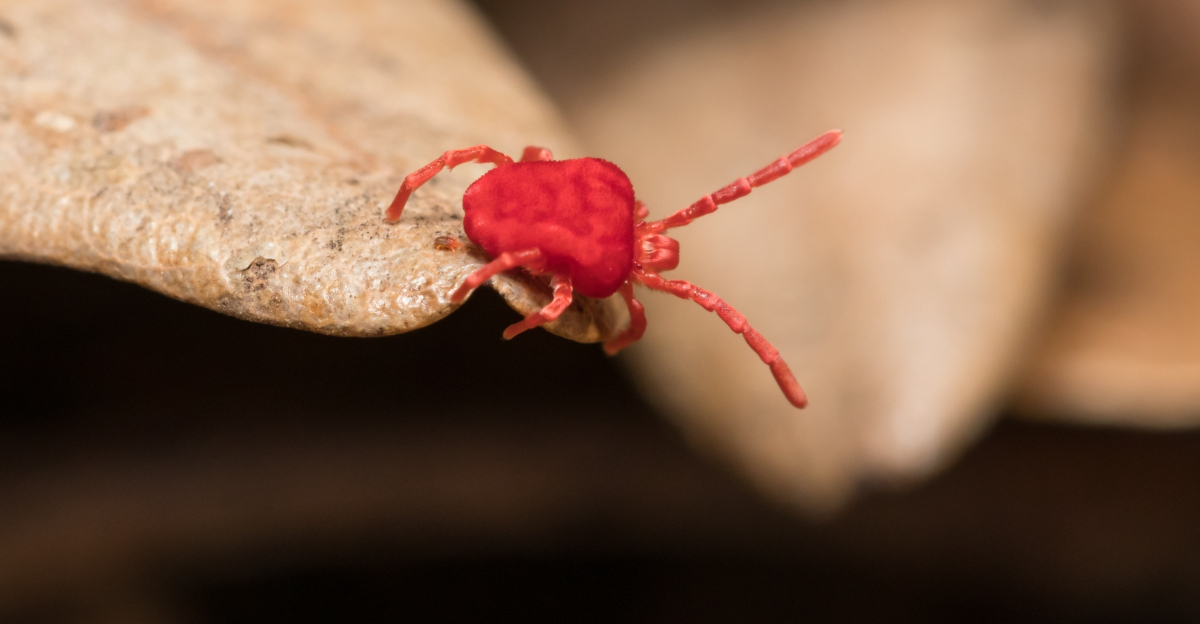
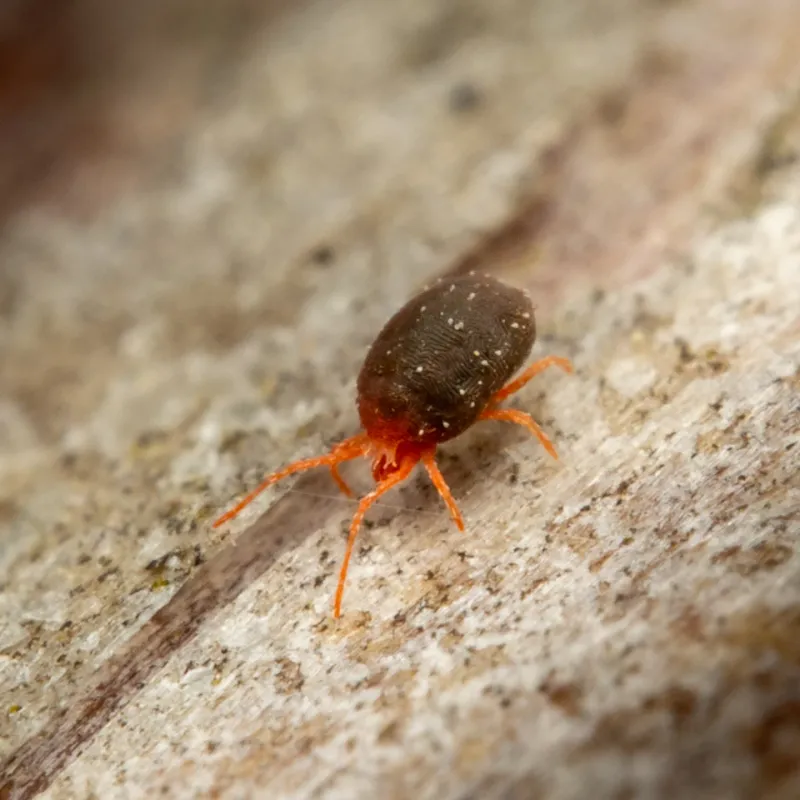
Their front pair of legs is longer than the rest, giving them a distinctive look under magnification.
Across New Mexico’s varied landscapes, from Albuquerque to Las Cruces, these bugs tend to show up during spring and fall. They’re drawn to the sunny sides of buildings where warmth radiates off walls and concrete.
Homeowners often mistake them for baby spiders or bed bugs at first glance.
Understanding that these are clover mites helps reduce unnecessary worry. They’re more of a nuisance than a threat.
Their presence usually indicates healthy plant growth nearby, as they feed on vegetation.
When crushed, clover mites leave behind a red stain that can mark surfaces. This characteristic often causes concern, but the stain is simply their body pigment, not blood.
Because of their extremely small size, clover mites often go unnoticed until conditions push them to gather in visible clusters along walls and walkways.
What looks alarming at first is simply a survival strategy that relies on numbers rather than aggression.
They move slowly.
Most homeowners only connect the dots after seeing the same red patches appear during the same seasons year after year.
Once their identity is clear, their behavior becomes easier to recognize and far less unsettling.
2. Why Clover Mites Suddenly Appear In New Mexico Yards
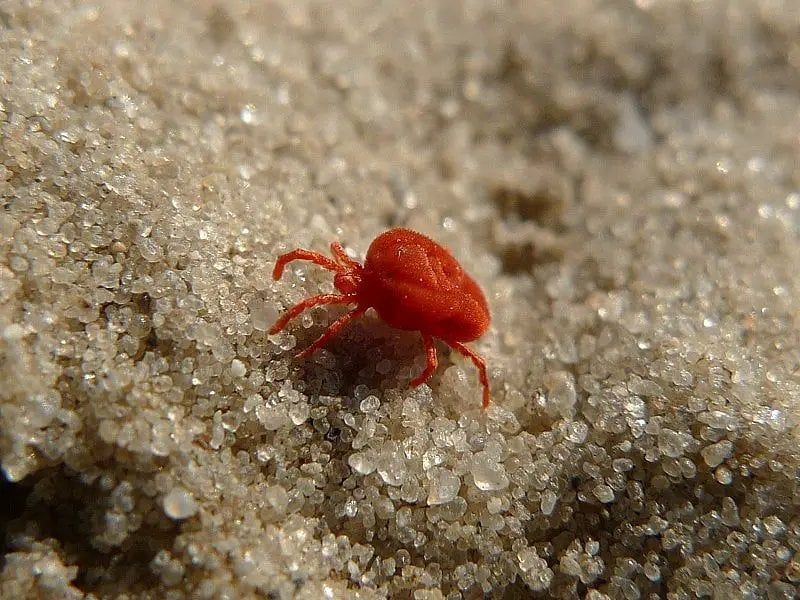
Population explosions happen when conditions align perfectly for clover mite reproduction. New Mexico’s climate offers ideal windows during spring and fall when temperatures hover in the comfortable range for these tiny arachnids.
They reproduce rapidly, with females laying eggs that can remain dormant through harsh weather.
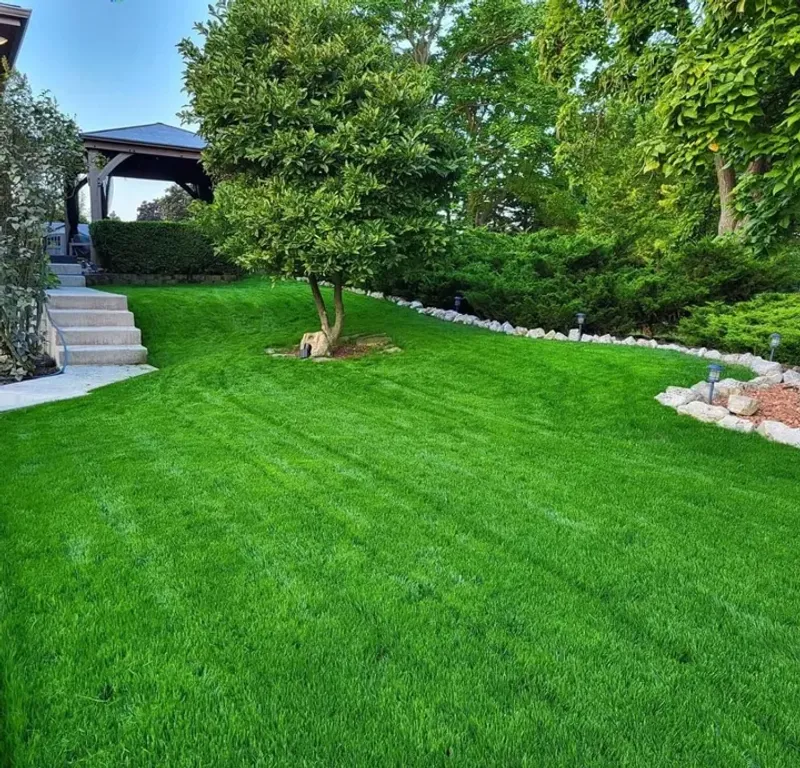
Lawns that receive regular watering create lush environments where clover mites thrive. Well-fertilized grass and healthy plant beds provide abundant food sources.
When populations grow too large in one area, the mites begin migrating toward structures.
Sunny walls and foundations absorb heat throughout the day, creating warm microclimates that attract clover mites. In cities like Santa Fe and Roswell, south-facing walls become gathering spots.
The bugs are drawn to these areas for both warmth and the algae or pollen that accumulates on surfaces.
Seasonal temperature shifts trigger mass movements. As soil temperatures change, clover mites seek more stable environments.
Buildings offer protection from extreme heat or cold, which is why they suddenly appear around homes.
When food sources become depleted or overcrowded, they naturally disperse. This migration pattern explains why they seem to appear overnight in large numbers.
They multiply quickly when moisture from irrigation combines with mild weather, because those conditions keep grass tender and full of plant juices that are easy for them to feed on.
South-facing areas often become the busiest because sun exposure warms surfaces earlier, creating a reliable heat pocket that draws mites from surrounding vegetation.
Once the weather turns hotter, colder, or windier, the activity can drop fast because their ideal range narrows, and they retreat back into protected spots where they’re harder to notice.
3. What Clover Mites Feed On Around Homes
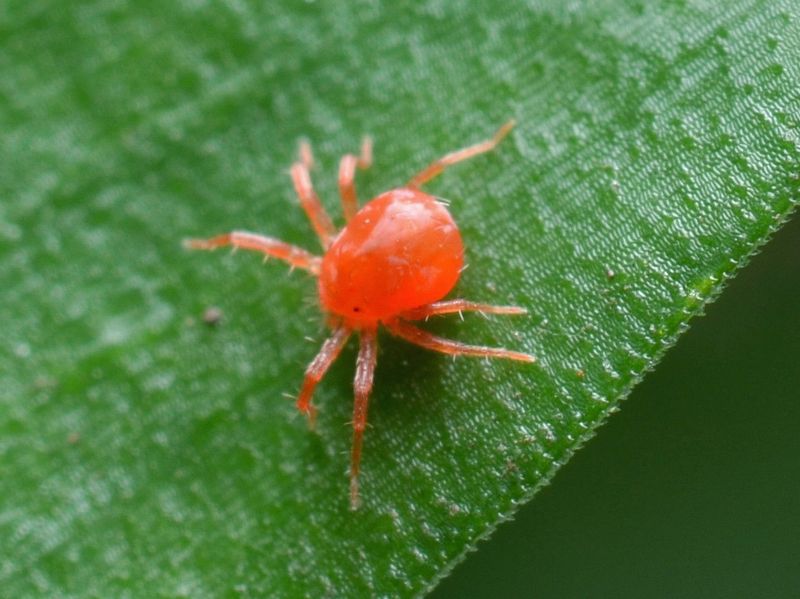
Grass serves as the primary food source for clover mites, particularly well-maintained lawns with thick, healthy blades. They use their piercing mouthparts to extract juices from grass and plant tissue.
Clover, as their name suggests, is among their favorite foods, but they’re not picky eaters.
Moss and algae growing on walls, sidewalks, and foundations provide additional nutrition. In New Mexico’s drier regions, these organisms grow wherever moisture accumulates.
Clover mites scrape these surfaces to feed on microscopic plant matter.
Ornamental plants, flowers, and garden vegetables can also attract these bugs. They particularly enjoy succulent new growth in spring.
While they rarely cause significant damage to plants, heavy infestations can stress vegetation.
Pollen that settles on outdoor surfaces becomes an unexpected food source. During blooming seasons across New Mexico, pollen accumulates on patios, cars, and walls.
Clover mites feed on this protein-rich material.
Tree bark, especially on younger trees, can host these tiny arachnids. They consume lichens and fungi growing on bark surfaces.
This diverse diet allows them to survive in various environments throughout the state, from urban Albuquerque neighborhoods to rural areas near Farmington.
Clover mites feed by piercing plant tissue and sipping out tiny amounts of fluid, which is why lawns can look perfectly healthy even when mites are present in big numbers nearby.
They prefer fresh, soft growth because it provides easier access to nutrients than older, tougher blades, especially in yards that stay green from regular watering.
Thick grass, clover patches, and well-fed plant beds act like steady buffet zones, so mites can keep reproducing without having to travel far for food.
They also take advantage of microscopic plant material like algae, moss, and pollen that collect on outdoor surfaces, especially where sprinklers, shade, or morning moisture keep things slightly damp.
4. Why These Red Bugs Gather On Walls And Patios
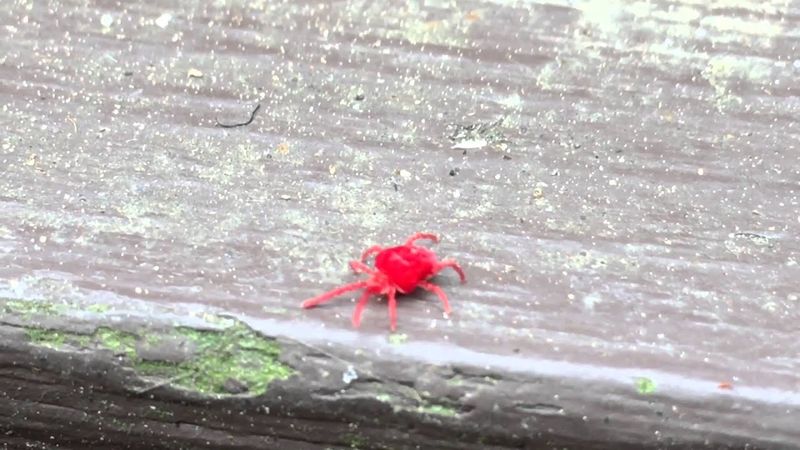
Heat absorption by building materials creates irresistible attraction points for clover mites. Concrete, stucco, and stone walls warm up significantly under New Mexico’s intense sun.
These surfaces maintain higher temperatures than surrounding areas, drawing cold-blooded arachnids seeking warmth.
Vertical surfaces offer protection from ground-dwelling predators. Birds, beetles, and other insects hunt for clover mites on lawns, but walls provide temporary safety.
The bugs instinctively move upward when threatened.
Patios accumulate organic debris like pollen, plant material, and algae that serve as food. Moisture from sprinkler systems or morning dew creates perfect conditions for algae growth.
In cities throughout New Mexico, from Las Cruces to Taos, these conditions are common.
Cracks and crevices in walls provide potential overwintering sites. As seasons change, clover mites search for protected spaces to lay eggs or wait out unfavorable conditions.
Building foundations offer numerous hiding spots.
South and west-facing walls receive maximum sunlight exposure. These orientations create the warmest microclimates around homes.
Clover mites congregate here in massive numbers, especially during cooler morning hours when they need to warm up before becoming active. The combination of food, warmth, and shelter makes these surfaces ideal gathering places.
Walls, patios, and foundations soak up heat during the day and hold onto it longer than grass, creating a warm “landing zone” that clover mites naturally drift toward when they need stable temperatures.
Hard surfaces also let them travel without pushing through dense blades or uneven soil, so large groups can spread quickly and form those noticeable clusters along edges and cracks.
Sunny sides of buildings attract them first because the warmth starts earlier there, and the heat radiating off stucco, concrete, and stone keeps them active even during cooler parts of the day.
5. The Weather Conditions That Trigger Clover Mite Surges
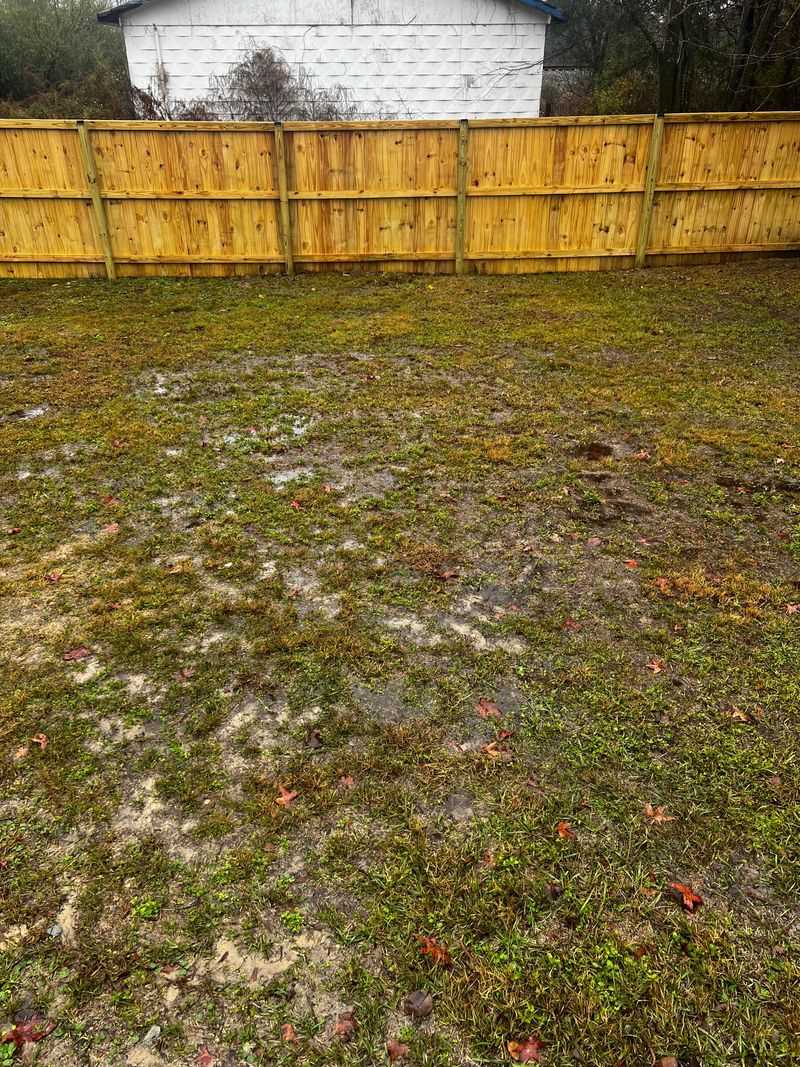
Moderate temperatures between 45 and 65 degrees Fahrenheit create optimal activity levels for clover mites. New Mexico experiences these temperature ranges primarily during spring and fall.
When thermometers hit this sweet spot, populations explode and become highly visible.
Rainfall followed by sunny days produces ideal breeding conditions. Moisture stimulates plant growth, providing abundant food, while sunshine creates warm surfaces for activity.
This combination frequently occurs during New Mexico’s spring months.
Sudden temperature drops drive clover mites toward buildings. When overnight temperatures plunge, they seek the residual warmth stored in walls and foundations.
Albuquerque residents often notice increased activity after cold fronts pass through.
Extended dry periods can actually trigger migrations. When lawns brown and food sources diminish, clover mites move toward areas with irrigation or natural moisture.
Gardens and landscaped areas become magnets.
Early morning dew creates favorable conditions for feeding and movement. As moisture evaporates under the morning sun, clover mites become active.
Across New Mexico, from Silver City to Carlsbad, homeowners typically spot the largest concentrations during late morning hours. Winter warming trends can also bring dormant populations out prematurely, causing unexpected appearances even during colder months when activity should be minimal.
Sudden cold snaps can push them toward buildings for leftover warmth, while sudden heat can push them to relocate again, so the “outbreak” timing depends heavily on quick weather changes.
6. Are Clover Mites Harmful To People Or Pets
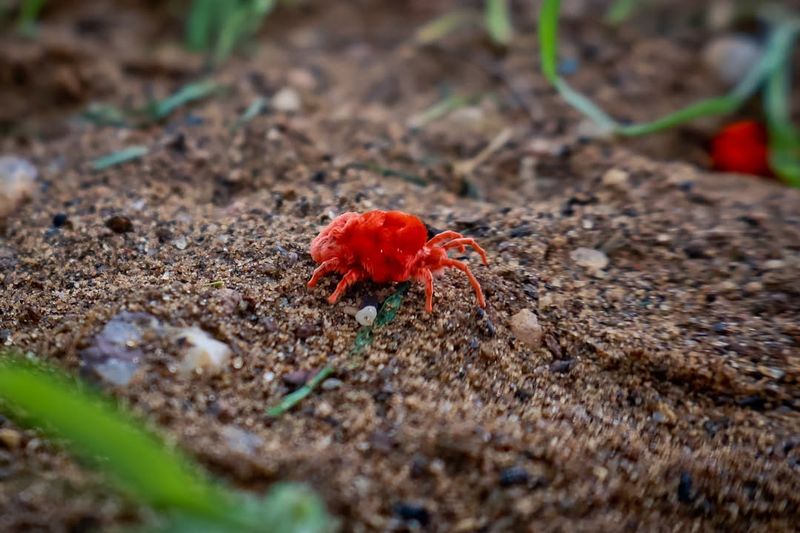
Complete harmlessness to humans sets clover mites apart from many other household pests. They lack the ability to bite because their mouthparts are designed solely for piercing plant tissue.
No cases of clover mite bites have ever been documented anywhere, including throughout New Mexico.
Pets can safely coexist with clover mites without any health concerns. Dogs and cats show no interest in these tiny arachnids, and accidental ingestion causes no problems.
The bugs simply don’t register as food or threats to animals.
Allergic reactions to clover mites are extremely rare. Unlike dust mites or other common allergens, clover mites don’t produce substances that trigger respiratory issues.
Families in Santa Fe and other New Mexico communities can rest easy about indoor air quality.
The main concern involves cosmetic damage rather than health risks. When crushed, clover mites leave red stains on fabrics, walls, and floors.
This pigment can be difficult to remove from porous surfaces.
Large indoor infestations create more annoyance than danger. Seeing hundreds of tiny red bugs crawling across windowsills or floors disturbs many people psychologically.
However, they don’t damage structures, contaminate food, or spread diseases. New Mexico homeowners dealing with clover mites face a nuisance problem rather than a health emergency, making management more about comfort than safety.
The biggest issue is the mess factor, since crushing them can leave a red smear on walls, curtains, or floors that looks dramatic even though it’s only pigment.
7. Why Clover Mites Keep Returning Each Season
Egg survival through extreme conditions ensures clover mite populations persist year after year. Females deposit eggs in protected locations around foundations, under bark, and in soil cracks.
These eggs withstand New Mexico’s hot summers and cold winters without issue.
Multiple generations per year compound population growth. Under favorable conditions, clover mites can complete their life cycle in about a month.
Spring and fall provide two major activity periods, each potentially producing several overlapping generations.
Landscape features around homes create permanent habitat. As long as grass, plants, and moisture remain available, clover mites have everything needed for survival.
Removing them permanently would require eliminating all vegetation, which isn’t practical.
Migration patterns are instinctive and predictable. Each spring and fall, new generations follow the same behavioral patterns as their predecessors.
They move toward buildings when temperatures and populations reach certain thresholds.
Neighboring properties serve as source populations. Even if one homeowner in Las Cruces or Farmington manages clover mites effectively, bugs from adjacent yards will migrate over.
This continuous pressure from surrounding areas makes complete elimination nearly impossible. The combination of biological resilience, favorable habitat, and constant recolonization from nearby areas means New Mexico residents can expect seasonal clover mite appearances as a regular occurrence rather than a one-time event.
8. How To Tell Clover Mites Apart From Other Red Bugs
Size comparison provides the easiest identification method. Clover mites measure less than 1/30th of an inch, making them barely visible to the naked eye.
Chiggers, often confused with clover mites, are even smaller and typically found on skin rather than surfaces.
Movement patterns differ significantly between species. Clover mites crawl slowly and deliberately across surfaces.
Red spider mites, common garden pests, move more quickly and produce webbing. Across New Mexico gardens, this distinction helps identify which pest you’re dealing with.
Body shape under magnification reveals key differences. Clover mites have oval bodies with eight legs, including the distinctive long front pair that resembles antennae.
Bed bugs, sometimes mistaken for clover mites, have six legs and a more flattened appearance.
Habitat preferences separate clover mites from similar species. They congregate on exterior walls and sunny surfaces rather than hiding in cracks or attacking plants directly.
Red velvet mites, larger cousins found in New Mexico, prefer soil and leaf litter.
Seasonal appearance patterns are diagnostic. Clover mites peak during spring and fall, while other red bugs may be active year-round.
The characteristic red stain they leave when crushed is another identifying feature. Observing these traits helps Albuquerque and Roswell residents accurately identify clover mites versus other red-colored arthropods that might appear around homes.