Why Collards Are Worth Seeding In August For A Longer Michigan Fall Harvest
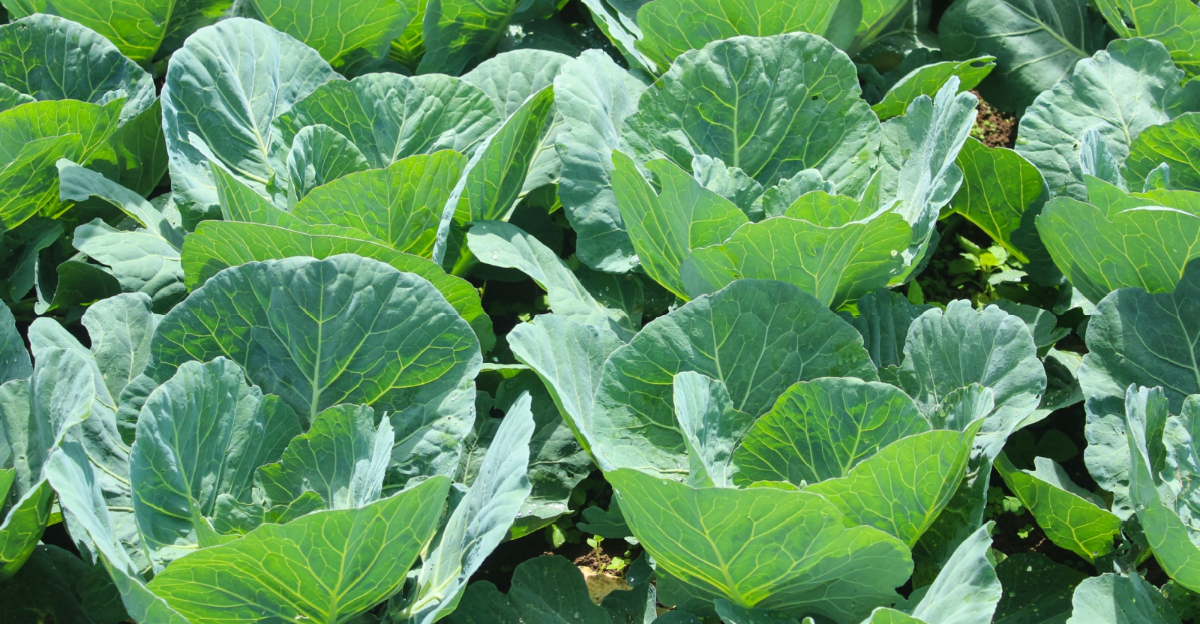
Nobody expects a vegetable to crave cold weather. You already know summer crops fade fast in Michigan. Most gardeners abandon their beds long before collards peak.
Michigan summers trick you into thinking the season is over. August gives you a hidden growing season most people miss. Cool nights unlock flavor your summer crops never reach.
Waiting through frost actually improves the taste you get. Your tomatoes wither while your collards keep pushing forward. Timing decides whether you harvest greens deep into November.
Roots need real time underground before frost arrives. Winters move fast, but you can stay ahead of them. Seeds you plant late routinely outperform seeds planted early.
Flavor sharpens as temperatures drop, turning bitterness into sweetness for you. Nothing about this crop follows your ordinary garden logic.
Every choice you make now shapes your November harvest. Once you understand why collards thrive in cold, stopping here becomes impossible.
1. Collards Tolerate Frost Well
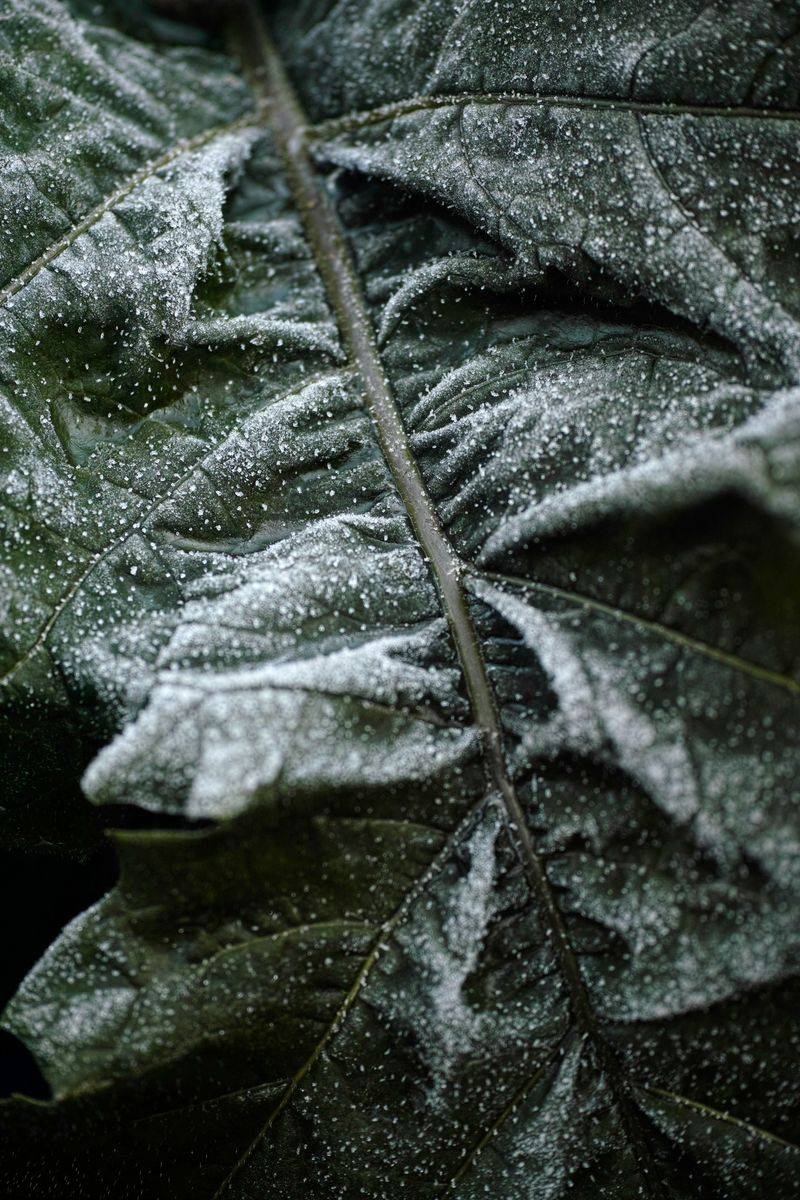
Frost shows up uninvited every fall, but collards do not flinch. These leafy greens have a natural cold-hardiness that makes them stand out from most garden vegetables.
While peppers and squash decline quickly in cold weather at the first chill, collards just keep growing. Their leaf structure helps them tolerate freezing temperatures better than many other vegetables.
Mature collard plants can typically tolerate temperatures down to around 20 degrees Fahrenheit, especially after gradual cold hardening. That kind of toughness is rare in the vegetable world.
Gardeners who seed collards in August set themselves up for a harvest window that stretches well past the first frost. Many Michigan gardeners see much of their garden decline by mid-October.
The secret is in the plant’s cellular structure. When temperatures drop, collard cells gradually adjust their water content to resist ice crystal formation, a process that develops over time rather than overnight.
This cold tolerance means you spend less time worrying about weather forecasts. You can leave collards in the ground and harvest them on your own schedule. That flexibility alone makes August seeding worth every bit of effort.
A longer Michigan fall harvest starts with choosing plants built for the season. Collards continue to grow well in cold conditions. Plant them in August to take advantage of the season
2. Cold Weather Sweetens The Leaves
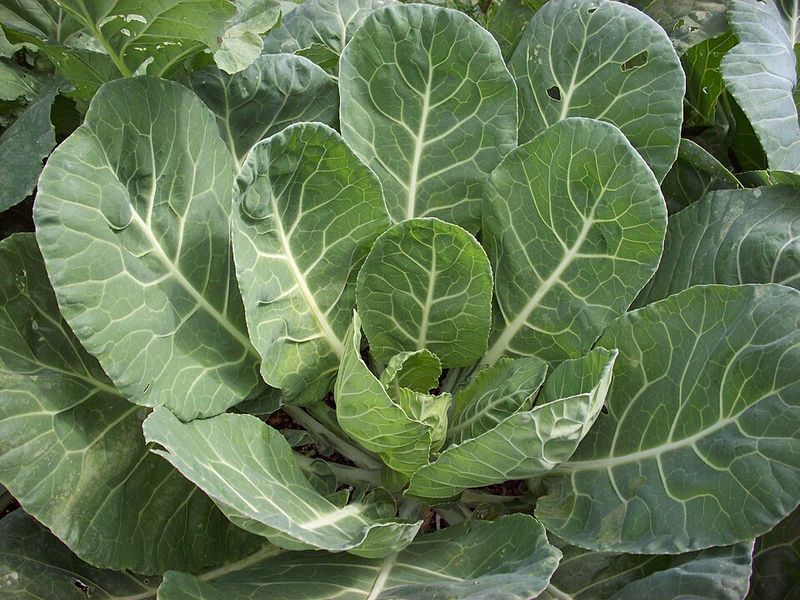
Here is something that surprises most new gardeners: cold makes collards taste better. It sounds backward, but a light frost actually triggers a flavor transformation inside the leaf.
The result is a sweeter, more tender green that tastes nothing like its summer self. As temperatures drop into the cooler range of fall, collard plants gradually convert stored starches into sugars.
This process is the plant’s natural response to cold stress. For the gardener, it means flavor improvement with little extra effort.
Chefs who cook Southern-style greens have known this trick for generations. They often wait for the first frost before harvesting their best collards.
Now Michigan home gardeners can use the same timing to their advantage. Seeding in August means your plants reach full maturity right as fall temperatures begin to drop.
Your Michigan Garden Changes Every Week. Your Plan Should Too.
Gardening in Michigan changes quickly throughout the season. Every Friday you’ll receive a simple weekly plan showing exactly what to plant, prune, fertilize, harvest, and protect so you never miss the right timing.
The timing lines up almost perfectly with Michigan’s cooling October nights. Your harvest window and the flavor peak arrive at the same moment.
Bitter, tough collard leaves are often the result of summer heat and drought stress. Cool fall weather removes those stress factors and lets the plant settle into smooth, rich flavor.
The difference between a summer leaf and a frost-kissed leaf is genuinely striking. A longer Michigan fall harvest is not just about quantity. It is about quality too.
Cold-sweetened collards can change the mind of anyone who thought they disliked greens. Give frost a chance to finish what August planting started.
3. August Soil Warms Fast Germination
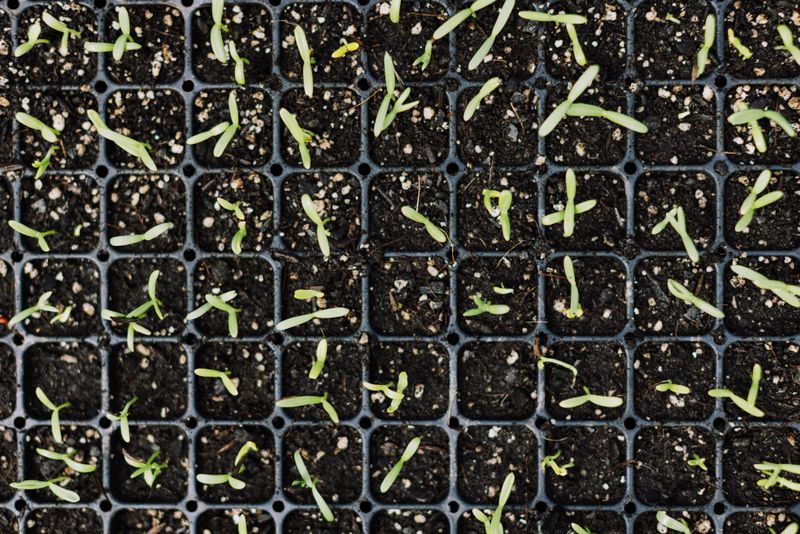
August soil retains heat from summer. That warmth is exactly what collard seeds need to sprout quickly and establish strong roots.
Planting in August takes advantage of soil temperatures that are still ideal for fast, reliable germination.
Collard seeds germinate best when soil sits between 65 and 85 degrees Fahrenheit. August ground in Michigan hits that sweet spot almost every single day. Seeds can sprout in as few as five to seven days under those conditions.
Compare that to a spring planting when soil is still cold and wet from snowmelt. Spring seeds often sit for two weeks or longer before showing any signs of life. August planting simply gets things moving faster.
Faster germination means stronger seedlings with more time to grow before cold weather arrives. A plant that sprouts in early August typically has several weeks of warm growing time ahead, though this varies by region within Michigan.
That head start helps plants mature before the first frost arrives, which varies by region across Michigan.
Roots that anchor early give the plant better access to water and nutrients throughout the season. A well-rooted collard plant handles temperature swings with ease.
For a longer Michigan fall harvest of collards worth seeding in August, timing your sow date matters enormously.
Aim for the first two weeks of August for the best results. Warm soil is your silent partner in building a strong, productive fall garden.
4. Fewer Pests Bother Fall Plants
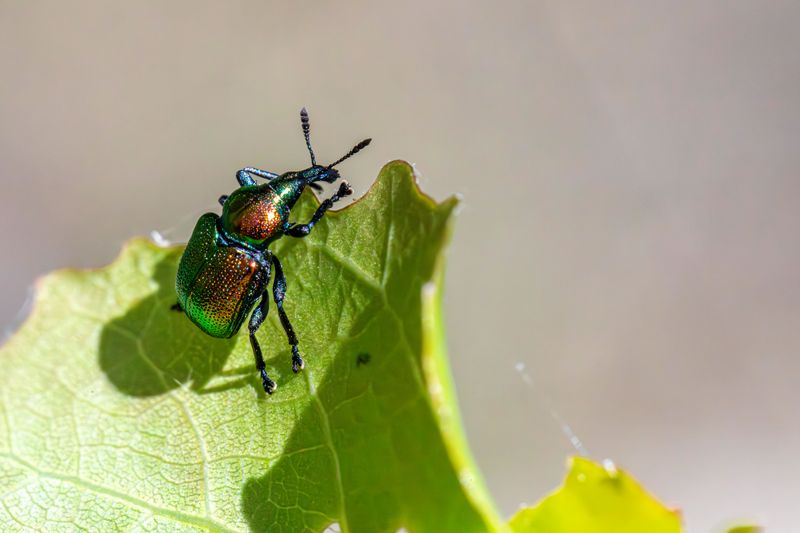
Summer gardens can feel like a full-time pest management job. Aphids, cabbage worms, flea beetles, they show up fast and multiply faster.
Seeding collards in August shifts your harvest into a season when most of those troublemakers have already moved on.
Many common garden pests follow the warmth of summer and begin to decline as August fades into September.
Their populations crash just as your fall collards are hitting their stride. That natural timing works entirely in your favor.
Cabbage loopers and imported cabbageworms are among the biggest threats to brassica crops.
By late September in Michigan, these caterpillars are far less active than they were in June. Your fall collard leaves stay cleaner with far less intervention needed.
Flea beetles, which riddle young leaves with tiny holes, also slow down dramatically in cooler conditions.
A plant that might have been shredded in July can grow untouched in October. The same crop, a very different experience.
Fewer pests means less time spraying, checking, and worrying. It also means less damage to leaves, which translates directly to better harvests. Your effort goes into picking greens, not protecting them.
Organic gardeners especially benefit from fall planting, which naturally avoids this issue. Cooler weather becomes their best tool without any extra cost.
A longer Michigan fall harvest of collards is also a calmer, more enjoyable one when pests are no longer running the show.
5. Cool Temps Prevent Early Bolting
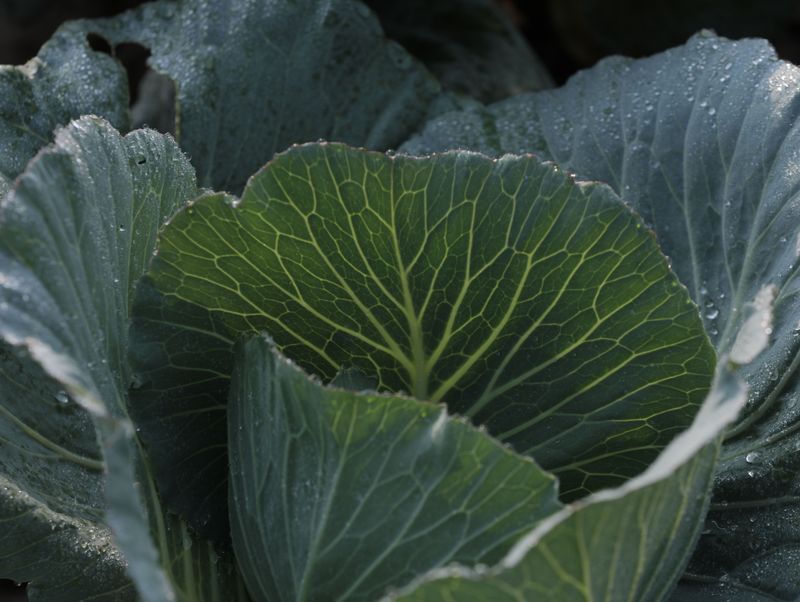
Bolting is a common concern for leafy green gardeners. When a plant bolts, it shifts all its energy from leaf production into making flowers and seeds. The leaves turn bitter, tough, and nearly inedible almost overnight.
Heat is the main trigger for bolting in most brassica crops, including collards. Summer temperatures push plants into reproductive mode faster than you might expect. August-seeded plants avoid the worst of that heat stress right from the start.
By the time fall-planted collards reach full size, daytime temperatures are already dropping into the 50s and 60s.
Those cool conditions tell the plant to keep producing leaves instead of rushing toward seed. The result is a longer, more productive harvest with consistent leaf quality.
Spring-planted collards often bolt by late June or early July when heat spikes. Gardeners end up with a short window before the whole crop turns. Fall planting flips that script completely.
Collards seeded in August spend their entire productive life in the cool part of the year. They never face the kind of sustained heat that causes spring crops to bolt prematurely.
Every week of growth produces leaves worth picking. For anyone chasing a longer Michigan fall harvest, preventing early bolting is non-negotiable. Collards worth seeding in August stay in leaf-production mode for months.
Cool temperatures are not just comfortable for the gardener. They are essential for keeping the crop at its best.
6. Michigan’s Short Days Suit Them
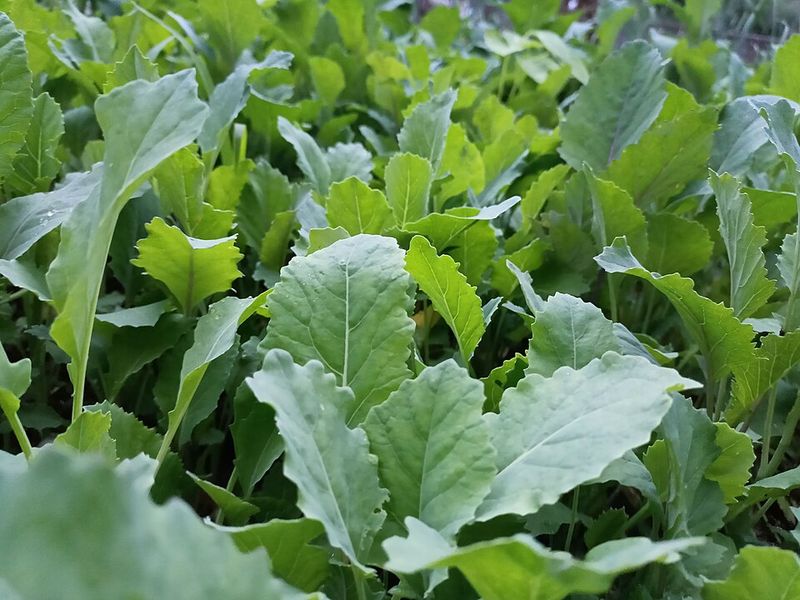
As summer fades, Michigan days get noticeably shorter. Light drops off fast once September arrives, and some crops struggle to perform without long hours of sunshine.
Collards, however, are perfectly matched to shorter autumn days. Collards are classified as a cool-season crop that does not require long days to produce well.
Unlike tomatoes or peppers that need maximum sun exposure, collards are content with less. They produce broad, healthy leaves even as daylight hours shrink significantly.
Michigan’s fall light quality also changes in a way that benefits leafy greens. The angle of the sun drops lower in the sky, reducing intense midday heat.
That gentler light keeps soil cooler and slows moisture loss from leaves. Shorter days also signal the plant to put more energy into leaf mass rather than reproduction.
This is the opposite of what happens during long summer days when bolting risk climbs. Fall’s natural rhythm actually encourages the plant behavior you want most.
Gardeners in the Upper Midwest often overlook how well fall conditions match certain crops.
Collards are thought to have descended from wild cabbage varieties native to coastal European regions with mild, moderate seasons. Michigan’s autumn feels closer to their natural preference than July ever could.
Seeding collards in August means the plants mature right as Michigan’s shorter days begin. The seasonal shift works with the crop, not against it.
A longer fall harvest becomes easier when the environment is already doing half the work for you.
7. Harvesting Continues After Frost
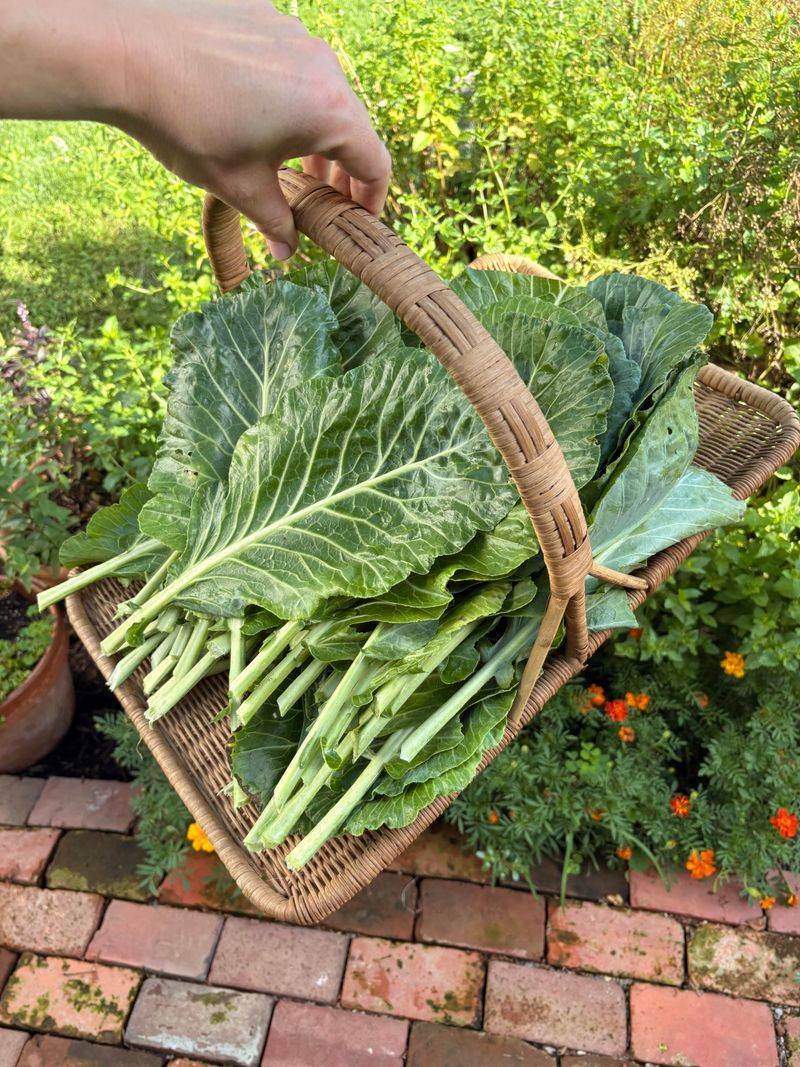
Most gardeners assume that frost ends the harvest season. Pull the plants, clean up the beds, and wait for spring, that is the usual routine.
Collards completely rewrite that expectation. A light frost does not harm mature collard leaves. It actually improves them, as mentioned earlier.
But beyond flavor, frost-tolerant collards keep standing tall and ready to pick long after other crops have collapsed. The harvest does not stop; it simply continues under cooler conditions.
Michigan gardeners who seed in August can expect to pick collard leaves well into November.
Some years, with a little protection like row cover or cold frames, harvest stretches into December. That kind of extended productivity is almost unheard of in a northern garden.
The ability to harvest after frost is especially valuable for families who cook greens regularly. Fresh leaves from the garden in November taste far better than anything from a grocery store bag.
The gap between garden-fresh and store-bought is never more obvious than in late fall. Harvesting post-frost also gives you flexibility. You do not need to rush out and pick everything before a predicted freeze.
Collards handle the cold and wait patiently for you to come back. A longer Michigan fall harvest built around collards worth seeding in August keeps your garden working harder for you.
Frost does not end the harvest; it changes it. Collards can extend your harvest season significantly.
8. Cutting Lets Leaves Regrow
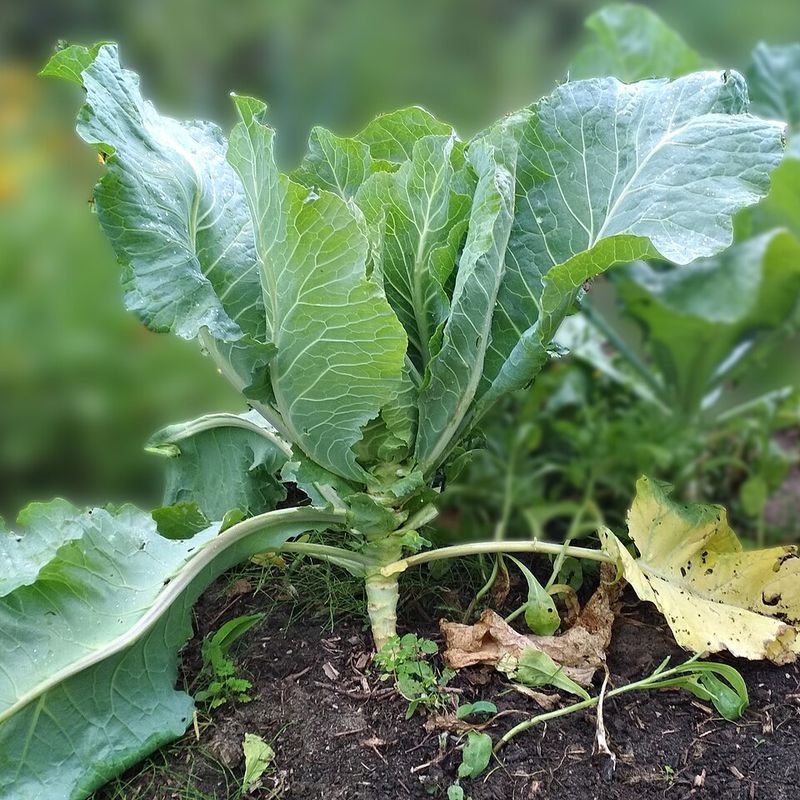
One of the most satisfying things about growing collards is how they respond to cutting. Harvest a few outer leaves, and the plant does not slow down.
It pushes out new growth from the center. This cut-and-come-again habit makes collards one of the most productive crops per square foot in any fall garden.
The regrowth cycle means a single plant can feed your kitchen multiple times throughout the season. You are not waiting for one big harvest moment like you would with cabbage or broccoli.
Collards keep giving as long as conditions stay favorable. Proper cutting technique makes a real difference in regrowth speed.
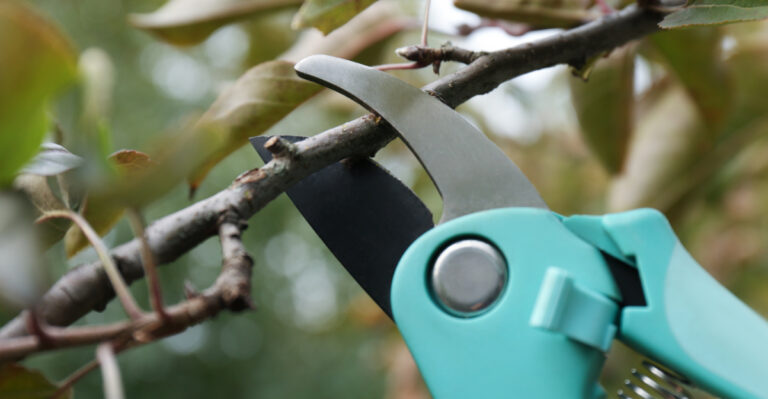
Always remove outer leaves first and leave the inner growing point intact. Cut the stem cleanly a short distance from the main stalk to encourage fast recovery.
Plants that are cut regularly often produce more total leaf mass than those left untouched. The act of harvesting stimulates new growth in a way that benefits the gardener directly.
It is a rewarding cycle that rewards attentive gardeners. In Michigan, where fall days are numbered, this regrowth habit is especially valuable. Every new flush of leaves extends your harvest window without any additional planting.
One August sowing can feed you from September through November with consistent cutting.
Collards worth seeding in August for a longer Michigan fall harvest keep delivering through smart cutting habits. The more you pick, the more they grow. Let your harvest be the signal that starts the next round of growth.