Why Colorado Gardeners Are Noticing More Split Bark On Trees This Winter
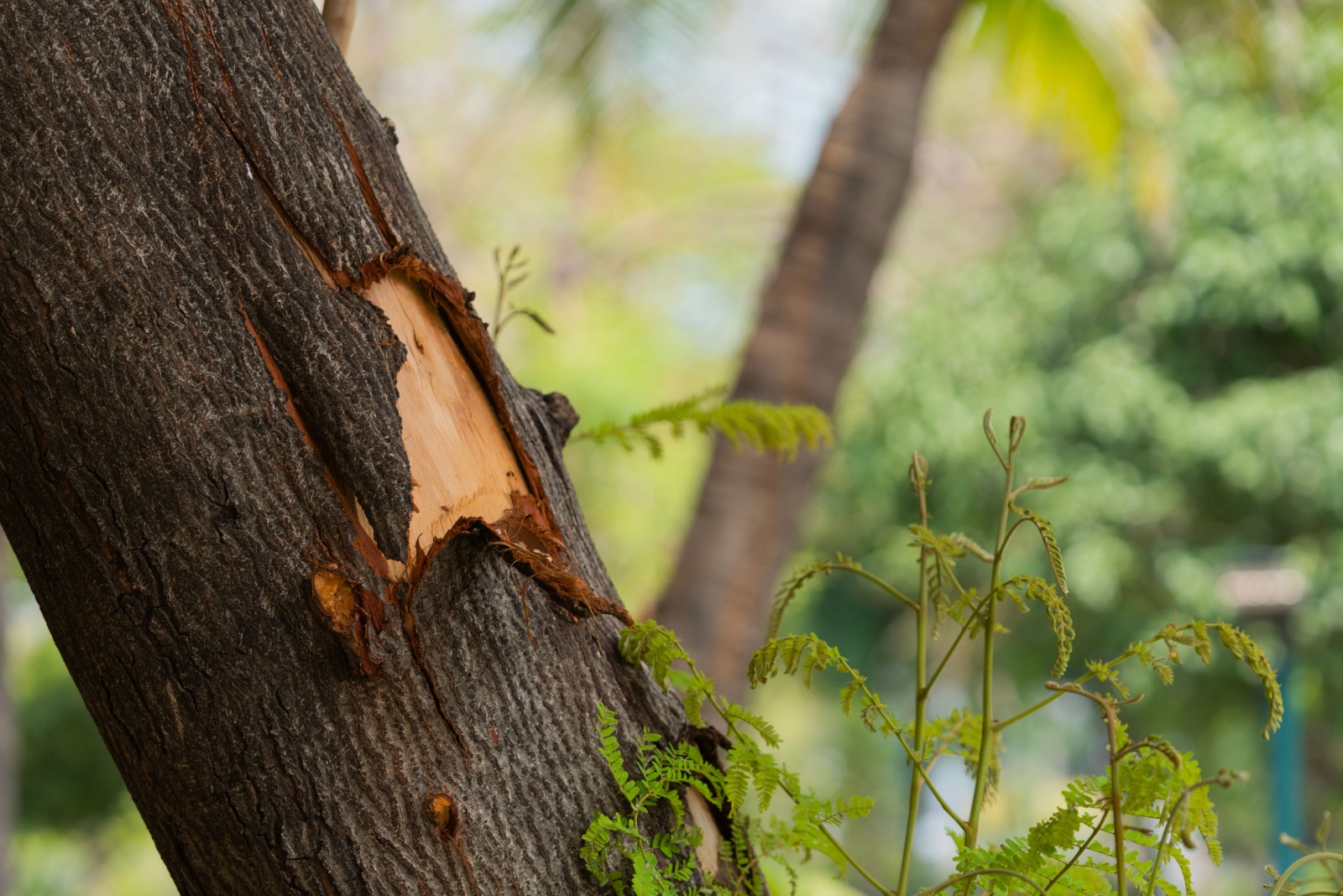
Colorado winters pull no punches, and trees feel every swing.
One day brings bright sun, the next drops temperatures like a trapdoor.
Bark expands, contracts, and sometimes gives way with a sharp crack.
Gardeners now spot fresh splits on trunks and limbs that looked fine a week earlier.
The sight sparks worry, yet the cause ties back to weather whiplash, dry soil, and long sun exposure.
Young trees and thin bark varieties face the toughest odds.
Learn which signs call for action and which heal on their own.
With the right care, trees rebound and grow stronger.
Winter may deal a hard hand, but informed gardeners still play to win and protect their landscapes through the cold.
Sudden Temperature Swings Stress Tree Bark
Colorado weather changes faster than almost anywhere else in the country.
One day brings warm sunshine, and the next drops temperatures by forty degrees or more.
Trees cannot adjust quickly enough to these rapid shifts in heat and cold.
Bark expands when warmed by the sun and contracts when freezing air returns.
This constant expansion and contraction creates stress within the outer layers of the trunk.
Imagine bending a plastic ruler back and forth repeatedly until it finally snaps.
Tree bark experiences similar stress patterns during unpredictable winter weather.
The outer bark acts as protective armor but has limited flexibility.
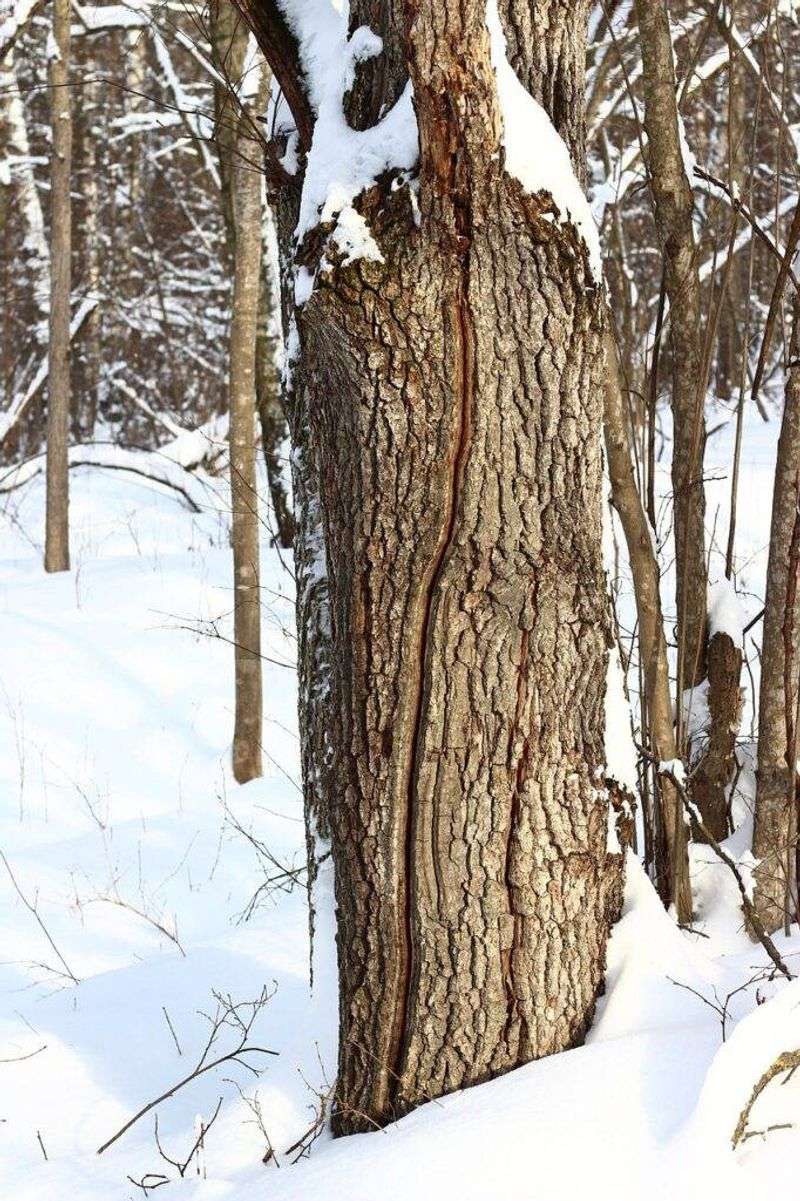
When stress becomes too great, vertical cracks form along the trunk.
Gardeners notice these splits most often after particularly wild temperature swings.
Older trees with thicker bark handle stress better than younger specimens.
However, even mature trees show damage when conditions become extreme.
Monitoring local weather forecasts helps gardeners anticipate potential problems.
Protective measures work best when applied before temperature drops arrive.
Freeze–Thaw Cycles Cause Internal Wood Expansion
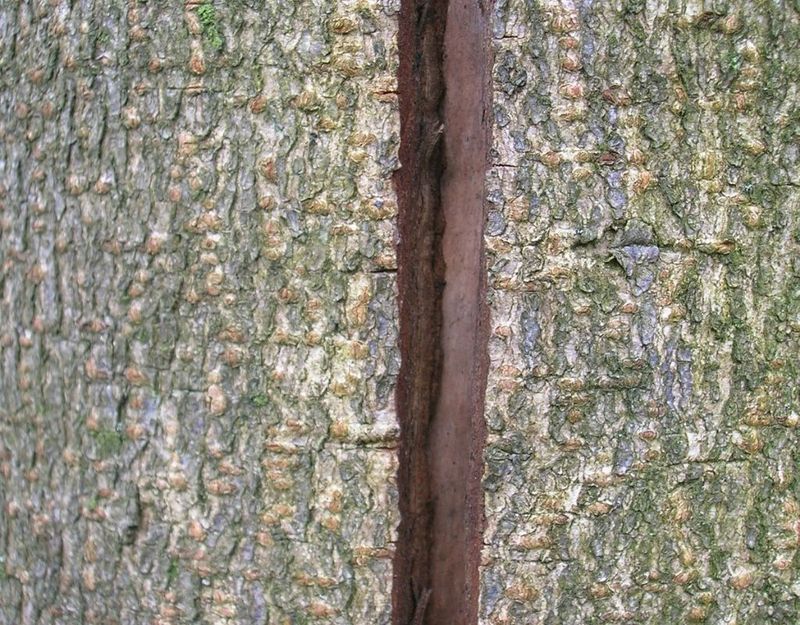
Water lives inside every tree, moving through tiny channels within the wood.
During Colorado winters, this moisture freezes when temperatures plummet overnight.
Frozen water expands with surprising force, taking up more space than liquid water.
This expansion pushes outward against the wood fibers and bark from the inside.
When morning sun warms the trunk, ice melts back into liquid form.
The wood contracts again as water returns to its normal volume.
This freeze-thaw pattern repeats night after night throughout the winter season.
Each cycle weakens the structural integrity of the bark and underlying wood.
Eventually, the pressure becomes too much for the bark to contain.
Long vertical splits appear suddenly, sometimes with loud cracking sounds.
Gardeners often discover fresh splits on cold mornings after clear, sunny days.
The damage resembles what happens when water freezes inside a glass bottle.
Trees with higher moisture content face greater risk during freeze-thaw cycles.
Proper watering during fall helps trees enter winter with balanced moisture levels.
South- And West-Facing Trunks Are Most Vulnerable
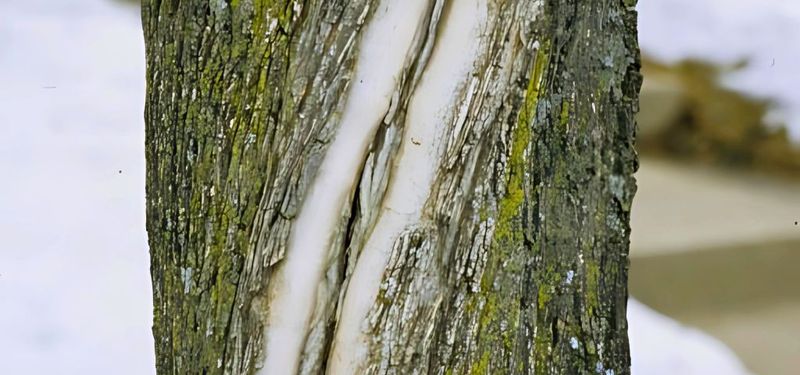
Afternoon sun hits the south and west sides of tree trunks with intense warmth.
Even during winter, direct sunlight raises bark temperatures considerably.
The sunny side of a trunk can reach sixty or seventy degrees Fahrenheit.
Meanwhile, the shaded side remains near freezing or below.
This creates a dramatic temperature difference around the same tree trunk.
Bark on the warm side expands while the cold side stays contracted.
The opposing forces create tension that tears the bark apart.
When the sun sets, temperatures drop rapidly across the entire trunk.
The previously warm side cools and contracts faster than it can handle safely.
Most bark splits appear on south-facing and west-facing trunk surfaces for this reason.
Gardeners notice the pattern once they start checking their damaged trees carefully.
Dark-colored bark absorbs more heat than light-colored varieties.
This absorption intensifies the temperature differences and increases splitting risk.
Wrapping vulnerable trunks with light-colored materials reflects excess sunlight effectively.
Young And Thin-Barked Trees Split More Easily
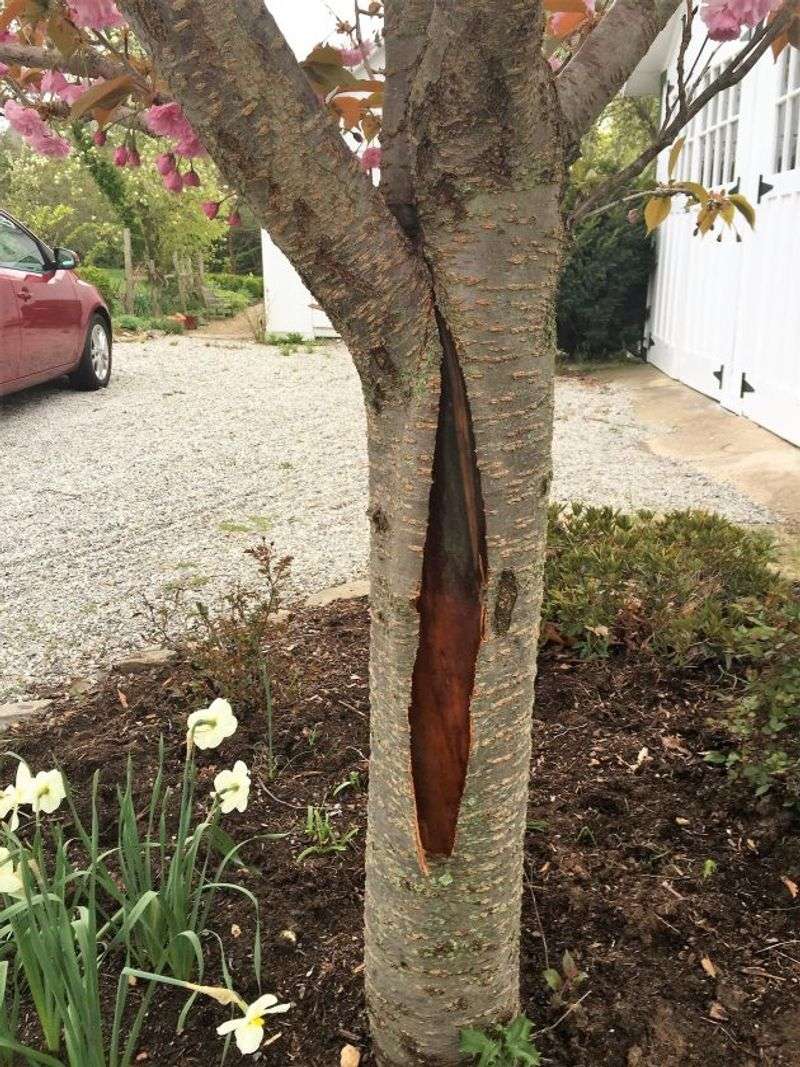
Mature trees develop thick, rugged bark that provides excellent insulation.
Young trees have smooth, thin bark that offers far less protection from temperature extremes.
This delicate outer layer cannot buffer the wood from rapid temperature changes.
Saplings and recently planted trees face the highest risk of winter bark damage.
Species like maple, ash, apple, and cherry naturally have thinner bark when young.
Their smooth trunks look beautiful but lack the armor of older specimens.
Temperature changes affect the inner wood almost immediately through thin bark.
The wood expands and contracts more dramatically without adequate insulation.
Splits form easily because the bark has less structural strength overall.
Gardeners should pay special attention to trees planted within the last five years.
These vulnerable specimens need extra protection during their establishment period.
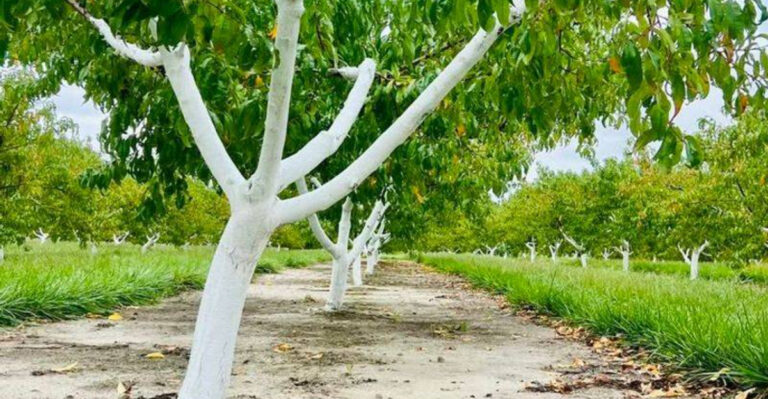
Tree wraps, guards, and whitewash paint help shield thin bark from harsh conditions.
As trees age and bark thickens, their natural resistance to splitting improves dramatically.
Patience and proper care help young trees survive until they develop protective maturity.
Dry Winter Conditions Weaken Tree Tissue
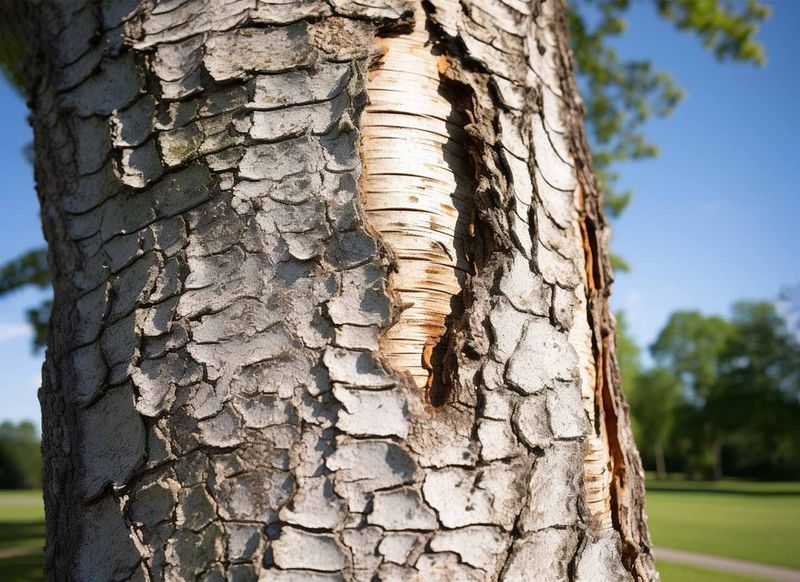
Colorado receives minimal precipitation during many winter months.
Strong winds sweep across the landscape, pulling moisture from everything they touch.
Trees lose water through their bark even when temperatures stay below freezing.
Without adequate moisture, bark becomes brittle and loses its natural flexibility.
Dry tissue cracks more easily under stress than properly hydrated material.
Think about how dry leaves crumble while fresh leaves bend without breaking.
Tree bark behaves similarly when moisture levels drop too low.
The combination of low humidity and drying winds creates harsh conditions.
Trees cannot draw much water from frozen ground to replace what they lose.
This moisture deficit weakens the bark structure throughout the winter season.
When temperature stress adds to the existing dryness, splits form readily.
Gardeners who water their trees during warm winter spells provide crucial help.
A good soaking every few weeks keeps tissue hydrated and more resilient.
Mulch around the base helps retain soil moisture and protects root zones from freezing.
Snow Cover Can Create Uneven Trunk Temperatures
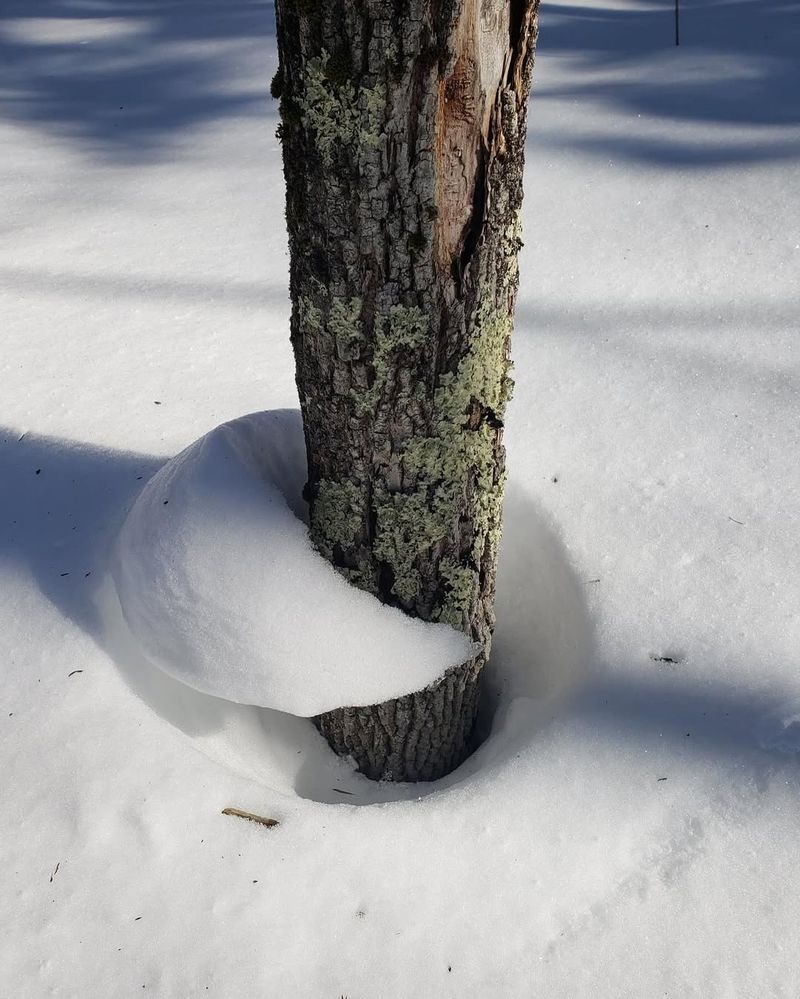
Heavy snowfall piles up around tree trunks, sometimes reaching several feet high.
Snow acts as excellent insulation, keeping the covered portion at moderate temperatures.
The trunk area beneath the snow stays near thirty-two degrees Fahrenheit.
Meanwhile, the exposed upper trunk faces full temperature extremes and direct sunlight.
This creates a sharp temperature boundary between the protected and exposed sections.
The transition zone experiences unusual stress as different trunk areas expand differently.
Splits often form right at the snow line where conditions change most dramatically.
As snow melts and refreezes, the boundary zone shifts up and down the trunk.
Each shift creates new stress points along the bark surface.
Gardeners notice damage patterns that seem to follow previous snow depths.
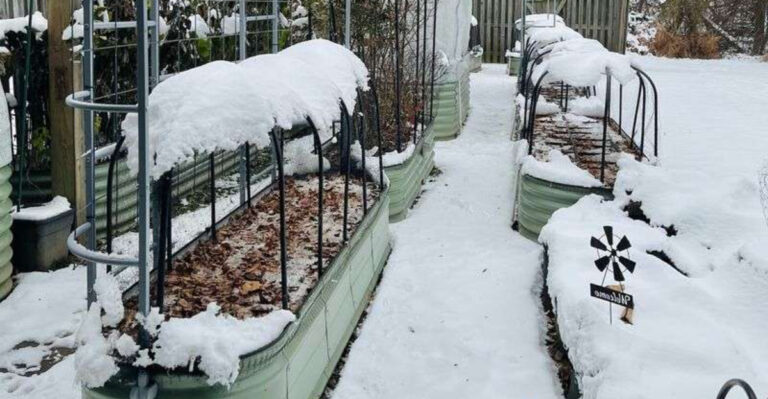
Shoveling snow away from trunks helps create more uniform temperature exposure.
However, complete snow removal can expose roots to dangerous freezing.
Finding the right balance requires attention to both trunk health and root protection.
Monitoring snow accumulation around valuable trees helps prevent unexpected splitting patterns.
Common Tree Species Prone to Winter Bark Splitting
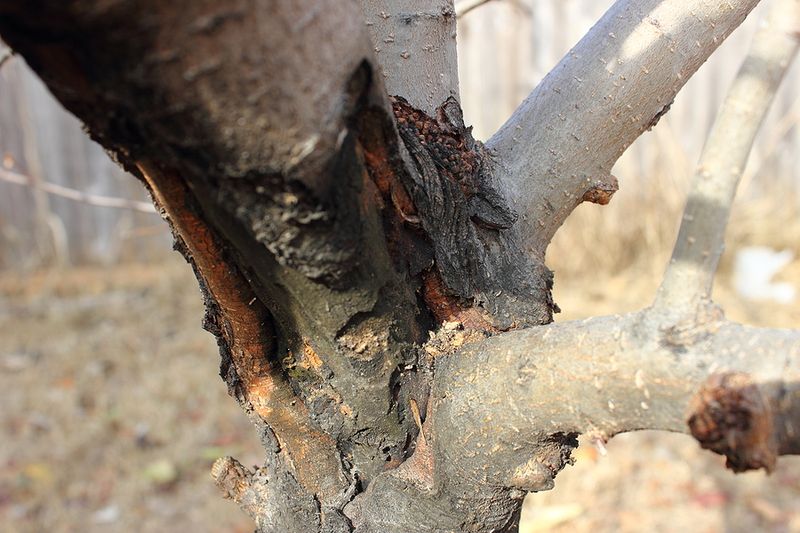
Certain tree species suffer from bark splitting far more often than others.
Maples rank among the most vulnerable, with their smooth bark and rapid growth patterns.
Norway maples, silver maples, and red maples all show frequent winter damage.
Fruit trees including apple, cherry, plum, and pear split easily during cold snaps.
Their thin bark offers little defense against Colorado’s harsh temperature swings.
Ash trees, particularly green ash planted throughout neighborhoods, commonly develop vertical cracks.
Linden trees with their tender bark also appear regularly on the splitting casualty list.
Willows, poplars, and cottonwoods face risks because of their high moisture content.
Conversely, oak trees with thick, corky bark rarely experience splitting problems.
Pines and spruces have natural defenses that protect them from temperature damage.
Gardeners should research their specific tree varieties before winter arrives.
Knowing which species need extra protection allows for targeted preventive care.
Choosing naturally resistant species for new plantings reduces future maintenance headaches.
Even vulnerable species thrive when given appropriate winter protection measures.
How Gardeners Can Prevent And Protect Trees From Damage
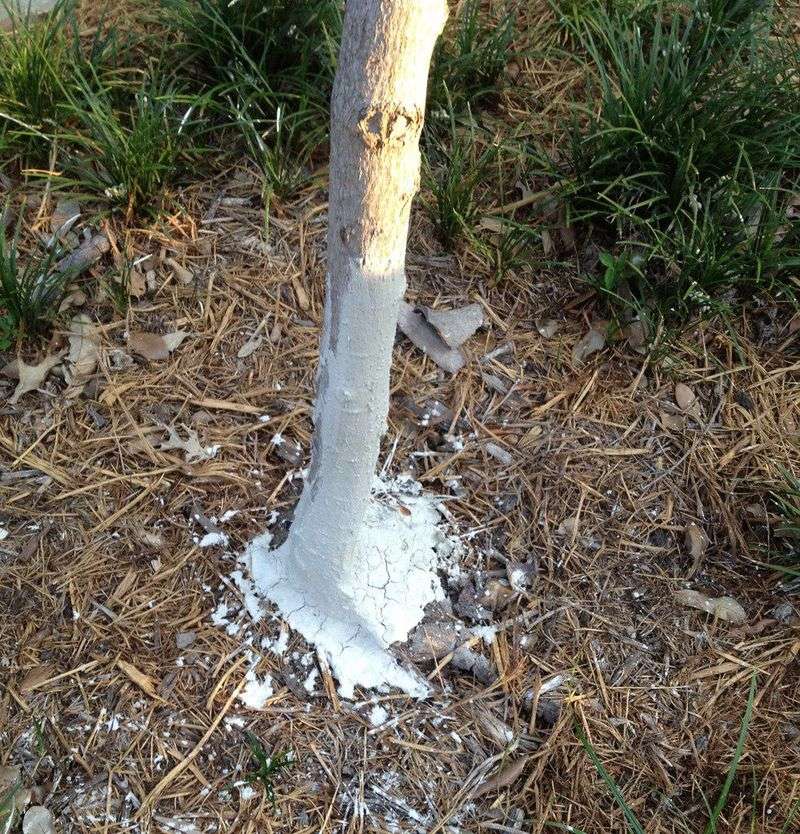
Prevention works far better than trying to repair split bark after damage occurs.
Tree wraps made from paper, burlap, or commercial materials provide excellent protection.
Apply wraps in late fall before temperatures begin their wild fluctuations.
Wrap from the base upward to the lowest branches, overlapping layers slightly.
Remove wraps in early spring to prevent moisture buildup and pest problems.
White latex paint diluted with water also reflects sunlight and moderates trunk temperatures.
Paint the south and west sides of vulnerable trunks for maximum benefit
Water trees thoroughly during warm spells when the ground thaws enough to absorb moisture.
Mulch rings around the base help maintain soil moisture and moderate ground temperatures.
Keep mulch several inches away from the trunk itself to prevent rot.
Avoid fertilizing in late summer, which encourages tender new growth before winter.
Prune damaged bark carefully, removing loose pieces without enlarging the wound.
Trees heal themselves over time when given proper care and protection.
Consistent attention to winter tree care prevents most splitting problems before they start.