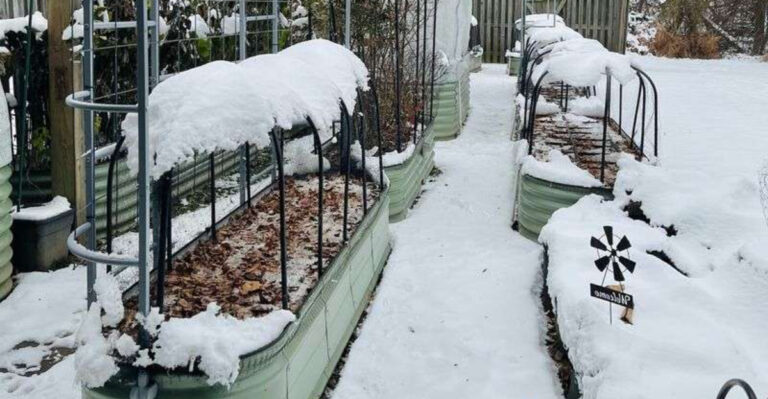
Why Colorado Residents Must Clear Brush Around Their Homes Before January
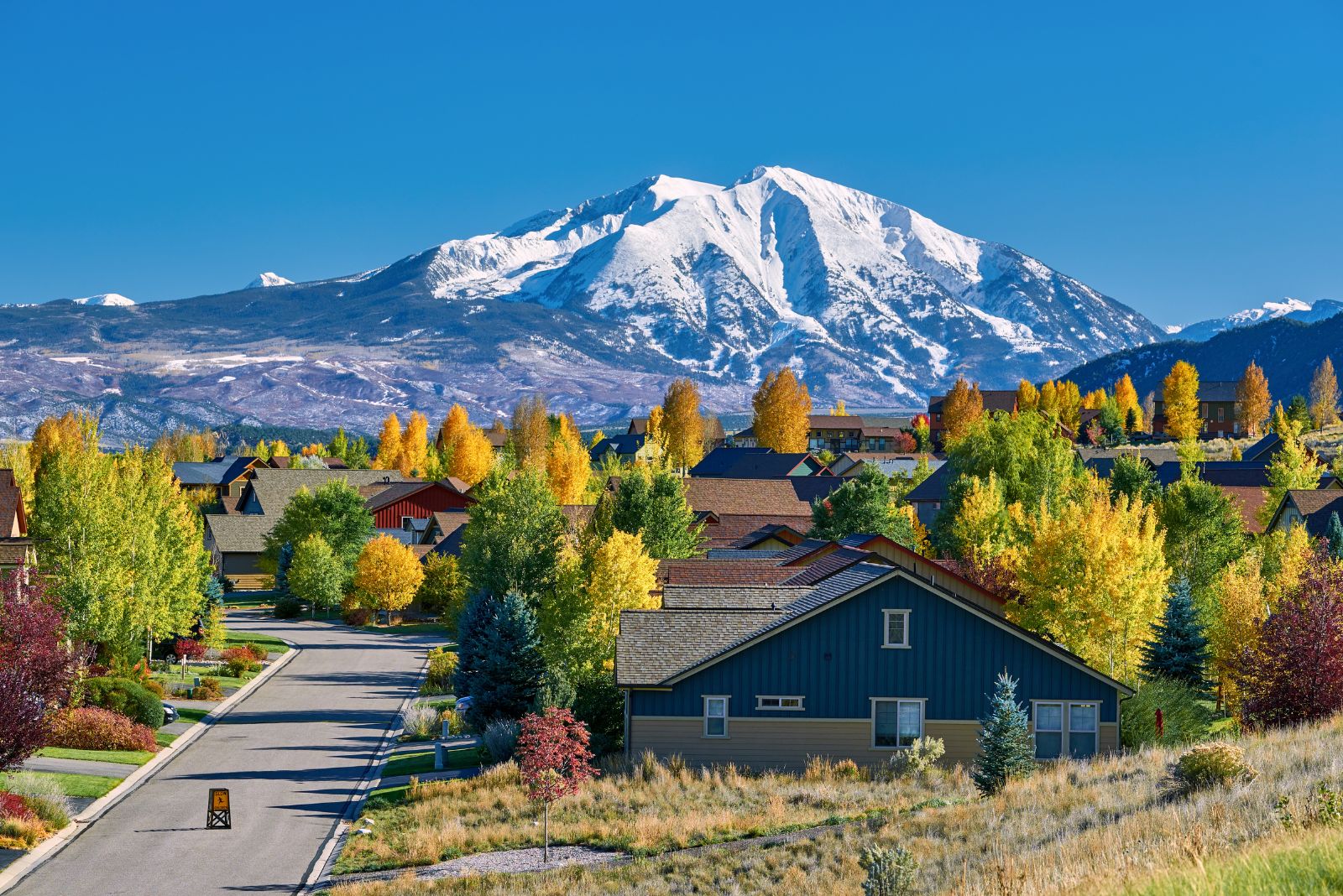
Colorado officials are urging homeowners to take brush clearing seriously this year — and they want it done before January arrives.
As winter sets in across the state, the threat of wildfire doesn’t disappear; in some regions, it actually becomes more unpredictable.
Dry vegetation, cold winds, and lingering drought conditions can create dangerous fire fuel right around residential properties.
Clearing brush early not only helps meet local wildfire-mitigation requirements, but also gives firefighters a critical buffer zone if a fire ever threatens a neighborhood.
Here’s why Colorado residents are being pushed to act now, what the deadline means, and how proper brush removal can make homes far safer through the winter season.
Wildfire Season Doesn’t Follow The Calendar
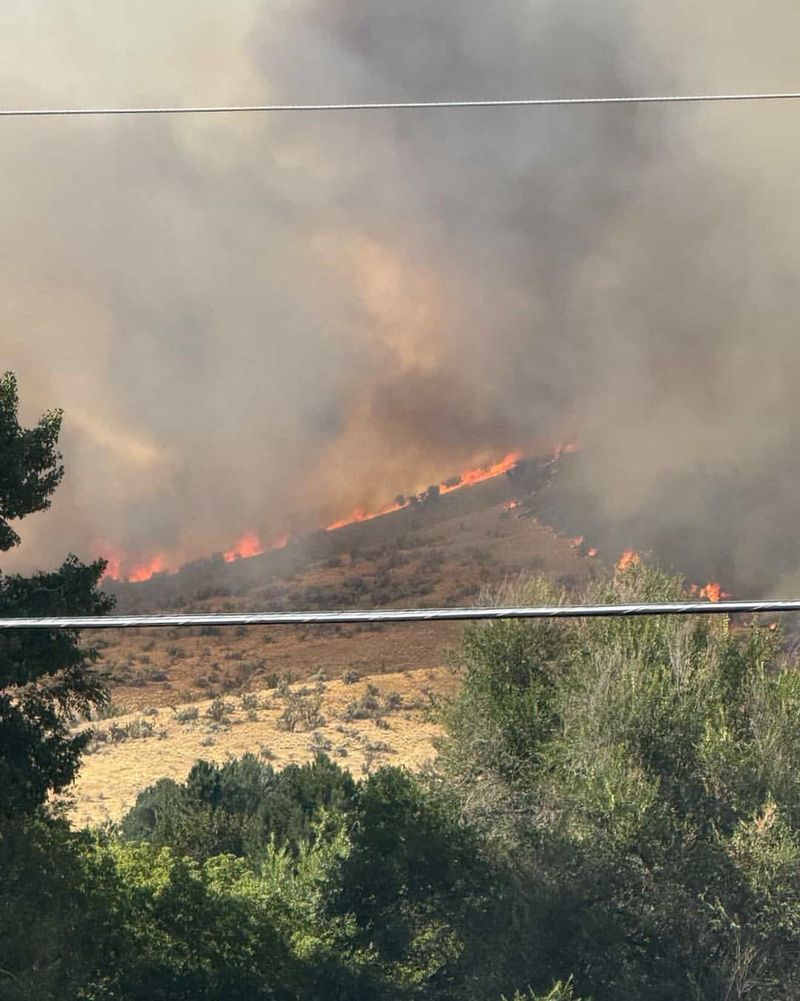
Many people assume wildfire danger disappears when temperatures drop, but Colorado’s fire season can strike at any time.
Warm winds and extended dry periods create perfect conditions for fires even in December and January.
Recent years have shown us that winter wildfires are becoming more common across the state.
The Marshall Fire in December 2021 destroyed over 1,000 homes and proved that cold weather offers no guarantee of safety.
Dry vegetation around your property acts like kindling, ready to ignite from a single spark.
When humidity levels plummet and winds pick up, fires can spread with terrifying speed through neighborhoods.
Clearing brush before January gives you a head start on protection before winter’s unpredictable weather arrives.
Your defensive space becomes especially important when emergency crews face challenging winter road conditions.
Taking action now means you won’t be scrambling during a crisis when every second counts.
Colorado’s unique climate demands year-round vigilance from homeowners who want to stay safe.
Insurance Companies Are Watching Your Property
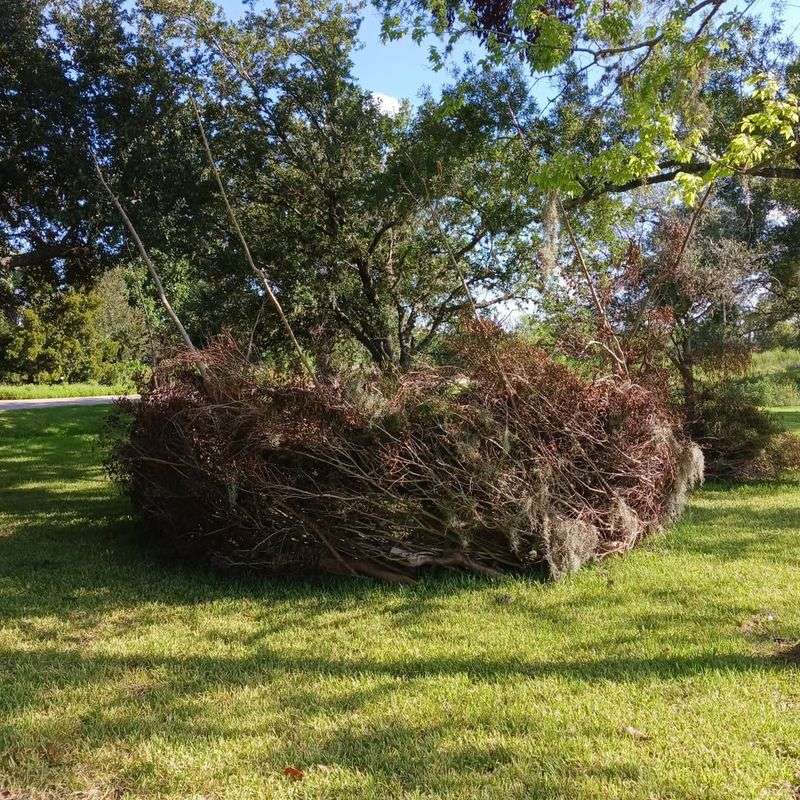
Your homeowner’s insurance policy likely includes specific requirements about defensible space and vegetation management.
Companies are increasingly using satellite imagery and aerial photography to assess wildfire risk at properties across Colorado.
Failing to maintain proper clearance could result in dropped coverage or dramatically increased premiums.
Some insurers now require annual inspections or photographic proof that you’ve created adequate defensible space.
The insurance industry has become much stricter following billions of dollars in wildfire-related claims.
Properties with overgrown brush and accumulated deceased vegetation are flagged as high-risk investments.
Creating proper clearance before January demonstrates responsible homeownership and helps maintain your coverage.
Documentation through photos showing your cleared property can protect you during policy reviews.
Insurance adjusters specifically look for combustible materials within 30 feet of structures during their assessments.
Losing your coverage because of neglected brush clearing could leave you financially devastated if disaster strikes.
Local Ordinances Carry Real Penalties
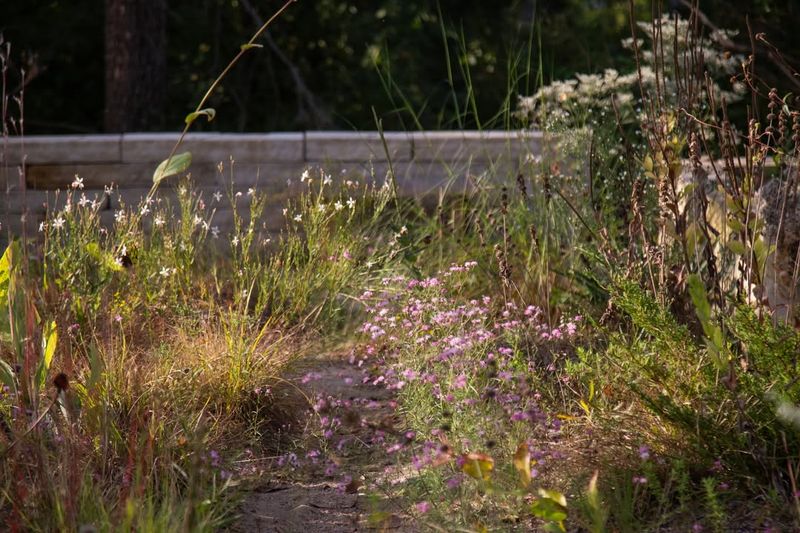
Counties across Colorado have enacted strict vegetation management laws with enforcement teeth that bite.
Boulder, Jefferson, Douglas, and El Paso counties all have specific deadlines and clearance requirements for homeowners.
Ignoring these ordinances can result in fines ranging from hundreds to thousands of dollars.
Some jurisdictions will clear your property themselves and bill you for the work at premium rates.
Repeated violations can lead to liens placed against your property that complicate future sales.
Local fire departments conduct regular inspections and issue citations to non-compliant homeowners.
These laws exist because one person’s negligence can endanger entire neighborhoods during fire events.
Meeting the January deadline helps you avoid legal troubles while protecting your community.
Fire marshals have the authority to require immediate compliance when conditions become especially dangerous.
Understanding your specific county’s requirements prevents unpleasant surprises and unnecessary expenses.
Snow Cover Provides False Security
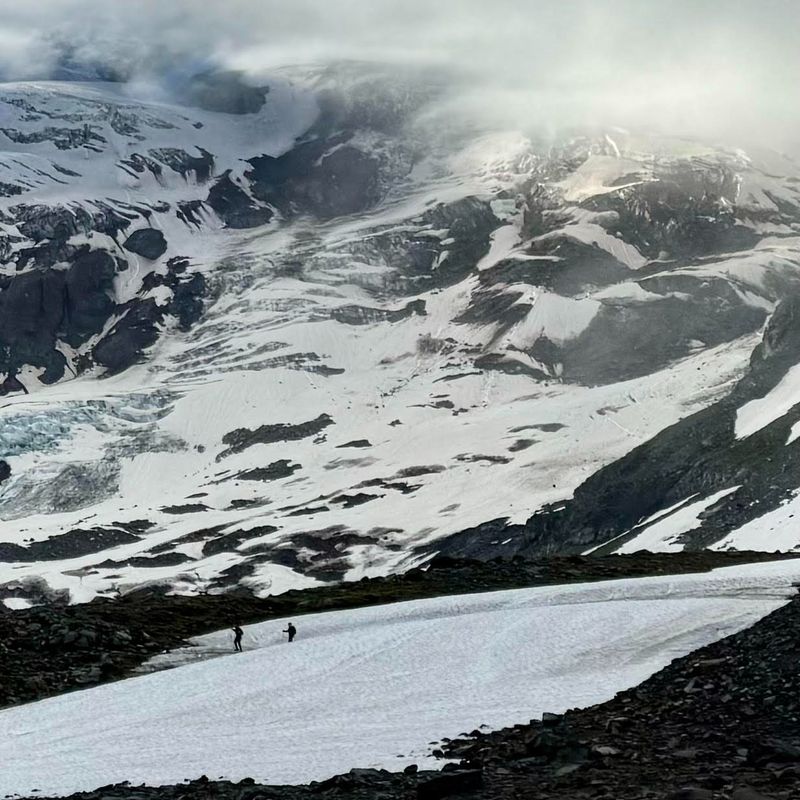
A blanket of snow might make your property look safe, but danger lurks beneath that white surface.
Colorado’s intense sunshine and low humidity can melt snow coverage in just hours during winter.
Deceased grasses and brush dry out incredibly fast once exposed to sun and wind.
Chinook winds can raise temperatures by 40 degrees in a single afternoon, eliminating moisture rapidly.
The cycle of melting and drying creates extremely flammable conditions that catch homeowners off guard.
Vegetation that looks harmless under snow becomes dangerous fuel the moment conditions shift.
Waiting until spring means you’ll be clearing brush when fire danger is already elevated.
January’s window gives you time to work before growth starts again in warmer months.
Removing deceased material now prevents it from becoming a hazard during those critical dry periods.
Colorado’s weather is notoriously unpredictable, making proactive clearing the only reliable strategy for protection.
Equipment Access Becomes Limited In Winter
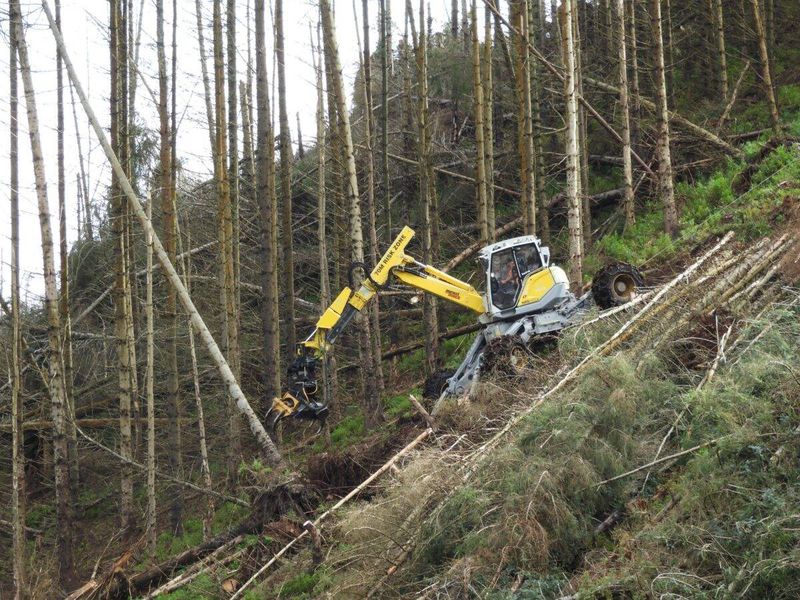
Professional brush clearing services book up quickly as the season progresses and weather windows narrow.
Heavy equipment needed for larger properties becomes difficult to maneuver once snow and ice arrive.
Frozen ground makes it harder to remove stumps and root systems that could fuel future fires.
Many contractors reduce their crews or shut down operations entirely during Colorado’s harshest winter months.
Scheduling work before January ensures you can secure qualified help at reasonable prices.
Waiting until spring means competing with everyone else who delayed their clearing projects.
Muddy conditions during spring thaw can damage your property and make clearing work messy and inefficient.
Some areas become completely inaccessible once snow accumulates on mountain roads and steep terrain.
Renting equipment yourself becomes problematic when rental companies have limited winter inventory.
Getting ahead of the January deadline means you control your timeline instead of gambling on weather and availability.
Ember Protection Requires Advance Planning
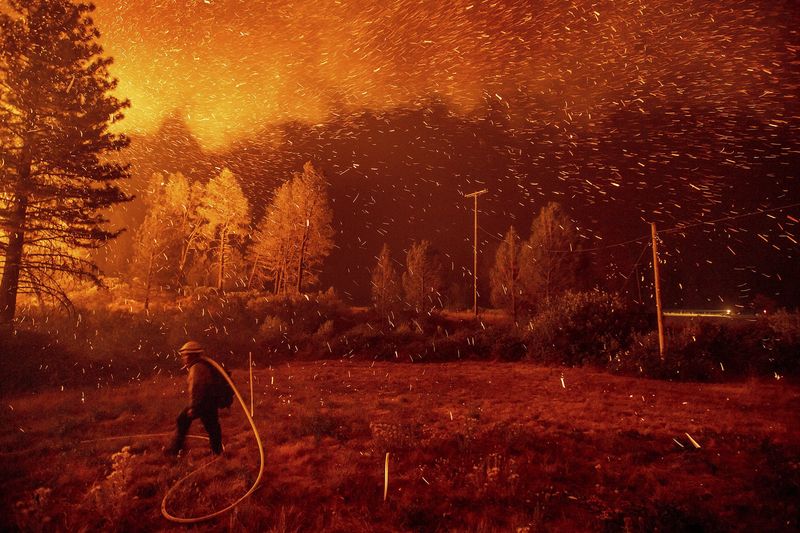
Flying embers can travel more than a mile ahead of active flames, igniting spot fires at distant properties.
These airborne threats are responsible for destroying more homes than direct flame contact during major wildfires.
Dry brush and accumulated pine needles provide perfect landing spots for embers seeking fuel.
Creating ember-resistant zones around your home takes time and cannot be rushed during an emergency evacuation.
Clearing vegetation before January gives you months to address all the vulnerable spots around your property.
Gutters filled with rotten leaves, wood piles against walls, and overgrown shrubs all invite ember ignition.
Wind patterns in Colorado can shift dramatically, sending embers in unexpected directions during fire events.
Your cleared space acts as a buffer that gives embers nowhere to catch and grow into dangerous fires.
Firefighters prioritize defending homes that show evidence of proper defensible space preparation.
The work you do now could mean the difference between a saved home and total loss when embers rain down.
Native Vegetation Requires Special Handling
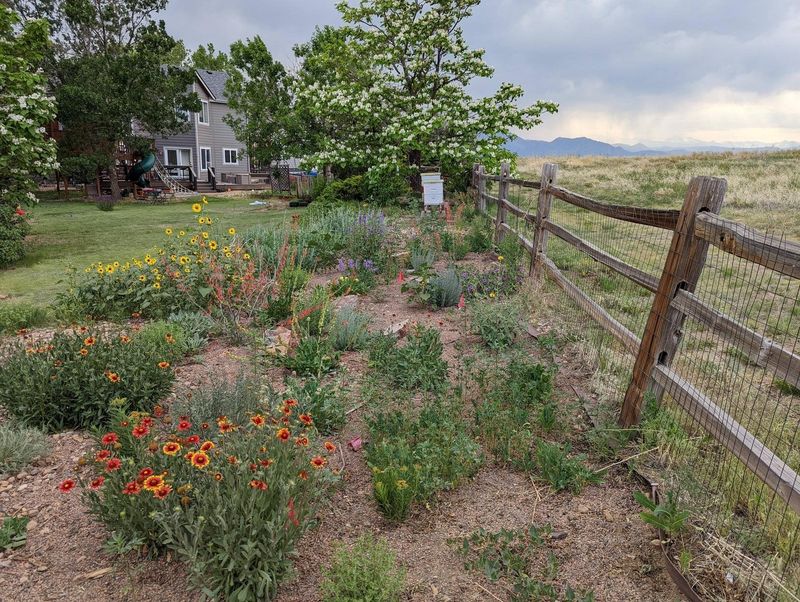
Colorado’s native plants like scrub oak, serviceberry, and mountain mahogany need careful management rather than complete removal.
These species provide important erosion control on slopes while also serving as potential fire fuel.
Understanding which plants to thin versus remove entirely requires knowledge specific to our state’s ecosystems.
Improper clearing can trigger soil erosion problems that create new hazards during heavy rains and snowmelt.
Working before January allows time to consult with local extension offices about proper vegetation management techniques.
Some native species resprout aggressively if cut at the wrong time of year.
Creating defensible space doesn’t mean creating a barren moonscape around your home.
Strategic thinning maintains ecological health while reducing fire risk to acceptable levels.
Colorado-specific guidelines help you balance fire safety with environmental stewardship on your property.
Professional wildfire mitigation specialists understand which native plants pose the greatest risks in different elevation zones.
Community Wildfire Protection Plans Have Deadlines
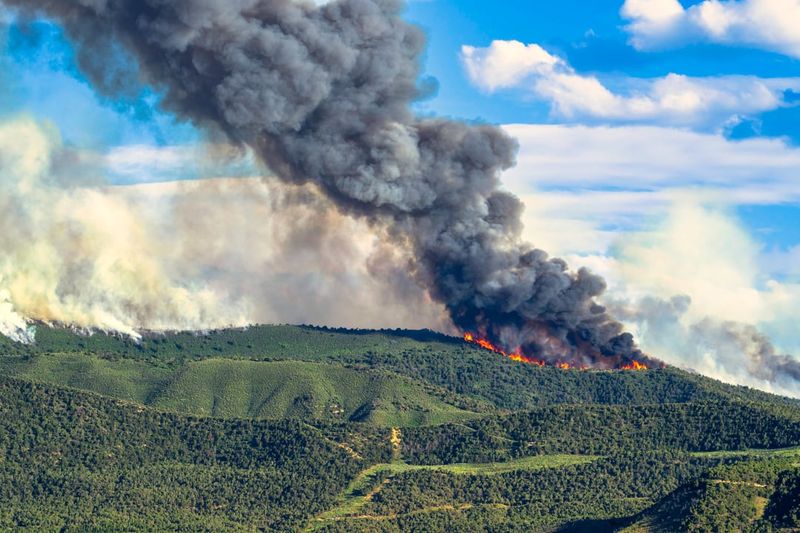
Many Colorado communities have developed comprehensive wildfire protection plans that include specific homeowner responsibilities.
These coordinated efforts work only when residents complete their individual clearing tasks on schedule.
Your neighborhood’s overall safety depends on everyone creating defensible space, not just a few concerned homeowners.
Community-wide fuel breaks and buffer zones lose effectiveness when properties have gaps in compliance.
Grant funding for professional clearing assistance often has application deadlines that fall before January.
Participating in community programs can reduce your costs through group purchasing of equipment and services.
Fire departments use these plans to determine which neighborhoods they can effectively defend during emergencies.
Your property’s condition affects your neighbors’ safety and their property values as well as your own.
Being part of the solution strengthens community bonds and creates shared responsibility for fire prevention.
Meeting the January deadline shows you’re a responsible neighbor invested in collective safety and preparedness.
Spring Growth Complicates Later Clearing
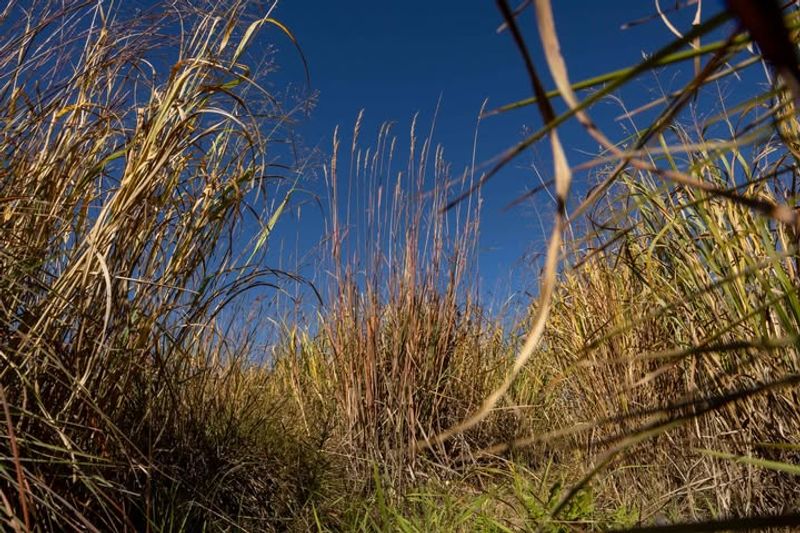
Waiting until spring means fighting against rapid new growth that makes clearing work exponentially harder.
Colorado’s growing season starts earlier than many people expect, especially at lower elevations.
Fresh green growth mixed with deceased material from previous years creates difficult working conditions.
You’ll struggle to identify what needs removal when everything starts leafing out in March and April.
Birds begin nesting in brush during spring, creating ethical and legal complications for clearing work.
The Migratory Bird Treaty Act protects active nests, potentially forcing you to delay clearing until summer.
Spring allergies and pollen make outdoor work miserable for many Colorado residents during peak growing season.
Clearing before January means working with dormant vegetation that’s easier to cut and remove.
Deceased material weighs less and handles more easily before spring moisture adds weight and bulk.
Getting ahead of the growth cycle gives you a clean slate before fire season arrives in earnest.
Climate Change Has Shifted Risk Patterns
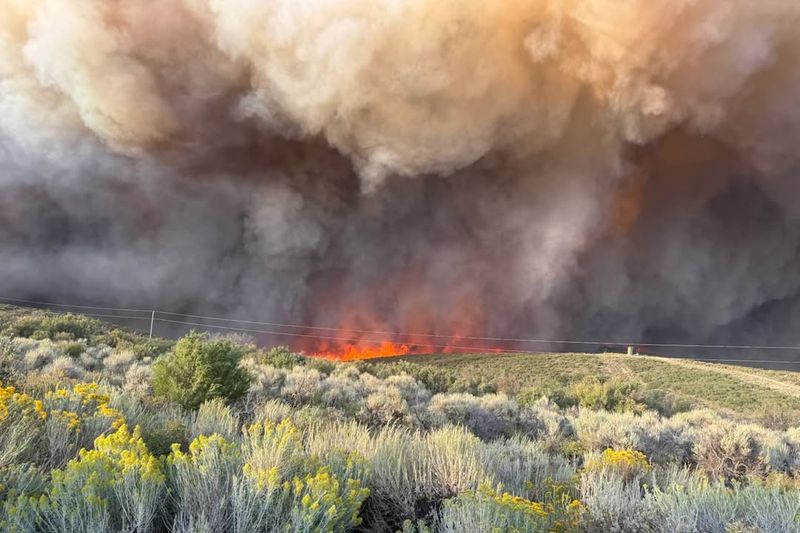
Colorado’s fire seasons have expanded dramatically over the past two decades due to changing climate patterns.
Longer periods of drought and higher average temperatures mean vegetation dries out faster and stays drier longer.
Snowpack levels have become less predictable, reducing the moisture that once provided natural fire protection.
Scientists predict that conditions will continue shifting toward increased fire danger across the state.
What worked for wildfire prevention 20 years ago no longer provides adequate protection for today’s conditions.
Adapting to this new reality means taking brush clearing more seriously than previous generations needed to.
The January deadline reflects updated understanding of when fire danger can strike in our changing climate.
Bark beetle infestations have left millions of withered trees standing, increasing fuel loads across Colorado’s forests.
Your individual actions contribute to community resilience in the face of these larger environmental challenges.
Preparing your property before January acknowledges the serious realities of living in Colorado’s new fire environment.