Why Connecticut Builders Are Turning To Green Roofs For New Homes
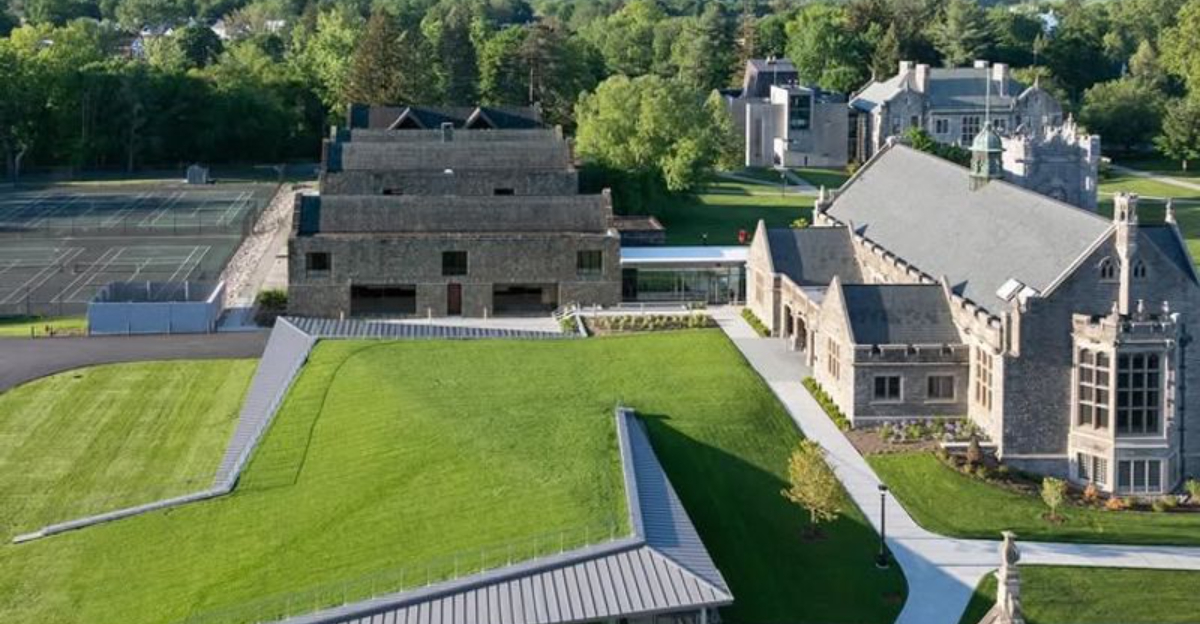
Connecticut builders are turning the page on traditional rooftops as green roofs step into the spotlight for new homes across the state.
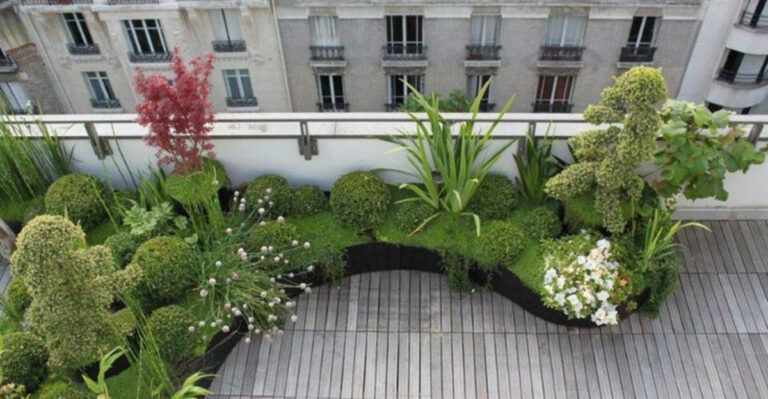
These living layers of plants sit high above busy streets, creating a fresh twist on modern design.
A green roof gives a home a touch of nature from the top down, adding charm that catches the eye long before someone reaches the front door.
Builders see this approach as a smart way to blend beauty and purpose, a choice that feels right at a time when homeowners crave homes with character and a bit of soul.
Each project becomes a chance to bring new life into a neighborhood, one rooftop garden at a time.
The sight of lush greenery overhead adds a breath of fresh air, turning ordinary rooftops into quiet retreats.
As this idea spreads, Connecticut’s new homes gain a style that stands tall, showing how innovation can grow in unexpected places.
1. Energy Bills Drop Significantly
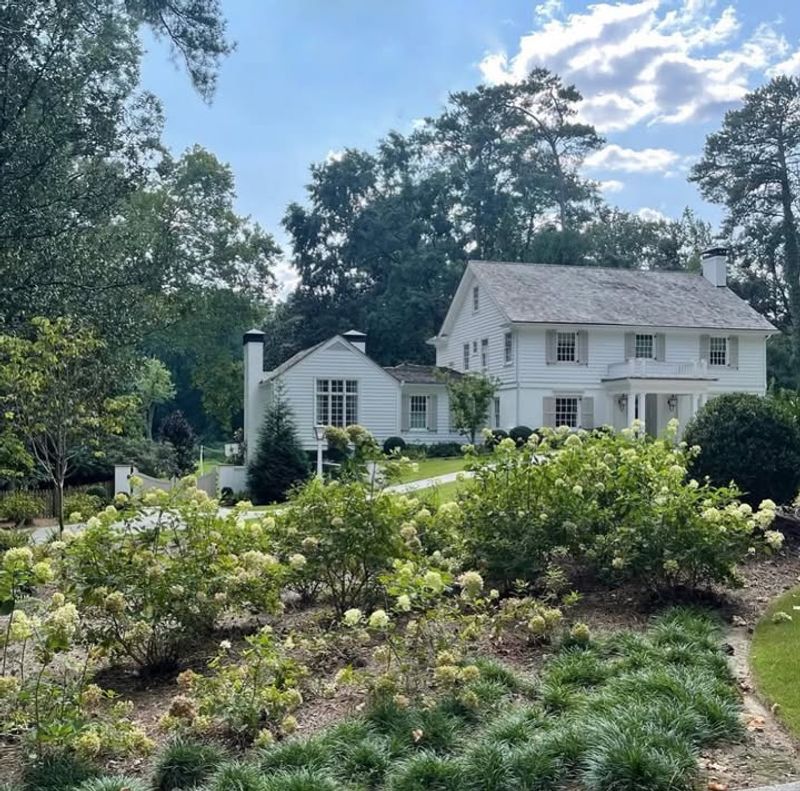
Homeowners throughout Connecticut are discovering remarkable energy savings after installing green roofs, as plant layers act like natural insulation that moderates indoor temperatures through all four seasons.
During winter, these layers trap warmth much like a cozy blanket, reducing the strain on heating systems, while during summer, the plants reflect sunlight and use moisture to naturally cool the space around the roof.
This gentle climate regulation means furnaces and air conditioners do not run constantly, allowing homes to maintain steady comfort with noticeably lower energy use.
Traditional shingles absorb heat quickly, turning attics into sweltering spaces that push cooling systems into overdrive, but green roofs create cool zones that stabilize the home’s upper levels.
Studies show that homes with vegetated roofs can reduce energy consumption by up to twenty-five percent compared to standard materials, a significant difference for Connecticut households that face both intense summer humidity and cold winter nights.
Although installation costs may appear high initially, families often recover the expense within eight to twelve years through consistent utility savings.
In some cases, energy companies offer rebates that shorten this payback period even further.
Beyond individual benefits, reduced energy use lowers pressure on the state’s power grid, helping communities operate more efficiently.
Choosing a green roof becomes both a wise financial decision and an environmentally responsible one that strengthens home comfort while supporting broader conservation goals in Connecticut.
2. Stormwater Management Gets Easier
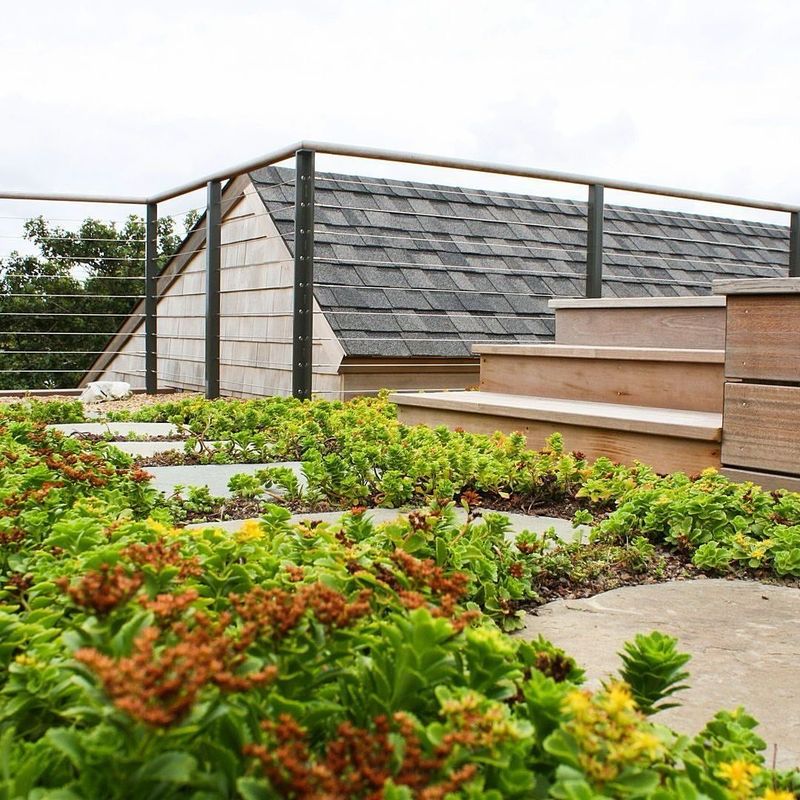
Connecticut faces frequent heavy rainstorms that strain aging drainage systems and cause flooding in many neighborhoods, prompting builders to search for solutions that ease pressure on municipal infrastructure.
Green roofs act like large natural sponges, absorbing rainfall into plant roots and soil instead of sending it directly into storm drains at high speed.
While traditional roofs channel water immediately into gutters, creating sudden surges, vegetated roofs hold fifty to ninety percent of rainfall and release it slowly through evaporation and controlled drainage.
This gradual process prevents overwhelming local systems and significantly reduces the risk of basement leaks, yard flooding, and street pooling.
Town planners acknowledge that many existing stormwater networks were not designed for modern development patterns or climate shifts that bring stronger rains.
Green roofs help fill this gap by offering property-level stormwater control that complements municipal efforts.
They also naturally filter pollutants such as dirt or chemicals before water reaches streams, rivers, and Long Island Sound, improving environmental quality throughout Connecticut.
Communities with widespread adoption of vegetated roofs report cleaner waterways and fewer stormwater emergencies.
Some municipalities now encourage these installations by offering incentives or faster building permits, helping builders adopt this environmentally supportive solution.
Homeowners appreciate knowing their roof helps protect both their property and their community by preventing runoff issues and safeguarding local water resources through this simple yet powerful natural system.
3. Property Values Increase Substantially
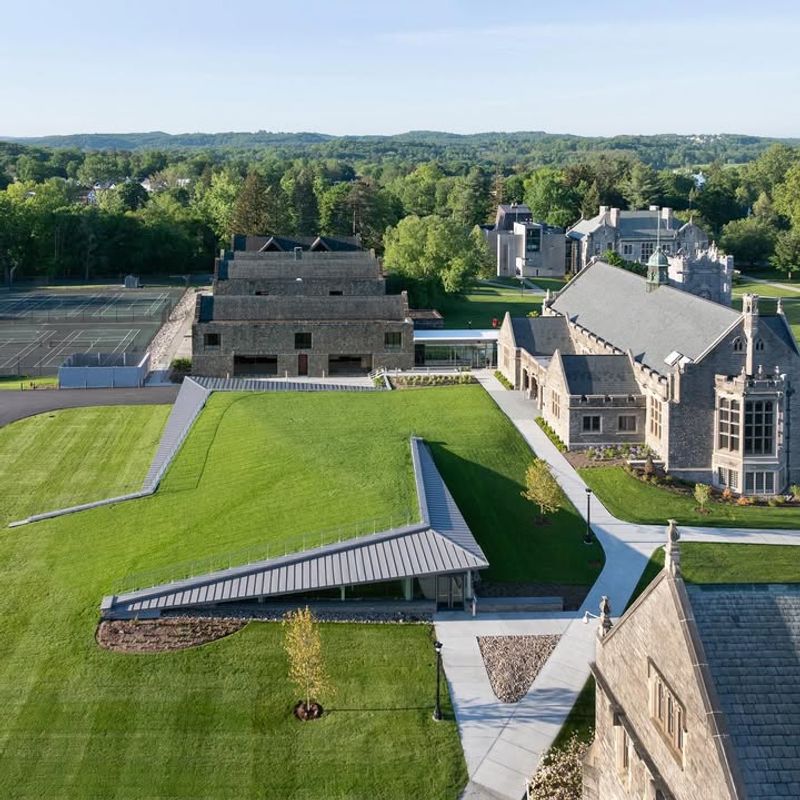
Connecticut real estate experts report that homes featuring green roofs consistently attract more attention, receive stronger offers, and spend less time on the market than similar properties with conventional roofs.
Eco-friendly features have become highly desirable among buyers seeking sustainable, energy-saving homes that offer long-term value.
A green roof immediately distinguishes a home with unique visual appeal, signaling forward-thinking design and environmental responsibility.
Appraisers increasingly factor vegetated roofs into higher valuations because they add durability, longevity, and reduced maintenance costs.
While typical asphalt shingles require replacement every fifteen to twenty years, green roofs can function effectively for forty years or longer when maintained properly, giving homeowners decades of additional value.
Buyers appreciate the combination of lower energy bills, extended roof lifespan, and attractive design, enhancing both curb appeal and resale potential.
Homes with green roofs photograph beautifully and capture more online interest, helping sellers stand out in competitive markets.
Insurance companies often offer reduced premiums because these roofs resist UV damage, temperature extremes, and fire more effectively than traditional materials.
The financial advantages layer together, creating a compelling case for builders to incorporate these systems into new homes.
By choosing a green roof, homeowners invest in beauty, savings, and long-term financial stability while contributing to a trend that elevates neighborhood character across Connecticut communities.
4. Air Quality Improves Dramatically
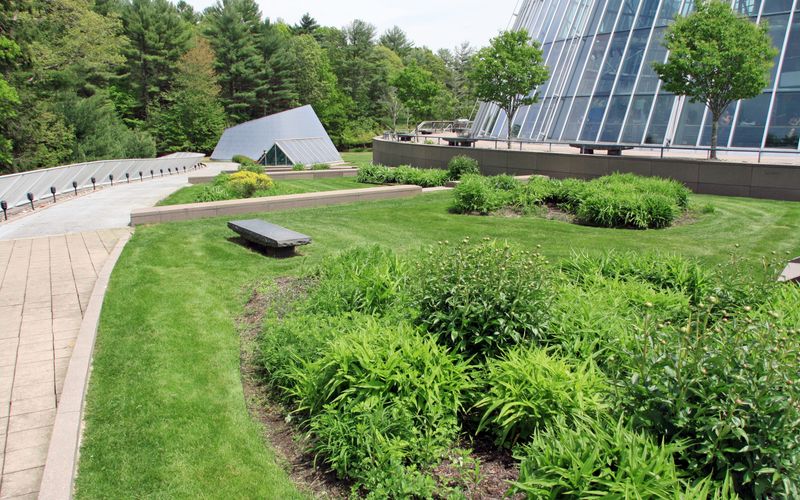
Plants naturally filter pollutants, making green roofs powerful allies in improving air quality for Connecticut families seeking healthier living environments.
Every square foot of vegetation reduces airborne dust, absorbs certain gases, and releases oxygen, enhancing breathing conditions for households and surrounding neighbors alike.
This benefit is particularly meaningful in communities near major highways, industrial areas, or regions experiencing seasonal pollution.
Living roofs help trap particulate matter that would otherwise circulate freely, lowering overall exposure to airborne irritants.
Connecticut’s air sometimes carries emissions from transportation, manufacturing, and neighboring states, but vegetated rooftops provide an accessible way to counter these challenges.
Children and seniors often notice improvements most clearly because they are more sensitive to air quality changes, while individuals with allergies or respiratory concerns appreciate the gentler environment created by surrounding plant life.
During photosynthesis, plants remove carbon dioxide and release oxygen, turning each green roof into a small but effective contributor to climate well-being.
Some estimates show that a typical home’s green roof can process as much CO₂ as a vehicle emits over several thousand miles, illustrating the measurable impact of these installations.
Builders highlight these advantages when showcasing new developments to health-focused buyers, who increasingly value homes that support wellness as well as beauty.
Green roofs offer a simple, natural way to enhance neighborhood air quality, providing cleaner outdoor spaces for families to enjoy every day.
5. Wildlife Habitat Expands Locally
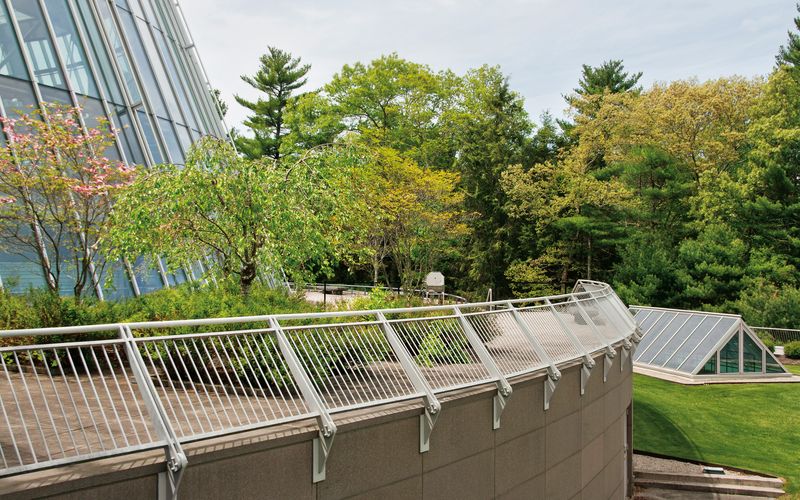
Connecticut’s expanding development has reduced many natural habitats that once supported diverse populations of birds, butterflies, and beneficial insects, but green roofs help restore these essential connections.
A living roof becomes a miniature ecosystem that welcomes pollinators, offers feeding and resting spots, and provides shelter for small wildlife in places where natural ground cover has diminished.
Native plant varieties chosen for rooftop gardens supply nectar and food for bees and butterflies, supporting pollination networks that benefit both local ecology and regional agriculture.
Each green roof acts as a stepping stone linking larger habitats, allowing wildlife to move safely through residential zones.
Birds often discover these elevated spaces as peaceful nesting areas removed from ground disturbances, bringing homeowners the joy of observing nature right outside their windows.
Conservation groups across Connecticut encourage green roofs as part of broader habitat restoration programs, recognizing that even small gardens contribute meaningfully when implemented on many homes.
Builders who incorporate wildlife-friendly features attract environmentally minded buyers who appreciate the opportunity to support local ecosystems.
Families enjoy watching plants flourish and wildlife return, creating enriching educational experiences for children who learn firsthand about nature’s cycles and connections.
These rooftop gardens become living classrooms that inspire long-term appreciation for conservation.
By expanding habitat in unexpected places, green roofs help preserve Connecticut’s natural heritage while enriching everyday life for residents.
6. Noise Pollution Decreases Noticeably
Green roofs also provide impressive noise-reducing benefits for Connecticut residents living near airports, highways, or busy streets, helping create calmer, more peaceful home environments.
The combination of soil, vegetation, and air pockets absorbs and disperses sound waves far more effectively than traditional roofing materials, which often reflect or amplify noise.
Research shows that vegetated roofs can reduce noise transfer by forty to fifty decibels, creating noticeably quieter indoor spaces where families can relax, sleep, and work more comfortably.
Homeowners near Bradley International Airport or major roadways report significant improvements in daily quality of life after installing green roofs, noting reduced traffic hum and fewer disturbances during nighttime hours.
These quieter conditions support concentration for remote work, enhance sleep quality, and make outdoor areas more enjoyable for family activities.
As more homes adopt green roofs, the cumulative sound-dampening effect helps entire neighborhoods feel more serene, creating pleasant communities where voices, nature sounds, and conversation are easier to hear.
Builders often highlight these acoustic benefits to buyers seeking peaceful homes away from urban noise.
Schools and businesses also consider green roofs for similar reasons, as classrooms and offices beneath vegetated roofs experience fewer interruptions from external sounds.
Whether in residential or public settings, sound reduction contributes to improved mental well-being and reduced stress.
Green roofs transform noisy locations into welcoming retreats where families can enjoy greater calm without moving away from convenient urban amenities.
7. Building Codes Support Sustainability
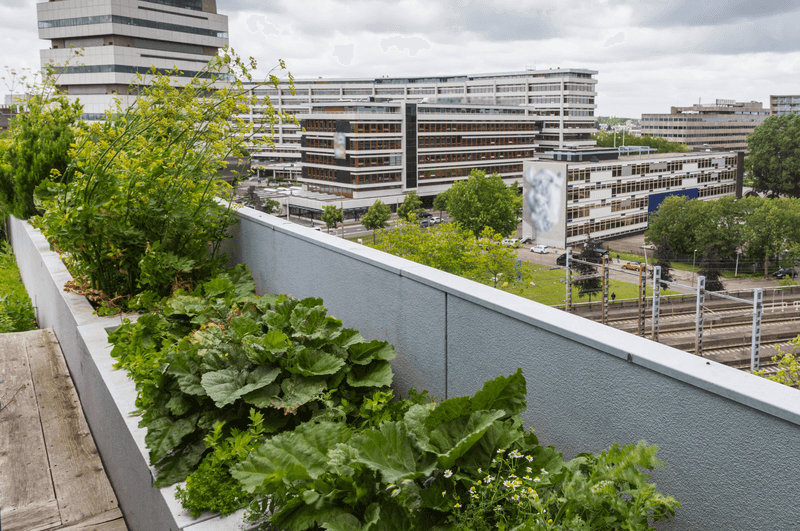
Connecticut’s evolving building codes increasingly support environmentally responsible construction, making green roofs an appealing choice for builders who want to meet or exceed sustainability guidelines.
Municipalities across the state promote eco-friendly development through incentives such as expedited permitting for projects that incorporate green infrastructure.
This reduces both time and cost for builders while supporting community goals related to stormwater reduction, energy efficiency, and environmental protection.
State-level programs offer grants, tax credits, and technical support for sustainable homebuilding practices, making vegetated roofs particularly attractive as qualifying upgrades that enhance long-term property performance.
Builders who adopt green roof technologies early gain a competitive advantage as future regulations continue to strengthen.
Connecticut’s commitment to climate initiatives places increasing emphasis on reducing emissions and improving building efficiency, and green roofs play a measurable role in helping the state achieve these objectives.
Homebuyers now expect energy-smart, eco-friendly features as standard rather than premium add-ons, and incorporating living roofs into new construction demonstrates forward-thinking design.
As regulations evolve, builders with experience in green roofing systems will be well positioned to meet new requirements smoothly while delivering homes that appeal to modern buyer expectations.
Green roofs align perfectly with Connecticut’s long-term environmental goals, offering benefits that support communities while enhancing property performance.
By integrating these systems now, builders prepare for a future where sustainability is not optional but central to home design and construction across the state.