Why Crabapple Trees Are Ideal For Illinois Gardens
Crabapple trees have a way of pulling their weight in Illinois gardens.
They show up strong in spring with clouds of blossoms, hold their own through summer, and finish the year with colorful fruit that hangs on when other trees fade.
Few trees offer that kind of year-round performance without asking for constant attention.
Illinois weather can be a mixed bag, but crabapple trees handle it like seasoned pros.
They tolerate cold winters, humid summers, and shifting conditions without missing a beat.
Once established, they settle in and grow with steady confidence, making them a reliable choice for yards large and small.
Their manageable size also makes them easy to fit into many garden styles.
Beyond good looks, crabapple trees support wildlife and bring balance to the landscape.
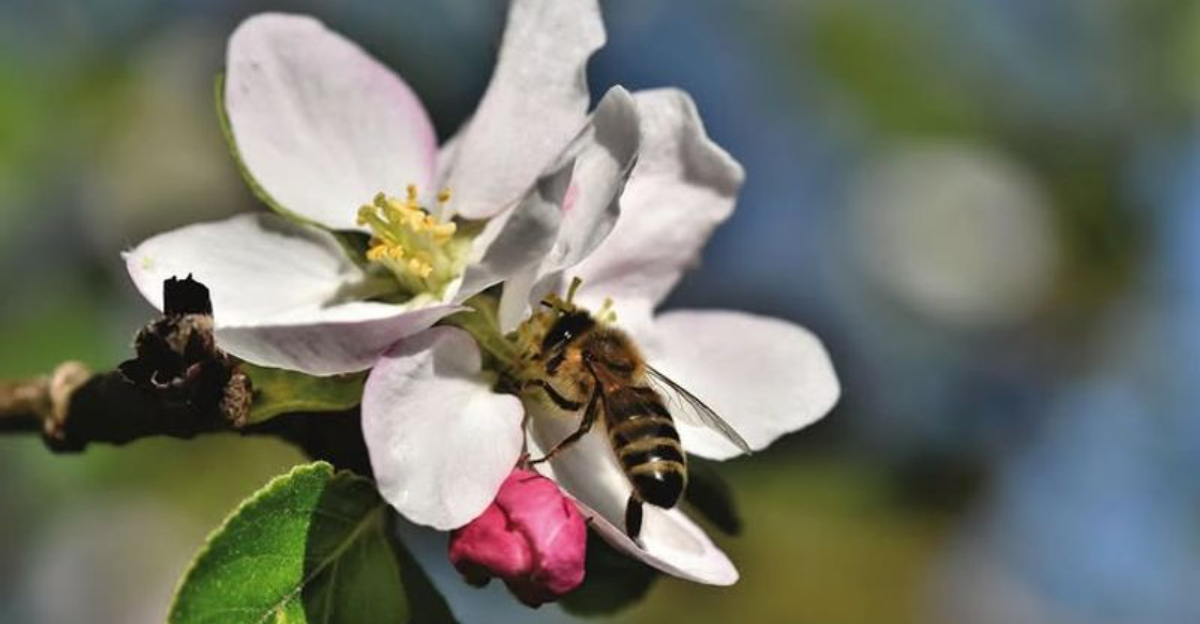
Birds rely on their fruit during colder months, and pollinators flock to their spring blooms.
For Illinois gardeners, crabapples check all the right boxes.
They combine beauty, toughness, and purpose, proving that a well-chosen tree can be both practical and eye-catching all at once.
1. Exceptional Cold Hardiness For Illinois Winters
Illinois winters can be brutal, with temperatures plunging well below freezing and harsh winds sweeping across the prairie landscape.
Crabapple trees handle these conditions like champions, surviving even the coldest snaps that would damage or stress many other ornamental species.
Their natural hardiness makes them reliable performers year after year, which means you won’t wake up after a particularly rough winter wondering if your tree survived.
Most crabapple varieties thrive in USDA hardiness zones 4 through 8, and Illinois falls perfectly within this range.
The trees have evolved to withstand temperature swings and late spring frosts that sometimes catch other flowering trees off guard.
This resilience comes from their strong root systems and tough wood that resists splitting under ice and snow weight.
Gardeners throughout Illinois appreciate not having to wrap their crabapples in burlap or provide special winter protection.
The trees simply go dormant when temperatures drop and wake up ready to bloom when spring arrives.
This low-maintenance quality makes them perfect for busy homeowners who want beautiful landscaping without constant worry.
From Chicago’s lakefront neighborhoods to rural farmsteads downstate, crabapples prove their worth every winter.
They stand tall through blizzards and ice storms, maintaining their structure and health.
When you plant a crabapple in your Illinois garden, you’re investing in a tree that will weather whatever Mother Nature throws its way, providing beauty and reliability for decades to come.
2. Spectacular Spring Blossoms That Transform Your Yard
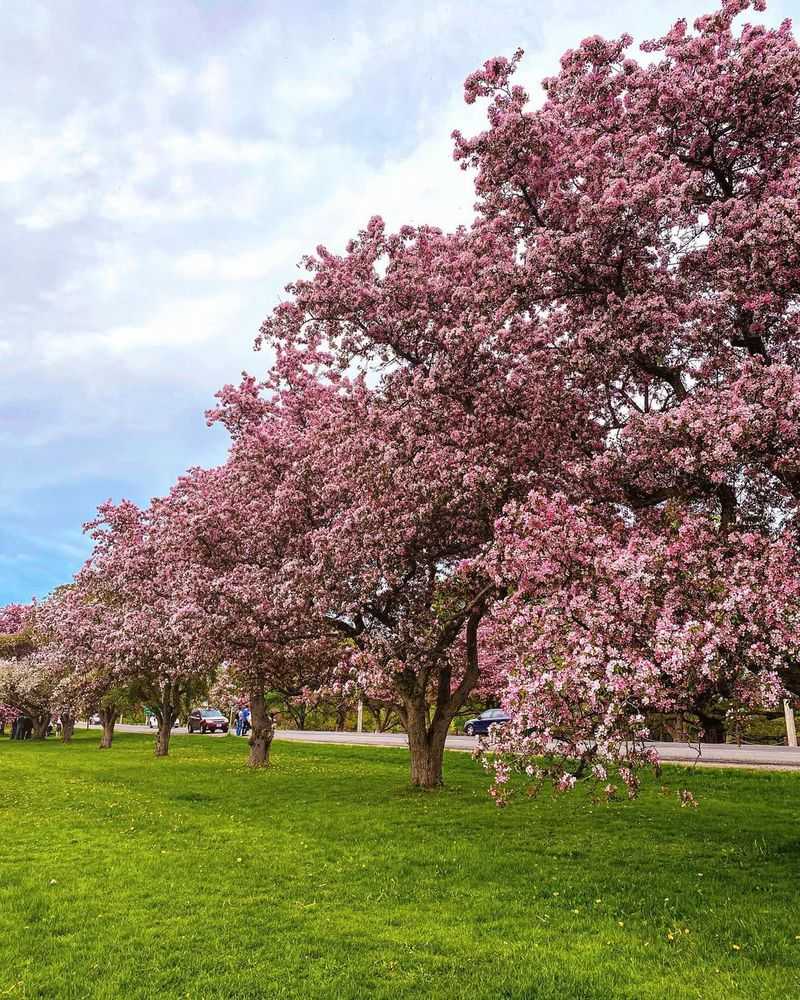
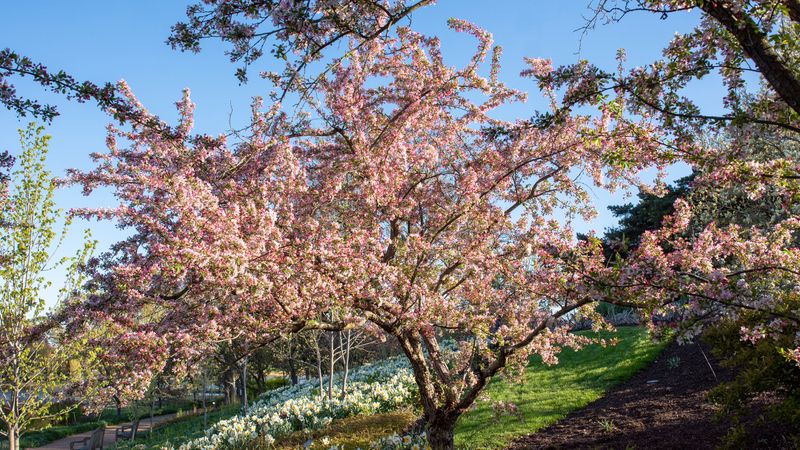
Picture this: after months of gray Illinois winter, your yard suddenly explodes with clouds of pink, white, or red blossoms that signal spring has finally arrived.
Crabapple trees deliver this spectacular show every year, typically blooming in late April or early May depending on the weather.
The flowers cover branches so densely that you can barely see the bark underneath, creating a breathtaking display that neighbors will stop to admire.
The blooming period lasts about two weeks, giving you plenty of time to enjoy the transformation.
Some varieties produce single flowers with five petals, while others feature double blooms that look almost like tiny roses.
The fragrance attracts bees and butterflies, filling your garden with life and movement during those perfect spring days when everything feels fresh and new.
Different crabapple cultivars offer various bloom colors, letting you choose the shade that best complements your home and existing landscaping.
White-flowering varieties like ‘Spring Snow’ provide elegant simplicity, while pink bloomers such as ‘Prairifire’ add romantic charm.
Deep red varieties create dramatic focal points that draw the eye from across the yard.
Illinois gardeners love how reliably crabapples bloom each spring without requiring special care or fertilization.
The trees naturally produce abundant flowers as long as they receive adequate sunlight.
This dependability means you can count on that annual burst of color to lift your spirits after the long winter months, making your outdoor space feel like a true garden paradise right here in the Midwest.
3. Adaptable To Various Illinois Soil Conditions
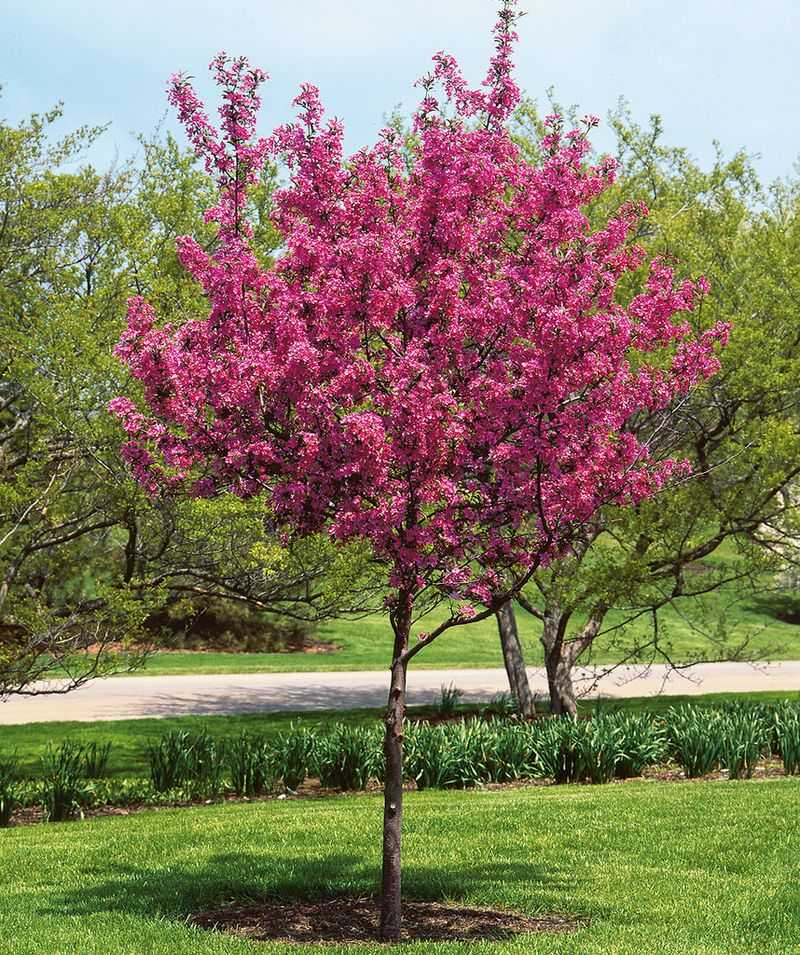
Soil across Illinois varies dramatically from one region to another, creating challenges for gardeners trying to find plants that will thrive in their specific location.
Heavy clay dominates many areas, particularly around Chicago and throughout central Illinois, while sandy soils appear in certain pockets and river valleys.
Crabapple trees handle this diversity remarkably well, adapting to different soil types without showing stress or declining health.
The secret lies in their flexible root systems that adjust to available conditions.
In clay soils that stay moist longer, the roots spread horizontally to access oxygen and nutrients.
In sandier, faster-draining soils, they develop more extensively to capture moisture before it percolates away.
This adaptability means you don’t need to completely rebuild your planting bed or import special soil mixes.
Crabapples tolerate pH levels ranging from slightly acidic to slightly alkaline, which covers most Illinois soil conditions.
They don’t require constant amendments or adjustments to maintain their health and appearance.
As long as the planting site provides reasonable drainage and isn’t a permanent bog, your crabapple will establish successfully.
Gardeners throughout the state report excellent results planting crabapples in native soil with just a bit of compost mixed in at planting time.
The trees establish quickly and begin growing vigorously within their first season.
This soil tolerance removes a major headache from the planting process and makes crabapples accessible to anyone in Illinois, regardless of what type of ground they’re working with in their particular corner of the state.
4. Colorful Fall Foliage And Persistent Fruit Display
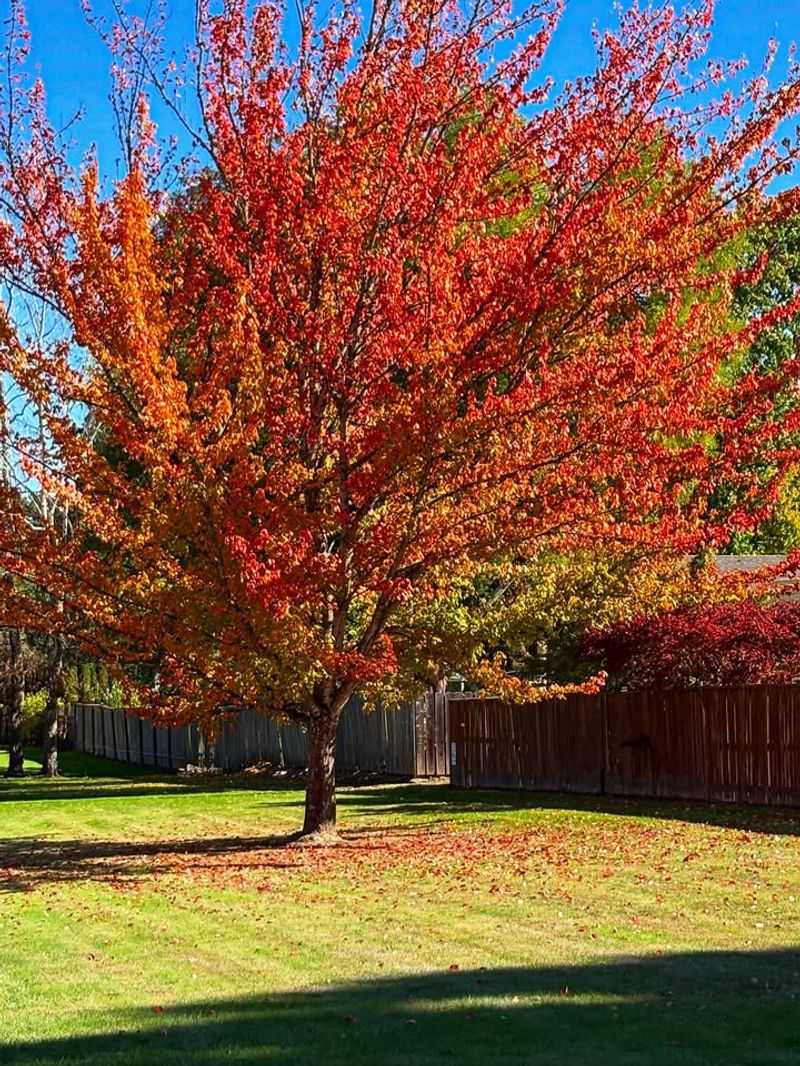
When most people think about crabapples, they picture spring blooms, but these trees save plenty of visual interest for autumn too.
As September arrives in Illinois and temperatures begin cooling, crabapple foliage transforms into shades of yellow, orange, and sometimes burgundy-red depending on the variety.
This fall color show rivals many trees specifically planted for autumn display, giving you a second season of outstanding beauty.
The small fruits that develop after flowers fade add another dimension to the fall landscape.
These marble-sized apples range in color from bright red to deep burgundy, golden yellow, or even orange.
Many varieties hold their fruit well into winter, creating gorgeous contrast against snow and providing food for birds during the coldest months when other food sources become scarce.
Some crabapple cultivars produce fruit that persists longer than others, so you can select based on whether you prefer extended winter interest or cleaner ground beneath the tree.
Varieties with smaller, harder fruits typically hold onto them longer, while those with larger, softer fruits drop earlier.
Either way, the autumn display provides weeks of color and texture.
Illinois gardeners appreciate having trees that earn their keep across multiple seasons rather than looking good for just a few weeks.
Crabapples deliver spring blooms, summer shade, fall foliage, and winter fruit display, making them four-season performers.
This extended interest keeps your landscape looking intentional and beautiful throughout the entire year, which is especially valuable in residential settings where curb appeal matters.
5. Disease-Resistant Varieties Perfect For Low-Maintenance Landscaping
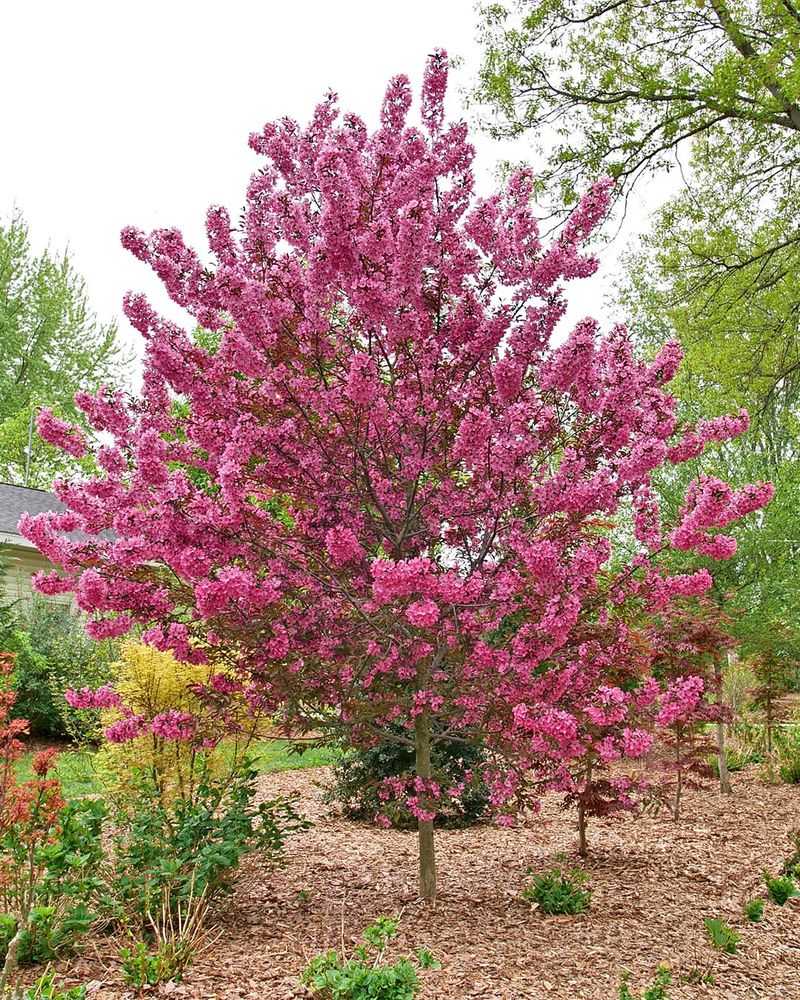
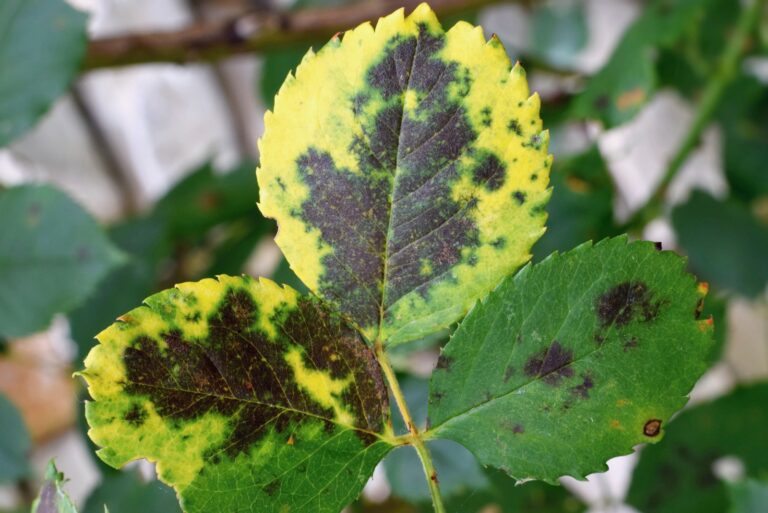
Older crabapple varieties earned a reputation for being prone to diseases like apple scab, powdery mildew, and fire blight, which caused unsightly leaf damage and required frequent spraying.
Modern breeding programs changed everything by developing disease-resistant cultivars that stay healthy with minimal intervention.
These improved varieties make crabapples practical choices for Illinois gardeners who want beautiful trees without signing up for constant maintenance.
Varieties such as ‘Prairifire,’ ‘Royal Raindrops,’ ‘Spring Snow,’ and ‘Sugar Tyme’ show excellent resistance to common diseases that plague ornamental trees in the Midwest.
Their leaves stay clean and attractive throughout the growing season, maintaining the polished appearance that makes your landscaping look professionally maintained.
You won’t spend weekends raking diseased leaves or worrying about infection spreading to other plants.
This disease resistance proves especially valuable in Illinois, where humid summer weather creates ideal conditions for fungal problems.
Traditional susceptible varieties often looked ragged by mid-July, but resistant types keep their glossy foliage looking fresh.
The difference becomes obvious when you compare a modern resistant crabapple with an older variety planted nearby.
Choosing disease-resistant varieties means spending less money on fungicides and less time monitoring for problems.
Your tree simply grows and looks beautiful without demanding constant attention.
For today’s busy homeowners juggling work, family, and other responsibilities, this low-maintenance quality makes crabapples ideal additions to Illinois landscapes.
You get all the beauty without the headaches that once came with growing these ornamental trees.
6. Attracts Pollinators And Wildlife Throughout The Year
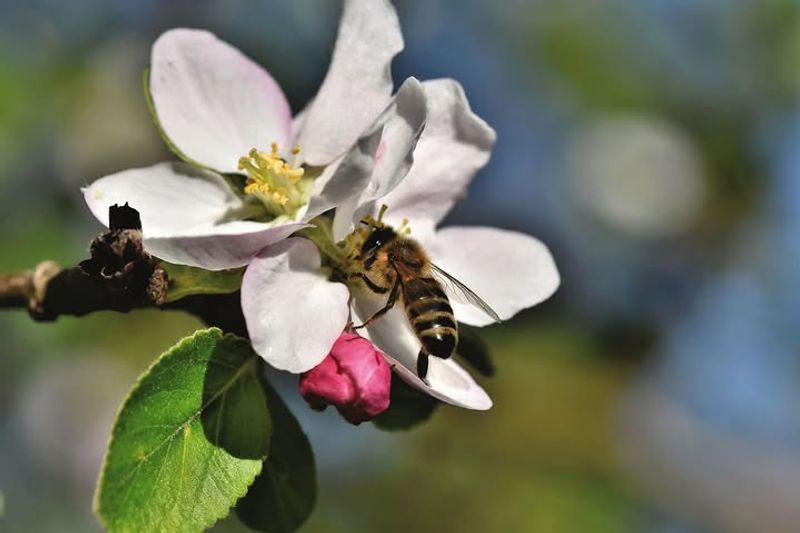
Your garden becomes a hub of activity when you plant a crabapple tree, attracting beneficial creatures that bring movement, sound, and ecological value to your outdoor space.
During spring bloom time, bees buzz enthusiastically among the flowers, collecting nectar and pollen while performing the essential work of pollination.
Butterflies float between blossoms, and hummingbirds occasionally investigate the colorful displays, mistaking them for their preferred tubular flowers.
The real wildlife show begins in fall and continues through winter when the fruits ripen and become irresistible to birds.
Robins, cedar waxwings, cardinals, blue jays, and dozens of other species visit crabapples to feast on the nutritious fruits.
Watching these birds from your window on a snowy Illinois morning provides entertainment and connection to nature right in your own backyard.
Some fruits ferment slightly after freezing and thawing cycles, which makes them even more appealing to certain bird species.
You might notice increased bird activity during late winter when other food sources have been depleted.
Your crabapple essentially serves as a feeding station that helps local bird populations survive until spring arrives.
For Illinois residents interested in creating pollinator-friendly or wildlife-supporting gardens, crabapples check multiple boxes.
They provide nectar for spring pollinators and food for birds during the challenging winter months.
This ecological contribution feels meaningful in an era when habitat loss threatens many species.
By planting a crabapple, you’re not just beautifying your property but also supporting the broader natural community that makes Illinois landscapes vibrant and healthy.
7. Compact Size Options For Smaller Illinois Properties
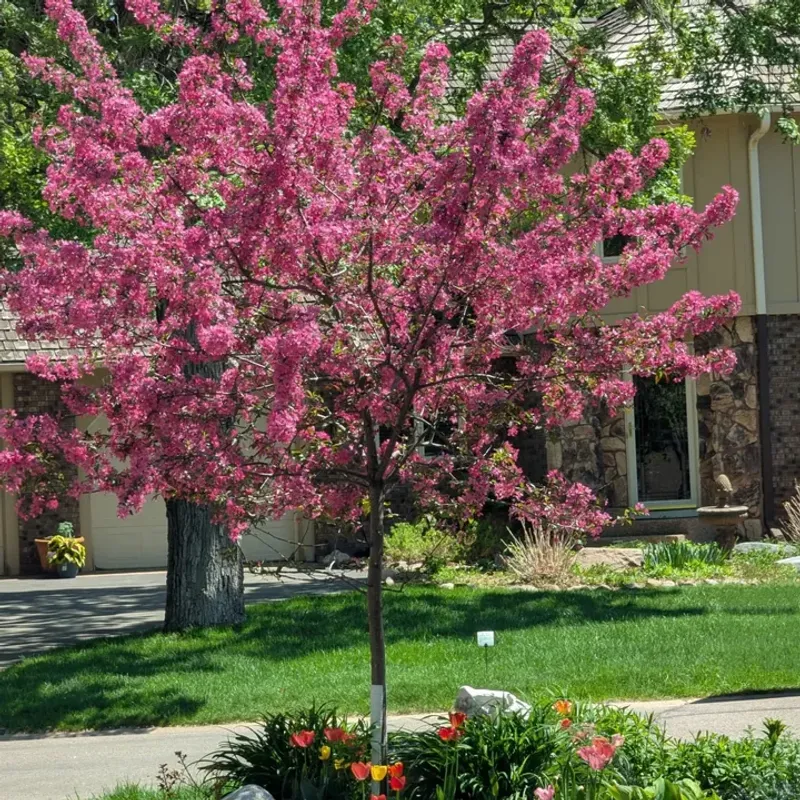
Not every Illinois homeowner has acres of space for large shade trees, but that doesn’t mean you have to skip crabapples altogether.
Modern breeding has produced dwarf and semi-dwarf varieties that fit beautifully into smaller yards, urban gardens, and even large container plantings.
These compact versions deliver all the beauty of full-sized crabapples while staying proportional to limited spaces.
Varieties like ‘Louisa’ grow only 12 to 15 feet tall with weeping branches that create elegant focal points without overwhelming small properties.
‘Tina’ stays even smaller at 5 to 8 feet, making it perfect for tight spots near patios or along narrow side yards.
These smaller trees still produce abundant flowers and fruit, giving you the complete crabapple experience in a space-efficient package.
Compact crabapples work wonderfully as accent trees near entryways, in foundation plantings, or as specimens in perennial borders.
Their manageable size means you can enjoy them up close rather than viewing them from a distance.
Pruning requirements stay minimal since the trees naturally maintain attractive shapes without growing wildly out of bounds.
Illinois gardeners with typical suburban lots appreciate having ornamental tree options that won’t eventually dominate the entire yard or interfere with power lines and buildings.
Smaller crabapples provide architectural interest and seasonal color without creating future problems.
They also establish faster than larger varieties, reaching mature size and full flowering within just a few years.
Whether you’re working with a cozy city lot in Chicago or a modest yard in any Illinois town, compact crabapples offer a perfect solution for adding tree-level beauty to your landscape.