Why Crabgrass Keeps Coming Back After You Remove It
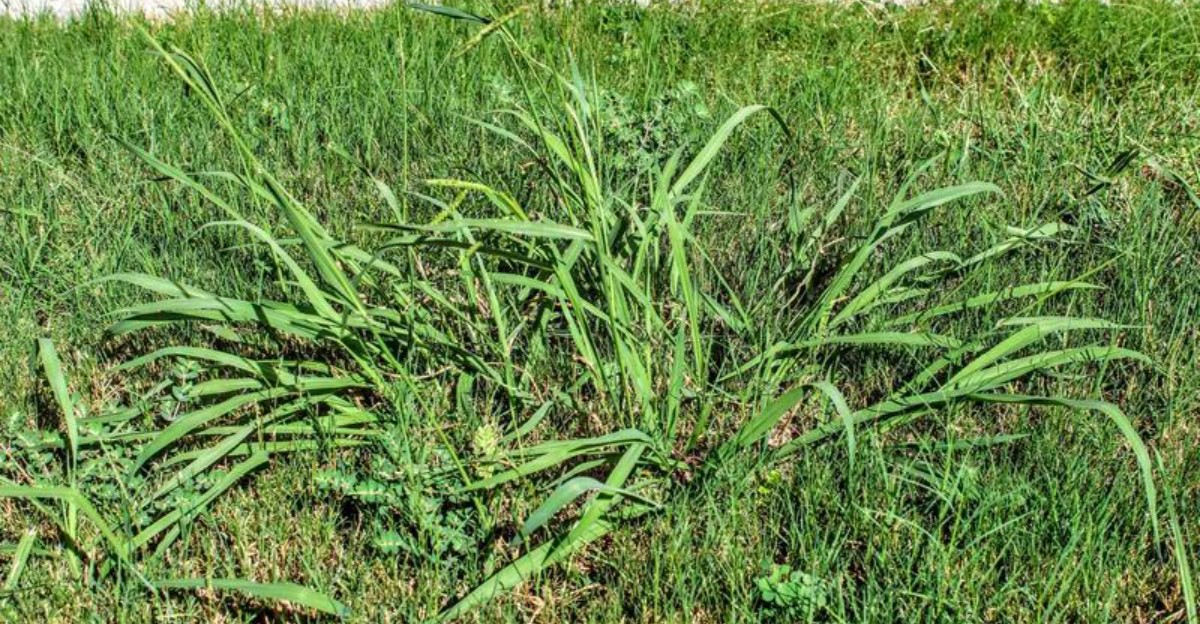
You knelt in the grass one Saturday in June and pulled every scraggly weed you could find. For roughly eleven days after that, the lawn looked smooth, tidy, and almost suspiciously polite.
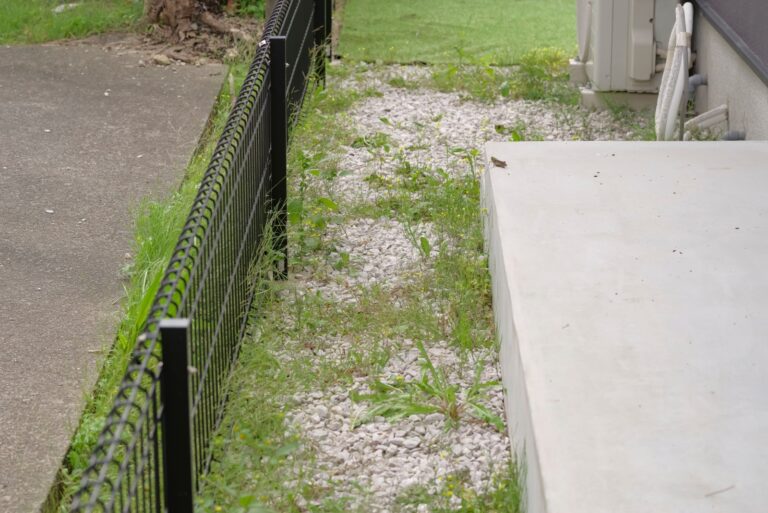
Then the flat green fans crept back along the driveway edge, as if your weeding was a rumor. Your sprinkler kept running, cheerfully watering the exact thing you spent your weekend removing.
Now it is September, the air has cooled, and your yard looks calm enough to fool a stranger. That calm is a truce your lawn quietly signed without ever asking for your opinion.
Underneath the soil, something has quietly kept score through every mowing, storm, and hot afternoon since spring. Frankly, it keeps better records than most accountants, and it does not charge you a dime.
The Seed Bank Hiding Under Your Lawn
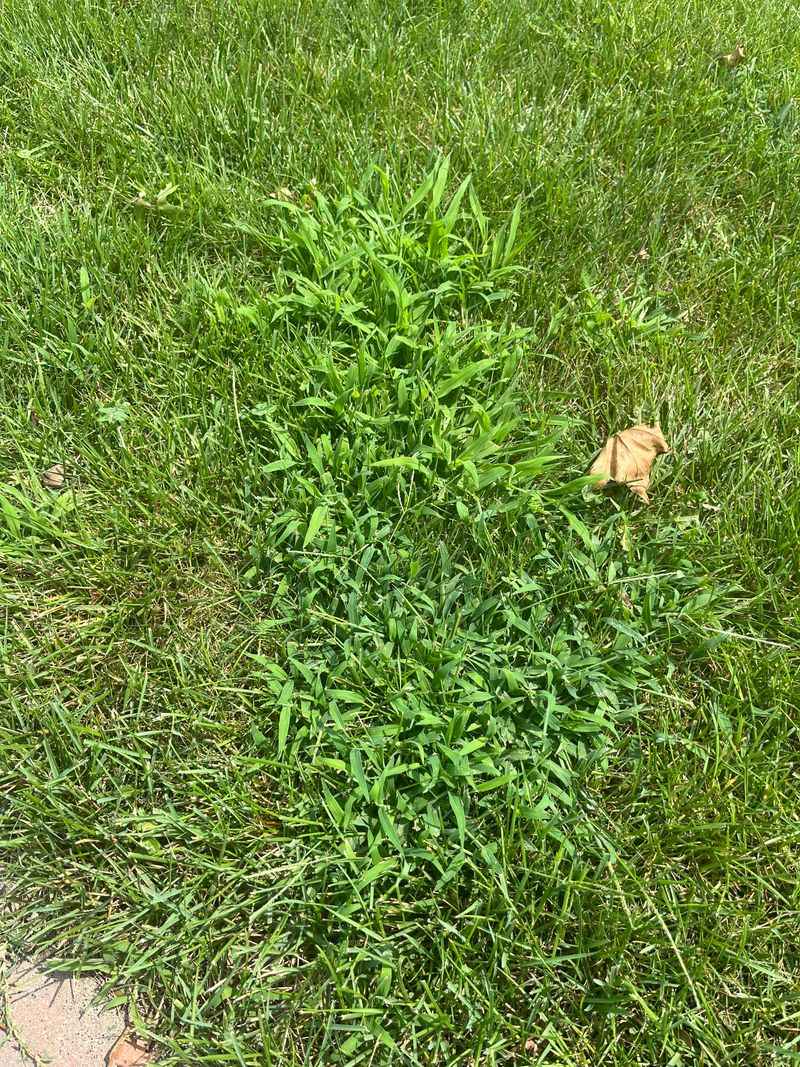
Picture a shoebox of seeds buried just beneath your grass, waiting patiently for the right weather. One plant can drop thousands of seeds before summer ends, and most of them stay put.
Pulling the plant you can see barely touches the seeds already tucked into the soil. Those seeds can stay viable for three years or longer, depending on depth and moisture.
Every time you yank a clump, you also loosen soil and expose buried seeds to sunlight. Light and warmth are two signals those seeds have been waiting for all along.
Gardeners often describe this as a seed bank, and the account earns interest each season. Withdrawals happen in spring, while deposits pile up quietly during July and August.
A single missed plant along your fence line can refill that bank in one summer. Edges, driveway cracks, and mulch beds are favorite spots because soil there heats up fast.
The practical takeaway is simple, since you cannot pull your way out of a seed bank. You have to stop new seeds from forming and block old ones from sprouting.
Removing plants before they flower in midsummer cuts future deposits dramatically. Combine that habit with thick turf, and the bank slowly runs low over several seasons.
Patience matters more than muscle here, because soil has a longer memory than you do. Three consistent years usually beats three frantic weekends every single time.
Mark the worst patches on a phone photo this September for reference. Next spring, those same spots will likely be first to sprout again.
Soil Temperature And The Germination Clock
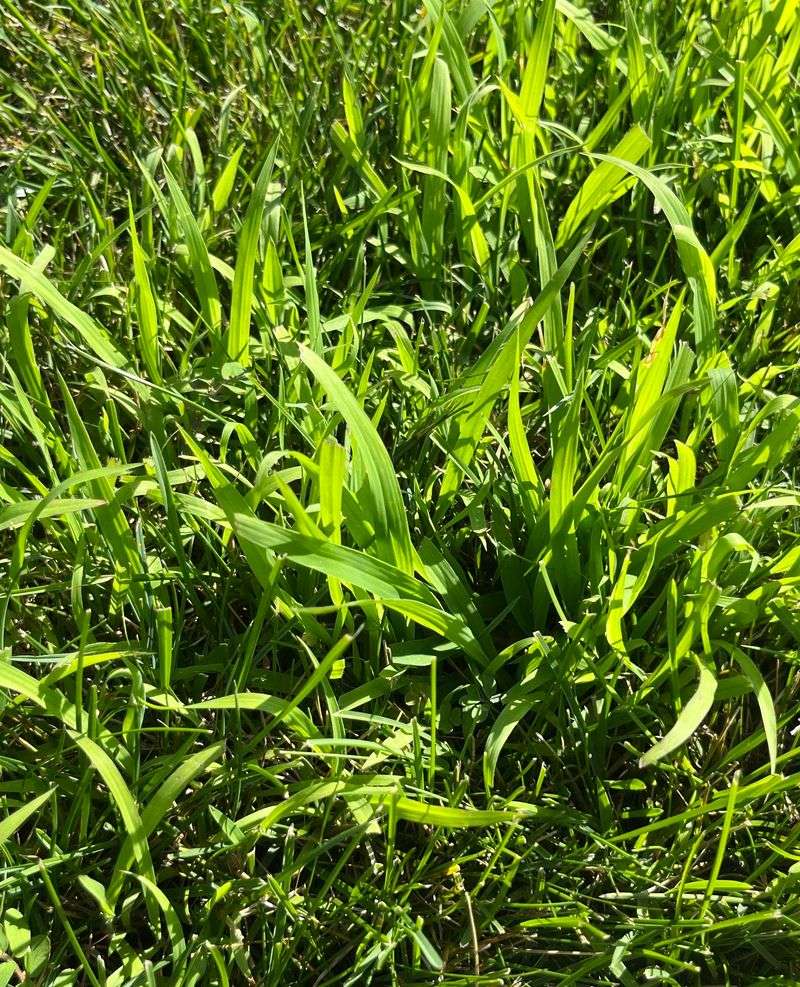
Seeds do not read calendars, but they are remarkably good at reading soil thermometers. Sprouting begins once soil near the surface holds around 55 degrees for several days straight.
In much of the country, that happens when forsythia blooms and lilacs start swelling. Gardeners have used those flowers as a timing clue for generations, and it works.
Warmth keeps building through June, so a second and third wave of sprouts arrives later. That is why a lawn cleaned in May can look overrun again by mid July.
September changes the mood, since cooler nights slow new sprouts to almost nothing. Plants already growing now will fade after the first hard frost, leaving bare gaps behind.
Those gaps are the real problem, because they become next spring’s nursery beds. Warm bare soil heats faster than shaded soil, giving buried seeds a head start.
A cheap soil thermometer costs less than a bag of fertilizer and removes the guesswork. Push it two inches down in the morning, and check it for three consecutive days.
Tracking those numbers helps you time treatments instead of reacting after sprouts appear. Missing the window by ten days can undo an otherwise solid lawn plan.
Shady areas warm slower, so sprouting there often lags two weeks behind sunny strips. South facing edges near concrete usually go first, which explains those stubborn driveway lines.
Think of the soil clock as the schedule your lawn actually follows. Work with that schedule, and your weekends stop feeling like an endless repeat.
Bare Spots Left Behind After Hand Pulling
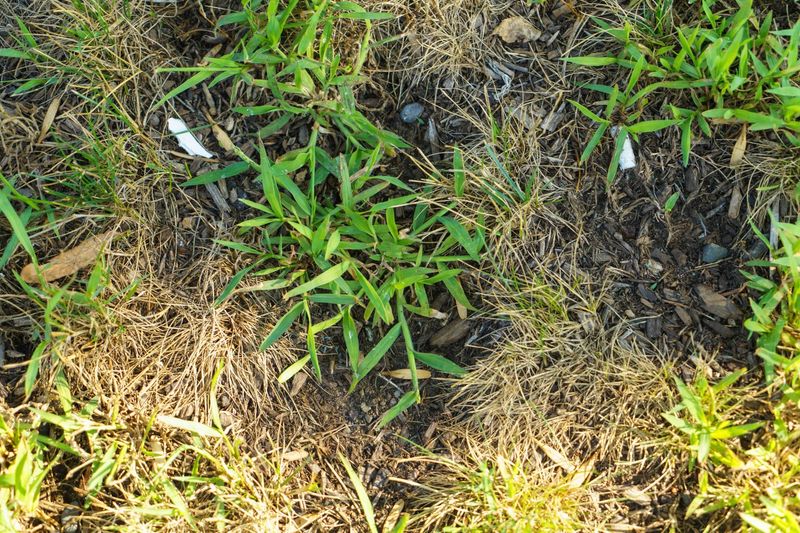
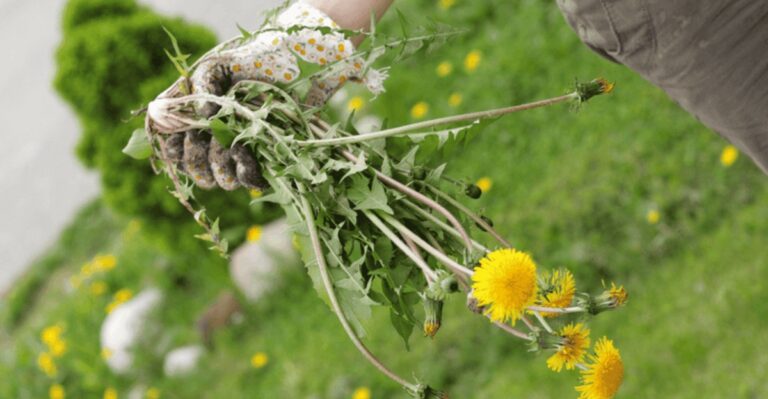
Hand pulling feels satisfying, right up until you look at the hole you created. Each removed clump leaves a patch of open dirt roughly the size of your palm.
Open dirt is an invitation, and the first thing to answer is rarely grass. Buried seeds sitting near that surface get sunlight, warmth, and room to stretch out.
Roots also break off when you tug, especially in dry, compacted ground along walkways. Some pieces resprout, which makes your tidy afternoon feel oddly temporary by next week.
Pull after rain when soil is soft, since roots slide out whole more often. Dry ground snaps roots and leaves fragments behind for a surprise second act.
Filling the hole immediately changes the outcome more than most homeowners expect. Press in a pinch of compost, sprinkle grass seed, and firm it with your shoe.
September happens to be the best month for that repair in cool season lawns. Soil stays warm, nights cool off, and young grass roots before winter arrives.
Water the patched spots lightly once or twice a day for about two weeks. Short, frequent sips beat one long soak while seedlings are still tiny and shallow.
Skipping repair is the single most common mistake I see in otherwise tidy yards. The lawn looks clean in October and speckled again by the following June.
Treat every pulled clump as a small construction project with a cleanup step. Your future self, holding a cold drink instead of a weeding bucket, will approve.
Pre-Emergent Timing That Actually Works
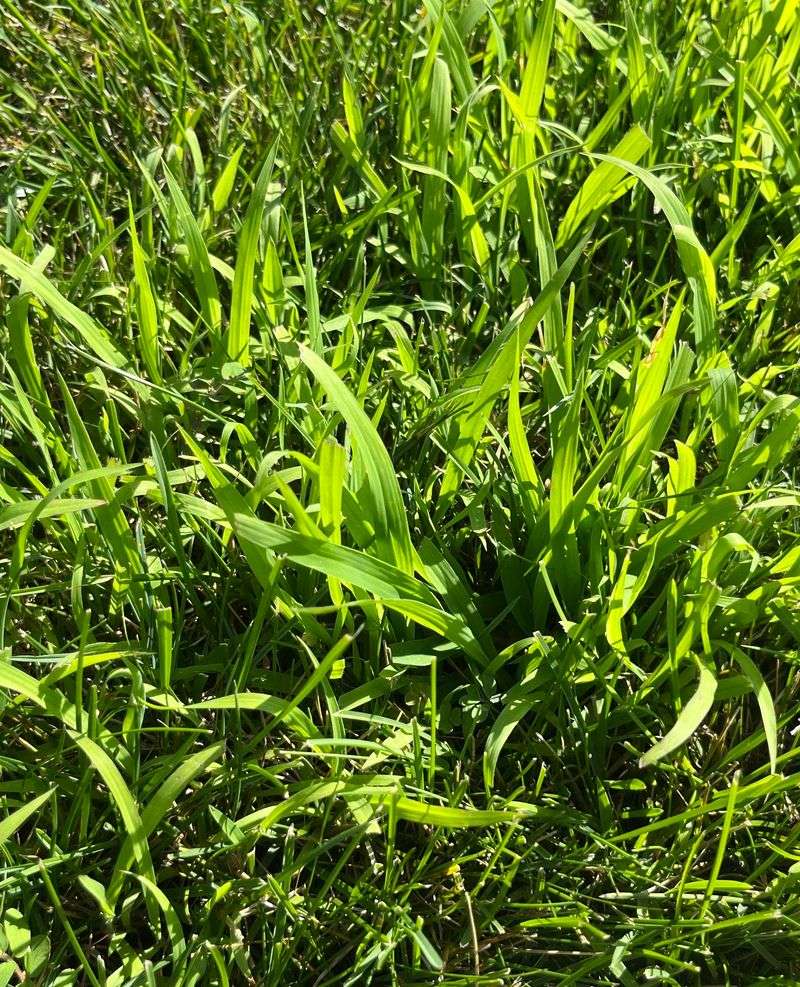
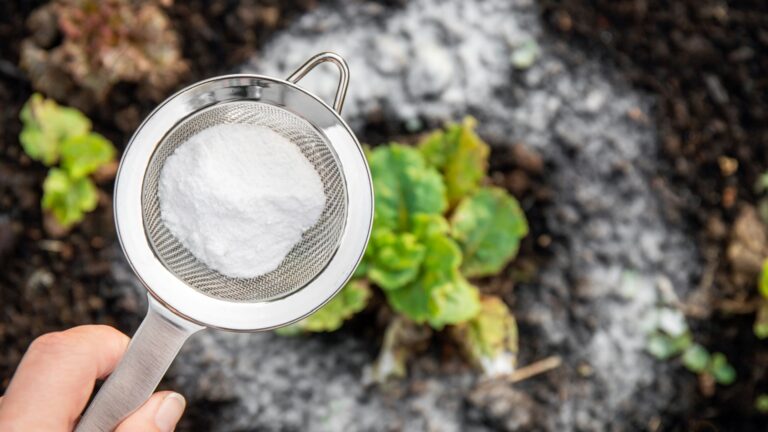
A pre-emergent product is basically a doorman, stopping seeds from establishing roots after they sprout. It has little effect on plants already standing, which is where most frustration begins.
Spring applications go down before soil reaches 55 degrees, usually early to mid March in warmer regions. Northern lawns often wait until April, and timing shifts with elevation and weather swings.
One application rarely covers the whole season, because the barrier breaks down after eight weeks or so. A second round about seven weeks later keeps the doorman on duty through summer.
Watering the product in matters, since it needs moisture to form that thin protective layer. A quarter inch of irrigation within a few days is usually plenty.
Here is the catch worth remembering this month. Pre-emergent also blocks grass seed, so you cannot apply it and overseed at the same time.
Choose one goal per season and plan the other for six to eight weeks later. Most homeowners overseed in September, then apply the barrier the following spring.
Read the label for rates instead of eyeballing the spreader setting. Too little leaves gaps, and too much can stress the grass you are protecting.
Edges along pavement deserve an extra careful pass, since that soil warms earliest. Missing eighteen inches of border can undo an otherwise excellent application.
Mark your calendar now while the memory of this summer’s routine is still fresh. A note dated March beats a panicked search for answers in June.
Mowing Height, Watering Habits, And Thin Turf
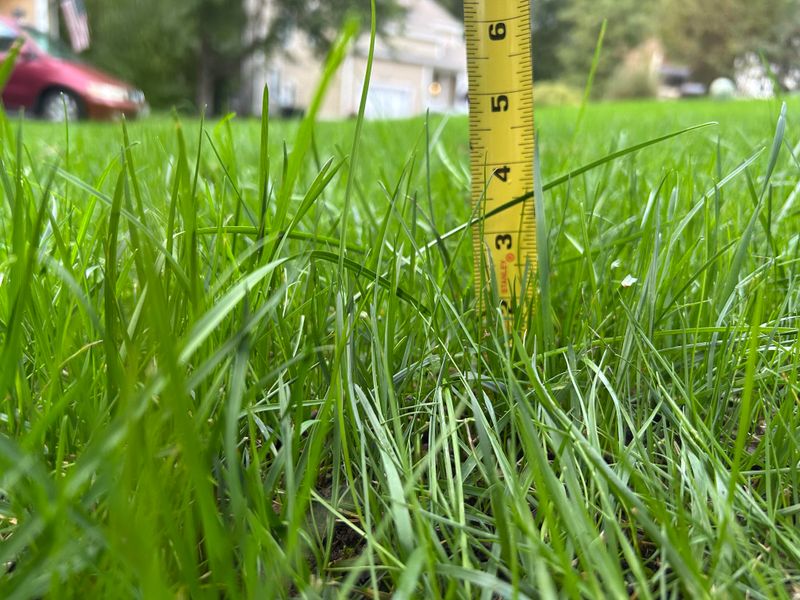
Short grass looks crisp for a day and then works against you for months. Cutting below two inches lets sunlight reach soil, and sunlight is exactly what seeds want.
Raising the mower to three or three and a half inches creates shade at ground level. Taller blades also grow deeper roots, which helps your lawn handle August heat.
Watering style matters just as much as height, maybe more. Light daily sprinkles keep the top inch damp, which favors shallow rooted weeds.
Deep soakings once or twice weekly push moisture down where your grass roots live. Aim for about an inch total per week, measured with a tuna can.
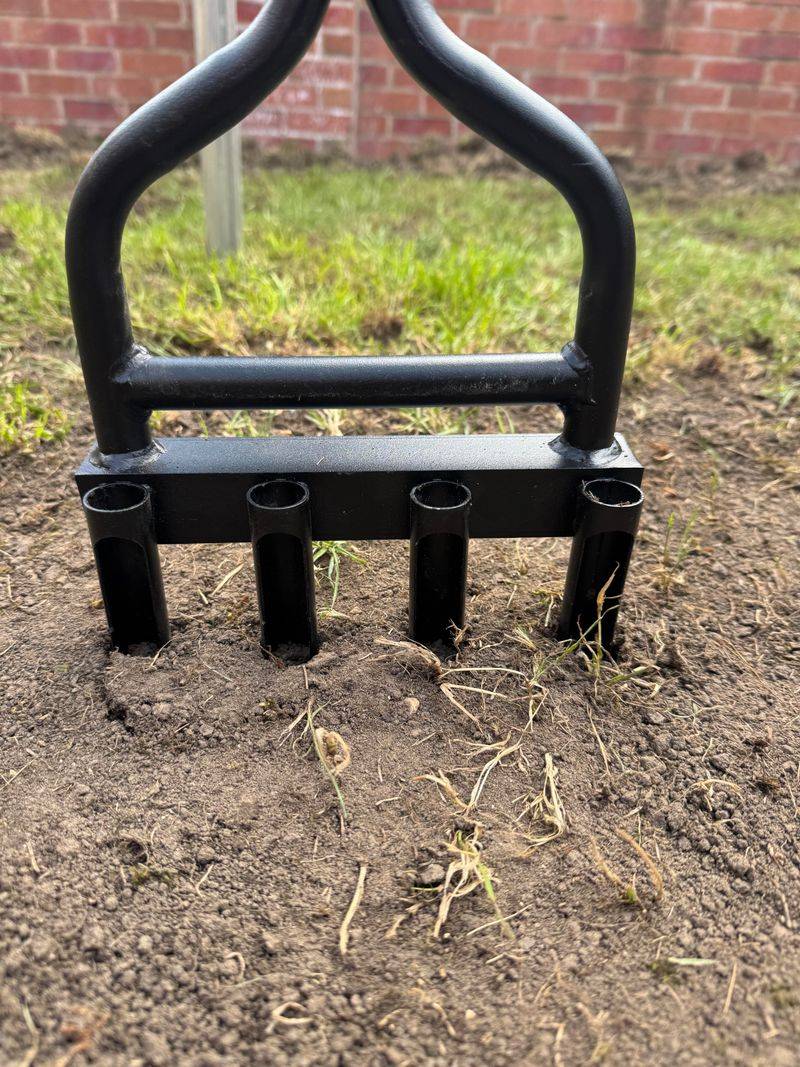
Compacted soil ruins both efforts, especially along paths where kids and dogs travel. Core aeration in early fall opens things up and lets roots breathe again.
Fertilizer timing plays a quiet role in this story too. A balanced fall feeding thickens turf when competition from summer weeds has faded.
Sharpen the mower blade twice a season, because ragged cuts stress grass badly. Stressed grass thins out, and thin lawns give up ground easily.
Thin turf is the real invitation, and everything above is about closing that door. Grass that touches its neighbors leaves almost no open ground for sprouts.
Walk your lawn and look straight down at your shoes. If you can see soil between blades, you have found next spring’s trouble spots.
Small habits stack up faster than any single product purchase. Three seasons of smart mowing beats one expensive rescue attempt every time.
Fall Overseeding For A Lawn That Crowds It Out
The most reliable long term answer is not a spray bottle at all. A thick stand of healthy grass leaves very little room for anything else.
September is prime overseeding season across most cool season regions, and the reason is timing. Soil stays warm from summer, while cooler air reduces stress on tender new seedlings.
Start by mowing slightly lower than usual and raking away thatch and clippings. Seed needs direct contact with soil, not a mattress of old plant debris.
Spread seed matched to your region, choosing tall fescue, ryegrass, or a bluegrass blend. Follow the bag rate, then topdress lightly with quarter inch of screened compost.
Keep the surface consistently moist for two to three weeks, then taper gradually. Seedlings struggle with drying out during that stretch, even for one hot afternoon.
Hold off on any weed control product until new grass has been mowed three times. Young blades are sensitive, and patience protects the investment you just made.
Overseeding also fills those pulled clumps and bare edges you noticed back in July. Each filled gap is one fewer nursery bed waiting for warm March sunshine.
By next May, that thickened lawn shades soil and lowers surface temperature noticeably. Buried seeds stay dormant longer, and fewer of them ever reach daylight.
Results compound, so year two usually looks better than year one with less work. Neighbors will assume you hired someone, and you can decide if you want to correct them.
Set a reminder for late August next year. Good lawns run on schedules.