Why Crane Flies Are Surging Across Washington State According To Experts
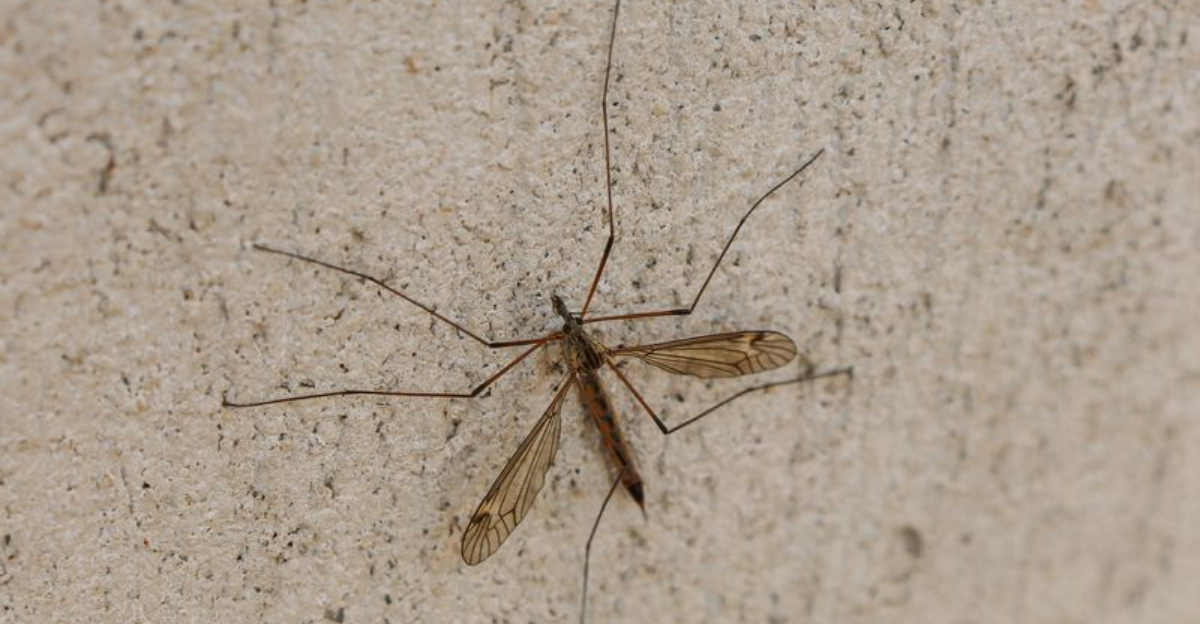
Crane flies are appearing in much larger numbers across Washington State, and many residents are noticing them hovering around yards, lights, and outdoor spaces more than usual lately.
These sudden surges tend to happen when weather patterns line up just right, creating ideal conditions for crane fly larvae to develop unnoticed underground.
Experts point to moisture levels, mild temperatures, and seasonal timing as key reasons these insects are emerging so visibly all at once.
I have heard from people who assumed something was wrong with their lawn, only to learn this increase is part of a broader regional pattern.
Once the reasons behind the surge are clear, the presence of crane flies feels less alarming and much easier to put into perspective.
1. Wet Weather Creates Perfect Breeding Conditions
Washington State experienced unusually heavy rainfall during winter and early spring, creating ideal conditions for crane fly larvae to thrive.
Experts explain that these insects need moist soil to survive their larval stage, which lasts several months underground.
When rain saturates lawns and grassy areas, it provides the perfect nursery for baby crane flies.
The larvae feed on grass roots and decaying plant matter in damp soil throughout Washington.
Without enough moisture, they cannot complete their development cycle successfully.
This year’s abundant precipitation meant more larvae survived than in typical years.
Scientists monitoring insect populations noticed the correlation between rainfall amounts and crane fly numbers almost immediately.
Homeowners across Washington reported seeing hundreds of adult crane flies emerging from their yards.
The connection between wet conditions and population booms is well-documented in entomology research.
Understanding this relationship helps explain why some years bring more crane flies than others in Washington State.
Experts note that extended wet periods during critical larval stages dramatically increase survival rates.
Even small increases in seasonal rainfall can lead to noticeable population spikes the following spring.
2. Mild Temperatures Extended Their Survival
Unusually warm winter temperatures across Washington State allowed more crane fly larvae to survive the cold months.
Typically, harsh freezes reduce their populations naturally by making soil conditions inhospitable.
This year, milder weather meant fewer larvae perished before reaching adulthood.
Adult crane flies are fragile creatures that struggle in extreme temperatures, whether hot or cold.
The moderate climate Washington experienced this season gave them longer lifespans than normal.
Entomologists noted that adults were active for extended periods, increasing their visibility.
Temperature records show Washington had one of its warmest winters on record, which directly impacted insect populations.
The combination of warmth and moisture created a perfect storm for crane fly reproduction.
Experts predict similar surges could happen again if climate patterns continue.
Residents throughout Washington noticed crane flies appearing earlier and staying around longer than previous years.
Longer survival periods allowed more adults to mate before dying off.
Extended seasonal activity amplified the overall population size noticeably.
3. Urban Lawns Provide Abundant Food Sources
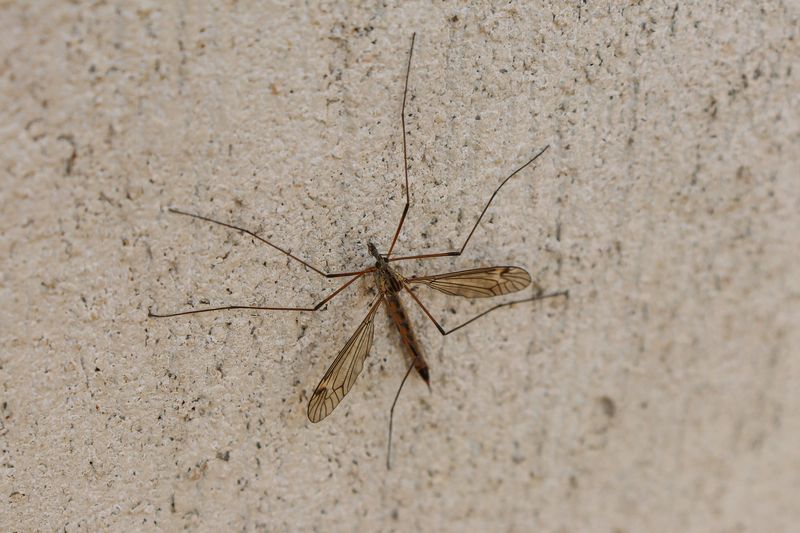
Residential neighborhoods throughout Washington State offer endless buffets for hungry crane fly larvae living beneath manicured lawns.
These insects feast on grass roots, thatch, and decomposing organic material found in typical yard environments.
Well-watered lawns create especially attractive habitats for them.
Homeowners who regularly irrigate their grass inadvertently create perfect conditions for crane fly populations to explode.
The larvae need consistent moisture and food, which suburban landscapes provide in abundance.
Experts say urban areas in Washington often support higher crane fly densities than natural habitats.
Parks, golf courses, and residential yards all contribute to the problem by offering ideal breeding grounds.
The more grass we plant and water in Washington, the more habitat we create for these insects.
Some neighborhoods reported particularly heavy infestations this year.
Landscape maintenance practices can actually encourage crane fly populations without homeowners realizing it.
Understanding this connection helps explain why Washington’s urban areas are experiencing such dramatic surges in crane fly numbers.
Highly maintained lawns tend to support larger larval populations than unmanaged areas.
Frequent watering and dense turf unintentionally favor crane fly development.
4. Natural Predators Are Declining
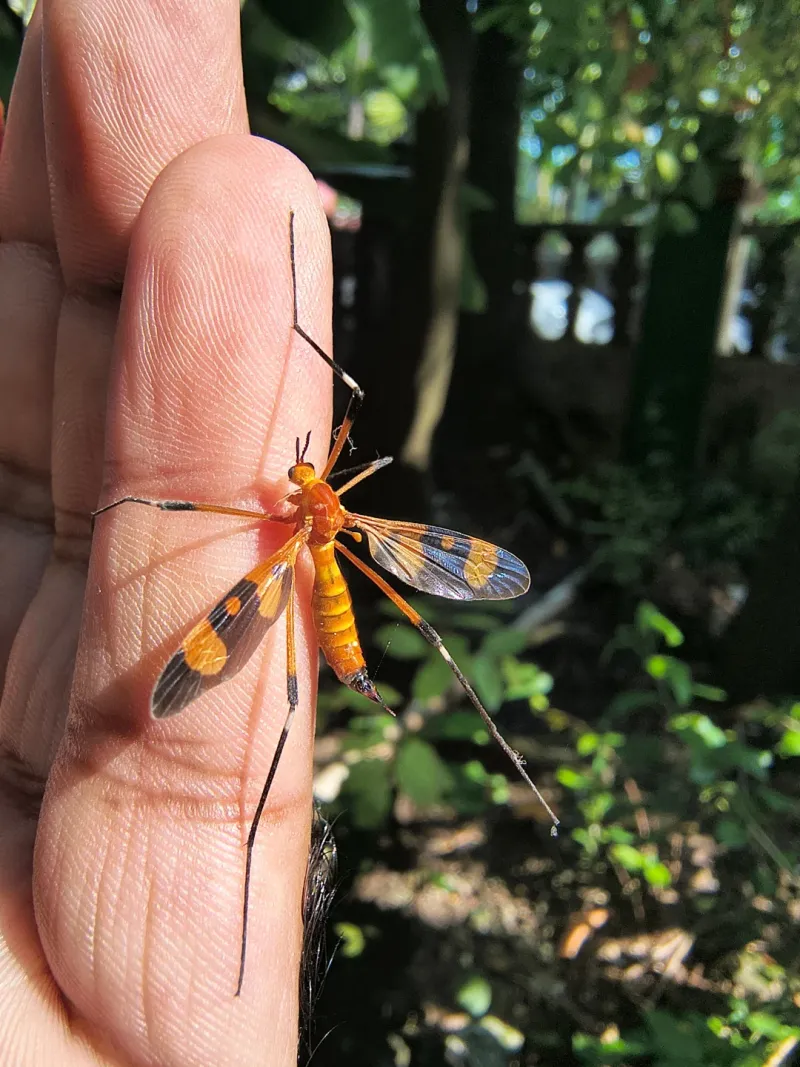
Birds, spiders, and other creatures that normally eat crane flies have seen population declines in Washington State recently.
When predator numbers drop, prey species like crane flies can reproduce without natural checks on their populations.
Ornithologists have documented concerning decreases in several insect-eating bird species.
Habitat loss and environmental changes have reduced the number of animals that keep crane fly populations under control.
Fewer predators mean more crane flies survive to adulthood and reproduce successfully.
This imbalance creates the perfect scenario for population explosions.
Researchers studying ecosystems in Washington noticed the correlation between declining predator populations and increasing pest insects.
The food web disruption allows species like crane flies to thrive unchecked.
Pesticide use may also reduce beneficial predator insects.
Restoration of natural predator populations could help control crane fly numbers in Washington over time.
Encouraging birds and beneficial insects to return to yards and parks provides a natural solution to population surges without chemical interventions.
Healthy predator populations help stabilize insect numbers naturally.
5. They Are Harmless Despite Their Scary Appearance
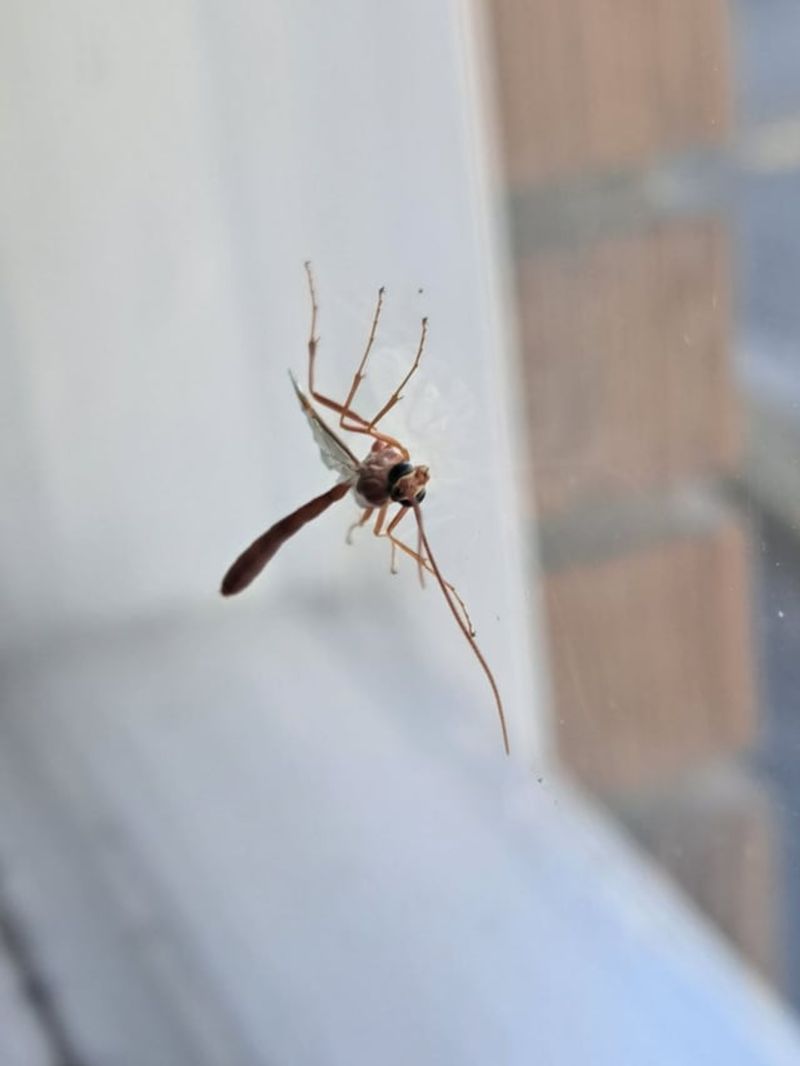
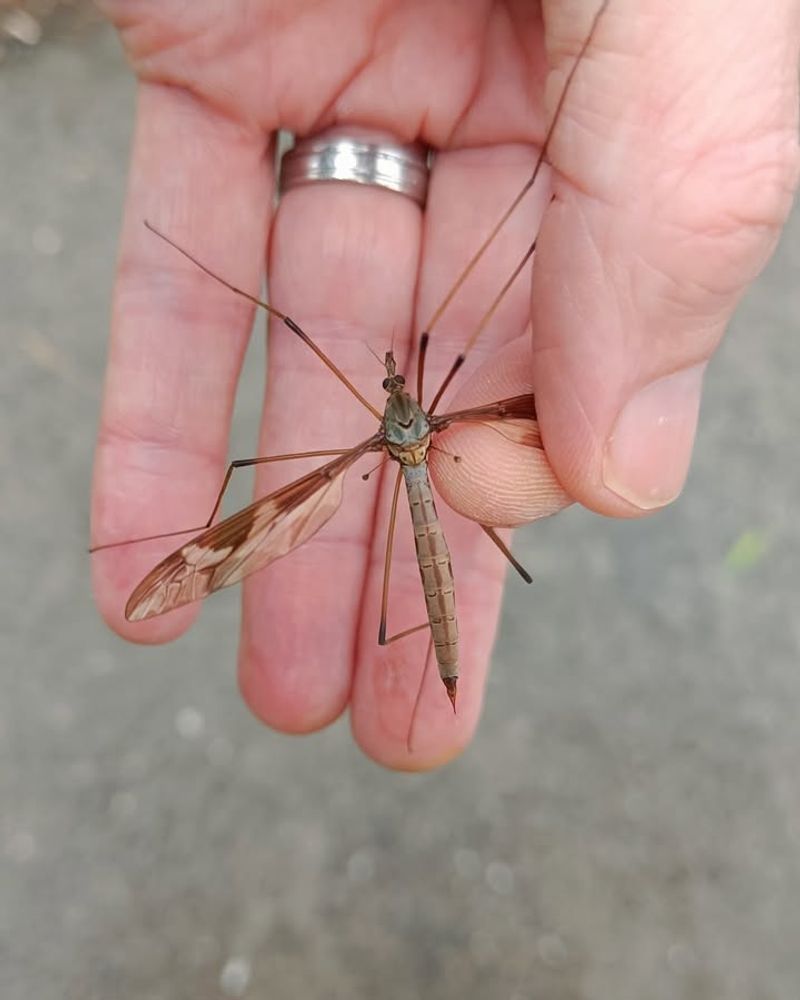
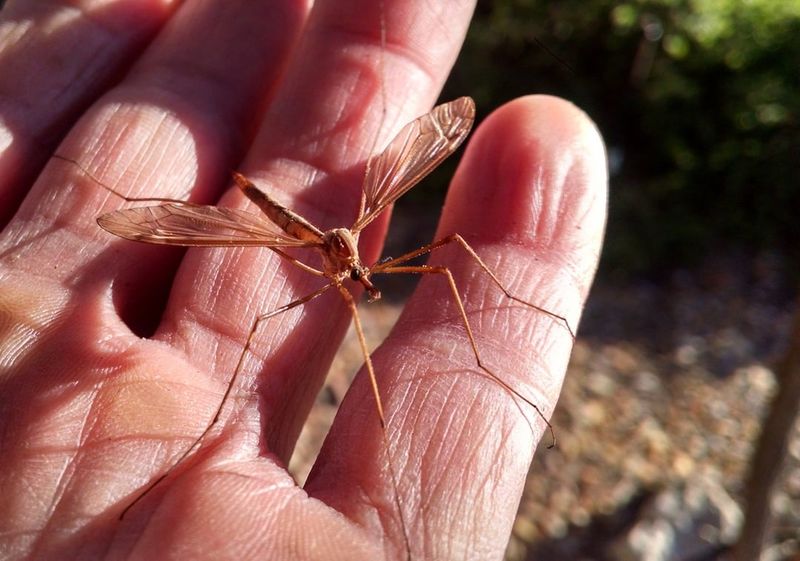
Many Washington residents panic when they see crane flies because they resemble giant mosquitoes with incredibly long legs.
However, experts emphasize these insects are completely harmless to humans and do not bite or sting anyone.
They lack the mouthparts necessary to pierce skin or consume blood.
Adult crane flies actually do not eat anything during their brief lives, which typically last only a few days.
Their sole purpose is reproduction, not feeding on people or pets.
The misconception that they are dangerous causes unnecessary fear.
Entomologists across Washington spend considerable time educating the public about crane fly behavior and biology.
Understanding that they pose no threat helps people coexist peacefully with these awkward-looking insects.
Children often find them frightening due to their size and appearance.
The insects are actually quite clumsy and weak fliers, often bumping into walls and windows throughout Washington homes.
Their gangly legs break off easily, and they cannot harm anyone even if they wanted to try.
Public education helps reduce panic during seasonal surges.
6. Larvae Can Damage Lawns In Large Numbers
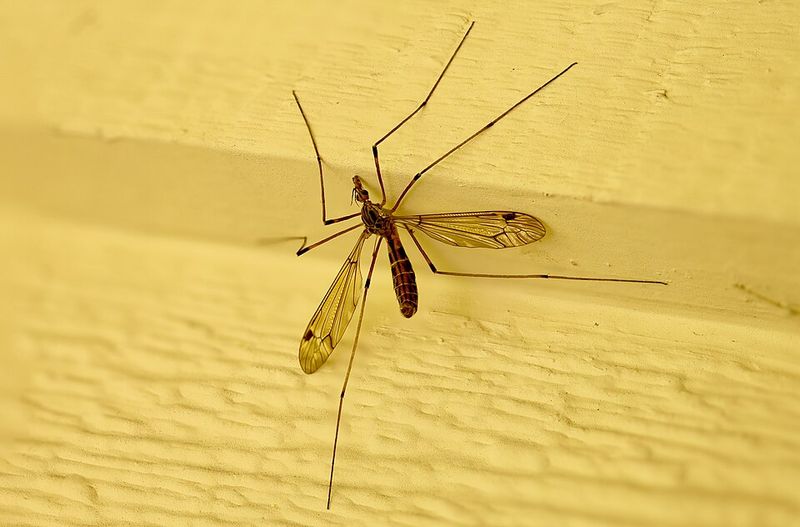
While adult crane flies are harmless, their underground larvae can cause significant problems for lawns throughout Washington State.
The worm-like larvae, called leatherjackets, feed on grass roots and can create brown patches in heavily infested yards.
Homeowners sometimes mistake the damage for drought stress or disease.
Large populations of larvae can essentially scalp lawns by eating roots faster than grass can regenerate growth.
Affected areas become thin, patchy, and vulnerable to weeds taking over bare spots.
Washington residents with severe infestations may need professional lawn care assistance.
Experts recommend monitoring your yard for signs of larval activity, especially if you notice increased adult crane flies.
Early detection allows for intervention before significant damage occurs to grass in Washington neighborhoods.
Some lawns require reseeding after heavy infestations.
The larvae are most active during cool, wet periods when they feed aggressively near the soil surface.
Understanding their life cycle helps Washington homeowners protect their lawns from potential damage caused by these hungry insects.
Unchecked feeding can weaken turf long after adults disappear.
Damage often becomes visible only once populations peak.
7. Population Cycles Follow Predictable Patterns
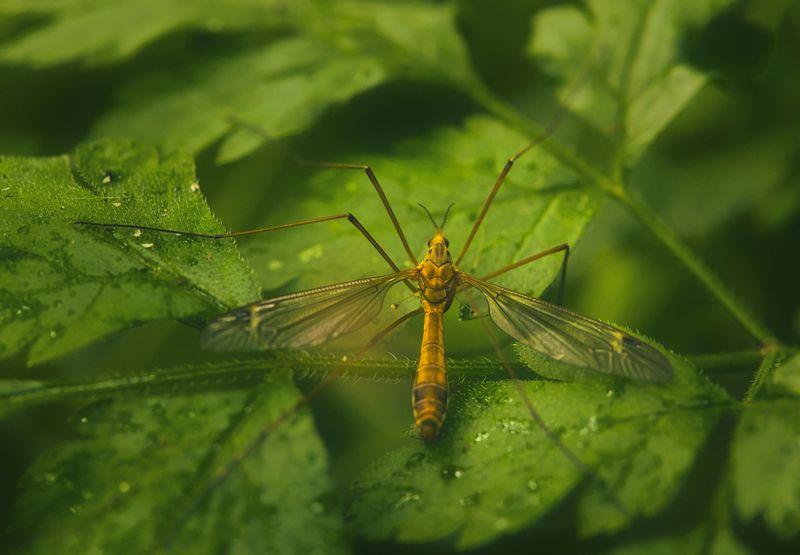
Entomologists studying crane flies in Washington State have identified predictable boom-and-bust cycles in their populations over multiple years.
After a surge year, numbers typically decline as environmental conditions change and natural balances restore themselves.
These fluctuations are normal in insect ecology.
Weather patterns play the biggest role in determining whether Washington will experience a crane fly boom year.
Consecutive seasons of favorable conditions can create multiple surge years in a row.
Eventually, drier weather or other factors bring populations back down.
Historical records show Washington has experienced similar crane fly surges approximately every three to five years.
Recognizing these patterns helps residents understand that current high numbers are temporary, not permanent.
Nature tends to self-correct over time.
Scientists can sometimes predict surge years based on winter rainfall and temperature data collected across Washington.
This information allows pest control companies and homeowners to prepare for potential infestations.
Understanding natural cycles reduces anxiety about temporary population increases.
8. Simple Prevention Methods Work Best
Washington residents can reduce crane fly populations around their homes by adjusting lawn watering practices to avoid creating overly moist conditions.
Experts recommend watering less frequently but more deeply to encourage healthy grass without saturating soil constantly.
This approach discourages larval development.
Improving lawn drainage helps prevent standing water and soggy areas where crane fly larvae thrive throughout Washington neighborhoods.
Aerating compacted soil allows better water absorption and root health.
Healthy, vigorous grass can better withstand minor larval feeding.
Reducing outdoor lighting at night prevents adult crane flies from gathering around homes in Washington during their active periods.
These insects are attracted to lights, which draws them toward buildings and increases their visibility.
Simple changes make big differences.
Natural predators can be encouraged by providing bird feeders, birdhouses, and pesticide-free environments throughout Washington yards and gardens.
Creating habitat for beneficial insects and animals provides long-term population control without chemicals or expensive treatments for your property.
Consistent prevention reduces the severity of future surges.
Small adjustments often produce noticeable results.