Why Cutworms Are Appearing Earlier In California Vegetable Gardens Each Year
California vegetable gardeners have noticed a troubling pattern in recent years.
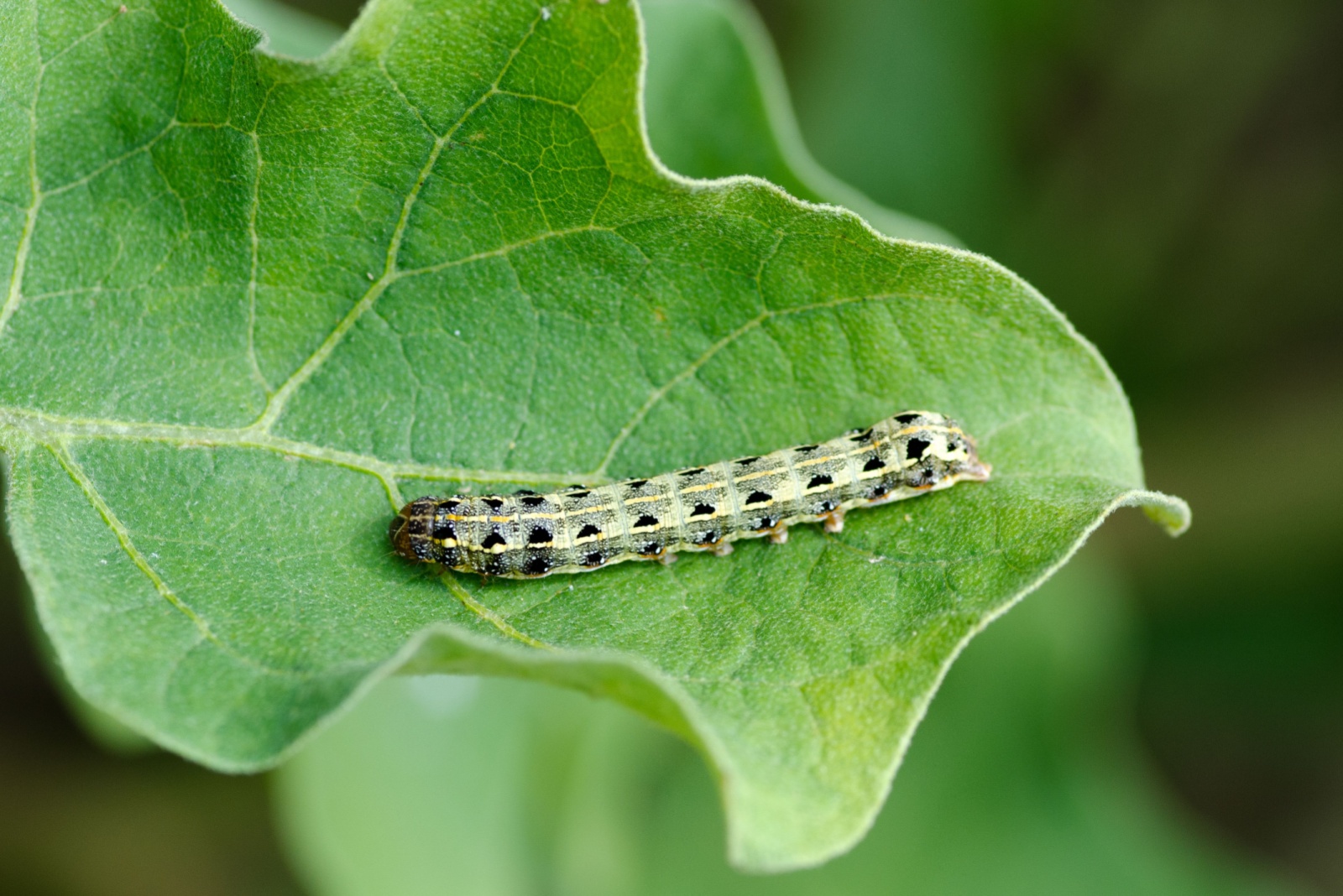
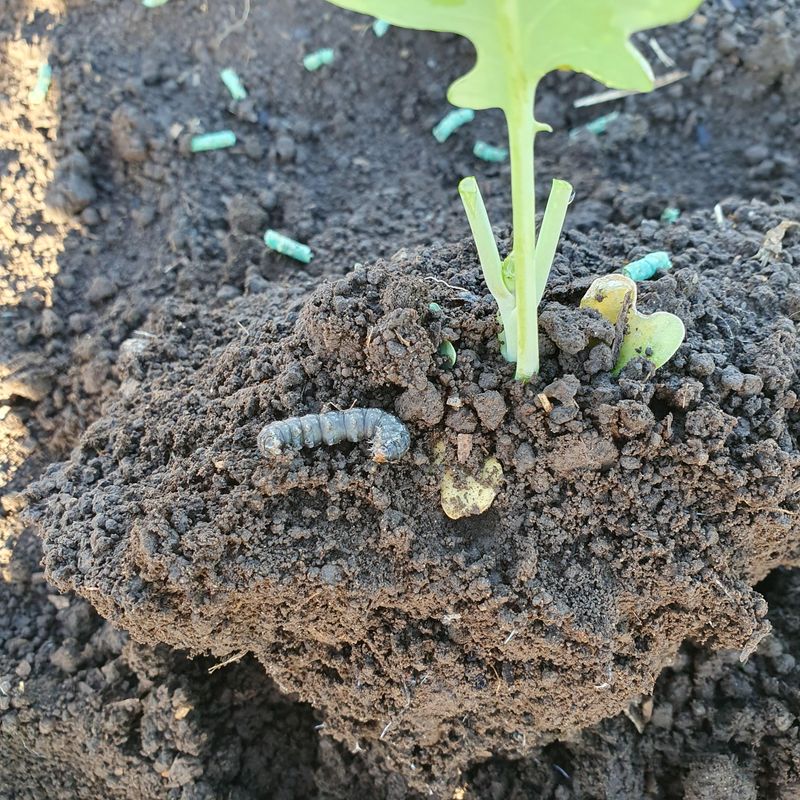
Cutworms, those sneaky caterpillars that munch through tender plant stems at night, now show up weeks earlier than they used to.
This shift creates major headaches for anyone trying to grow tomatoes, peppers, or other warm-season crops.
Climate patterns across the state have changed dramatically over the past decade. Warmer winters and earlier springs trigger biological changes in insect populations.
Cutworm moths emerge from their dormant state when temperatures rise, and California now experiences those warming trends much sooner each year.
Urban development, agricultural practices, and natural weather cycles all play roles in this phenomenon.
Gardeners who recognize these patterns can adjust their planting schedules and pest management strategies.
The following reasons explain the science behind this seasonal shift and offer insight into what drives cutworm behavior.
Each factor connects to broader environmental changes affecting California agriculture and home gardens alike.
By learning about these influences, you can stay one step ahead of these destructive pests and enjoy a more successful growing season.
Rising Winter Temperatures Shorten Dormancy Periods
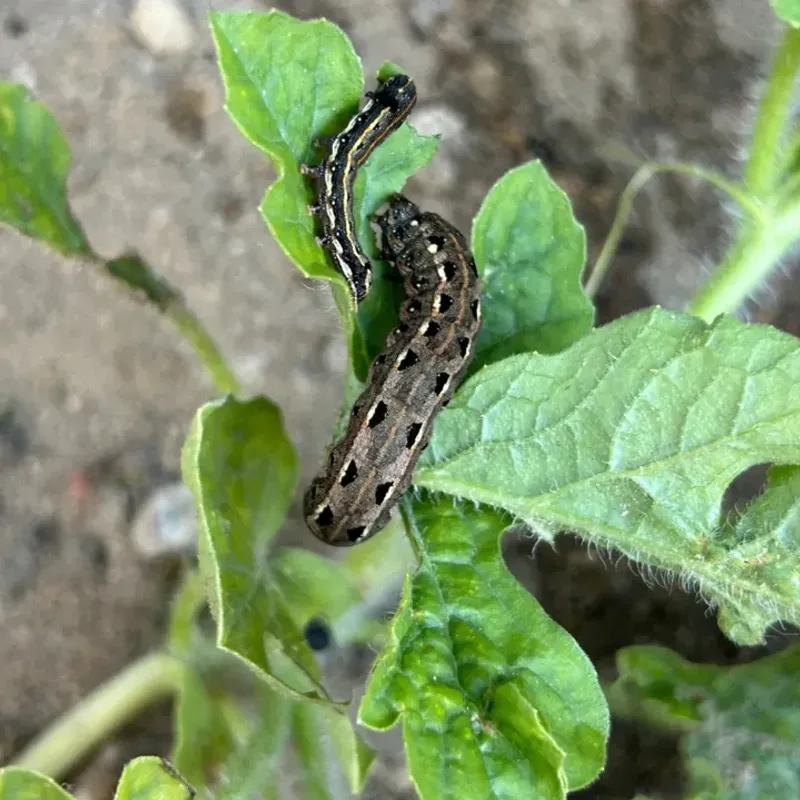
Warmer winters across California mean cutworm larvae and pupae spend less time in their dormant state.
Insects rely on temperature cues to regulate their life cycles, and when soil temperatures stay mild throughout winter months, these pests wake up earlier.
Traditional cold snaps that once kept cutworm populations in check now occur less frequently.
Scientists have documented average winter temperature increases of two to three degrees Fahrenheit across many California regions over the past twenty years.
This seemingly small change makes a huge difference for cold-blooded creatures like cutworms.
Their metabolic processes speed up when temperatures rise, allowing them to develop faster and emerge sooner.
Gardeners in coastal and valley regions notice the biggest changes because these areas experience the mildest winters.
Mountain communities still see some protective cold weather, but even high-elevation gardens report earlier pest activity.
Soil temperatures above fifty degrees Fahrenheit trigger cutworm movement and feeding.
Many California gardens now reach this threshold in late February or early March instead of April.
This early emergence catches gardeners off guard, especially those who plant based on traditional calendars.
Monitoring soil temperatures with a simple thermometer helps predict when cutworms might become active in your specific location.
Extended Growing Seasons Create More Pest Generations
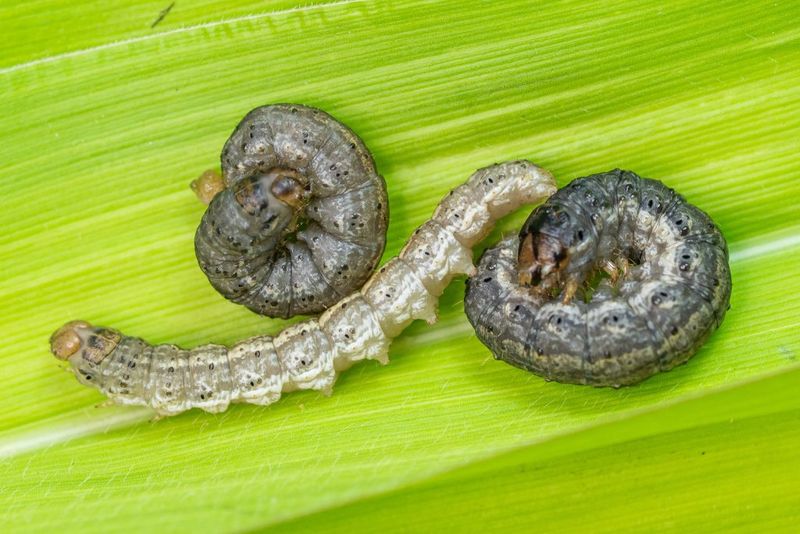
California now experiences growing seasons that stretch weeks longer than they did a generation ago.
Fall frosts arrive later, and spring warmth comes sooner, giving cutworm moths extra time to reproduce.
Each female moth can lay hundreds of eggs during her lifetime.
With extended warm periods, populations produce additional generations each year.
More generations mean exponentially larger pest numbers by the time traditional spring planting arrives.
A single extra reproductive cycle can triple the cutworm population in a given area.
Gardeners who grow fall crops inadvertently support these extra generations by providing fresh food sources late into autumn.
The pests then overwinter as larvae or pupae in greater numbers than before.
When spring arrives, this larger population emerges all at once, overwhelming young seedlings.
Crop rotation and fall garden cleanup become even more important under these conditions.
Removing plant debris and turning soil in late autumn exposes cutworm pupae to predators and harsh weather.
Understanding the connection between extended seasons and pest populations helps gardeners time their interventions more effectively.
Planning for multiple pest waves throughout the year becomes essential rather than optional.
Drought Conditions Stress Plants And Favor Cutworms

California faces recurring drought cycles that weaken vegetable plants and make them more vulnerable to cutworm attacks.
Stressed plants produce chemical signals that actually attract certain pests, including cutworm moths seeking egg-laying sites.
Drought also changes soil composition and moisture levels in ways that benefit cutworm survival.
Drier soil warms faster in spring, reaching the temperature thresholds that trigger cutworm emergence earlier than moist soil would.
Compacted, dry earth provides better tunneling conditions for these pests as they move between plants at night.
Water-stressed seedlings have softer, more succulent stems that cutworms find easier to sever and consume.
Healthy, well-watered plants develop tougher tissue that resists cutting.
Ironically, drought conditions also reduce populations of beneficial insects and predators that normally help control cutworms.
Ground beetles, birds, and parasitic wasps all struggle when water becomes scarce.
This creates a perfect storm where cutworms thrive while their natural enemies decline.
Gardeners can counter these effects by maintaining consistent soil moisture through drip irrigation or mulching.
Strong, vigorous plants better withstand pest pressure even when cutworms appear early.
Strategic watering practices protect both your plants and the beneficial organisms that help manage pest populations naturally.
Urban Heat Islands Accelerate Pest Development
Cities and suburban areas create microclimates significantly warmer than surrounding rural regions.
Concrete, asphalt, and buildings absorb and radiate heat, raising local temperatures by five to ten degrees compared to open countryside.
Urban gardeners face earlier cutworm activity because their plots exist in these artificially warmed environments.
Pavement around raised beds and garden plots retains daytime heat well into the night, keeping soil temperatures elevated.
This constant warmth speeds up insect development and allows cutworms to complete their life cycles faster.
What might take six weeks in a rural setting could happen in just four weeks in an urban garden.
Buildings also block wind and create sheltered pockets where warmth accumulates.
Cutworm moths prefer these protected areas for laying eggs because the stable conditions improve larval survival rates.
Rooftop and balcony gardens experience particularly intense heat island effects.
Dark roofing materials can raise surrounding air temperatures by fifteen degrees or more on sunny days.
Gardeners in urban settings should expect pest problems to start earlier and persist longer than traditional farming calendars suggest.
Using shade cloth during peak heat periods and choosing heat-tolerant plant varieties helps offset some urban heat island impacts.
Monitoring pest activity closely in urban gardens allows for quicker intervention when cutworms first appear.
Reduced Frost Events Allow Greater Overwintering Survival
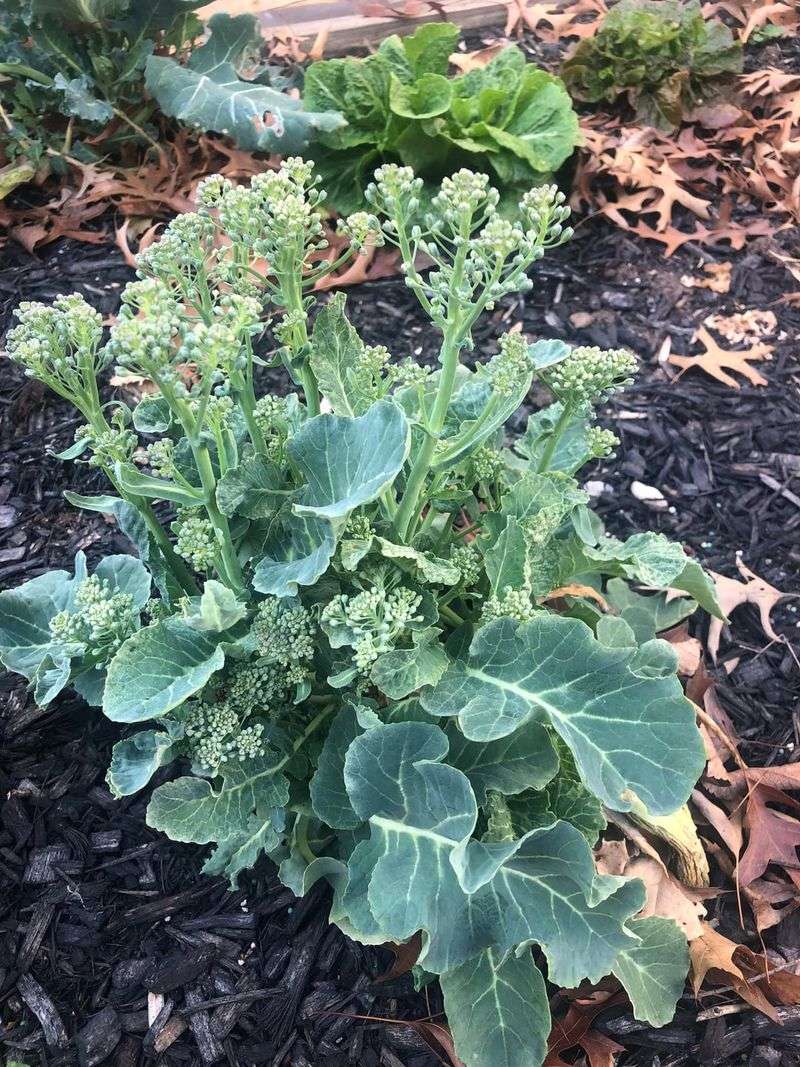
Hard freezes once regulated cutworm populations by reducing the number of larvae and pupae that survived winter.
Many California regions now go entire winters without experiencing temperatures below freezing.
Even areas that traditionally saw regular frost now record fewer cold nights each season.
Cutworms hiding just below the soil surface can survive mild winters with ease.
When spring arrives, these overwintered populations emerge hungry and ready to feed on fresh seedlings.
Higher survival rates mean larger pest numbers right from the start of the growing season.
Coastal gardens particularly benefit from ocean temperature moderation, which prevents extreme cold snaps.
Inland valleys that once experienced reliable winter chills now see inconsistent cold patterns.
Some years bring no significant frost at all, allowing pest populations to explode.
Gardeners can no longer count on winter weather to reduce pest pressure naturally.
Active management strategies become necessary year-round rather than just during traditional growing months.
Fall and winter cultivation practices that expose soil to whatever cold does occur help reduce overwintering pest numbers.
Turning garden beds in December and January brings hidden cutworms to the surface where birds can find them and where any cold weather has maximum impact.
Earlier Spring Warmth Triggers Premature Moth Emergence
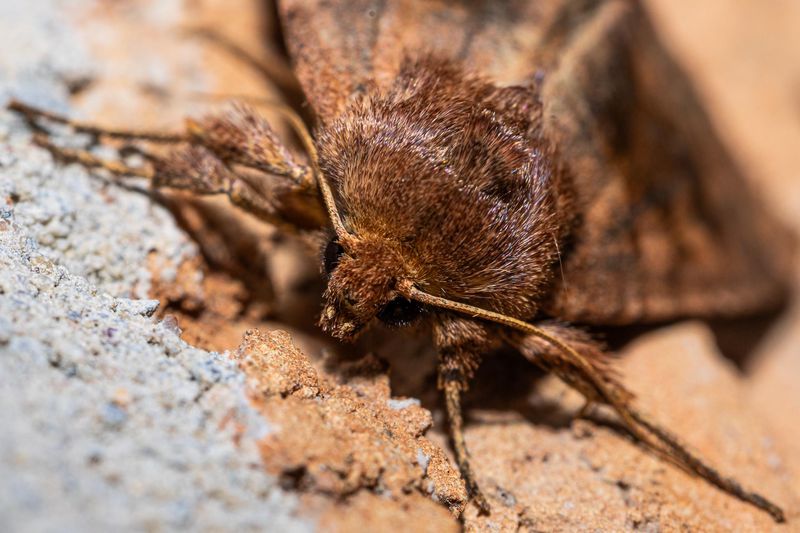
Spring warmth now arrives two to three weeks earlier across much of California compared to historical averages.
February temperatures that once felt cool and wintry now frequently reach the sixties and seventies.
These warm spells trigger cutworm moths to emerge from their pupal cases and begin their reproductive flights.
Once active, female moths immediately search for suitable plants on which to lay eggs.
Early-planted vegetables and even weeds provide perfect egg-laying sites.
Within days of hatching, tiny cutworm larvae begin feeding on whatever green growth they find.
Gardeners who plant early to take advantage of warm weather inadvertently provide food for these newly hatched pests.
The timing creates a perfect match between vulnerable seedlings and hungry young cutworms.
Traditional planting schedules based on old climate data no longer align with current pest activity patterns.
Warm February days followed by March planting once worked well because cutworms emerged later.
Now, moths may emerge in January or early February, giving their offspring a head start before gardeners even begin planting.
Tracking actual temperature patterns rather than calendar dates helps gardeners anticipate when moths might become active.
Protective measures like cutworm collars should go into place at planting time rather than waiting for visible damage.
Changes In Rainfall Patterns Affect Soil Conditions
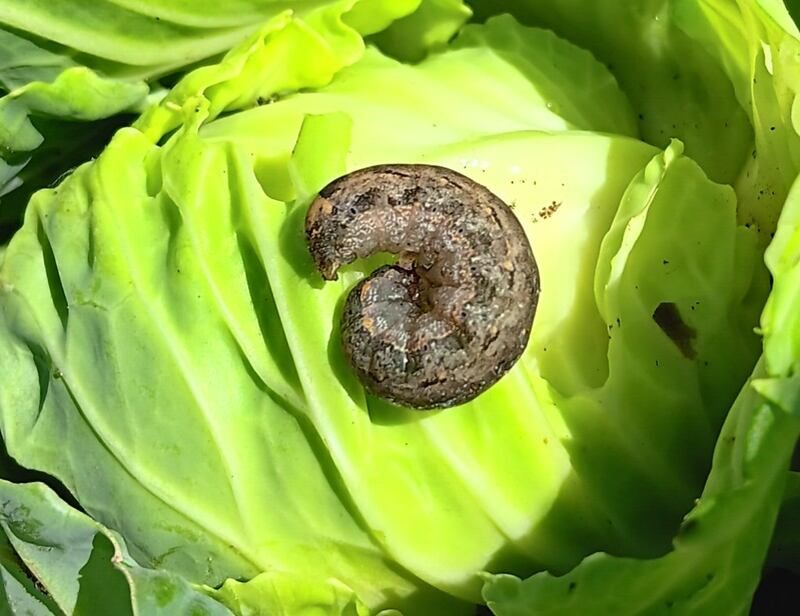
California rainfall patterns have shifted dramatically, with longer dry periods interrupted by intense storm events.
These changes affect soil temperature, moisture, and structure in ways that influence cutworm behavior.
Dry soil warms quickly during sunny periods, triggering early pest activity.
Sudden heavy rains then create ideal moist conditions for cutworm feeding and movement.
The pests travel more easily through damp soil, reaching more plants in less time.
Irregular rainfall also disrupts natural pest control mechanisms.
Beneficial fungi and bacteria that normally infect and control cutworm populations require consistent moisture levels to thrive.
When soil alternates between very dry and saturated, these beneficial organisms struggle to maintain stable populations.
Cutworms, being more mobile and adaptable, handle the changing conditions better than their natural enemies.
Heavy winter rains followed by warm, dry springs create particularly favorable conditions for early cutworm emergence.
The rain supports good plant growth, providing abundant food sources, while the subsequent dry warmth triggers pest activity.
Gardeners should adjust watering practices to maintain more consistent soil moisture rather than allowing extreme wet-dry cycles.
Mulching helps buffer these moisture fluctuations and supports beneficial organism populations that help suppress cutworm numbers naturally.
Agricultural Intensification Provides Year-Round Host Plants

Modern California agriculture produces crops year-round, with something green and growing in fields during every season.
This continuous food supply supports cutworm populations throughout the year rather than forcing them into true dormancy.
Commercial vegetable operations, cover crops, and winter plantings all provide host plants for cutworm moths and larvae.
Pests that once faced food scarcity during winter months now find abundant resources.
Home gardens sit within this larger agricultural landscape, benefiting from fresh produce availability but also dealing with increased pest pressure.
Cutworm moths easily fly from commercial fields to backyard plots, spreading populations across entire regions.
Year-round cropping also means year-round pesticide use in some areas, which can reduce beneficial insect populations more than pest species.
Cutworms reproduce quickly enough to bounce back from control measures, while their slower-reproducing predators struggle to recover.
This imbalance tips the ecological scales in favor of pests.
Gardens near agricultural areas experience particularly early and intense cutworm problems.
Understanding this connection helps gardeners recognize that pest management requires community-wide awareness.
Coordinating planting schedules and control methods with neighbors and nearby farms can reduce overall pest pressure.
Supporting beneficial insect habitat through native plantings and pesticide-free zones helps restore natural balance.