Why Dark Eyed Juncos Come Back To New York Each Winter
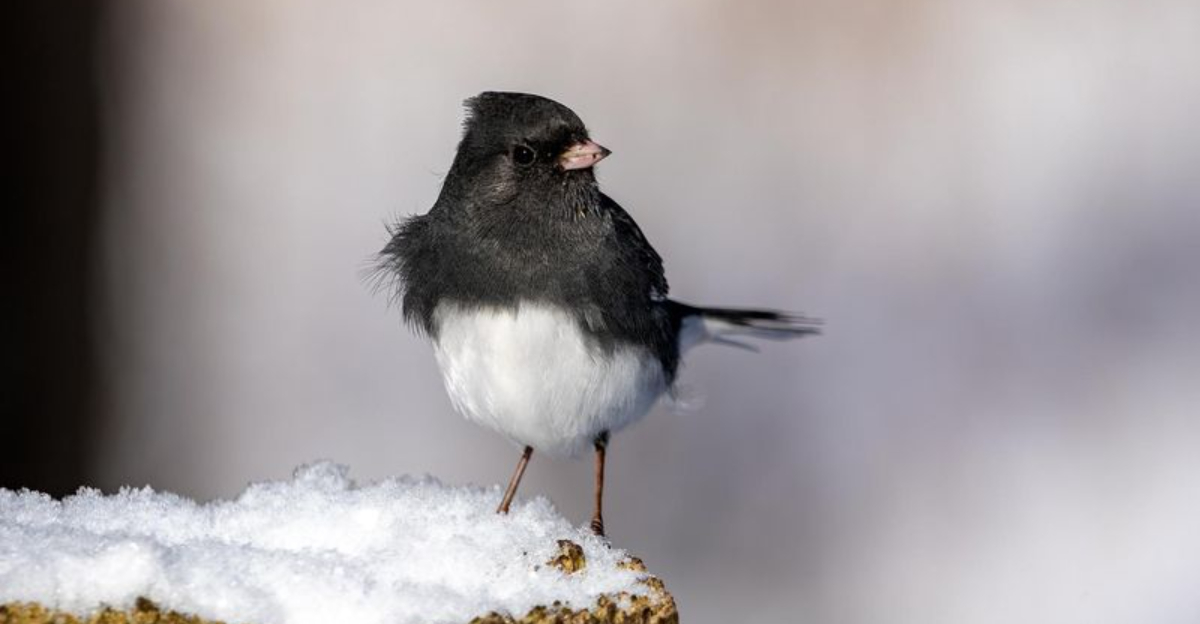
Every winter, a small gray bird with white outer tail feathers shows up at feeders across New York.
The Dark-eyed Junco arrives like clockwork when temperatures drop and snow begins to blanket the ground.
Bird watchers call them “snowbirds” because they appear right around the first snowfall and stick around until spring returns.
These charming little visitors travel from their breeding grounds in Canada and northern forests to spend the cold months in milder areas like New York.
But why do Dark-eyed Juncos choose New York as their winter home year after year?
The answer involves a mix of food availability, safer conditions, and natural instincts that have developed over thousands of years.
From abundant seeds to protective shelter, New York offers juncos exactly what they need during winter months.
When you spot a Dark-eyed Junco hopping across snowy ground or perched on a branch, you witness a remarkable survival strategy in action.
These birds know where to go and when to arrive, following ancient migration patterns.
Their return each winter tells a fascinating story about adaptation, instinct, and the natural rhythms that connect wildlife to specific places.
New York becomes a temporary sanctuary where juncos can thrive until warmer weather calls them north again.
Abundant Food Sources Throughout The Season
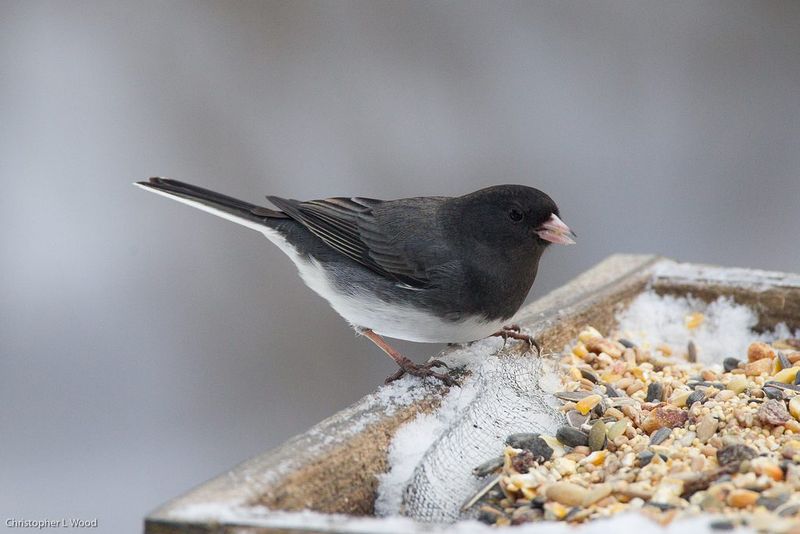
Seeds become incredibly plentiful across New York during winter months, making the state a perfect dining destination for hungry juncos.
Weedy fields, gardens, and forest edges produce countless seeds from plants like ragweed, chickweed, and various grasses that juncos love to eat.
These seeds remain available even under light snow cover because juncos have mastered the art of scratching through powder to find hidden meals.
Backyard bird feeders add another layer of food security that juncos appreciate.
Many New Yorkers fill their feeders with millet, cracked corn, and sunflower seeds throughout winter, creating reliable buffets for visiting birds.
Juncos quickly learn which neighborhoods offer the best feeding stations and return to those same yards season after season.
Natural food sources also include small insects and spiders that hide in bark crevices and leaf litter.
While seeds make up most of their winter diet, juncos will grab protein-rich bugs whenever possible.
This dietary flexibility helps them maintain energy during cold snaps when other food becomes scarce.
The combination of wild seeds and human-provided food creates a buffet that northern breeding grounds simply cannot match during winter.
Juncos instinctively recognize New York as a place where starvation risks drop dramatically compared to staying in frozen Canadian forests.
Food availability drives migration patterns, and New York delivers consistent meals that keep juncos healthy all winter long.
Milder Temperatures Compared To Breeding Grounds
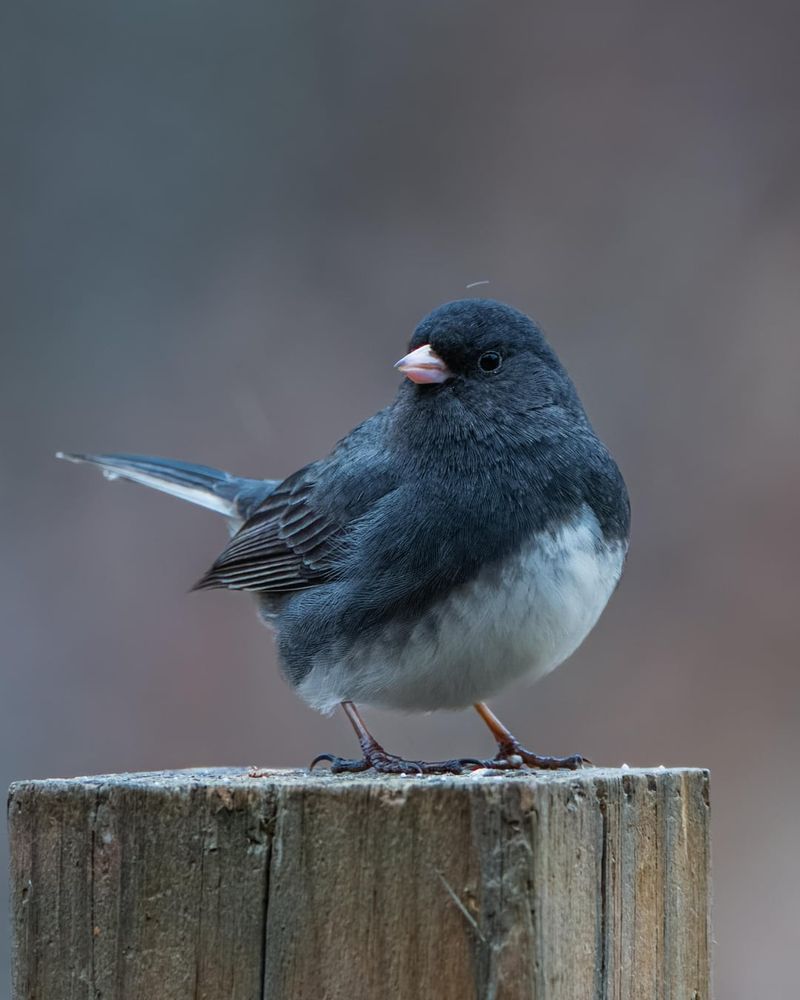
Temperature differences between northern breeding areas and New York create a compelling reason for juncos to migrate south each year.
While New York winters feel cold to humans, they remain significantly warmer than the extreme conditions juncos would face in Canada or northern New England.
A 20-degree difference might not sound dramatic, but for a tiny bird weighing less than an ounce, those degrees mean survival.
Extreme cold forces birds to burn massive amounts of energy just maintaining body temperature.
Juncos that stay too far north risk exhausting their fat reserves before spring arrives, leaving them vulnerable and weak.
By moving to New York, they reduce the metabolic cost of staying warm during long winter nights.
Snow depth also matters tremendously to ground-feeding birds like juncos.
New York typically receives moderate snowfall that melts periodically, exposing ground-level food sources regularly.
Farther north, deep snow can bury food for months at a time, creating dangerous conditions for birds that feed primarily on the ground.
Wind chill factors into the equation as well.
New York experiences fewer brutal Arctic blasts than regions directly north, giving juncos more comfortable foraging conditions.
They can spend more time searching for food and less time huddled in shelter trying to conserve warmth.
This energy balance tips heavily in favor of migration, explaining why juncos consistently choose New York as their winter refuge.
Excellent Shelter And Protective Cover
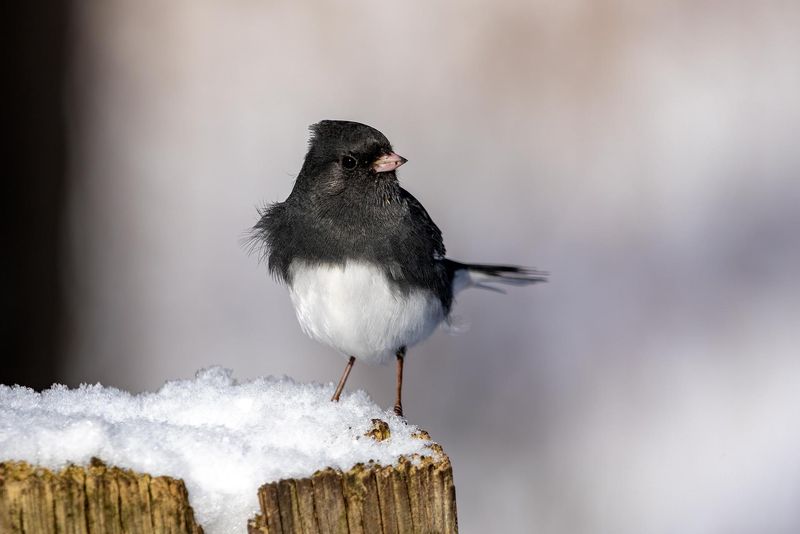
Finding safe places to hide from predators and harsh weather becomes critical during winter months when trees lose their leaves.
New York offers juncos countless sheltered spots including thick evergreen shrubs, dense brush piles, and overgrown hedgerows that provide excellent protection.
These refuge areas allow juncos to escape hawks, cats, and bitter winds that could otherwise threaten their survival.
Evergreen trees like spruce, pine, and hemlock create natural windbreaks that juncos use extensively.
Their thick branches trap warmer air and block wind, creating microclimates several degrees warmer than surrounding open areas.
Juncos often roost in these conifers overnight, huddling together in protected spots where their body heat accumulates.
Human landscaping accidentally creates perfect junco habitat throughout New York.
Foundation plantings, ornamental grasses left standing through winter, and untrimmed shrubs all provide the dense cover juncos need.
Even woodpiles and brush heaps in backyards become valuable shelter that juncos rely upon daily.
Natural forest understory growth also supports wintering juncos.
Tangled thickets of blackberry, multiflora rose, and other shrubby plants create safe corridors where juncos can move and feed without exposing themselves to danger.
This combination of natural and human-created shelter makes New York particularly attractive.
Juncos remember safe territories and return to proven locations where they successfully survived previous winters, building loyalty to specific New York neighborhoods and wild areas.
Shorter Daylight Hours Trigger Migration Instincts
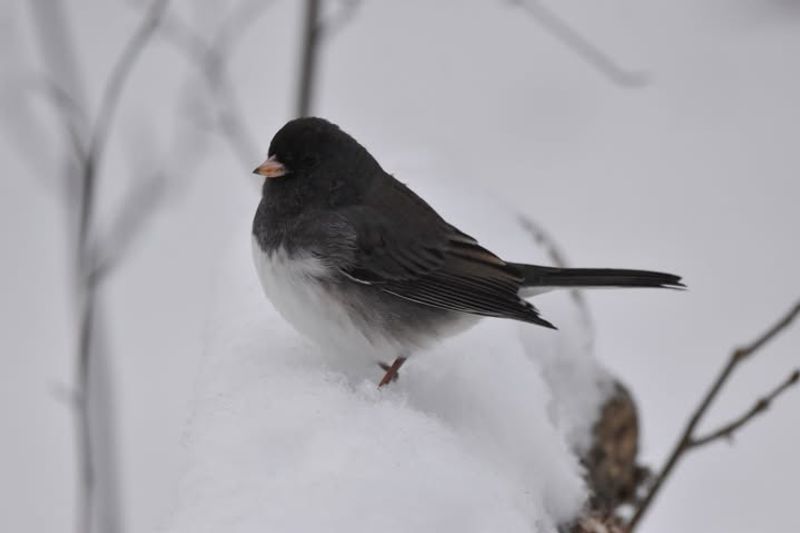
Biological clocks inside juncos respond powerfully to changing daylight patterns as summer transitions into fall.
When days grow shorter in their northern breeding territories, hormonal changes begin that prepare juncos for migration.
This ancient timing mechanism ensures juncos leave before conditions become too harsh and arrive in places like New York at optimal moments.
Scientists call this response photoperiodism, and it governs migration timing across countless bird species.
Juncos cannot read calendars or weather forecasts, but they possess internal systems that track daylight duration with remarkable precision.
As September and October days shorten, restlessness builds inside juncos, compelling them to begin their southward journey.
New York sits at a latitude where daylight patterns match perfectly with junco winter needs.
Days remain long enough for productive foraging but short enough that breeding hormones stay inactive until spring.
This balance allows juncos to focus entirely on survival rather than reproduction during their New York stay.
The same photoperiod signals that bring juncos to New York in fall will eventually trigger their departure in spring.
Lengthening March and April days activate hormones that make juncos restless again, this time pulling them northward toward breeding grounds.
This reliable biological system has guided juncos to New York for thousands of generations.
Their annual return demonstrates how deeply environmental cues shape bird behavior, creating predictable patterns that bird watchers can count on every single winter.
Reduced Competition For Resources
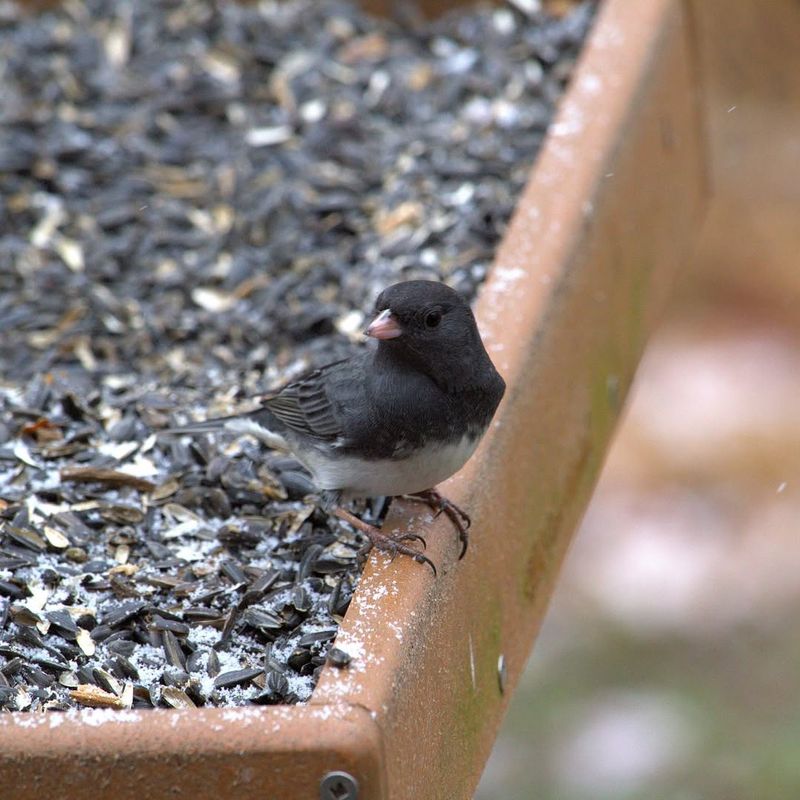
Summer brings intense competition for food and territory as countless bird species nest and raise young across New York.
But winter transforms the landscape into a quieter place where many birds have migrated elsewhere, leaving abundant resources for those who stay or arrive.
Juncos benefit tremendously from this reduced competition, finding food and space that would be contested during warmer months.
Many insect-eating birds flee to tropical regions when their food sources disappear, leaving seed-eating juncos with less competition at feeders and wild food patches.
Species like warblers, flycatchers, and swallows vanish entirely from New York winters, opening ecological niches that juncos fill.
This seasonal shift creates opportunities that juncos exploit by timing their arrival perfectly.
Even among seed-eating birds, population densities drop significantly during winter.
Resident species like chickadees and cardinals remain, but visiting birds like juncos find plenty of room at the table.
Feeding flocks develop peaceful hierarchies where juncos can grab meals without constant battles over every seed.
Territory defense also relaxes during winter compared to breeding season intensity.
Birds tolerate closer proximity to others when reproduction is not involved, allowing juncos to forage in loose groups.
This cooperative approach helps everyone spot predators more effectively.
New York provides enough resources that juncos can thrive without fierce competition, making the state an attractive winter destination where survival comes easier than in crowded or resource-poor environments.
Genetic Programming Passed Through Generations
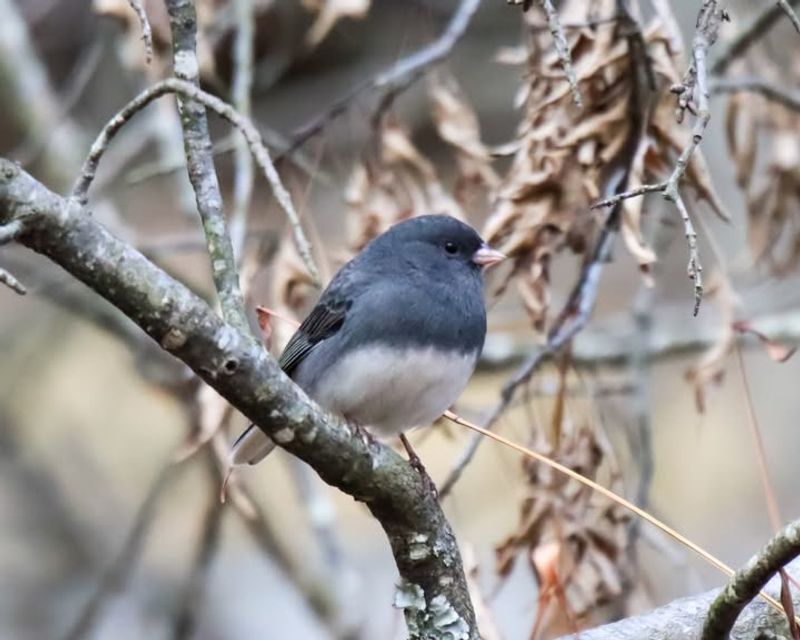
Migration routes and destinations get hardwired into junco genetics through thousands of years of natural selection.
Birds whose ancestors successfully wintered in New York carried genes that encouraged similar behavior, passing those instructions forward through countless generations.
Today juncos follow ancient pathways to New York not through conscious choice but through inherited biological programming that has proven successful over time.
Young juncos experience their first migration guided partly by instinct and partly by following experienced adults.
They learn specific routes, stopover locations, and final destinations that their family groups have used for generations.
This combination of genetic instruction and learned behavior creates strong fidelity to particular wintering areas, including specific regions within New York.
Scientists have discovered that birds possess internal magnetic compasses and star navigation abilities that help them find their way.
These systems work together with genetic programming to guide juncos along precise migration corridors.
New York sits along traditional junco migration routes that have existed for millennia, making the state a natural destination.
Individual juncos often return to the exact same neighborhoods or even the same backyards year after year.
Bird banders have documented individual juncos returning to identical locations across multiple winters, demonstrating remarkable site loyalty.
This behavior suggests that successful winter experiences get reinforced, encouraging birds to return to proven safe havens.
Genetic memory combined with personal experience creates powerful motivation for juncos to choose New York repeatedly as their winter home.
Optimal Distance From Breeding Territories
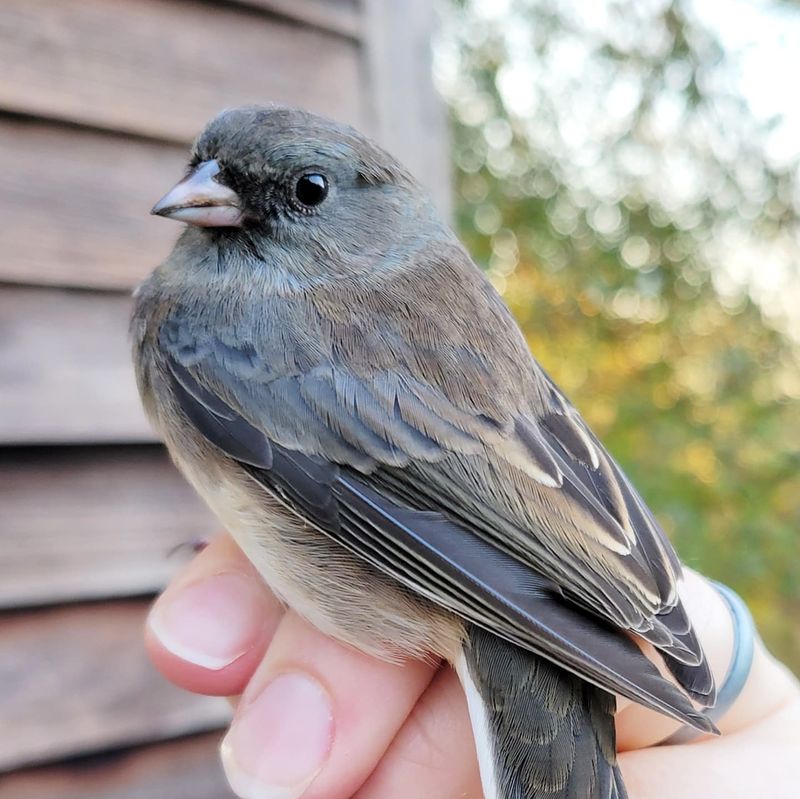
Migration distance matters significantly because traveling too far wastes precious energy while not traveling far enough leaves birds in harsh conditions.
New York represents a sweet spot for many junco populations, offering substantial improvements over northern breeding areas without requiring exhausting journeys to southern states.
This optimal distance calculation happens instinctively as juncos balance energy costs against survival benefits.
Juncos breeding in Canada and northern New England can reach New York with relatively modest flights.
Some travel only a few hundred miles, conserving fat reserves they will need throughout winter.
Longer migrations to places like Georgia or Florida would burn too much energy for the marginal benefits gained from slightly warmer temperatures.
Geographic positioning also matters for spring return trips.
Juncos wintering in New York can quickly respond to early spring conditions by making short flights northward as weather permits.
Birds wintering too far south might miss optimal breeding opportunities because they cannot return quickly enough when conditions improve.
Research shows that birds breeding at different latitudes winter at correspondingly different latitudes, creating a pattern called leapfrog migration.
Juncos from the farthest north often winter farthest south, while those from moderate latitudes choose places like New York.
This system minimizes competition between populations while ensuring each group finds appropriate winter conditions.
New York works perfectly for junco populations that need significant climate improvement without excessive travel costs, explaining why certain breeding populations consistently choose the state as their winter destination.
Availability Of Fresh Water Sources
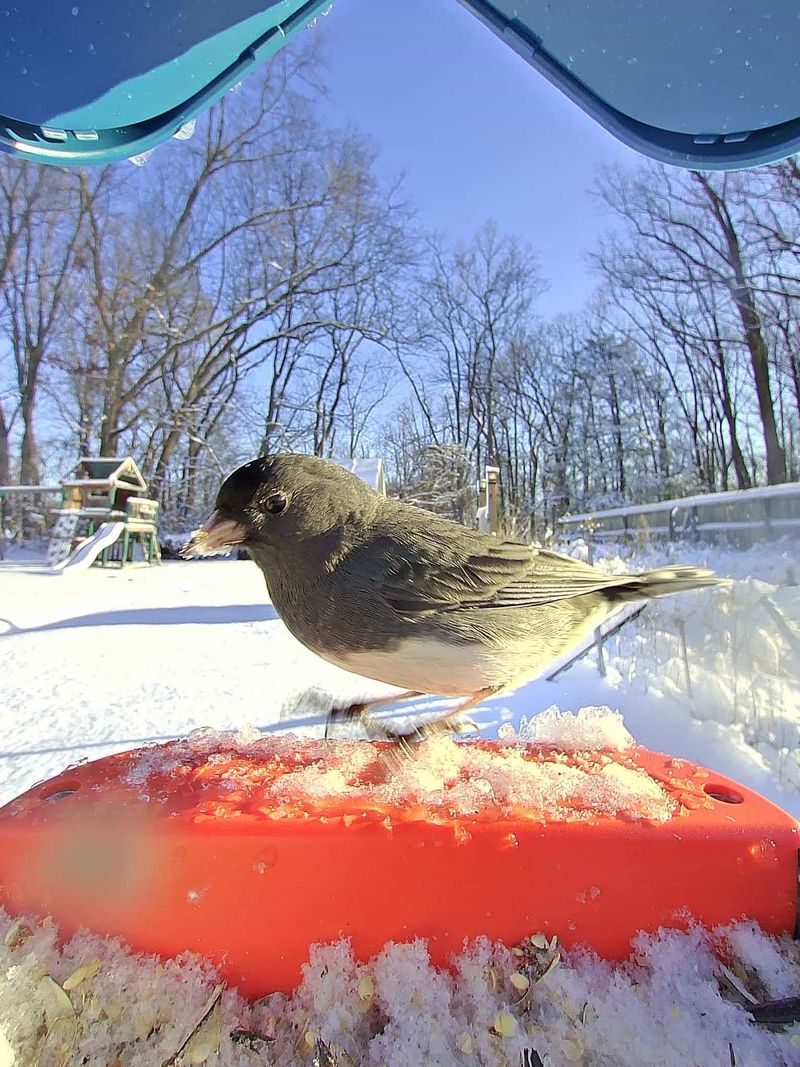
Water becomes surprisingly critical during winter months when natural sources freeze solid across much of the northern landscape.
Birds need liquid water for drinking and maintaining feather condition, making unfrozen water sources incredibly valuable.
New York offers more reliable water access than regions farther north, where everything freezes hard for months at a time.
Streams and rivers in New York often maintain open water even during cold spells, especially in areas with current or springs.
These flowing water sources attract juncos and other birds that need daily drinks.
Even small seeps and trickles provide enough moisture for tiny birds like juncos to meet their hydration needs.
Heated birdbaths have become increasingly common in New York backyards, creating artificial water sources that juncos appreciate tremendously.
Many bird enthusiasts maintain these heated baths specifically to help winter birds, and juncos quickly learn which yards offer reliable water.
This human assistance supplements natural sources and improves junco survival rates.
Snow and ice can provide emergency moisture, but eating frozen water requires energy to melt it internally.
Birds prefer liquid water when available because it costs less energy to process.
New York moderate temperatures mean more frequent thaws that create temporary puddles and drips from melting snow.
These brief water opportunities help juncos stay hydrated without excessive energy expenditure.
Reliable water access combines with food and shelter to make New York a complete winter habitat where juncos find everything necessary for survival until spring migration calls them homeward.
Historical Success And Proven Survival Rates
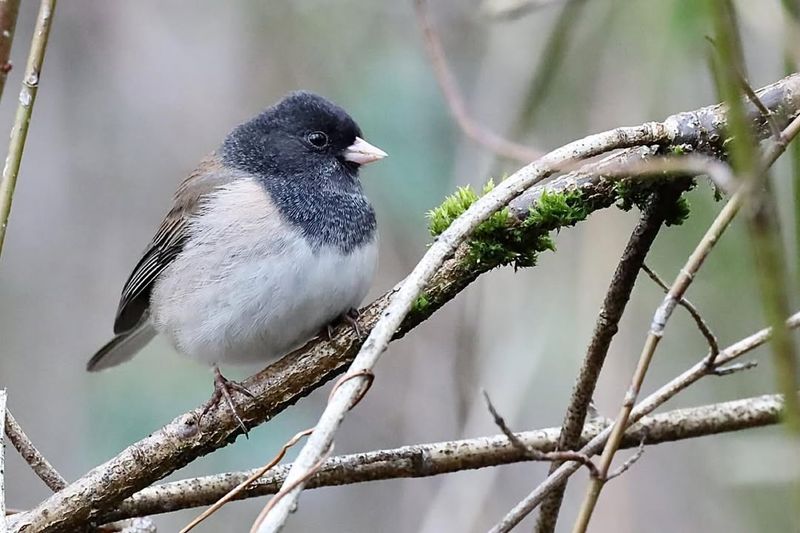
Juncos keep returning to New York because generations of their ancestors survived winters here successfully.
Birds that chose New York lived to breed again, passing their location preferences and migration routes to offspring.
Over time, this created populations with strong tendencies to winter in New York, reinforced by consistent survival success across centuries.
Scientists study bird populations through banding programs that track individual survival and movement patterns.
Data shows that juncos wintering in New York maintain healthy survival rates comparable to or better than populations wintering elsewhere.
This statistical success reinforces New York status as quality winter habitat that supports junco populations effectively.
Birds possess excellent spatial memory and can recall locations where they previously found food, water, and safety.
Juncos that successfully wintered in New York carry those positive memories forward, motivating them to return the following year.
This learned behavior supplements genetic programming, creating powerful motivation to choose proven locations over unknown alternatives.
Population stability also indicates habitat quality.
New York junco populations remain consistent year to year, suggesting the environment continues meeting their needs reliably.
If conditions deteriorated, juncos would shift to better locations, but their continued loyalty demonstrates ongoing success.
This historical track record of survival and reproduction creates self-reinforcing patterns where New York remains attractive to juncos generation after generation.
Proven success matters tremendously in nature, and New York has proven itself as excellent junco winter habitat repeatedly across time.