Why Dyed Mulch Is Quietly Damaging Ohio Gardens This Season
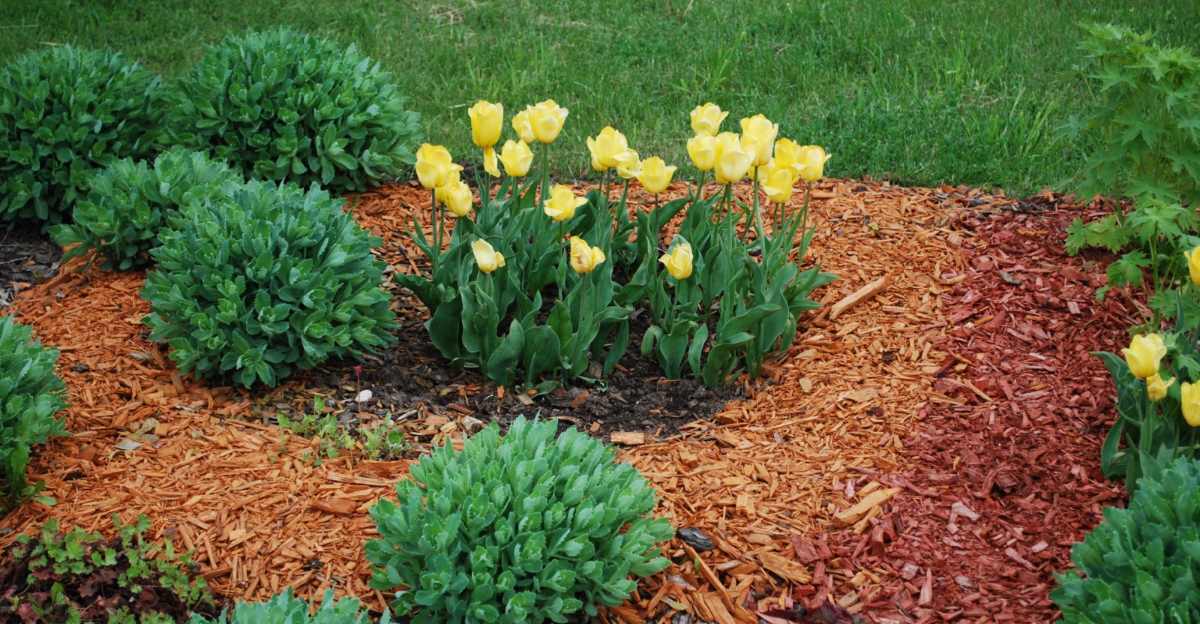
That bright red or black mulch in Ohio yards looks clean, bold, and “professional” but something strange is happening in gardens this season. Plants are struggling.
Flower beds look tired. Soil feels off.
Yet most homeowners keep adding more of the same mulch, not realizing it may be part of the problem. The color that makes landscapes pop is also raising quiet questions among gardeners and soil experts.
What’s really inside those bags? What happens after weeks of summer heat and rain?
And why are some beds thriving while others slowly fade? The answers aren’t obvious at first glance, but they could change how Ohio homeowners think about mulch forever.
1. That Fresh Mulch Color Is Fooling Homeowners
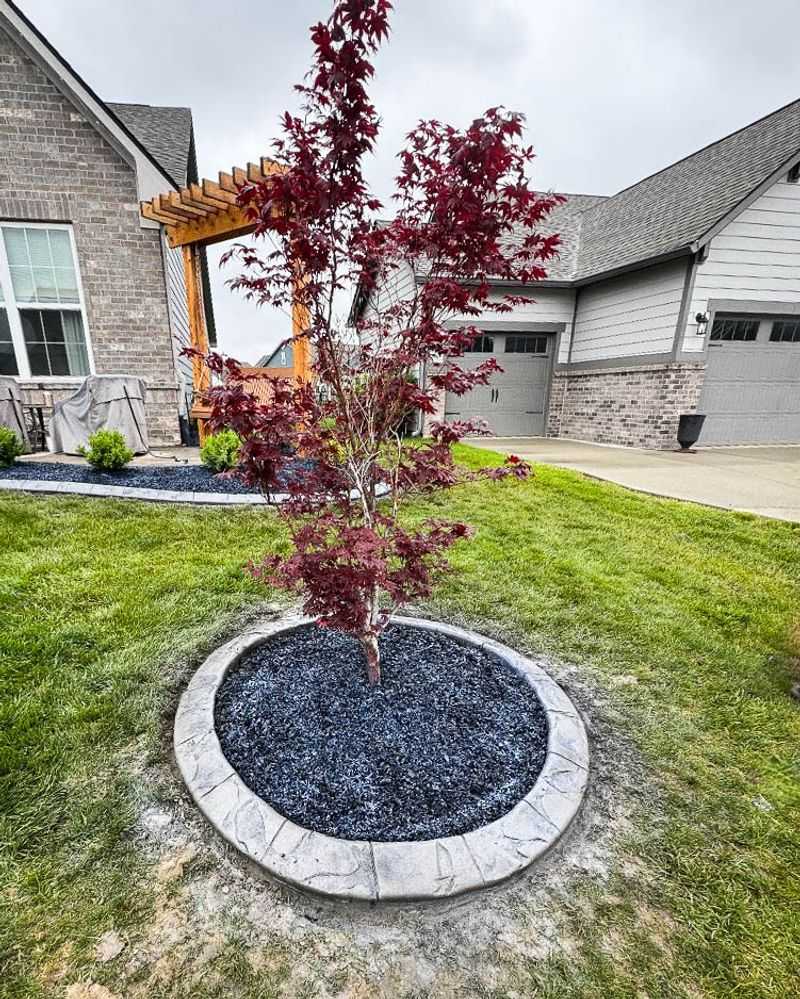
Walk into any garden supply store in Ohio and you’ll immediately notice the striking difference between natural mulch and its dyed counterparts. The vibrant reds and deep blacks practically glow under the fluorescent lights, making natural wood mulch look dull and uninviting by comparison.
Garden centers know exactly what they’re doing when they display these products front and center.
Homeowners fall for the visual appeal without asking important questions about what creates those intense colors. Many dyed mulches are produced from recycled wood materials such as pallets and clean construction scrap, which can vary in quality compared to natural bark mulch.
Reputable suppliers screen out pressure-treated lumber, but material consistency can still differ between products. Manufacturers spray these materials with chemical dyes to cover up the mixed-quality wood underneath.
The uniform color tricks your brain into thinking you’re getting a premium product when you might actually be spreading questionable materials around your prized roses and tomatoes.
Natural mulch changes color as it breaks down, which is actually a sign of healthy decomposition adding nutrients back to your soil.
Dyed mulch often maintains its color longer because of pigment stability, but the real factor affecting decomposition speed is the type of wood used, not the dye itself.
That gorgeous red mulch sitting in your Ohio flower bed right now isn’t doing your plants any favors, no matter how good it looks from the curb.
2. Dyed Mulch Disrupts Healthy Garden Soil
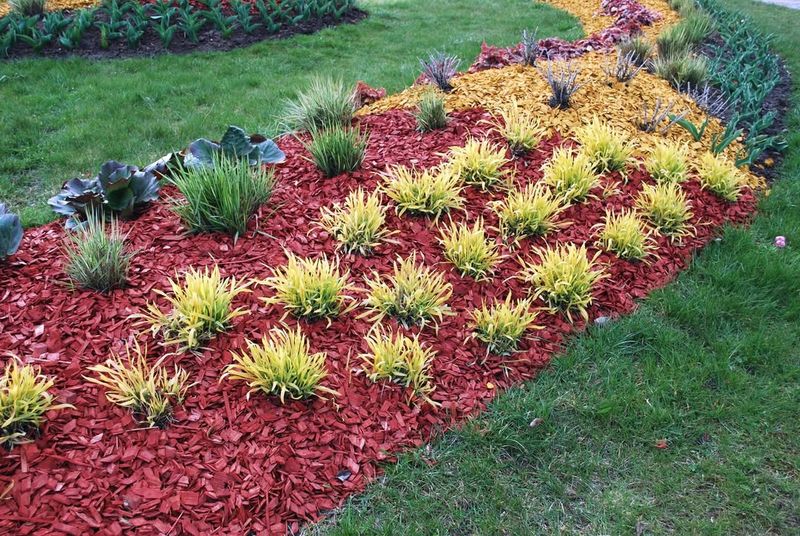
Healthy garden soil is alive with billions of microorganisms working together to break down organic matter and feed your plants. Bacteria, fungi, earthworms, and countless other tiny creatures create a complex ecosystem right under your mulch layer.
When you spread dyed mulch over this living system, you’re introducing chemicals that these beneficial organisms never evolved to handle.
Most modern mulch dyes use iron oxide and carbon-based pigments that are considered low in toxicity, but very low-quality or poorly sourced mulch can still introduce unwanted residues that may affect surface soil biology over time. Iron oxide creates those rusty red colors, while carbon black produces the deep black shades many homeowners prefer.
These substances don’t just sit on the surface where you can see them.
Extension research shows that mulch type, thickness, and wood composition can influence soil moisture, temperature, and surface biological activity, which in turn affects overall soil health more than color alone.
Thick mulch layers and poor-quality wood material can reduce oxygen exchange at the soil surface, which may discourage earthworm activity and slow natural soil aeration.
Beneficial fungi that help plants absorb water and nutrients struggle to colonize in contaminated soil.
Over time, gardens mulched repeatedly with dyed products show declining soil quality compared to beds using natural alternatives. The damage accumulates season after season across Ohio landscapes.
3. Spring Rain Pushes Chemicals Into Ohio Gardens
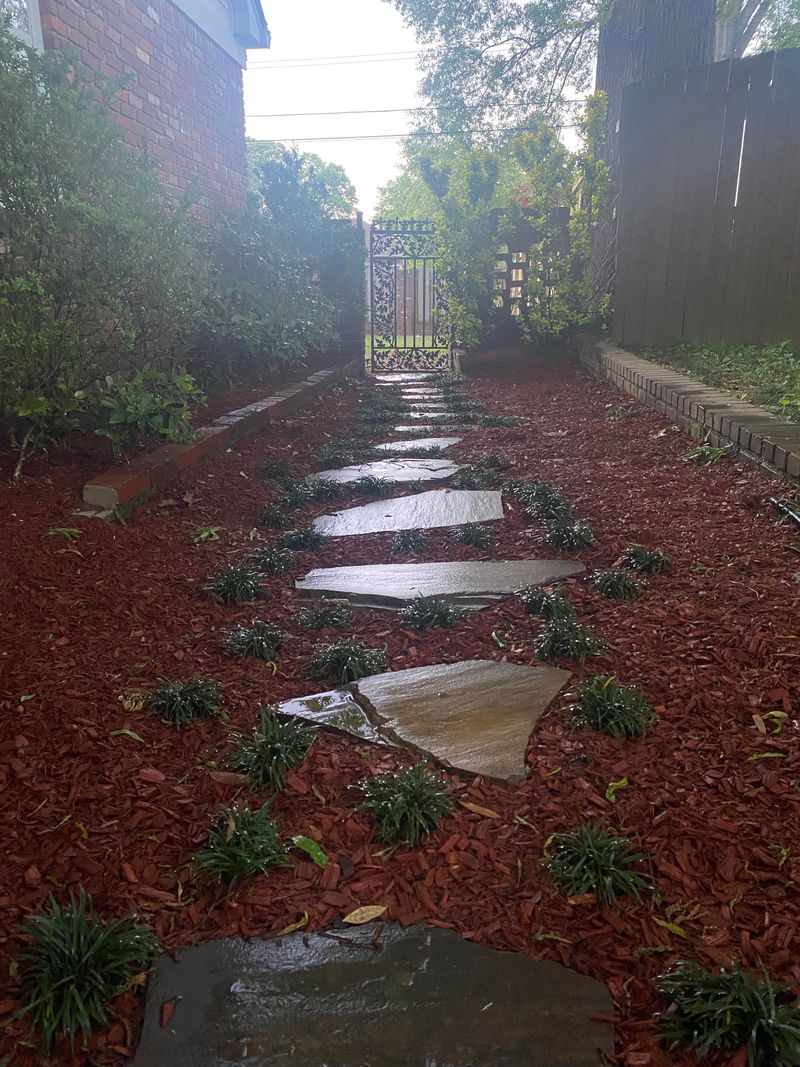
Spring storms roll through Ohio with impressive force, dumping inches of rain in just a few hours during peak growing season. Your freshly spread dyed mulch looks great on a sunny April morning, but watch what happens after the first heavy downpour.
The artificial colors start bleeding out, creating tinted puddles and streams that flow directly into your garden soil.
Those aren’t just harmless dyes washing away with the rainwater. Water movement can carry fine organic particles and natural wood compounds deeper into the soil profile, especially in heavily mulched beds.
Plant roots extend far below the surface, and they’re absorbing whatever the rain delivers to them.
Ohio’s clay-heavy soils tend to hold moisture longer, which can increase compaction and drainage issues under heavy mulch layers. The contamination builds up over weeks and months as spring showers continue.
You might notice the mulch color fading and assume that means much of the visible color loss comes from surface runoff and sun exposure rather than deep movement into soil.
While there is limited evidence of harmful crop contamination from modern mulch dyes, many vegetable gardeners still choose undyed mulch to minimize unnecessary inputs and maintain the cleanest growing conditions possible. For this reason, many food gardeners prefer undyed mulch even though documented crop uptake from modern mulch dyes is minimal.
4. Dyed Mulch Hides Growing Problems In Garden Beds
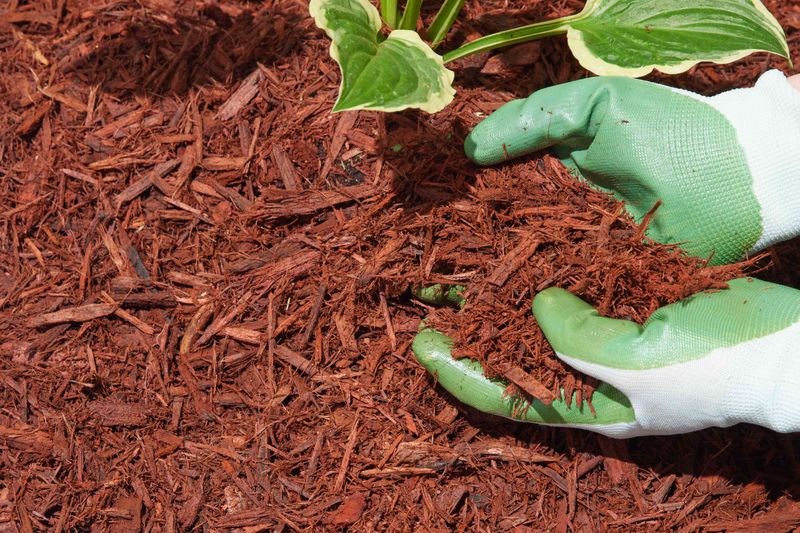
Natural mulch changes appearance as conditions in your garden bed shift and problems develop. You can spot fungal growth, insect activity, and moisture issues just by looking at how the mulch is breaking down.
Dyed mulch maintains that uniform color regardless of what’s happening underneath, creating a false sense of security.
Gardeners in Ohio frequently discover major pest infestations or disease problems only after plants start showing severe symptoms. By that point, the damage is often extensive and harder to reverse.
The artificial coloring essentially blinds you to early warning signs that would normally prompt quick intervention.
Fungal diseases thrive in the moist environment under mulch layers, but you won’t see the telltale white or gray growth patterns when everything is dyed black or red. Termites and carpenter ants love the recycled wood used in many dyed mulch products, yet their activity remains hidden beneath that fresh-looking surface.
Soil that’s become too compacted or waterlogged shows clear signs with natural mulch but stays disguised under dyed varieties.
Professional landscapers know to check under the mulch regularly, but most homeowners assume everything is fine as long as the color looks good. Your plants might be struggling with root rot, nutrient deficiencies, or pest damage while the mulch bed still appears perfectly maintained from above.
5. Cheap Colored Mulch Breaks Down The Wrong Way
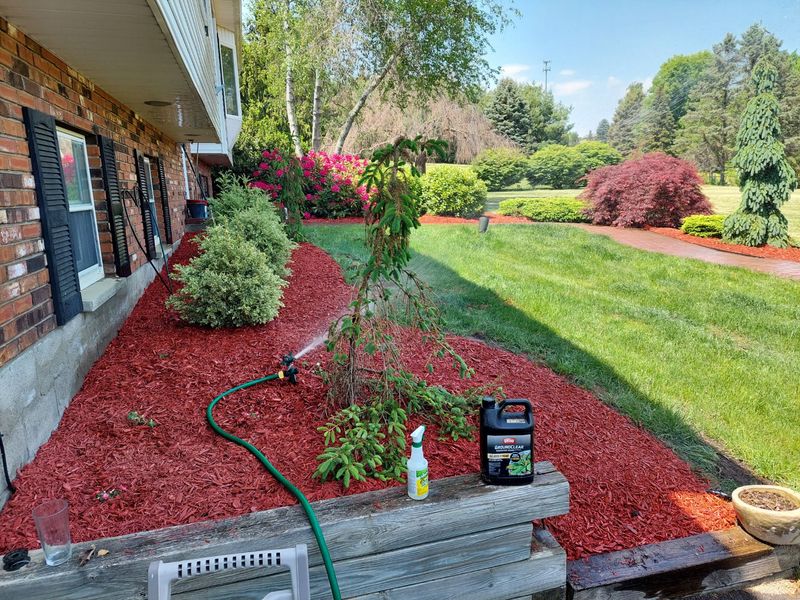
Quality natural mulch gradually decomposes into rich organic matter that improves your soil structure and adds valuable nutrients. Cedar, hardwood, and pine mulches each break down at different rates, but they all eventually become part of your garden’s living ecosystem.
Many dyed mulches made from recycled wood provide fewer long-term soil benefits than bark-based mulches.
The wood used in most colored mulch products is already partially decomposed or comes from low-quality sources that don’t offer much nutritional value. Recycled wood sources can vary in cleanliness and consistency compared to bark mulch, which is why many gardeners prefer products labeled as untreated or bark-based for food gardens.
Recycled wood mulch may break down differently than bark-based products, which can affect how much organic matter is returned to the soil over time.
Instead of feeding beneficial soil organisms and enriching your beds, cheap dyed mulch just turns into inert woody debris that contributes almost nothing positive. Some products actually rob nitrogen from your soil as they break down, causing plants to show yellowing leaves and stunted growth.
Gardeners often blame their fertilizer program when the real culprit is temporary nitrogen tie-up during wood decomposition.
You end up needing to replace dyed mulch more frequently because it doesn’t integrate into the soil like natural options do. The cost savings from buying cheaper colored mulch disappears when you calculate the replacement cycle.
6. Annual Mulch Replacement Creates Hidden Waste
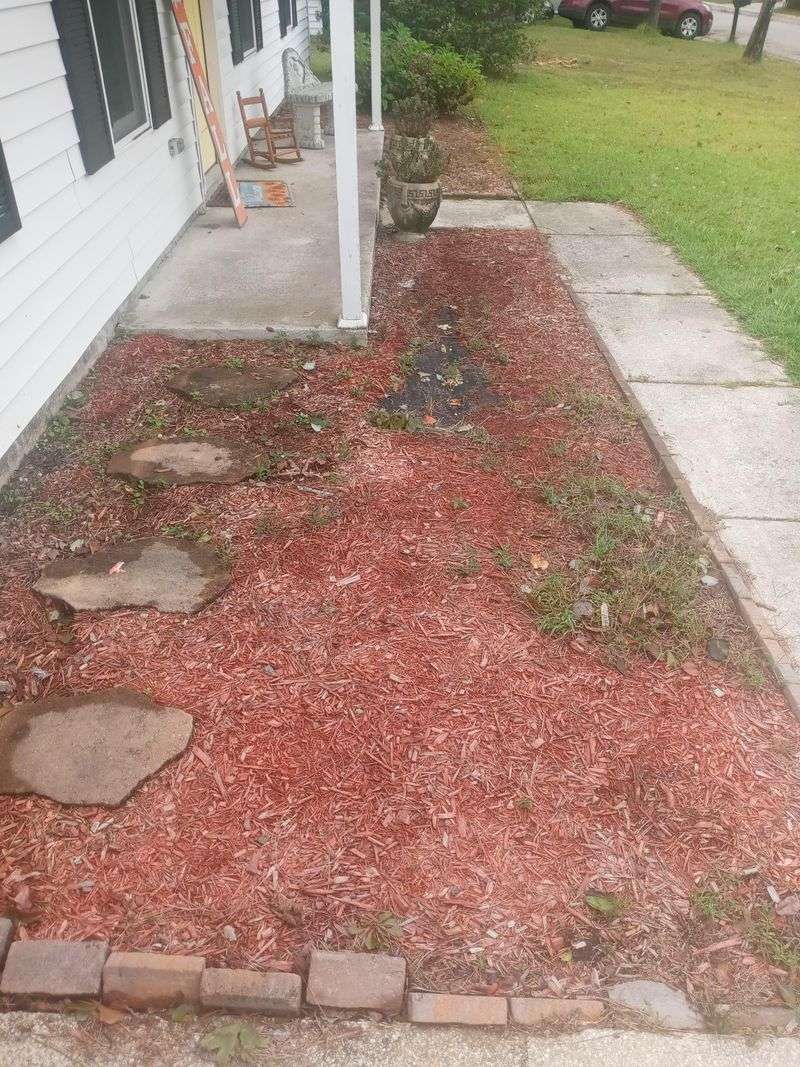
Marketing materials from mulch manufacturers suggest refreshing your colored mulch every single year to maintain that vibrant appearance. This recommendation serves their sales goals more than your garden’s health.
Natural mulch doesn’t need complete replacement annually because it’s actively improving your soil as it ages and breaks down.
Ohio gardeners following the yearly replacement schedule generate tons of waste that has to go somewhere. Many homeowners remove old mulch instead of incorporating it, especially when appearance is the priority rather than soil improvement.
Most people rake it out and bag it up, sending perfectly usable organic material to already overflowing landfills.
The environmental impact extends beyond your own property when you consider how many households across Ohio are doing the same thing every spring. Landfills receive mountains of discarded dyed mulch that could have stayed in gardens contributing to soil health if natural products had been used instead.
Manufacturing new batches of dyed mulch requires energy, water, and chemical inputs that add to the environmental cost.
Some gardeners try to pile old dyed mulch in back corners of their yards, where it sits for years without breaking down properly. Natural alternatives actually reduce waste by becoming part of your garden’s nutrient cycle rather than creating disposal problems season after season.
7. Natural Mulch Options That Actually Help Plants
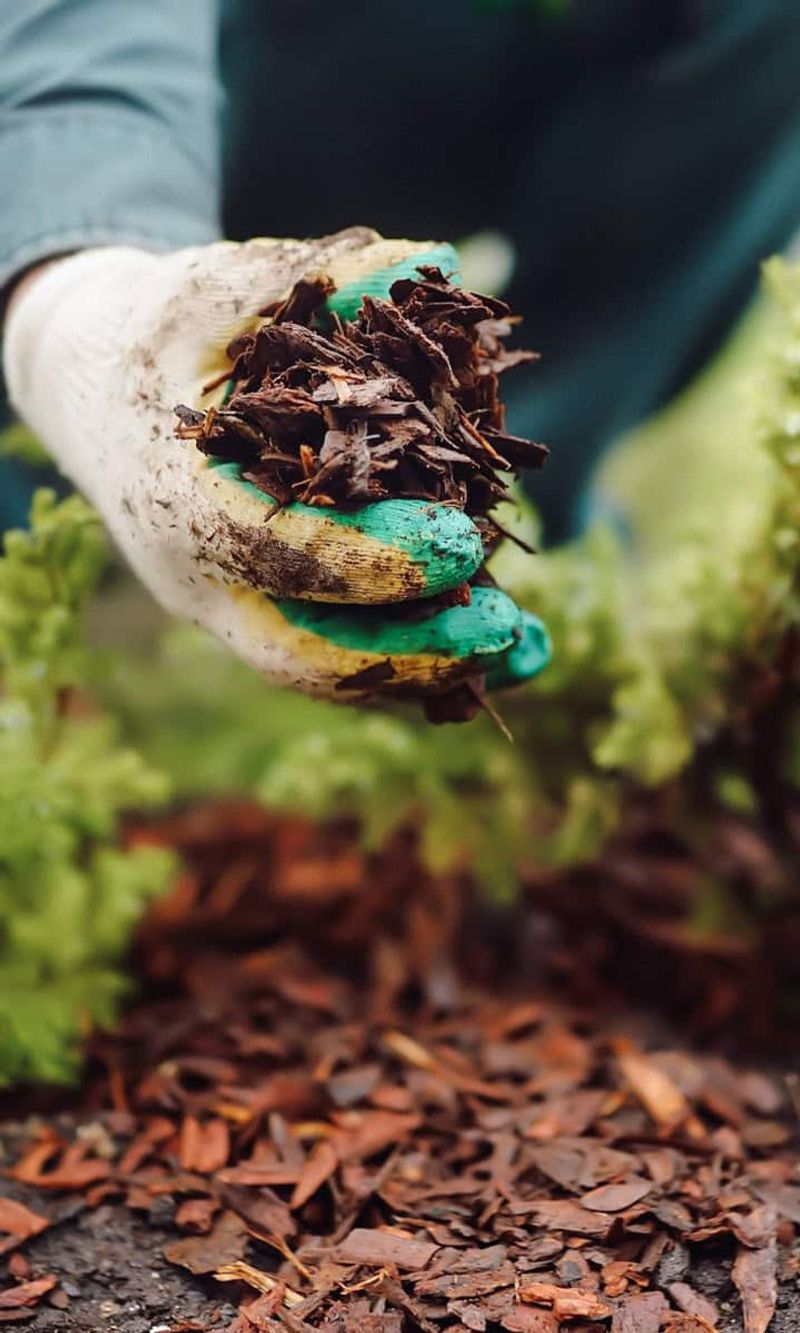
Switching away from dyed mulch doesn’t mean sacrificing the benefits of a good mulch layer around your Ohio plants. Several natural alternatives provide superior performance without any of the chemical concerns or environmental drawbacks.
Hardwood mulch from local sources tops the list for most garden applications.
Shredded hardwood breaks down slowly while adding valuable organic matter to your soil. The natural brown color might not seem as exciting as bright red dye, but it actually looks more professional and blends better with most landscape designs.
Cedar mulch offers natural insect-repelling properties and lasts even longer than hardwood varieties. Pine straw works beautifully around acid-loving plants like azaleas and blueberries while providing excellent weed suppression.
Compost makes an outstanding mulch choice for vegetable gardens and annual flower beds. You’re feeding your plants while protecting the soil surface from erosion and moisture loss.
Grass clippings applied in thin layers provide free mulch that’s already in your yard, though they break down quickly and need frequent replenishment.
Local tree services and municipal yard waste programs often offer free wood chips to Ohio residents. These fresh chips make excellent mulch for pathways and around established trees and shrubs.
The natural variety of wood types and colors creates visual interest without any artificial additives.
8. Small Changes That Protect Ohio Gardens This Season
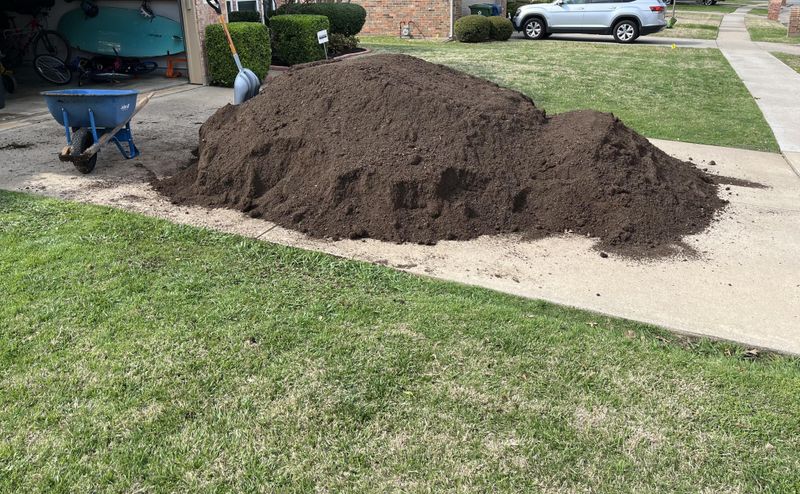
You don’t need to overhaul your entire landscape to start protecting your Ohio garden from the problems dyed mulch creates. Begin by choosing natural mulch for any new beds you’re installing this season.
When existing mulch needs replacement, switch to undyed alternatives rather than automatically buying the same colored product you’ve always used.
Test your soil before adding any amendments or new mulch layers. Ohio State University Extension offers affordable soil testing that reveals pH levels, nutrient content, and organic matter percentages.
Understanding your starting point helps you make informed decisions about which mulch types will benefit your specific garden conditions.
Apply mulch in proper depths of two to four inches rather than piling it excessively around plant stems. Mulch volcanoes against tree trunks cause rot and pest problems regardless of whether the mulch is dyed or natural.
Pull existing mulch back from direct contact with plant stems and trunks to improve air circulation.
Consider leaving some areas of bare soil for ground-nesting beneficial insects that help control garden pests. Not every square inch needs mulch coverage.
Talk with neighbors about the benefits of natural mulch options and share information about local sources for quality products. Small individual changes add up to significant improvements across Ohio gardens when more people make informed choices.