Why “Emotion-Friendly” Planting Is Growing Popular In North Carolina
North Carolina gardeners are discovering something remarkable about the plants they choose for their yards and outdoor spaces.
Beyond just looking pretty or growing well in local soil, certain plants can actually influence how people feel throughout the day.
This growing movement called emotion-friendly planting focuses on selecting greenery that lifts moods, reduces stress, and creates peaceful environments right at home.
From the mountains to the coast, residents across North Carolina are transforming their gardens into personal wellness retreats.
These thoughtful plant choices help families relax after busy days, provide calming spaces for quiet reflection, and even improve mental health naturally.
The trend combines traditional gardening wisdom with modern understanding of how nature affects our emotions and overall wellbeing.
As more people seek ways to feel better without complicated solutions, emotion-friendly planting offers an accessible answer that anyone can try in their own backyard.
Lavender Brings Instant Calm To Busy Lives
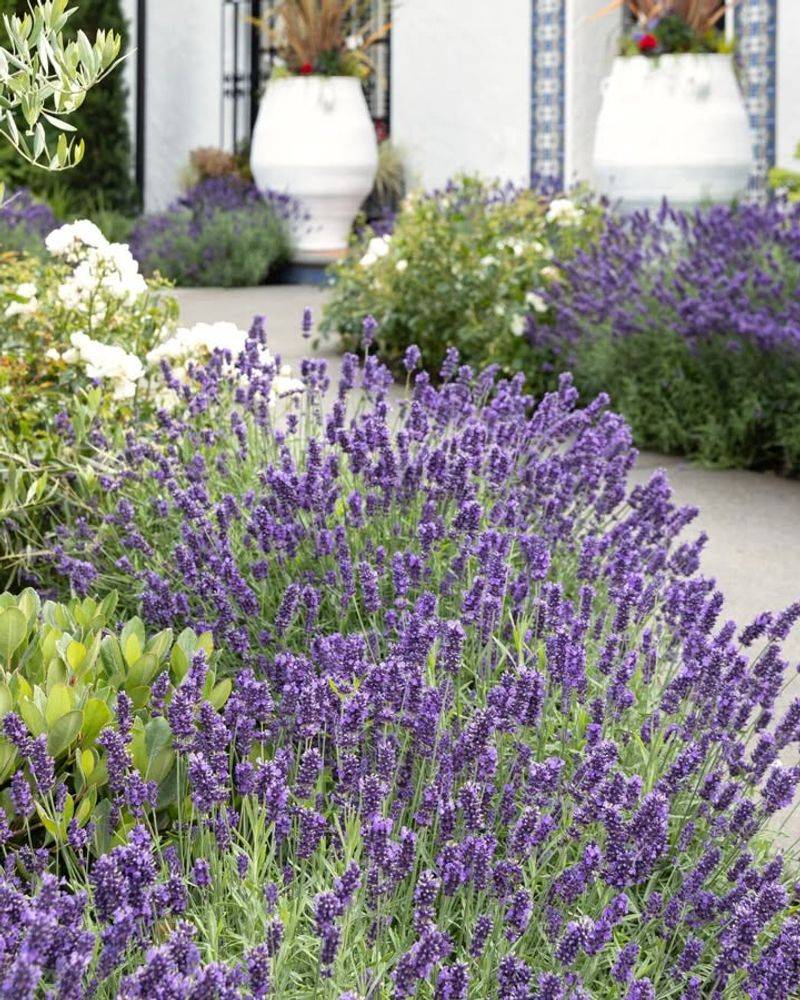
Lavender has become a favorite among North Carolina gardeners who want to create relaxing outdoor spaces.
The purple blooms release a soothing scent that scientists have proven reduces anxiety and promotes better sleep quality.
Many families plant lavender near patios, walkways, or bedroom windows so they can enjoy the calming fragrance throughout warm evenings.
This hardy plant thrives in North Carolina’s climate, especially in well-drained soil with plenty of sunshine.
Gardeners appreciate that lavender requires minimal maintenance once established, making it perfect for beginners.
The aromatic oils can be harvested and dried for sachets, teas, or homemade relaxation products that extend the benefits indoors.
Children often enjoy touching the soft flower spikes and learning about how plants can help people feel peaceful.
Local garden centers report increased demand for various lavender varieties as more residents discover its mood-boosting properties.
Whether planted in containers on apartment balconies or in large garden beds, lavender consistently delivers emotional benefits.
The plant’s ability to attract butterflies and bees adds another layer of joy for nature lovers across North Carolina communities.
Sunflowers Create Natural Happiness Boosters

Few plants match the cheerful impact of sunflowers standing tall in a North Carolina garden.
Their bright yellow petals and impressive height naturally draw eyes upward, creating an instant mood lift for anyone who sees them.
Psychologists explain that yellow colors stimulate feelings of optimism and energy, making sunflowers natural antidepressants in plant form.
North Carolina’s growing season provides ideal conditions for these sun-loving giants to reach their full potential.
Families enjoy planting sunflower seeds together as a fun activity that teaches children about growth and patience.
The flowers follow the sun’s path across the sky, creating a dynamic garden feature that changes throughout the day.
Birds love sunflower seeds, so these plants attract wildlife that brings additional entertainment and connection to nature.
Many gardeners plant sunflowers along fences or property borders to create living walls of happiness.
The flowers last for weeks, providing consistent emotional benefits without requiring complicated care routines.
Cutting a few stems for indoor bouquets spreads the cheerful energy throughout homes across North Carolina neighborhoods.
Jasmine Scents Transform Evening Hours
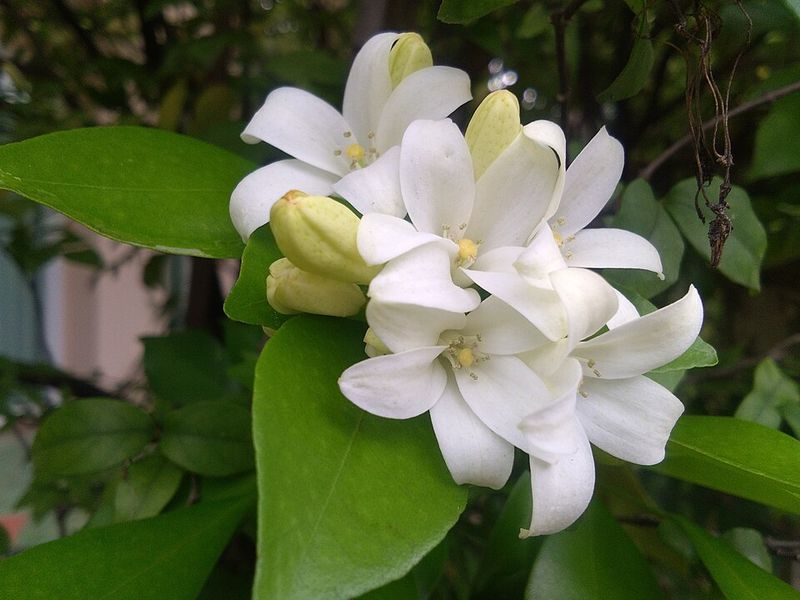
Jasmine vines have captured the hearts of North Carolina residents who treasure fragrant evening gardens.
The white star-shaped flowers release their strongest scent after sunset, turning ordinary nights into sensory experiences.
This timing makes jasmine perfect for people who return home from work and want to unwind in peaceful outdoor spaces.
Research shows that jasmine fragrance can improve sleep quality and reduce restless thoughts before bedtime.
North Carolina’s mild climate allows several jasmine varieties to flourish, including the popular Confederate jasmine that stays green year-round.
Gardeners often train jasmine to grow on trellises, arbors, or porch columns where the scent can drift into living areas.
The plant’s climbing nature means it takes up minimal ground space while delivering maximum emotional impact.
Neighbors frequently comment on the delightful fragrance, creating opportunities for community connections over shared garden interests.
Unlike some high-maintenance plants, jasmine rewards gardeners with abundant blooms without demanding constant attention.
The combination of visual beauty and powerful scent makes jasmine a top choice for emotion-friendly planting throughout North Carolina.
Rosemary Provides Grounding Aromatherapy
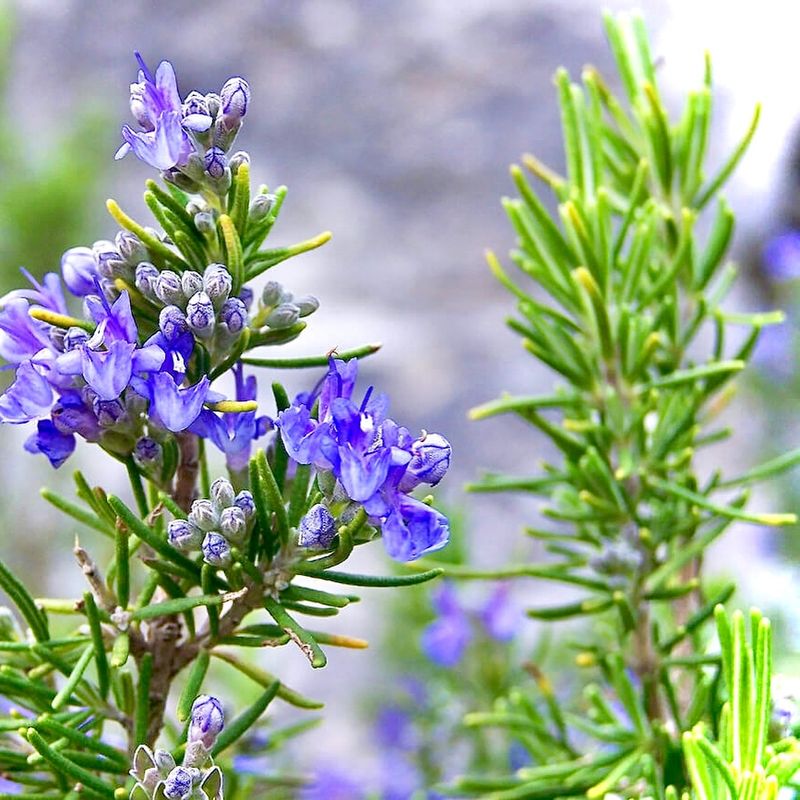
Rosemary stands out as both a culinary herb and a powerful mood-enhancing plant in North Carolina gardens.
The needle-like leaves release a crisp, invigorating scent when brushed or harvested for cooking.
Studies indicate that rosemary aroma improves memory, concentration, and mental clarity, making it valuable for students and professionals.
Many North Carolina families plant rosemary near kitchen doors or outdoor dining areas for easy access and constant aromatherapy benefits.
This Mediterranean native adapts well to the state’s conditions, especially in areas with good drainage and full sun exposure.
The plant’s evergreen nature means it provides year-round emotional support, even during winter months when other plants rest.
Gardeners appreciate that rosemary requires little water once established, making it drought-tolerant during hot North Carolina summers.
Running fingers through rosemary branches becomes a quick stress-relief technique that people can use anytime throughout the day.
The herb’s dual purpose as a cooking ingredient and wellness plant makes it especially practical for busy households.
Blue flowers appear in spring, adding unexpected beauty to this hardworking emotional support plant.
Hydrangeas Offer Soothing Color Therapy
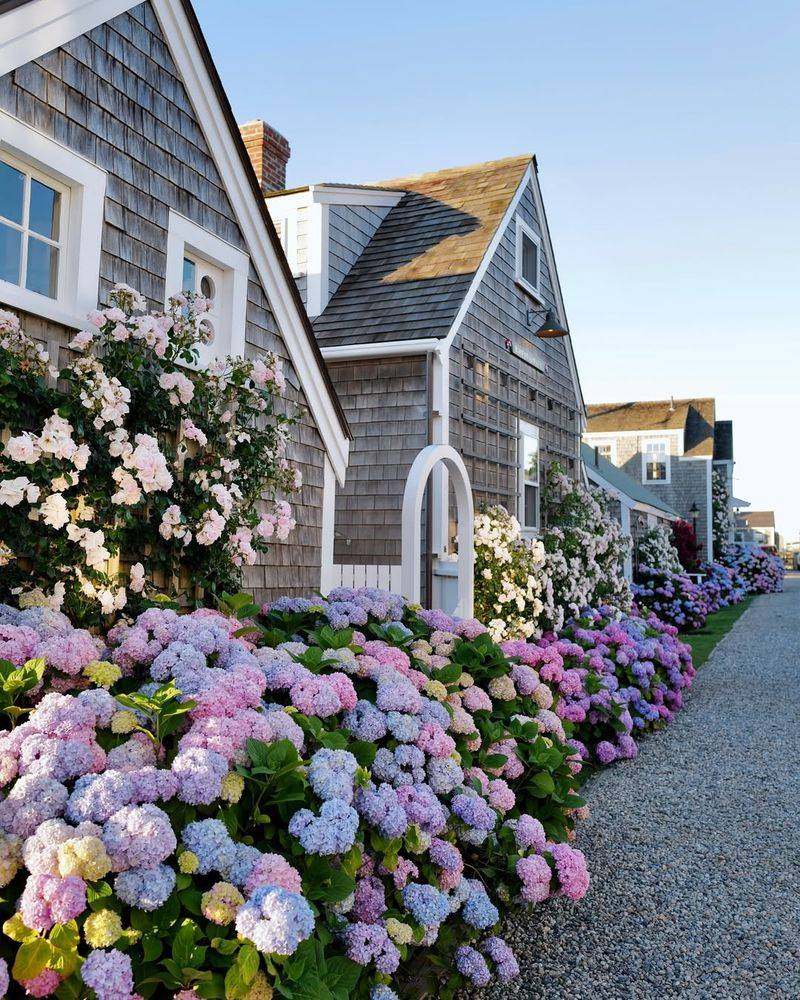
Hydrangeas have long been treasured in North Carolina landscapes for their spectacular blooms and emotional resonance.
The large, rounded flower clusters come in calming shades of blue, pink, purple, and white that create peaceful visual experiences.
Color therapists note that blue hydrangeas promote tranquility and reduce mental tension, while pink varieties encourage gentle, loving feelings.
North Carolina’s acidic soil naturally produces the stunning blue tones that make these plants so emotionally impactful.
Gardeners can adjust soil pH to influence flower colors, creating personalized emotional landscapes that match their wellness goals.
The plants thrive in partial shade, making them perfect for areas under trees where other flowering options struggle.
Blooms last for months, providing extended periods of color therapy without constant replanting or maintenance.
Many residents plant hydrangeas near windows or seating areas where they can enjoy the calming colors from both inside and outside.
The flowers dry beautifully, allowing people to preserve the emotional benefits in wreaths and arrangements.
Across North Carolina neighborhoods, hydrangeas create shared beauty that brings communities together through garden appreciation.
Mint Energizes Through Refreshing Fragrance
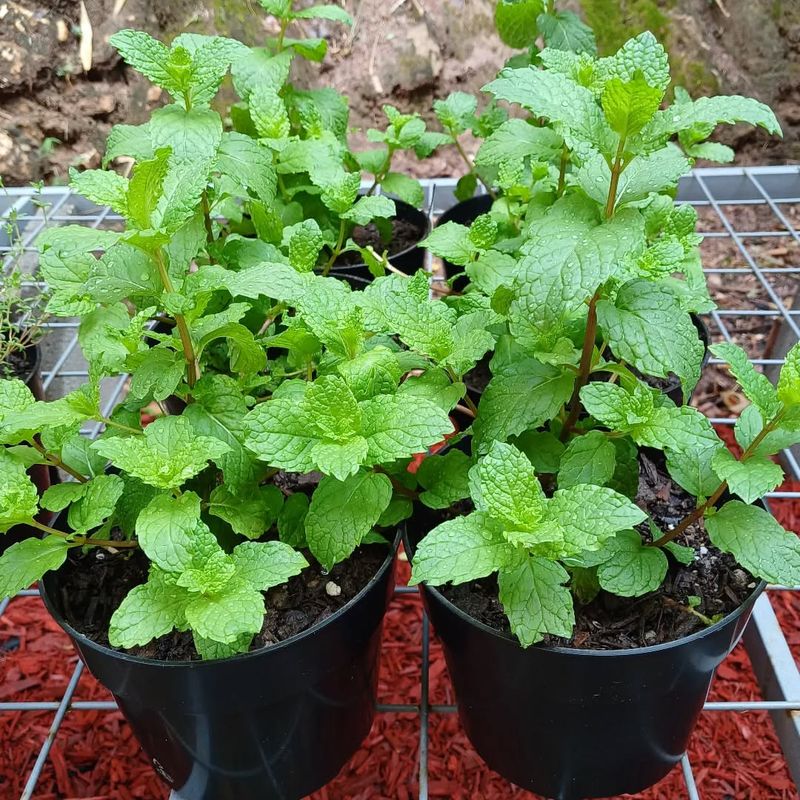
Mint plants deliver instant energy boosts through their refreshing scent and easy-to-grow nature in North Carolina gardens.
The crisp aroma stimulates alertness and helps clear foggy thinking, making mint valuable for morning garden visits.
North Carolina gardeners often plant mint in containers to control its enthusiastic spreading habit while keeping it accessible.
Crushing a few leaves releases essential oils that provide quick pick-me-ups during afternoon energy slumps.
This versatile herb thrives in various light conditions, from full sun to partial shade, adapting to different yard situations.
Families enjoy using fresh mint in beverages, desserts, and savory dishes, extending the emotional benefits to mealtime experiences.
The plant’s rapid growth means beginners experience quick success, building gardening confidence that supports overall mental wellbeing.
Different mint varieties offer unique scents, from chocolate mint to pineapple mint, creating personalized aromatherapy options.
Butterflies and beneficial insects visit mint flowers, adding movement and life to gardens throughout North Carolina.
The combination of practical uses and emotional benefits makes mint a staple in emotion-friendly planting schemes across the state.
Gardenias Deliver Luxurious Stress Relief
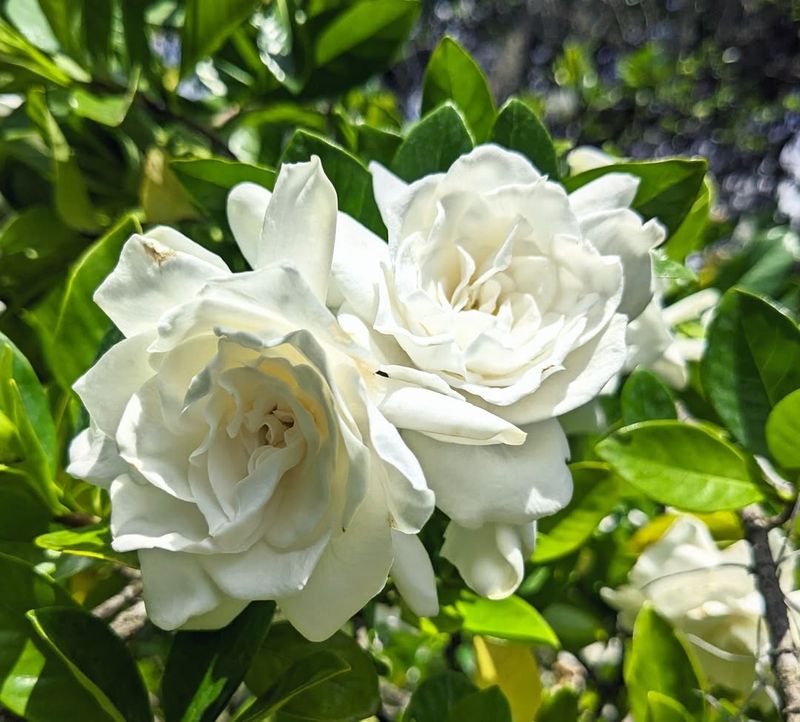
Gardenias represent the height of emotion-friendly planting with their intoxicating fragrance and elegant white blooms.
The creamy flowers produce a sweet, complex scent that many describe as nature’s perfume, instantly reducing stress levels.
North Carolina’s climate provides the warm, humid conditions gardenias need to flourish and produce abundant blooms.
Many residents plant gardenias near entryways so the fragrance greets them with calming reassurance every time they come home.
The glossy, dark green leaves create beautiful backdrops that remain attractive even when flowers aren’t present.
Research suggests that gardenia scent can lower blood pressure and heart rate, providing measurable health benefits.
Gardeners often float individual blooms in bowls of water indoors, spreading the emotional benefits throughout their homes.
The plant’s preference for acidic soil matches North Carolina’s natural conditions, making cultivation easier than in many other regions.
Evening hours intensify the fragrance, creating perfect conditions for outdoor relaxation after demanding days.
Despite requiring some specific care, gardenias reward dedicated gardeners with unmatched emotional and sensory experiences throughout the growing season.
Black-Eyed Susans Brighten Difficult Days
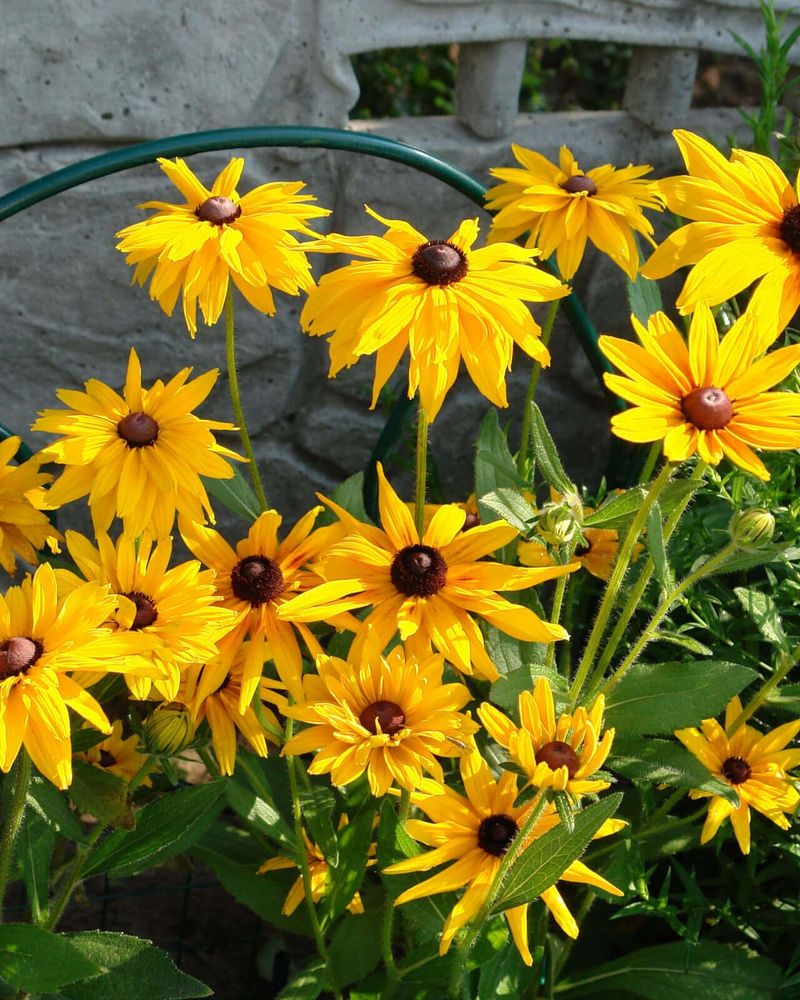
Black-eyed Susans bring cheerful resilience to North Carolina gardens with their sunny yellow petals and dark centers.
These native wildflowers symbolize encouragement and hope, making them powerful emotional allies during challenging times.
The flowers bloom prolifically from summer through fall, providing consistent mood support when other plants fade.
North Carolina gardeners appreciate that black-eyed Susans thrive in various soil types and tolerate drought once established.
Their ability to succeed in tough conditions serves as a visual reminder that people can also overcome difficulties.
The bright yellow color stimulates positive thinking and combats feelings of sadness or discouragement.
Wildlife enthusiasts enjoy watching butterflies and goldfinches visit these flowers, creating animated garden scenes that lift spirits.
The plants self-seed readily, spreading natural happiness throughout gardens without requiring replanting efforts.
Many schools and community gardens in North Carolina plant black-eyed Susans to teach children about native plants and emotional wellness.
Their long-lasting blooms make excellent cut flowers that bring outdoor joy into indoor spaces across the state.
Chamomile Creates Peaceful Garden Retreats

Chamomile transforms ordinary garden spaces into calming retreats with its delicate flowers and apple-like fragrance.
The small white blooms with yellow centers create a gentle, unassuming presence that encourages quiet reflection.
North Carolina gardeners value chamomile for its well-known calming properties that work through both scent and visual softness.
Walking on chamomile releases its soothing aroma, making it perfect for planting between stepping stones or along pathways.
The plant grows low to the ground, creating soft carpets of flowers that invite people to slow down and notice small beauties.
Harvesting flowers for tea becomes a meditative practice that extends emotional benefits beyond the garden itself.
This ancient herb has been used for centuries to ease anxiety and promote restful sleep, making it time-tested emotional support.
North Carolina’s growing season allows for multiple chamomile harvests, providing ongoing wellness resources throughout warm months.
The plant’s gentle nature makes it safe for gardens where children and pets play freely.
Many residents plant chamomile near seating areas where they can easily reach out and touch the calming flowers during outdoor relaxation.
Butterfly Bush Attracts Joy Through Wildlife
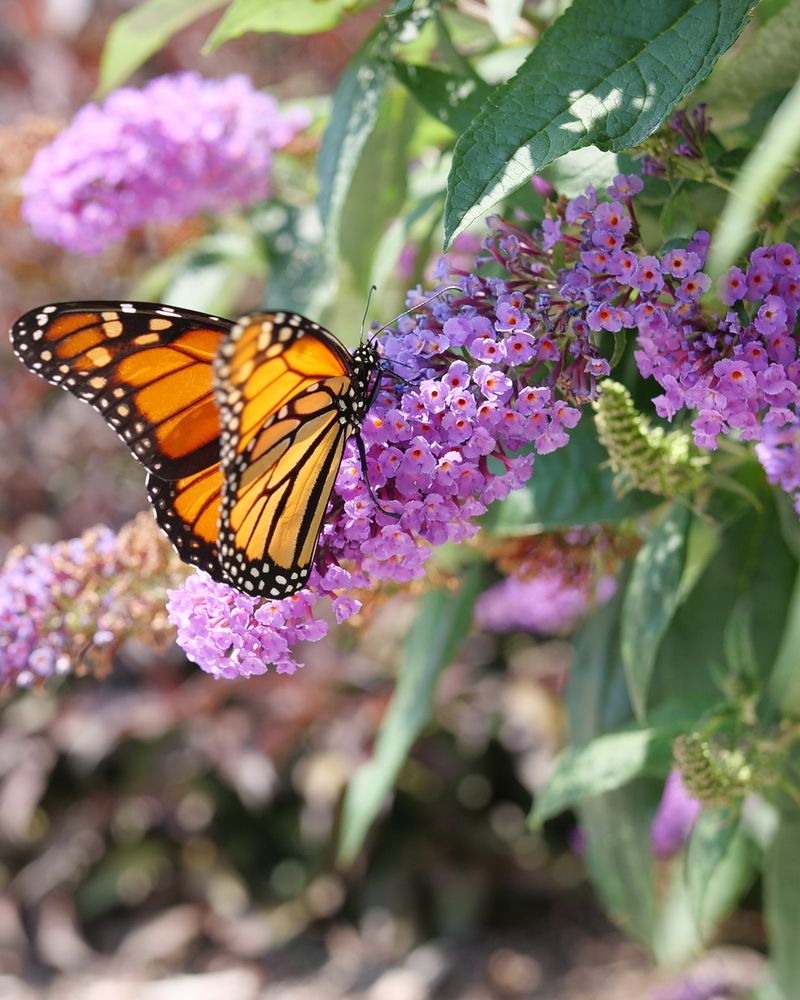
Butterfly bushes create living entertainment centers that boost moods through constant wildlife activity and beautiful blooms.
The long flower spikes come in purple, pink, white, and yellow, attracting dozens of butterflies throughout North Carolina summers.
Watching butterflies flutter from bloom to bloom provides natural stress relief and connects people to the present moment.
The bushes grow quickly and bloom reliably, giving gardeners confidence and satisfaction that supports emotional wellbeing.
North Carolina’s climate allows butterfly bushes to thrive with minimal care, making them accessible for busy people seeking emotional benefits.
Children become fascinated by the constant butterfly visitors, creating opportunities for educational moments and family bonding.
The sweet fragrance adds another sensory layer to the emotional experience these plants provide.
Many gardeners plant multiple butterfly bushes to create butterfly corridors that maximize both wildlife support and personal joy.
The plants bloom from summer through fall, extending the emotional benefits across many months.
Photographing butterflies on these bushes becomes a creative outlet that further enhances mental wellness for North Carolina residents.