Why Every Garden In California Needs Milkweed Plants
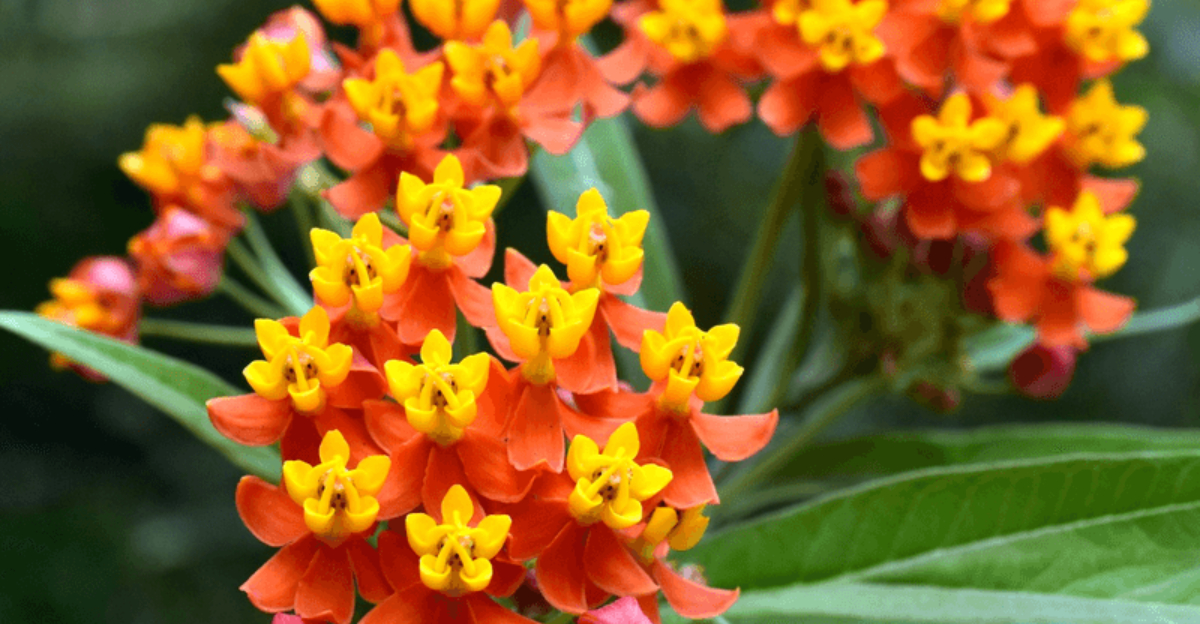
Milkweed isn’t just another pretty plant—it’s a lifeline for California gardens.
Native to the state, it supports monarch butterflies at every stage of their life cycle, providing food for caterpillars and nectar for adults.
Planting milkweed turns any yard into a hotspot for pollinators, boosting biodiversity while helping fragile ecosystems recover.
Beyond its ecological role, milkweed adds texture, height, and delicate blooms that enhance garden aesthetics, blending beauty with purpose.
Its presence encourages bees, hummingbirds, and other beneficial insects, creating a self-sustaining mini-habitat in your backyard.
California’s climate suits many milkweed varieties, letting them thrive with minimal fuss while delivering maximum environmental impact.
For gardeners seeking more than just color, milkweed represents a statement of stewardship, connecting landscapes to wider conservation efforts.
1. Monarch Butterflies Depend On Milkweed For Survival
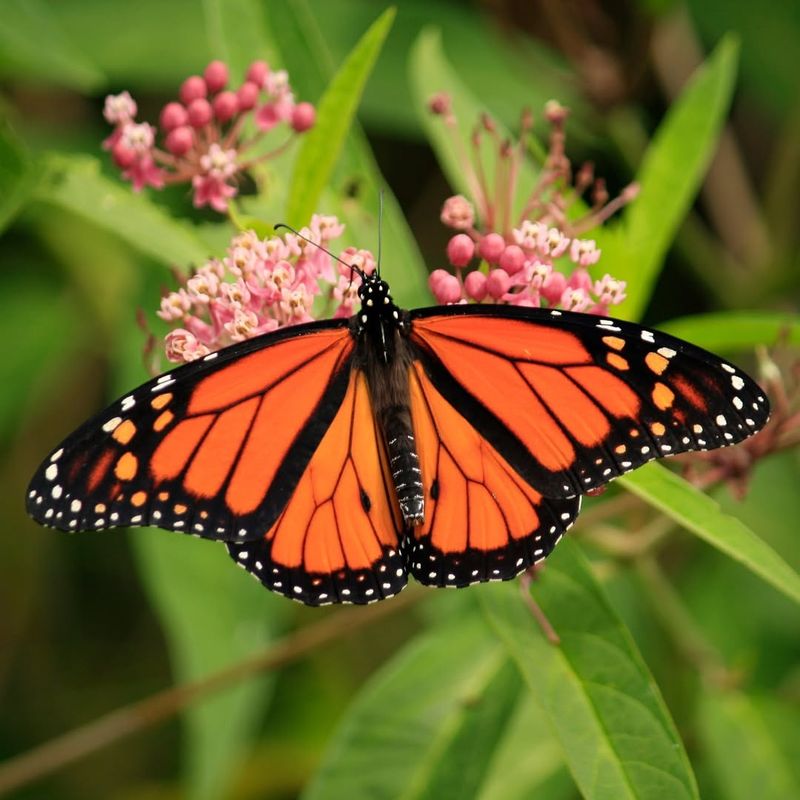
Monarch butterflies cannot complete their life cycle without milkweed plants.
Female monarchs lay their eggs exclusively on milkweed leaves, and when the caterpillars hatch, they feed only on this plant.
No other food source works for them.
California sits along the monarch migration route, making our gardens critical rest stops for these incredible travelers.
As development reduces natural habitats, backyard milkweed becomes even more important.
When you plant milkweed, you provide a nursery where monarchs can reproduce and raise their young.
Each plant you add increases the chances that monarch populations will recover and thrive.
Watching caterpillars munch on leaves and transform into chrysalises right in your yard creates unforgettable moments.
Kids especially love observing this magical process up close.
Native California milkweed species like narrow-leaf milkweed work best because they match the natural timing of monarch migrations.
Tropical varieties can sometimes confuse butterfly behavior, so stick with native options.
Your garden becomes part of a larger conservation effort that spans the entire continent.
Every milkweed plant matters, and every butterfly raised in your yard contributes to the survival of this iconic species.
Monarchs face numerous threats, but gardeners can help reverse their decline one plant at a time.
2. Native Milkweed Thrives In California’s Climate
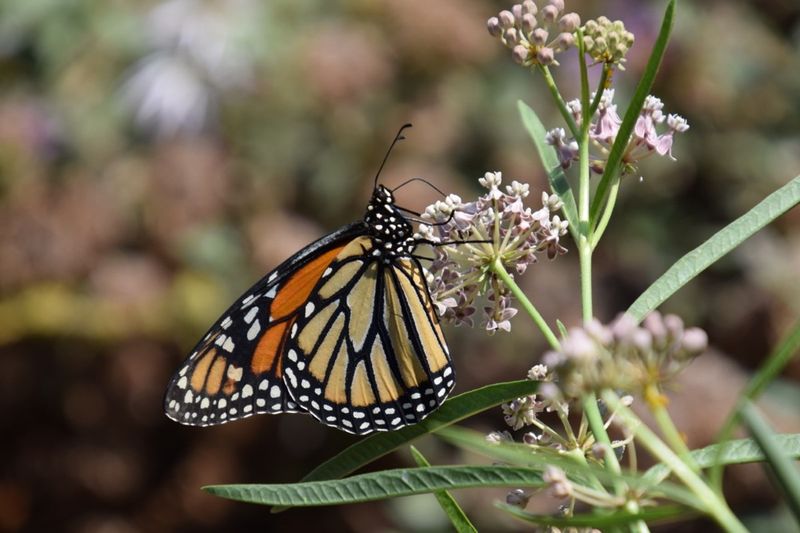
California native milkweed species have adapted perfectly to our unique weather patterns over thousands of years.
Once established, they handle drought conditions remarkably well and need very little water.
This makes them ideal for water-conscious gardeners who want beauty without waste.
Narrow-leaf milkweed, showy milkweed, and California milkweed all grow naturally across different regions of the state.
They bloom at the right times to match monarch migration schedules and provide nectar when butterflies need it most.
These plants have deep root systems that help them survive hot summers and occasional cold snaps.
You will not need to fuss over them constantly or worry about them withering in the heat.
Native milkweed also resists many pests and diseases that plague non-native ornamentals.
This means fewer chemicals and less maintenance for you.
Choosing native varieties supports the natural balance of California ecosystems.
Birds, insects, and other wildlife recognize these plants and know how to use them.
Planting natives creates a more authentic habitat that functions the way nature intended.
Your garden becomes part of the landscape rather than fighting against it.
Native milkweed varieties also tend to be more affordable and easier to find at local nurseries specializing in California plants.
3. Milkweed Attracts Dozens Of Pollinator Species

Bees absolutely adore milkweed flowers and visit them constantly throughout the blooming season.
Honeybees, bumblebees, and native California bee species all gather nectar from these blossoms.
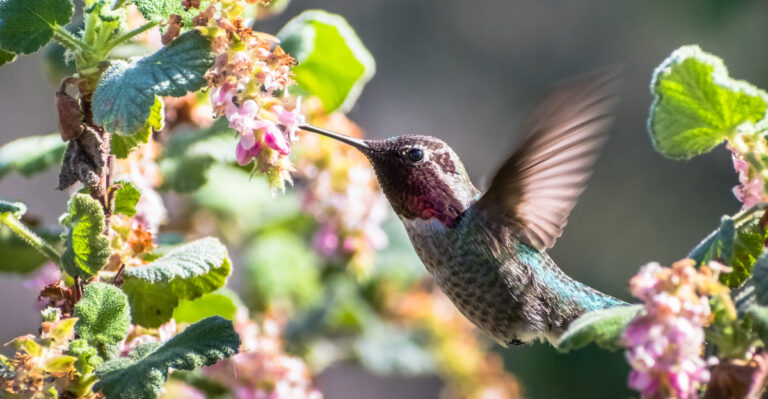
Hummingbirds also stop by frequently, especially at tubular milkweed varieties.
Beyond monarchs, many other butterfly species feed on milkweed nectar, including swallowtails, painted ladies, and skippers.
Your garden becomes a buzzing, fluttering hub of activity when milkweed blooms.
Pollinators face serious challenges from habitat loss and pesticide use, so providing food sources helps entire populations.
A single milkweed plant can support hundreds of pollinator visits each day during peak bloom.
This increased pollinator activity benefits your entire garden.
Vegetables, fruits, and other flowering plants produce better when more pollinators visit your yard.
Tomatoes, squash, and berries all depend on pollination to create the food we enjoy.
Milkweed essentially acts as a pollinator magnet that improves the productivity of everything around it.
Watching different species interact with the flowers provides endless entertainment and educational opportunities.
You will notice patterns in which insects visit at different times of day.
Creating pollinator habitat feels good and makes a measurable difference in local biodiversity.
4. Low Maintenance Requirements Save Time And Effort
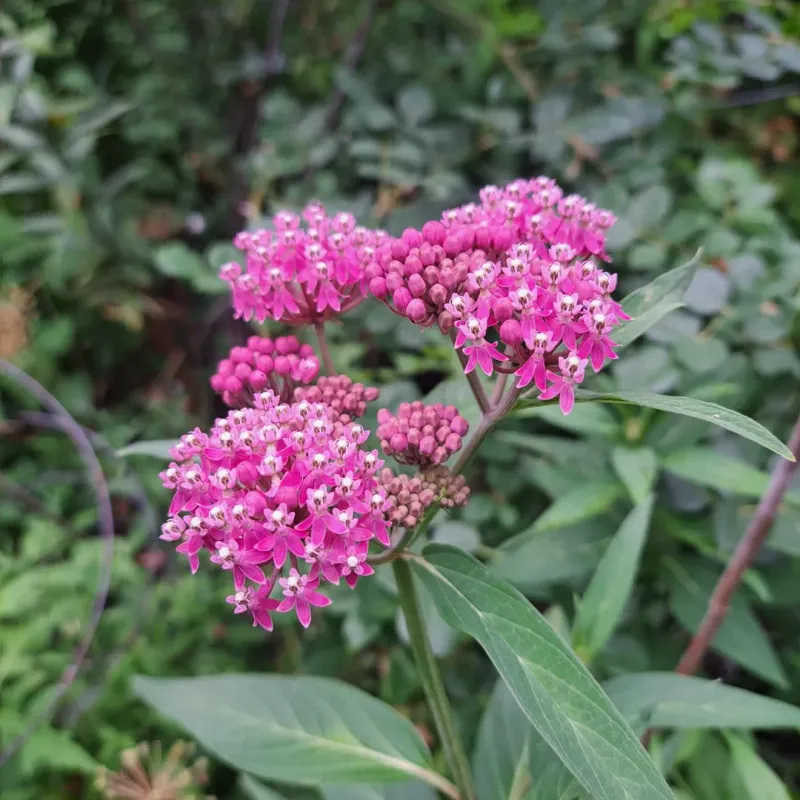
Gardeners appreciate plants that look beautiful without demanding constant attention, and milkweed fits that description perfectly.
After the first growing season, established milkweed plants need very little care.
They grow back year after year from their root systems without replanting.
Watering requirements drop significantly once roots reach deep into the soil.
During California’s dry months, native milkweed enters dormancy naturally and requires no irrigation at all.
You will not need to deadhead flowers constantly or worry about complicated pruning schedules.
Milkweed grows at a moderate pace and rarely becomes invasive in garden settings when you choose appropriate native species.
Fertilizing is usually unnecessary because these plants evolved in California’s naturally nutrient-variable soils.
Too much fertilizer actually encourages leaf growth at the expense of flowers.
Simply plant in well-draining soil, water occasionally during the first season, and then step back.
The plants handle the rest themselves.
This hands-off approach appeals to busy families, working professionals, and anyone who wants a productive garden without a huge time investment.
Milkweed proves that beautiful, beneficial gardens do not require endless weekend work.
You get maximum wildlife value with minimal effort.
5. Beautiful Flowers Add Color Throughout Growing Season

Milkweed flowers come in stunning shades that brighten any garden space.
Pink, purple, white, orange, and yellow varieties offer options to match your color preferences.
Showy milkweed produces large, globe-shaped clusters of pink and white flowers that create dramatic focal points.
Narrow-leaf milkweed offers delicate white and pink blooms that add subtle elegance.
California milkweed displays unique maroon and cream-colored flowers that stand out among typical garden plants.
These blooms appear for weeks or even months, providing consistent color when many other plants fade.
Different milkweed species bloom at different times, so planting multiple varieties extends the flowering period.
Your garden can have milkweed in bloom from spring through fall with proper planning.
The flowers also produce a pleasant fragrance that attracts both people and pollinators.
Sitting near blooming milkweed on a warm afternoon creates a sensory experience that enhances outdoor living spaces.
Seed pods that develop after flowering add architectural interest with their distinctive pointed shapes.
Many gardeners find the pods as attractive as the flowers themselves.
Milkweed works beautifully in borders, wildflower meadows, or as standalone specimen plants.
The visual appeal combines perfectly with ecological benefits to create truly special garden additions.
6. Educational Opportunities for Children and Adults

Few plants offer the teaching potential that milkweed provides right in your backyard.
Children can observe the complete butterfly life cycle from egg to adult over just a few weeks.
Finding tiny eggs on leaf undersides becomes a treasure hunt that keeps kids engaged with nature.
Watching caterpillars grow from rice-grain size to two inches long demonstrates growth rates in a tangible way.
The transformation inside a chrysalis sparks wonder and questions about metamorphosis.
When adult butterflies emerge and dry their wings, the whole family can witness one of nature’s most remarkable moments.
Teachers often use milkweed and monarchs in classroom science units, and having plants at home reinforces those lessons.
Adults learn too, discovering how interconnected ecosystems function and why native plants matter.
Milkweed gardens create conversation starters with neighbors and opportunities to share knowledge about conservation.
You might inspire others to plant milkweed in their yards, multiplying the positive impact.
Photography enthusiasts find endless subjects in the insects visiting milkweed flowers.
Capturing close-up images of caterpillars, butterflies, and bees develops observation skills and artistic appreciation.
Milkweed turns gardens into outdoor classrooms where learning happens naturally through curiosity and discovery.
These experiences build environmental awareness that lasts a lifetime.
7. Supports Entire Food Webs Beyond Just Insects
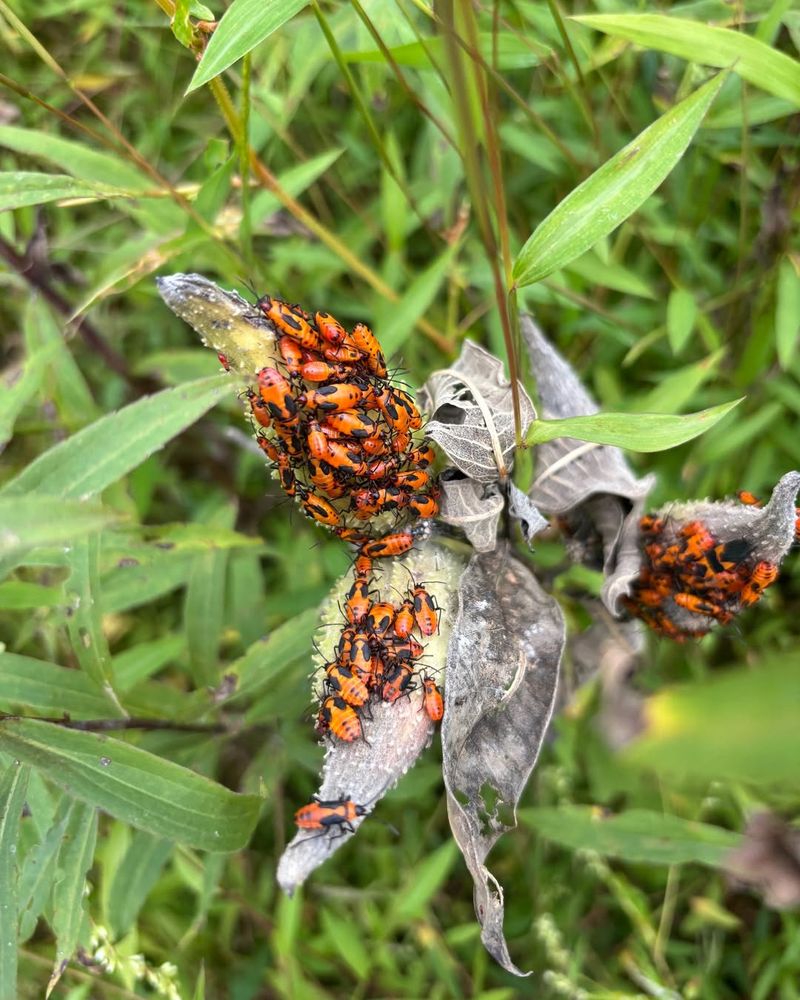
Milkweed plants create ripple effects throughout local ecosystems that extend far beyond butterflies and bees.
Birds benefit tremendously from milkweed gardens because they feed on the abundant insects that gather there.
Warblers, goldfinches, and chickadees hunt caterpillars and other bugs among the leaves and flowers.
Later in the season, finches eat milkweed seeds directly, cracking open the pods to reach the nutritious contents.
Predatory insects like ladybugs, lacewings, and parasitic wasps patrol milkweed plants searching for aphids and other prey.
These beneficial insects help control pests throughout your entire garden, reducing problems with vegetables and ornamentals.
Spiders build webs between milkweed stems, catching flies and mosquitoes.
Small mammals occasionally nibble on milkweed leaves or use dried stems for nesting material.
The plant essentially becomes a mini-ecosystem that supports multiple trophic levels.
Every creature plays a role, and removing any piece affects the whole system.
By planting milkweed, you strengthen these connections and help create more resilient wildlife communities.
Urban and suburban areas desperately need these habitat patches because natural spaces have become so fragmented.
Your garden serves as a stepping stone that allows wildlife to move through developed landscapes.
The more connected these habitat patches become, the healthier local ecosystems grow.
8. Contributes To Statewide Conservation Efforts
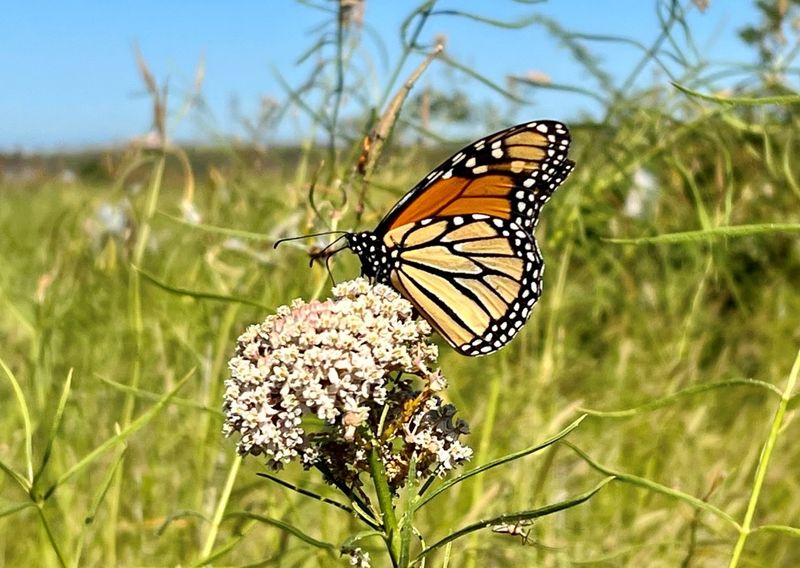
California has launched numerous initiatives to protect pollinators and restore native plant habitats.
When you plant milkweed, you join a growing network of conservation-minded gardeners making real change.
State agencies, universities, and nonprofit organizations all encourage citizens to create pollinator corridors through residential areas.
Your yard becomes part of this larger vision, connecting natural areas and helping wildlife populations thrive.
Scientists track monarch populations and migration patterns, and backyard milkweed contributes to their recovery.
Data shows that distributed habitat patches in urban and suburban zones significantly boost butterfly survival rates.
Rather than feeling helpless about environmental challenges, planting milkweed provides concrete action anyone can take.
You do not need special training or expensive equipment—just a small space and willingness to try.
Community groups often organize milkweed planting events and seed exchanges, building social connections around conservation.
Participating in these activities strengthens neighborhoods while benefiting the environment.
Many California cities now include native plant requirements in landscaping codes, recognizing their importance.
Staying ahead of these trends positions your property favorably and demonstrates environmental leadership.
Future generations will inherit the habitats we create today.
Planting milkweed represents hope and commitment to a healthier California for all living things.