Why Every North Carolina Garden Should Have At Least 5 Milkweed Plants
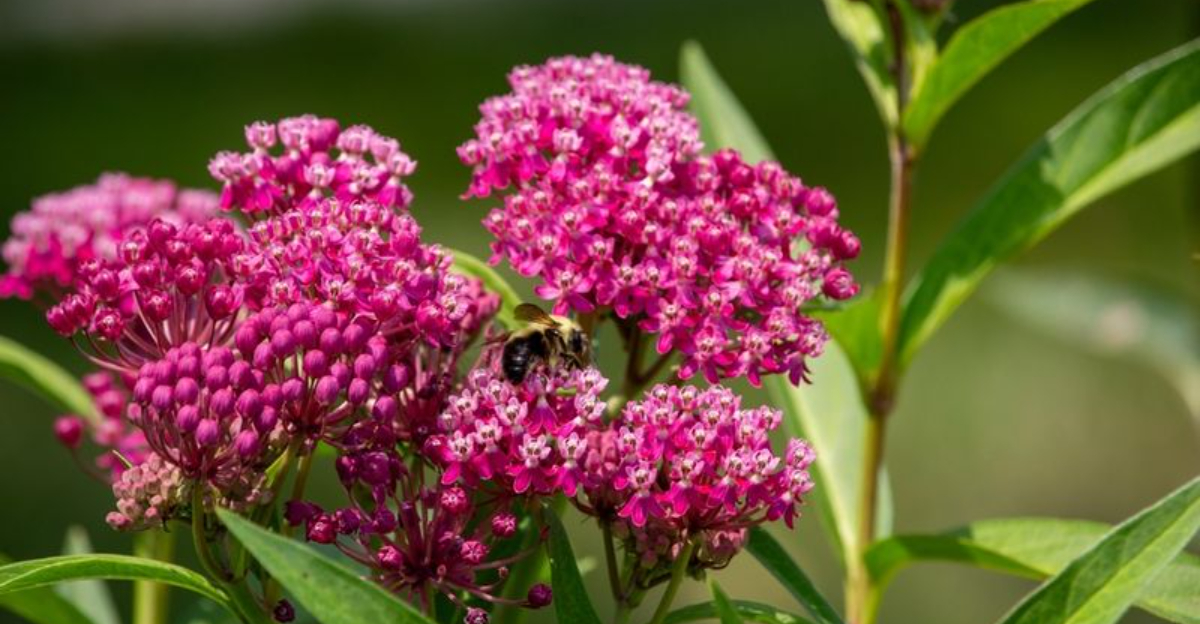
In North Carolina, gardens are not just about beauty, they are about supporting life.
Milkweed has earned a special place in the hearts of gardeners because it does double duty: it adds color and texture while playing a crucial role in local ecosystems.
With at least five plants, a garden can become a haven for pollinators, especially monarch butterflies, whose populations depend on milkweed for survival.
Milkweed is tough, resilient, and surprisingly easy to grow.
Its vibrant flowers draw bees, butterflies, and hummingbirds, turning a garden into a buzzing, living landscape.
More than that, it creates a natural rhythm, signaling the changing seasons and providing food and shelter for a variety of insects.
In North Carolina, where gardens can thrive year-round, milkweed adds movement, life, and a sense of purpose.
Planting at least five milkweed plants is like laying down the foundation of a mini ecosystem.
It ensures pollinators have enough resources to flourish and encourages a cycle of growth that benefits the entire garden.
For homeowners who care about sustainability and want a garden that does more than look good, milkweed is not optional, it is essential, colorful, and life affirming.
1. Monarch Butterflies Depend On Milkweed For Survival
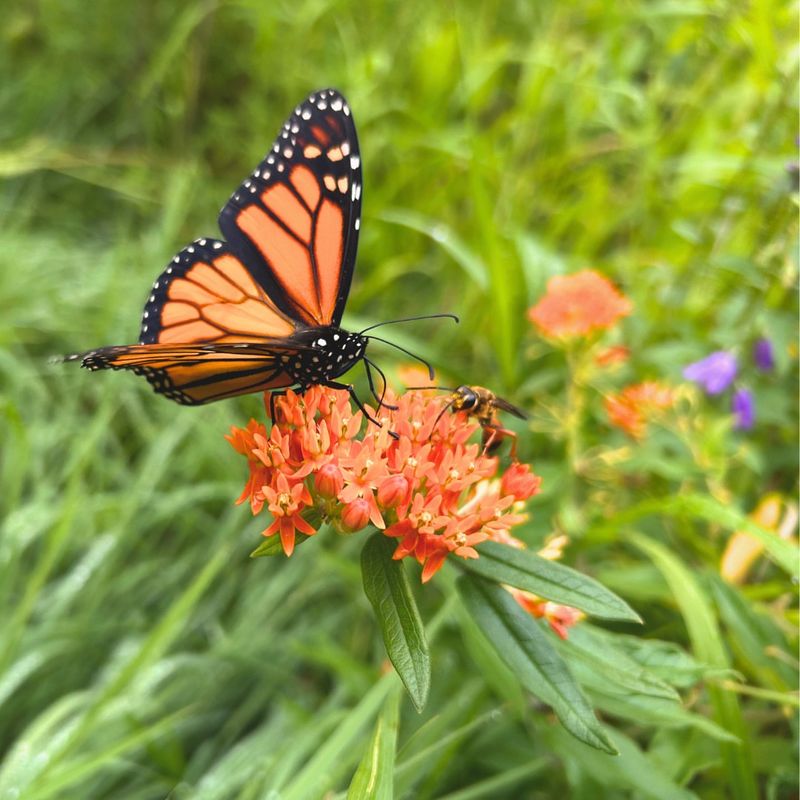
Monarch butterflies can only lay their eggs on milkweed plants because their caterpillars need milkweed leaves as their sole food source.
Without access to milkweed, monarchs cannot complete their life cycle, making these plants absolutely essential for their survival.
North Carolina sits along important monarch migration routes, so your garden can serve as a vital rest stop for these traveling insects.
When you plant at least five milkweed plants, you create enough space for multiple monarch caterpillars to grow without completely stripping the leaves.
A single monarch can lay hundreds of eggs, but only a small percentage will make it to adulthood.
Providing abundant milkweed gives more caterpillars a fighting chance to reach the butterfly stage.
Different milkweed species grow well across North Carolina, from the mountains to the coast.
Swamp milkweed thrives in wetter areas, while butterfly weed prefers drier soil conditions.
Common milkweed adapts to various garden settings throughout the state.
Watching the complete transformation from tiny egg to striped caterpillar to emerald chrysalis to orange-winged butterfly brings magic to your backyard.
Children especially love observing this natural wonder unfold right outside their windows.
Your five milkweed plants become a living classroom teaching important lessons about nature and conservation.
North Carolina gardeners who plant milkweed actively participate in protecting monarch populations that have declined significantly over recent decades.
Every garden with milkweed contributes to a network of habitat that helps these remarkable butterflies continue their incredible multi-generational migration journey.
2. Native Pollinators Flock To Milkweed Flowers
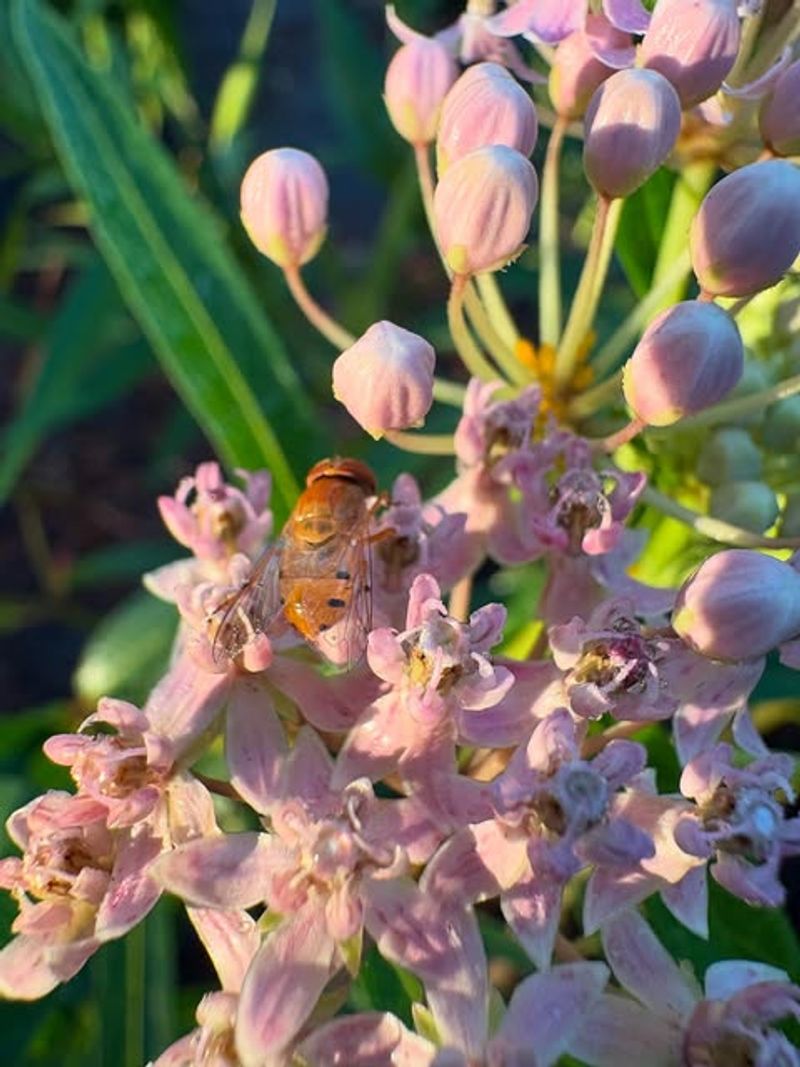
Milkweed flowers produce abundant nectar that attracts dozens of different pollinator species beyond just monarch butterflies.
Native bees, honeybees, bumblebees, hoverflies, and beetles all visit milkweed blooms throughout the growing season.
These pollinators play crucial roles in fertilizing vegetables, fruits, and flowering plants throughout your entire North Carolina garden.
The flowers cluster together in round or oval shapes, making it easy for pollinators to access multiple blossoms without expending extra energy.
This efficient design means pollinators can gather more nectar quickly, which they need for survival and reproduction.
Sweat bees, mason bees, and leafcutter bees particularly appreciate milkweed’s generous nectar offerings.
Having five milkweed plants ensures blooms appear over several weeks rather than just a few days.
Staggered blooming times provide consistent food sources when other garden flowers might not be available.
This reliability makes your garden a preferred destination for hungry pollinators searching for nutrition.
Hummingbird moths, which look remarkably like tiny hummingbirds, also love milkweed nectar and put on quite a show as they hover near the flowers.
These day-flying moths add movement and interest to your garden while helping with pollination.
Your neighbors will definitely ask about these fascinating creatures when they spot them visiting your milkweed.
Supporting diverse pollinator populations strengthens the entire ecosystem in your North Carolina neighborhood.
Healthy pollinator communities mean better vegetable harvests, more wildflowers, and increased biodiversity.
Those five milkweed plants become anchor points for environmental health that extends well beyond your property lines.
3. Milkweed Requires Minimal Care Once Established
Gardeners appreciate plants that thrive without constant attention, and milkweed fits that description perfectly once its roots take hold.
After the first growing season, established milkweed plants need very little watering except during extreme drought conditions.
North Carolina’s natural rainfall patterns typically provide enough moisture for these hardy native plants.
Milkweed doesn’t require fertilizers or special soil amendments to flourish in most garden settings.
These plants evolved to grow in average soil conditions found throughout the state, from clay to sandy loam.
Overfertilizing actually reduces flower production and can make plants grow too tall and floppy.
Pests rarely bother milkweed plants because they contain compounds that most insects find distasteful.
You won’t need to spray pesticides or spend time picking off harmful bugs.
The only insects you’ll find on milkweed are beneficial ones like monarch caterpillars and various pollinators.
Most milkweed species spread through underground rhizomes, which means they’ll come back year after year without replanting.
This perennial nature makes them excellent investments for busy gardeners who want beautiful results without annual replanting efforts.
Your initial purchase of five plants can eventually expand into larger patches if you allow natural spreading.
Cutting back dry stalks in late fall or early spring takes just minutes per plant.
Some gardeners leave dried seed pods standing through winter because they add interesting architectural elements to dormant gardens.
North Carolina winters are mild enough that most milkweed species handle cold temperatures without any protection or special preparation.
4. Beautiful Blooms Add Color Throughout Summer Months
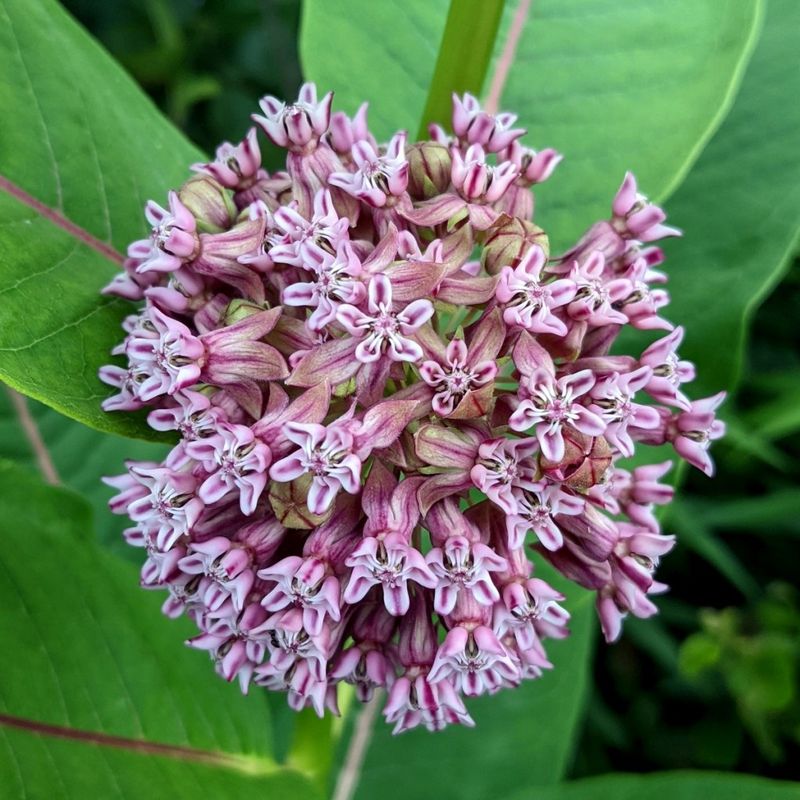
Many people picture milkweed as plain green plants, but they actually produce stunning flowers in various colors depending on the species.
Butterfly weed showcases brilliant orange blooms that practically glow in summer sunshine.
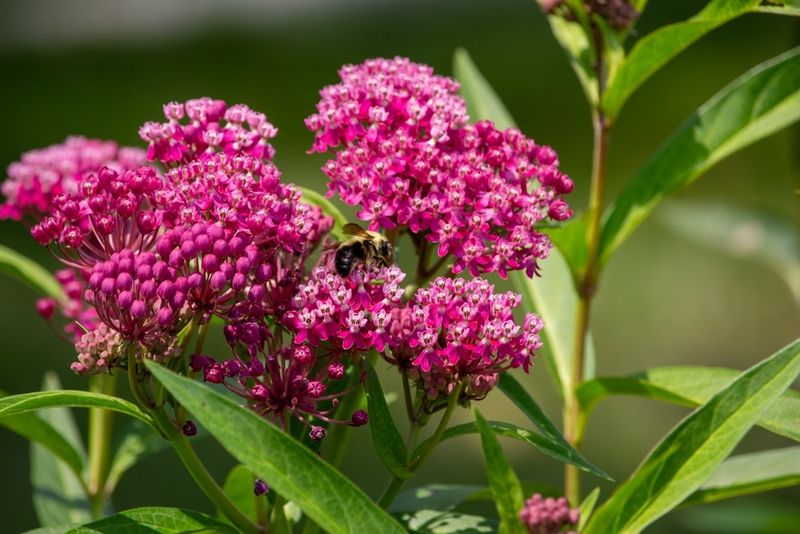
Swamp milkweed offers soft pink clusters that complement other pastel garden flowers beautifully.
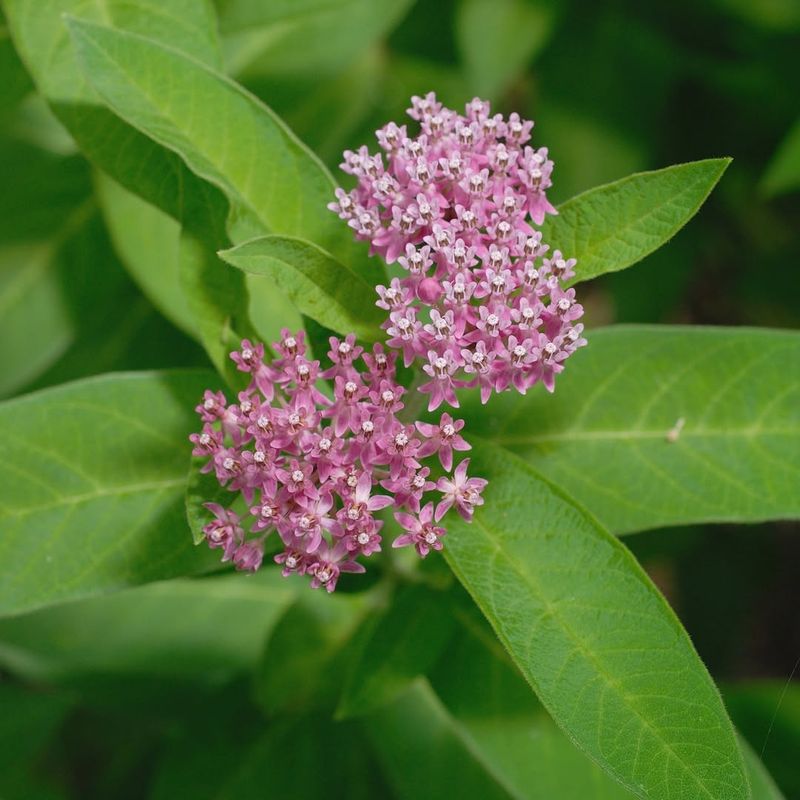
Common milkweed produces large spheres of dusty pink to mauve flowers with an incredibly sweet fragrance that fills the air on warm evenings.
This scent attracts pollinators from impressive distances while creating a pleasant atmosphere for people relaxing in North Carolina gardens.
The fragrance isn’t overwhelming but adds a subtle sweetness that enhances outdoor experiences.
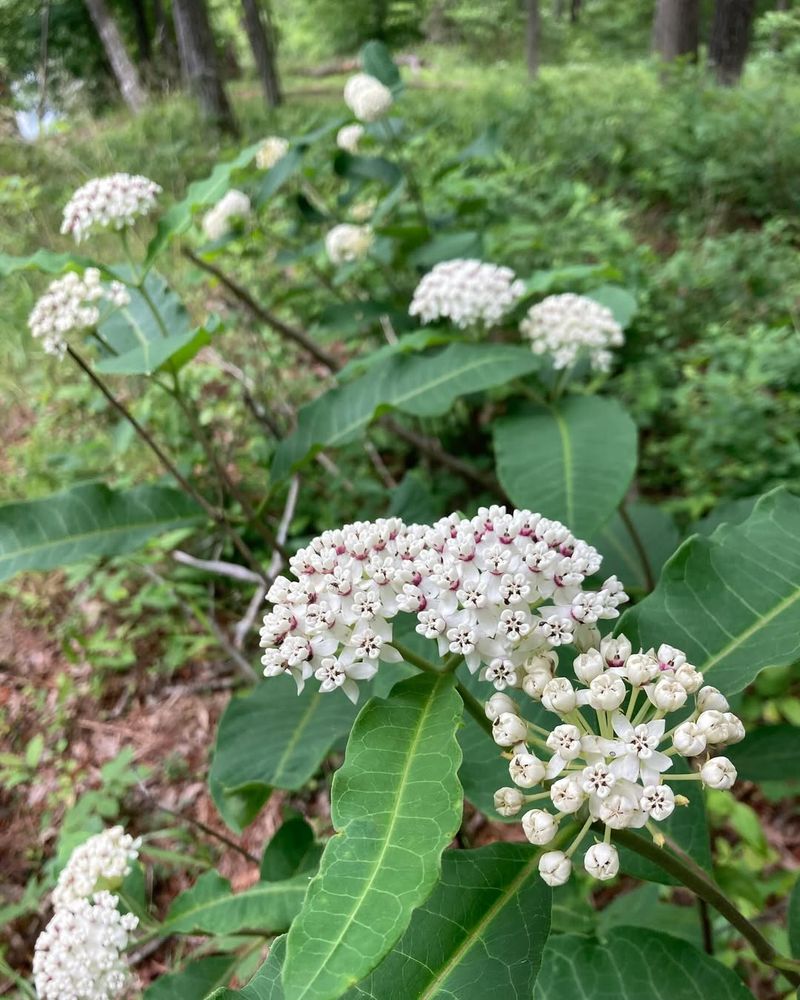
Poke milkweed displays white to pale pink flowers with unique shapes that add textural interest to garden beds.
Mixing different milkweed species in your collection of five plants creates a longer blooming period and more diverse color palette.
This variety keeps your garden looking fresh and interesting from late spring through early fall.
The flowers work wonderfully in cut flower arrangements, lasting up to a week in vases.
Florists and crafters also value the interesting seed pods that develop after flowers fade.
These pods split open to reveal silky seeds that catch sunlight and breeze in magical ways.
Photographers love capturing images of butterflies and bees against milkweed’s colorful backdrop.
Your garden becomes Instagram-worthy without requiring exotic or expensive plants.
Neighbors walking past will often stop to admire the vibrant display and ask what you’re growing, giving you chances to spread knowledge about these valuable North Carolina natives.
5. Milkweed Provides Year-Round Wildlife Habitat

Beyond feeding monarch caterpillars and attracting pollinators, milkweed plants offer shelter and resources for wildlife throughout all four seasons.
Birds use dried milkweed stalks and fluffy seed material to build nests in spring.
Goldfinches particularly love collecting the silky fibers to line their nests, creating soft cradles for their eggs.
Lady beetles, lacewings, and other beneficial insects overwinter in the hollow stems of standing milkweed stalks.
These helpful predators emerge in spring ready to control aphids and other garden pests naturally.
Leaving some dried milkweed standing through winter provides crucial habitat for these beneficial species in North Carolina gardens.
Milkweed aphids, which only feed on milkweed and don’t harm other plants, serve as food for ladybugs and their larvae.
This creates a mini ecosystem within your garden where natural pest control happens without human intervention.
The presence of these aphids actually attracts more beneficial insects to your entire yard.
Small mammals like rabbits occasionally nibble young milkweed shoots in early spring without causing lasting damage to established plants.
This provides supplemental food for wildlife during times when other green plants are scarce.
Your five plants can support this occasional browsing while still producing plenty of flowers and foliage.
Butterflies other than monarchs also use milkweed plants as perching spots and shelter from wind and rain.
Swallowtails, fritillaries, and skippers all visit milkweed patches regularly.
Creating this multi-season habitat demonstrates how native plants support complex food webs that keep North Carolina ecosystems healthy and balanced.
6. Growing Milkweed Helps Combat Habitat Loss
Development and agriculture have eliminated millions of acres of natural milkweed habitat across the United States over the past several decades.
Roadside mowing, herbicide use, and land conversion have particularly impacted milkweed populations along monarch migration routes.
North Carolina has lost significant native plant habitat as cities expand and farming practices change.
Home gardens now represent one of the most important opportunities to restore lost milkweed habitat.
Collectively, residential yards cover more land area than national parks in many regions.
When you plant five milkweed plants, you join thousands of other gardeners creating a network of stepping stones for monarchs and other wildlife.
Citizen science projects track how backyard conservation efforts contribute to monarch population recovery.
Gardeners in North Carolina can report milkweed plantings and monarch sightings to help researchers understand migration patterns and habitat needs.
Your small patch becomes part of valuable data collection that informs larger conservation strategies.
Schools, libraries, and community centers throughout North Carolina are establishing butterfly gardens with milkweed as centerpiece plants.
This movement educates children about environmental stewardship while creating tangible habitat.
Home gardeners who embrace milkweed set examples that inspire neighbors and community members to follow suit.
Agricultural landscapes once supported wild milkweed growing along field edges and in pastures.
Modern farming practices have reduced these natural areas significantly.
Suburban and urban gardens must now fill this gap, making every residential milkweed plant count toward reversing habitat loss trends that threaten numerous species beyond just monarchs.
7. Five Plants Create A Sustainable Breeding Population
Planting just one or two milkweed plants often results in caterpillars eating every leaf before reaching maturity.
Monarch caterpillars have enormous appetites and can consume entire small plants quickly.
Five plants provide enough foliage to support multiple caterpillars simultaneously without depleting the food supply completely.
Research shows that small milkweed patches need at least five plants to maintain healthy leaf growth while feeding caterpillars.
This number allows some plants to recover while others provide fresh food.
The rotation effect keeps caterpillars fed and plants alive throughout the growing season in North Carolina gardens.
Female monarchs prefer laying eggs in areas where multiple milkweed plants grow together rather than on isolated single plants.
This instinctive behavior ensures their offspring will have adequate food nearby.
Your cluster of five plants appears more attractive to egg-laying females than scattered individual specimens.
Having five plants also increases the chances that at least some will thrive regardless of weather conditions or minor pest issues.
Not every plant performs perfectly every year, so numbers provide insurance.
Some might bloom earlier while others peak later, extending the season of availability for butterflies.
The spacing between five plants creates a microhabitat that retains moisture and provides shelter from harsh winds.
Plants growing in small groups support each other environmentally.
This clustering mimics how milkweed grows in natural settings across North Carolina meadows and prairies, creating conditions where both plants and butterflies thrive together in balanced harmony.