Why Experts Are Warning Tennessee Homeowners About A New Shrub Fungus
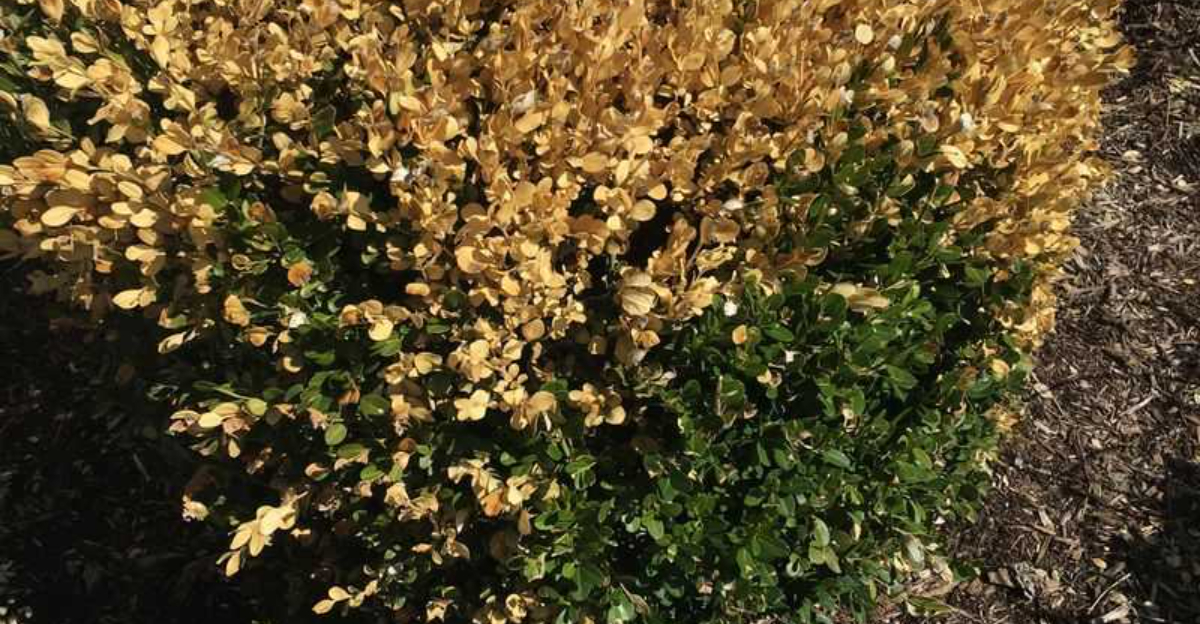
Tennessee landscapes are facing a growing threat this season, and experts want homeowners to pay attention before winter damage becomes spring heartbreak.
A newly spreading shrub fungus has been silently creeping into yards, attacking popular ornamentals at a time when most people assume their plants are safely dormant.
December’s cool, wet weather creates perfect conditions for fungal spores to settle in, disguise themselves as harmless discoloration, and then surge once temperatures warm.
Many residents don’t realize anything is wrong until leaves fail to emerge or entire shrubs begin to decline.
The good news? Early recognition and preventive action can stop the problem before it spreads through entire neighborhoods.
As horticulturists sound the alarm, Tennessee homeowners are learning that winter plant care is more important than ever.
Here’s what you need to know about the fungus, why it’s appearing now, and how to protect your shrubs before spring arrives.
Experts Report Rising Cases Of Boxwood Blight In Tennessee Landscapes

Boxwood blight arrived in Tennessee over a decade ago, and it has never really left.
Plant pathologists have confirmed cases in multiple counties, and the numbers keep climbing each year.
Warmer temperatures combined with increased humidity create perfect conditions for this aggressive fungus to thrive.
The blight attacks leaves and stems, causing distinctive brown spots and rapid defoliation that can strip a shrub bare in just weeks.
Once established in your landscape, the fungus produces spores that survive in soil and plant debris for years.
Even a single infected boxwood can become a reservoir of disease, threatening every other susceptible plant nearby.
Tennessee gardeners who once relied on boxwoods for formal hedges and foundation plantings now face tough decisions about replacement and prevention.
The fungus spreads through water splash, contaminated tools, and even on clothing brushed against infected foliage.
Extension agents recommend careful monitoring and immediate removal of symptomatic branches to slow the spread.
Homeowners should inspect their boxwoods regularly, especially after periods of rain or high humidity.
Early detection makes management much easier and can prevent the fungus from establishing a permanent foothold in your yard.
New Fungal Pathogens Are Emerging In Ornamental Shrubs Due To Climate Shifts

Climate patterns across Tennessee have shifted noticeably over the past two decades, bringing longer wet seasons and milder winters.
These changes have opened doors for fungal pathogens that previously struggled to survive in the region.
Plant pathologists are documenting infections in shrubs that were historically considered low-risk or resistant to common diseases.
Warmer winter temperatures mean fewer hard freezes that would normally reduce overwintering fungal spores in soil and plant tissue.
Extended spring rainfall creates ideal moisture levels for spore germination and infection cycles to repeat multiple times per season.
Shrubs that evolved to handle Tennessee’s traditional climate now face challenges their natural defenses were never designed to combat.
Experts point to specific examples like Cercospora leaf spot and Phyllosticta fungi appearing on shrubs where they were rarely seen before.
The combination of environmental stress and opportunistic pathogens creates a perfect storm for landscape health problems.
Homeowners need to rethink their shrub selections and maintenance practices to account for these new realities.
Choosing disease-resistant varieties and improving air circulation around plants can help reduce infection risk.
Staying informed about emerging pathogens through local extension resources gives you a fighting chance against these evolving threats.
Tennessee Nurseries And Landscapes Are Seeing More Phytophthora Root Rot Issues

Phytophthora is a soil-dwelling organism that acts like a fungus but is actually a water mold, and it loves Tennessee’s clay-heavy soils.
When drainage is poor and water sits around plant roots, this pathogen moves in and begins destroying the root system from the inside out.
Azaleas, rhododendrons, hollies, and boxwoods are particularly vulnerable, and cases are increasing across residential and commercial landscapes.
Root rot symptoms often appear above ground as wilting, yellowing leaves, and stunted growth that homeowners mistake for drought stress or nutrient deficiency.
By the time visible symptoms show up, significant root damage has already occurred, making recovery difficult or impossible.
The organism produces swimming spores that travel through saturated soil and standing water, infecting one plant after another.
Nurseries are reporting higher infection rates in containerized shrubs, especially when overwatering occurs or pots lack adequate drainage holes.
Once Phytophthora establishes in landscape soil, it persists indefinitely, creating ongoing challenges for replanting in the same location.
Prevention focuses on improving soil drainage through amendments, raised beds, and proper grading.
Testing your soil drainage before planting susceptible shrubs can save heartache and money down the road.
If root rot strikes, removing affected plants and improving site conditions before replanting is essential for long-term success.
Excessive Rainfall Is Fueling Rapid Spread Of Leaf-Spot And Canker Diseases

Tennessee has experienced several years of above-average rainfall, creating extended periods of leaf wetness that fungi absolutely love.
Anthracnose, Cercospora, and other leaf-spot diseases thrive when foliage stays wet for hours at a time, allowing spores to germinate and penetrate leaf tissue.
Canker diseases that attack stems and branches also benefit from these moist conditions, spreading faster than homeowners can react.
Leaf-spot fungi cause unsightly brown, black, or tan spots that expand and merge, eventually causing leaves to drop prematurely.
Repeated defoliation weakens shrubs over time, reducing their ability to photosynthesize and store energy for winter survival.
Canker diseases create sunken, discolored areas on stems that girdle branches and disrupt water and nutrient flow.
Weather-stressed shrubs are especially vulnerable because their natural defenses are already compromised by fluctuating temperatures and inconsistent moisture.
Rain splash carries fungal spores from infected leaves to healthy ones, and wind-blown debris spreads pathogens across entire neighborhoods.
Once established, these diseases cycle through generations quickly during wet weather, exponentially increasing spore loads in the environment.
Pruning out infected branches during dry weather and disposing of fallen leaves can reduce fungal populations.
Applying preventive fungicides before rainy periods may help protect high-value shrubs, but timing and product selection are critical for effectiveness.
Experts Warn That Infected Shrubs Can Spread Spores To Neighboring Plants

Fungal diseases rarely stay contained to a single plant, especially in closely planted landscape beds where shrubs touch or overlap.
Spores travel incredibly easily through rain splash, hitting leaves and stems several feet away from the original infection site.
Wind picks up dried spores and debris, carrying them across yards and even between properties, making neighborhood-wide outbreaks possible.
Contaminated gardening tools are another major transmission route that homeowners often overlook.
Pruning shears used on an infected shrub can carry thousands of spores directly into healthy tissue on the next plant you trim.
Even lawn mowers and string trimmers can spread fungal material when they contact diseased branches or blow infected debris around the yard.
One infected boxwood or azalea becomes a spore factory, releasing millions of microscopic reproductive structures throughout the growing season.
Neighboring plants of the same species are at highest risk, but many fungal pathogens can infect multiple shrub types.
The closer your plants are together, the faster disease spreads and the harder it becomes to manage.
Creating space between shrubs improves air circulation and reduces spore transmission through direct contact and splash.
Regularly sanitizing tools with rubbing alcohol or bleach solution between plants is a simple but powerful prevention strategy that every gardener should practice.
Homeowners Often Mistake Early Symptoms For Drought Stress Or Fertilizer Burn

Fungal diseases can be master mimics, producing symptoms that look remarkably similar to environmental stress or nutrient problems.
Wilting leaves, brown edges, and yellowing foliage are classic signs of drought, but they also indicate root rot and vascular diseases.
Many homeowners respond by watering more or applying fertilizer, which can actually worsen fungal problems by creating even more favorable conditions for pathogens.
Fertilizer burn typically affects leaf margins and tips with a crisp, dried appearance that develops quickly after application.
Fungal infections may start similarly but often include spots, lesions, or patterns that spread gradually across leaf surfaces.
The timing of symptoms provides important clues—drought stress appears during hot, dry periods, while fungal issues often follow rain or irrigation.
Misdiagnosis delays proper treatment and allows diseases to progress unchecked, sometimes reaching a point where recovery becomes impossible.
Root rot victims may receive extra water for weeks before someone realizes the roots are already compromised and unable to absorb moisture.
By then, the fungus has spread throughout the root system and potentially moved to nearby plants.
Learning to distinguish between different types of plant stress takes practice but pays huge dividends in landscape health.
When in doubt, contact your county extension office for help with diagnosis—they can often identify problems from photos or physical samples.
Many Tennessee Soils Naturally Harbor Dormant Fungal Spores That Activate Under Moist Conditions
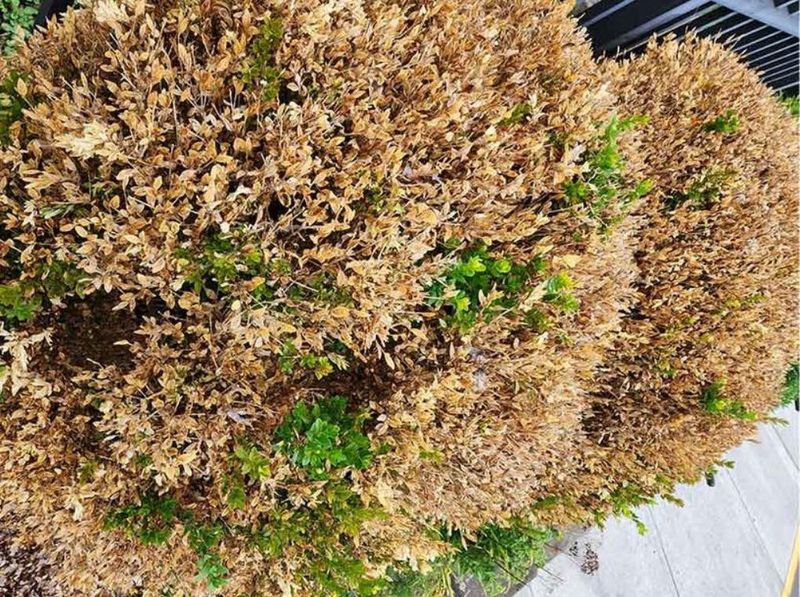
Tennessee soils have harbored fungal pathogens for centuries, with spores lying dormant in the ground waiting for the right conditions to spring into action.
Phytophthora, Pythium, and Rhizoctonia are just a few examples of soil-dwelling organisms that can survive for years without a host plant.
When heavy rain saturates the soil or irrigation keeps it consistently moist, these dormant spores germinate and begin seeking out plant roots to infect.
Clay soils common throughout Tennessee hold water longer than sandy or loamy soils, creating extended periods of saturation that favor fungal activity.
Compacted soil with poor structure traps water near the surface, where feeder roots are most concentrated and vulnerable to attack.
Even well-established shrubs that have thrived for years can suddenly succumb when soil conditions shift in favor of pathogens.
Homeowners often introduce additional fungal spores unknowingly through contaminated mulch, compost, or transplanted shrubs from infected nurseries.
Once in your soil, these organisms become permanent residents that activate whenever moisture and temperature conditions align.
Managing soil moisture through proper drainage, grading, and irrigation practices is the most effective long-term defense.
Amending heavy clay with organic matter improves drainage and aeration, reducing the time roots spend in saturated conditions.
Raised beds and berms provide another option for growing susceptible shrubs in areas with naturally poor drainage.
Improper Mulching And Overwatering Can Accidentally Create Fungus-Friendly Environments

Mulch is a garden essential that conserves moisture, suppresses weeds, and moderates soil temperature, but too much of a good thing creates serious problems.
Piling mulch deeply around shrub stems or creating “mulch volcanoes” traps moisture against bark and creates perfect conditions for fungal cankers and root diseases.
The constantly damp environment at the base of the plant weakens bark tissue and allows pathogens easy entry into the vascular system.
Overwatering is equally problematic, especially when automated irrigation systems run on fixed schedules regardless of rainfall or soil moisture levels.
Roots need oxygen as much as they need water, and saturated soil drives out air pockets, essentially suffocating root systems.
Stressed, oxygen-deprived roots become easy targets for opportunistic fungi that move through water-filled soil pores.
Many homeowners believe more water equals healthier plants, but shrubs actually prefer soil that cycles between moist and slightly dry.
This wet-dry cycle allows roots to breathe and prevents fungal spores from having continuous access to moisture needed for germination.
Checking soil moisture before watering and adjusting irrigation based on weather conditions prevents overwatering problems.
Proper mulching means keeping mulch two to three inches deep and pulling it back several inches from shrub stems and trunks.
Installing rain sensors on irrigation systems and using drip lines instead of sprinklers reduces excess moisture and splash that spreads disease.
Tool Contamination Is A Growing Concern In Residential Gardening

Professional landscapers have long known that sanitizing tools between plants prevents disease transmission, but residential gardeners often overlook this critical practice.
Pruning shears, loppers, and saws that cut through infected tissue pick up fungal spores and carry them directly into the next plant you prune.
Even shovels and trowels used to dig around diseased plants can transfer soil-borne pathogens to new planting sites.
The problem has grown as fungal diseases become more prevalent and homeowners increase their gardening activities without corresponding attention to sanitation.
A single pair of contaminated pruners can spread boxwood blight or other diseases throughout an entire landscape in a single afternoon of pruning.
Lawn equipment like mowers and string trimmers that contact diseased plant material also become vehicles for spore dispersal.
Sanitizing tools between plants takes only seconds but provides enormous protection against disease spread.
Rubbing alcohol, household bleach diluted 1:9 with water, or commercial disinfectants all work effectively when tools are dipped or wiped thoroughly.
Allowing tools to air dry completely before storing them prevents rust while ensuring any remaining pathogens are exposed to drying conditions.
Cleaning soil and plant debris from tools before storage reduces the organic matter that fungi need to survive on tool surfaces.
Making sanitation a routine part of every gardening session transforms it from a chore into an automatic habit that protects your entire landscape investment.
State Extension Offices Are Encouraging Earlier Detection And Reporting

University of Tennessee and Tennessee State University extension offices serve as frontline resources for identifying and tracking plant diseases across the state.
Plant pathologists at these institutions rely on homeowner reports and sample submissions to monitor emerging fungal threats and disease patterns.
Earlier detection of unusual symptoms allows experts to issue timely warnings and management recommendations before outbreaks become widespread.
Extension agents encourage homeowners to photograph and report any shrub showing rapid decline, unusual leaf spotting, or dieback that doesn’t match typical environmental stress.
Submitting physical samples through your county extension office enables laboratory diagnosis that can identify specific pathogens and rule out other problems.
This information feeds into statewide disease surveillance systems that help researchers understand how fungi are moving and evolving.
Many fungal diseases are most manageable when caught early, before significant plant damage occurs and spore populations explode.
Homeowners who regularly monitor their landscapes and know what healthy shrubs should look like are best positioned to spot problems quickly.
Extension resources including fact sheets, diagnostic clinics, and online reporting tools make it easier than ever to get expert help.
Building a relationship with your local extension office before problems arise means you’ll know exactly where to turn when something looks wrong.
Collective vigilance and reporting create an early warning system that benefits entire communities and helps protect Tennessee’s green spaces from emerging fungal threats.