Why February Is The Best Month To Begin Spring Gardening In Arizona
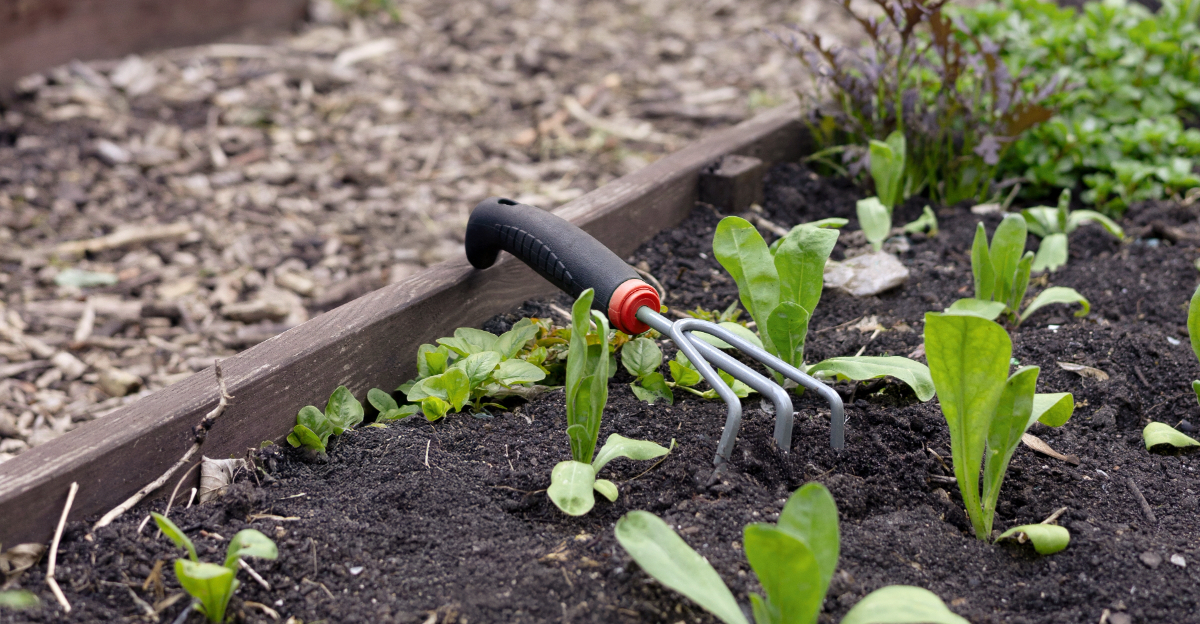
February doesn’t look like the start of spring in Arizona, but the garden tells a different story. Growth hasn’t exploded yet, which is exactly why this window matters.
The days stretch a little longer, soil temperatures rise just enough, and plants respond without the pressure of extreme heat.
Waiting until everything looks green and active often means working against the season instead of with it. Early efforts in February allow roots to establish quietly, setting plants up to handle spring’s fast pace more easily.
Starting now isn’t about rushing or overplanting. It’s about timing moves when stress is low and conditions are forgiving.
Gardeners who begin in February usually spend less time correcting problems later and more time watching steady, confident growth as spring unfolds.
1. Soil Temperatures Begin Warming Without Extreme Heat
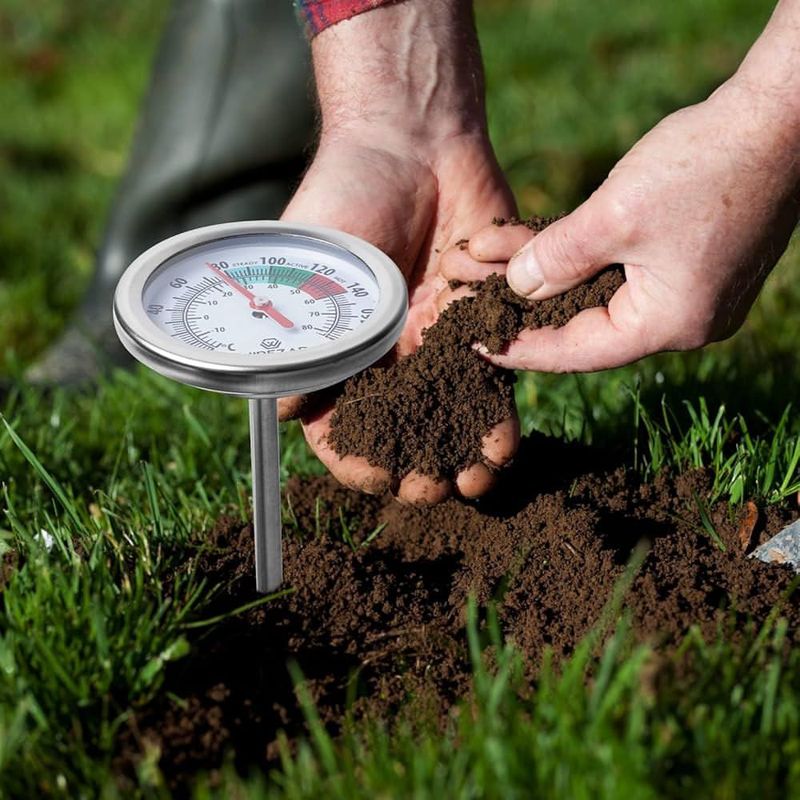
Ground temperature matters more than air temperature when deciding planting times. Arizona soil in February typically ranges between 50 and 65 degrees Fahrenheit, which is perfect for germinating seeds and encouraging root development.
Cooler soil from January starts absorbing more sunlight as the days grow longer, creating the goldilocks zone that plants need to thrive.
Seeds planted during this time won’t experience temperature shock that can stunt growth or prevent germination altogether.
Tomatoes, peppers, and squash benefit from this warming trend in low-desert areas when planted with frost protection.
The gradual warming trend through February gives transplants time to adjust without the sudden jumps that come later in spring.
Desert gardeners in Phoenix, Tucson, and other low-elevation areas benefit most from this temperature sweet spot. The soil remains workable and easy to amend with compost or other organic matter.
You can dig, plant, and mulch without fighting either frozen ground or baked clay.
Monitoring soil temperature with a simple thermometer helps you make smart decisions about what to plant and when. Different crops have different minimum soil temperature requirements, and February provides flexibility to plant cool-season and warm-season varieties in succession.
This temperature advantage disappears quickly once March and April arrive, bringing heat that can stress young plants and make soil preparation much harder.
2. Plants Establish Roots Before Summer Stress Hits
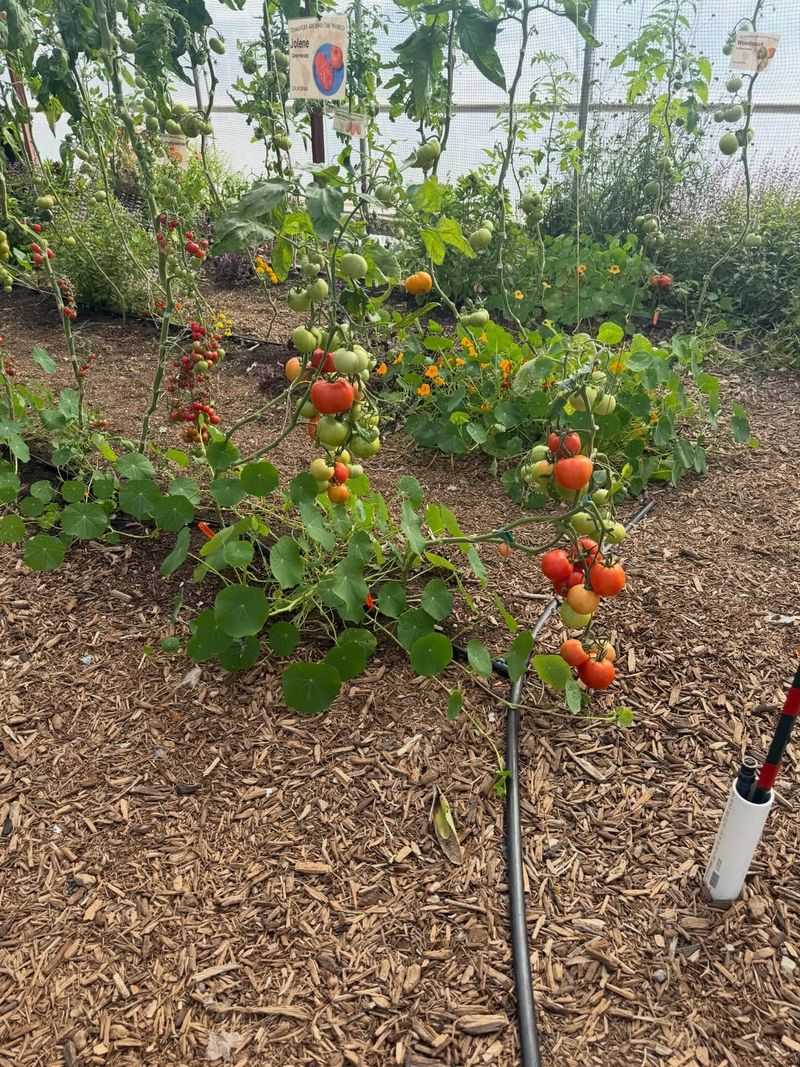
Root development determines whether plants survive Arizona’s brutal summer or wither away despite your best efforts. February planting gives vegetables and flowers roughly three to four months to build extensive root systems before temperatures regularly exceed 100 degrees.
Strong roots mean better water uptake, improved nutrient absorption, and greater resilience when conditions turn harsh.
Transplants placed in Arizona gardens during February focus their energy downward rather than upward. Cool nights and mild days encourage roots to spread wide and dig deep into the soil profile.
This underground foundation becomes crucial when June arrives and surface soil dries out quickly between waterings.
Tomatoes planted in February can develop root systems extending three feet deep by early summer. Peppers, eggplants, and squash also benefit from this extended establishment period.
The alternative is planting later when heat forces plants to struggle simultaneously with transplant shock and temperature stress.
Arizona gardeners who rush the season and plant too early risk frost damage, while those who wait too long sacrifice this critical root development window. February strikes the balance perfectly for most low-desert locations.
Plants have time to recover from any transplant setbacks and build the infrastructure needed for summer survival.
Root-bound transplants from nurseries particularly benefit from February planting. They can break free from circular root patterns and establish proper growth before environmental stress limits their development potential.
3. Cool-Season Crops Are Still Growing Strong
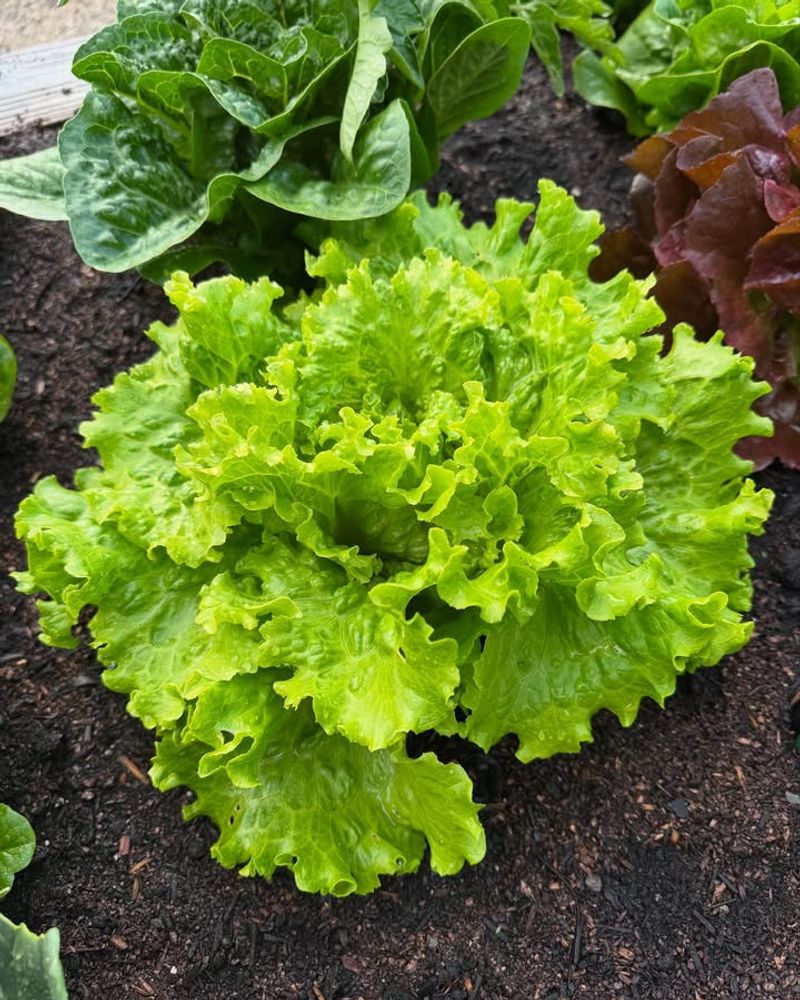
Lettuce, broccoli, cabbage, and other cool-season vegetables hit their peak production during Arizona’s February weather. These crops actually prefer the cooler temperatures and can continue producing while you simultaneously plant warm-season varieties.
Your garden becomes a productive overlap zone where winter crops finish strong while summer plants get started.
February temperatures in Arizona typically range from nighttime lows in the 40s to daytime highs in the 70s. Cool-season greens thrive in these conditions, growing quickly without the bitterness that develops when heat arrives.
You can harvest fresh salads and cooking greens while preparing adjacent beds for tomatoes and peppers.
This overlap strategy maximizes garden productivity throughout the year. Rather than waiting for cool-season crops to finish before starting warm-season planting, February allows both to coexist.
Gardeners in Tucson, Mesa, and Scottsdale can enjoy continuous harvests by taking advantage of this transitional period.
Succession planting works beautifully during February as well. You can sow additional lettuce or spinach seeds knowing they’ll mature before heat becomes problematic.
Meanwhile, warm-season seedlings grow in protected areas or greenhouse spaces, ready for transplanting as February progresses.
The extended cool season in Arizona compared to other regions provides a competitive advantage. While gardeners elsewhere struggle with short springs, Arizona offers months of perfect growing weather.
February represents the tail end of cool-season abundance while simultaneously opening the door for warm-season success.
4. Pruning And Cleanup Can Be Finished Safely
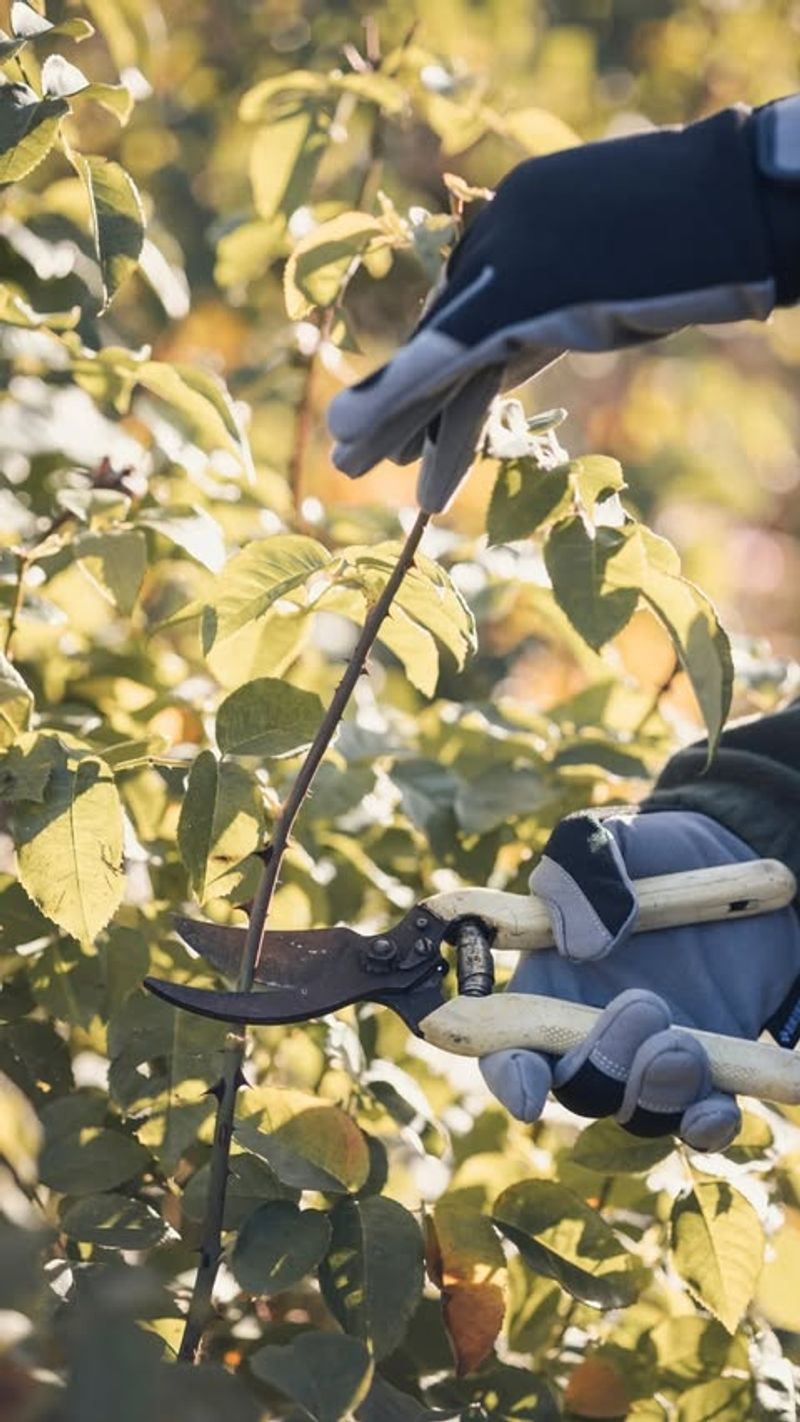
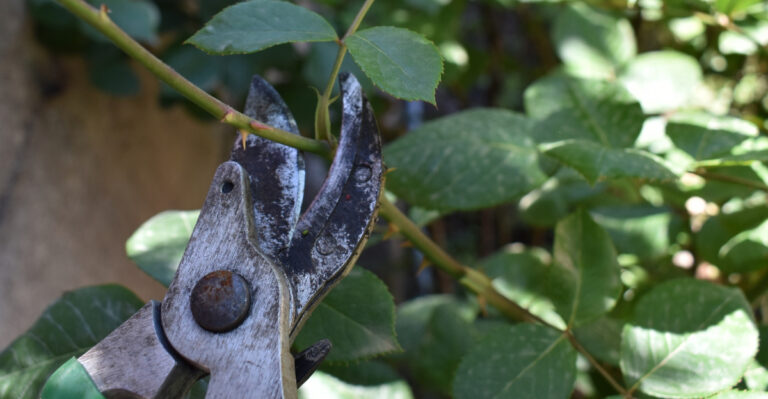
Fruit trees, roses, and perennial plants need pruning before spring growth begins. February provides the last reliable opportunity to complete this essential maintenance in Arizona gardens.
Waiting longer risks cutting off new growth or flower buds, while pruning earlier in winter can expose tender tissue to occasional frost damage.
Deciduous fruit trees like peaches, plums, and apples should be pruned while still dormant.
February in Arizona typically marks the end of dormancy, making it the perfect time to shape trees and remove damaged or crossing branches.
The work is easier when leaves are absent, and you can see the branch structure clearly.
Roses benefit tremendously from February pruning in Arizona’s low desert. Cutting them back encourages vigorous new growth that will produce abundant spring blooms.
The timing allows cuts to heal quickly as temperatures warm, reducing disease risk while maximizing flower production.
Garden cleanup also becomes manageable during February’s pleasant weather. Removing spent plants, clearing debris, and preparing beds for new plantings is comfortable work when temperatures stay moderate.
You can spend hours outside without heat exhaustion, making thorough cleanup actually enjoyable.
Arizona gardeners in higher elevations should adjust timing based on local frost dates. Lower desert areas around Phoenix and Yuma can safely prune throughout February, while Flagstaff and Prescott gardeners might need to wait until late February or early March.
Checking your specific microclimate ensures pruning success without risking cold damage to freshly cut plants.
5. Watering Is Easier To Manage Before Heat Spikes
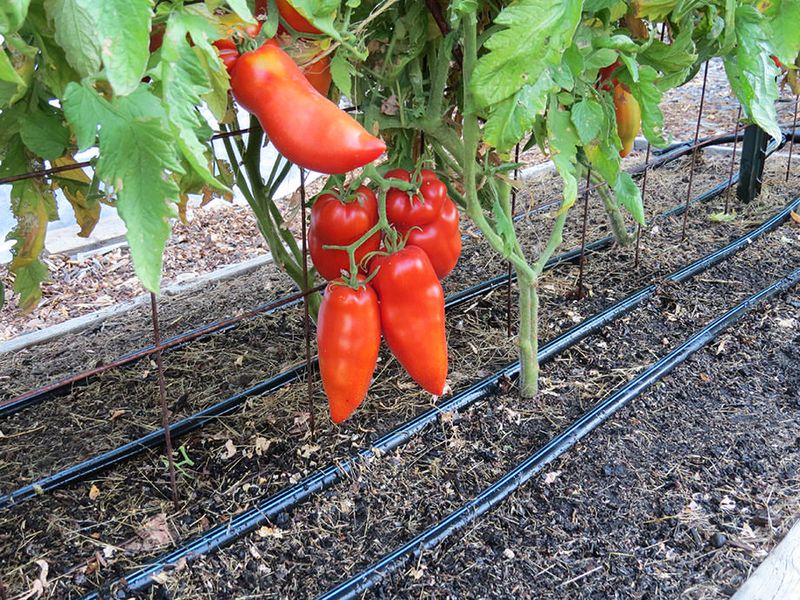
Water management becomes exponentially more complicated once Arizona summer arrives. February planting allows you to establish watering routines when plants need less frequent irrigation and evaporation rates remain moderate.
New transplants require consistent moisture to establish roots, and February’s cooler temperatures make this much easier to achieve.
Soil stays moist longer during February compared to summer months when surface soil can dry completely within hours. You can water deeply and less frequently, encouraging roots to grow downward while avoiding the constant irrigation that promotes shallow root systems.
This establishes healthy watering patterns that benefit plants throughout their entire life cycle.
Arizona’s low humidity means water evaporates quickly regardless of season, but February offers significant advantages. Morning watering has time to soak in before midday sun increases evaporation rates.
Plants can actually absorb and utilize the water you provide rather than losing most of it to the atmosphere.
Drip irrigation systems work more efficiently during February’s moderate temperatures. You can test and adjust emitters, check for leaks, and ensure even water distribution without fighting extreme heat.
New plants need close monitoring during establishment, and February weather makes daily garden checks pleasant rather than punishing.
Gardeners in Tucson, Phoenix, and other Arizona cities can use February to train plants for eventual summer conditions. Gradually spacing out watering sessions as plants establish helps them develop drought tolerance.
Starting this process during moderate weather sets up success when temperatures inevitably soar above 110 degrees later in the season.
6. Pests And Diseases Are Still Minimal
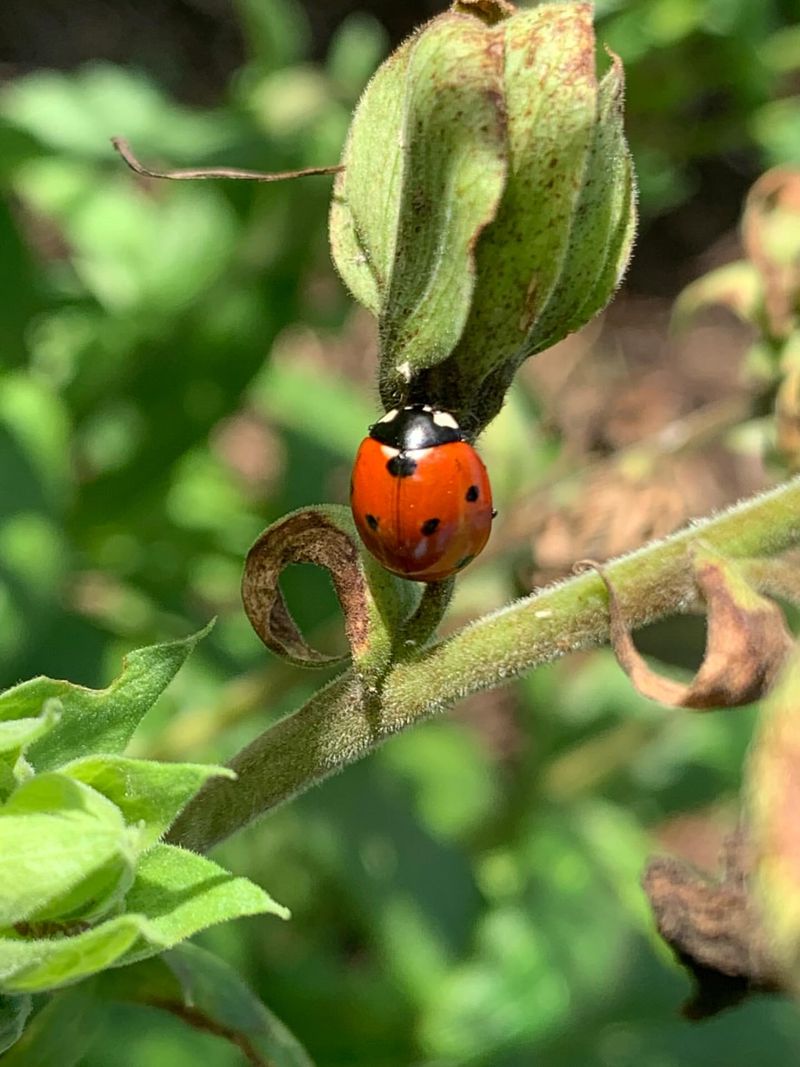
Insect populations remain relatively low during February in Arizona gardens. Aphids, whiteflies, and spider mites haven’t yet built up to the overwhelming numbers that arrive with warmer weather.
Planting during this window gives your vegetables and flowers time to grow strong before pest pressure intensifies.
Fungal diseases also pose less threat during February’s drier conditions. Powdery mildew and other moisture-related problems become serious issues during Arizona’s humid monsoon season, but February’s low humidity keeps these diseases largely at bay.
Your plants can focus energy on growth rather than fighting infections.
Beneficial insects have time to establish populations when you plant in February. Ladybugs, lacewings, and other helpful predators can build numbers alongside your growing plants.
This creates a balanced ecosystem before pest explosions occur, giving you natural pest control that reduces or eliminates the need for interventions.
Starting with healthy, pest-free plants in February means you’re not constantly playing catch-up with problems. Stressed plants become pest magnets, but vigorous growth from February planting creates resilient specimens that can withstand some pest pressure without collapsing.
Arizona gardeners know that prevention beats treatment every time.
Monitoring remains important even during February’s low-pest period. Catching problems early while populations are small makes management much simpler.
The comfortable weather encourages regular garden inspections, helping you spot issues before they become disasters. This proactive approach, combined with February’s naturally lower pest pressure, sets the stage for healthier plants throughout the entire growing season.
7. Gardens Get A Head Start Before Spring Rush
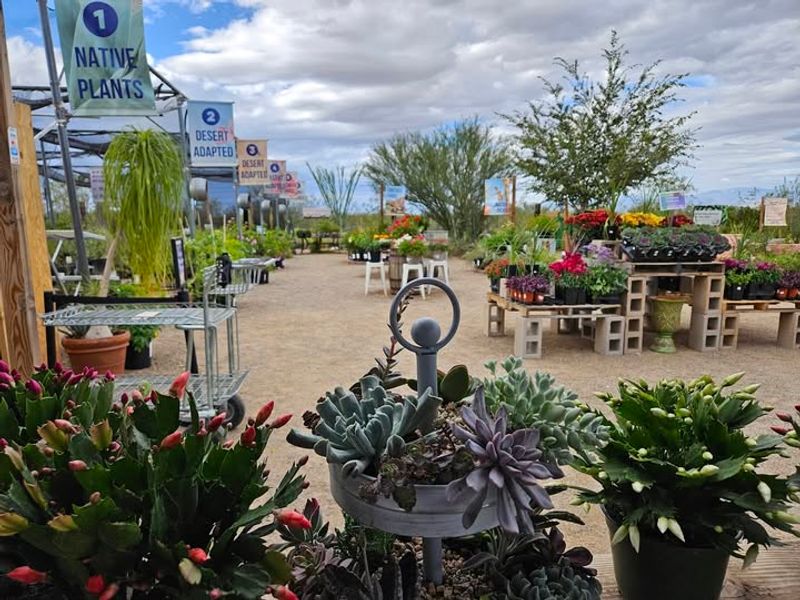
Nurseries and garden centers become crowded madhouses once March arrives and everyone suddenly remembers they want a garden. February shopping means better plant selection, fresher inventory, and actually getting help from staff who aren’t overwhelmed by crowds.
Arizona gardeners who start in February avoid the spring rush entirely while securing the best plants available.
Seed starting in February also provides advantages over later planting. Seeds germinate reliably in moderate temperatures, and you can grow varieties unavailable as transplants at nurseries.
Heirloom tomatoes, unusual peppers, and specialty crops become possible when you start from seed during February rather than relying on limited nursery selections.
Garden planning feels less rushed when you start in February. You have time to properly prepare soil, build or repair raised beds, and organize your space thoughtfully.
The panic planting that happens in March and April often leads to poor garden layout and hasty decisions you’ll regret all season.
Arizona’s competitive gardening community means popular items disappear quickly once planting season hits full swing. Compost, mulch, quality transplants, and even basic supplies can sell out during peak times.
February shoppers get first pick of everything, ensuring they have the materials needed for garden success.
Starting early also builds momentum and excitement for the growing season. You’re already harvesting cool-season crops while others are just beginning to plan.
Your warm-season plants are established and growing while neighbors are still shopping for transplants. This head start, both practical and psychological, makes February the clear choice for serious Arizona gardeners who want maximum productivity and minimum stress throughout the entire year.